
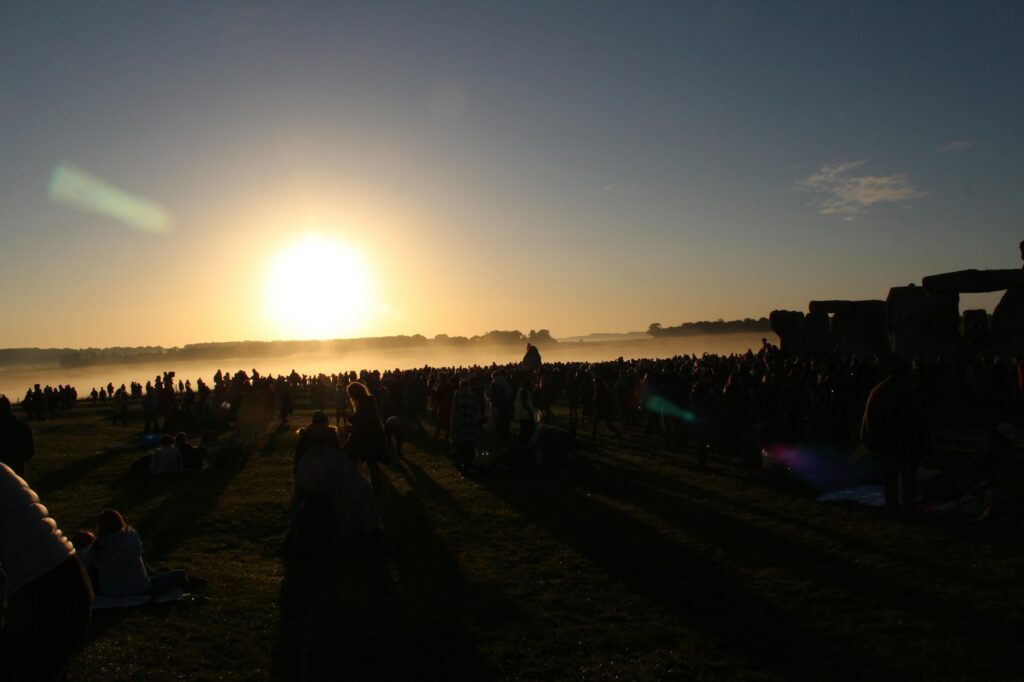
On June 21, 2026 at 4:52am, the sun will rise in perfect alignment with Stonehenge. This moment, repeated for 5,000 years, gathers thousands of people around the stones of Wiltshire every year — druids in white robes, travellers seeking meaning, and curious visitors witnessing one of Europe’s oldest-celebrated natural spectacles. Whether you dream of standing inside the circle beside the druids or discovering lesser-known alternatives — Avebury, Glastonbury Tor, West Kennet Long Barrow — this guide prepares you to experience the summer solstice as few tourists do.
1. Stonehenge — The Heart of the Druidic Ritual
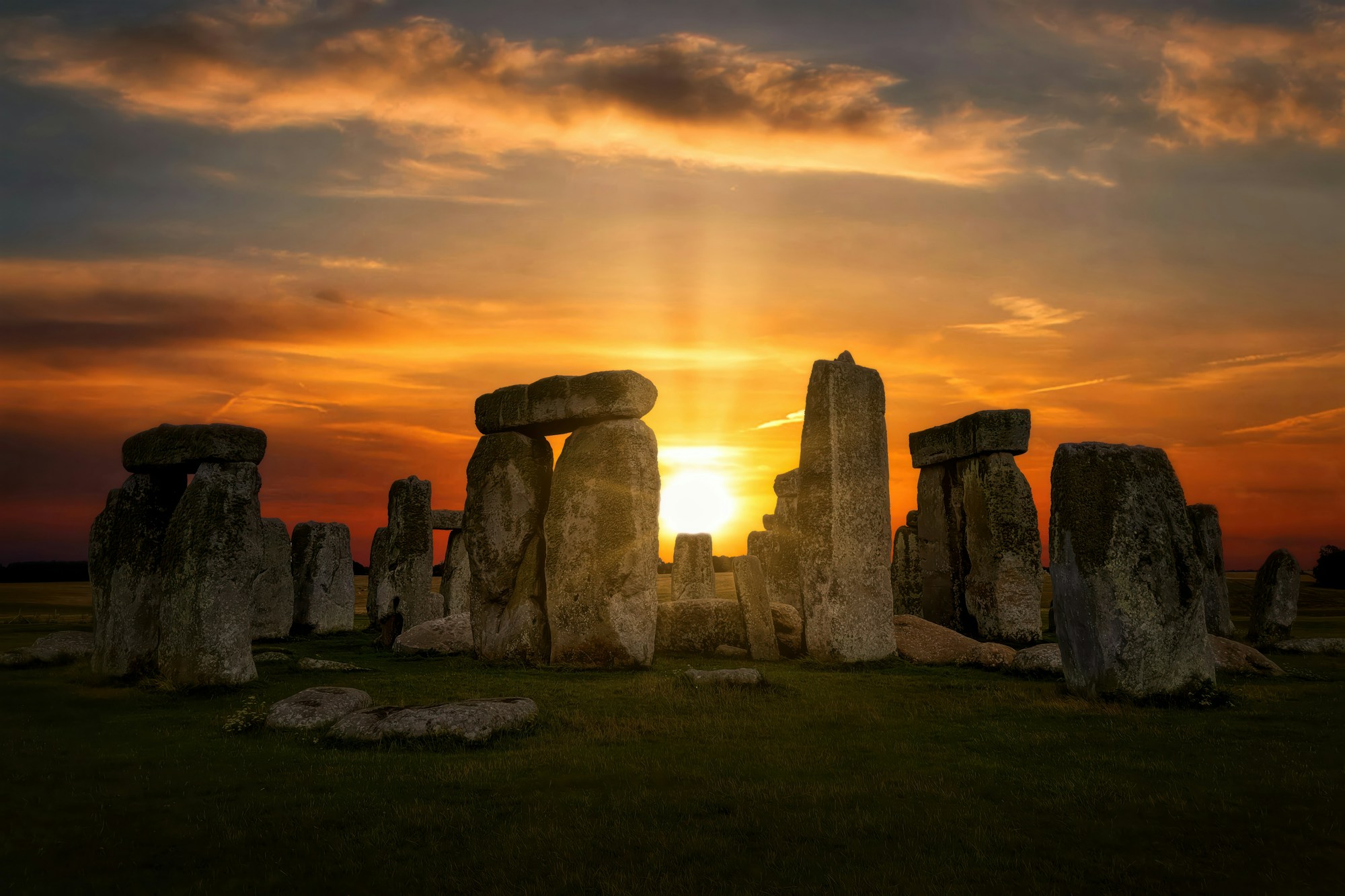
Stonehenge: Free and Open Access at the Solstice
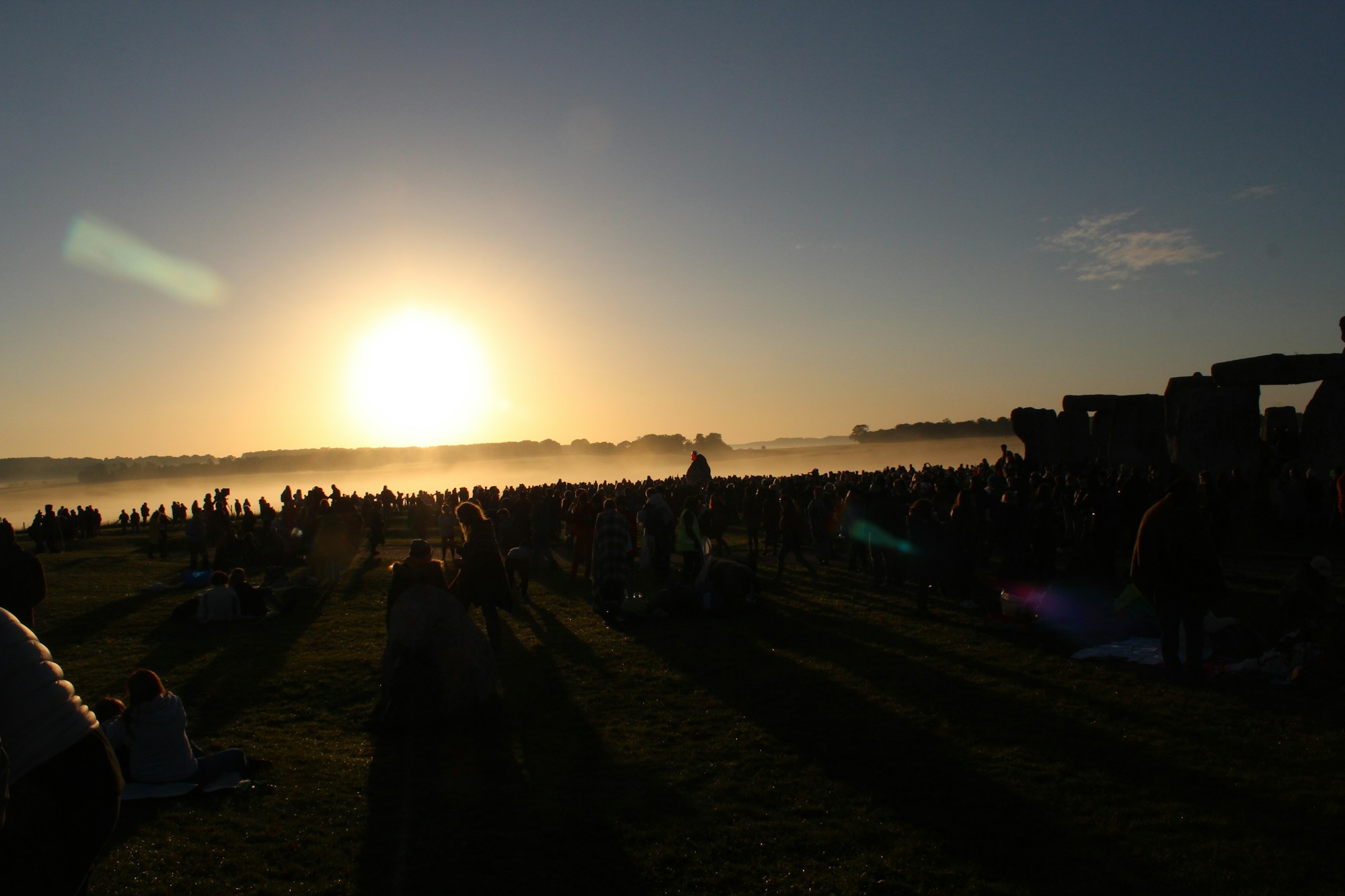
For the 2026 summer solstice, English Heritage will once again open Stonehenge for managed open access: no ticket is required, entry is free for everyone. This is one of the rare occasions each year when visitors can walk among the stones and touch them, whereas normally the site is roped off and visitors observe from a distance. According to Stonehenge London Tours, sunrise is expected at approximately 4:52am on Sunday 21 June. At that precise moment, the light enters the circle exactly as its builders intended 5,000 years ago.
The druidic ceremony is the soul of the event. A horn is sounded to herald the dawn, symbolising the triumph of light over darkness. Participants are divided into four groups to honour the four elements, all facing the rising sun. The air fills with drumbeats, chanting, and the scent of burning herbs, creating an atmosphere that borders on the sacred. In 2025, in clear weather, 25,000 people gathered on the plain.
What You Need to Know Before You Go
- Arrive between 1am and 3am for a good position
- Alcohol and glass are strictly prohibited
- Solstice parking: ~£10–15 (separate from the regular car park)
- Dress warmly: Salisbury Plain at 3am in June is chilly
- Stay after sunrise: crowds thin by 6am, offering magical moments
2. Avebury — The Laid-Back Alternative (and Much Bigger)
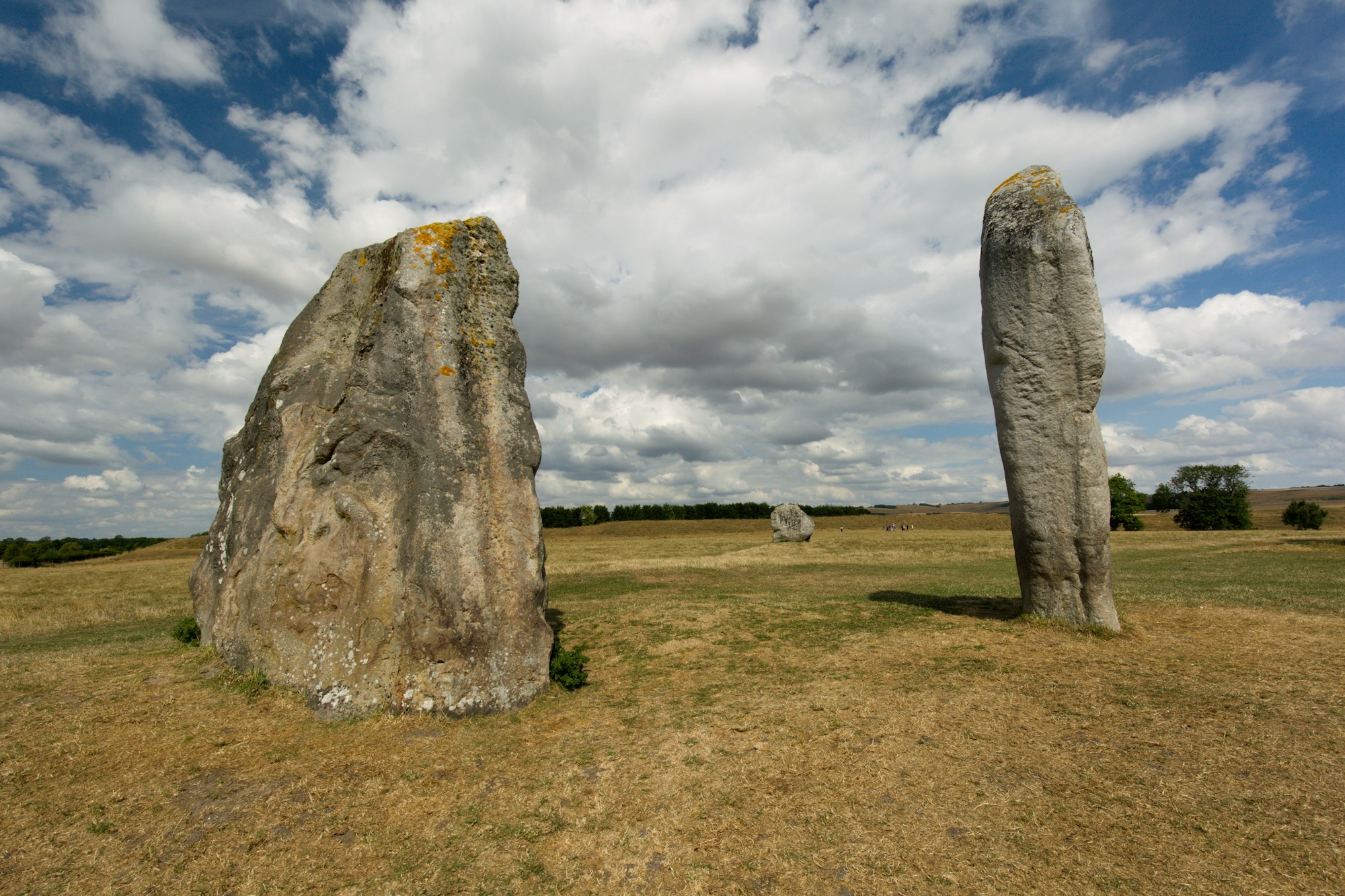
Avebury: The World’s Largest Stone Circle
According to the National Trust, Avebury is the WORLD’s largest Neolithic stone circle — you could fit Stonehenge inside it about 14 times. And yet far fewer visitors come here at the solstice. That’s precisely what makes it an excellent alternative: where Stonehenge gathers 25,000 people in a managed setting, Avebury welcomes a few thousand revellers freely among the stones.
The solstice celebration here is much more laid-back according to Third Eye Traveller: revellers set up among the stones with drums and party all night waiting for first light. The village of Avebury is itself embedded within the stone complex — a pub, houses, sheep, and 5,000-year-old megaliths all coexist in the same space.
Advantages of Avebury for the Solstice
- Complete freedom to move among the stones and touch them
- Fewer crowds, less security, more authenticity
- Close to West Kennet Long Barrow and Silbury Hill (2 km away)
- Accessible by bus from Swindon (Route 49 or 42, stop at Red Lion Pub)
3. Glastonbury Tor — The Mystical Hill of Somerset
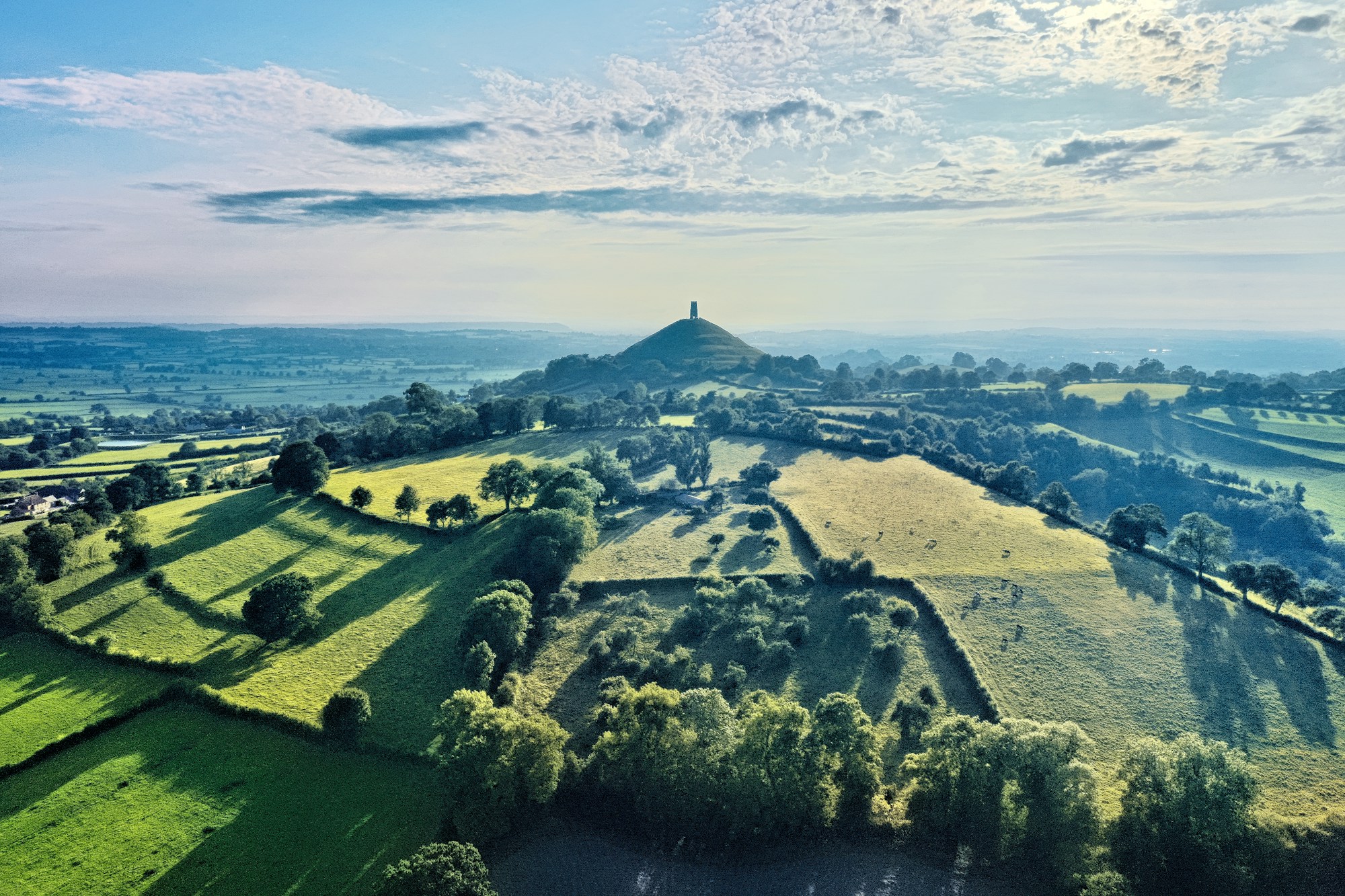
Glastonbury Tor: Sunrise at 4:55am Over the Somerset Levels
Glastonbury Tor rises 158 metres above the Somerset Levels, topped by the ruins of the 15th-century St Michael’s Church. Its significance as a place of high spiritual importance is recognised in Pagan traditions, according to the British Parliament, which officially recognises it as a site linked to seasonal cycles and ancient rites. Hundreds of people gather there every 21 June to watch the sunrise, cheering, applauding and dancing to drums, according to BBC Somerset.
The Tor’s advantage over Stonehenge: no paid access, no crowd restrictions, and 360° views over the Somerset countryside. The Tor is said to be a magical mountain linked to Arthurian legend, according to the Camping & Caravanning Club.
How to Experience the Solstice at Glastonbury
- Join the Solstice Sunrise Walk organised by the town: guided ascent to the Tor
- Climb to the Tor for sunrise (~4:55am), then descend to Chalice Well for its morning ceremony
- Glastonbury town is an esoteric hub with many B&Bs from £25/night
- More intimate and contemplative atmosphere than the Stonehenge party
4. West Kennet Long Barrow — The Tomb You Can Enter
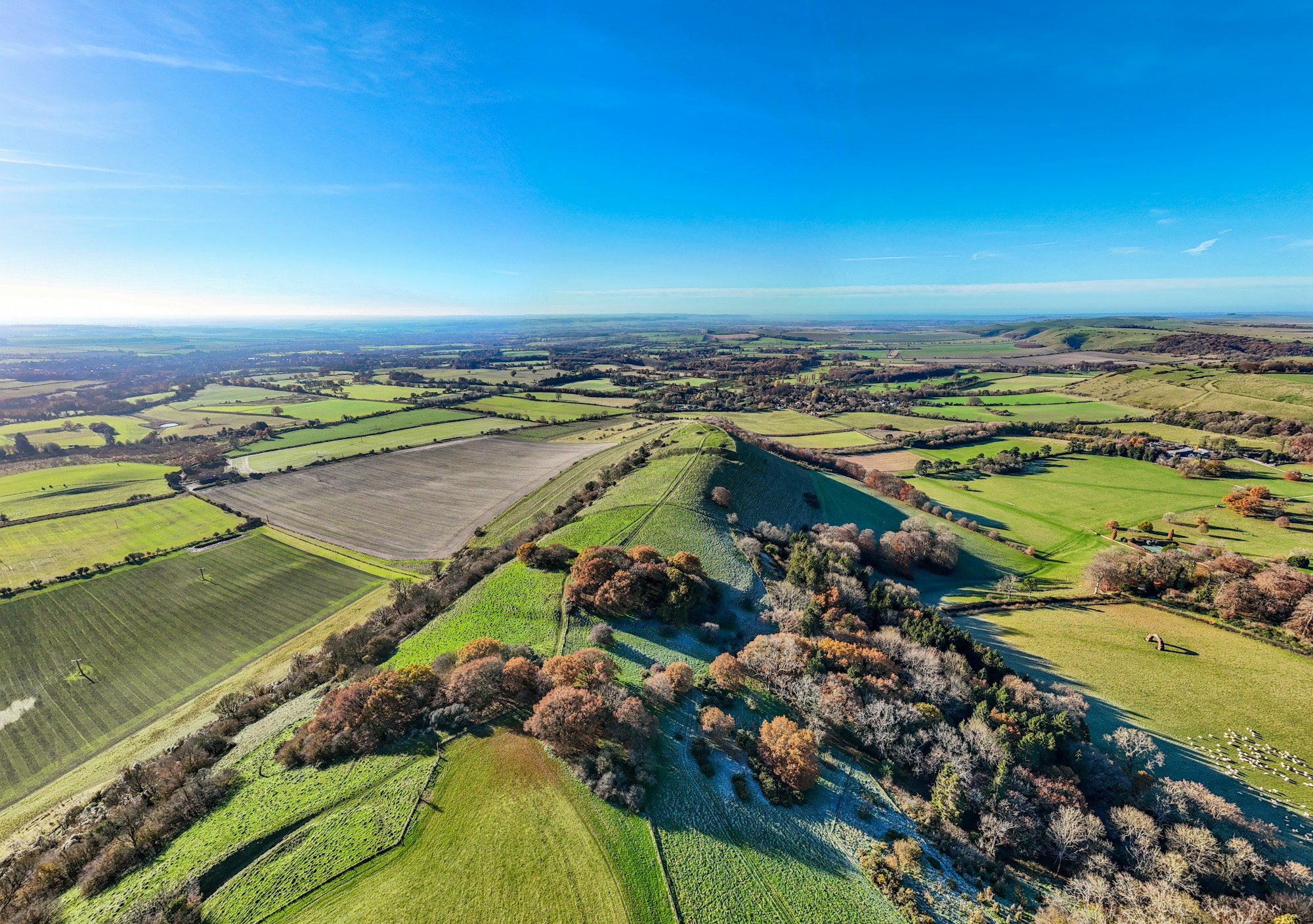
West Kennet Long Barrow: 5,500 Years of History Open to All
West Kennet Long Barrow is a chambered Neolithic tomb built more than 5,500 years ago, set on a prominent chalk ridge near Avebury. According to Visit Wiltshire, it is one of the longest and most impressive Neolithic tombs in Britain. What makes it unique among all the prehistoric sites in the region: the hollow chambers are freely accessible to visitors, who can physically enter the monument.
According to Slow Travel UK, local legend tells of a white-robed phantom haunting the site at solstice sunrise, waiting silently for the sun to rise before entering the tomb. According to Atlas Obscura, walking inside can be a rather eerie experience and is certainly not for the claustrophobic.
Why Include West Kennet in Your Solstice Programme
- Completely free entry and parking (lay-by on the A4)
- Druids and pagans often come to meditate in the chambers at dawn
- Silbury Hill is visible from the ridge — combine both in one morning
- Intimate experience impossible at Stonehenge, without any crowds
5. More Hidden Gems of the Solstice Circuit
Beyond the four main sites, the Wiltshire and Somerset solstice landscape is rich with even more secretive alternatives. Here are four must-sees for travellers who want to go beyond the beaten path.
Silbury Hill
Europe’s largest prehistoric artificial mound (40 metres high, c. 2400 BC), 1 km from West Kennet. Its purpose remains unknown to archaeologists. Spectacular view at solstice sunrise. Free external access.
Source: English Heritage
Stanton Drew
England’s third-largest stone circle complex, 15 km from Bristol, almost unknown. Great circle 113 metres in diameter, free access, £1 entry (honesty box). Druids still hold ceremonies there at the solstice. Source: English Heritage
Woodhenge
The forgotten wooden Stonehenge, 3 km north-east of Stonehenge. Six concentric rings of post holes, built c. 2300 BC. Aligned with the solstice sunrise. Completely free access, nearly deserted even on 21 June. Source: English Heritage
Chalice Well
One of England’s oldest sacred springs in Glastonbury, used for 2,000 years. Contemplative gardens, dawn ceremonies at the solstice. Entry £5.50. The most intimate and least festive alternative on the circuit. Official site: chalicewell.org.uk
6. The 2026 Solstice Circuit: 3-Day Itinerary
3 Days in Wiltshire for an Unforgettable Solstice
Day 1 — Friday 19 June: Arrive in Bath or Salisbury
- Check in to accommodation (book at least 6 months ahead)
- Visit Salisbury Cathedral (original Magna Carta on display)
- Sunset from Old Sarum — Iron Age hill fort overlooking Salisbury Plain
Day 2 — Saturday 20 June: The Avebury Circuit + Sunset at Stonehenge
- Morning: West Kennet Long Barrow (free) + Silbury Hill (free)
- Afternoon: Avebury Stone Circle and the Alexander Keiller Museum
- Evening: Solstice sunset at Stonehenge (8:30–9pm)
- Then: return to Avebury or your accommodation — rest before the all-nighter
Day 3 — Sunday 21 June: The Grand Sunrise
- 1am–3am: Set off for Stonehenge (arrive in darkness for a good spot)
- 4:52am: Solstice sunrise — the astronomical alignment
- 6am–8am: Woodhenge in solitude, then breakfast in Amesbury
- Glastonbury option: head to Glastonbury Tor and Chalice Well in the early afternoon
Practical Information for Your Solstice Trip
Nomad Insurance: global coverage from $56/4 weeks. Stay protected on your solstice adventure.
From $56 / 4 weeksStay connected in England from the moment you land. Instant activation, unlimited data.
From €4.50Frequently Asked Questions about the Summer Solstice at Stonehenge
Do you need a ticket to attend the 2026 summer solstice at Stonehenge?
No, no ticket is required. Entry is free and open to everyone for the managed open access solstice event, according to Stonehenge London Tours. Security and crowd control measures are in place. However, dedicated solstice car parks are paid (approximately £10–15). Confirm details with English Heritage as 21 June 2026 approaches.
What time exactly does the sun rise at Stonehenge on 21 June 2026?
The 2026 summer solstice sunrise is expected at approximately 4:52am at Stonehenge (southern England), according to Stonehenge London Tours. This is when the sun aligns precisely with the monument’s axis and light enters the stone circle. The astronomical solstice itself occurs slightly before this moment in the day.
What time should you arrive at Stonehenge for the solstice?
Experienced visitors arrive between 1am and 3am for a good position. As the sky lightens, attention turns towards the Heel Stone. The earlier you arrive, the smoother your entry and the better your view, according to Stonehenge London Tours. Many people arrive between 1am and 2:30am. Bring warm clothing for the wait.
How large are the crowds at the Stonehenge solstice?
In 2025, in clear warm weather, 25,000 people gathered at Stonehenge for the summer solstice, according to Roots Travel. It’s one of England’s largest annual gatherings. The solstice weekend falls on a Sunday in 2026, which could attract even more visitors. If you prefer a more intimate experience, Avebury or Glastonbury Tor are far less crowded alternatives.
Can you touch the stones at Stonehenge during the solstice?
Yes, this is one of the rare occasions in the year when it’s possible. The managed open access allows visitors to walk among the stones for several hours around sunrise, according to Stonehenge London Tours. Normally the complex is roped off and visitors observe the stones from a distance without being able to enter the enclosure. The summer solstice is therefore the ideal opportunity for a complete, immersive experience.
Is alcohol allowed at the Stonehenge solstice?
No, alcohol is no longer permitted at Stonehenge during the solstice. Glass is also banned and will be confiscated at the entrance, according to Stonehenge Tour. These rules exist partly because many people walk barefoot and livestock graze in the area throughout the year. At Avebury, however, the Red Lion Pub is open and the atmosphere is much more festive.
Avebury or Stonehenge: which to choose for the 2026 solstice?
It depends on what you’re looking for. According to Third Eye Traveller, many travellers who have experienced both prefer Avebury for its relaxed atmosphere. Stonehenge offers the official astronomical alignment, the emotion of the crowds and the official druidic ceremony. Avebury offers freedom, authenticity, and the chance to stand among the world’s largest stones without restrictions. For a first solstice: Stonehenge. For a deeper, more intimate experience: Avebury.
How to get to Stonehenge for the solstice without a car?
Several options are available for car-free travellers. Special shuttles run from Salisbury for the solstice. Organised tours depart from London in the night of 20–21 June (departing around 1am, returning around 8am, prices £50–80 per person). For Avebury, Stagecoach Route 49 buses and Swindon Bus Company Route 42 serve the village, stopping at the Red Lion Pub, according to the National Trust. A guided minibus tour is often the most comfortable option for groups.
Sources
- Stonehenge London Tours — Summer Solstice 2026 Guide
- Stonehenge Tour — Sunrise & Sunset Tours 2026
- National Trust — Avebury Summer Solstice
- Third Eye Traveller — Summer Solstice in Avebury: A Complete 2026 Guide
- Glastonbury Information Centre — Summer Solstice
- BBC Somerset — Hundreds gather to watch summer solstice sunrise at Glastonbury Tor
- Visit Wiltshire — West Kennet Long Barrow
- English Heritage — West Kennet Long Barrow
- Atlas Obscura — West Kennet Long Barrow
- English Heritage — Stanton Drew Stone Circles
- Closer Lives — Stonehenge Solstice Guide 2025/2026
- Roots Travel — Summer Solstice Stonehenge & Avebury
- Michelle Cromer — Stonehenge with the Druids on the Summer Solstice
- UK Parliament — Summer Solstice at Glastonbury Tor
- Wikipedia — Summer Solstice at Stonehenge
Plan Your Solstice Trip with Pixidia
Discover itineraries and inspiration for exploring Wiltshire, Cornwall and all of the United Kingdom in our travel magazine.
Explore our UK destinations