
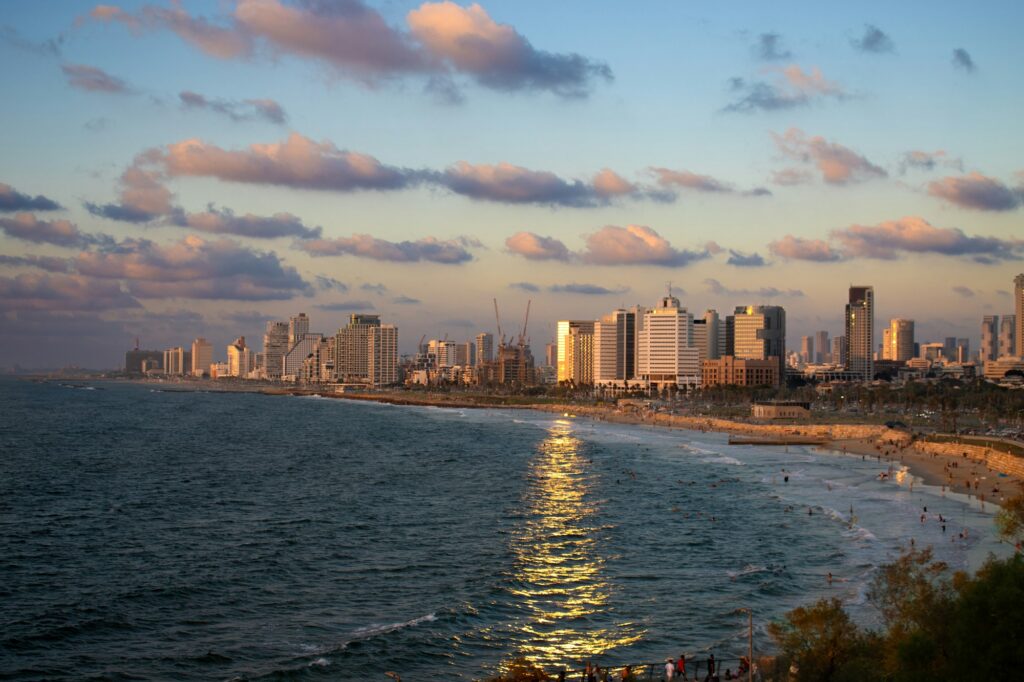
Every year in September, a pause settles over cities around the world. In Tel Aviv, highways empty of cars — then fill with bicycles. In New York, thousands of voices rise in century-old synagogues and repurposed Brooklyn warehouses. In Marrakech, a 16th-century synagogue opens its doors in the heart of the Mellah, its mezuzah just a few meters from the minaret of a neighboring mosque. In 2026, Rosh Hashana — the Jewish New Year — begins at sunset on September 11, and the ten days that follow, culminating with Yom Kippur on September 20–21, form one of the most culturally intense periods of the year. Whether you are a practicing Jew, a curious traveler, or a lover of world cultures, this guide covers everything you need to know to experience these holidays in three exceptional destinations.
2026 Calendar: Exact Dates and What They Mean
The Jewish calendar is lunar: all holidays begin at sunset on the eve of the civil date. In 2026, according to Chabad.org and Hebcal, the Yamim Noraim (the « Days of Awe ») are organized as follows:
| Holiday | Begins (sunset) | Ends (sunset) | Duration |
|---|---|---|---|
| Rosh Hashana | September 11, 2026 | September 13, 2026 | 2 days (1 in Israel) |
| Penitence period | September 13, 2026 | — | 10 days |
| Yom Kippur | September 20, 2026 | September 21, 2026 | 25-hour fast |
The Yamim Noraim designate the period from Rosh Hashana to Yom Kippur — ten days of intense introspection on the mistakes of the past year and the changes to be made for the year ahead. Rosh Hashana marks the anniversary of the creation of Adam and Eve according to tradition, and a day of divine judgment. Yom Kippur is the culmination: the holiest day on the Jewish calendar, observed with a complete 25-hour fast.
On both Rosh Hashana and Yom Kippur, shops, public transportation, and kosher restaurants close. Yom Kippur goes even further: Ben Gurion Airport ceases all activity. Plan your transfers and provisions at least two days in advance.
1. Tel Aviv — Tashlich on Frishman Beach
Rosh Hashana in Tel Aviv: tradition, the Mediterranean, and pop culture
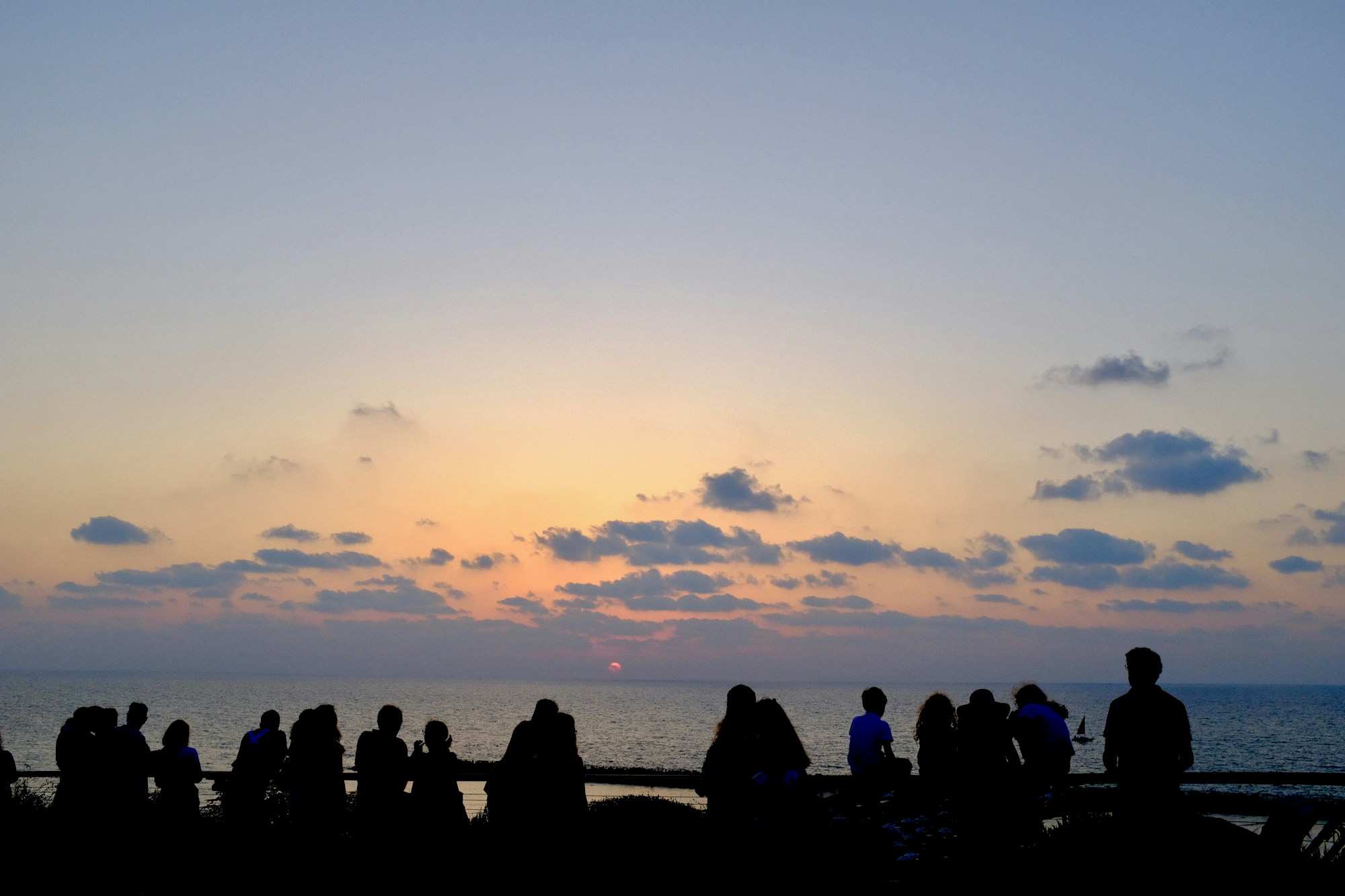
Tel Aviv is the only major secular Jewish metropolis in the world where Rosh Hashana fuses millennial tradition with contemporary culture. According to Tourist Israel, in many ways being in Tel Aviv during Rosh Hashana resembles Shabbat: most businesses close and families gather for festive meals from the evening of September 11. But here, alongside religious rituals, the city comes alive with vibrant markets and exceptional communal dinners.
One of the most singular moments takes place at Frishman Beach: the TAIS community holds the annual Tashlich with 100 powerful shofar blasts. This ancient ritual — casting bread into the sea to symbolize the casting off of the past year’s sins — takes on a unique dimension facing the Mediterranean. A meaningful beach tradition, according to Secret Tel Aviv, for starting the year fresh.
On the culinary side, Lehem Basar at Hangar 14 in the Tel Aviv Port is a kosher steakhouse whose dishes — roasted eggplant, lamb stew, salmon fillet, premium steaks — are served overlooking the Mediterranean. Seasonal delights, according to Bein Harim Tours. For a festive stay, the David Kempinski Tel Aviv offers special holiday dinners for Rosh Hashana with meticulously prepared kosher menus.
Things to do in Tel Aviv for Rosh Hashana
- Tashlich at Frishman Beach (Sept. 12 afternoon) — 100 shofar blasts facing the sea
- Carmel Market on the eve — festive shopping (pomegranates, honey, apples, challah)
- Dinner at Lehem Basar (Tel Aviv Port) — Mediterranean views
- Stroll through the Jaffa (Yafo) neighborhood — ancient port, flea market, Ottoman architecture
Tel Aviv on September 20–21 — The « National Bicycle Day »
Yom Kippur: when Tel Aviv belongs to cyclists
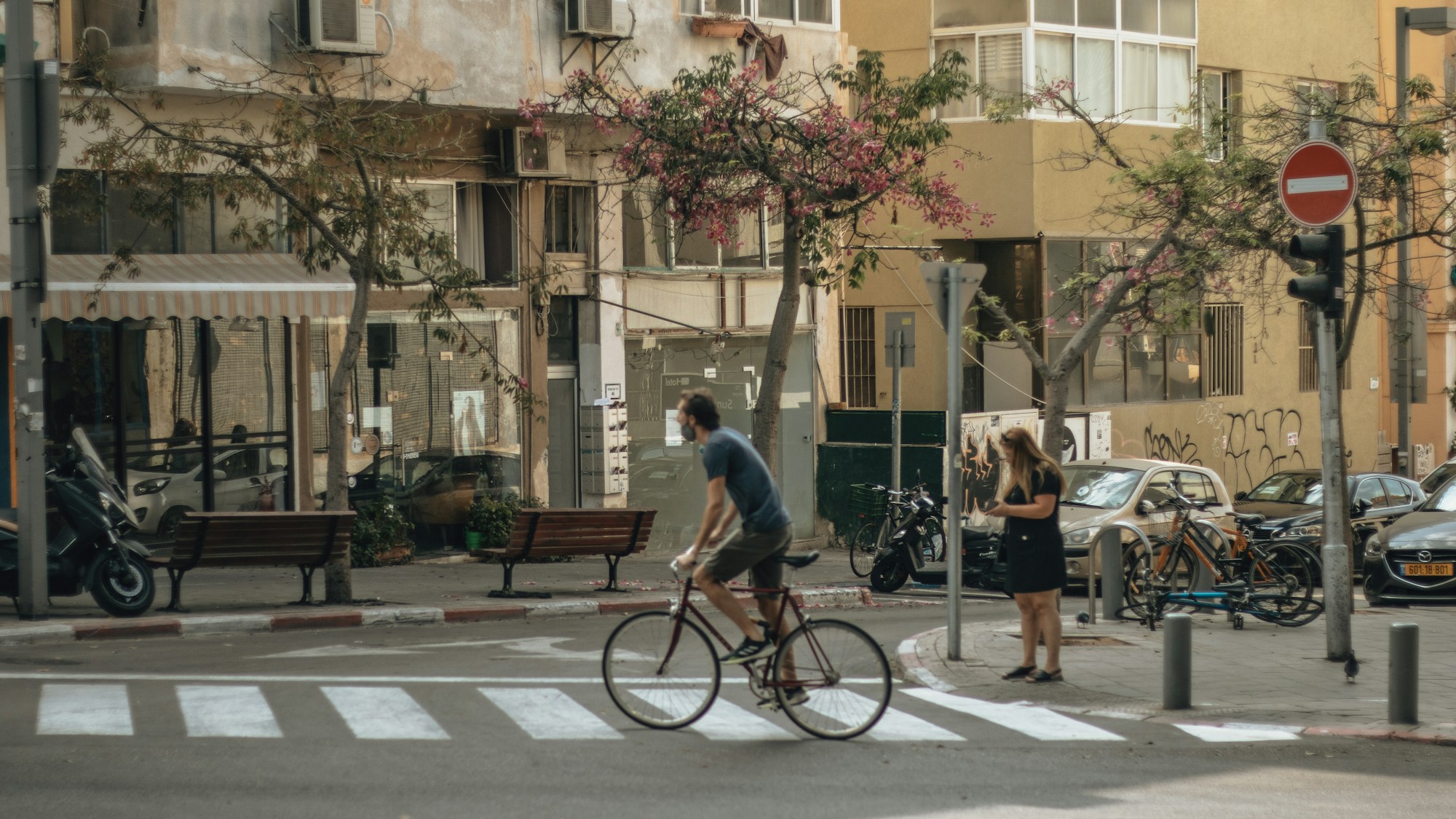
Yom Kippur is the only day when normal life in Israel stops completely. According to Tourist Israel, Ben Gurion Airport ceases operations, all public transportation comes to a halt, and private vehicles vanish from the roads. What makes Tel Aviv absolutely unique: from sunset on September 20, the highways belong to bicycles.
The Ayalon Highway — 8 lanes in the heart of the city — becomes a giant playground. A 6-year-old wobbles in the middle of lanes on a pink bike; teenagers glide along the main arteries, the usual roar replaced by an almost surreal silence. According to Haaretz, it is not legally forbidden to drive — but almost all citizens, religious and secular alike, refrain by tradition.
There is no city on Earth that shifts as radically as Tel Aviv on Yom Kippur, according to Native Israel. The change is instant and spectacular: as soon as the sun sets, the entire city becomes a playground.
1. Book a bike in advance — they go very quickly. Some hotels include them in their Yom Kippur packages.
2. Buy your provisions the day before: no restaurant, grocery store, or shop will be open for 25 hours.
3. Respect worshippers: avoid eating, drinking, or smoking in public, even if you are not fasting.
2. New York City — The World Capital of the High Holidays
Upper West Side and Brooklyn: two faces of American Judaism
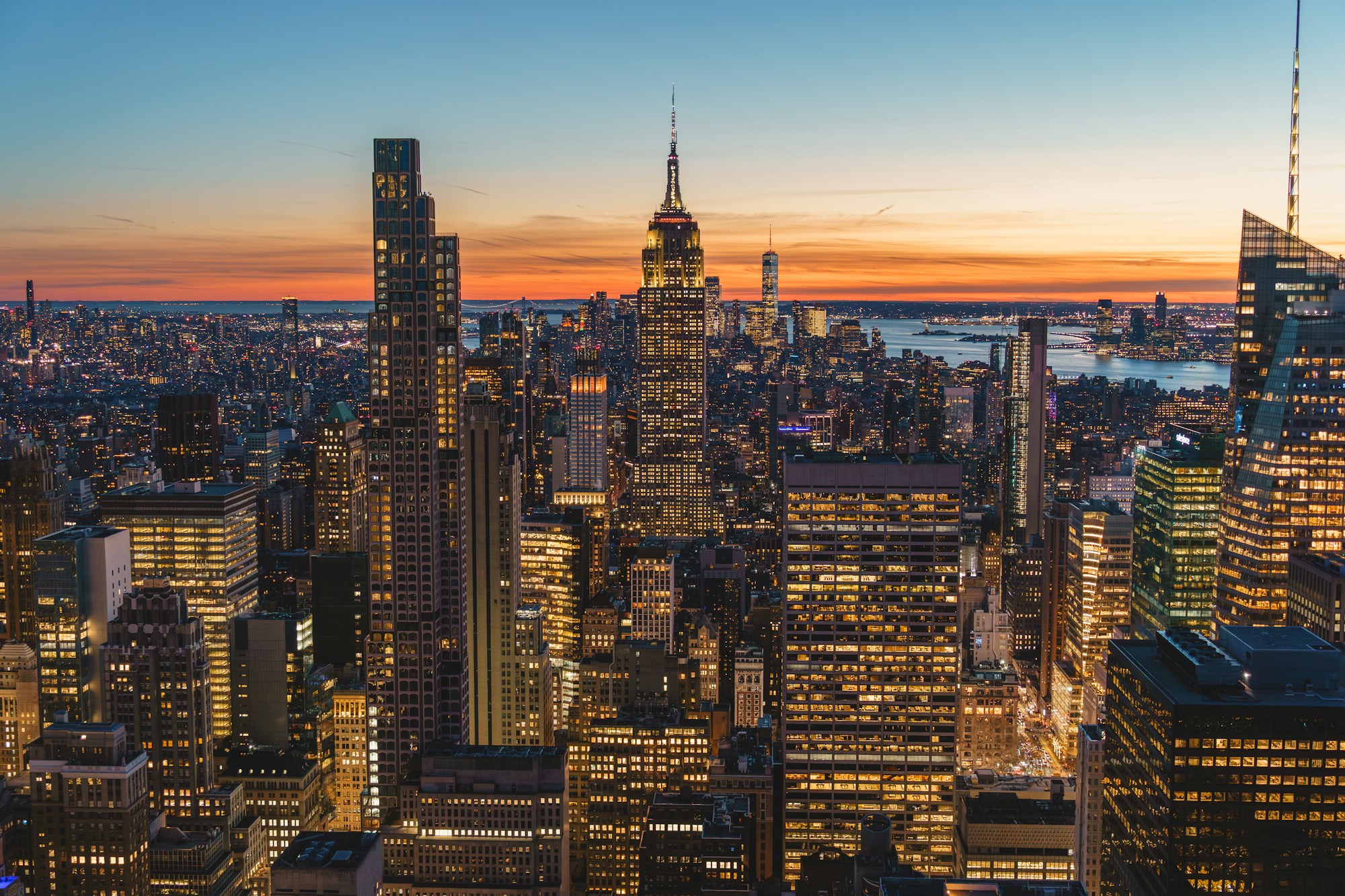
New York is home to the largest Jewish community outside Israel. During the ten days between Rosh Hashana and Yom Kippur, the Upper West Side transforms: its streets between Riverside Drive and Columbus Avenue become an extension of the surrounding synagogues. Central Synagogue (Midtown) offers services that fill the sanctuary, with a Tashlich at the East River, at 56th Street — an urban and spiritual experience radically different from the shores of Tel Aviv.
Brooklyn has become the creative laboratory of contemporary American Judaism. According to JTA, Temple of the Stranger in Bushwick offers an immersive Rosh Hashana with a theater troupe, live music, and an all-red dress code. Lab/Shul at the Tribeca Performing Arts Center combines shofar, contemporary art, and Tashlich facing the Statue of Liberty. « Bowl Hashanah » at Brooklyn Bowl (61 Wythe Ave., Williamsburg) fuses jazz and prayer.
For travelers without synagogue affiliation, Ohel Ayalah offers free services open to all — no reservation, no membership required. The UJA-Federation of New York maintains an online directory of hundreds of services across all boroughs.
Must-visit kosher restaurants in New York
- Talia’s Steakhouse — Rosh Hashana prix-fixe dinner with round challah, apple & honey, bilingual kiddush · $100–180/person
- Breads Bakery — Apple Challah, Honey Cake, Milk & Honey Rugelach for the holidays
- Zabar’s — complete Rosh Hashana basket for 6 deliverable ($398, matzo ball soup, brisket, challah, babka)
- PJ Bernstein (Upper East Side) — authentic Ashkenazi deli: soup, kugel, brisket, whitefish
Congregation Rodeph Sholom (7 West 83rd St.) offers a Rosh Hashana service specially designed for 20–30-year-olds, followed by a wine and dessert reception. One of the best entry points for newcomers.
3. Marrakech — The Sephardic Mellah and the Lazama Synagogue
Five centuries of Islamic-Jewish-Berber coexistence
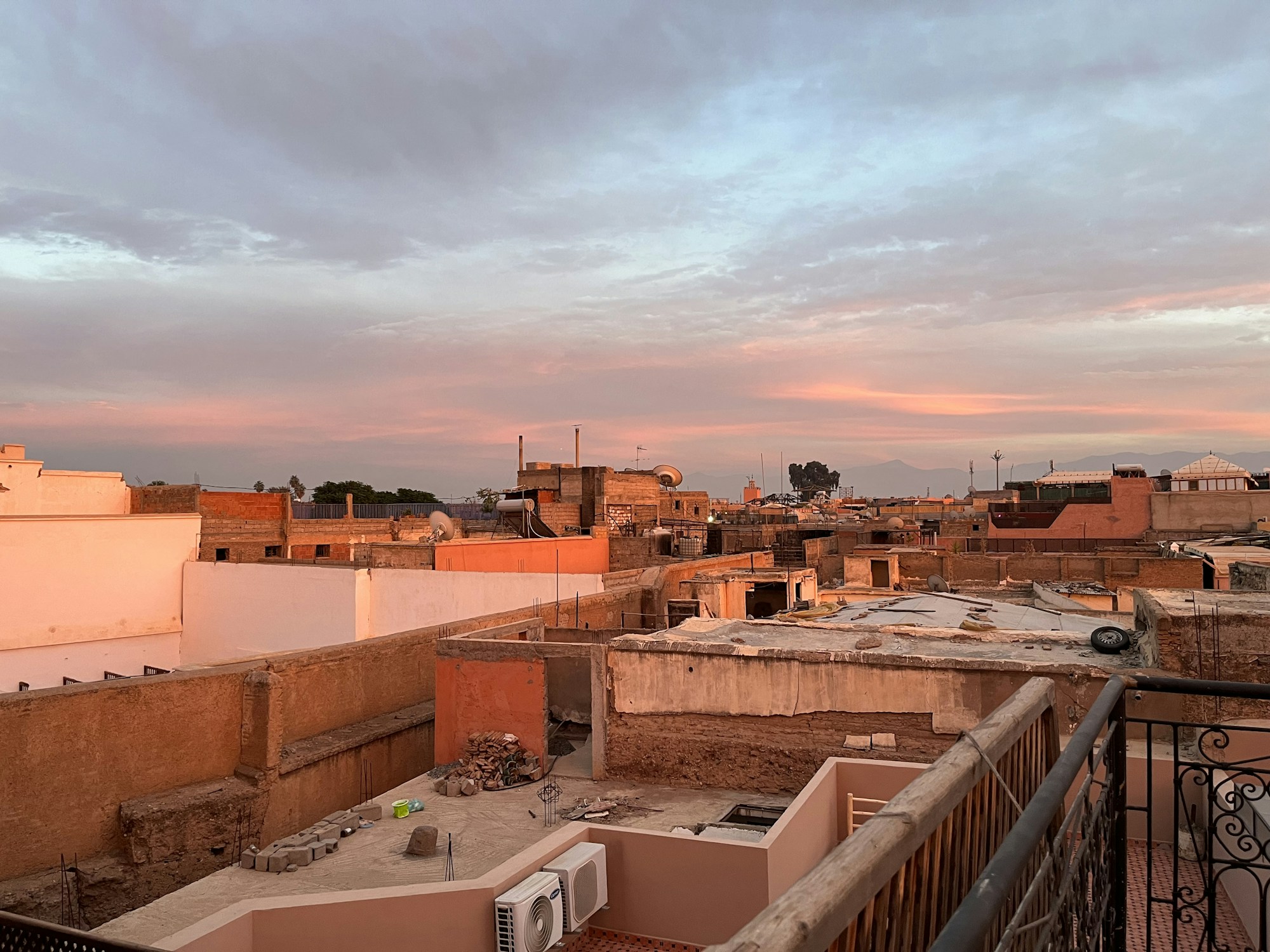
Marrakech is the most surprising destination in this guide — and probably the rarest. In the medina, just a few meters from a mosque, hides the Lazama Synagogue (Slat Al Azama), founded in 1492 — the very year of the expulsion of Jews from Spain. According to Dar Zaman, it is the main synagogue in Marrakech still open to the public daily. It resembles more of a museum, with its patio adorned with blue and white zellige tilework and its fountain, but it remains an active place of worship.
The Mellah, the Jewish quarter founded under the Saadian dynasty in the 16th century, was a hub of commerce, learning, and religious life. Jewish merchants were central to Marrakech’s prosperity — trading in spices, silks, precious metals, and holding influential positions in finance and diplomacy. Marrakech once had 50,000 Jews. Today, according to Rusty Travel Trunk, fewer than 100 remain, most of them elderly. But the royal decision to renovate the Mellah has led to a remarkable wave of cultural tourism.
For Rosh Hashana 2026, the Lazama Synagogue (open daily except Shabbat, 9am–7pm) hosts an intimate service. Beth-El Synagogue in Guéliz, with its blend of Moroccan and Art Deco styles, represents the center of contemporary Jewish life in Marrakech. As Rabbi Daniel Bouskila wrote from this synagogue: « There is nothing that connects Jews more powerfully than the notes of the shofar. Our common language, for all generations, is Tekiah, Shevarim, Teruah. »
Must-have experiences in Marrakech for the holidays
- Visit the Lazama Synagogue — zellige tilework, Torah scrolls, flowering patio (entrance: 10 dirhams ≈ €1)
- Holiday dinner at Dar Ima — Marrakech’s unmissable kosher restaurant (+212-524436893)
- Miara Cemetery — one of the largest Jewish cemeteries in Morocco
- Guided Jewish heritage tour (€80–150/person) — Ben Attar gate, Mellah, synagogues, Museum of Confluences
- Shabbat dinner in a private Judeo-Moroccan home — a rare experience by reservation (€50–100/person)
Traditions and Symbols: How to Experience the Holidays as a Respectful Traveler
The fundamental rituals of the Yamim Noraim
The traditions of Rosh Hashana and Yom Kippur combine deep spiritual meaning with everyday gestures. Whether you are observant or simply curious, here are the essential markers for experiencing these holidays with respect and understanding, wherever you may be.
Rosh Hashana traditions
- Apple and honey — dipping apple slices in honey symbolizes the sweetness wished for the new year
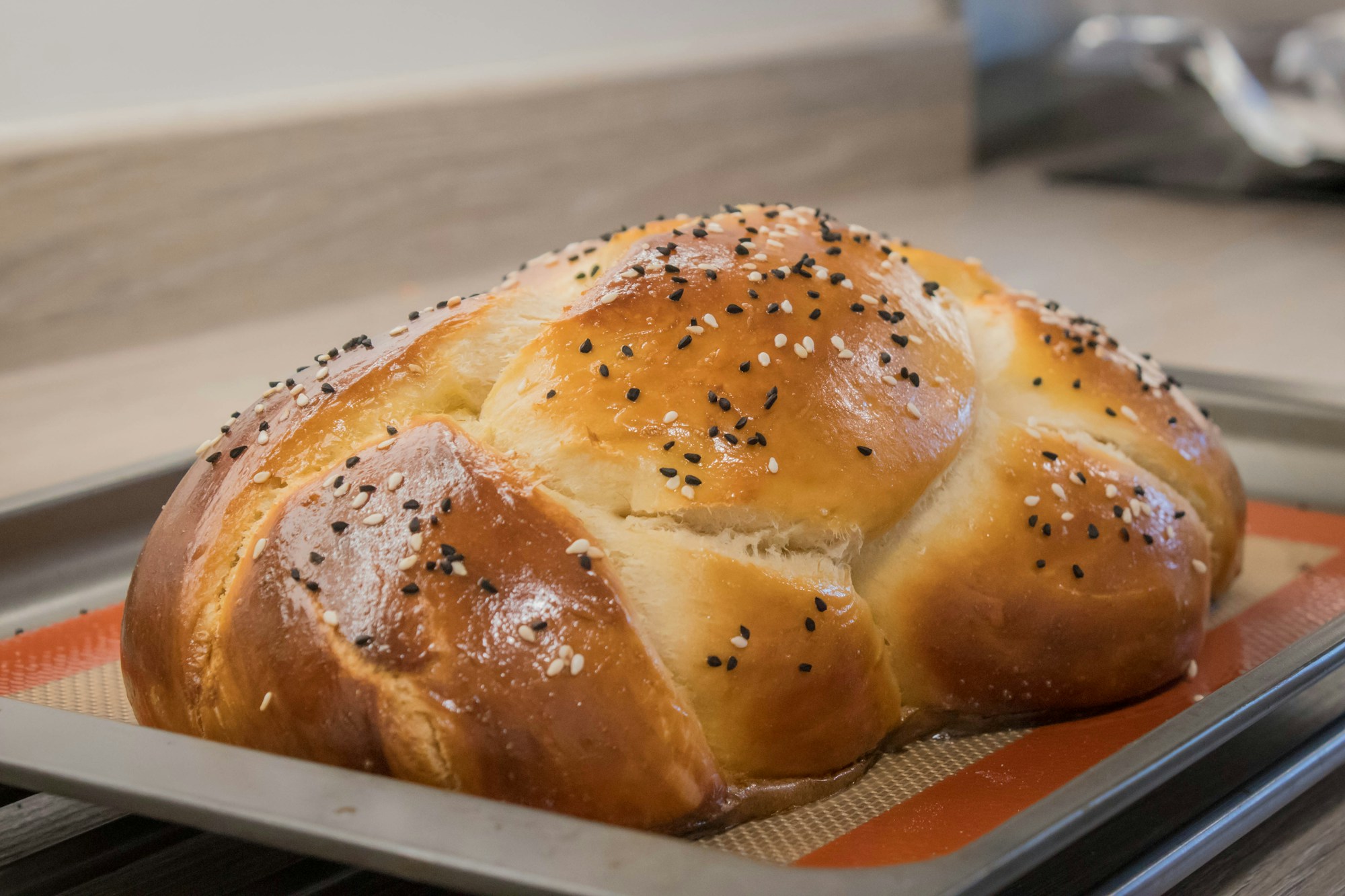
- Round challah — the braided bread takes a circular shape at Rosh Hashana, symbolizing the cycle of life
- Shofar — the ram’s horn sounded 100 times per day, a « wake-up call » to begin introspection
- Tashlich — casting bread into water in the afternoon, to symbolize the casting off of the past year’s sins
- New fruits — tasting a seasonal fruit never tasted before, symbolizing the newness of the year
Yom Kippur: what you need to know
- 25-hour fast — no food or drink (including water) from sunset to the following sunset
- Kol Nidre prayer — the evening service that solemnly opens Yom Kippur
- Ne’ila — closing prayer at sunset, followed by the final blast of the shofar
- No photography in the synagogue during services — respect the concentration of worshippers
For Rosh Hashana: « Shanah Tovah » (Good New Year) or « Shanah Tovah Umetukah » (Good and Sweet New Year). For Yom Kippur: « Gmar Hatima Tova » (May you be inscribed in the Book of Life).
Practical information for your trip
Stay connected from the moment you land, no local SIM card needed. Instant activation, unlimited data available.
From €4.50Comprehensive travel & medical coverage for your peace of mind, including Israel and Morocco.
From $1.87/dayFrequently asked questions
What are the exact dates of Rosh Hashana and Yom Kippur 2026?
In 2026, Rosh Hashana begins at sunset on Friday, September 11 and ends at sunset on Sunday, September 13. Yom Kippur begins at sunset on Sunday, September 20 and ends at sunset on Monday, September 21, after a 25-hour fast. Note: Jewish holidays always begin the previous evening at sunset. Sources: Chabad.org and Hebcal.
Can you eat at a restaurant in Tel Aviv during Rosh Hashana or Yom Kippur?
During Rosh Hashana, kosher restaurants are closed and public transportation is suspended, as on Shabbat. During Yom Kippur, it is even stricter: businesses are legally prohibited from operating — no restaurant, grocery store, or shop will be open for 25 hours. Only emergency services function. It is essential to stock up on provisions the day before each holiday. Source: Tourist Israel.
What happens in Tel Aviv during Yom Kippur?
Tel Aviv undergoes a transformation unique in the world: Ben Gurion Airport closes, all transportation stops, and roads empty. Residents — religious and secular — take to bicycles to take over the deserted highways, including the 8-lane Ayalon. This phenomenon, which has become an unofficial but universally respected tradition, offers tourists the chance to cycle on the city’s main arteries. Rent your bike well in advance. Source: Haaretz.
Is Marrakech a welcoming destination for Jewish travelers?
Morocco is generally considered one of the most welcoming Arab countries for Jewish travelers, thanks to a long tradition of coexistence and the Israeli-Moroccan relations restored since the Abraham Accords in 2020. The Lazama Synagogue is open daily (except Shabbat) and the restaurant Dar Ima offers quality kosher cuisine. The King of Morocco launched a Mellah renovation program that has revitalized the neighborhood. Source: Albom Adventures.
How do I find a Rosh Hashana service in New York without synagogue affiliation?
Ohel Ayalah offers free services open to all — Jews, non-Jews, interfaith couples — without reservation. The UJA-Federation of New York maintains an online directory of hundreds of services across all boroughs. For 20–30-year-olds, Congregation Rodeph Sholom (7 West 83rd St.) offers a special service followed by a reception. Source: Ohel Ayalah.
Which is the kosher restaurant for Rosh Hashana in Marrakech?
Dar Ima (11 Rue de la Liberté, Marrakech — +212-524436893 — @darima_marrakech) is Marrakech’s unmissable kosher restaurant. Run by a Jewish owner, it offers authentic Judeo-Moroccan cuisine: chicken pastilla, beef and prune tagine, couscous. For Rosh Hashana, reserve several weeks in advance — the meat comes from Casablanca. Budget: €20–50 per person. Sources: Morocco Travel Blog.
What is the meaning of the shofar and Tashlich?
The shofar is a ram’s horn sounded during Rosh Hashana services. Its 100 notes form a « wake-up call » to begin the introspection of the Yamim Noraim. Tashlich is a ritual on the afternoon of the first day of Rosh Hashana: bread is cast into water (sea, river, lake) to symbolize the casting off of the past year’s sins. In Tel Aviv, it takes place at Frishman Beach. In New York, Central Synagogue holds it at the East River. In Marrakech, the community gathers at the synagogue. Sources: JLCC Birmingham.
Sources
- Chabad.org — Jewish Holidays 2026 — official dates of Jewish holidays
- Hebcal — Jewish Calendar 2026 — Hebrew calendar 5787
- Tourist Israel — Rosh Hashana in Israel — practical guide
- Tourist Israel — Yom Kippur in Israel — traditions and practical advice
- Secret Tel Aviv — Rosh Hashana 2025 — events calendar and Tashlich in Tel Aviv
- Haaretz — Yom Kippur Bicycle Day — the cycling tradition in Israel
- Native Israel — Yom Kippur in Tel Aviv — experience and tips
- JTA — Celebrating the High Holidays in New York — synagogues and events guide
- Central Synagogue NYC — High Holidays — services and East River Tashlich
- Ohel Ayalah — Free High Holiday Service — free services with no registration
- Talia’s Steakhouse — Rosh Hashana NYC — prix-fixe menu
- Marrakech in Morocco — Mellah and Slat Al Azama — history of the Jewish quarter
- Dar Zaman — Lazama Synagogue — practical guide
- Morocco Travel Blog — Kosher Restaurants in Morocco — Dar Ima and others
- Jewish Journal — Slat Lazama Marrakech — testimony of Rabbi Bouskila
- Budget Your Trip — Tel Aviv — travel costs in Tel Aviv
- Levite JCC — Jewish Holidays Guide 2026 — traditions and meanings
Research conducted in April 2026.
Plan your trip for the Jewish holidays 2026
Whether you dream of cycling on the deserted highways of Tel Aviv, paying your respects in a 16th-century synagogue in Marrakech, or immersing yourself in New York’s vibrant Jewish cultural life, these three destinations offer experiences found nowhere else on Earth. Discover our itineraries for inspiration.
Discover all itineraries