
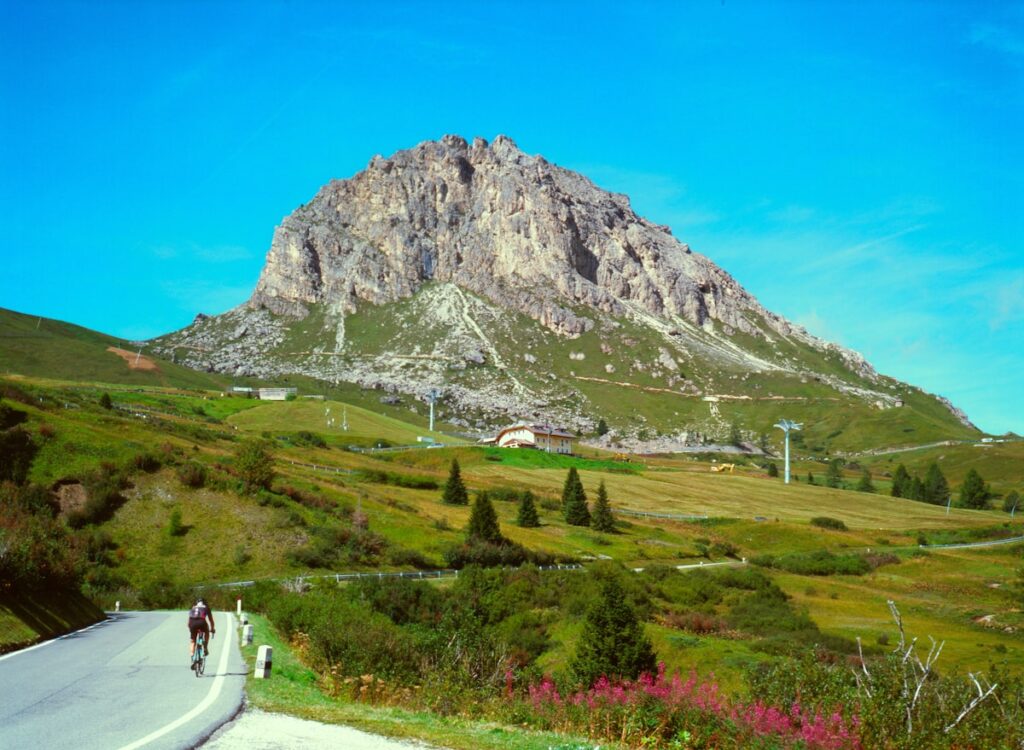
The Giro d’Italia 2026 (109th edition, May 8–31) features 7 summit finishes, including the queen stage Feltre–Alleghe with 6 Dolomites passes and the Passo Giau (Cima Coppi, 2,233 m). The must-see stages for spectators are the Blockhaus (stage 9), Pila in the Aosta Valley (stage 14), the queen stage in the Dolomites (stage 19), and the final arrival at Rome’s Fori Imperiali (May 31). Roadside access is free; plan to arrive 3 to 5 hours before the peloton passes.
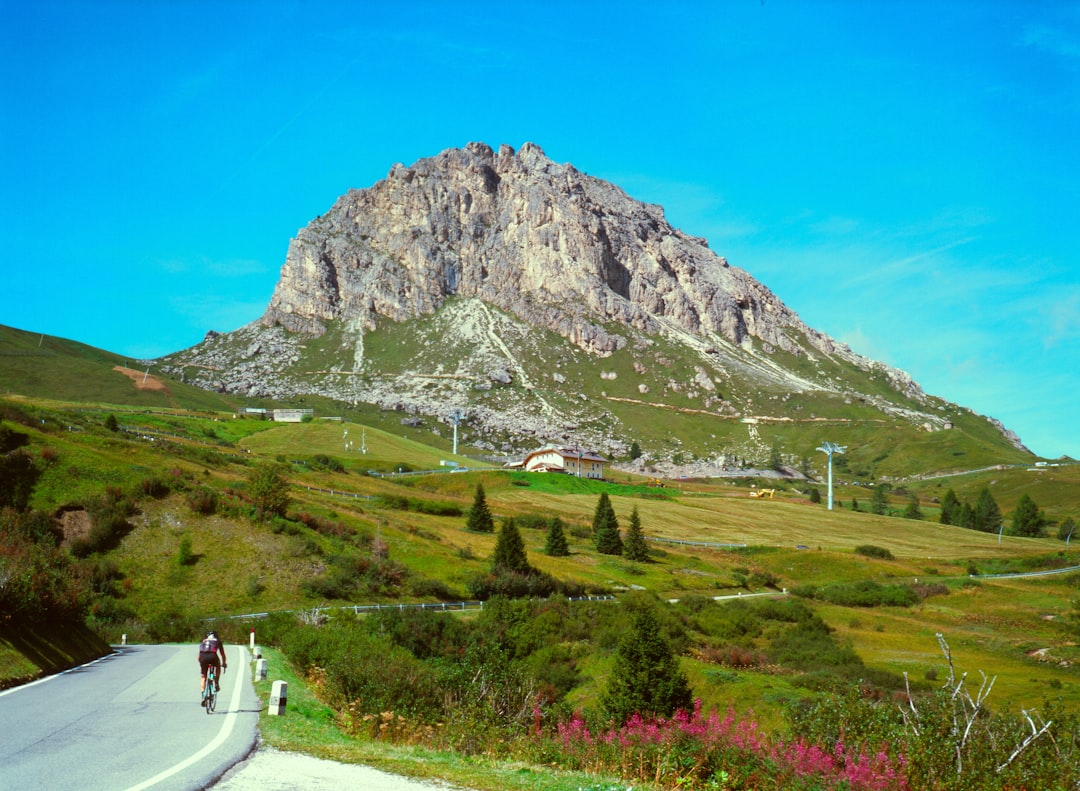
Every spring, the colourful peloton of the Giro d’Italia sweeps through Italy like a giant popular festival. In 2026, the 109th edition promises an exceptional route: a historic Grand Départ from Nessebar in Bulgaria, seven summit finishes, six Dolomites passes crammed into a single queen stage, and a dazzling finale at the Fori Imperiali in Rome. With 3,459 km on the programme from May 8 to 31, this edition promises new exploits on legendary roads.
Do you want to experience the race from the inside, right by the roadside, just metres from the riders? This guide is for you. We have selected the five most spectacular stages for travelling fans, with practical advice on positioning, transport, accommodation, and everything you need to know before embarking on the Giro adventure.
The Giro is not just a race: it is an immersion in Italy’s most beautiful landscapes, a communion with passionate tifosi, and a celebration of a century of cycling. It shares with the Tour de France 2026 that unique status of a sporting event you can watch for free, in the heart of nature, right in the thick of the action.
Why is the Giro d’Italia a unique experience for spectators?
The Giro d’Italia has existed since 1909. It was founded by La Gazzetta dello Sport, the Milanese sports newspaper whose pink-coloured pages gave the leader’s jersey its name: the Maglia Rosa. The first edition comprised only eight stages, and the race was designed to boost the newspaper’s circulation while responding to the challenge of the Tour de France, created six years earlier.
Since then, the Giro has become far more than a race. It is a spring rite for millions of Italians. The villages along the route are decked out in the race’s pink colours, children skip school to watch the peloton go by, and the most devoted tifosi climb on foot or by bicycle to the tops of mountain passes to cheer their champions at arm’s length.
The four jerseys of the Giro
- Maglia Rosa (pink): overall classification leader — the most coveted jersey
- Maglia Ciclamino (cyclamen): best sprinter, points classification
- Maglia Azzurra (sky blue): best climber, mountains classification
- Maglia Bianca (white): best young rider under 25
The publicity caravan: the show before the show
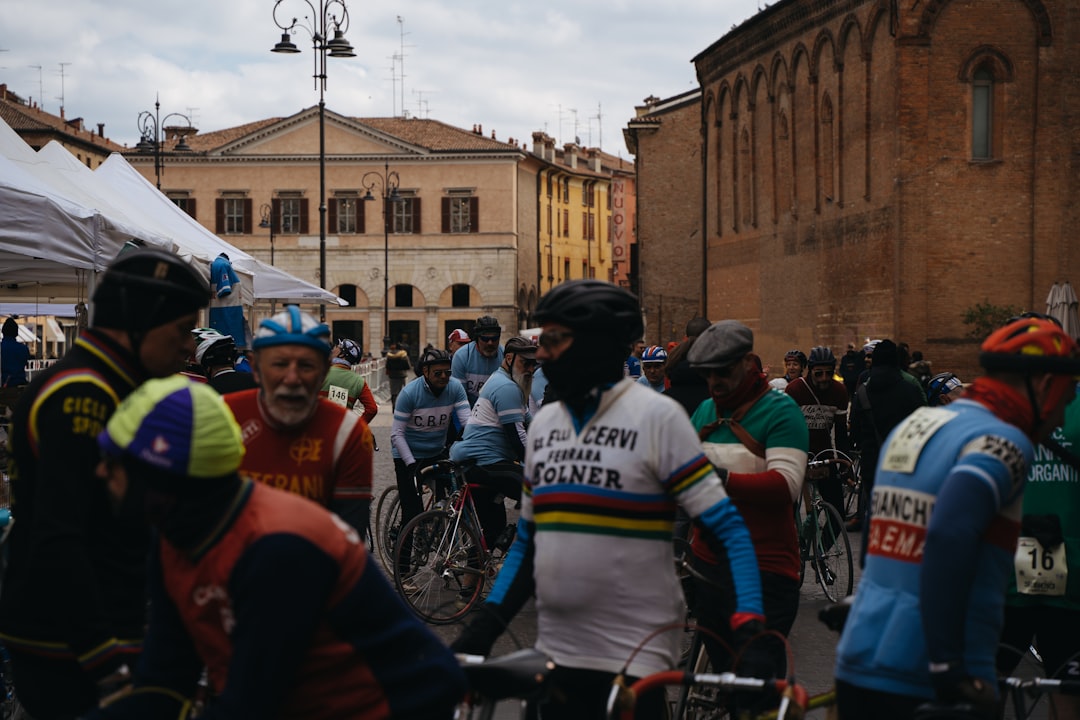
One to two hours before the riders pass, around a hundred festive vehicles parade in front of the public: this is the publicity caravan. From the vehicles, passengers hand out caps, T-shirts, sweets, keyrings, and other goodies to spectators lining the road. This joyful, family-friendly moment, a legacy of Italy’s popular sporting culture, is one of the reasons why the Giro is an experience accessible to everyone, from toddlers to grandparents.
The Cima Coppi: homage to a giant
Each edition of the Giro designates under the name Cima Coppi the highest pass on the route. This name honours Fausto Coppi, the « Campionissimo, » five-time winner of the Giro (1940, 1947, 1949, 1952, 1953), considered the greatest cycling champion in Italian history. In 2026, the Cima Coppi is the Passo Giau (2,233 m), in the heart of the Dolomites. Taking your place at the Passo Giau means joining a long tradition of sporting pilgrimage on the roads that forged the legend of the Giro.
Queen stage of the Giro 2026: Feltre–Alleghe, the Passo Giau and the Dolomites
If you can only watch one stage of the Giro 2026, choose without hesitation stage 19: Feltre–Alleghe. This 151-km day distils the very essence of the Giro: a succession of six Dolomites passes, 5,000 metres of elevation gain, landscapes listed as UNESCO World Heritage Sites, and sporting stakes at their absolute peak.
The Passo Giau, the absolute summit of the Giro 2026
The Passo Giau (2,233 m) is designated the Cima Coppi of this edition. It is the highest pass on the route, and it represents the most feared and most celebrated point of this queen stage. The climb from Selva di Cadore or Cortina d’Ampezzo is demanding, with some very steep sections. The riders arrive here already exhausted after several passes, making it a prime attack zone.
For spectators, the Passo Giau is an exceptional spot: the views of the surrounding Dolomites — the Croda da Lago, the Nuvolau, the orange-hued cliffs that glow at sunset — are breathtaking. The tifosi who make the trip experience something no podium can match.
Getting to the Passo Giau — What you need to know
- Access by car from Cortina d’Ampezzo (12 km) or Selva di Cadore (10 km)
- Road closed to private vehicles from the morning of race day (sometimes from 6:00 am)
- Shuttle buses organised from Cortina d’Ampezzo and lower car parks
- Possible to cycle up before the road closes
- Bring warm clothing and a waterproof: at 2,233 m in May, the weather is unpredictable
- No food or drink available at the summit on race day — bring water and snacks
Alleghe, the lakeside finish village
Alleghe is a picture-postcard village set on the shore of a mountain lake with turquoise waters, framed by the vertical silhouette of Civetta (3,220 m). The village is easily accessible from Belluno or Cortina d’Ampezzo. The finish in this idyllic setting offers ideal conditions for spectators: a lively village, available accommodation (booking well in advance is essential), and the festive atmosphere that surrounds the decisive stages.
If you are also planning activities around the Giro in the Dolomites, the most beautiful via ferratas in the Dolomites are just a few kilometres from the roads used by the race — including some leading directly to the Tre Cime di Lavaredo, the emblem of the region.
Giro 2026: which other stages are worth the trip for spectators?
Stage 9 – The Blockhaus (Abruzzo): the classic of classics
The Blockhaus, or Majella, is one of the most feared summit finishes of the Giro. Located in Abruzzo, this limestone massif peaks at 1,665 m, and the final climb covers 14 kilometres at an average gradient of 8.8%. The regularity and length of this ascent make it a true revealer of the overall classification pecking order, and often the stage for the race’s first decisive attacks.
For spectators, the Blockhaus is a safe bet. The road is wide enough to accommodate the public in good conditions, and the view over the Southern Apennines is magnificent. Your best bet is to position yourself above 1,400 m altitude to watch the riders at reduced speed and as the peloton naturally breaks apart.
Abruzzo is a little-known region among foreign visitors, making it an original choice for those who love authentic discovery. The local gastronomy — mountain lamb, pecorino cheese, cured mountain meats — rewards visitors who extend their stay.
Stage 14 – Pila (Aosta Valley): the Alps in spring
The Aosta Valley is the smallest region in Italy, hemmed in by the highest peaks of the Alps: Mont Blanc, the Matterhorn, the Grand Combin, and the Gran Paradiso. Bilingual in French and Italian, this Alpine valley has a strong cultural identity and distinctive cuisine (fontina, mocetta, lard d’Arnad).
The finish at Pila, a high-altitude ski resort, must be earned. The climb from Aosta is demanding, and the riders will arrive at the top against a picture-perfect Alpine backdrop. The region is also close to the 2026 Milan-Cortina Winter Olympics, which helped develop the sporting and tourist infrastructure throughout northern Italy’s Alpine zone.
Stage 16 – Carì (Ticino, Switzerland): the Giro crosses the border
It is a rare occurrence in the recent history of the race: in 2026, the Giro d’Italia will pass through the canton of Ticino, in Switzerland. This Italian-speaking enclave of the Swiss Confederation, on the shores of Lake Maggiore and Lake Lugano, is a Mediterranean paradise nestled in the Swiss Alps.
The stage to Carì looks set to be a fine opportunity for spectators based in Switzerland or northern Italy to watch the Giro in a different setting. Ticino’s gastronomic and architectural curiosities are well worth the trip in their own right. For French residents, Ticino is reachable by train from Geneva or Lyon.
Stage 20 – Piancavallo (Friuli-Venezia Giulia): the penultimate battle
Stage 20 takes the riders to Piancavallo, in the Friulian Pre-Alps, after 14 km of climbing from Aviano. It is the penultimate stage, and the logic of the Giro dictates that the final climbs are the most intense in terms of strategy and emotion. If gaps remain in the general classification at this point, expect some fearsome accelerations.
For spectators, Piancavallo has the advantage of being less crowded than the Dolomites. Fans can often get closer to the action. Pordenone, a plains city an hour’s drive away, is a convenient logistical base with plenty of accommodation available at reasonable prices.
Grand Départ in Bulgaria and finish in Rome: the Giro 2026 in its international dimension
Nessebar, Bulgaria: a historic start on the Black Sea
For the first time in its history, the Giro d’Italia opens outside Western Europe. The Grand Départ from Nessebar (Bulgaria), from May 8 to 10, is a historic decision by organiser RCS Sport. Nessebar is an ancient Byzantine city on the Black Sea, listed as a UNESCO World Heritage Site for the richness of its historic remains: early Christian basilicas, medieval architecture, thousand-year-old ramparts.
For curious travellers, Bulgaria is an affordable destination, still largely untouched by mass tourism, with remarkable landscapes and monuments. The country is a member of the European Union (Schengen area since 2024), which simplifies entry for European citizens. However, if you are travelling with your regular SIM card, check your roaming plan or get a local eSIM before you leave.
Rome, Fori Imperiali: a finale worthy of the Giro’s history
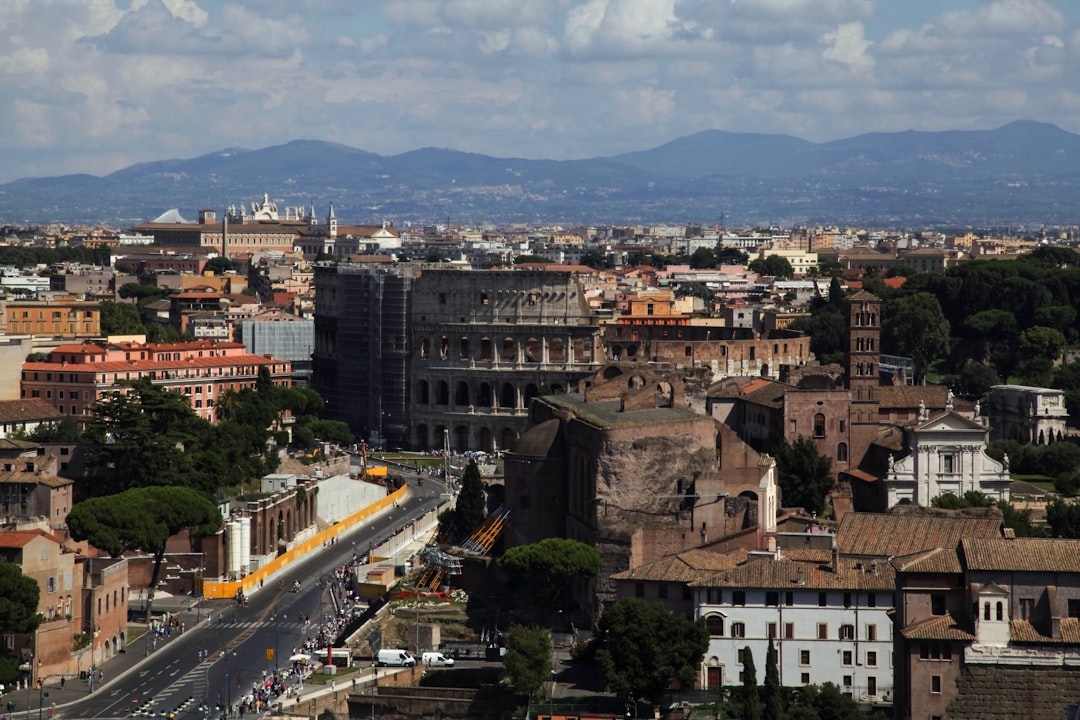
On 31 May 2026, the Giro concludes at the Fori Imperiali, a stone’s throw from the Colosseum. This urban circuit through the ancient heart of Rome is one of the most spectacular and symbolic finishes in the entire global cycling season. Thousands of tifosi flood Rome’s streets to cheer the Maglia Rosa winner in a setting that two millennia of history have made unique.
The advantage of the final stage in Rome is its accessibility: two international airports (Fiumicino and Ciampino), an efficient metro network, hotels in every price range. It is also the perfect opportunity to combine the Giro with some Roman sightseeing: the Vatican, the Colosseum, the Pantheon, the Trevi Fountain, galleries and museums… Rome deserves at least two to three days of exploration.
How to prepare for watching the Giro by the roadside?
Finding the right spot: the 3-to-5-hour rule
The golden rule for mountain stages: arrive 3 to 5 hours before the peloton is estimated to pass. The best spots — in the bends, on flat sections with steep gradients, near kilometre markers — are taken very early. The earlier you arrive, the more choice you have for setting up comfortably and watching both the publicity caravan and the peloton.
On climbs, favour the upper section (the final 5 km): the riders are spread out, moving slowly, and you can cheer them at very close range. Avoid the immediate summit, where the crowd is often packed and access is controlled by security in the final minutes.
Transport: car, shuttle or bicycle?
To reach isolated passes like the Passo Giau or the Blockhaus, the car remains the most practical solution. But roads are closed several hours before the riders pass. The alternatives:
- Official shuttles: organised from stage towns to the summits. Check the Giro website or local tourist offices.
- Bicycle: very popular among cycling fans. It is usually possible to cycle up before the road closes to private vehicles (sometimes until 8 or 9 am). Make sure you are self-sufficient with water and food.
- Train: ideal for reaching stage towns. Trenitalia and Italo serve major cities at Frecciarossa speed. Book in advance.
Essential equipment for high-altitude stages
In May, mountain weather is unpredictable. At the Passo Giau or the Blockhaus, it can be 5°C in the morning and 25°C in the afternoon, with rain or even snow possible. Always pack:
- A lightweight, packable, waterproof windbreaker
- Thermal layers (technical base layers)
- Walking shoes (access is often on foot)
- High-SPF sun cream (intense UV at 2,000 m)
- At least 1.5 litres of water and snacks (no facilities in isolated areas)
- Binoculars to watch the riders approach from a distance
Accommodation: book well in advance
Accommodation around the Dolomites mountain stages is snapped up as soon as the route is announced (the preceding autumn/winter). For stage 19 in particular:
- Cortina d’Ampezzo: the ideal base, an upscale resort with many hotels and chalets. Prices are high but comfort is guaranteed.
- Belluno: a budget-friendly alternative 40 minutes by car from Cortina, with more availability.
- Rifugi (alpine huts): an authentic high-altitude experience. Booking several weeks in advance is mandatory.
- Alleghe (finish village): a few hotels by the lake with a warm atmosphere.
Practical information for your Giro 2026 trip
Follow the Giro live on the mountain passes and in Rome. Instant activation, no physical SIM card required.
From €4.50Global coverage, sport activities included. 10% off via our link.
From $56 / 4 weeksFrequently asked questions – Giro d’Italia 2026 as a spectator
Do you have to pay to watch the Giro d’Italia by the roadside?
No, access to the roads and mountain passes is entirely free for spectators. Unlike some sporting events that require a ticket, the Giro takes place on public roads. All you need to do is arrive early and find your spot by the roadside. Only a few VIP zones or grandstands set up at the finish of the most important stages may be ticketed, but these are optional.
How do I know what time the riders will pass my location?
The official Giro d’Italia app (available on iOS and Android) and specialist websites such as Cyclingnews or ProCyclingStats publish estimated passing times by kilometre point. These times are estimates based on the peloton’s expected average speed and may vary depending on how the race unfolds (breakaways, crashes, attacks). Always allow a 30-to-60-minute margin around the announced time.
Which is the best stage to watch if I can only go to one?
For a single stage, stage 19 (Feltre–Alleghe) is the ideal choice. This queen stage in the Dolomites packs in 6 passes including the Passo Giau (Cima Coppi 2026, 2,233 m) and 5,000 m of elevation gain over 151 km. The scenery is among the most beautiful in Europe, the sporting stakes are at their peak, and the atmosphere on the Dolomitic passes is unrivalled. If you want something more logistically accessible, the final stage in Rome (stage 21) is spectacular and easy to reach.
Can you cycle up the Giro’s mountain passes on race day?
Yes, this is very common among cycling fans. It is generally possible to cycle up before the road closes to private vehicles, which happens between 6 am and 9 am depending on the stage. Once the road is closed, cyclists can stay and enjoy the atmosphere. Make sure you are self-sufficient with water and food, as no services are available on the road once it is closed. Check the closure times on the official Giro website.
Are there weather risks to watch out for in May in the Dolomites?
Yes, absolutely. In May, the Dolomites can still have snow on summits above 2,000 m. The weather is highly variable: a day can start in sunshine and end in rain or fog. It is essential to pack warm, waterproof, layered clothing, even if the forecast looks favourable. In rare cases, May snowfall can cause last-minute route changes.
Does the Giro d’Italia pass through France in 2026?
No, in 2026 the Giro route does not pass through French territory. The only foreign country crossed after the Bulgarian Grand Départ stages is Switzerland (canton of Ticino) during stage 16. The Aosta Valley, which borders both France and Switzerland, hosts stage 14, but the route stays on Italian soil.
Can children come to watch the Giro d’Italia?
Absolutely! The Giro is a popular, family-friendly event. The publicity caravan, which precedes the peloton by 1 to 2 hours, is particularly enjoyed by children: dozens of decorated vehicles hand out caps, sweets, and gadgets from the windows. For mountain stages, make sure children are dressed warmly and bring water, snacks, and activities for the long waiting hours. The festive atmosphere and collective cheering make this an unforgettable experience for the young.
Sources
- Official Giro d’Italia website – giroditalia.it (2026 route, official data)
- Cyclingnews.com – Route analysis and stage profiles
- ProCyclingStats – Historical data and statistics
- UNESCO – Dolomites World Heritage
- La Gazzetta dello Sport – Giro archives and history
- Trenitalia – Rail connections in Italy
- Photos: Unsplash – Intrepid (Passo Giau), Mattia Occhi (La Furiosa), Tamara Malaniy (Rome)
Ready to experience the Giro d’Italia 2026 from the inside?
Whether you dream of cycling up the Passo Giau, cheering the riders from the slopes of the Blockhaus, or celebrating the final stage at the Fori Imperiali in Rome, the Giro d’Italia 2026 offers memories to match the world’s most beautiful roads. Start planning your trip now: book your accommodation, choose your stage, and gear up to live this outdoor adventure in Italy’s most stunning scenery.
Grand Tour fans, don’t miss our complete guide to the Tour de France 2026 to double your cycling pleasures this summer.