
Commercial partnership. This article contains affiliate links. If you book through these links, Pixidia earns a small commission at no extra cost to you. Learn more
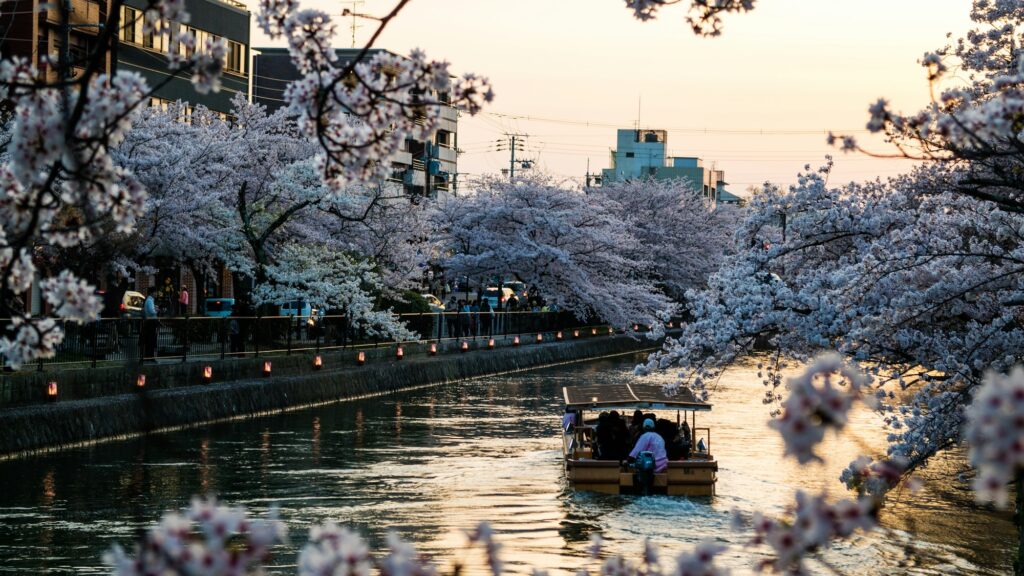
Kyoto’s peak cherry blossom is forecast around 4–5 April 2027, with the prime window running from 29 March to 10 April. All 10 guided experiences in this selection are rated 5.0/5 by verified travellers, with prices ranging from £18 (Gion walk with a local) to £330 (private zen garden tour). Arashiyama, Gion, Fushimi Inari and Kyoto’s northern mountains are all covered. I recommend starting with the tea ceremony at the samurai house — the highest-rated and most iconic experience in this selection.
For a long time I assumed that hanami in Kyoto meant arriving at Maruyama Park before the crowds and fighting for a spot under the blossoms. Then I understood that the best spring experiences in Kyoto have nothing to do with that particular race — they happen inside a century-old house over a bowl of matcha, on a sacred cedar trail north of the city, or through the stone-paved lanes of Gion with a resident who knows the forgotten cherry trees. The private tea ceremony and sake tasting at the samurai house — 5.0/5 across 180 reviews, a fully private experience in a 300-year-old townhouse eight minutes’ walk from Kyoto Station — sums up that philosophy perfectly: hanami as a way of life, not a photo opportunity.
This guide presents my selection of 10 guided experiences in Kyoto for the 2027 blossom season, all rated 5.0/5 by real travellers on Viator. I’ve deliberately excluded the generic city-tour format in favour of experiences that weave cherry blossom into a cultural activity rooted in the city: tea ceremony, home cooking class, mountain hike through sacred forest, private chauffeur tour of the bloom spots, samurai performance. Prices range from £18 (Gion walk with a local) to £330 (private zen garden tour). One certainty: during hanami, the most sought-after local guides are fully booked 2–3 months ahead — booking early is the only strategy that works.
Why Kyoto remains Japan’s cherry blossom capital
Hanami (花見, literally « flower viewing ») is a tradition that stretches back more than a thousand years in Japan. The earliest official record dates to the reign of Emperor Saga (810–823), who held blossom-viewing parties in his Kyoto villa. The custom spread widely during the Edo period (17th–19th centuries), becoming one of the most powerful collective rituals on the Japanese calendar. Hanami embodies the Buddhist concept of mono no aware (物の哀れ) — the bittersweet awareness of impermanence. At full bloom, the petals last only 5 to 7 days: their transience is precisely what gives them their symbolic weight.
Kyoto concentrates Japan’s finest hanami spots for one simple reason: the ancient imperial capital is home to 17 sites inscribed on the UNESCO World Heritage List, including Tenryu-ji temple (Arashiyama), Kiyomizu-dera and Fushimi Inari Shrine — all framed by cherry trees in spring. In 2027, full bloom is forecast around 4–5 April. Recent trends point to blooms arriving 3 to 7 days earlier than historical averages. The prime window runs from 29 March to 10 April — booking guided experiences from January–February 2027 is standard practice for this period.
Sources: JapanHighlights — 2027 Kyoto bloom forecast; BeyondTheGuideBooks — hanami calendar and spots.
10 best guided cherry blossom experiences in Kyoto
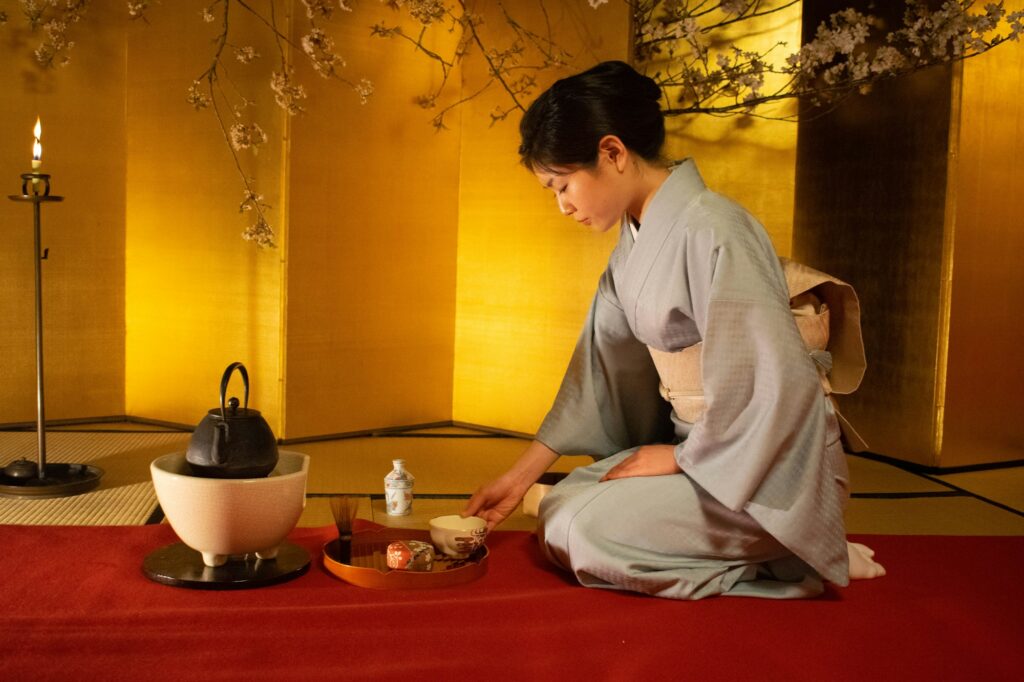
1. Private tea ceremony and sake tasting at Kyoto’s samurai house
Some experiences in Kyoto simply don’t exist anywhere else in Japan — this is one of them. Inside a 300-year-old samurai townhouse eight minutes’ walk from Kyoto Station, an expert host guides you through a full tea ceremony before introducing you to several craft sakes from local producers. The setting — dark timber beams, quiet inner garden — offers a rare moment of stillness while the hanami crowds rush past outside.
- Listed century-old samurai house, well off the tourist trail
- Full tea ceremony + tasting of several artisan sakes
- Fully private format, pace set by your group
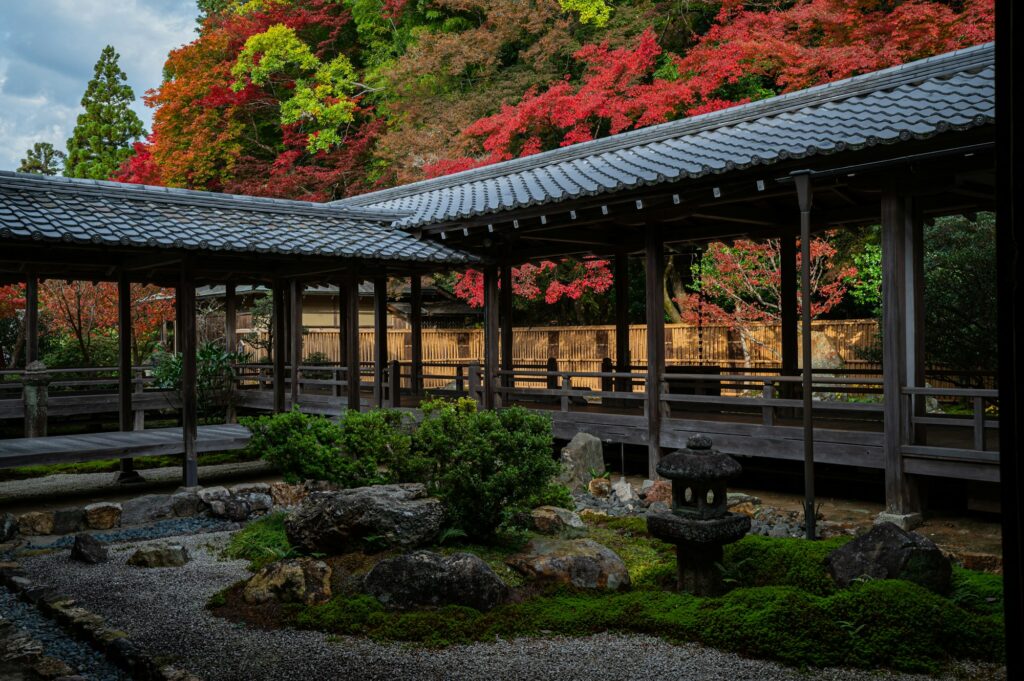
2. Secret zen gardens of Kyoto — private guided tour
If you want hanami at the furthest possible remove from the crowds, this private tour of Kyoto’s lesser-known zen gardens is the answer. Your guide — an expert in zen philosophy and garden design — takes you to temples that rarely feature on standard itineraries: here, cherry trees reflect in moss-lined ponds, undisturbed by the usual stream of visitors. The tour departs from Keage Station (Tozai Line), making it easy to combine with other Higashiyama sites.
- Rarely visited zen gardens, accessible only with a local guide
- In-depth explanations of zen philosophy and its relationship with cherry blossom
- Pace entirely dictated by you (fully private)
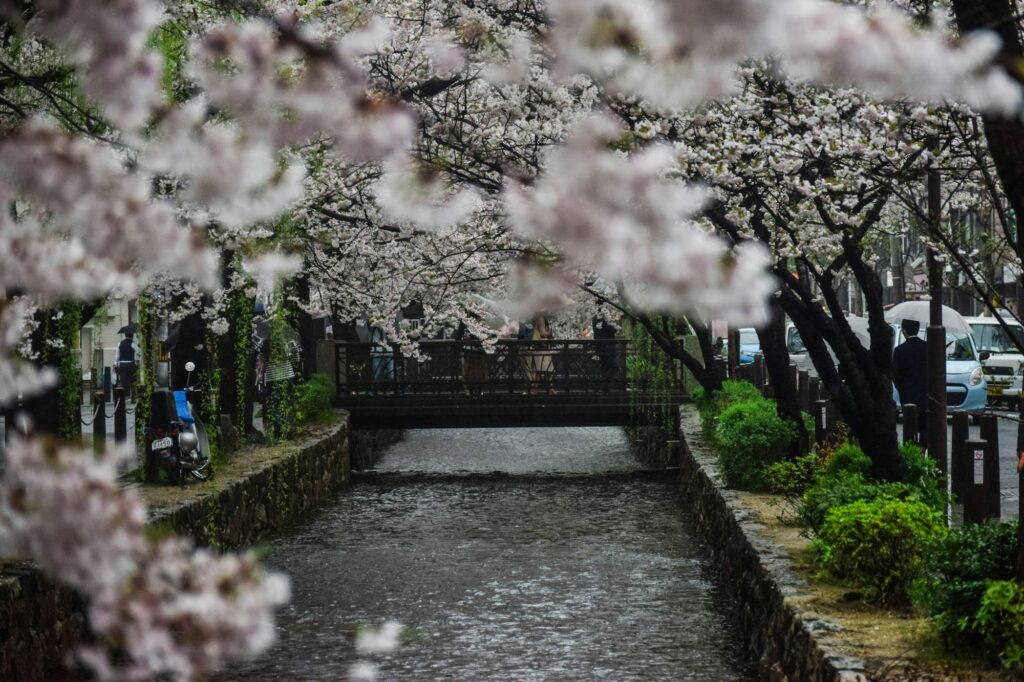
3. Private car tour of Kyoto — up to 4 people
During hanami, Kyoto’s public transport reaches rare levels of congestion — tourist buses on routes to Arashiyama can run 30–45 minutes late. A private car with a driver-guide solves this at a stroke: your driver knows the alternatives to the most saturated spots, adjusts the itinerary in real time based on that day’s bloom, and drops you directly at temple entrances. Ideal for families or small groups wanting to cover Arashiyama, Gion and Fushimi Inari in a single day.
- Air-conditioned private vehicle for 1–4 people, parking fees included
- Itinerary adjusted to that day’s bloom (driver knows the quieter spots)
- Best option for families with children or reduced mobility

4. Become a samurai film star in Kyoto — shooting with a real actor
This is the most unexpected experience on the list — and one of the most memorable. At the Myokaku-ji dojo, you don authentic samurai armour and film an epic scene alongside a professional actor, using Kyoto’s historic backdrops. The result: a unique video souvenir that no cherry-blossom selfie can replicate. It works particularly well as a mid-day activity between morning and evening hanami walks.
- Authentic samurai armour provided for the shoot
- Professional actor as your scene partner
- Unique video keepsake, Kyoto’s historic scenery as backdrop
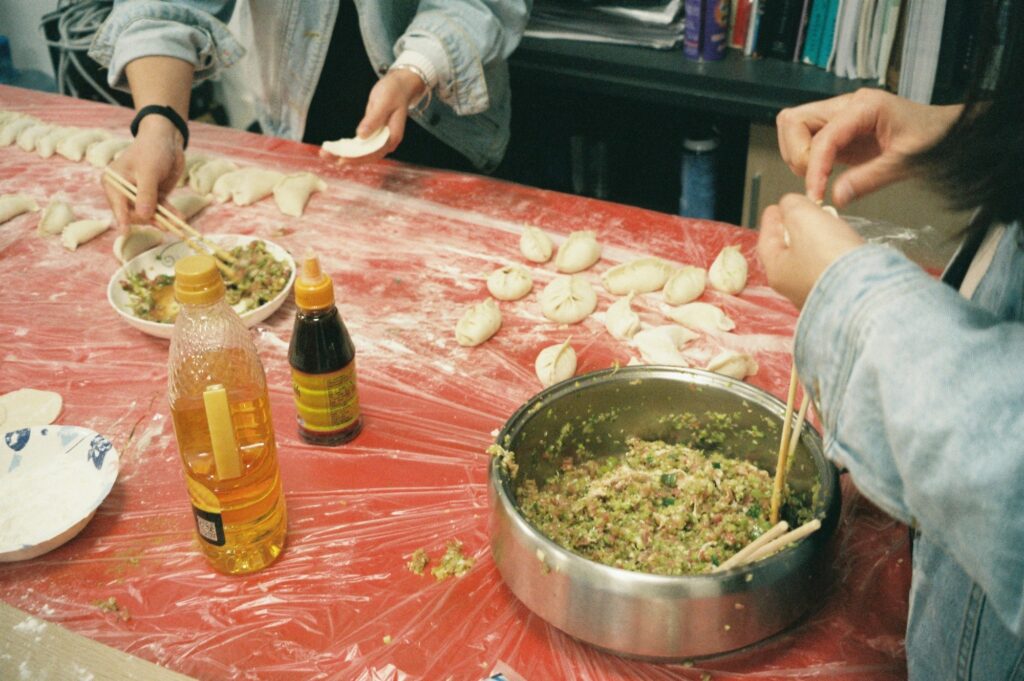
5. Japanese home cooking class near Fushimi Inari
This experience combines two things I particularly love about Kyoto in spring: the authenticity of a real local home, and the freedom to start your day with an early visit to Fushimi Inari-taisha before the crowds arrive. The class begins with a trip to a local Japanese supermarket to choose seasonal ingredients — a lively introduction to everyday food culture in Japan. You leave with the recipes, a lunch you cooked yourself, and a genuine connection to a neighbourhood well beyond the standard tourist circuit.
- Cooking in a real Japanese home (not a purpose-built workshop)
- Local supermarket visit included + eat what you cook
- Fushimi Inari neighbourhood — combine with a morning shrine visit
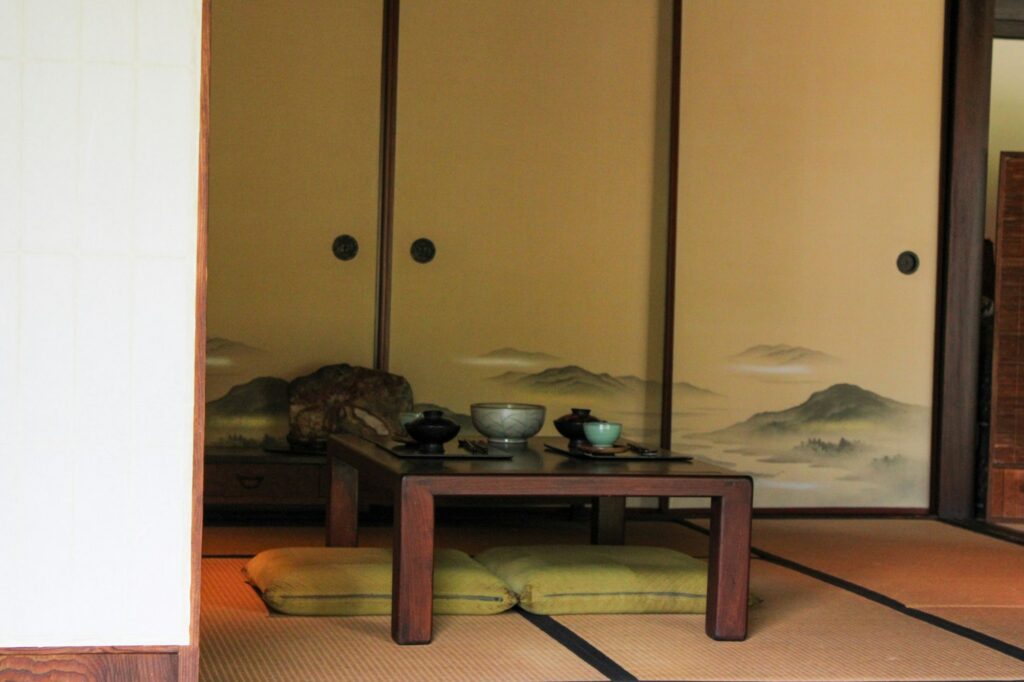
6. Tea ceremony at Sanjo Chasuian — hands-on participation
At just £38, this tea ceremony at Sanjo Chasuian is the most accessible option in the selection — and not in any way less authentic for it. The difference from standard tourist demonstrations: you actively participate in every step of the matcha ritual, in a genuine traditional tea room. It’s the ideal experience for anyone wanting to understand the Japanese gesture from the inside, without the cost of a private tour. It pairs perfectly with a morning hanami walk in the gardens of central Kyoto.
- Active participation at each stage (not a passive demonstration)
- Authentic traditional tea room, intimate setting
- Best value in the selection: around £38 per person
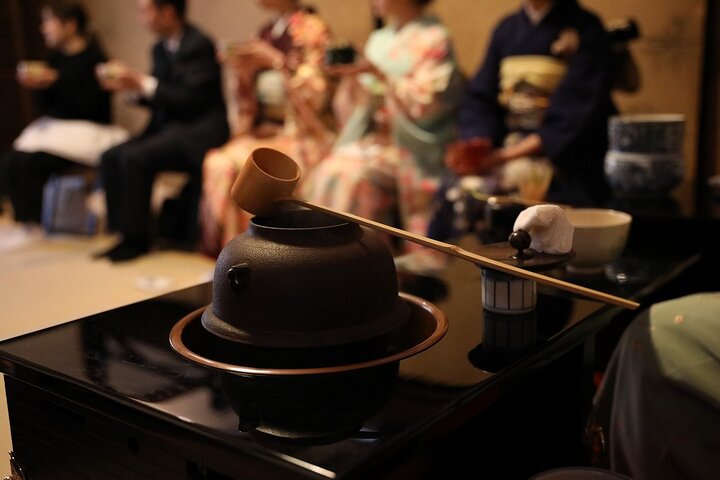
7. Kimono tea ceremony near Imamiya Shrine
437 reviews at a 4.96 average, in a district the Gion circuits ignore: Imamiya Jinja, north-west, a short walk from Daitoku-ji. The kimono is provided and the ceremony runs in a small group, which changes everything compared with the mass formats downtown. Allow 1 hr 30, instant confirmation and free cancellation. Slots go quickly in cherry blossom season, so book as soon as your dates are fixed.
- Kimono provided, ceremony in a small group
- Imamiya district, north-west: off the Gion circuit
- 437 reviews at 4.96, just 1 hr 30
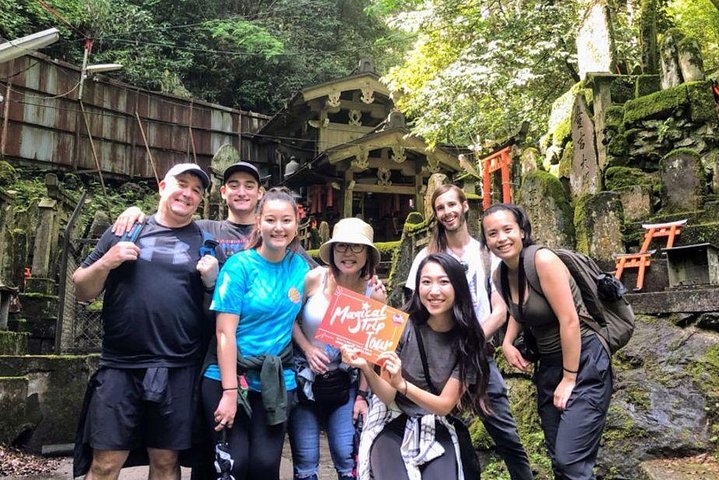
8. Fushimi Inari by the hidden trails — the mountain behind the torii
1,913 reviews at a 4.97 average: this is the best-rated hike in Kyoto, and it leaves the torii tunnel everyone photographs behind within minutes. The guide takes you onto Mount Inari’s ridge trails, past secondary shrines and bamboo groves, with city viewpoints the crowd never reaches. Three hours, instant confirmation, free cancellation. In spring it is the ideal breather between two hanami spots.
- 1,913 reviews at 4.97: the best-rated hike in Kyoto
- Mount Inari ridge trails, away from the packed torii tunnel
- Just 3 hours, easy to slot into a hanami day
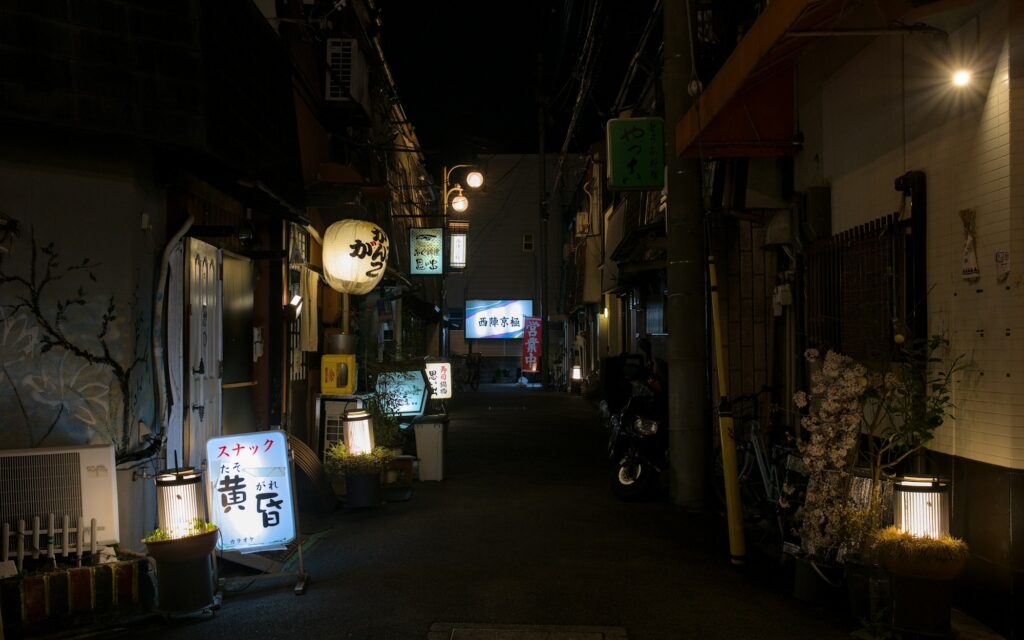
9. Gion walk with a Kyoto local — geisha culture and cherry blossoms
At just £18, this guided walk through Gion with a passionate local is the most accessible and most human entry point in the entire selection. The cobbled lanes of Hanamikoji, the machiya (18th-century wooden townhouses) and the chaya (tea houses) take on an entirely different dimension when a resident explains the codes of the geisha quarter. During hanami, the cherry trees lining Gion’s lanes create Japan’s most photographed tableau — your guide takes you to the least-saturated angles.
- Gion, geisha district designated as a Traditional Buildings Preservation Area
- Kyoto local as guide — intimate and honest cultural context
- Most affordable option in the selection: around £18 per person
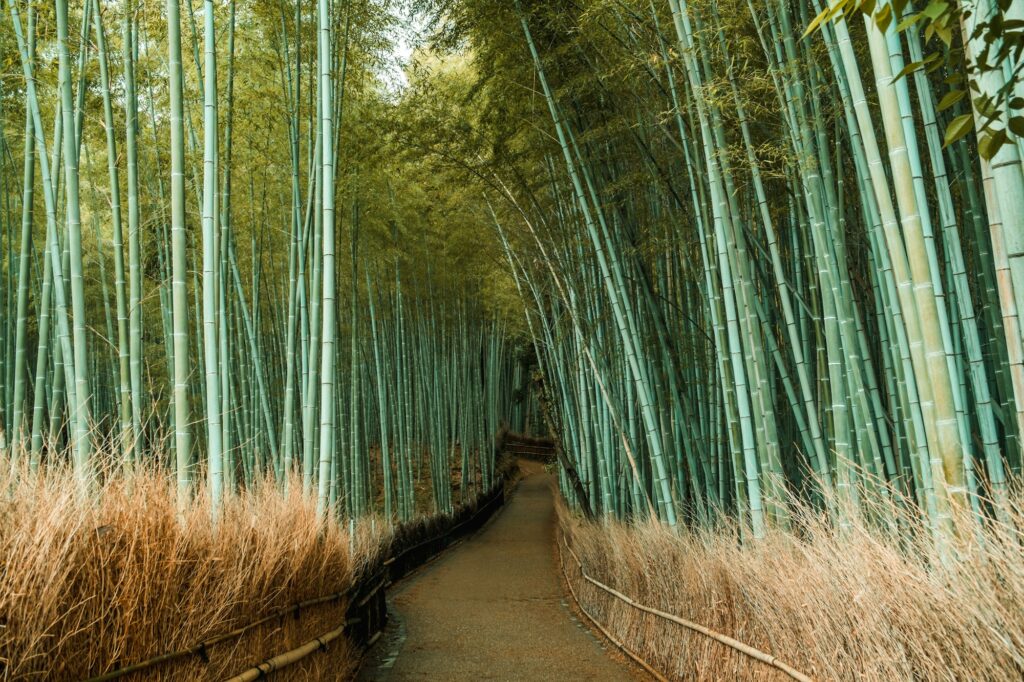
10. Arashiyama — bamboo grove, Tenryu-ji temple and cherry blossom views
No hanami guide to Kyoto would be complete without Arashiyama. This guided tour covers the essential quarter at a relaxed pace: the resonant bamboo grove, the Sogenchi garden of Tenryu-ji temple (UNESCO, first of Kyoto’s five great zen temples) and the Togetsukyo bridge framed by cherry trees on the Katsura River banks. Okochi Sanso garden and the Monkey Park are also included in the entry. Departing from JR Kyoto Station, logistics are straightforward even during peak season.
- UNESCO Tenryu-ji temple: Sogenchi garden with cherry trees reflected in zen pond
- Arashiyama bamboo grove and Togetsukyo bridge — iconic hanami spot
- Okochi Sanso garden and Monkey Park included in the ticket
Planning your trip to Kyoto
Instant data connection from the moment you land at Kansai or Narita. Skip the queues at pocket Wi-Fi rental counters.
Get my Japan eSIMNomad Insurance: global coverage including Japan from $56/4 weeks. 10% off via our link. Recommended for hanami season when weather-related cancellations can occur.
Flights to Kansai (KIX) are typically cheaper than Tokyo for reaching Kyoto directly. From around £480 from London during hanami season.
Search flights to JapanKyoto’s yozakura (night hanami) illuminations are an experience in their own right. A guided evening tour around Kiyomizu-dera and Gion offers a radically different perspective from daytime walks.
Check evening availabilityPractical tips for hanami in Kyoto
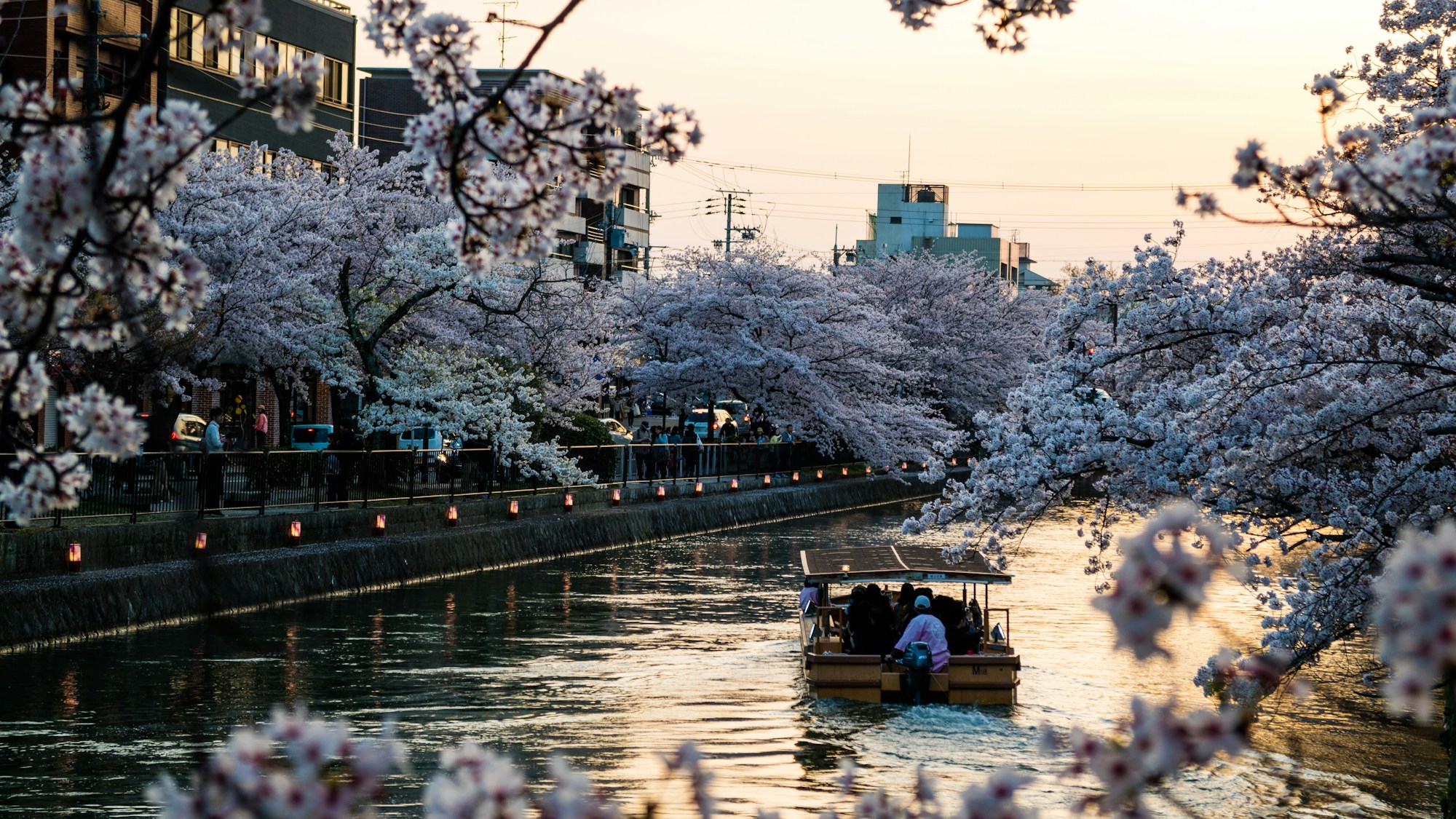
When to arrive: Full bloom in Kyoto is forecast around 4–5 April 2027, with first blooms expected from 29 March. Dates can shift by 3 to 10 days depending on weather. The most visited spots (Maruyama Park, Philosopher’s Path) are most accessible before 7:30 am or in the evening for yozakura illuminations. On the peak bloom weekend, Kyoto can draw more than 100,000 visitors a day.
Getting around: The tourist bus day pass (~£6) covers most sites but suffers significant delays during hanami. The metro (Karasuma and Tozai lines) is more reliable for Gion-Shijo, Higashiyama and Keage. For Fushimi Inari: JR Local from Kyoto (JR Inari Station, 5 minutes). For Arashiyama: JR Sagano Line from Kyoto (25 minutes). For Kurama: Eizan Railway from Demachiyanagi (30 minutes).
Booking and tickets: The most sought-after guided experiences during hanami book out 2–3 months ahead. Priority reservations go to private formats (zen gardens, car tours) and cooking classes (very limited places). For temples, entry tickets are usually payable on the door — except illuminated evening gardens, which require advance online booking. A Japan Rail Pass is worth it if your stay includes return shinkansen travel from Tokyo.
Etiquette: During hanami, it’s customary to bring food for picnics under the cherry trees — but spaces near temples are subject to strict rules (no noise, no alcohol within sacred precincts). Photographing geisha moving through Gion without their consent is considered disrespectful — some streets in Hanamikoji now have bylaws in place on this.
Frequently asked questions about cherry blossom tours in Kyoto
When is the best time for hanami in Kyoto in 2027?
Full bloom in Kyoto is forecast around 4–5 April 2027, with first blooms estimated from 29 March. The prime window runs approximately from 29 March to 10 April. Recent trends show blooms arriving 3 to 7 days earlier than historical averages. Booking guided experiences from January–February 2027 is recommended to secure your preferred slots.
How much does a guided cherry blossom tour in Kyoto cost?
Prices vary by format. The guided Gion walk with a local starts from around £18 per person. The Sanjo Chasuian tea ceremony is available from £38. Cooking classes and premium tea ceremonies range from £95 to £105. Private tours (zen garden, car tour) range from £240 to £330. See the Gion walk for the most affordable option.
Do I need to book cherry blossom tours in Kyoto in advance?
Yes, absolutely. Hanami season is the busiest period of the year in Kyoto. The best-known local guides and private formats (zen garden, chauffeur car) are often fully booked 2–3 months ahead. Cooking classes and tea ceremonies have very limited places per session. Book from January–February 2027 for the peak April bloom.
Which hanami spots in Kyoto are least crowded?
The least saturated spots during hanami in Kyoto are: the Kurama-Kibune hiking trail (30 min by train, wild cherry trees in the mountains), the zen gardens of Daitokuji and Tofukuji, Keage Incline, and the neighbourhood around Fushimi Inari. Guided experiences offer a decisive advantage: local guides steer you towards quieter vantage points and manage the timing logistics. The Kurama-Kibune hike is particularly recommended for escaping the city-centre crowds.
Can I combine a tea ceremony with a hanami walk in Kyoto?
Yes — and it’s actually the most rewarding way to experience cherry blossom season in Kyoto. Several experiences in this selection are designed to be combined: an early morning walk at Fushimi Inari followed by the home cooking class at midday, or a morning stroll through Gion followed by the tea ceremony at Sanjo Chasuian in the afternoon. The samurai house tea ceremony also works well in the evening, after a full day of hanami.
Sources
- JapanHighlights — Kyoto cherry blossom forecast 2027 — accessed 2026-05-16
- BeyondTheGuideBooks — Kyoto hanami calendar, dates and spots — accessed 2026-05-16
- UNESCO — Historic Monuments of Ancient Kyoto (1994) — accessed 2026-05-16
- Wikidata — Kyoto (Q34600) — encyclopaedic reference
- Wikidata — Arashiyama (Q2859566) — encyclopaedic reference
- Wikidata — Gion (Q926312) — encyclopaedic reference
- Wikidata — Fushimi Inari-taisha (Q714828) — encyclopaedic reference
- Wikidata — Tenryu-ji (Q1152567) — encyclopaedic reference
- Viator API v2.0 — product data, prices, URLs and images (destinationId 332, Kyoto) — retrieved 2026-05-16
Ready to experience Kyoto’s cherry blossom season differently?
Places for the 2027 season go fast — the best-known local guides fill up from January. Book now to secure your slot during peak bloom.
See the top tea ceremony