
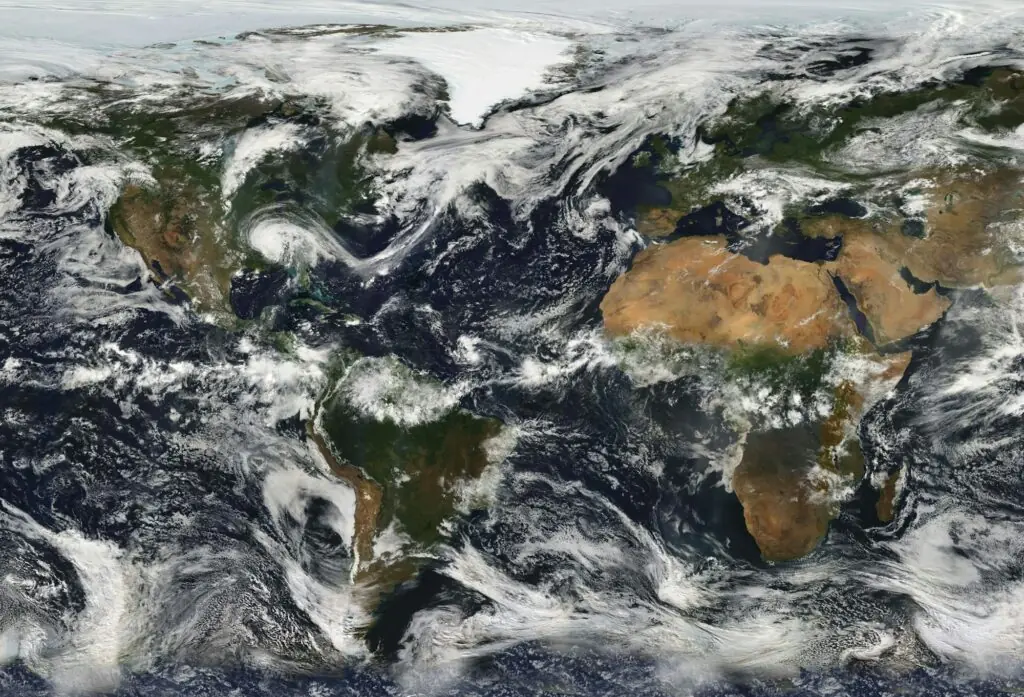
El Nino is near-certain for summer 2026, with a 62% probability for June–August according to the NOAA CPC and 91% according to Columbia University’s IRI. The Nino 3.4 index already shows +0.4°C in May 2026, a trajectory comparable to April 2016. Southern Europe faces amplified heatwaves and reinforced Mediterranean drought, while the Caribbean benefits from a below-normal hurricane season. The coolcation trend has surged +74% in bookings. Planning your summer holidays around El Nino means choosing Iceland, Norway or Scotland’s Highlands rather than sweltering on overcrowded beaches.
A climate phenomenon is quietly reshaping the summer holidays of millions of British travellers in 2026. El Nino — the cyclical warming of the equatorial Pacific — is developing at a speed not seen in decades. Sub-surface ocean temperatures show anomalies of +7 to +8°C at 300 metres depth, described as « locally exceptional » by climate scientists. This is not a speculative forecast: all major international climate agencies (NOAA, WMO, ECMWF, IRI Columbia, Met Office) have been issuing convergent warnings since March 2026. For travellers planning their holidays, understanding El Nino 2026 means avoiding nasty surprises — and discovering destinations that are cooler, less crowded, and frankly more interesting.
1. El Nino 2026: what the data actually says
Historically high probabilities
According to the NOAA Climate Prediction Center (CPC), the probability of El Nino for the June–August 2026 (JJA) window stands at 62%, and 82% for May–July. Columbia University’s IRI puts the figure at 91% for JJA — an exceptional level of consensus across the leading forecast centres. By December 2026–February 2027, NOAA’s probability rises to 96%. El Nino is near-certain; the only open question is its intensity.
The episode stands out for its abnormal acceleration. The Nino 3.4 index moved from -1°C in late 2025 (La Nina phase) to +0.4–0.5°C in April–May 2026. Sub-surface waters at -300m show local anomalies of +7 to +8°C — levels without precedent in the historical record, according to Carbon Brief. The ECMWF noted a rare unanimity: all ensemble members were already projecting a moderate-to-strong El Nino for mid-June 2026 as early as April. The Met Office confirms the trajectory, while noting that the UK’s weather is shaped by many competing factors affecting the Atlantic jet stream.
Key facts
- Development comparable to April 2016 (last « super El Nino »)
- Climate scientist Christophe Cassou (CERFACS): « real potential for the strongest event in 140 years »
- 2026 projected as the second-warmest year on record (+1.47°C above pre-industrial baseline)
2. Southern Europe and the Mediterranean: amplified heatwaves
Spain, Greece, Italy, North Africa: when to go and where
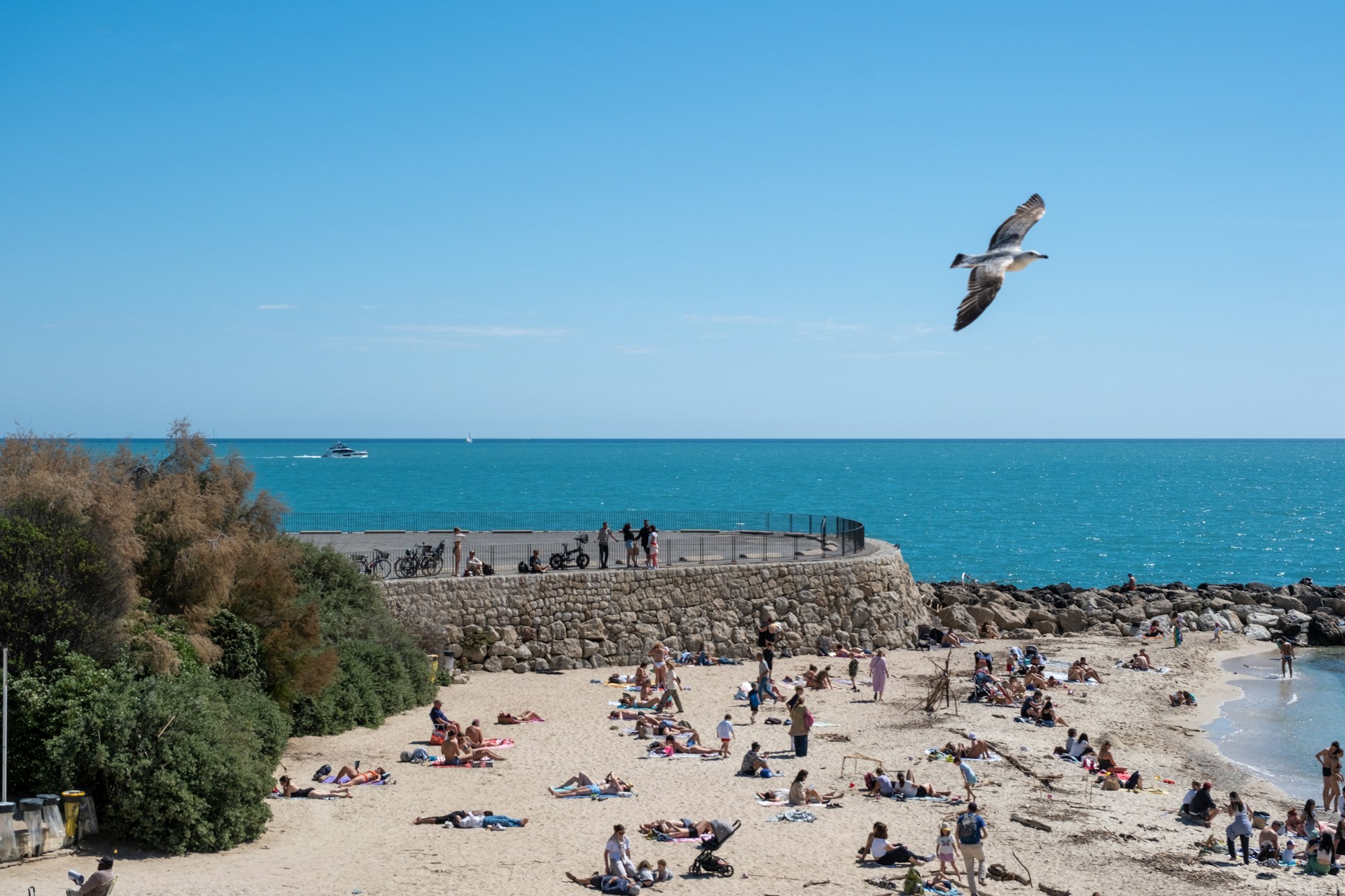
According to Climate Impact Company, an extended drought from western Europe to eastern Russia is expected for summer 2026, peaking in August. Severe Weather Europe describes a dominant anticyclone over central and western Europe, with a potential heat dome in June–August. In Spain, El Nino summers are historically hotter and drier, with an elevated wildfire risk. In Greece, where tourism accounts for 18% of GDP, areas vulnerable to fire-prone conditions could expand from 15% to 66–72% of Rhodes according to climate projections. For North Africa, a Tunisian press source anticipates one of the hottest summers in North African history — Marrakech in July–August is best avoided entirely.
For the UK itself, the Met Office notes that El Nino can push southerly airflows over the continent that occasionally reach Britain, increasing the likelihood of heat episodes — but the UK’s position means impacts vary considerably. A genuine hot spell is more probable than usual, yet far from guaranteed. Coastal areas and northern regions remain the most comfortable. According to Travel and Tour World, 28% of European holidaymakers are considering shifting their travel season as a result.
Key facts
- June remains pleasant on Mediterranean coasts (before the heat peak)
- Atlantic coasts (northern Spain, Portugal) are far less exposed
- 28% of European travellers are considering delaying their summer season
3. Iceland: coolcation number one + solar eclipse on 12 August

Iceland — 10–15°C in August, total solar eclipse on 12 August 2026
Iceland combines two major draws for summer 2026: naturally cool summer temperatures (10–15°C in August, zero risk of heatwave) and an exceptional astronomical event. Booking searches to Iceland have surged +128% in 2026, according to data compiled by Open Jaw. The reason is twofold: escape the Mediterranean heat AND witness the total solar eclipse of 12 August 2026 over the Snæfellsnes Peninsula — the first total eclipse visible in Iceland since 1954, with a maximum totality of 2 minutes 18 seconds. According to BBC Sky at Night Magazine, the Westfjords and Snæfellsnes are the prime viewing locations in Iceland, with Látrabjarg offering the longest land-based totality. UK observers will see an impressive partial eclipse (over 90% coverage in most of England), but travelling to Iceland gives you the full experience. Specialist operators offer guided glacier hikes on Snæfellsjökull designed to position groups above cloud level during totality. Direct flights from London Gatwick to Reykjavik Keflavik start from around £58 with easyJet. Note: a new per-kilometre car rental tax (6.95 ISK/km) applies in Iceland from 2026.
Key facts
- Total solar eclipse 12 August 2026 over Snæfellsnes — first since 1954
- Glacier hikes on Sólheimajökull and Vatnajökull throughout the season
- Midnight sun until August — luminous nights, no stuffy heat
4. Norway, Scotland, Azores: the cool alternatives
Norway — fjords, sea kayaking, ideal temperatures
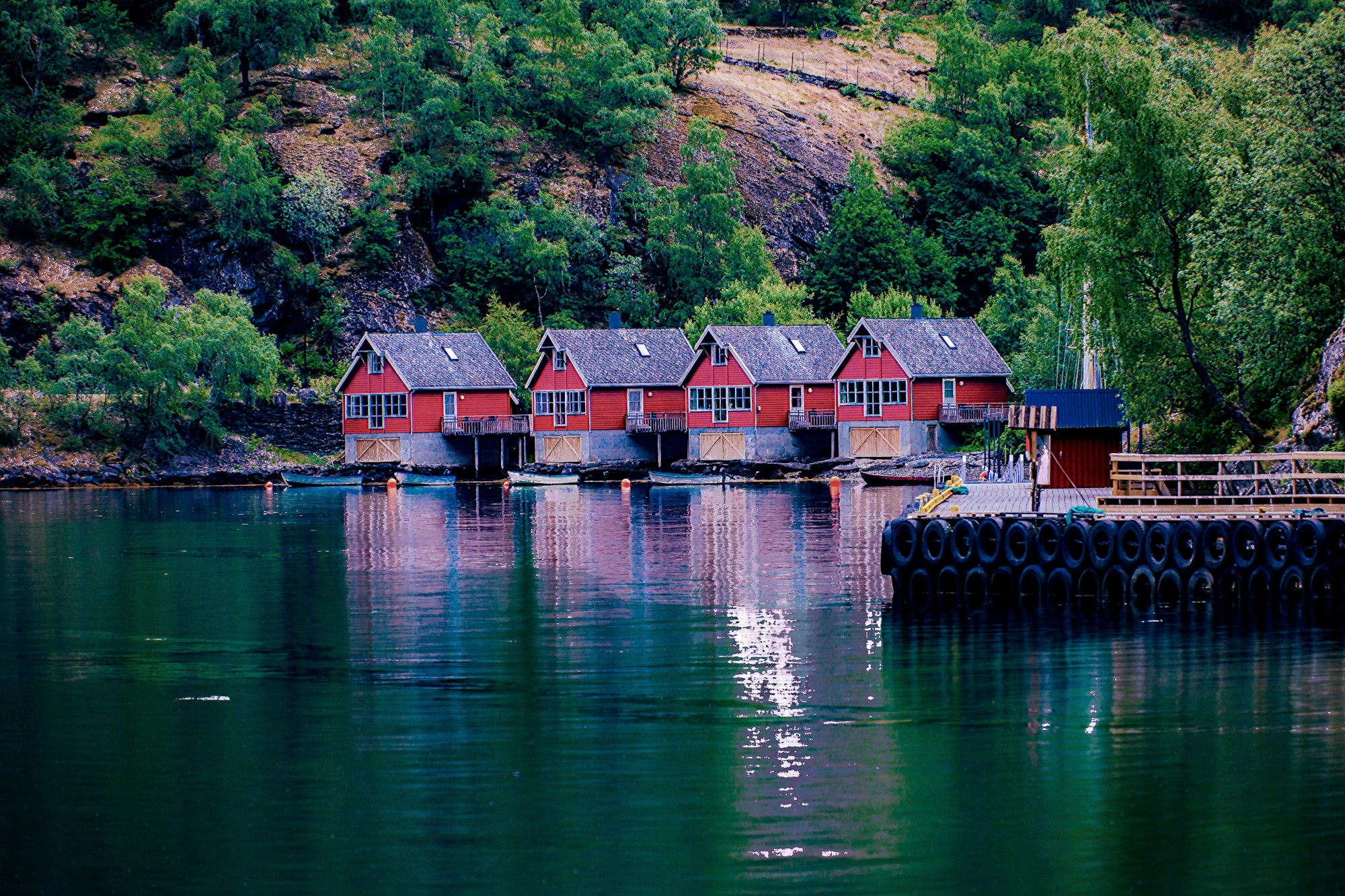
Norway shows +131% in booking searches according to Open Jaw — the outright record for the coolcation trend. The fjords in summer offer 15–20°C, spectacular scenery, and outdoor activities with zero risk of heat exhaustion. Voss is the adventure hub and hosts the world’s largest extreme sports festival each June. Foreign overnight stays have grown +22% on a structural basis. Direct flights from London Heathrow and Gatwick to Oslo Gardermoen start around £89 return with Norwegian Air Shuttle. For Scotland — the British coolcation that needs no passport — the Highlands reach 13–20°C in August with stunning light until 10:30pm and never the stifling nighttime heat of the south. Edinburgh to Bergen direct with Norwegian Air takes just over 2 hours. For the Azores, July–August temperatures of 22–25°C (sea at 21–23°C) offer the ideal compromise: warm enough to swim, without the excesses of the Med. Whale watching is possible throughout the summer season. Far less crowded than the Mediterranean in peak August, and outstanding value (£50–£100/day).
Key facts
- Norway: fjord kayaking, Tromsø, Ålesund, Geirangerfjord
- Scotland: Cairngorms, Isle of Skye, Highland Games (Braemar, September)
- Azores: whale watching, kayaking, diving — no documented El Nino impact
5. Lake District, Scottish Highlands, Snowdonia: cool breaks without leaving the UK
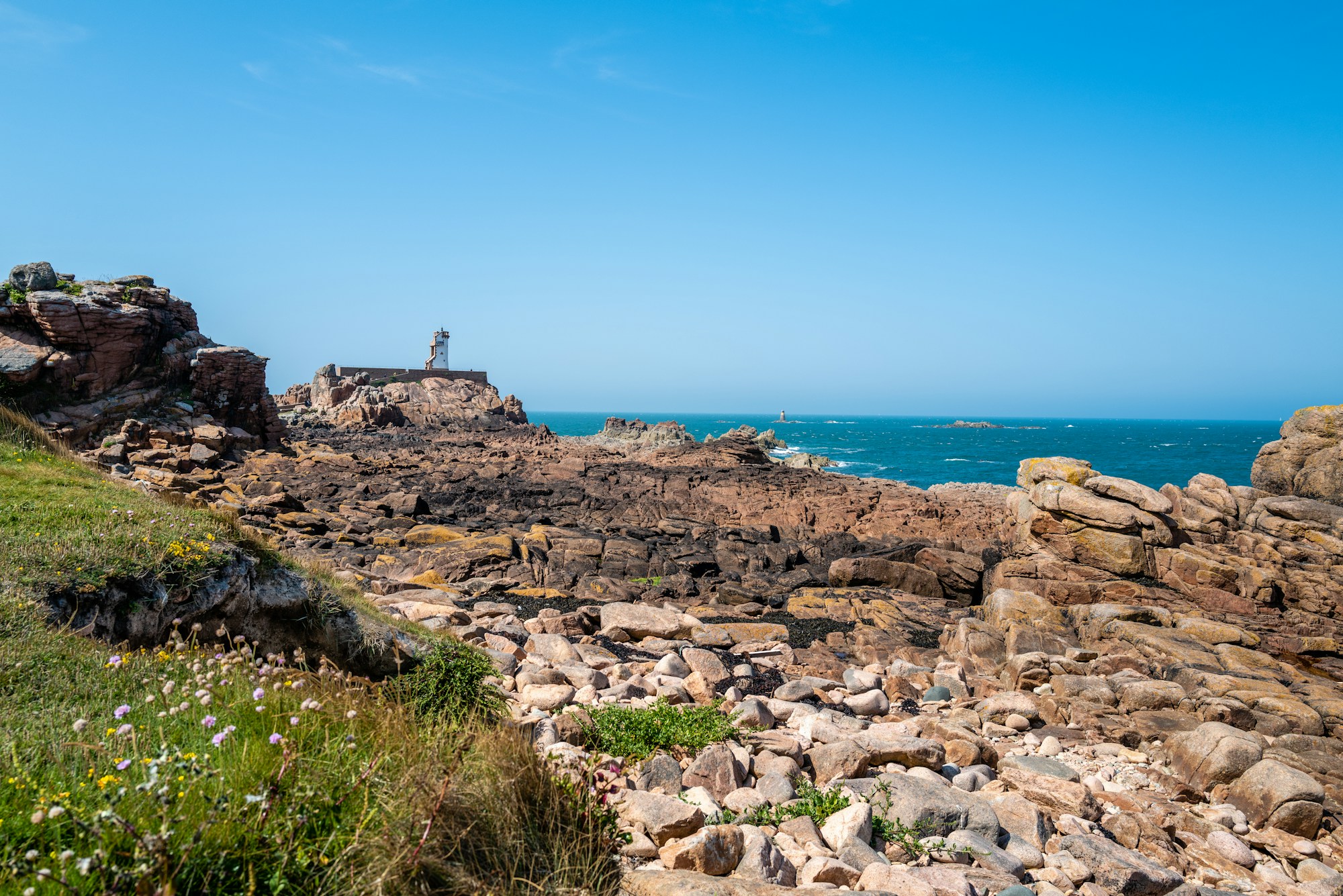
Lake District, Highlands, Snowdonia — under £80/day, no passport, no heatwave
For travellers whose budgets rule out Scandinavia, UK domestic coolcations are the most accessible answer — and demand is surging. According to Tripadvisor’s summer 2026 trends report, the Lake District has seen a +129% surge in search interest, with Grasmere ranking No. 1. August averages of 17–18°C and the « wild wellness » trend (wild swimming in Buttermere and Ullswater) make it the definitive domestic coolcation. The Scottish Highlands average just 16°C in summer — Skye, Glencoe, the Cairngorms National Park. No risk of a southern heat dome reaching the far north. Western Scotland recorded a mean summer high of 18.2°C in 2025 — comfortably below the temperatures baking the South East. Snowdonia and North Wales have over 10,000 confirmed bookings for summer 2026 already — mountain paths, coastal views, historic castles. The Northumberland coast is trending strongly as the « quiet luxury » alternative to over-crowded southern seaside resorts. No queues, AONB landscapes, stunning beaches on non-Bank Holiday weekdays.
Key facts
- Most affordable option — under £80/day all-in including accommodation
- No passport, no eSIM needed — zero admin hassle
- Lake District: Grasmere, Buttermere, Ullswater wild swimming — UK’s No. 1 coolcation 2026
6. Caribbean and Mexico: fewer hurricanes, record sargassum

Partial good news: CSU forecasts a quieter hurricane season
El Nino increases wind shear across the Atlantic, which suppresses hurricane formation. Colorado State University forecasts 13 named storms, 6 hurricanes and 2 major hurricanes — a below-normal season. The probability of a major hurricane making landfall in the Caribbean falls to 35% against 47% in a typical year. But as the WMO reminds us, « even a single tropical storm can devastate entire communities ». Zero risk does not exist.
The bad news concerns sargassum at Cancún. The University of South Florida predicts that 2026 could be the worst sargassum year ever recorded in the Mexican Caribbean — the season started 3 months early (January 2026) with biomass 75% above historical averages. Peak: June–August. Worst-affected beaches: Playa del Carmen, Tulum, Playa Delfines. The central Cancún hotel zone remains relatively sheltered.
Key facts
- Quietest hurricane season in years
- Barbados and St Lucia: viable with weather monitoring
- Cancún hotel zone less affected by sargassum than Tulum or Playa del Carmen
7. South-East Asia: heat, drought and air quality warnings

Vietnam, Thailand, Philippines, Bali: precautions July–October
According to Timeout Asia, July–October 2026 is the risk period across all of South-East Asia. Temperatures will be 2–3°C above normal, air quality will be degraded by transboundary haze from Indonesian forest fires (visibility below 500m possible), and drought will affect water supplies. In the Philippines, PAGASA puts El Nino probability at 79% for JJA. In Bali, the usually pleasant dry season (May–October) will be amplified, with a smoke haze risk in August–October from Sumatra and Kalimantan. Alternatives: highland zones (Chiang Mai, Dalat, Sapa) remain very manageable thanks to altitude. Yunnan (China), Sapporo (Japan) and Inner Mongolia offer original climate refuges.
Key facts
- Chiang Mai, Dalat, Sapa: altitude keeps temperatures manageable even in El Nino
- Bali: northern tourist zones less affected by southerly smoke winds
- Japan in June (before typhoon season): a serious option worth considering
8. India, Australia, Africa, Latin America: the global picture
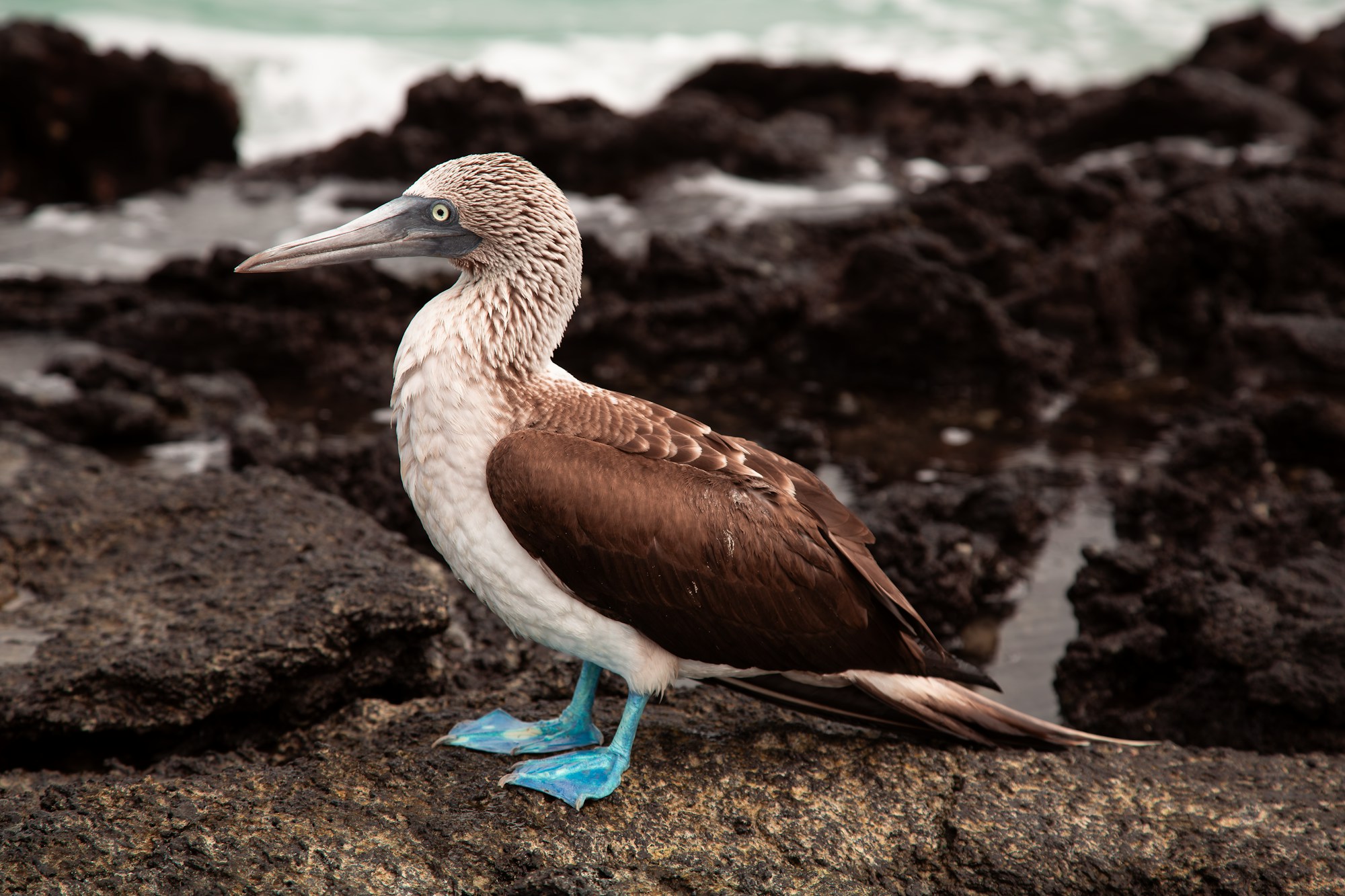
Galápagos and Peru: the El Nino paradox
For India, the India Meteorological Department (IMD) forecasts a 2026 monsoon at 92% of the Long Period Average — slightly deficient. India in summer is already off-season for most Western tourists (heat, monsoon), and the agricultural drought does not directly affect standard tourist circuits (Rajasthan, Kerala). For Australia, El Nino means a hotter, drier second half of 2026 with increased bushfire risk. The Great Barrier Reef faces bleaching risk. The austral winter (June–August) remains the high tourist season for Queensland — warm but not yet at record-breaking levels. For the Horn of Africa (Kenya, Tanzania), El Nino paradoxically produces excess rainfall: July–August tends to remain dry even in El Nino years, and high-end safari experiences are minimally affected. Counter-intuitively but importantly: a Peru–Galápagos circuit in June–July 2026 may be better than expected. The Galápagos in the « garúa » dry-cool season (June to November) are less impacted by El Nino during the boreal summer.
Key facts
- Kenya in July–August: safaris minimally disrupted despite excess rainfall in the Horn of Africa
- Galápagos in June–July: paradoxically drier and more pleasant than usual
- New Zealand in austral winter: skiing at Queenstown/Wanaka and temperatures of 5–12°C
Practical preparation: insurance and connectivity for the El Nino summer
Stay connected to live weather alerts, air quality data (IQAir) and hurricane warnings in real time. Airalo covers 190+ countries including all of Scandinavia with multi-country Europe plans. Essential for Nordic destinations (Iceland, Norway) and South-East Asia alike.
From $4 for Iceland or NorwayEl Nino raises the stakes: heatwave-related hospital admissions, wildfire evacuations, weather-related flight disruptions. Standard travel insurance does NOT cover cancellation due to heat — check for a Cancel For Any Reason (CFAR) clause or natural disaster extension. SafetyWing Nomad Insurance provides global cover from $56/4 weeks. 10% off via our link.
From $56 / 4 weeksFrequently asked questions about El Nino and summer 2026 holidays
Will El Nino really ruin my 2026 Mediterranean holiday?
No — El Nino will not « ruin » the Mediterranean, but it will amplify the risks already present (heatwaves, drought, wildfires). A trip to Croatia or Catalonia in June (before the heat peak) remains very enjoyable. July–August in inland Spain, inland Greece, or North Africa will be the most challenging periods. Atlantic coasts (northern Spain, Portugal) are far less exposed. For the UK, the Met Office notes that El Nino may increase the probability of a heat episode but the effect on the UK is far less direct than on the continent.
Will the 2026 hurricane season be dangerous for the Caribbean?
El Nino generally suppresses Atlantic hurricane activity. Colorado State University forecasts a below-normal season: 13 named storms, 6 hurricanes, 2 major. The probability of a major hurricane hitting the Caribbean is 35% against 47% in a normal year. But as the WMO reminds us, « even a single tropical storm can devastate entire communities ». Travel insurance covering hurricane risk remains advisable, even in an El Nino year.
Will El Nino 2026 be a « super El Nino »?
Possible, but not guaranteed. The NOAA CPC assigns no individual intensity category more than 37% probability. The ECMWF estimates that over 50% of its ensemble members project sea surface temperature anomalies above +2.5°C by autumn 2026. The WMO officially refuses the term « super El Nino » as non-standardised. The sensible approach: plan for a strong El Nino (near-certain, 62–91% probability) and be mentally prepared for an exceptional event (plausible but not guaranteed).
Does my travel insurance cover El Nino-related cancellations?
No, unless you have a Cancel For Any Reason (CFAR) clause. Standard policies cover medical emergencies, evacuations and declared natural disasters — not « it’s too hot to travel ». For destinations at cyclone or wildfire risk, confirm that your policy explicitly covers « natural disaster » and « force majeure ». CFAR typically reimburses 50–80% of non-refundable costs and must be purchased within 14–21 days of your first trip payment. SafetyWing, AXA and Allianz all offer suitable options.
Will coolcation destinations (Iceland, Norway) be overcrowded in 2026?
Yes, overcrowding is a genuine risk. Bookings to Iceland are up +128% and to Norway +131% according to Open Jaw. Book 3 to 6 months ahead. The most famous spots (Geiranger, Route 55, Reykjavik) risk saturation. Less crowded and more authentic alternatives: the Faroe Islands (11–13°C), Finnish Lapland, and for UK-only travel the Lake District, Snowdonia, or Scottish Highlands.
Should I completely avoid South-East Asia in July–August 2026?
Not an absolute rule — but precautions are essential. Highland zones (Chiang Mai, Dalat, Sapa) remain very manageable thanks to altitude. Coastal resorts (Phuket, Koh Samui) will be hotter than usual and under monsoon influence. Bali stays attractive but carries a smoke haze risk. Absolutely avoid: Sumatra and Kalimantan in August–October (peat fires). According to Timeout Asia, an eSIM and the IQAir app are essential for real-time air quality monitoring.
- NOAA Climate Prediction Center — ENSO Diagnostic Discussion (62/82/96% probabilities)
- IRI Columbia — ENSO Quick Look — JJA probability 91%, April 2026
- WMO — El Nino Likelihood Update — High confidence confirmed
- Met Office — El Nino and the UK summer 2026
- BBC Sky at Night Magazine — Total solar eclipse 12 August 2026
- Carbon Brief — State of the climate 2026
- ECMWF — Science Blog El Nino 2026
- Climate Impact Company — European drought summer 2026
- Severe Weather Europe — Summer 2026 forecasts
- Colorado State University — 2026 hurricane season forecast
- HowIsTheSargassum.com — 2026 sargassum forecast
- Open Jaw — Coolcations +74% in searches
- Tripadvisor — UK trending destinations summer 2026 (Lake District +129%)
- Timeout Asia — El Nino and South-East Asia travel
- PAGASA / Rappler — Philippines 79% El Nino probability
- NOAA Ocean Service — Coastal flooding and El Nino
- Yale Climate Connections — El Nino 2026–2027
- GB News — UK weather: El Nino heatwave summer forecast
- Open Jaw — Coolcations Norway +131%, Iceland +128%
- Travel and Tour World — Mediterranean tourist demand shift
Research conducted 17 May 2026. Climate probabilities are subject to revision with monthly updates from official agencies.