
Commercial partnership. This article contains affiliate links. If you book through these links, Pixidia earns a small commission at no extra cost to you. Learn more
Shimokitazawa is Tokyo’s most authentic neighbourhood for vintage lovers, specialty coffee and live music. The district is home to more than 200 second-hand shops — an absolute record in Tokyo. It is reachable in 6 minutes from Shibuya (Keio Inokashira Line) or 7 minutes from Shinjuku (Odakyu Line). Guided tour options cover every format, from group cultural walks — from £17 per person — to private vintage shopping and evening bar-hopping. For a first visit, I recommend the vintage, music and food guided walk with a local — the only experience that combines thrift stores, record shops and specialty cafes in a single half-day.
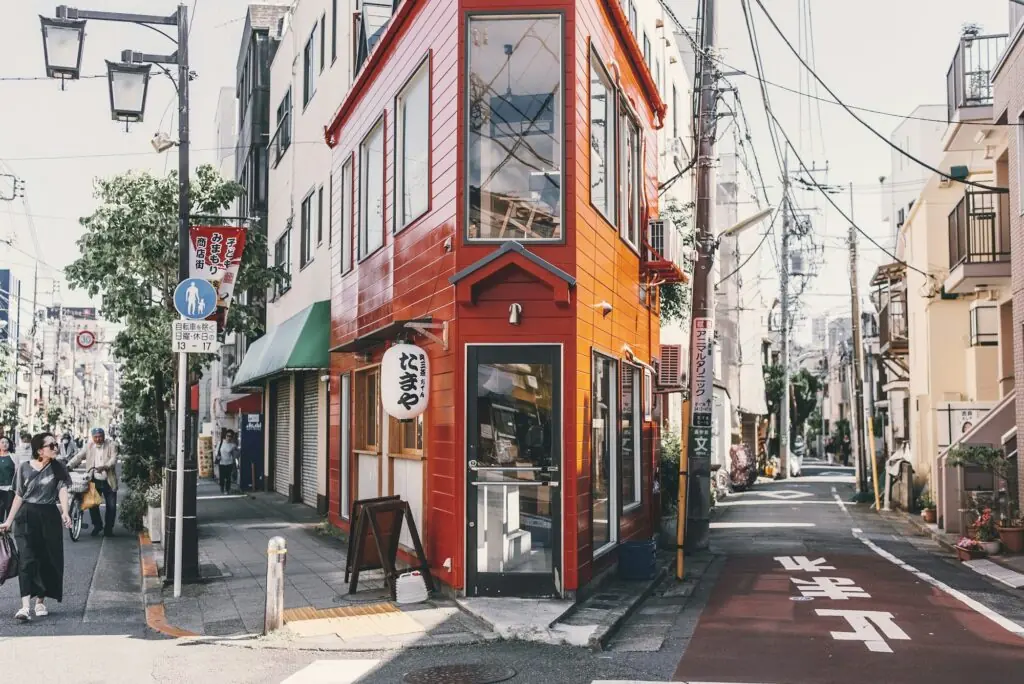
I first set foot in Shimokitazawa on a Tuesday morning in November, after two days of burning through Shibuya and its 3,500 shops. The difference is immediate: no aggressive neon signs, no dense crowds, no blaring store music. Instead, narrow lanes that smell of freshly roasted coffee, hand-painted wooden shopfronts, and a vinyl record spinning behind a half-open window. I had found the Tokyo that Tokyoites actually live in.
Shimokitazawa is no recent discovery for locals — it has been their refuge since the 1970s, when underground artists and musicians colonised this Setagaya ward district for its low rents and free-spirited atmosphere. What is new is that international travellers are finally discovering it, thanks to social media showing something beyond Shibuya Crossing and Senso-ji. But unlike Harajuku, which has surrendered to mass tourism, Shimokitazawa holds its ground. No kitsch souvenir shops, no restaurants with plastic food displays outside, no chains except a handful of well-regarded coffee spots. Just 200 thrift stores and recycle shops, a dozen specialty cafes, five to seven active experimental theatre venues and more than thirty live houses staging concerts every night.
I have selected the ten best experiences to book for exploring Shimokitazawa and its surroundings — four tours specific to the neighbourhood and six thematic Tokyo complements that extend the spirit of the district. All carry a 5.0/5 rating on Viator. Start with the guided vintage walk with a resident if you only have half a day.
Shimokitazawa: the anti-Tokyo that resists gentrification
The Shimokitazawa (下北沢) neighbourhood nearly vanished in the early 2010s: an urban motorway project was slated to cut straight through it. A rare citizen mobilisation forced the authorities to back down. Then, between 2013 and 2019, the Odakyu line was buried underground, freeing up a strip of land several hundred metres long. The result could have been a generic shopping mall. Instead it became Bonus Track and Shimokita Senrogai — two clusters of independent boutiques, zero chains, owner-operators only, recognised with the Local Republic Award 2020 and the Toyo Ito Award 2021. An urban planning model now studied in leading Japanese design schools.
The neighbourhood’s vintage ecosystem is unique in Tokyo: more than 200 second-hand shops coexist, ranging from budget clothing (500 yen per piece) to carefully curated American vintage from the 1950s-70s at Flamingo Shimokitazawa (founded 2005). Record shops Disk Union and Jet Set draw vinyl collectors from around the world. The coffee scene is equally strong: Bear Pond Espresso (Katsuyuki Tanaka’s minimalist, anti-Instagram espresso bar), Ogawa Coffee Laboratory (40 brewing tools, roasting classes, award-winning Ethiopian Gesha beans) and Sarutahiko Coffee (coffee by morning, wine bar by evening) rival the best coffee cities in the world. To complete the picture, The Shelter (1991), Basement Bar and Shimokitazawa Garage stage indie gigs every evening in venues of 50 to 300 seats. The neighbourhood also hosts four major annual festivals, including the legendary Curry Festival in October (100+ participating restaurants) and the Awa Odori in August.
Shimokitazawa rewards weekday visits: arrive early in the morning for the premium thrift stores (shorter queues, better stock before weekend regulars have picked through) and return in the evening for the live houses. The heart of the neighbourhood is entirely pedestrianised: the station is small, the lanes labyrinthine — getting pleasantly lost is part of the experience. Allow 4 to 6 hours for a complete visit.
10 Best Experiences in Shimokitazawa and Tokyo Vintage Scene
1. Vintage, music and food guided walk in Shimokitazawa with a local
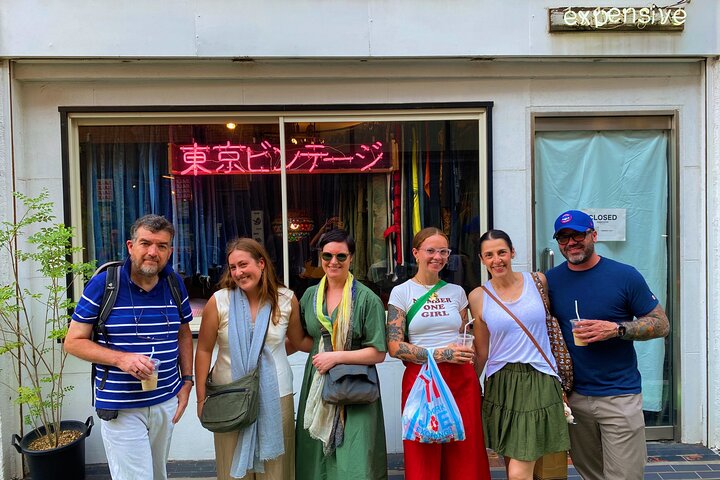
This is the experience I recommend first in Shimokitazawa: a guide who actually lives here, who knows the thrift stores that even locals struggle to find, and who takes you to a specialty cafe before ending in a back-alley izakaya. In three hours, you understand what the neighbourhood truly is — not what it shows tourists.
- Guide native to Shimokitazawa
- Hand-picked thrift stores and vinyl record shops
- Local specialty cafe and izakaya included
2. Evening walk and bar-hopping in underground Shimokitazawa
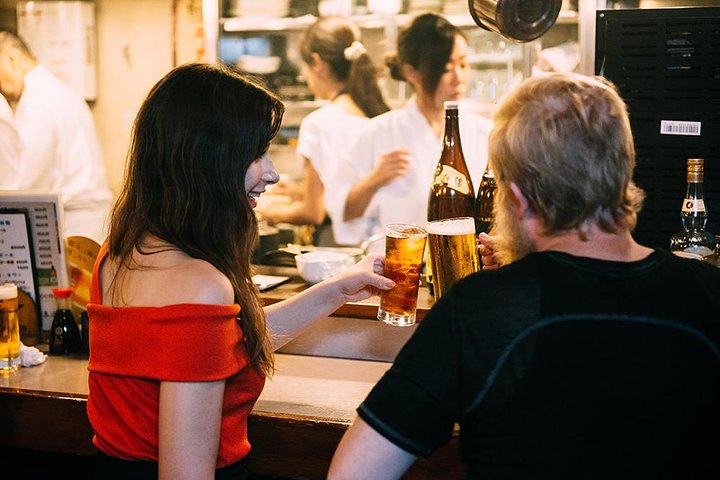
Shimokitazawa at night is a different city: the lanes come alive, izakayas spill onto the pavements, and live houses blast indie rock into the street. This small-group guided evening took me to bars I would never have found alone — including a basement tucked behind a launderette. Typical snacks and first drinks included.
- Bar-hopping through izakayas and underground bars
- Typical snacks and alcoholic drinks included
- Intimate small group — genuine local atmosphere
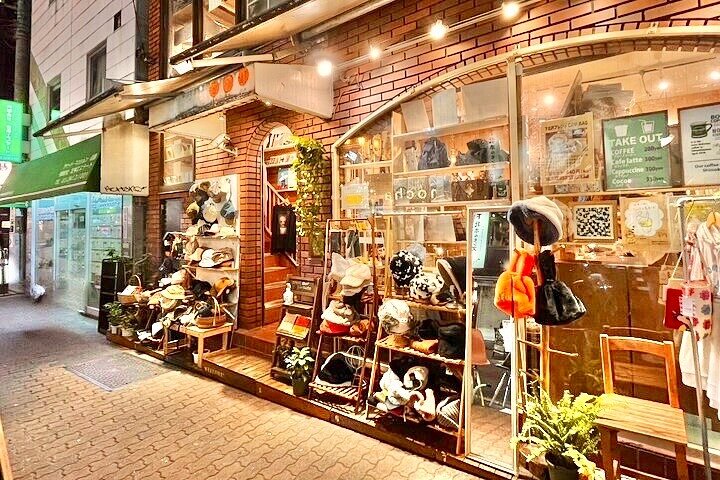
3. Private vintage shopping tour in Shimokitazawa
If you want to hunt for genuine finds without ending up in the shops already on every travel blog, this private format is for you. The guide is a Japanese vintage expert — able to spot an authentic 1970s Levi’s 501 from a reproduction at a glance — and knows the vinyl record shops tourists never discover. The itinerary bends around your taste.
- Access to the neighbourhood’s best upmarket thrift stores
- Expert in Japanese pop culture and vintage
- Flexible itinerary shaped around your finds
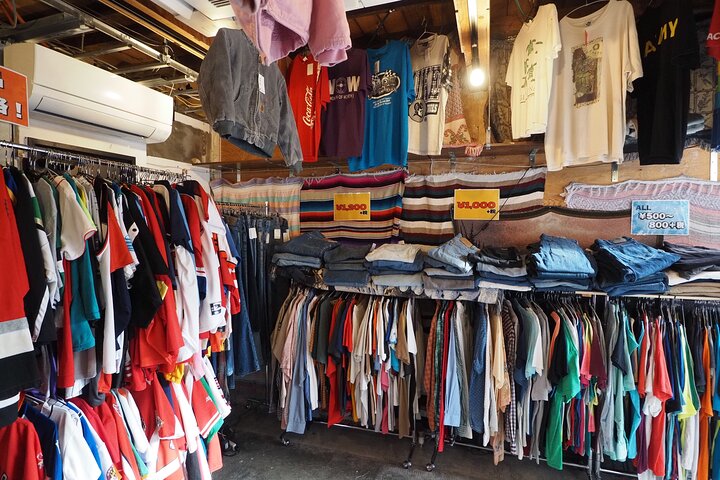
4. Vintage shopping and local food in Shimokitazawa — the premium combination
The premium version of the Shimokitazawa experience: your private guide combines vintage hunting at the best boutiques — including the Bonus Track complex on the former railway line — with neighbourhood restaurants that tourists simply never find. The option for those who want to go home with a vintage denim jacket AND an unforgettable foodie memory.
- Vintage shopping and local gastronomy combined
- Bonus Track and Shimokita Senrogai included
- Off-the-beaten-track local restaurants
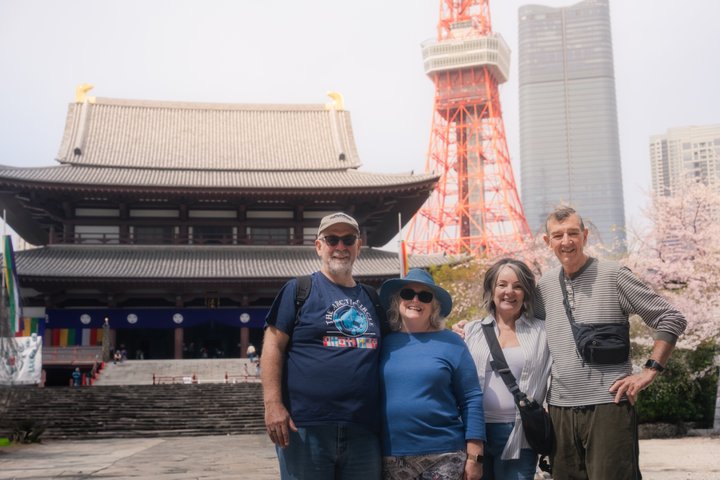
5. Customised private Tokyo tour with a Next-Gen local guide
The ideal format if you want to weave Shimokitazawa into a broader Tokyo itinerary. Your guide — young, passionate, a Tokyo native — builds the tour around your interests: start with Shimokitazawa’s thrift stores then head to Yanaka or Koenji? Absolutely possible. With 111 reviews and a perfect rating, this is the safest bet on the list.
- Itinerary built around your interests
- Young native guide — off-track neighbourhoods
- 5.0/5 across 111 reviews — the safest pick on the list
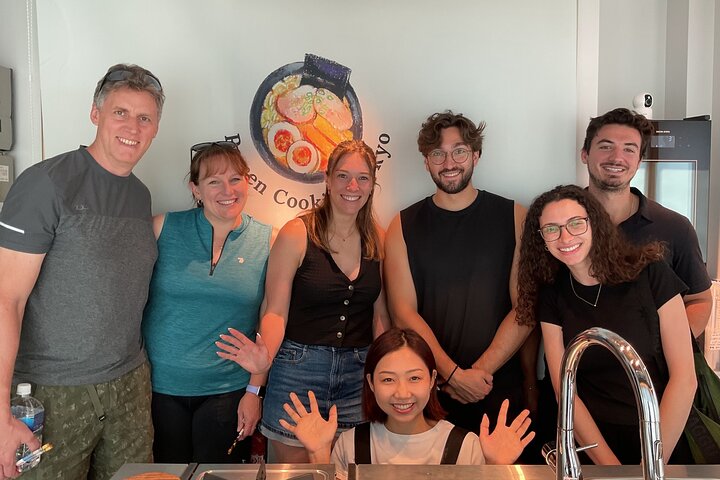
6. Ramen, sushi and sake pairing class — Japanese food immersion
The izakaya spirit of Shimokitazawa — sharing, discovering, connecting — comes through entirely in this cooking class. You make your own ramen and sushi, choose your sake pairing, and chat with fellow participants in an atmosphere closer to a dinner party than a tourist workshop. The perfect cap to a day thrifting in the neighbourhood.
- Ramen, sushi and sake pairing in a small group
- Authentic cultural exchange in a convivial setting
- Perfect after a morning of thrift shopping in Shimokitazawa
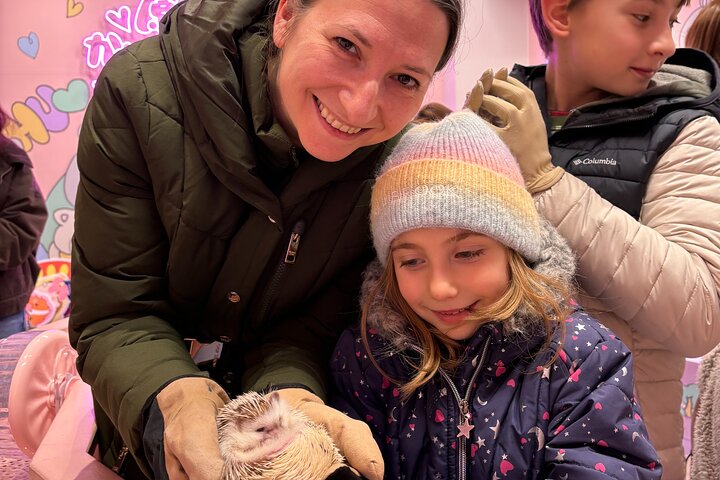
7. Private Harajuku kawaii fashion and animal cafe tour — the other face of Tokyo vintage
Harajuku and Shimokitazawa are the two opposite poles of Tokyo’s fashion culture: one is spectacular and curated, the other bohemian and authentic. This private Harajuku tour with a kawaii expert — animal cafe included — gives you the framework to understand what makes Shimokitazawa different. An excellent complement if you are spending a full day across both neighbourhoods.
- Expert in Japanese fashion culture and kawaii
- Animal cafe entry included
- Takeshita Street and iconic boutiques
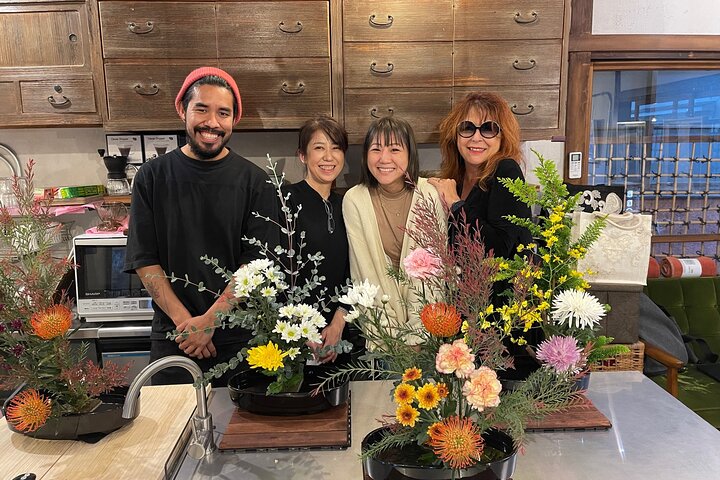
8. Ikebana workshop in bohemian Yanaka — Shimokitazawa’s spiritual sibling
Yanaka feels like Shimokitazawa in spirit — a preserved neighbourhood, old wooden houses, artists’ studios, zero chains — but in a more craft-focused and traditional register. This workshop with a certified ikebana master, held in a Yanaka townhouse, was the most transporting cultural experience I had in Tokyo. You leave with your own creation and a new understanding of what « slowness » means in Japan.
- Certified ikebana master in an authentic workshop
- Preserved Yanaka neighbourhood — same bohemian spirit as Shimokitazawa
- Materials included, you leave with your floral arrangement
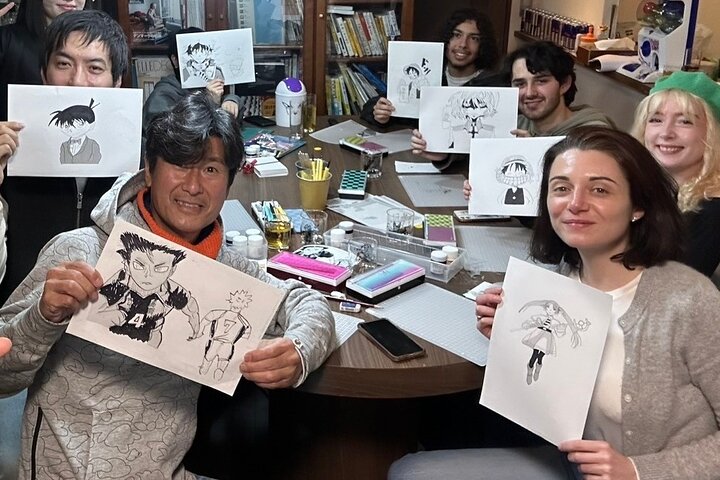
9. Manga drawing workshop with a professional artist — at the heart of Tokyo pop culture
Japanese comics are everywhere in Shimokitazawa — in independent bookshops, cafes, the bags of every sixth-former. This workshop with a professional manga artist gave me the tools to understand what makes Japanese manga unique: composition techniques, the importance of « ma » (expressive empty space) and the story of a narrative form born in the 1960s. You leave with your own character and a richer way of reading the neighbourhood.
- Professional manga artist as instructor
- History and techniques of Japanese manga
- You leave with your own original character
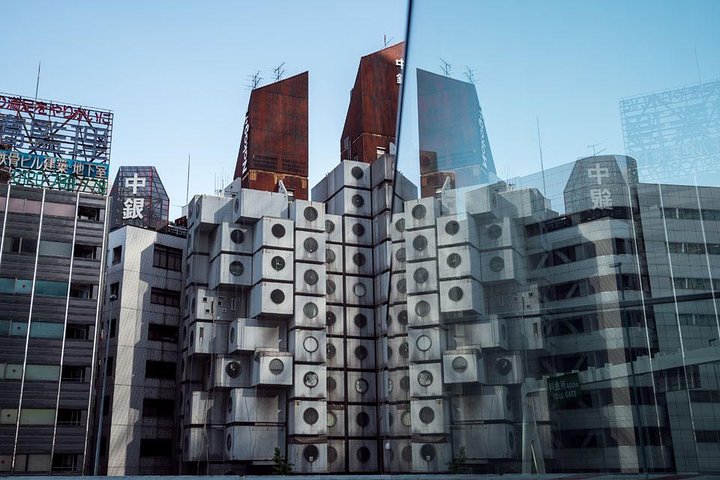
10. Tokyo street photography workshop — shooting Shimokitazawa like a press photographer
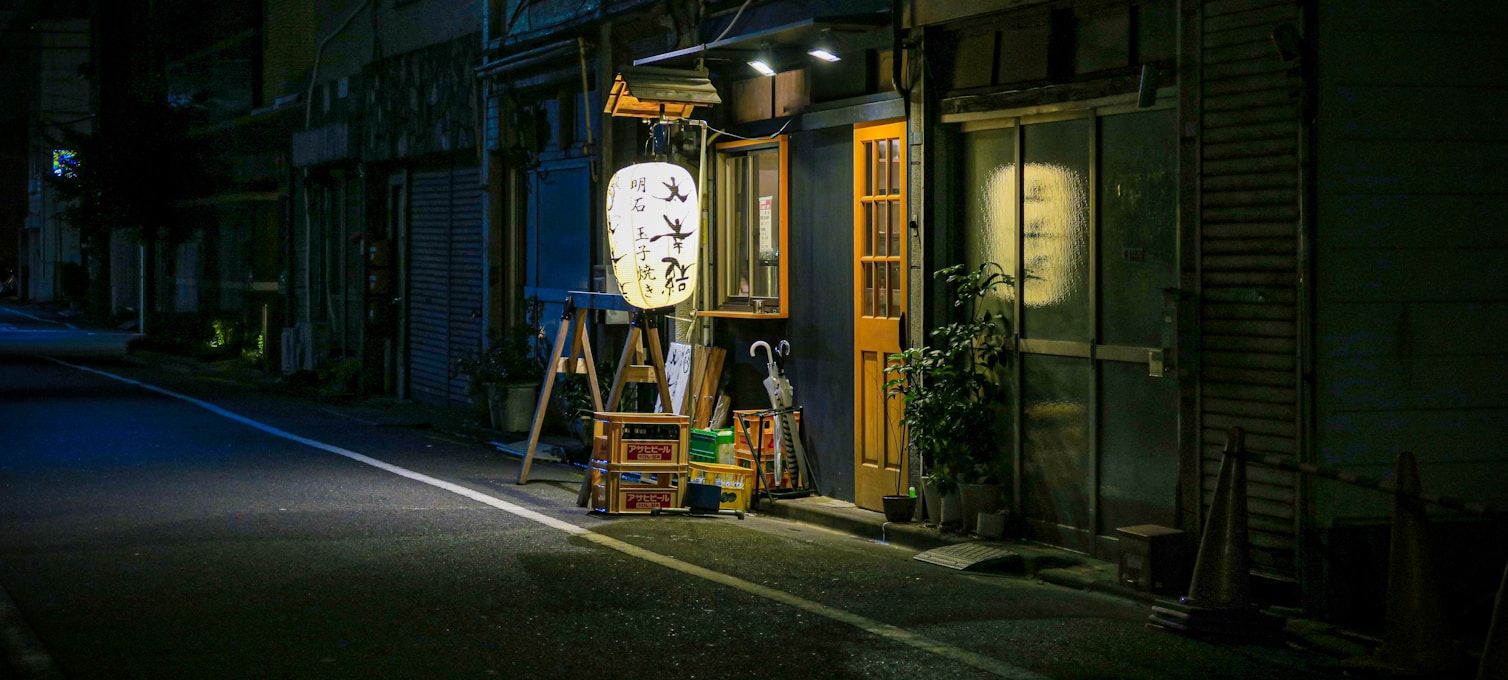
Shimokitazawa is one of Tokyo’s most photogenic neighbourhoods — but not for the obvious reasons: no giant neon signs or temples, just wooden lanes, hand-painted shopfronts and people living their everyday lives. This street photography course with a professional can be arranged in the neighbourhood on request — it is one of the most requested locations among participants.
- Professional photographer — street photography techniques
- Off-the-beaten-track photography spots
- Shimokitazawa available on request as the backdrop
Plan your trip to Tokyo and Shimokitazawa
4G/5G connectivity from the moment you land at Haneda or Narita. Essential for navigating Shimokitazawa’s labyrinthine lanes without going offline.
Get my Japan eSIMNomad Insurance: global medical cover from $56 per 4 weeks. 10% off via our link. Essential for Japan — healthcare costs are significant for uninsured travellers.
From $56 / 4 weeks Get coveredCompare direct and connecting flight prices from London (Heathrow or Gatwick) to Tokyo (Haneda or Narita). Prices fluctuate significantly depending on how far in advance you book.
See flights to TokyoThe vintage, music and food guided walk with a local is the highest-rated experience in the neighbourhood. Perfect for starting your Shimokitazawa discovery.
Book my guided tourPractical tips for visiting Shimokitazawa
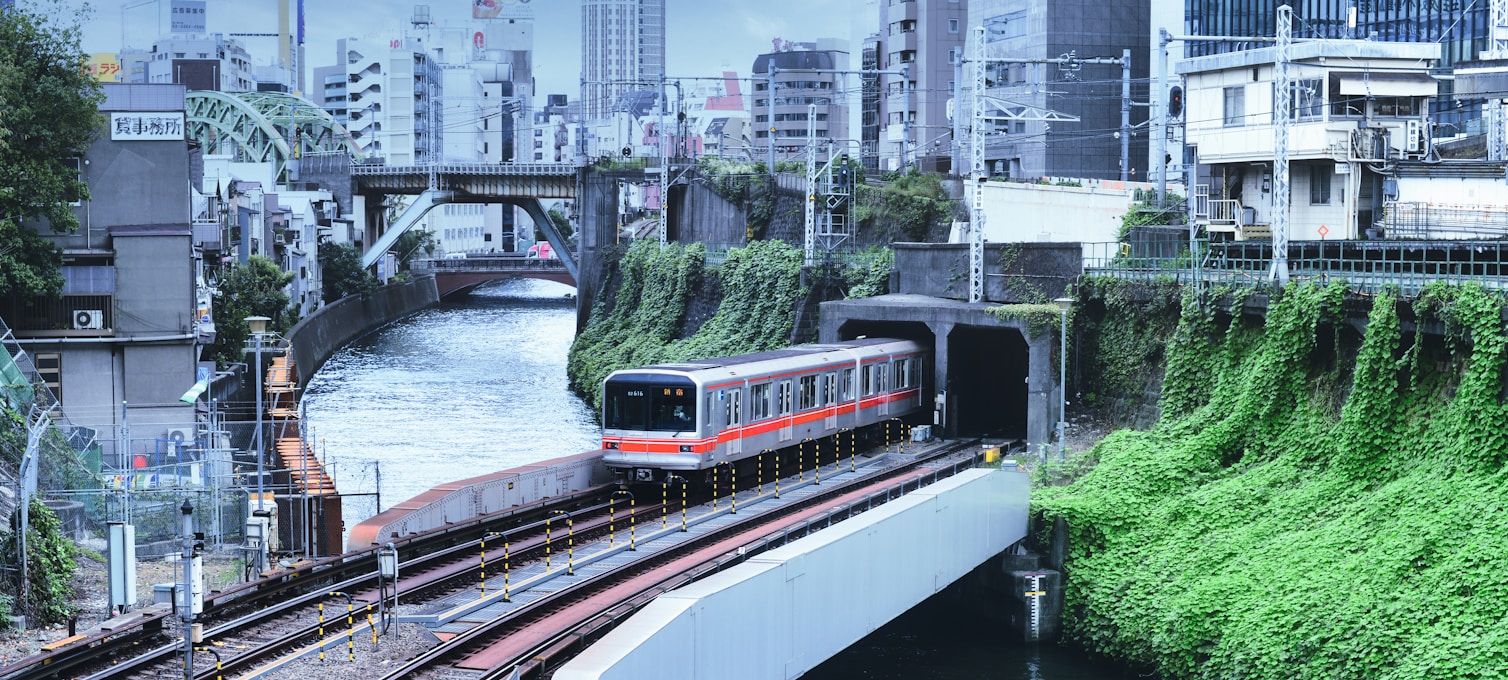
Getting there. Shimokitazawa has two rail connections. From Shibuya: Keio Inokashira Line, 6 minutes express, 130 yen (under £1). From Shinjuku: Odakyu Line, 7 to 10 minutes express, 160 yen (about £1). Note: Shimokitazawa station has two separate sections — Odakyu and Keio — with separate ticket barriers. Check you are exiting through the right one before paying.
When to visit. Weekday mornings (9am to 1pm) for the premium thrift stores: shorter queues, better selection before regular weekend visitors have been through. Afternoons are ideal for cafes and live houses. Evenings: izakayas liven up from 6pm. Avoid Saturday afternoons in good weather — the lanes get congested. The Curry Festival in October (100+ participating restaurants) and the Awa Odori in mid-August are exceptional times to visit.
Daily budget. Allow 4,000 to 8,000 yen (roughly £20-40) for a full day excluding guided tours: specialty coffee (600-900 yen), izakaya meal (1,500-3,000 yen), live house concert (1,000-3,500 yen plus a mandatory drink at 600-700 yen). Thrift shopping suits any budget — from free window shopping to several thousand yen for a collector’s piece.
Practicalities. There are no left-luggage lockers at the small Shimokitazawa station. Leave your bags at Shibuya or Shinjuku before arriving. The heart of the neighbourhood is fully pedestrianised — wear comfortable shoes. Card payments are not accepted everywhere in independent shops: keep some yen in cash.
To build your Tokyo itinerary further, explore our Japanese neighbourhood guides or browse our selection of cultural activities in Japan.
Frequently asked questions about Shimokitazawa
What is the best guided experience in Shimokitazawa?
The vintage, music and food guided walk with a neighbourhood resident is the highest-rated experience in Shimokitazawa, with a 5.0/5 rating on Viator. In half a day it covers thrift stores, vinyl record shops, a specialty cafe and a local izakaya — the essence of the neighbourhood in one go. See details and book.
How do you get to Shimokitazawa from central Tokyo?
Shimokitazawa is reachable in 6 minutes from Shibuya on the Keio Inokashira Line (130 yen, under £1), or in 7 to 10 minutes from Shinjuku on the Odakyu Line (160 yen). Both lines serve Shimokitazawa station with trains every 4 to 10 minutes. From Haneda Airport, allow 45 to 50 minutes via Shibuya.
Is Shimokitazawa suitable for first-time Tokyo visitors?
Yes, especially with a guided tour on your first visit. The neighbourhood is labyrinthine and its must-see addresses are not signposted — a local guide makes all the difference. For independent travellers, booking the walk with a local resident first and then returning solo the following day is the ideal combination. Shimokitazawa is only 6 to 7 minutes from Shibuya and Shinjuku, making it easy to slot into a broader Tokyo itinerary.
What is the average daily budget for Shimokitazawa?
A day in Shimokitazawa without a guided tour costs between 4,000 and 8,000 yen (roughly £20-40): specialty coffee (600-900 yen), izakaya meal (1,500-3,000 yen), live house concert (1,000-3,500 yen plus a drink). Thrift shopping is open to any budget — from free window shopping to several thousand yen for a vintage collector’s piece. Guided tours start from 3,500 yen (approx. £17) for a group format and up to $200 for a private food-and-vintage experience.
Which Shimokitazawa festivals are worth planning around?
Shimokitazawa runs four major annual festivals. In August, the Awa Odori (15-16 August 2026) brings 20 dance troupes to Ichibangai street. In October, the Curry Festival (9-26 October 2026) involves more than 100 restaurants, cafes and bars — Shimokitazawa is Tokyo’s self-proclaimed curry capital. In September, Moon Art Night illuminates the streets with nocturnal art installations. In February, the Tengu Matsuri closes winter with a demon parade.
Sources
- GoTokyo official — Shimokitazawa — accessed 2026-05-31
- NAVITIME Japan Travel — Shimokitazawa — accessed 2026-05-31
- Time Out Tokyo — Shimokitazawa guide — accessed 2026-05-31
- Matcha-jp — Shimokitazawa neighbourhood guide (EN) — accessed 2026-05-31
- Wikidata Q735384 — Shimokitazawa — accessed 2026-05-31
- Bonus Track — official website — accessed 2026-05-31
- JNTO — Japan National Tourism Organization, visitor statistics 2024 — accessed 2026-05-31
- Odakyu Electric Railway — timetables and fares — accessed 2026-05-31
Ready to explore Shimokitazawa?
Weekend slots fill up fast, especially during peak season (April-May, October). Book your guided tour in advance to secure your place with the guide of your choice.
See the #1 guided tourIs a guided tour worth booking in Shimokitazawa?
Yes, if you want to get past the main shopping streets. With more than 200 second-hand shops, a dozen specialty cafes and over thirty live houses packed into narrow lanes, a local guide helps you pick the best vintage stores and record shops in a single half-day. Group walks start from £17 per person, and private vintage shopping tours suit travellers with specific tastes.