
France’s July 2026 summer traffic surge is shaping up to be one of the worst on record: for the first time ever, all French school zones start their holidays on the same day, Saturday 4 July. The weekends of 4-5 July and 11-12 July are forecast as national red (severe) in the departure direction. In 2025, peak congestion reached a cumulative 1,078.9 km of tailbacks. For British drivers heading south through France, the safest options are: leave before 6am or after 9pm on Friday 3 July, avoid the A7 between 8am and 8pm on Saturday, and consider the free A75 motorway as an alternative.
July 2026 marks an unprecedented moment in French summer traffic history: for the first time, all 12 million French schoolchildren across every academic zone finish on the same Friday, 3 July. The result is zero natural staggering of departures, a simultaneous rush across the entire motorway network, and two weekends set to rival all previous congestion records. For British holidaymakers driving down through France to the Mediterranean or Spain, understanding this traffic pattern — what the French call the « chassé-croisé » — is essential to avoiding hours of gridlock on the A7. Bison Futé, France’s official traffic prediction service, is celebrating its 50th anniversary in 2026 and continues to help drivers navigate this critical period. Here’s the data, the peak hours to avoid, and the alternative routes that will get you to your holiday destination without the stress.
1. Understanding France’s summer traffic surge: why July 2026 is different

A historic confluence of departures
According to Service-public.fr, the French 2026 summer school holidays begin on Saturday 4 July for all academic zones (A, B and C) simultaneously — an unprecedented situation in the history of the French school calendar. Classes end on Friday 3 July, with the new school year starting on Tuesday 1 September 2026. This total synchronisation removes the natural staggering that previously spread traffic flows over two to three weeks.
The term « chassé-croisé » evokes a dance step where two dancers cross paths moving in opposite directions. In practice, it’s the July holidaymakers hitting the road towards the coast while those returning from shorter breaks head home. Note that most British state schools in England and Wales break up around 22-23 July 2026 — so UK drivers are likely to be on French roads precisely during the most congested French period, or arriving just as the first wave subsides. According to France’s Ministry of Ecology, Bison Futé was created in 1976 following the historic 600 km traffic jam of August 1975, which left 60,000 vehicles gridlocked and wasted 2 million hours on French roads.
Key facts to remember
- 2026: first time all French school zones break up on the same day
- Bison Futé publishes its official colour forecasts a few days before each peak weekend
- 2025 record: 1,078.9 km of cumulative tailbacks on 2 August (expect similar in July)
- 2 summer months account for 1/5 of France’s annual road fatalities
2. The weekends of 4-5 and 11-12 July: what to expect hour by hour
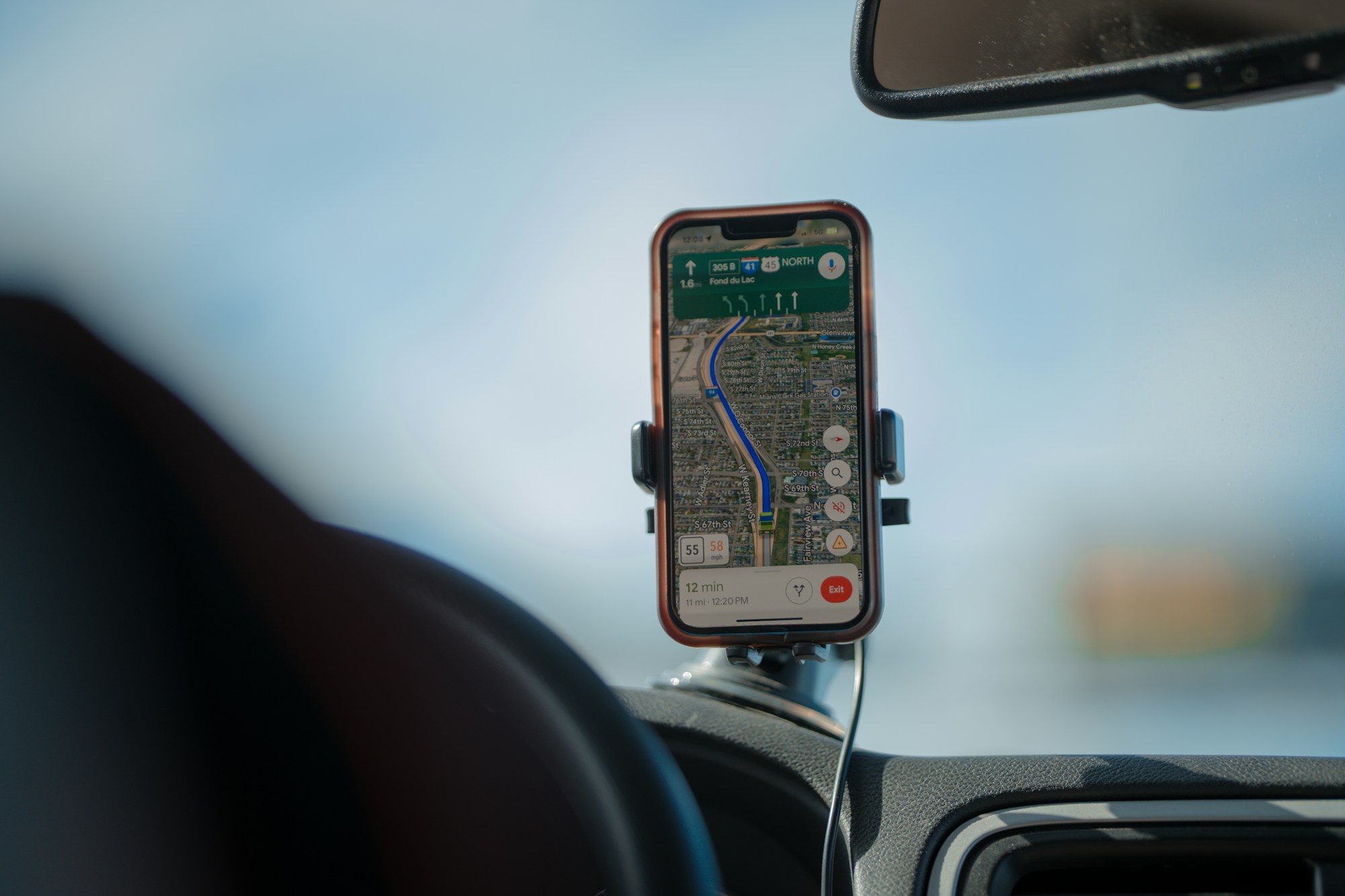
Weekend 1: 4-5 July (the first great departure)
Based on VINCI Autoroutes data from the first holiday weekends of 2025, Friday 4 July will be congested from noon around Paris, with a red peak expected between 4pm and 8pm. Saturday 5 will be the hardest day: on the A7, expect 3 hours 5 minutes for Lyon to Orange (200 km, normal time: 1h 35). On the A9, the Orange to Spanish border section will be congested from 11am to 5pm.
Hours to avoid: Saturday 5 July (departure direction)
- A6-Paris / Wissous toll: avoid before 5am or after 5pm (Paris-Marseille toll: €69.40)
- A7 Lyon-Orange: 8am – 3pm
- A7 Orange-Marseille: 10am – 8pm
- A10 Paris-Bordeaux: 8am – 5pm (toll: €61.05)
- A9 Orange-Spain: 11am – 5pm
- A11 Angers-Nantes: 10am – 2pm; N165 towards Quimper: 1pm – 5pm

Weekend 2: 11-12 July (before Bastille Day)
This second weekend is made worse by a calendar quirk: Bastille Day (14 July) 2026 falls on a Tuesday. This encourages many French workers to take the Monday 13th off as a bridge day, creating a mini traffic surge in both directions — second waves of July holidaymakers overlap with early returns. According to lautomobiliste.fr, the Friday before Bastille Day is consistently classified as national red from 10am onwards in the departure direction.
Sunday 13 July will be particularly tense in both directions, with coastal returns building in the evening alongside late departures in the opposite direction. According to French road safety authorities, July 2025 recorded 338 deaths on the roads — up 23% on July 2024, a serious warning for summer 2026. Monday 14 July will see heavy returns on the A8, A9 and A61.
HGV restrictions to note
- Saturday 11 July: HGV ban from 7am to 7pm across the entire network
- Saturday 18 July: same restriction — good news for car drivers
- Saturday 25 July: same again (source: xpper.fr)
3. The busiest routes: A7, A9, A10, A13

A6-A7: The Autoroute du Soleil (Paris-Marseille, 777 km)
The A6-A7 remains France’s most symbolic and congested motorway in summer. According to France Comfort, traffic on the A7 increases by 50% in July-August compared to June. The worst bottleneck is at Lyon, around the Fourvière tunnel and the A6-A7 junction: cumulative tailbacks of 100 to 150 km can form there on red Saturdays. The Wissous toll plaza (A6, km 10) also generates queues from dawn on peak departure days.
To drive from Calais or Folkestone to Marseille via this route in 2026, budget around €69.40 in tolls (class 1) according to Ulys, plus fuel: roughly €90-100 in SP95-E10 at €1.739/L (June 2026). Total costs approach €160-170 for a solo car — without counting hours lost in jams. For British travellers, note that French motorway tolls must be paid in euros; carry a card as most modern toll booths accept contactless payment.
A7 black spots
- Fourvière tunnel (Lyon): avoid between 7am and 3pm
- Orange junction (A7-A9): systematic bottleneck at peak times
- Montélimar service area: fuel station queues on red Saturdays
4. The alternative routes that are genuinely worth taking

A75: La Méridienne — the free motorway to the Mediterranean
The A75 is the most popular alternative among seasoned travellers to southern France. According to Ulys, this 335-km motorway crosses the Massif Central from Clermont-Ferrand to Béziers completely free of charge, with the sole exception of the Millau Viaduct toll (between €12 and €18 depending on the season). The full route from Calais or the Channel takes the A10 south, then A71 (toll-free to Clermont-Ferrand), A75 to Béziers, then A9 towards Montpellier or the Hérault coast.
From Paris to Sète via this route, expect around €17 in total tolls (Millau only) versus €69 via the A6+A7 — a saving of €52. Journey time is around 1h 30 longer, but the A75 passes through exceptional scenery: the Aubrac plateau, the Larzac plateau, the Tarn Gorges and the Millau Viaduct itself — 270 metres above the valley floor. For a British driver, this can easily become a highlight of the road trip rather than just a diversion.
Other alternative routes worth knowing
- Lyon bypass: A43 towards Chambéry + A48 + A49 (rejoins A7 at Valence Sud, adds 45 min)
- East bank of the Rhône: D86/D1086 from Condrieu to Le Teil (scenic, for those who enjoy the drive)
- Paris-Bordeaux: N10 + D-roads via Châtellerault (fewer lorries, charming villages)
- Paris-Normandy: A86/N104 (Francilienne ring road) + A12 to avoid the congested A6-A13 section
- Historic RN7 (Route Nationale 7): scenic but avoid on red days — town-centre traversals make it as slow as the motorway

Once you’ve made it to Provence: the Luberon on your doorstep
After surviving the July traffic, Provence deserves to be explored at a proper pace. From Avignon — a natural stop on the A7 — a half-day excursion into the Luberon, Roussillon and Gordes lets you discover the iconic hilltop villages and lavender fields in full bloom, without the hassle of navigating narrow mountain roads in your own car. Book ahead: spaces fill up fast in peak season.
5. Budget, fuel and alternatives to driving
What driving through France in July 2026 really costs
According to Service-public.fr, French motorway tolls rose by an average of +0.86% on 1 February 2026. Paris-Marseille now costs €69.40 (class 1), Paris-Lyon €41.28 and Paris-Bordeaux €61.05. Add fuel — SP95-E10 at €1.739/L and diesel at €1.649/L according to prix-carburants.gouv.fr — and Paris-Marseille comes to roughly €160-170 for a solo car. For British drivers, fuel in France is typically slightly cheaper than in the UK; fill up at a supermarket (« grande surface ») forecourt rather than on the motorway to save €0.10-0.15 per litre.
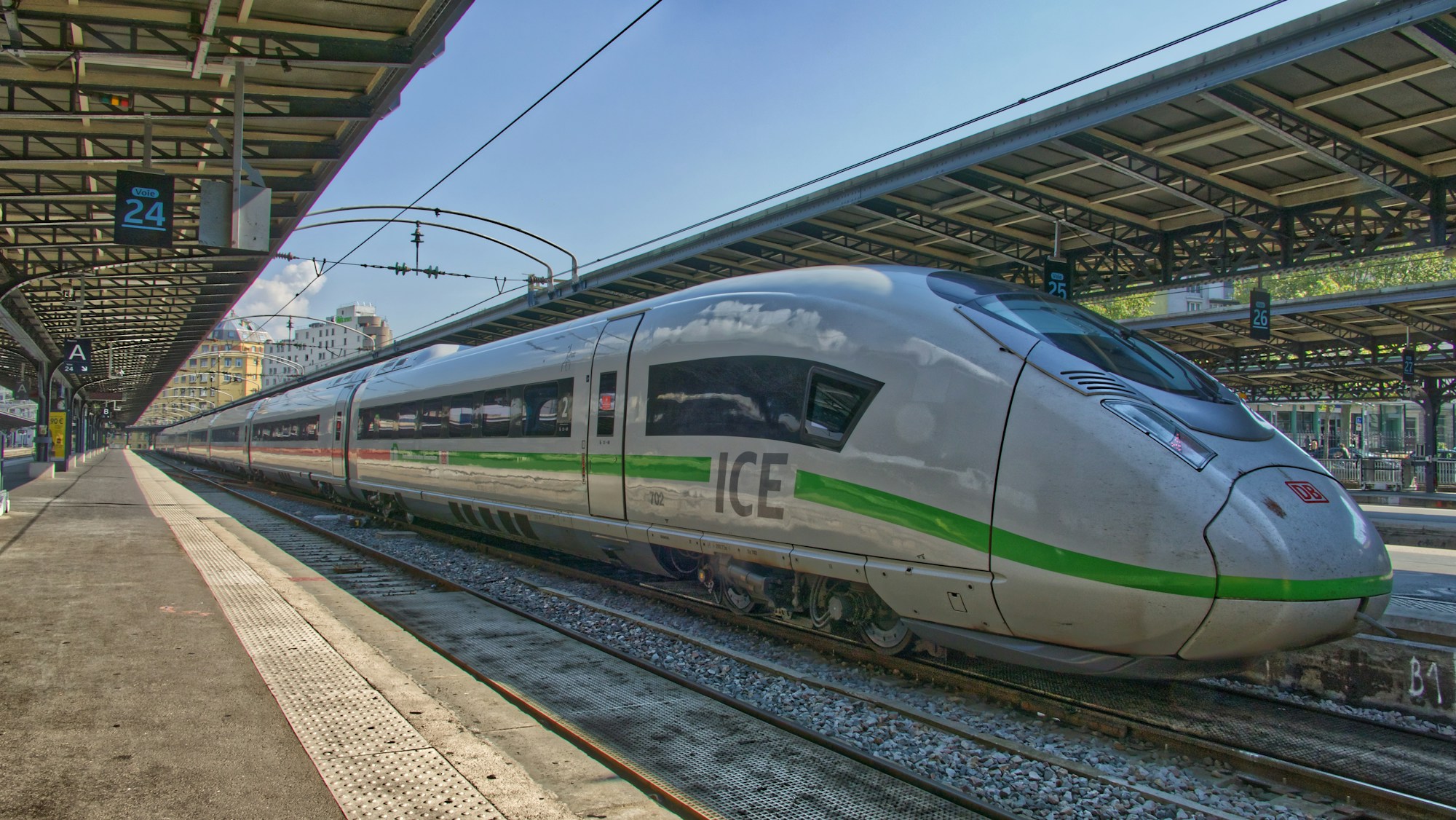
The new TGV-M enters commercial service on 1 July 2026 on the Paris-Lyon-Marseille axis with 4 initial trainsets. This new high-speed train offers wider seats, Wi-Fi and 20% lower energy consumption. Book early and tickets start from €50 — less than half the cost of driving solo. For a lone traveller or a couple without a car full of luggage, the train becomes genuinely competitive with the car.
Paris-Marseille transport comparison
| Mode | Estimated cost | Duration (no jams) | Advantage |
|---|---|---|---|
| Car via A6+A7 | €160-170 per car | 7h 45 (+ jams) | Flexibility, unlimited luggage |
| Car via A75 | ~€120 per car | 9h 15 (+ jams) | Save €40-50, great scenery |
| TGV-M | From €50 per person | 3h 20 | Comfort, punctuality, stress-free |
| BlaBlaCar | ~€50 per passenger | Variable | Budget-friendly, sociable |
Fuel and toll tips
- Fill up at a French supermarket forecourt before joining the motorway: save €0.10-0.15/L versus motorway stations
- Ulys badge: €2/month, dedicated T+ lanes at tolls that are less queued on busy days
- E85 bioethanol: €0.849/L if your engine is compatible (major saving on a long journey)
- EV: 4,600+ ultra-fast charging points on French motorways (every 50-60 km), Ionity and Electra the most reliable
6. Getting out of the Paris region and through Lyon

The Paris ring roads — the first challenge of any long drive south
Bison Futé recommends crossing or leaving the greater Paris area before 11am or after midnight on peak Friday departures. The two main pinch points are the Wissous toll plaza (A6) and the Saint-Arnoult-en-Yvelines toll (A10, km 24), where the road narrows from 3 lanes to 2. The A86 inner ring road and N104 (Francilienne) allow you to connect the A6, A10 and A11 motorways without going through central Paris — essential if you’re coming from the Channel ports heading south.
For Lyon, the bypass recommended by APRR runs via the A43 towards Chambéry, A48 towards Grenoble then A49 which rejoins the A7 at Valence Sud. This diversion avoids the Fourvière tunnel and adds around 45 minutes — which can easily turn into 2 hours saved on a red Saturday. The A46 eastern bypass of Lyon is a more direct alternative (100,000 vehicles per day) but also gets congested on peak weekends.
Navigation apps to use
- Waze: community-sourced real-time recalculation, incident reporting — the most reactive
- ViaMichelin: the only app combining traffic + tolls + fuel in the same cost calculation
- Bison Futé app (iOS/Android): official forecasts, live webcams, EV charging points
- Radio VINCI 107.7 FM: traffic updates every 15 minutes, 24/7 in summer
7. Crossing the Channel and heading into Spain
The Channel crossing: what British drivers need to know in 2026
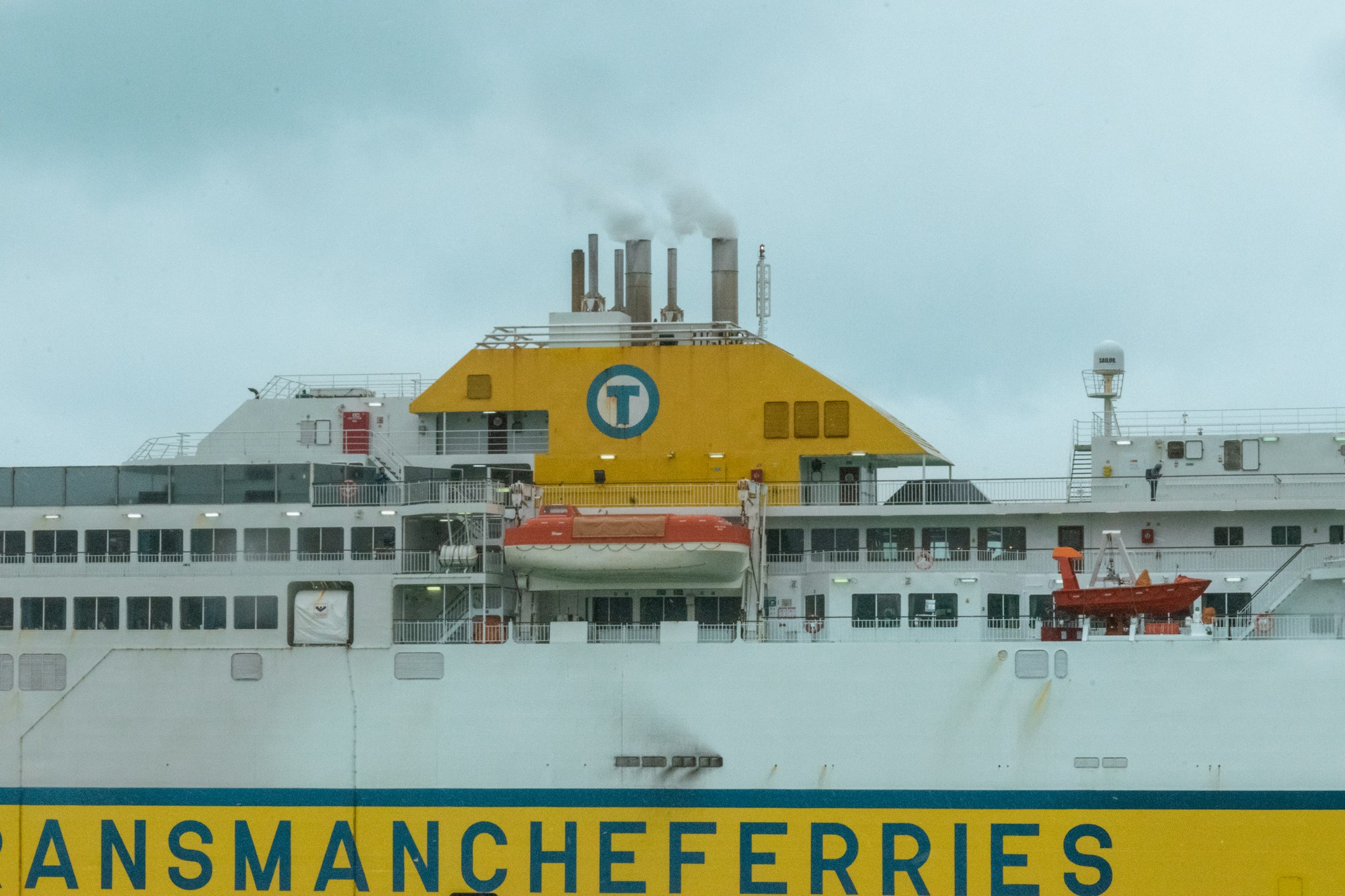
For British drivers, the journey begins at Folkestone (LeShuttle, 35 minutes) or Dover (P&O Ferries, DFDS — approximately 90 minutes). Since Brexit, you must travel on a valid passport — national identity cards are no longer accepted. Book as early as possible: July is Eurotunnel’s peak season and last-minute fares can reach several hundred pounds. According to LeShuttle, a Peak Day Charge applies on busy days, starting from £10 per leg. Midweek crossings and late-night or early-morning slots are significantly cheaper.
The good news for UK travellers: as a British passport holder, you do not need an ETA to enter France or the EU — that’s a requirement for foreign nationals entering the UK. If you have French or other European friends joining you for the journey back, be aware that since 25 February 2026, EU nationals (including French citizens) must have a UK Electronic Travel Authorisation (ETA — £20, valid 2 years, apply at gov.uk/eta) to enter the UK. On the Spanish side, the AP-7 motorway in Catalonia and Valencia is now free of charge, but traffic has risen 37% as a result — particularly heavy on Sundays in July between Girona and Valencia.
Cross-border checklist for British drivers in France
- Valid passport (not ID card) for all travellers including children
- UK driving licence valid in France — bring the paper counterpart if issued before 1998
- High-vis vest for every occupant + warning triangle (legally required in France)
- eSIM recommended if crossing into Spain or Italy (local network = lower rates vs roaming)
Practical info for a stress-free drive
Hire a newer, more fuel-efficient car for the drive south. Compare 30+ agencies in France, with no hidden fees — ideal if you’re flying to Paris and picking up a car there.
From €25/dayStay connected for GPS navigation with no roaming charges if you’re crossing into Spain, Italy or Switzerland. Multi-country Europe eSIM, activated in 5 minutes.
From €5 / 7 daysNomad Insurance: global coverage from $56/4 weeks. Covers medical, trip cancellation and emergency evacuation. 10% off via our link.
From $56 / 4 weeksFrequently asked questions
When exactly do French summer school holidays start in 2026?
French summer 2026 holidays begin on Saturday 4 July for all academic zones (A, B and C) with no exceptions — a single date, with no staggering between zones. Classes end on Friday 3 July at the end of the day. The new school year begins on Tuesday 1 September 2026. This total synchronisation removes the natural spread between zones and concentrates departures onto a single weekend. Source: Service-public.fr.
Why are the weekends of 4-5 and 11-12 July 2026 so congested?
The 4-5 July weekend concentrates all July holidaymakers (all French school zones) on the same day — an unprecedented situation. The 11-12 July weekend is made worse by Bastille Day 2026 falling on a Tuesday, encouraging many French workers to take Monday 13th off as a bridge day. This « double rush » mixes second waves of departures and early returns in both directions simultaneously. For British drivers, most English schools break up around 22-23 July 2026, so you’ll be arriving in France right after the first French peak — but the 18-19 and 25-26 July weekends may still be very busy. Source: Mappy Traffic data 2025.
What’s the best time to drive through France in July 2026?
The best slots are the night from Thursday to Friday (midnight to 6am) or Friday morning before 9am. Sunday (6 or 13 July) is the clearest day of each difficult weekend. Weekdays (Monday to Thursday) are free of congestion. To avoid at all costs: Saturday 5 July between 8am and 8pm on the main routes (A6, A7, A9, A10, A13). British drivers crossing on the LeShuttle or ferry on Saturday mornings in early July should budget for delays both at the Channel and on French roads. Source: Radio VINCI Autoroutes.
Is the A75 motorway genuinely worth taking to avoid the A7?
Yes, if your destination is Montpellier, the Hérault coast or the Béziers area. The A75 is free for 335 km (Clermont-Ferrand to Béziers); the only toll is the Millau Viaduct at €12-18 depending on the season. You save around €52 compared with the A6+A7. The route is significantly less congested in July. However, the historic RN7 is best avoided on red days — town traversals make it as slow as the motorway. Source: Webzine Voyage.
Do I need an ETA to drive through France to the UK?
As a British passport holder, you do not need an ETA or visa to travel within France or the EU. However, since 25 February 2026, EU nationals (including French citizens) do need a UK Electronic Travel Authorisation (ETA — £20, valid 2 years) to enter the UK — so if French passengers are joining you on the return trip, make sure they’ve applied in advance at gov.uk/eta. British drivers do need a valid UK passport (not a driving licence alone) to cross into France. Source: GOV.UK.
Is the train a real alternative to driving for July 2026 travel?
Yes, especially with the new TGV-M entering commercial service on 1 July 2026 on the Paris-Lyon-Marseille axis (3h 20, wider seats, Wi-Fi). Book early and tickets start from €50. Compare this with driving solo: €69.40 in tolls + €90-100 in fuel = €160-170, without the hours lost in jams. For a solo traveller or a couple travelling without a car-load of luggage, the train wins hands down. From London St Pancras via Eurostar to Paris, then onward TGV, the total journey time to Marseille can be under 7 hours. Source: Ulysse.com.
- bison-fute.gouv.fr: Traffic forecast calendar 2026 and detailed predictions
- service-public.fr: French school holidays 2025-2026 (zones A, B and C)
- Radio VINCI Autoroutes 107.7: Hours to avoid during the first holiday weekend
- securite-routiere.gouv.fr: Road safety report 2025
- ulys.com: Paris-Marseille toll prices 2026
- service-public.fr: French toll increases 2026 (+0.86%)
- prix-carburants.gouv.fr: Fuel prices June 2026
- voyage.aprr.fr: APRR summer alternative routes
- ulys.com/autoroute/a75: A75 La Méridienne — complete guide
- ulysse.com: TGV-M commercial launch 1 July 2026
- GOV.UK: UK Electronic Travel Authorisation (ETA) — official application
- LeShuttle: Eurotunnel Folkestone-Calais — fares and booking
- xpper.fr: HGV circulation restrictions 2026
- 2nd-world.fr: EV fast-charging network on French motorways 2026
- ecologie.gouv.fr: Bison Futé — 50 years of history
- lautomobiliste.fr: Bastille Day traffic: strategies 2025
Research conducted on 3 June 2026. Check bison-fute.gouv.fr for official updated forecasts before each weekend.
Plan your French road trip itinerary now
Leaving before the jams is a good start. Leaving with an itinerary built around you is even better. Discover destinations reachable from the Channel ports and plan your summer drive with Pixidia.
Explore itineraries