
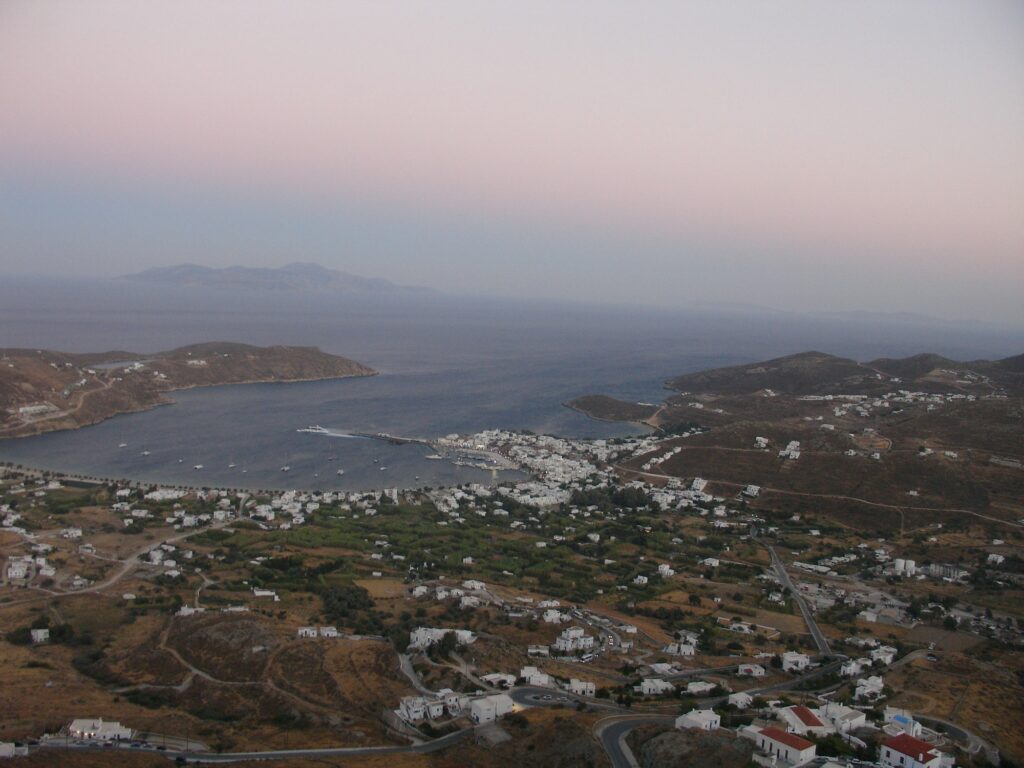
Paros, Kos, Madeira and the Canary Islands are the top trending European island destinations for UK travellers in summer 2026. According to Expedia, searches for Paros and Kos are up +60% from the UK, Madeira and the Canaries +50%. Madeira has been named the #1 trending destination worldwide for 2026 by TripAdvisor (8 million reviews). Kos shows +170% in advance bookings, Paros +139.5%. For July, Kos is the most affordable (from around £390/person flight + hotel), Madeira the most distinctive, the Canaries the closest to the UK (under 4 hours from London). Book accommodation 3 to 6 months in advance depending on your destination.
Four islands, four personalities — one summer. Summer 2026 marks a clear shift in UK holiday preferences: accessible European islands reachable in under 4 hours from London are surging across the board, driven by rising fuel costs, a desire for instant sun and sea, and growing fatigue with overcrowded mass-tourism destinations. Paros is the smart alternative to Mykonos, Kos is the best value-for-money Greek island, Madeira packs hiking, marine wildlife and gastronomy into one compact destination, and the Canaries — despite a very real legitimacy crisis — still offer the most generous flight connections from British airports. This guide helps you choose based on your travel style, whether you’re going solo, as a couple or with the whole family during the school summer holidays.
At a glance: which island for which type of traveller?
| Island | Ideal for | Budget 7 nights/person (couple, flights included) | Flight from London (July) | Flight time | Standout feature |
|---|---|---|---|---|---|
| Paros | Couples / Solo | £750–£1,250 | ~£100–280 (via Athens) | ~4 h 30 | Authentic Cyclades, Naoussa gastronomy |
| Kos | Families / Active solo | £560–£950 | £50–200 (direct Stansted) | ~3 h 50 | Cycling, family beaches, Hippocrates |
| Madeira | Couples / Hikers | £780–£1,300 | £80–220 (direct Gatwick) | ~3 h 45 | #1 TripAdvisor 2026, PR1 trail reopened, whales |
| Canaries | Families / All types | £480–£1,100 | £46–230 (direct) | 3 h 30–4 h | Shortest UK flight, mature infrastructure, all-inclusive |
Paros: the authentic Cyclades alternative to Mykonos
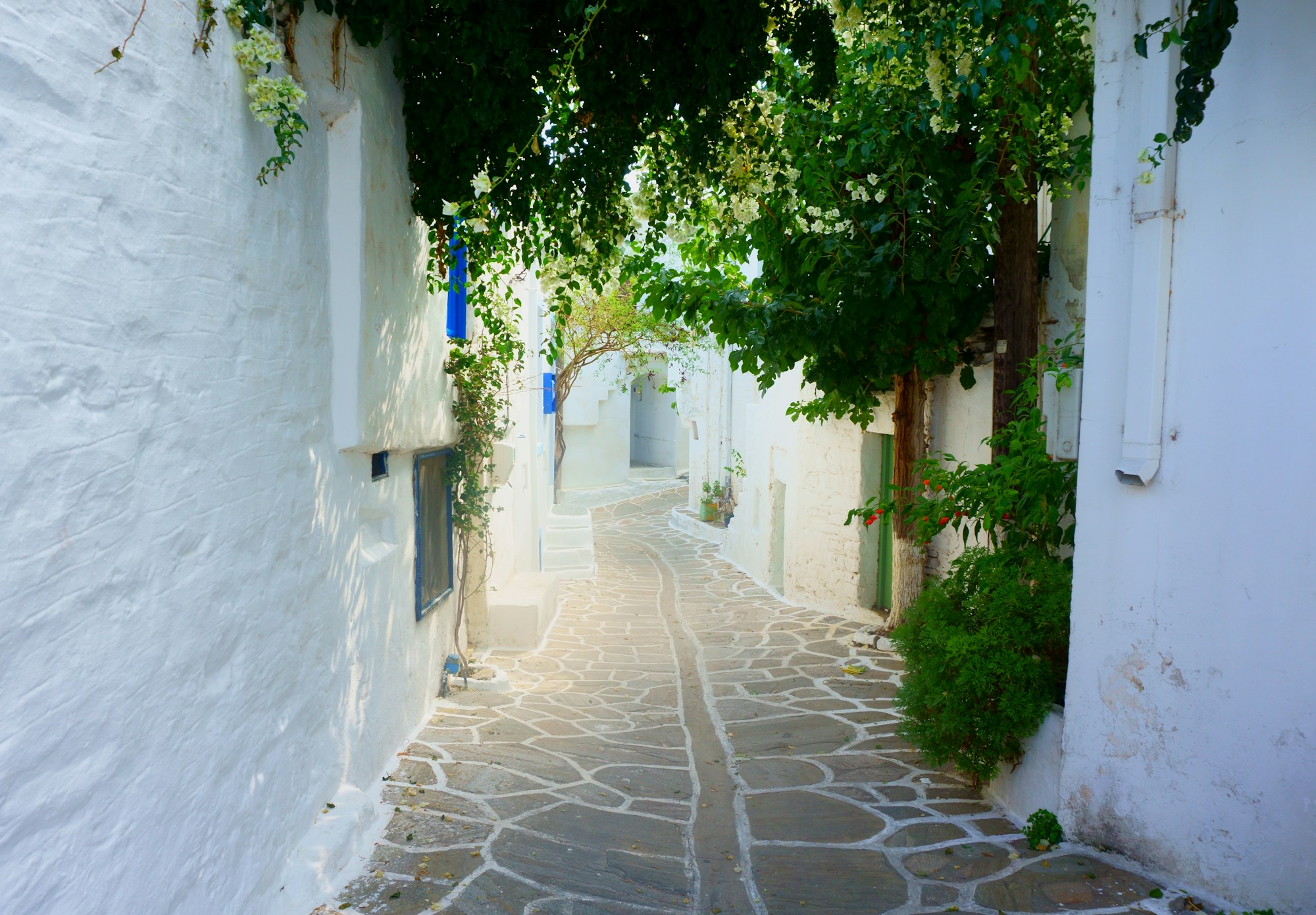
Paros, Cyclades, Greece
According to Travel and Tour World, Paros is recording +139.5% advance hotel bookings for 2026 — the strongest increase across all the Cyclades. Yet the island remains far from the saturation that plagues Santorini or Mykonos. With 12,000 permanent residents and a tourist-to-resident ratio of just 37–40:1 (versus 180–200:1 on Mykonos), Naoussa retains an authentic village atmosphere after dark: fishing boats return to harbour while the fine-dining restaurants start to fill. Parian marble was used to sculpt the Venus de Milo and Hermes of Praxiteles — a heritage the island carries with typical Cycladic understatement.
Greece’s new spatial tourism framework, adopted on 11 May 2026 according to Euronews, classifies Paros as a « developed » zone and plans to freeze new short-term rental licences. In the longer term, this regulation should help preserve what makes the island so appealing: manageable tourist density compared to its Cyclades neighbours.
Highlights
- Naoussa — fishing village turned gastronomy hotspot, book ahead (Mario, Sigi Ikthios, Matsuhisa Paros)
- Kolymbithres beach (unique granite formations), Faragas and Monastiri (sheltered from the meltemi — ideal for families)
- Golden Beach: the Cyclades windsurfing capital, hosting PWA championships
- Antiparos — 7 minutes by ferry from Pounta (€1.50/person), even less touristy
- Panagia Ekatontapyliani — 4th-century Byzantine church in Parikia, one of the most important in Greece
For families: hiring a car is essential (€25–55/day) — Paros is bigger than it looks. The Parikia–Naoussa bus runs every 30 minutes in summer (€2–3). Accommodation in Parikia is 30–40% cheaper than in Naoussa.
For couples: book Naoussa accommodation in July at least 4–6 months ahead — boutique hotels (Parīlio, Cosme) sell out by spring. The Parian Chronicle — Paros’ first « Destination by Hyatt » property (50 rooms, 39 with private pool) — opens summer 2026 in Kampos.
For solo travellers: Paros Backpackers in Parikia is described by SoloGuides as « ultra-social, sparkling clean, with a pool and terrace » — perfect for meeting other travellers. Naoussa at night is the natural meeting point on the island.
Kos: Hippocrates’ island with the best value beaches in Greece
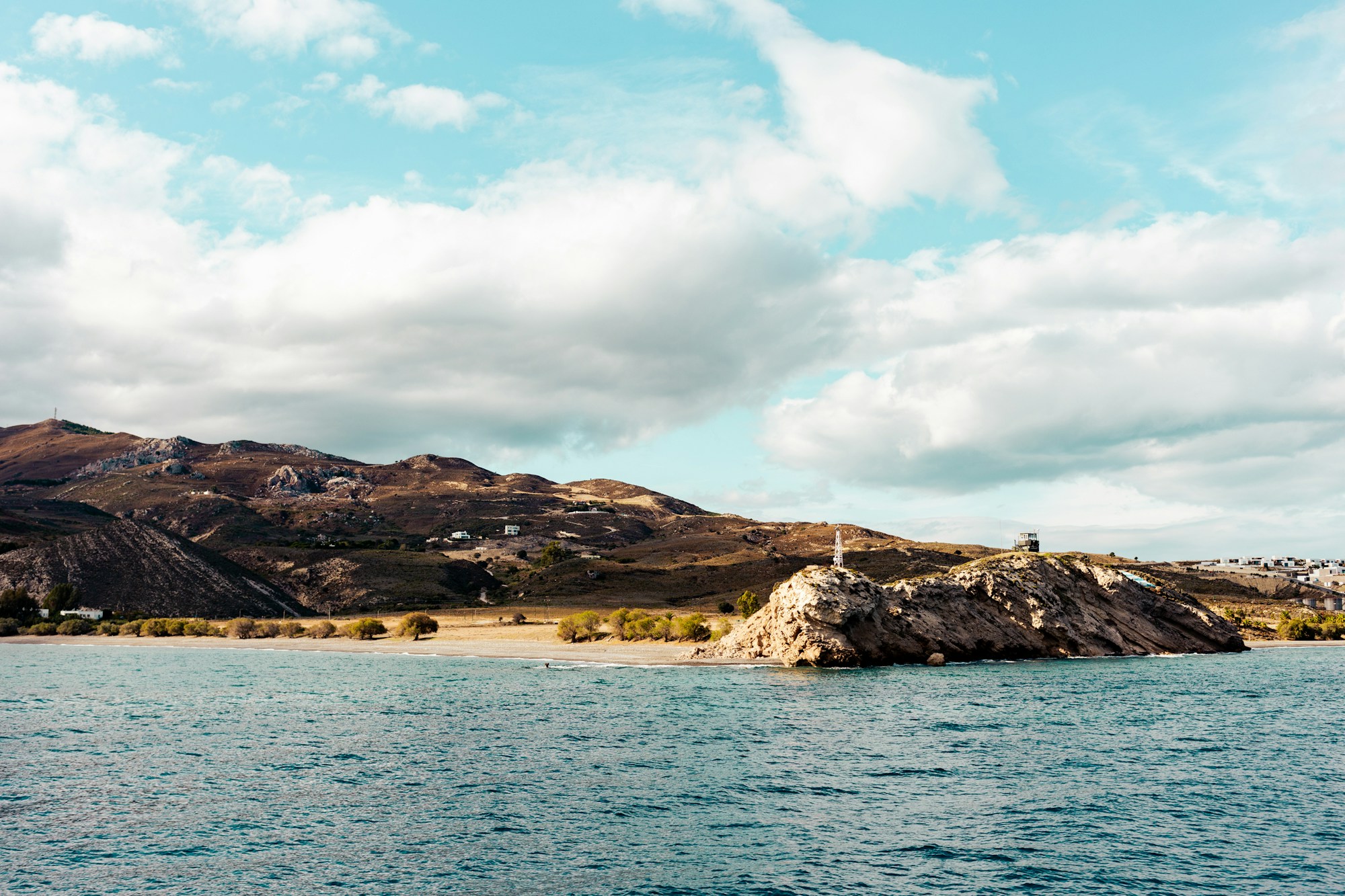
Kos, Dodecanese, Greece
Kos is the most consistent Greek island for UK travellers wanting everything without compromising on budget: crystal-clear eastern Mediterranean sea, outstanding historical heritage (Hippocrates, the Asklepion, the Knights of St John), 200 km of cycling tracks on a flat island, and direct flights from London Stansted (Ryanair) from around £50. According to Greek Trip Planner, international air capacity into Kos grew by +125.9% in Q1 2026 — TUI has even opened new routes from Manchester, Birmingham and London Stansted for summer 2026.
The big news for 2026: the Grecotel LUXME Kos has undergone a complete renovation. Six pools, a lazy river, Grecoland Kids Club and a lagoon pool — an all-inclusive resort designed for families wanting a solid base. On the heritage side, the Asklepion (4 km from Kos Town, a 4th-century BC archaeological site) remains the unmissable highlight: it’s here that Hippocrates developed his medicine grounded in clinical observation rather than superstition.
Highlights
- Tigaki Beach: 7 km of fine sand with shallow water, Blue Flag — the safest family beach on the island
- 200+ km of dedicated cycling paths on a flat island — unique in Greece (hire from €8–15/day)
- Asklepion + Hippocrates Tree (500-year-old plane tree) + Archaeological Museum — world medical heritage
- Therma Beach: volcanic black sand and natural thermal springs (30–50 °C) — a truly unique experience
- Day trip to Bodrum, Turkey, in 20–30 minutes by ferry (€55 — no visa required for UK passport holders)
Madeira: the island garden crowned #1 in the world for 2026
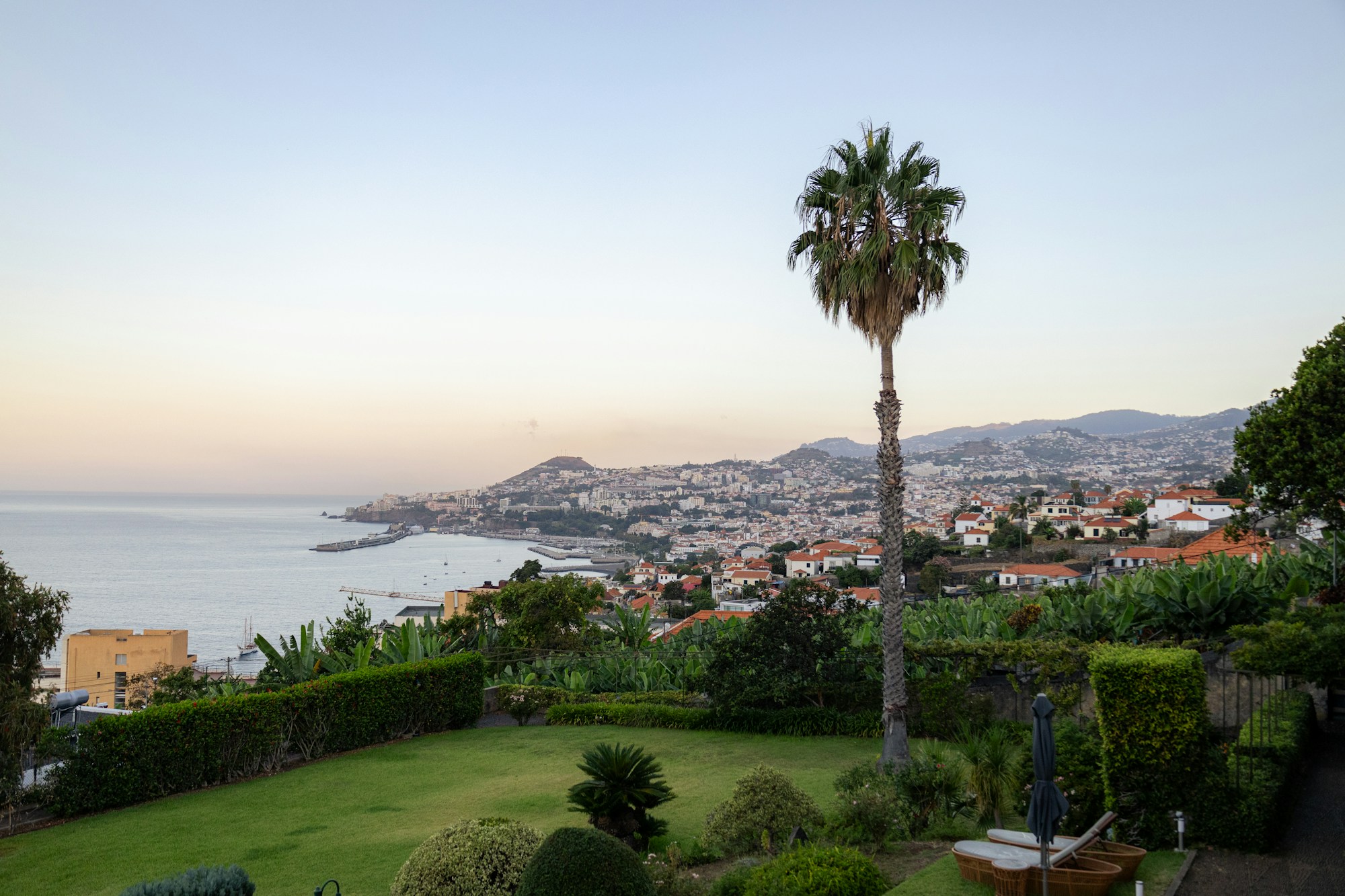
Madeira, Portugal
TripAdvisor named Madeira the #1 trending destination worldwide for 2026, based on 8 million reviews, according to the official Travellers’ Choice announcement. This is no passing trend: the Portuguese island combines advantages that are hard to find anywhere else in Europe. The Laurisilva — a 15,000-hectare old-growth forest listed as a UNESCO World Heritage Site since 1999, between 14 and 40 million years old — borders the hiking trails. Twenty-eight species of cetaceans inhabit the Atlantic waters (dolphins, sperm whales, pilot whales). And Funchal is home to two Michelin-starred restaurants: Il Gallo d’Oro and Octávio Freitas’ Desarma.
The big news this year: the PR1 trail (Pico do Arieiro → Pico Ruivo, 11 km one-way, +/- 700 m elevation) reopened in late April 2026 after eighteen months of closure following the August 2024 wildfire. According to Beyond Madeira, demand is very high: book via SIMplifica (simplifica.gov.pt) one to two weeks ahead. Cost: €10.50/adult. Online booking is mandatory since January 2026 for all classified trails, with a 30-minute entry window.
Highlights
- PR1 Pico do Arieiro → Pico Ruivo: the most spectacular hike in the Atlantic islands, reopened April 2026
- Whale watching from Funchal: 28 cetacean species, morning trips by speedboat or catamaran (€52–80)
- Laurisilva Forest: UNESCO old-growth forest, 15,000 ha — 15th-century levadas (irrigation channels) double as hiking trails through the trees
- Calheta Beach: the only golden-sand beach on the island, sheltered by two breakwaters — ideal for families with young children
- July weather: 24 °C, just 1 rainy day per month, 9–10 hours of sunshine — the best conditions on the island
Digital nomads and solo travellers: Ponta do Sol — the sunniest village on the island — hosts a Digital Nomad Village with free co-working, an international community on Slack and daily events. Funchal Friends organises daily hikes, meetups and communal dinners. Of all four destinations in this guide, Madeira is the most welcoming for solo travellers outside the standard tourist circuit.
Canary Islands: which island for which traveller in 2026?
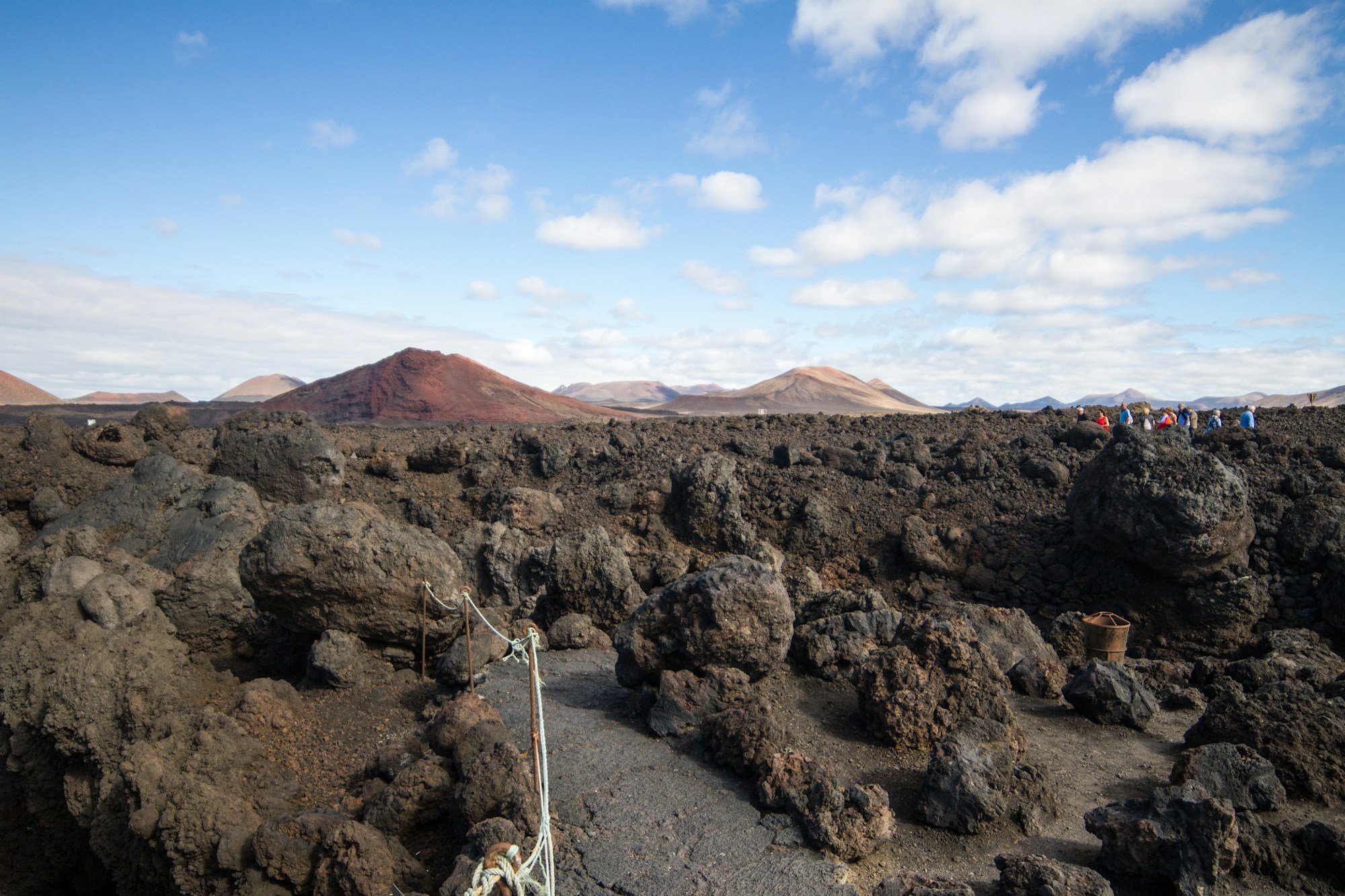
Canary Islands, Spain
The Canary Islands are going through an unprecedented growth crisis. In January 2026, the archipelago welcomed 1.43 million foreign visitors (+5% year-on-year), with projections for 2026 exceeding 16 million according to Turismo de Islas Canarias. Tourism accounts for a third of GDP and 350,000 jobs — making any cap politically difficult, despite 30,000 protesters joining the « Canarias tiene un límite » movement in May 2025. Law 6/2025 on tourist rentals (December 2025) and Teide’s eco-tax in 2026 are partial responses. Visiting the Canaries in 2026 means being aware of this context — and choosing your island thoughtfully. For UK travellers, the Canaries remain the most accessible option from British airports, with direct flights from London, Manchester, Birmingham and Bristol.
Which island to choose?
Tenerife (8.5 million visitors/year): the largest and most diverse. Mount Teide (3,715 m, UNESCO National Park) now comes with an eco-tax (€10 for the Montaña Blanca trail, €42 for the cable car return). Summit permit: 200 people per day maximum, book 56 days ahead via Tenerife ON. Siam Park remains Europe’s best water park (families). Las Teresitas in the north offers a kilometre of golden sand in calm waters — the island’s go-to family beach.
Fuerteventura (beaches + water sports): the answer for families and kitesurfers. Sotavento Beach in the south hosts the PWA World Kitesurfing Championship: constant 15–25-knot winds, a shallow lagoon at low tide for beginners, open waves for experienced riders. El Cotillo in the north is sheltered by volcanic rocks — ideal for toddlers. Corralejo in the north is the lively hub. With an average daily cost of around €148 per person, it’s the most affordable of the larger islands.
Lanzarote (culture + lunar landscapes): the best pick for couples and cultural travellers. The legacy of César Manrique — the artist-architect who preserved the island’s visual identity by banning high-rise buildings — is everywhere: his Fundación (a house built inside a lava bubble), Jameos del Agua, Jardín de Cactus, Mirador del Río. Timanfaya volcanic park is breathtaking (natural geysers, El Diablo restaurant where food is grilled over geothermal heat). The La Geria vineyards, planted inside volcanic craters, produce a uniquely characterful Malvasia wine. Note: Lanzarote features on Fodor’s No Travel List 2026 due to overtourism pressure on some coastal areas — a nuance that doesn’t invalidate the trip, but does invite care in avoiding the most degraded zones.
Gran Canaria (diversity + city life): the Maspalomas Dunes (404 ha, a mini-Sahara on the Atlantic shoreline) and Las Palmas — a vibrant city with the Canteras beach right in the centre — make this the most urban of the larger islands. A key destination for the European LGBTQ+ community (Maspalomas Pride). Average daily cost (~€150/person) sits in the middle range.
Highlights (Canary Islands overview)
- Proximity to the UK: Lanzarote is under 4 hours from London, Gran Canaria around 4 hours — the closest European islands in this guide
- Fuerteventura: Europe’s top island for kitesurfing and windsurfing (15–25-knot consistent winds, Sotavento PWA championship)
- Tenerife: Siam Park, Las Teresitas, whale reserve — a complete programme for families
- Lanzarote: César Manrique heritage, Timanfaya, crater vineyards — the most culturally authentic
- All-inclusive packages from around £800–£1,800 per week from the UK — the most accessible option in this comparison
Plan your summer 2026: timing, eSIM and travel insurance
Paros: book accommodation 4–6 months ahead (July is full by March for top hotels). Kos: 3–4 months is enough (larger capacity). Madeira: 2–3 months for accommodation + book trails via SIMplifica 1–2 weeks before. Canaries all-inclusive: 5–8 months ahead for the best deals. Flights: for all four, watch for flash sales from January–March for July departures. UK school summer holidays start 23 July 2026 — departing in mid-July avoids peak pricing.
Nomad Insurance: worldwide medical coverage from $56 per 4 weeks. Covers Greece, Portugal and Spain. Get 10% off through our link — ideal for UK travellers heading to the Cyclades, Madeira or the Canaries.
From $56 / 4 weeksAvoid roaming charges and keep your UK number. Greece eSIM (Paros, Kos), Portugal eSIM (Madeira) and Spain eSIM (Canaries) all available on Airalo — activate on your phone before you fly.
From €5/weekKos: Ryanair from London Stansted, direct, from around £50 return (book early — expect £130–200 in peak July). Madeira: easyJet/BA from London Gatwick, direct, from around £80 return. Canaries: multiple daily direct flights from London Gatwick, Stansted, Manchester and Birmingham from around £46. Paros: via Athens with easyJet or Ryanair from around £100, then ferry to Paros.
Frequently asked questions
Paros or Mykonos in July 2026: which one should I choose?
Paros is the rational alternative to Mykonos: same Cyclades, same turquoise sea, but 30–40% cheaper for accommodation, a tourist-to-resident ratio of 37–40:1 versus 180–200:1 on Mykonos, and a genuinely authentic village atmosphere in Naoussa. Mykonos is classified as a saturated zone under Greece’s May 2026 spatial tourism framework. Paros is ideal for couples and solo travellers looking for sophistication without the excess. If price is your primary concern, Kos remains the most affordable of the two Greek islands in this comparison. Source: Greek Trip Planner.
Is Kos suitable for families with young children?
Yes, particularly so. Tigaki Beach (7 km of fine sand, shallow water, Blue Flag) is universally recommended for families with young children. The cycling network (200+ km on a flat island) allows safe family rides without a car. The Grecotel LUXME Kos, fully renovated in 2026, offers all-inclusive with a kids club, lazy river and lagoon pool. A week’s package (London flight + hotel + half-board) is available from around £390/person. Source: Discover Greece.
Do I need to book Madeira’s hiking trails far in advance?
For the PR1 (Pico do Arieiro → Pico Ruivo), which reopened in late April 2026 after eighteen months of closure, demand is very high: book 1–2 weeks ahead via SIMplifica (simplifica.gov.pt). Cost: €10.50/adult, with a 30-minute entry window. For other paid trails (PR9 Levada do Caldeirão Verde at €4.50, PR 1.2 at €4.50), 48 hours to a week is sufficient. The Vereda dos Balcões walk (PR11, 3.4 km, free) needs no booking and is suitable for children aged 6+. Source: Visit Madeira official.
Does the meltemi wind ruin a Paros holiday in July?
The meltemi (north wind, force 5–7) is a reality from mid-July to mid-August in the Cyclades — it doesn’t ruin your holiday, it reorganises it. Strategy: on windy days, head to south-facing beaches (Faragas, Monastiri, Piso Aliki) which are naturally sheltered. Avoid Golden Beach for swimming (excellent for windsurfing, though). Ferry crossings can be rough — high-speed services are less affected. Most travellers adapt quickly and actually appreciate the cooling breeze in July’s heat. Source: GoPAros.
Which Canary Island is best for water sports in summer?
Fuerteventura is the unanimous answer for kitesurfing and windsurfing. Sotavento Beach in the south hosts the PWA World Championship: consistent 15–25-knot winds, a shallow lagoon at low tide for beginners, and open waves for experienced riders. Gran Canaria (Pozo Izquierdo) is the alternative for wave surfing. Tenerife (Los Cristianos) offers the best whale-watching trips in Europe. Source: Visit Fuerteventura official.
Are the Canary Islands safe to visit despite the 2026 protests?
The « Canarias tiene un límite » protests are peaceful and are not targeting individual tourists — they are directed at the regional government and major tourist property developers. Visitor safety is not in question. However, visiting the Canaries in 2026 does call for genuine ethical awareness: choose locally run accommodation, neighbourhood restaurants, and less over-visited areas. Lanzarote, despite the Fodor’s No Travel List, still has very well-preserved areas (the north of the island, Fundación Manrique). Source: Euronews Travel.
Which island in this comparison is best for families with children?
For families with young children (under 6), Kos (Tigaki Beach, flat island, shallow water, Grecotel all-inclusive) or Fuerteventura (Sotavento, El Cotillo, affordable all-inclusive) are the strongest choices. For families with older children (7–14), Tenerife offers the most complete programme (Siam Park — Europe’s best water park, Teide, whale watching, Las Teresitas). Madeira works very well for active families: Calheta Beach, the Porto Moniz natural pools and the Vereda dos Balcões walk (free, 3.4 km) are genuinely memorable. Paros is less well-suited for very young children in July (meltemi wind, car essential). Source: TimeOut Spain.
Sources
- Expedia Newsroom — Summer 2026 travel trends: Paros, Kos, Canaries and Madeira search surge
- TripAdvisor Travellers’ Choice 2026 — Official announcement: Madeira #1 trending destination worldwide
- Travel and Tour World — Hotel bookings Kos (+170%) and Paros (+139.5%) for 2026
- Greek Trip Planner — Greece tourism stats Q1 2026, Kos air capacity +125.9%
- Euronews Travel — Greece spatial tourism framework (11 May 2026), Kos classified saturated zone, Paros developed zone
- Beyond Madeira — Madeira trail bookings 2026, SIMplifica system, PR1 reopening
- Visit Madeira (official) — Trails and hiking on Madeira, 2026 prices
- Visit Madeira (official) — Natural pools of Porto Moniz
- Turismo de Islas Canarias (official) — Canary Islands tourism statistics 2026
- Euronews Travel — Tenerife eco-tax 2026, record Canary Islands visitor numbers
- Discover Greece (official) — Best beaches on Kos, official Greece guide
- GoPAros — Paros beach guide, meltemi strategies
- SantorinDave — Paros guide 2026, July prices, Naoussa accommodation
- Visit Fuerteventura (official) — Kitesurfing and windsurfing at Sotavento
- TimeOut Spain — Which Canary Island to visit in 2026
- UNESCO World Heritage — Laurisilva of Madeira, Natural World Heritage Site since 1999
- SoloGuides — Paros solo travel guide 2026, accommodation and nightlife
- BOE-A-2025-26358 — Law 6/2025 on tourist use of properties in the Canary Islands (December 2025)
- Skyscanner UK — London to Kos flight prices
- Skyscanner UK — London Gatwick to Madeira flight prices
Research completed on 3 June 2026 — 65+ queries, 22 verified sources.
You’ve picked your island — now build your itinerary
Pixidia creates personalised itineraries for Paros, Kos, Madeira and the Canary Islands based on your travel style, budget and interests. Just tell it what you love — it does the rest.
Create my bespoke itinerary