
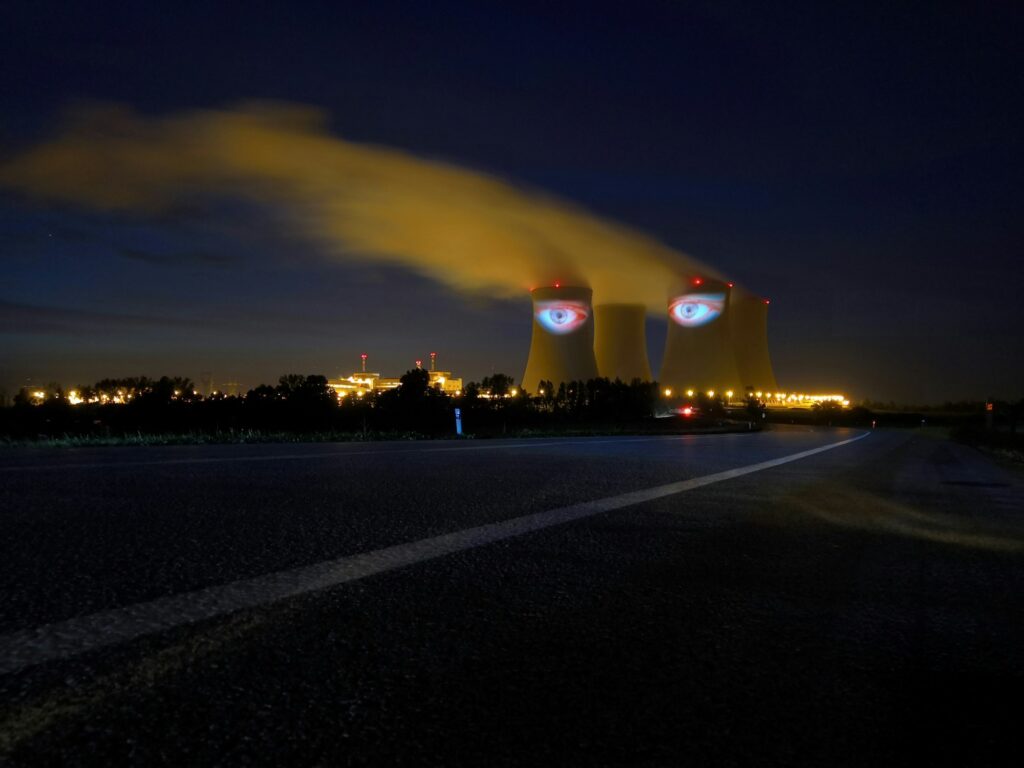
Colours of Ostrava 2026 takes place from 15 to 18 July at the former Dolní Vítkovice steelworks in Ostrava, Czech Republic. Now in its 23rd edition, the festival brings together 100+ artists from 30+ countries across 24 stages — with Twenty One Pilots, Lorde, Moby and The Libertines headlining. A 4-day pass starts from €178. Grab your tickets at shop.colours.cz before the next pricing wave kicks in.
A 19th-century steelworks turned into a global music capital for four days — that’s Colours of Ostrava in a nutshell. Founded in 2002 by Zlata Holušová, this Czech festival has cemented its place among Europe’s top ten festivals according to The Guardian, drawing 50,000+ festivalgoers each summer around blast furnaces that industrial history has frozen into a post-apocalyptic backdrop. In 2026, under the artistic direction of 30-year-old Filip Košťálek, the edition promises new zones, three brand-new theatre stages and a lineup blending British rock, global electronica and standout Asian acts. Here’s everything you need to know before you go.
1. Forged in steel: the history of the festival
Dolní Vítkovice: from iron to festival
The inaugural 2002 edition drew 12,000 spectators to Stodolní Street with six stages and fifty artists. The defining moment came in 2012, when the festival relocated to the Dolní Vítkovice industrial complex (Lower Vítkovice Area) — a former coal mine and blast furnace site that operated from 1828 to 1998. Nicknamed « Ostrava’s Hradčany » and on the UNESCO tentative list since 2001, it offers a backdrop no other European festival can match: coke ovens, a gasometer converted into an acoustic auditorium, metal towers that breathe fire by night. As Nomadasaurus puts it, « it’s quite surreal dancing to some of the world’s biggest names in music against a backdrop of blast furnaces. » In 2015, The Guardian ranked it among Europe’s ten best festivals. In 2024, 50,000+ visitors from 30+ countries gathered for 450+ events — and for the first time in twenty-two editions, not a drop of rain.
Key highlights
- Industrial site listed as a European Cultural Heritage monument (Council of Europe) — a truly unique setting
- Top 10 Best Major Festival at the European Festival Awards (2017, 2018, 2022)
- Economic impact of over €15 million per year for the Ostrava region
- Inclusive, multi-generational atmosphere — far less aggressive than the big British festival circuit
2. The 2026 programme: headliners, stages and what’s new

Five headliners, 24 stages, 350+ events
The 23rd edition of the festival presents five headliners spanning four decades of international pop. Twenty One Pilots open on Wednesday 15 July on the Česká spořitelna Stage (15,000 capacity). The Libertines take Thursday — their first Czech stage appearance since their discographic comeback. Moby headlines Friday with a large-format show: his first return to the Czech Republic in 17 years. Lorde and Teddy Swims close out Saturday 18 July, with the New Zealand artist performing in front of a Czech crowd for the very first time as part of her Ultrasound World Tour. Also note the replacement of Big Freedia by Peaches, officially announced on 4 June 2026. The rest of the bill is equally packed: LP, Skunk Anansie, Paris Paloma, Baby Lasagna, Ibrahim Maalouf, Alison Wonderland, plus strong Asian representation — Jambinai (South Korea), Atarashii Gakko! (Japan), and Audrey Nuna whose track « Golden » was among Spotify’s most-streamed in 2025. Full lineup at JamBase.
2026 highlights not to miss
- Steel Stage and Steel Town: a new music stage at the heart of a themed industrial zone, in partnership with Moravia Steel and Třinecké železárny
- 3 theatre stages: original productions, stand-up, monodrama, puppetry — a major expansion of the non-musical programme
- Czech Academy of Sciences Stage: interactive experiences on artificial intelligence, neuroscience and disinformation
- Meltingpot Forum concentrated in the Hlubina zone with 150+ debates and a new Meltingpot Priority Pass
3. The Colours of Ostrava experience: what makes this festival unlike any other

Bars in bunkers, vinyl on a bus, wine in a tunnel
Beyond the lineup, it’s the atmosphere of Dolní Vítkovice that gives this festival its extraordinary character. As Man Vs Globe describes it, « derelict buildings, bunkers and crumbling towers form an apocalyptic backdrop » where bar staff serve their pints inside century-old structures. The Bolt Tower (36 m) offers a panoramic view over the site at night, when the glowing blast furnaces turn the festival into a science-fiction tableau. The Wine Tunnel houses a selection of the hundred finest Czech wines. The Doktor Vinyl bus welcomes record enthusiasts, surrounded by Korean, Thai and Czech food trucks (langos, potato pancakes) and a craft market. On the wellness front, the Mental Health Tent (introduced in 2025, returning in 2026) and the alcohol-free ZERO° bars reflect a broader vision of the « responsible festival. » The Colours Without Barriers programme, launched in 2011, guarantees accessibility for attendees with disabilities: dedicated viewing platforms, a Snoezelen tent for autistic visitors, Braille maps, sign language interpretation and 25 trained assistants.
Festival experience highlights
- Beer at 50–80 CZK (~£1.70) — among the lowest prices at any major European festival
- Family-friendly, multi-generational atmosphere — none of the aggro you’d find at big UK festival grounds
- Fully cashless payments (card, smartphone, smartwatch) — prepaid cards available on site
- « Colours Without Barriers » programme since 2011 — one of Central Europe’s most accessible festivals
4. Tickets, camping and accommodation: everything you need to know
From a 4-day pass to castle glamping
Tickets go on sale in waves at shop.colours.cz, with prices rising with each new wave. As of June 2026, the 4-day adult pass is priced at 4,490 CZK (~€178 / ~£152). The 2-day pass (Wed–Thu or Fri–Sat) costs 3,190 CZK (~€127 / ~£108). Attendees aged 15–21 qualify for the discounted FRESH rate, children under 140 cm get in free and over-65s have free access on Saturday. The VIP+ pass (€666) grants access to dedicated toilets, quieter bars and exclusive viewing areas. A lesser-known perk: festival ticket holders receive a 25% discount code on their return Czech Railways journey. The campsite is located at Silesian Ostrava Castle (Slezskoostravský hrad), a twenty-minute walk or six minutes by shared bike from the festival site. It opens on 14 July at 17:00 and closes on 19 July at 13:00. A shuttle runs between the campsite and festival every thirty minutes, stopping 200 metres from the main entrance.
| Accommodation option | Description | Price |
|---|---|---|
| Base camp | Your own tent, 3×3 m pitch | €29 (pass) + €33 (pitch) = €62 |
| Tent Inn | Pre-pitched waterproof tent (2 people) | From €125 |
| Chill Village | Glamping with sheets, mattress, LED lighting | €417 (2 people) / €625 (4–5 people) |
| Motorhome | Pitch without electricity | €208 |
| VP1 Hotel | Directly on the Dolní Vítkovice site | Check availability |
5. How to get to Ostrava from London, Vienna or Prague
Train, plane, coach: the best options by departure city
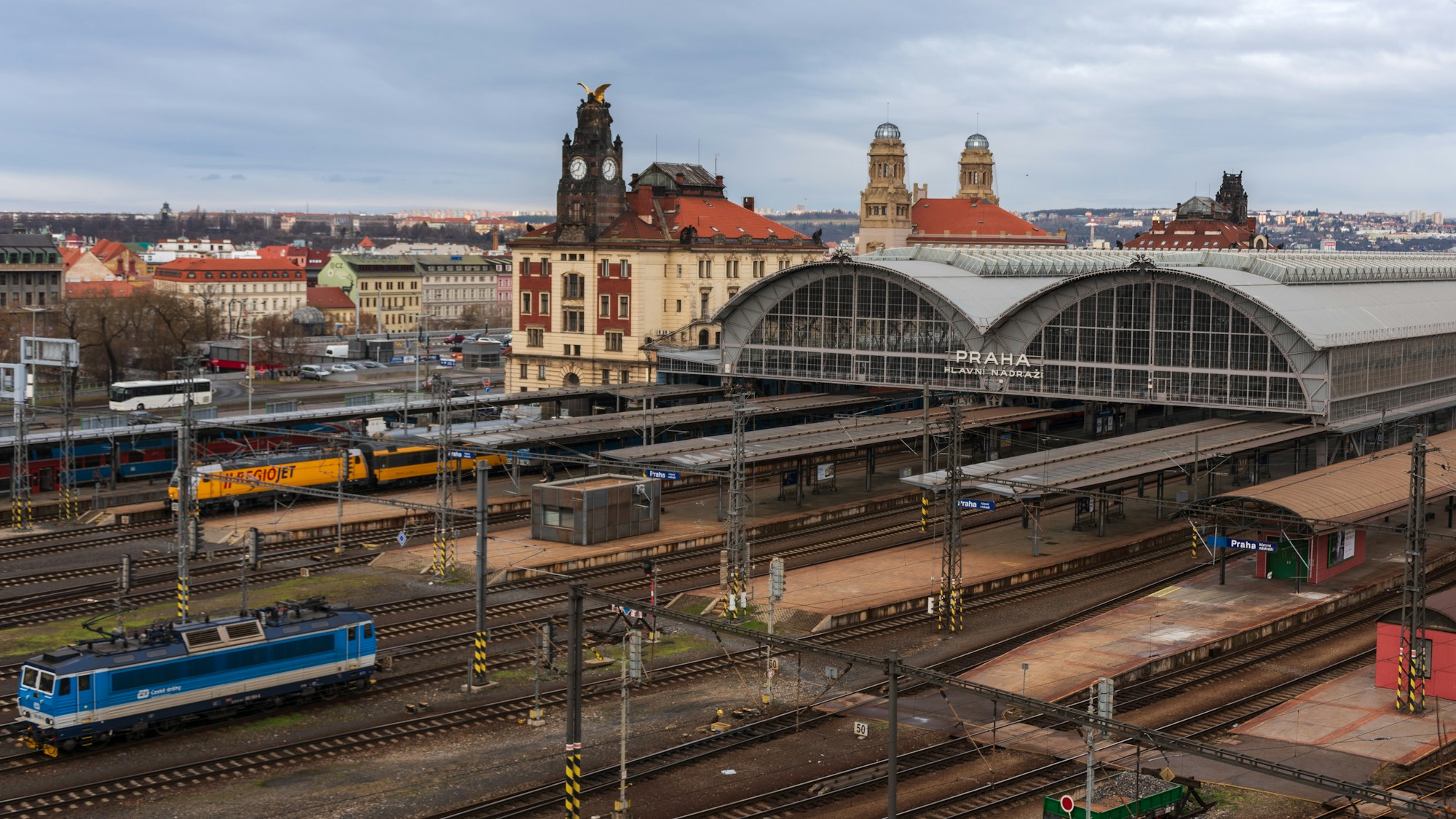
From Prague (350 km): the Pendolino Praha Hlavní nádraží → Ostrava Hlavní nádraží links the two cities in around 3 hours, from €11. Czech Railways runs special festival trains on 15 and 19 July (including a dedicated Colours Express). FlixBus and RegioJet offer direct connections in 3h30 from €5. From Vienna (228 km): five daily direct trains (ÖBB / Czech Railways / PKP Intercity) connect Wien Hauptbahnhof to Ostrava in 2h41, from €15. From London: no direct flights to Ostrava. The easiest combination is London (Heathrow or Stansted) → Prague (direct flight, around 2h) then the Pendolino to Ostrava (3h). Alternatively, Ryanair flies direct from London Stansted to Ostrava Airport (OSR, Leoš Janáček, 20 km from the centre). LOT operates from Warsaw; SmartWings from several Mediterranean destinations. On the ground, trams 1 and 2 serve Dolní Vítkovice from the city centre. A weekly transport pass costs 250 CZK (~£8.50) via the MojeDPO app. Nextbike lets you cycle to the campsite in six minutes. Budget 150–200 CZK (~£5–7) for a late-night Bolt or Uber back to the city. Note: there is no on-site parking; the official Náměstí Jiřího z Poděbrad car park (a short walk away) is already full for 2026.
Estimated budget by traveller type
- Budget traveller (camping + 4-day pass + train from Prague): €400–500 all in
- Comfort traveller (Tent Inn + 4-day pass + 1 night hotel): €600–800
- VIP traveller (VIP pass + 4-star hotel + flights): €1,500+
6. Ostrava beyond the festival: a city worth discovering
The « steel capital » reinvents itself
Ostrava is the third-largest city in the Czech Republic (~300,000 inhabitants, 500,000 in the wider metro area) and the largest in historic Silesia. Long nicknamed « the steel heart of Czechoslovakia, » it has undergone a spectacular post-industrial transformation since its last coal mine closed in 1994. Outside the festival, Dolní Vítkovice is open year-round: blast furnace tours run at 10:00, 12:00, 14:00 and 16:00 (290 CZK / ~£10 adult), with the KOX Tower augmented reality experience (155 CZK) and Bolt Tower (320 CZK including a café credit). Ten kilometres away, Landek Park is the largest mining museum in the Czech Republic — you can descend into a real mine with former miners as guides. Stodolní Street, with 60+ bars and clubs, is legendary across the country. The Plato Gallery and the Gallery of Fine Arts round out a cultural offer that takes Ostrava well beyond its « industrial city » label. For a nature day trip, the Beskydy Mountains (hiking, waterfalls) are under an hour by car. For a full Czech Republic itinerary, Ostrava fits perfectly into a week-long Prague-Moravia circuit.
Local food to try
- Kyselica: thick sauerkraut soup with sour cream and smoked sausage — the signature dish of Moravian Silesia
- Frgál: a 30 cm cake with poppy seeds or plum jam, a regional tradition from the Wallachian people of Beskydy
- Radegast: a lager brewed in Nošovice — the definitive beer of the region
- Kofola: the local chicory-flavoured cola, a must alongside Czech food
Practical information
O2 and Vodafone CZ networks (4G/5G). Activate your eSIM in 2 minutes before departure — no SIM swap needed. UK travellers: check your provider’s post-Brexit roaming policy for Czechia.
From $4.50 / 1 GBNomad Insurance: global coverage from $56/4 weeks. Covers medical, emergency evacuation and travel accidents. 10% off via our link.
From $56 / 4 weeksFrequently asked questions about Colours of Ostrava 2026
When does Colours of Ostrava 2026 take place?
From Wednesday 15 July to Saturday 18 July 2026, noon to 2:30–4:00 am. Gates open at 11:00 each day. The festival is held at Dolní oblast Vítkovice, Ostrava 3, 703 00, Czech Republic. Source: Official FAQ colours.cz.
Who are the Colours of Ostrava 2026 headliners?
Five headliners across four nights: Twenty One Pilots (Wednesday 15 July), The Libertines (Thursday 16 July), Moby (Friday 17 July — his first Czech appearance in 17 years), Lorde and Teddy Swims (Saturday 18 July). Peaches replaced Big Freedia, announced 4 June 2026. Source: JamBase.
How much does a Colours of Ostrava 2026 ticket cost?
As of June 2026, a 4-day adult pass is priced at 4,490 CZK (~€178 / ~£152). A 2-day pass (Wed–Thu or Fri–Sat) costs 3,190 CZK (~€127 / ~£108). The VIP+ 4-day pass is €666. Children under 140 cm get in free. Tickets available at shop.colours.cz.
How do you get to the festival from Prague or Vienna?
From Prague: Pendolino train in ~3h, from €11. Czech Railways runs special trains on 15 and 19 July. FlixBus and RegioJet also cover the route (3h30, from €5). From Vienna: direct train from Wien Hauptbahnhof, 2h41, 5 trains/day, from €15. Festival ticket holders get a 25% discount code on Czech Railways return journeys. Source: Czech Rails.
Is there camping at Colours of Ostrava festival?
Yes. The campsite is at Silesian Ostrava Castle (Slezskoostravský hrad), a 20-minute walk from the site. Three options: base camp (~€62), Tent Inn — pre-pitched tent from €125, and Chill Village glamping (€417–625). A festival–campsite shuttle runs every 30 minutes. The campsite opens 14 July at 17:00 and closes 19 July at 13:00. Source: Official FAQ colours.cz.
What is Dolní Vítkovice and why is it such a special venue?
Dolní Vítkovice is an industrial complex founded in 1828 under the patronage of Archbishop Rudolf of Austria, later developed by the Rothschild family (Austrian branch) from 1843. It represents the complete steel production chain — coal mine, coke ovens, blast furnaces — across 170 continuous years, until the last furnace was extinguished on 27 September 1998. On the UNESCO tentative list since 2001 and recognised as a Czech national cultural monument, it has been the festival’s home since 2012. Source: Wikipedia — Lower Vítkovice.
Do UK travellers need a visa for the Czech Republic in July 2026?
UK nationals can visit the Czech Republic (Schengen area) for up to 90 days in any 180-day period without a visa. EU citizens only need their national ID card. The EES (biometric digital entry) system has been rolling out gradually since October 2025 and may add delays at Schengen external borders. The EU ETIAS travel authorisation is expected by late 2026 — check its applicability based on your travel date. Source: thingstodoinczechrepublic.com.
Sources
- Colours of Ostrava — Official website 2026 — programme, tickets, FAQ
- Official Colours of Ostrava 2026 ticketing — prices verified June 2026
- JamBase — Colours of Ostrava 2026 — full lineup by day
- Wikipedia — Colours of Ostrava — history and editions
- Wikipedia — Lower Vítkovice — industrial history of the site
- Dolní Vítkovice — Official website — visits and prices
- City of Ostrava — 2026 news — Steel Stage and theatre
- Nomadasaurus — Mines and Music at Colours of Ostrava — immersive review
- Man Vs Globe — Festival Review — atmosphere of the industrial site
- EuroTravelo — Ostrava Colours Festival — economic impact
- Yourope — Colours Without Barriers — accessibility
- Czech Rails — Prague–Ostrava — rail connections
- Things to do in Czech Republic — Entry Requirements 2026 — entry formalities
Research conducted 21 June 2026. Prices and availability subject to change.
Ready to experience Colours of Ostrava 2026?
Explore tailor-made itineraries for the Czech Republic and Central Europe — from Prague to Ostrava, with all the stops that matter.
Plan my Czech itinerary