
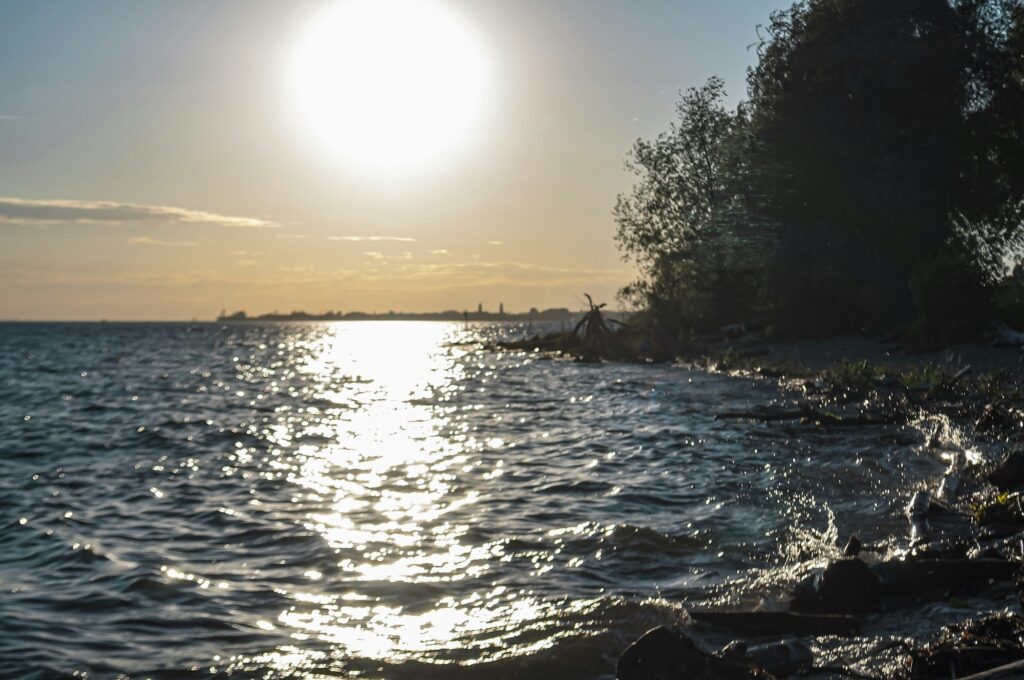
The Bregenz Festival marks its 80th edition from 22 July to 23 August 2026 with Verdi’s La traviata, staged on the Seebühne for the first time ever, the world’s largest floating stage (holding around 6,700 to 7,000 spectators). Tickets are moving at the fastest pace in the festival’s history, with a full sellout expected around Easter 2026. Only bregenzerfestspiele.com sells at the official rate, from €79 to €484 (roughly £68 to £416) depending on category and day. It’s worth checking the latest availability without delay.
A stage 35 metres by 70, set directly on Lake Constance with no attachment to the shore whatsoever: it’s on this extraordinary platform that the Bregenz Festival is staging, for the first time in its 80-year history, one of the most beloved operas in the repertoire. From 22 July to 23 August 2026, Verdi’s La traviata follows in the wake of Carmen, Turandot and Der Freischütz on the Seebühne, the world’s largest floating stage. This guide covers what you need to know before you go: the venue’s history, the full programme, tickets, getting there from the UK, where to stay between Bregenz and Lindau, the weather and a realistic budget.
1. The Seebühne: from a 1946 barge to the world’s largest floating stage
A history born on two gravel barges
It all began a year after the end of the Second World War, against the backdrop of the French occupation zone in Vorarlberg. The very first evening of performances took place on 5 August 1946: a Mozart programme built around the Singspiel Bastien und Bastienne, staged on two gravel barges moored on the lake, one for the orchestra and one for the stage. That first edition alone drew 25,500 visitors, 22,400 of them from neighbouring Switzerland. According to Wikipedia, the original aim was as much economic as cultural: reviving regional tourism and giving a stage to artists fleeing the Soviet occupation zone.
In 1950, a wooden platform on piles replaced the barges, with a 6,500-seat grandstand. The major technical turning point came in 1979: the Seebühne gained a permanent concrete core, anchored by 119 wood-and-steel piles driven up to 6 metres into the lakebed. That stable foundation allowed for far more spectacular sets, rebuilt from scratch every two years since 1985. The Festspielhaus Bregenz, an indoor hall seating around 1,650, opened its doors on 18 July 1980, rounding out the venue for the most technically demanding productions.
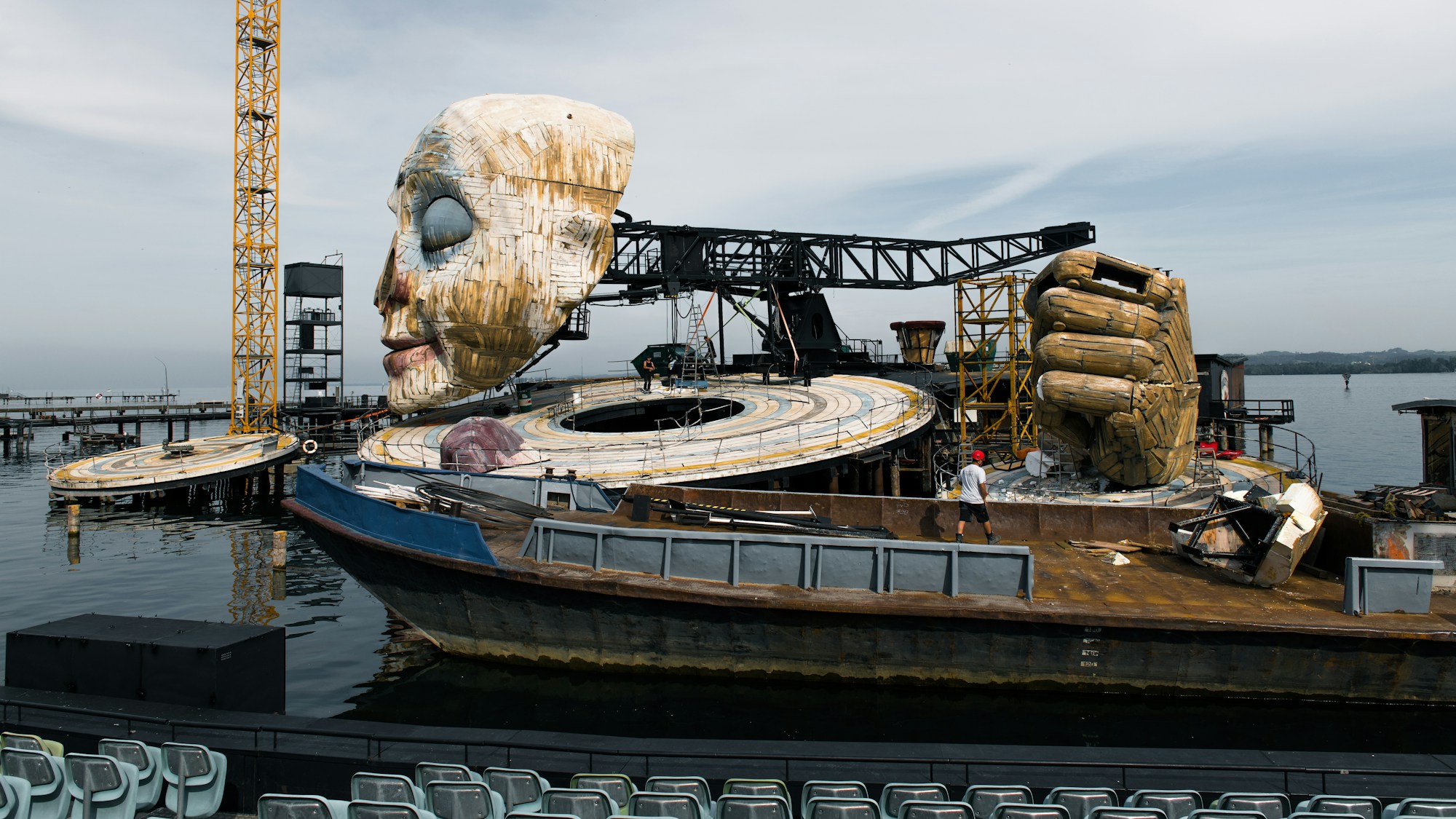
At roughly 35 by 70 metres, the Seebühne is described almost universally by the press and tourist boards as the world’s largest floating stage. According to the Festspielhaus Bregenz, a 2023-2024 refurbishment modernised the lighting, sound and hydraulic machinery, adding two new underwater supply tunnels and a proprietary directional acoustic system, BOA 2.0 (Bregenz Open Acoustics). Unlike other major open-air opera events, such as the Aix-en-Provence Festival, no part of the Seebühne touches the shore: the whole structure floats directly on the lake.
The sets that made theatrical history
Every new production has added to the venue’s reputation. In 2007-2008, the giant eye from Tosca served as the backdrop for a scene in the James Bond film Quantum of Solace, with 1,500 extras on set in late April and early May 2008. In 2015-2016, Turandot raised a wall modelled on the Great Wall of China, populated by more than 200 terracotta warriors. The Carmen revival in 2017-2018 broke the attendance record with 270,000 visitors over five weeks. More recently, Der Freischütz (2024-2025) filled an artificial basin with 480,000 litres of lake water, drawing more than 374,000 spectators across its two seasons.
Highlights
- A completely new set every two years, never just a conventional backdrop change
- The only opera stage in the world to have doubled as a cult James Bond film location (Quantum of Solace, 2008)
- 119 piles anchored 6 metres deep to withstand the wind and waves of Lake Constance
2. La traviata 2026: the full programme for the 80th edition
Verdi in the Roaring Twenties: Damiano Michieletto’s vision
For this 80th-anniversary edition, La traviata is being staged on the Seebühne for the very first time. The production is directed by Damiano Michieletto (born 1975 in Venice, winner of the 2015 Laurence Olivier Award for Cavalleria rusticana/Pagliacci at London’s Royal Opera House), with set design by Paolo Fantin, costumes by Carla Teti, lighting by Alessandro Carletti and video by Roland Horvath. The concept transplants the story of the courtesan Violetta Valery into the Roaring Twenties: jazz clubs, sequins and existential emptiness, built around a monumental shattered-mirror wall of around 700 sq. m made up of 86 moving elements.
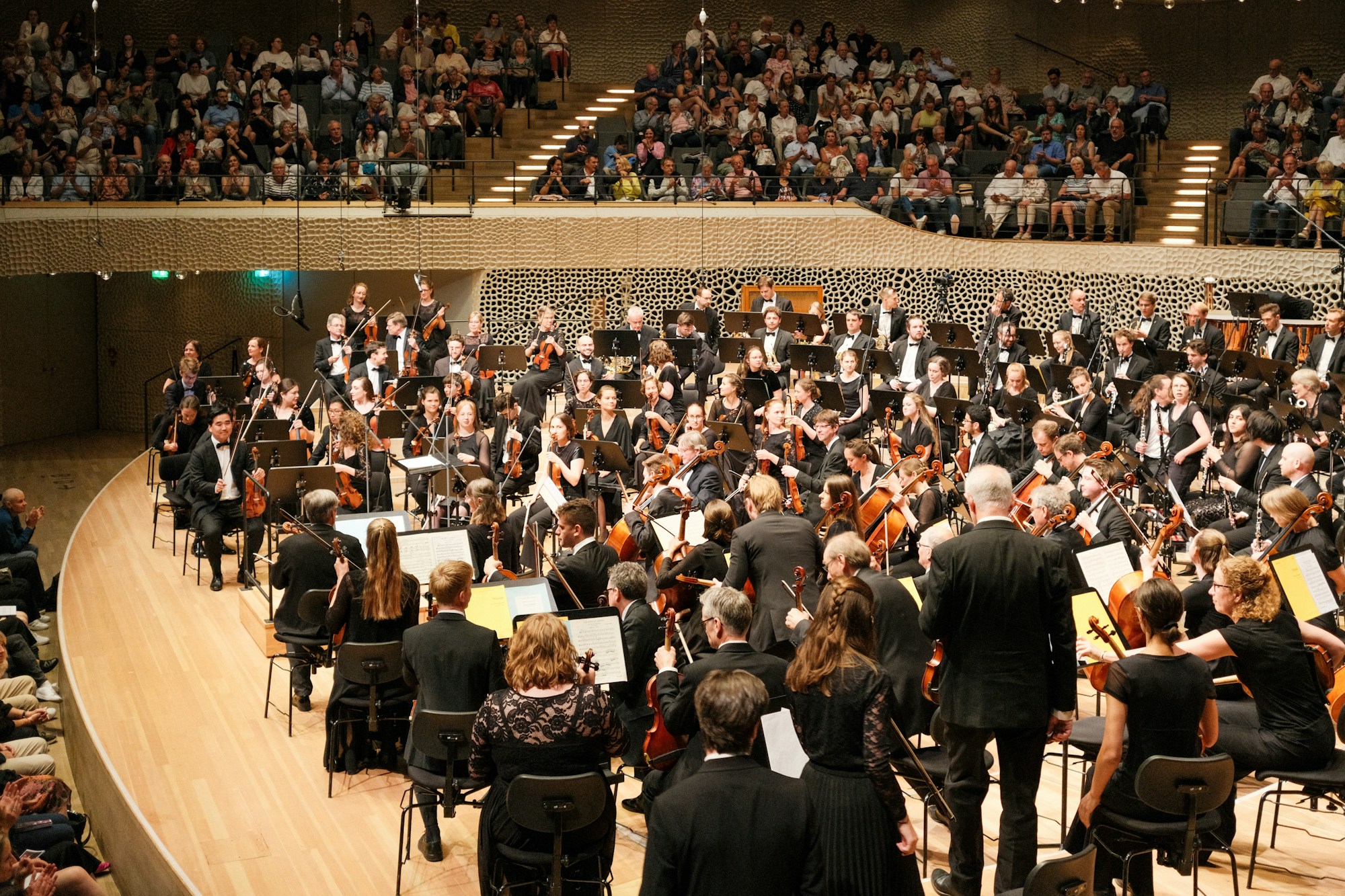
Musical direction is shared between Kirill Karabits and Pietro Rizzo, both making their festival debut, at the head of the Wiener Symphoniker (the Vienna Symphony Orchestra), joined by the Bregenzer Festspielchor and the Prague Philharmonic Choir, taking part in the festival for the 16th time. The cast rotates across the 28 performances: Violetta Valery is sung in turn by Stacey Alleaume, Julia Muzychenko and Marjukka Tepponen; Alfredo Germont by Julien Behr, Long Long and Jose Simerilla Romero. The performance runs for around 2 hours, with no interval.
The rest of the season: Festspielhaus, world premieres and the 80th anniversary
At the Festspielhaus, Leoš Janáček’s The Excursions of Mr Brouček gets its festival premiere on 23 July 2026, directed by Yuval Sharon. Four Wiener Symphoniker concerts round out the indoor programme, conducted by Dalia Stasevska (27 July), Eva Ollikainen (2 August) and Petr Popelka (10 August). The Werkstattbühne hosts two world premieres: Passion of the Common Man (Daniel Bjarnason/Royce Vavrek), with mezzo-soprano Anne Sofie von Otter, on 31 July and 1 August; and YUM! (Wen Liu/Sarah Thery), winner of the 2025 FEDORA Digital Prize, on 20 and 22 August. According to Pressefoyer, the festival’s official press office, this line-up reflects artistic director Lilli Paasikivi’s (Finland, in post since October 2024) ambition to turn Bregenz into a broader « Festival of Vocal Art » beyond classical opera alone.
The 80th-anniversary celebrations include a large public singalong, the « Singalong am See », on 1 August on the lakeside grandstand, plus an open-air photo exhibition tracing eight decades of history, on show from 13 June to 23 August along the lakeside promenade.
Highlights
- A 700 sq. m shattered-mirror wall (86 moving elements), symbolising the heroine’s fragility
- 3 sopranos and 3 tenors rotate through the roles of Violetta and Alfredo across the run
- 2 world premieres at the Werkstattbühne, including one starring mezzo-soprano Anne Sofie von Otter
3. 2026 tickets: record demand, a budget under strain
The fastest-selling season in 80 years
The 2026 advance sale (Vorverkauf) opened on 29 September 2025. Of the roughly 188,000 tickets on offer for the 28 performances, close to half were already booked by the official announcement on 18 December 2025, with a full sellout expected around Easter 2026, a pace never seen at this stage of the season before. According to VOL.AT, the remaining seats are now concentrated in the 11-23 August window. Festival management has said it wants to bring the 2027 advance sale forward to just after the last summer performance, rather than the usual end of September.
| Category | Sun-Thu | Friday | Saturday |
|---|---|---|---|
| Category 1 | €175 | €190 | €205 |
| Category 5 (cheapest) | €79 | €94 | €109 |
| Premium (covered, cushioned) | €335 | €350 | €365 |
| Lounge (priciest) | €454 | €469 | €484 |
Official 2026 pricing grid for La traviata. Intermediate Categories 2 to 4 also exist; most seats remain outdoors and uncovered. Tickets are sold in euros only, roughly £68-416 at today’s rate.
Box-office success, budget crisis
That commercial record doesn’t erase a shakier reality. The public bodies that fund the festival (the federal state, the Land of Vorarlberg, the city of Bregenz) cut their annual subsidy by 30% for 2025-2026, taking the total from around €7 million to €4.9 million a year. According to ORF Vorarlberg, festival president Hans-Peter Metzler called the decision an « attack » and a « punishment for good management », while commercial director Michael Diem said the situation was « not sustainable for long ». Already-announced consequences include a delayed partnership with Vienna’s Burgtheater, a shelved project for airborne sound equipment above the floating stage, the axing of the traditional theatre strand from 2027, and a self-financing rate that has slipped to 82% in 2025. The paradox is worth noting: the tax revenue the festival generates (hotels, restaurants, transport) runs to around €36 million a year, nearly five times the public subsidy it receives.
bregenzer-festspiele.de and festspiele-in-bregenz.de are run by a private travel agency reselling ticket-and-hotel packages at its own markup: they are not official channels.Highlights
- Tickets marked « vmobil » double as free travel on Vorarlberg’s entire bus and train network on the day of the performance, return journey included
- A 75% discount for visitors with reduced mobility and 50% for their companion (phone bookings only)
- If a performance is cancelled, tickets are always refunded in full
5. Where to stay: Bregenz, Lindau or the three-country triangle
In Bregenz itself, the Grand Hotel Bregenz (MGallery, part of the Accor group, 4 stars) sits about 5 minutes’ walk from the Festspielhaus, while the Deuring Schlössle, an upscale 4-star castle hotel with a fine-dining restaurant awarded 2 Gault Millau toques, occupies a historic building 3 minutes from the centre. The JUFA Hotel, 500 metres from the station, rounds out the more affordable options.
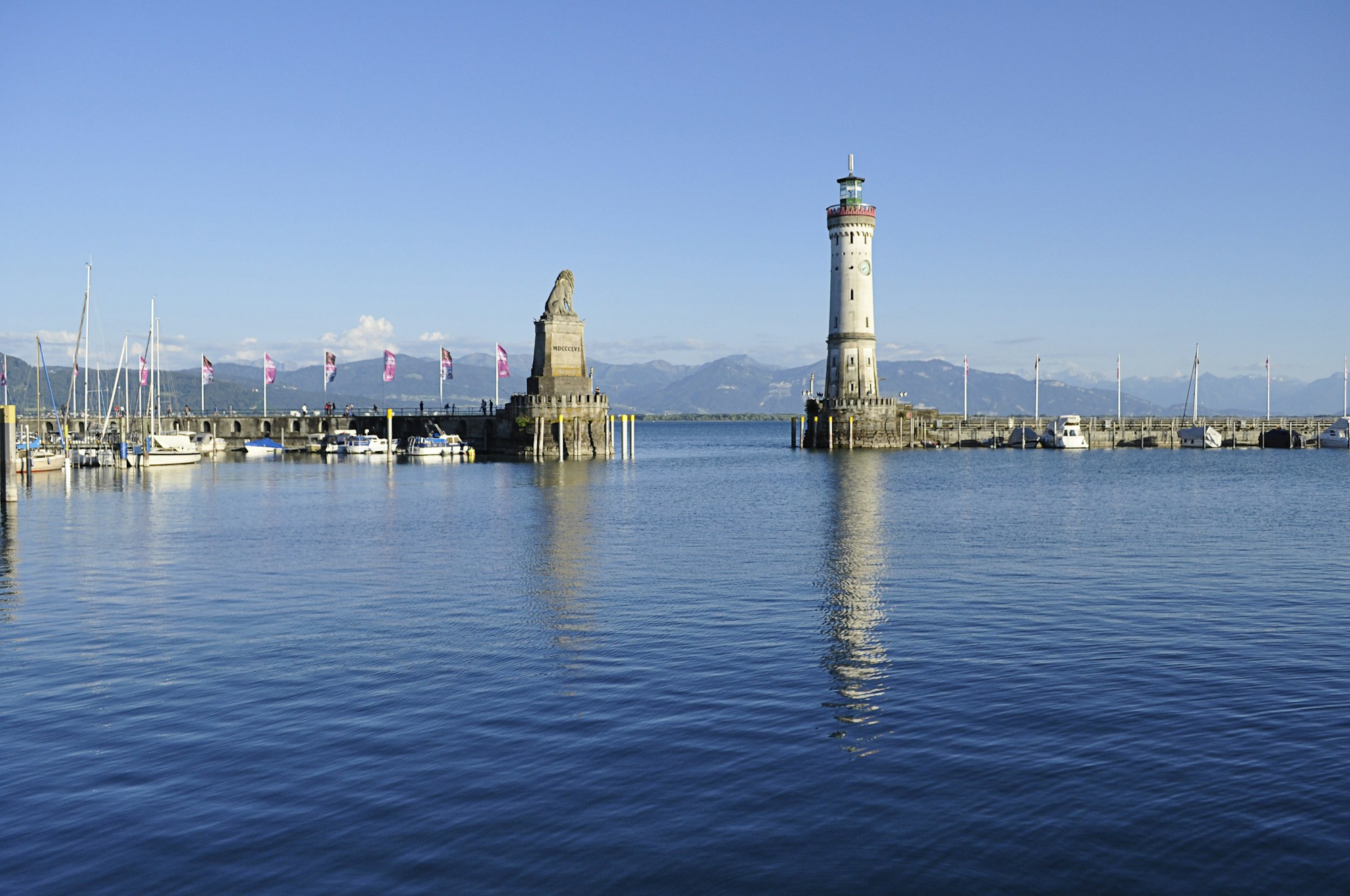
Lindau, the Bavarian island town 20 minutes from Bregenz by train (the S1 line, every 25-30 minutes) or by boat, remains a firm favourite with festival regulars: Hotel Bayerischer Hof (5 stars, on the harbour), Hotel Reutemann-Seegarten (4 stars, lighthouse views) and Hotel Lindauer Hof (4 stars, on the pedestrian promenade). Konstanz in Germany, and nearby Switzerland (Rorschach, St Margrethen), widen the choice further, sometimes at better rates than Bregenz even in high season.
Highlights
- The Deuring Schlössle pairs a historic castle with an award-winning fine-dining restaurant
- Lindau is reachable by both train and boat from Bregenz harbour
- Nearby Switzerland widens the choice of places to stay, sometimes for less
6. Weather and the cancellation policy: what to know before opening night
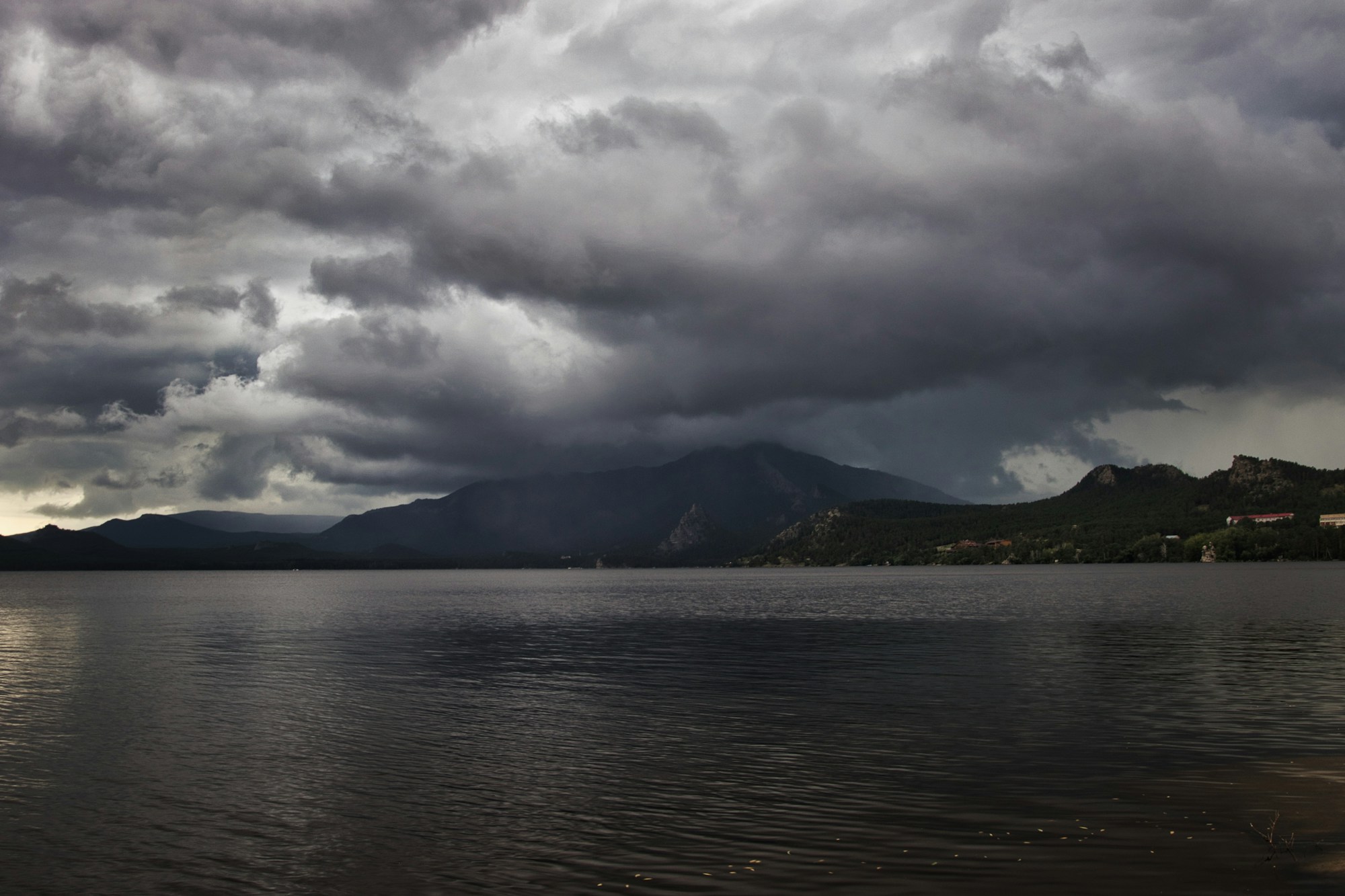
July averages around 23°C, with about 174mm of rain spread across 17 days (a 30-year average). August is similar, around 22°C, with May to August the wettest stretch of the year in the region. According to the official festival, rain alone never triggers a cancellation: only a thunderstorm or a full-blown storm can stop a performance. The call is made just before curtain-up, with a full refund if the evening is cancelled. As a concrete example, only 2 out of 27 performances were cancelled for the Der Freischütz production in 2025, around 7%.
The official advice is simple: wrap up warm in waterproofs, and skip the umbrella, which blocks the view for the people around you. On comfort, only the Premium and Lounge categories offer covered, cushioned seating; most seats stay in the open air. Accessibility has improved markedly since the recent refurbishment: more spaces for visitors with reduced mobility, a wireless hearing-assistance system (around a hundred receivers) and tactile signage at the Festspielhaus entrance.
Highlights
- Just 2 weather cancellations out of 27 Freischütz performances in 2025
- A wireless hearing-assistance system covers the whole site
- Refunds are full and automatic if a performance is cancelled
7. Nearby: the Pfänder, Kunsthaus Bregenz and Vorarlberg’s food scene
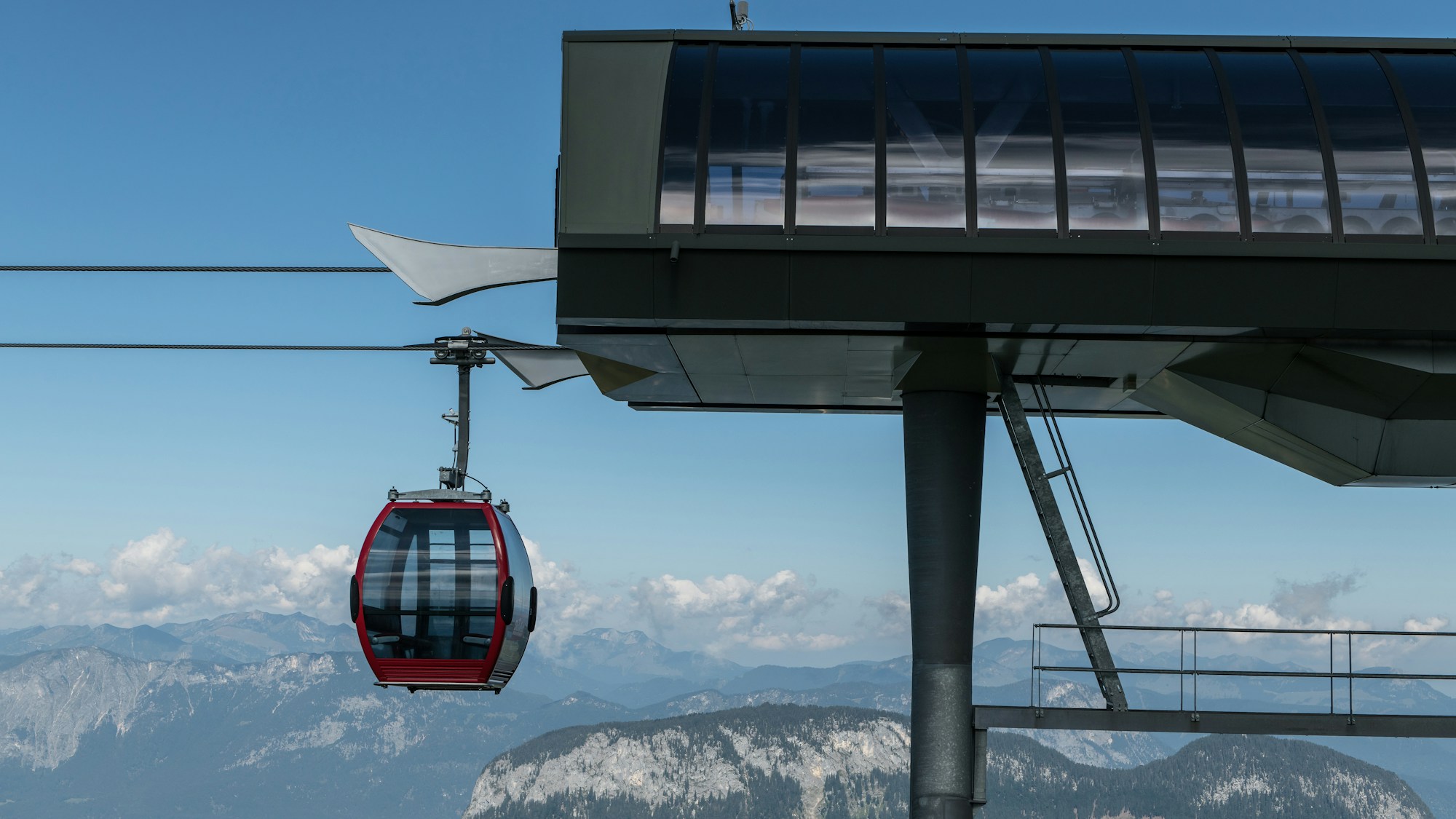
The Pfänder (1,064 m) is reached from central Bregenz by a 6-minute cable car ride. At the summit, a free-access alpine wildlife park (marmots, mouflons, deer, ibex) and a panoramic restaurant look out over 240 peaks across Germany, Austria and Switzerland: it’s best to go up early morning or late in the day to dodge the crowds. According to Kunsthaus Bregenz, this contemporary art museum designed by Swiss architect Peter Zumthor (1997, Mies van der Rohe Award), recognisable by its facade of 712 translucent glass panels, costs €14 to visit (€12 concessions, free on the first Thursday of the month from 5pm, closed Mondays).
The old town rounds out a visit with the Martinsturm, a baroque tower housing 14th-century Gothic frescoes, and the Vorarlberg Museum, home to 150,000 objects. On the food front, the dish not to miss is Käsknöpfle, fresh pasta folded through local cheeses and roasted onions, served with potato salad and apple compote; Bregenz counts more than 120 restaurants. Several beaches and lidos also let you swim in the lake, around 22°C at the height of summer. Twenty minutes away, Lindau adds its own lighthouse, Germany’s southernmost, and its medieval Mangturm tower. If your Austrian summer doesn’t stop at the opera, the Austrian F1 Grand Prix also livens up the country this season, over at the Red Bull Ring in Styria.
Highlights
- Kunsthaus Bregenz is free on the first Thursday of every month from 5pm
- The free-access wildlife park at the Pfänder summit makes a perfect add-on to the cable car ride
- A British honorary consulate operates right in Bregenz, under the Embassy in Vienna, worth knowing about even though it can’t issue passports or visas
8. Total budget: what a 2-3 day trip to Bregenz really costs
For a solo traveller or a couple coming from the UK, four cost categories shape the budget for a trip to the Bregenz Festival: the opera ticket, transport, accommodation and extra activities.
| Item | Indicative range |
|---|---|
| Opera ticket (Category 5 to Lounge) | €79 – €484 (about £68-416) |
| Return transport from the UK | €150 – €300 (about £130-260) |
| Accommodation, 2-3 nights in a 3-4 star hotel | €300 – €700 (about £260-600) |
| Meals and extra activities (Pfänder, KUB, boat trip) | €100 – €200 (about £85-170) |
| Indicative total, per person | ~€600 – €1,400 (about £515-1,205) |
Range built around a good-category weekday seat and a 3-4 star hotel. GBP figures are approximate and will move with the exchange rate. Some all-inclusive packages sold by specialist agencies, outside Pixidia’s own listings, can run past €2,000 per person for top-tier, fully escorted service.
Before you go: festival trip essentials
Austria and Germany are both EU members, so a UK plan with EU roaming included will usually already work here. An Airalo eSIM earns its keep if your trip strays into nearby Switzerland (Rorschach, St Margrethen), which sits outside the EU, or if your tariff has no European roaming at all.
From a few poundsLast-minute cancellations, lost luggage, medical assistance: worthwhile cover for a trip where opera seats and hotel rooms only get pricier as demand builds. Nomad Insurance starts from $56 per 4 weeks, 10% off through our link.
From $56 / 4 weeksNo airport serves Bregenz directly: compare flights to Zurich, the hub with the best links from the UK, then carry on by direct train straight into Bregenz.
Compare live pricesFrequently asked questions about the Bregenz Festival 2026
Are there still tickets for La traviata in 2026?
July seats are almost entirely gone at the time of writing. Only a handful of scattered dates remain between 11 and 23 August, with a full sellout expected around Easter 2026, the fastest-selling season in the festival’s 80-year history. Source: Pressefoyer.
How much does a Seebühne ticket cost in 2026?
From €79 (Category 5, weekdays) to €484 (Lounge category, Saturdays), roughly £68 to £416, depending on seat category and day of the week. Source: bregenzerfestspiele.com.
What happens if it rains during the performance?
Rain alone never causes a cancellation: only a thunderstorm or a full storm can stop the performance. The call is made just before curtain-up, with a full refund if the evening is cancelled. Source: official festival.
How do you get to Bregenz from the UK without a car?
Allow around 7h15 by train from London to Zurich via Eurostar and the TGV Lyria, plus a further 1h15 to 1h47 on a direct train into Bregenz, or fly with SWISS, easyJet or British Airways into Zurich, Friedrichshafen or Altenrhein and pick up a regional train from there. Source: Eurostar.
Where should you stay: Bregenz or Lindau?
Bregenz puts you right next to the Festspielhaus, 5-10 minutes’ walk depending on the hotel. Lindau, in Germany, 20 minutes away by train or boat, offers a picturesque island setting and sometimes better rates. Source: The Sane Travel Blog.
Is the Seebühne really the world’s largest floating stage?
It’s the title widely given to this stage by the press and tourist guides for decades, for dimensions of around 35 by 70 metres and a capacity of roughly 6,700 to 7,000 spectators. Source: Festspielhaus Bregenz.
Is the Bregenz Festival the same as the Salzburg Festival?
No, they’re two separate Austrian festivals. Salzburg, founded in 1920, centres on Mozart and indoor theatre, with no lakeside stage. Bregenz, founded in 1946, is defined by its unique floating stage on Lake Constance. Source: Wikipedia.
Does the opera ticket cover public transport on the day of the show?
Yes. The ticket, marked « vmobil », works as free travel across the whole Vorarlberg bus and train network on the day of the performance, return journey included. Source: Vorarlberg Tourismus.
Sources
- Bregenzer Festspiele, official website: 2026 programme and tickets
- Vorverkauf 2026: official box office, pricing grid
- Pressefoyer, Programme Presentation 2026: official press release
- Pressefoyer, Festival Debut for La traviata: sales record
- Festspielhaus Bregenz, Bregenz Festival Stage: history and dimensions of the Seebühne
- Wikipedia, Bregenzer Festspiele: history and attendance
- GOV.UK, Austria travel advice: passport and entry requirements
- ORF Vorarlberg: the festival’s budget crisis
- VOL.AT: near-sold-out ticketing
- Eurostar, London to Zurich: train journey times
- Vorarlberg Tourismus: tickets and free transport
- visitbregenz.com: getting to Bregenz
- Kunsthaus Bregenz: museum visitor information
- The Sane Travel Blog: practical festival guide
- Omio: transport options to Bregenz
Research conducted on 1 July 2026. Prices, availability and programme details may change before opening night.
Plan your lakeside opera trip
Between the full programme, tickets that are already tight, and choosing a hotel between Bregenz and Lindau, a trip to the Bregenz Festival needs planning months ahead. Build your Austria itinerary and stretch the experience beyond a single evening.
Build my Austria itinerary
4. How to get to Bregenz from the UK
Bregenz has no airport of its own. The nearest are St. Gallen-Altenrhein in Switzerland (about 23-24 km away), Friedrichshafen in Germany (about 32-35 km) and Zurich (about 120 km), the best connected from the UK: SWISS, easyJet and British Airways run well over 100 flights a week between London and Zurich, with return fares regularly starting around £85-90, then a direct train reaches Bregenz in 1h15 to 1h47 (about 32 EuroCity or Railjet services a day, no changes). If you’d rather cut the connecting journey short, easyJet also flies direct from London Gatwick to Friedrichshafen, only around 35 km from Bregenz.
By train, Eurostar to Paris connects with the TGV Lyria to Zurich for a combined journey of around 7h15, then the same direct Railjet or EuroCity service continues on to Bregenz in under two hours; door to door, allow closer to a full day once you add the Paris change and the regional leg, and consider breaking the trip overnight in Paris or Zurich rather than trying it all in one go. The direct ÖBB Nightjet sleeper that used to run from Paris to Vienna and Berlin, which would have offered an onward overnight option, was withdrawn on 14 December 2025: a sleeper connection today means combining a daytime train to Zurich or Munich with an ÖBB Nightjet from there. By car, an Austrian motorway vignette is compulsory (10 days: €12.80; 2 months: €32; a year: €106.80), except on the toll-free A14 stretch between Hörbranz and Hohenems. A valid British passport is required: Austria is in the Schengen area, and the old manual passport stamps are being phased out in favour of the digital Entry/Exit System. The EU’s ETIAS pre-travel authorisation, expected to start later in 2026, won’t be compulsory in time for this festival, but it’s worth checking the latest gov.uk travel advice closer to your trip.
Highlights