
Commercial partnership. This article contains affiliate links. If you book through these links, Pixidia earns a small commission at no extra cost to you. Learn more
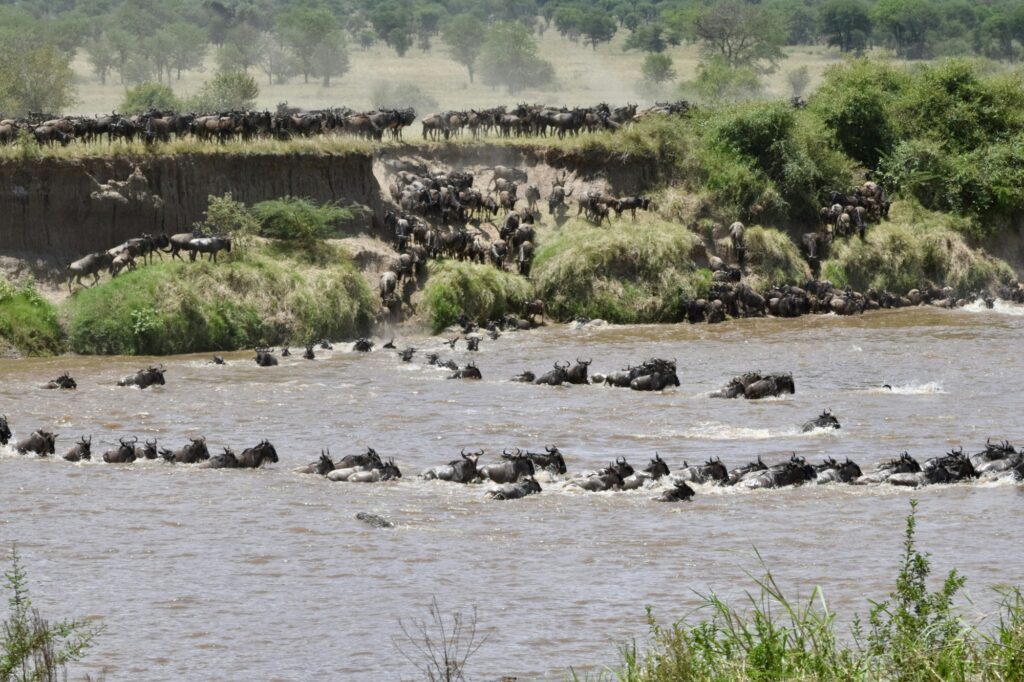
Mara River crossings happen between July and October in the Northern Serengeti, typically peaking from mid-August to mid-September 2026. I’ve put together 10 safaris rated 4.9 to 5 out of 5, from €235.90 to over €4,000, covering that window as well as the calving season at Ndutu in the south, between December and April: two areas hundreds of kilometres apart, impossible to combine on a single short trip. My advice: book 3 to 4 months ahead if you’re specifically after the crossings — demand climbs every summer.
It didn’t take me long to spot my mistake: the first time I looked at a Great Migration calendar, I assumed booking a « Serengeti » safari any time between June and October would guarantee the famous Mara River crossings. Wrong. The migration isn’t a place, it’s a calendar: between December and April, the herds give birth on the Ndutu plains in the south, hundreds of kilometres from the Mara, where columns of wildebeest only hesitate at the water’s edge between July and October, typically peaking from mid-August to mid-September. Book at the wrong time and you miss the spectacle you came for.
I’ve selected 10 experiences rated 4.9 to 5 out of 5, covering every phase of the cycle. The two hot air balloon safaris offer the most spectacular overview of the herds on the move, starting with the Serengeti Balloon Safari and authentic bush breakfast, the most reviewed product in the whole selection with over 3,300 verified reviews. Next come two multi-day safaris dedicated to the migration itself, five general-purpose northern Tanzania circuits that remain the logistical backbone for most travellers, and a one-day Kilimanjaro hike to extend the trip.
Why the Great Serengeti Migration: The Pixidia Angle
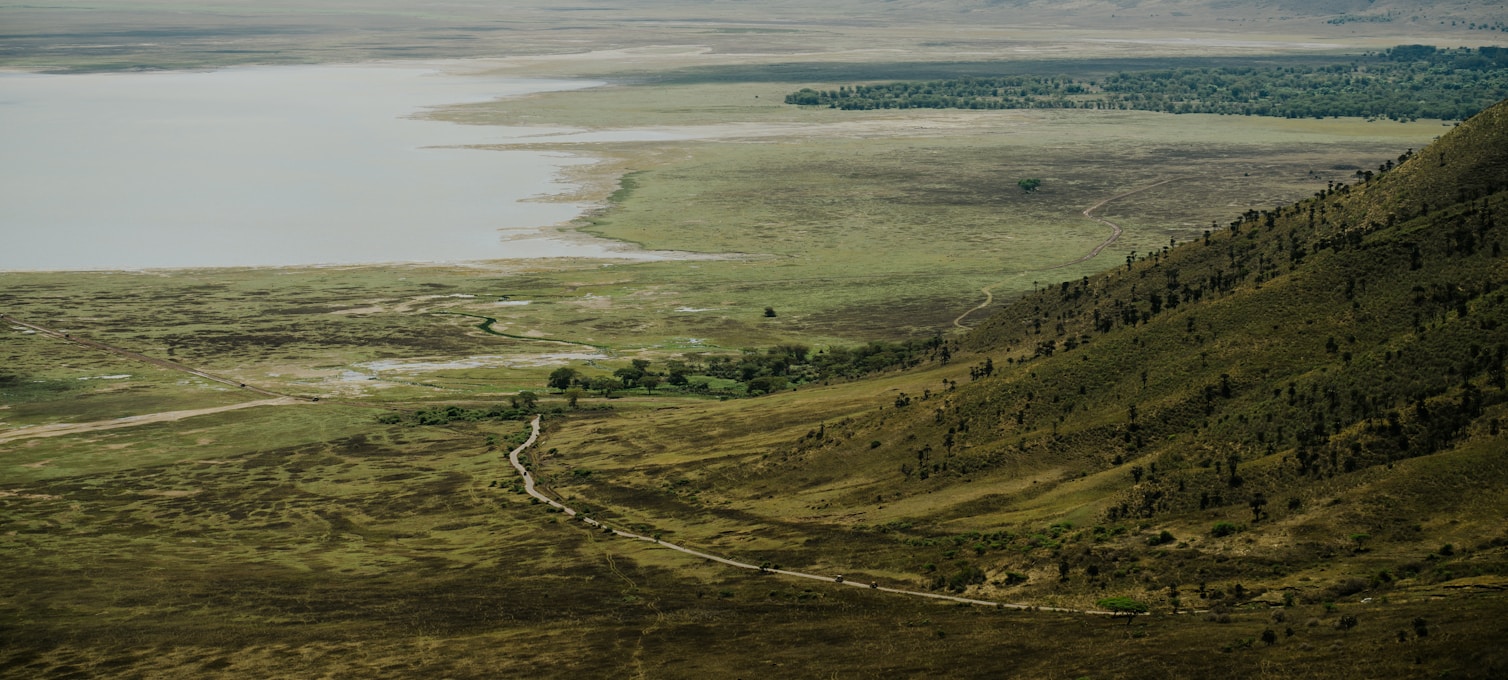
The phenomenon is unique in the world: up to 1.3 million wildebeest, over 200,000 zebras and 400,000 to 500,000 Thomson’s gazelles move almost constantly across roughly 30,000 km² of terrain, the ecosystem shared by Serengeti National Park, a UNESCO World Heritage Site since 1981, and Kenya’s Masai Mara. The driver of the movement isn’t predator avoidance, as is often assumed, but rain and fresh grass growth: a camera-trap study shows wildebeest and zebras are only together 5% of the time, each following its own feeding logic (National Geographic).
Around 250,000 wildebeest and 30,000 zebras die each year during the cycle, from predation, drowning or exhaustion: a loss offset by nearly 500,000 births concentrated into two to three weeks in late January. It’s this intensity, and the complete absence of a fixed date since everything depends on annual rainfall, that makes it worth treating the migration as a calendar of several safaris rather than a single destination. For more on the Tanzania vs Kenya debate, our complete guide to your first East Africa safari remains a useful companion piece.
| Period | Area | What happens |
|---|---|---|
| December – March | Ndutu, Southern Serengeti | Calving season: around 500,000 calves born in 2 to 3 weeks, high predator density |
| April – May | Central Serengeti | Transition toward the Western Corridor, reduced « green season » rates |
| June – July | Western Corridor, Grumeti River | Grumeti River crossings, noticeably quieter than the Mara |
| July – October (peak mid-August to mid-September) | Northern Serengeti, Mara River | The Mara River crossings, the most sought-after spectacle of the whole cycle |
| November – December | Eastern Serengeti | Short rains, start of the return to the calving plains |
The 10 Best Experiences to Witness the Great Serengeti Migration
1. Sunrise Hot Air Balloon Safari in the Serengeti
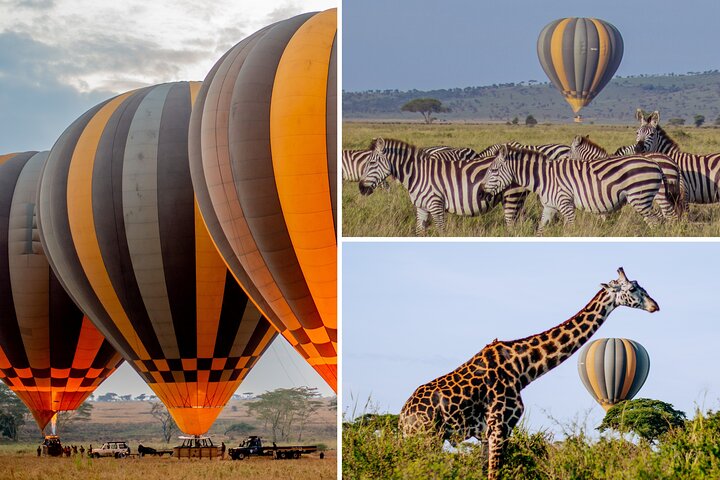
This is the best-rated product in my entire selection, and one of the few ways to see the true scale of the wildebeest columns on the move: from the basket, the herds trace dark lines as far as the eye can see across the savannah. The one-hour sunrise flight ends with a bush breakfast and a glass of champagne on landing, a ritual that makes the 4am wake-up call worth it.
- Transfer included from your Serengeti camp or lodge
- Bush breakfast and champagne on landing
- Pilot guide and binoculars provided for wildlife spotting
2. Balloon Flight with an Operator Running for 30 Years
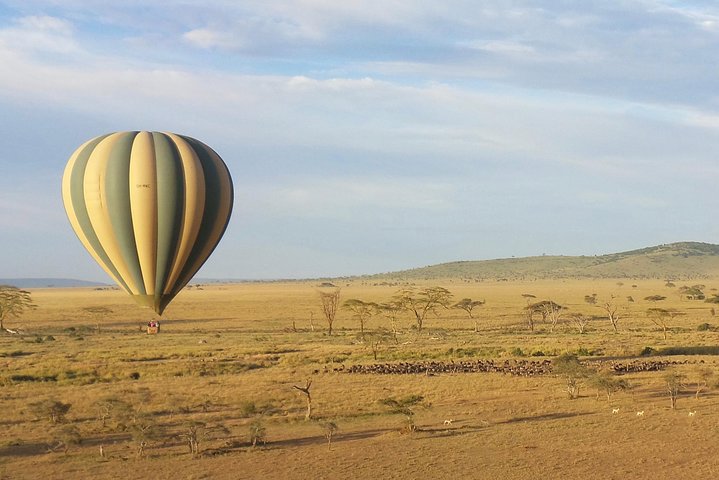
This is the most reviewed product in my entire selection with over 3,300 verified reviews, run by an operator that has been flying over the Serengeti and the Ngorongoro Crater for three decades. The roughly one-hour flight is followed by an authentic bush breakfast, drinks included, before heading back to your camp.
- Roughly one-hour hot air balloon flight at sunrise
- Authentic bush breakfast, drinks included
- Pickup included within a 40 km radius of the launch sites
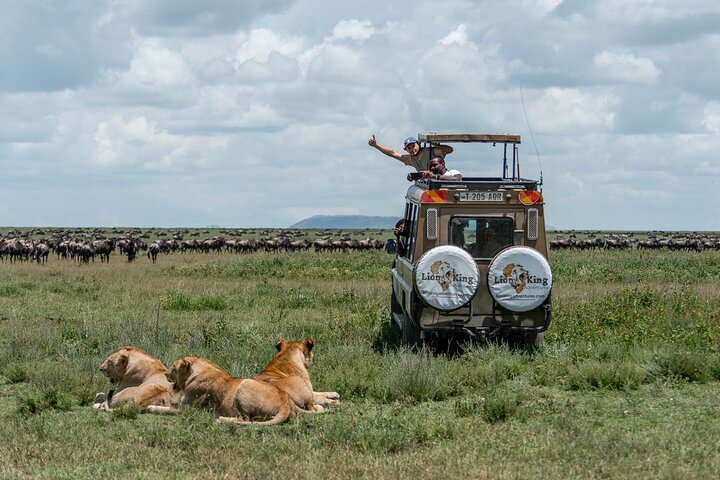
3. Six Days Dedicated to the Ndutu Calving Season
This private circuit targets the December-April window precisely, when around 500,000 calves are born within a few weeks on the short-grass plains of Ndutu. It’s also when predator density around the calving areas is at its highest, lions and cheetahs included. The circuit adds the Ngorongoro Crater, Tarangire and Lake Manyara across six days, full board included.
- Targeted at the calving season, December to April
- Full board: breakfast, lunch and dinner included
- Private circuit covering Tarangire, Southern Serengeti, Ngorongoro, Lake Manyara
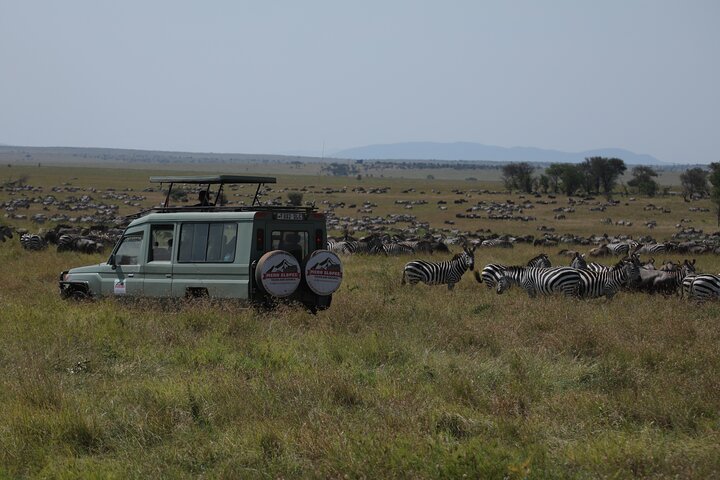
4. Seven Days in Luxury Style up to the Northern Serengeti
This is the circuit in my selection that reaches furthest north, all the way to the Mara River area where the crossings play out between July and October. The luxury format alternates between Tarangire, Central Serengeti and Northern Serengeti, with the Ngorongoro Crater as a bonus, over seven days with a professional driver-guide and full board.
- Itinerary reaches the Northern Serengeti, the Mara crossing zone
- Professional driver-guide and airport transfers included
- Full board and luxury accommodation across the 7 days
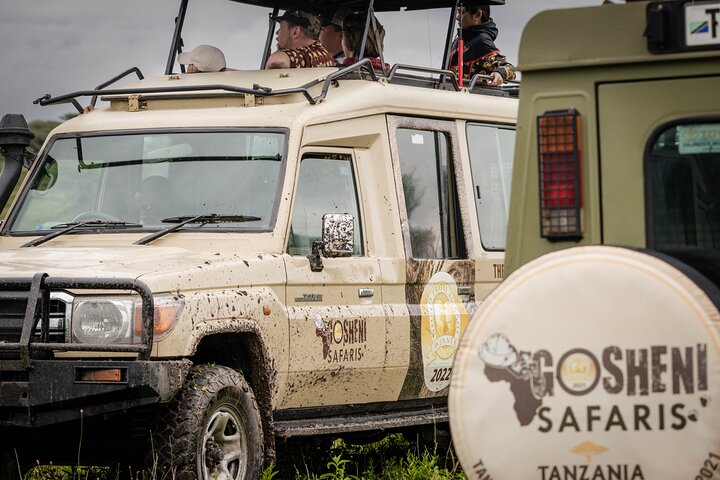
5. The Most-Reviewed General Circuit in the Selection
With 177 five-star reviews, this is the most reviewed general-purpose safari in my entire selection: private 4×4 vehicle, English-speaking guide and six nights in luxury accommodation on a circuit covering the essentials of northern Tanzania. All park fees, including the Ngorongoro Crater, are already included in the listed price.
- Private 4×4 vehicle with English-speaking guide
- Six nights of luxury accommodation as per the itinerary
- All park fees and Ngorongoro Crater fees included
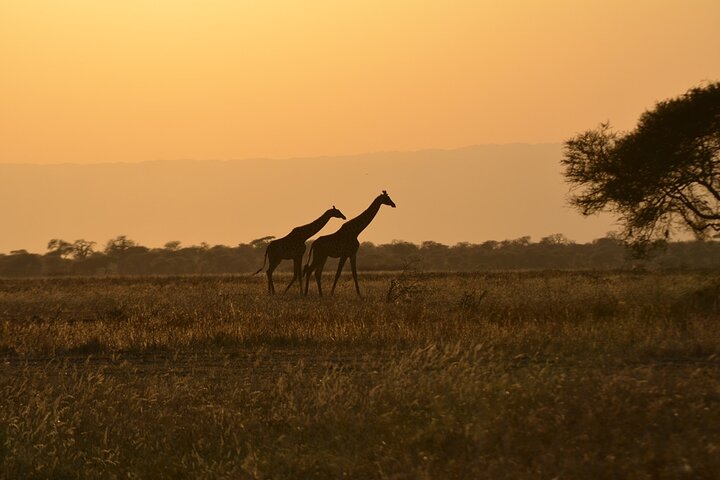
6. Short Format: Four Days for a First Safari
If you want a first taste of the Serengeti without blocking out ten days of holiday, this four-day format remains the best budget-to-length trade-off in my selection: two nights at the Serengeti, plus Ngorongoro and Tarangire, in lodge accommodation with full board.
- Two nights at the Serengeti included in the format
- Full board: breakfast, lunch and dinner
- Ngorongoro Crater and Tarangire included in the circuit
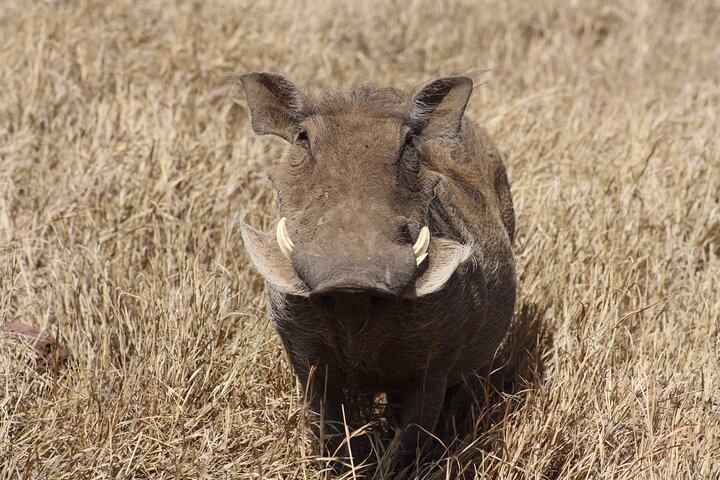
7. Five Days of Camping for a More Authentic Immersion
Rather than lodges, this circuit relies on camping for a more direct immersion across the four parks of the northern circuit: Lake Manyara, Serengeti, Ngorongoro Crater and Tarangire, over five days with full board. A good option if you want to sleep as close as possible to the sounds of the savannah without giving up the comfort of a private format.
- Camping format, more direct immersion than lodges
- Complete circuit of the 4 parks of northern Tanzania
- Full board included across the 5 days
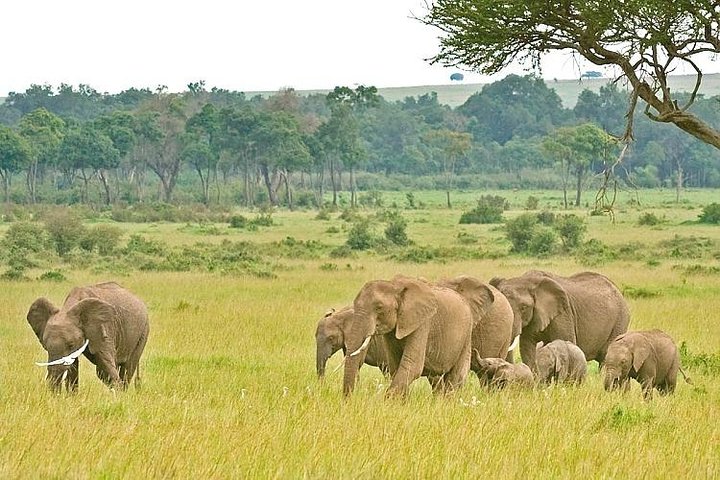
8. The Shortest Option to Discover the Serengeti
Three days is the shortest format in my selection, designed for a first taste of the Serengeti without committing a full week to the safari. The price stays at the entry level of the Tanzanian market while keeping a private format, with park fees and full board already included.
- Shortest format in the selection, 3 days
- Park fees and full board already included
- Pickup from Arusha or Kilimanjaro Airport
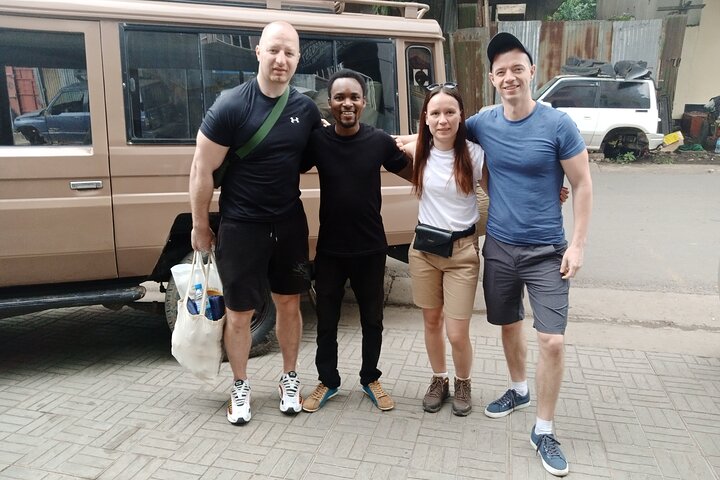
9. The Best Value for Money on the Complete Circuit
At a comparable price point, this is the most accessible complete circuit in my selection: four parks (Tarangire, Serengeti, Ngorongoro, Lake Manyara) in five days, private transport and full board included. A solid starting point if budget matters more to you than accommodation level.
- Complete circuit of the 4 parks of northern Tanzania
- Most accessible entry price in the selection
- Private transport and parking fees included
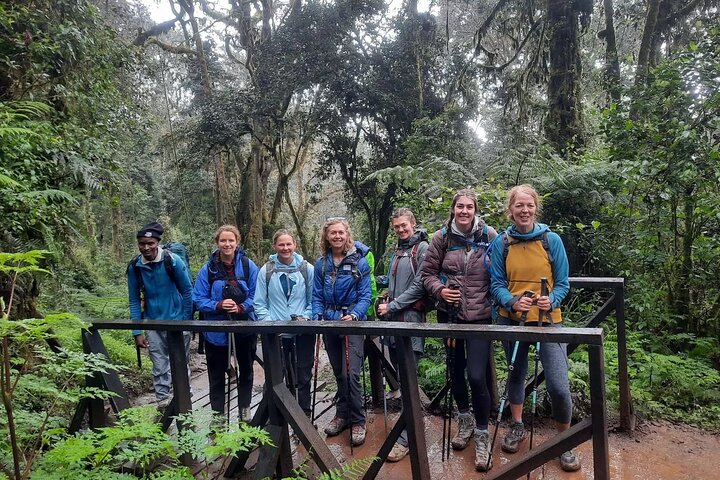
10. A Day on the Slopes of Kilimanjaro as an Add-on
To extend the trip beyond the safari, this one-day hike on the Marangu route, up to Mandara Hut, gives you a taste of Kilimanjaro without committing to a full multi-day expedition. The most accessible price in my entire selection, mountain guide and lunch included.
- One-day hike, no full expedition required
- Private transport, lunch and mountain guide included
- Ideal add-on after a safari circuit in the north
Planning the Trip
Instant connection the moment you land at Kilimanjaro, no need to hunt for a local SIM card in Arusha.
Get my eSIMWorth it given the high average ticket price of a safari: Nomad Insurance covers you worldwide, from $56 per 4 weeks.
Get coveredBook early if you’re aiming for the mid-August to mid-September crossing window — demand climbs every summer.
See flightsThe circuit that reaches furthest into the Mara crossing zone, in a fully-inclusive private format.
Lock in my Northern Serengeti safariPractical Tips on the Ground
A Tanzanian e-visa is required for most travellers, including UK and US passport holders: apply online via the official portal, budget around $50 USD and a 5 to 10 business day turnaround, but allow 3 to 4 weeks of buffer before departure. Your passport must remain valid for 6 months after entry, with at least 2 blank pages; no yellow fever vaccine is required on a direct flight from the UK or US.
From Arusha, the hub town where almost every safari is sold, there are two ways to reach the Serengeti: by road, 6 to 7 hours to the Naabi Hill gate, or a roughly one-hour charter flight to one of the park’s airstrips, more comfortable for short 3 to 4-day circuits. Park fees, around $83 USD per adult per 24 hours, are already included in the listed price of every packaged safari in this selection.
To avoid the crowds, aim for March-May or November-December: reduced « green season » rates and far fewer vehicles at the crossing points. Conversely, July-October remains the busiest period of the year on the banks of the Mara. Many travellers extend their safari with a few days on the beach: our complete Zanzibar guide covers this logical next step, about an hour’s flight from Arusha or Kilimanjaro.
Frequently Asked Questions
When can you see the Mara River crossings in the Serengeti in 2026?
The main window runs from July to October, typically peaking between mid-August and mid-September. 2026 forecasters expect the first crossings as early as mid-July, but the exact date depends entirely on annual rainfall.
Should you go to the Northern Serengeti or Ndutu to see the migration?
It depends on the timing: the Northern Serengeti, the Mara River area, is the destination for river crossings between July and October, like the 7-day private luxury circuit. Ndutu, in the south, is the destination for the calving season between December and April, covered by the dedicated 6-day safari. The two areas are hundreds of kilometres apart, so it’s impossible to combine them on a single short safari.
How much does a migration safari in the Serengeti cost?
The multi-day safaris in this selection range from €1,050.44 (5 days, complete circuit) to over €4,000 (7 days, private luxury format). The hot air balloon safari, a half-day activity, costs between €489.61 and €533.23 per person.
Does a hot air balloon safari let you see the migration?
Yes, it’s actually one of the best ways to grasp the scale of the phenomenon: the flight gives you an overview of the columns of wildebeest and zebras on the move, impossible to get from a ground vehicle. The two operators in this selection have over 5,800 verified reviews between them.
How do you get to the Serengeti from the UK or US?
An international flight to Kilimanjaro International Airport, typically via Amsterdam, Doha or Addis Ababa depending on the airline, followed by a transfer to Arusha, the safari hub town, about 45 minutes from the airport. From Arusha, the Serengeti is reached by road, 6 to 7 hours, or by charter flight, around an hour.
Do you need a visa for Tanzania?
Yes, an e-visa is required for most travellers, including UK and US passport holders, to apply for online before departure: $50 USD, a 5 to 10 business day turnaround, but allow 3 to 4 weeks of buffer. Discover other seasonal trip ideas on our Discover page.
Sources
- National Geographic — How wildebeest reshape the Serengeti during Africa’s Great Migration — accessed 11 July 2026
- SafariBookings — Best Time To Visit Serengeti (Month by Month) — accessed 11 July 2026
- African Budget Safaris — The Best Time to Visit the Serengeti: Month-by-Month Weather & Wildlife Guide — accessed 11 July 2026
- AfricanMecca Safaris — 2026-2027 Guide To Serengeti Great Wildebeest Migration & Best Time To See It — accessed 11 July 2026
- Mara River Crossings — Wildebeest Migration Safaris & Tours — accessed 11 July 2026
- Altezza Travel — Great Migration Safari in Northern Serengeti, 3-Day River Crossing Safari — accessed 11 July 2026
- Jackal Wild Adventures — The Great Migration 2026: Predicting the Mara River Crossing — accessed 11 July 2026
- Touring Insights — Wildebeest Migration Tracker 2026: Where Is the Herd Each Month? — accessed 11 July 2026
- Serengeti National Park Travel — How to Get to Serengeti: Arusha to Serengeti by Road & Air — accessed 11 July 2026
- SafariBookings — How To Get to Serengeti: Flights, Roads and Driving Time — accessed 11 July 2026
- Immigration Tanzania — Tanzania eVisa Guidelines (official portal) — accessed 11 July 2026
- Serengeti Park Tanzania — Serengeti National Park Entrance Fees, Current 2026 Rates — accessed 11 July 2026
- Travel by Monkey — The Great Migration: Mara River Crossing, Ultimate Safari Guide (Serengeti vs. Masai Mara) — accessed 11 July 2026
- Living the Dream RTW — Serengeti Balloon Safaris Review, Worthy of the Splurge — accessed 11 July 2026
- Wikidata — Serengeti (region/ecosystem, Q4991540) — accessed 11 July 2026
- Wikidata — Serengeti National Park (Q11812902) — accessed 11 July 2026
- Wikidata — Mara River (Q530479) — accessed 11 July 2026

Plan your trip with Pixidia
Pixidia learns how you travel and helps you build a trip that truly fits you and everyone coming along.
Open the planner