
The Sinjska Alka is a one-of-a-kind knight tournament, inscribed on the UNESCO Intangible Cultural Heritage list since 2010. The 311th edition takes place on Sunday 9 August 2026 in Sinj, just 35 minutes from Split. For the first time in 300 years of history, tickets are available online via Entrio.hr. Combine your day trip with Klis Fortress, the Cetina River spring and Peruća Lake for a full excursion into the Dalmatian hinterland.
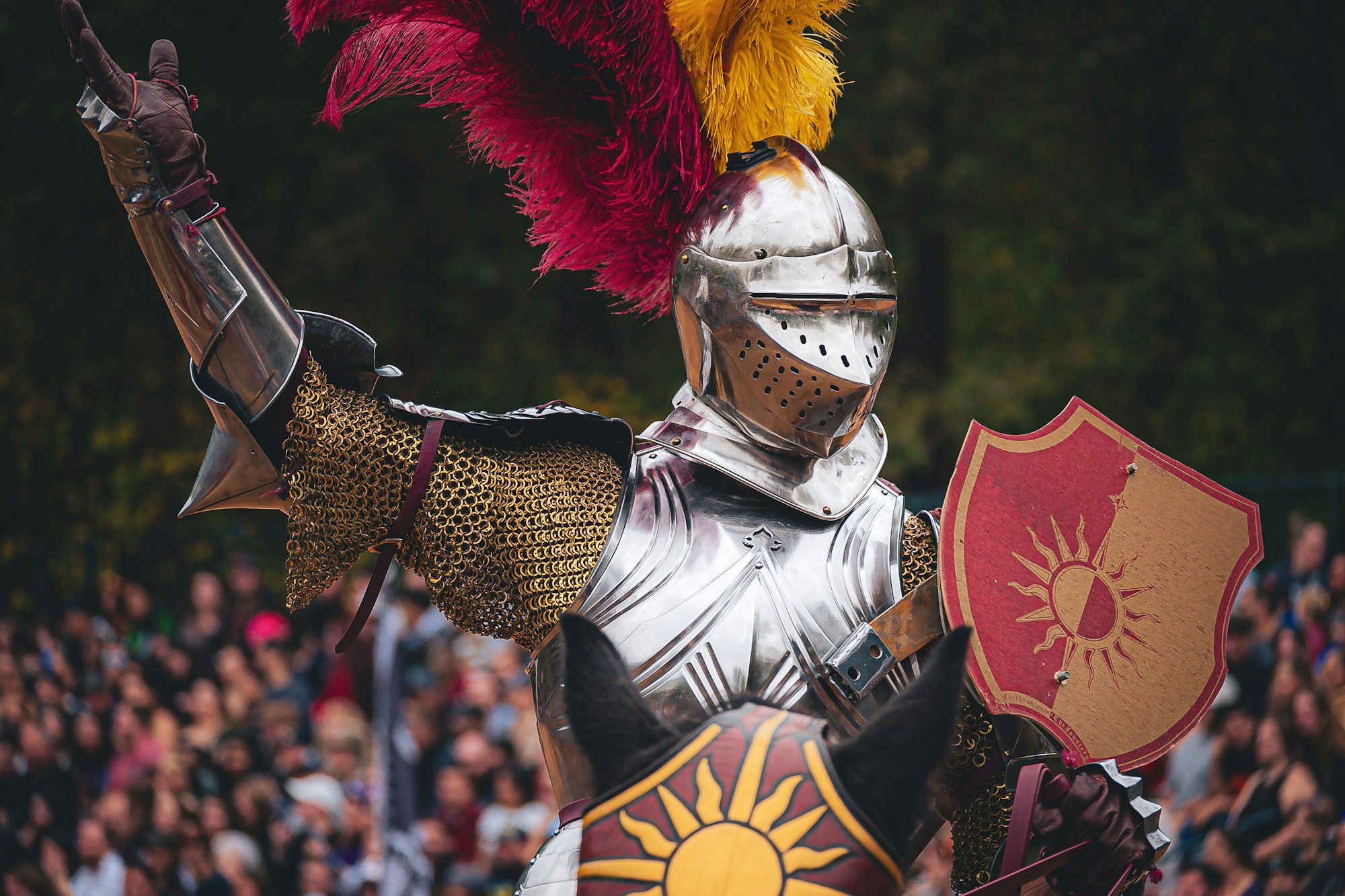
Just 35 km from Split’s tourist buzz, the Alkarsko trkalište racecourse is about to echo with thundering hooves and roaring crowds. On Sunday 9 August 2026, the Sinjska Alka — a UNESCO-listed knight tournament — holds its 311th edition. This isn’t some folklore show for tourists: it’s a living community ritual where horsemen in 18th-century costume charge lance-in-hand down a 160-metre track to hit a 3.5-centimetre iron ring. An unbroken tradition celebrated since the victory over the Ottoman army in 1715, it makes Sinj one of the most authentic cultural day trips from the Dalmatian coast. For those looking to discover more Adriatic cultural gems, the Croatian hinterland is full of hidden treasures.
1. The Sinjska Alka: a UNESCO-listed knight tournament
Dalmatian chivalry passed down through generations
The Sinjska Alka commemorates the defenders of Sinj’s victory over the Ottoman army on 14 August 1715. According to historical sources, 700 to 800 Croats and Venetian soldiers held off 40,000 to 60,000 Ottoman besiegers — an feat that allowed Venice to keep control of the region, formalised by the Treaty of Passarowitz in 1718, as reported by the collaborative encyclopedia.
The tournament has been held every year since 1715 without interruption, except during the world wars and the 1885 cholera epidemic. The rules, codified in 1833, promote ethics, fair play and community participation. Eleven to seventeen horsemen (alkari) take part each year, selected by the Vojvoda (the Duke of the Alka). They must be born in the Cetinska krajina region and be members of the Viteško alkarsko društvo Sinj, according to the UNESCO listing.
The scoring system
The alka is a wrought-iron ring with an outer diameter of 13.2 cm and an inner diameter of just 3.5 cm. Riders gallop at full speed (around 45 km/h) over 160 metres and try to hit the ring with their 3-metre lance. The lower segments score 1 point, the upper segment scores 2 points, and the centre (u sridu, the crowd’s cry) scores 3 points. If the rider knocks the ring off and touches it mid-air: up to 6 points, explains the official Alka Museum.
Global recognition
Inscribed in 2010 on the Representative List of the Intangible Cultural Heritage of Humanity (UNESCO ref. 00357), the Sinjska Alka covers four domains: oral traditions, performing arts, social practices and traditional craftsmanship. According to the UNESCO citation, « taking part in the life of the community, helping to make, preserve, restore and reconstruct the weapons, clothes and accessories: this is the main manifestation of the population’s attachment to the tournament. » The very name alka comes from the Turkish halka (ring), bearing witness to the cultural exchange between Catholic and Ottoman civilisations.
Highlights
- UNESCO heritage since 2010, the only remaining medieval knight tournament in Croatia
- 311th unbroken edition, proof of a living, deep-rooted tradition
- First-ever online ticketing via Entrio.hr: a historic change in 2026
- Riders in period costume, galloping at 45 km/h with centimetre precision
2. Day trip from Split: Klis Fortress, Alka Museum and Cetina River spring
A full day in the Dalmatian hinterland
Located just 35 kilometres north-east of Split, the town of Sinj is a 35-minute drive via the A1 motorway (Dugopolje exit then route 60). By bus, count 50 to 60 minutes from Split’s main bus station (Autobusni kolodvor) for 5 to 12 EUR one way with Litre Tours or Promet, according to Rome2Rio. A taxi ride costs around 70 to 90 EUR.
Klis Fortress: 15 minutes along the way
Halfway between Split and Sinj, Klis Fortress is well worth a stop. Perched at 360 metres altitude, it commands a panorama spanning Split, the Adriatic Sea and the Dalmatian islands. Nicknamed the « Key to Dalmatia », it has over 2,000 years of history: Illyrians, Romans, Croats, Ottomans and Venetians all left their mark. Game of Thrones fans will recognise Meereen — the fortress served as a filming location for season 4. Entry: 12 EUR for adults, combined ticket with the Stella Croatica olive museum available, according to the official website.
The Alka Museum, Europa Nostra Award winner 2025
Opened in 2015 for the tournament’s 300th anniversary, the Alka Museum (Muzej Sinjske Alke) is housed in the Kvartiri, a Venetian building from 1760 that once served as a cavalry barracks. The museum received the European Heritage Award / Europa Nostra Award 2025, praised for « transforming a one-day event into a sustainable model of awareness-raising. » Entry costs around 6 to 7 EUR for adults, with a 20-minute introductory film in English, models, original costumes and interactive exhibits. Open Monday to Saturday from 8 am to 4 pm (closed on Sunday, the day of the tournament), says InYourPocket. Visitors rate it a perfect 5.0/5 on Tripadvisor (33 « Excellent » reviews).
The Cetina spring and Peruća Lake
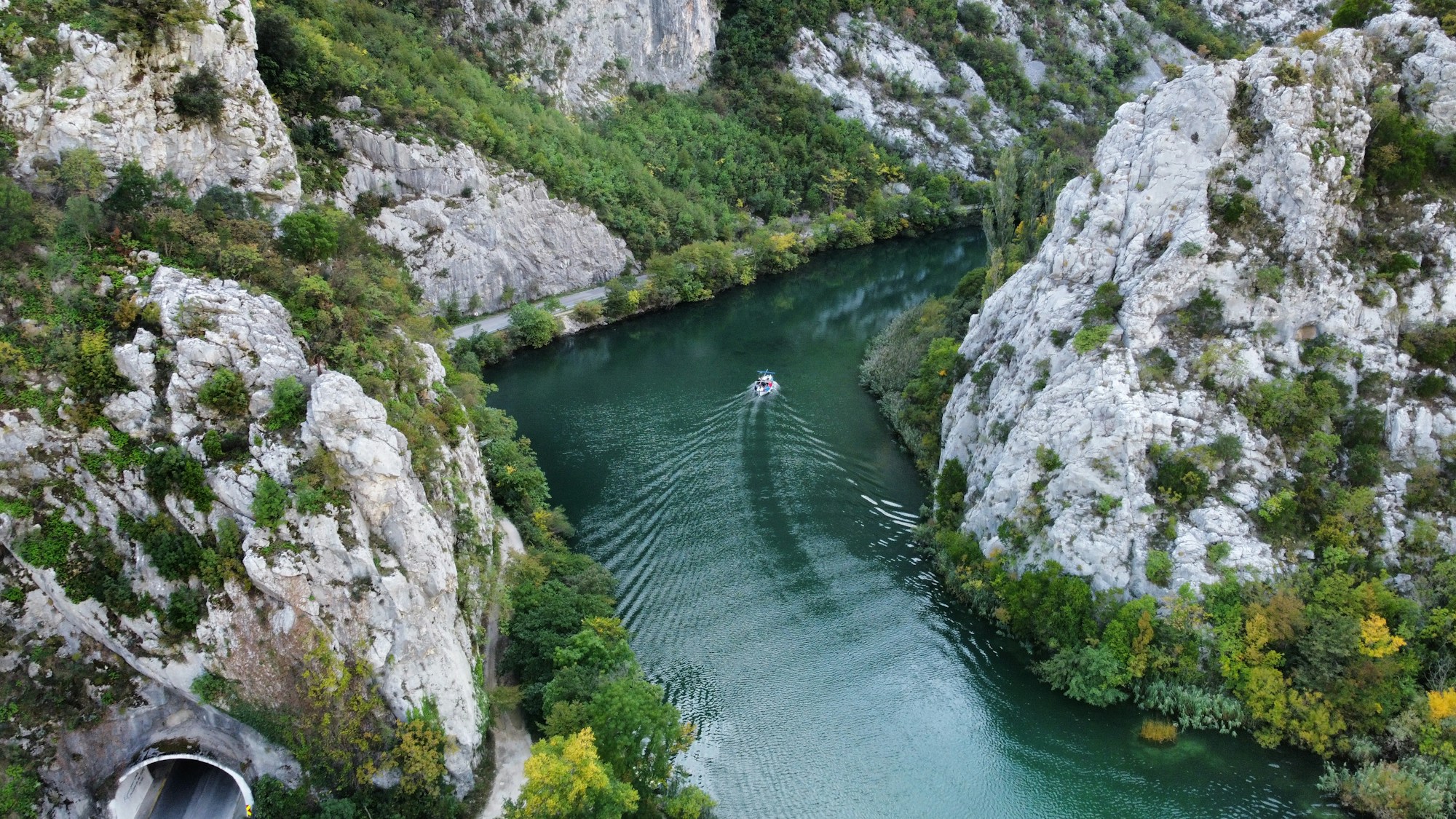
About 20 minutes north of Sinj, the Cetina River spring — nicknamed the « Eye of the Earth » — is a striking natural phenomenon: a basin of turquoise water of unknown depth (over 120 metres), surrounded by limestone cliffs. Swimming is forbidden (it’s a drinking water reserve), but a wooden platform offers a spectacular viewpoint. Further on, Peruća Lake, Croatia’s third largest lake, offers swimming and kayaking in a pristine mountain setting, as described by Go World Travel.
Highlights
- Recommended itinerary: Split → Klis (20 min) → Stella Croatica → Sinj (museum + shrine) → rural lunch → Cetina spring → Peruća Lake → back to Split
- Car hire in Split: around 40-45 EUR/day in August, parking in Sinj at 1 EUR/hour
- Private organised tour: 165-185 EUR/person for 5-6h with guide, transport and entry fees included
- Rafting on the Cetina available (40-55 EUR/person, 3h) for thrill-seekers
3. Food and culture of the Dalmatian hinterland
Authenticity and flavours of Dalmatinska Zagora
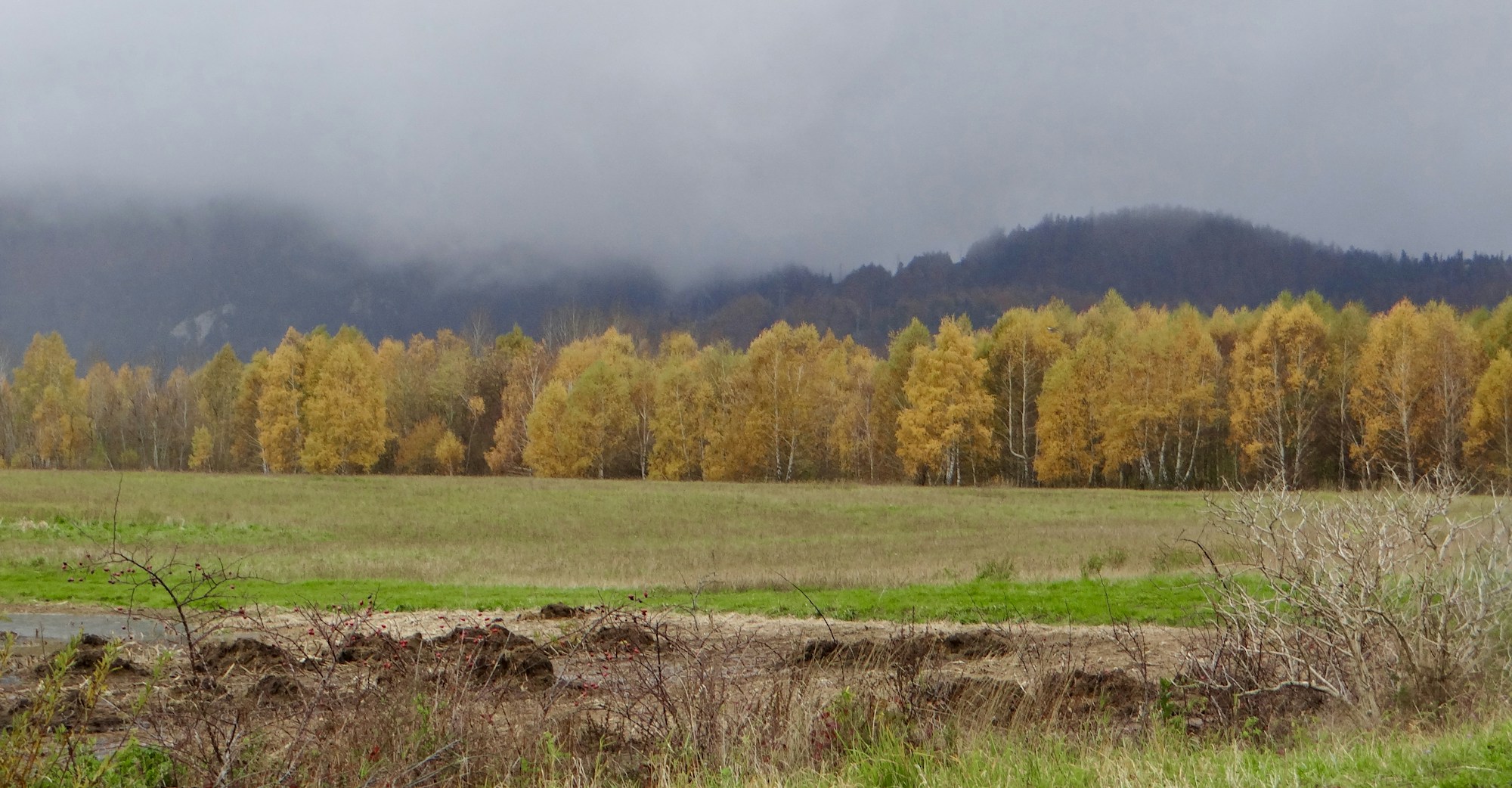
Far from the beachside bustle of Split and Dubrovnik, Dalmatinska Zagora (literally « behind the hills ») is being actively promoted by the tourist board as the authentic alternative to coastal overtourism gaining popularity in 2026. According to Euronews, Croatia is seeing a remarkable shift towards its hinterland in 2026. Sinj, while capturing only a fraction of the 95% of metropolitan overnight stays concentrated on the coast, has seen its tourist arrivals grow by 89% between 2012 and 2019.
Sinj’s specialities
Dalmatian hinterland cuisine is hearty and flavourful. Sinj’s signature dish is arambaši: minced beef, smoked bacon, onions and spices (clove, cinnamon, nutmeg, lemon zest), rolled in sour cabbage leaves and slow-cooked for two hours. Served with mashed potatoes, it costs around 10-14 EUR at a restaurant and is traditionally eaten during the Alka, at Easter and Christmas, according to Total Croatia News.
Peka (meat or octopus slow-cooked under an iron bell covered in embers) is another must-try experience, but it needs to be ordered in advance (allow 2-3 hours cooking time, 15-25 EUR per person). Also try Drniš pršut (local smoked ham), pašticada (beef stew with prunes), and soparnik (Swiss chard pie cooked under the peka).
Where to eat in Sinj
- Konoba Knez: renowned arambaši (~12 EUR), traditional atmosphere on the main street
- Buffet Šarić: an institution since 1972, ćevapi at 8-12 EUR, popular with locals
- Restaurant Marija: pašticada (~18 EUR) and peka on order, family cooking
- Stari Puntijar: fine dining by the river, full menu 40-60 EUR, booking recommended
Living traditions
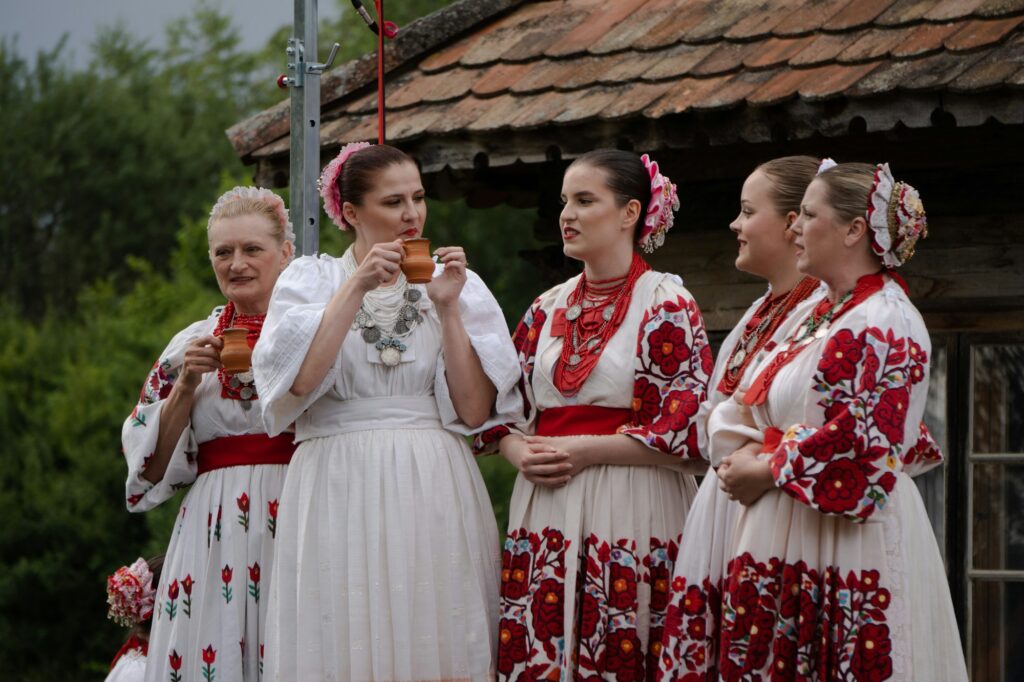
Beyond the Alka, the Cetina region is home to the Nijemo Kolo (silent circle dance), inscribed on the UNESCO list since 2011, danced without music to the rhythm of footsteps alone. The February-March carnival features the famous Didi s Kamešnice wearing 1.5-metre sheepskin hats. The polyphonic singing style Ojkanje is also inscribed on the UNESCO Intangible Cultural Heritage list as needing urgent safeguarding, according to Visit Sinj.
Practical info for your Sinj day trip
Stay connected in the Dalmatian hinterland without roaming fees. 1 GB from $4.50 USD, 5 GB/30 days for $10.50 USD. Set up in 5 minutes.
From $4.50 USDMedical coverage, repatriation and trip cancellation for your Croatia trip. Nomad Insurance from $56/4 weeks. 10% off via our Ambassador link.
From $56 / 4 weeksFrequently asked questions
When is the Sinjska Alka 2026 taking place?
The 311th edition of the Sinjska Alka takes place on Sunday 9 August 2026 (not 2 August as tradition would have it on the first Sunday of the month). The main race starts at 4:30 pm. The qualifying rounds (Bara and Čoja) are held on Friday 7 and Saturday 8 August. Source: Office of the President of the Republic of Croatia.
Can I buy tickets online for the Alka?
Yes — and it’s a first in 300 years! Tickets for the Sinjska Alka 2026 are sold online via Entrio.hr. Pre-registration is open to receive an alert as soon as they go on sale. Grandstand seats are limited (estimated at 10 to 30 EUR). Free standing spots along the course remain accessible without a ticket, but require arriving early. Source: Direktno.hr.
How long does it take to get from Split to Sinj?
35 minutes by car via the A1 motorway (Dugopolje exit then route 60, 35 km). By bus from Split’s main bus station, count 50 to 60 minutes for 5 to 12 EUR one way with Litre Tours or Promet. By taxi: around 70 to 90 EUR each way. Source: Rome2Rio.
Do I need a car to visit Sinj?
No, the bus is a practical and budget-friendly option. However, hiring a car (around 40-45 EUR/day in August) lets you easily combine multiple sites in one day: Klis Fortress, Alka Museum, Cetina spring, Peruća Lake and a rural lunch. Private guided tours from Split are also available.
What else is there to see in Sinj besides the tournament?
The Alka Museum (Europa Nostra Award 2025, 6-7 EUR), the Sanctuary of Our Lady of Sinj (important pilgrimage site), Gradina Fortress (panoramic view over the valley), the Friday market, and konobas for arambaši and peka. The area also features the Cetina spring (Eye of the Earth), Peruća Lake (swimming, kayaking) and the Cetina Gorge (rafting). Source: TangyOcean.
Is the Dalmatian hinterland really less touristy than the coast?
Yes, significantly. According to the SmartCultour study, 95% of tourist overnight stays in the Split metropolitan area are concentrated on the coast. The Split-Dalmatia tourist board is actively promoting Dalmatinska Zagora as an alternative to coastal overtourism. Sinj is growing fast (+89% arrivals between 2012 and 2019) but remains a preserved destination. Source: Dalmatia.hr.
Sources
- UNESCO: Sinjska Alka, a knights’ tournament in Sinj : Official Intangible Heritage listing
- Predsjednik.hr : 311th edition confirmed by President Milanović
- Croatia Week : Preparations for the 311th Sinjska Alka
- Alka.hr: Official Alka Museum : Rules, history and museum info
- Wikipedia: Sinjska Alka : History and scoring system
- Direktno.hr : 2026 online ticketing
- Sinj.hr : Official programme of Dani Alke i Velike Gospe 2026
- Rome2Rio : Split-Sinj transport
- TangyOcean : Complete tournament guide and travel tips
- InYourPocket : Practical info on the Alka Museum
- Stella Croatica: Klis Fortress : Opening hours and prices
- Go World Travel : Cetina River spring
- Euronews : Shift towards Croatian hinterland in 2026
- Dalmatia.hr : Dalmatinska Zagora, alternative to overtourism
- Total Croatia News : Sinj food guide
Research conducted on 13 July 2026.

Plan your trip with Pixidia
Pixidia learns how you travel and helps you build a trip that truly fits you and everyone coming along.
Open the planner