
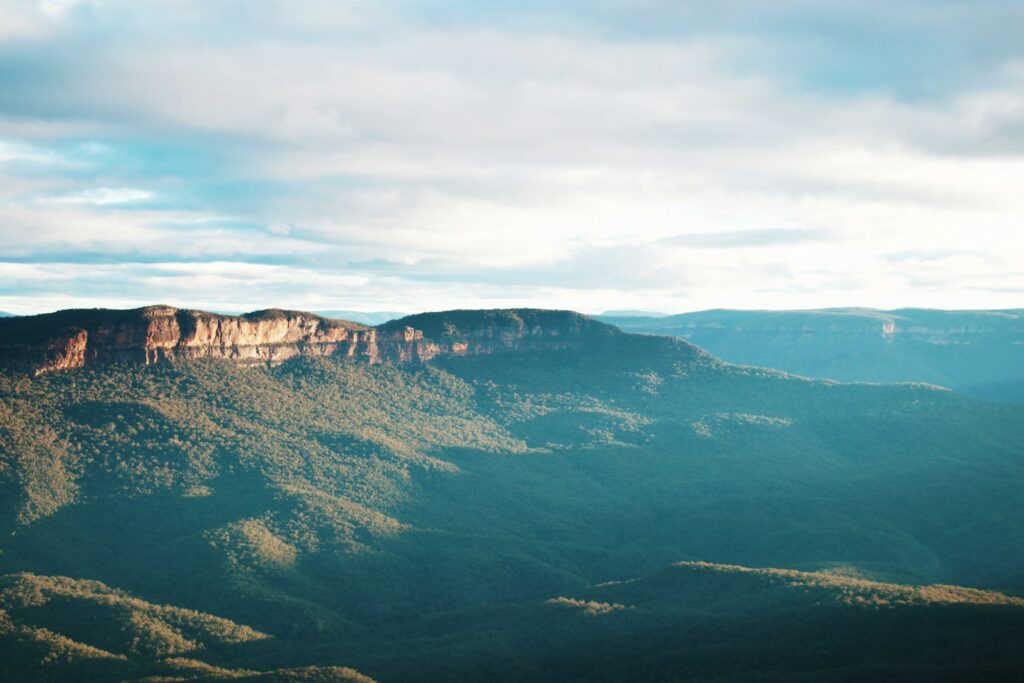
The Garma Festival 2026 takes place from 31 July to 3 August on the sacred site of Gulkula, in Arnhem Land (Northern Territory, Australia). Organised by the Yothu Yindi Foundation, it is Australia’s largest Aboriginal cultural gathering, blending ceremonial dances (bunggul), a national political forum, and art workshops. The 2026 theme is « Bukmak » (Everyone). General admission tickets (A$3,220) have been sold out since February; limited corporate tickets remain. Access is by air via Darwin (1h10 on Airnorth) with a complimentary shuttle included. A unique off-grid bush experience with no phone reception and no alcohol, requiring booking months in advance.
Since 1999, the Garma Festival has been the most singular event on the Australian calendar: four days in the heart of Arnhem Land, on the ancestral site of Gulkula, blending a celebration of Yolngu culture, a high-level political forum, and a bush camping experience. Not quite a festival, not quite a conference, not quite a pilgrimage — yet somehow all three at once. The 26th edition, from 31 July to 3 August 2026, sold out in February, proof that this unique gathering shows no sign of slowing down.
The Garma Festival: a gathering like no other
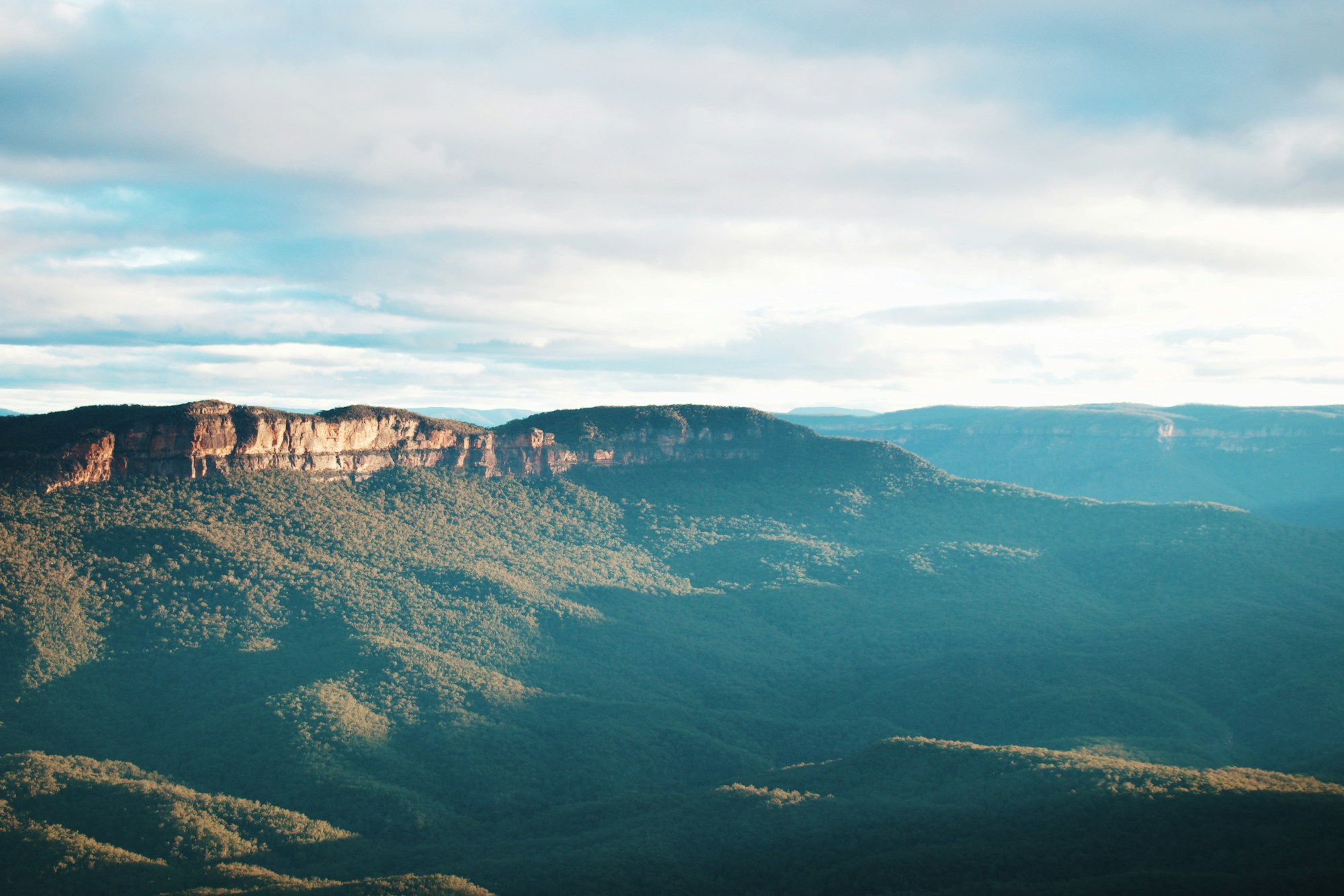
Born from an « unfulfilled promise » made to the Yolngu people by the Australian government, the Garma Festival began in 1999 as a modest garden barbecue with five non-Indigenous guests. Twenty-six years on, it brings together 2,500 to 3,500 participants each year from across Australia and overseas, according to the Yothu Yindi Foundation (YYF). Its name comes from the Yolngu Matha word garma, meaning « two-way learning process »: a mutual exchange of knowledge between Yolngu and non-Indigenous people.
Beyond the cultural celebration, the festival has established itself as a major political fixture on the Australian calendar. It is at Garma that Prime Ministers regularly announce major First Nations policies. In 2025, Anthony Albanese unlocked A$176 million for an Indigenous economic development plan. In 2023, he committed A$6.4 million for the Garma Institute, a future Yolngu university centre, according to ABC News. The Garma Key Forum has become a platform where Indigenous and national leaders debate reconciliation, health, and economic development.
Organised by the Yothu Yindi Foundation, which represents the five Yolngu clans (Gumatj, Rirratjingu, Djapu, Galpu, Wangurri), the festival takes place on the sacred site of Gulkula, about 40 kilometres from Nhulunbuy, overlooking the Gulf of Carpentaria. According to Yolngu cosmology, this is where the ancestor Ganbulabula brought the yidaki (didgeridoo) into existence: a place charged with meaning that gives the gathering its spiritual dimension.
The Yolngu people and the sacred site of Gulkula
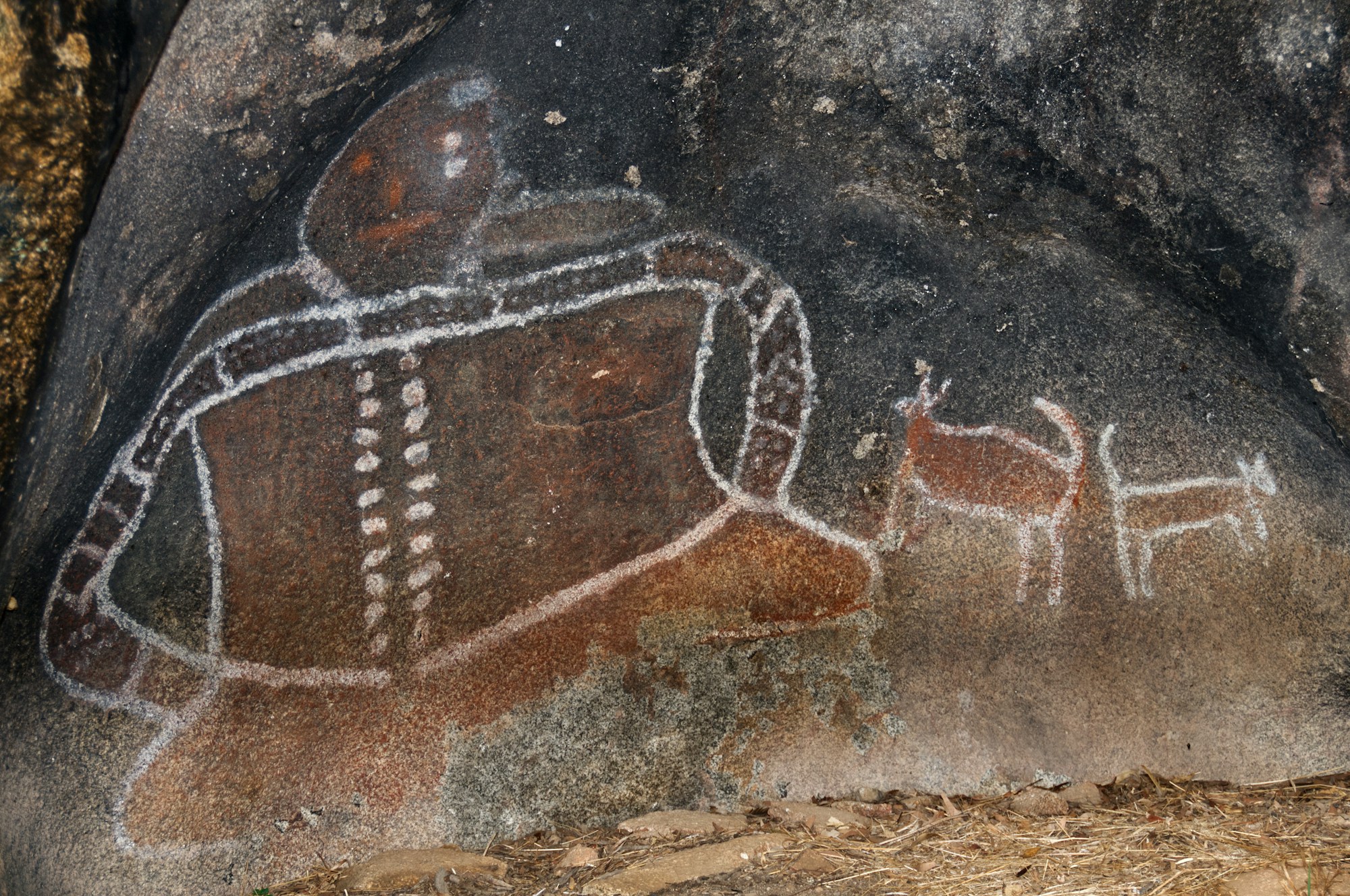
The Yolngu people are the traditional owners of north-east Arnhem Land, a territory of over 40,000 km² stretching from Cape Stewart to the Gove Peninsula. « Yolngu » means « person » in their dialects. Organised into around fifty clans divided into two exogamous moieties (Dhuwa and Yirritja), they speak Yolngu Matha, a group of languages from the Pama-Nyungan family where each clan has its own patrilect.
Yolngu social structure is patrilineal: clan membership from the father determines the moiety (Dhuwa or Yirritja), and a Dhuwa must marry a Yirritja. Key roles include the waku (sister’s children, « managers »), the ngandi (mother’s clan) and the mari (grandmother’s clan). This complex system governs not only marriages but also land rights, ceremonies, and the transmission of knowledge.
The sacred site of Gulkula is at the heart of Gumatj identity. According to Indigenous.gov.au, the Yunupingu family — brothers Dr M. Yunupingu (leader of Yothu Yindi) and Yunupingu (Gumatj leader for land rights) — founded the festival on this historic site. Today, the Gumatj Corporation, an Indigenous enterprise led by the clan, operates the world’s first 100% Indigenous-owned bauxite mine and is involved in developing the Arnhem Space Centre, a space launch base in partnership with Equatorial Launch Australia and NASA.
Gulkula: the origin of the yidaki
The festival site, Gulkula, is one of the most sacred places in Yolngu cosmology. According to Gumatj clan tradition, this is where the ancestor Ganbulabula brought the yidaki (didgeridoo) into existence while searching for honey, connecting the clans across all of Arnhem Land. The site overlooks the Gulf of Carpentaria and provides a spectacular setting for the bunggul ceremonies at sunset.
Art and sacred knowledge
- Miny’tji: art created with natural ochres and cross-hatching, tied to specific moieties and clan responsibilities
- Manikay: ancestral song series among the world’s oldest continuous musical traditions, accompanied by yidaki and bilma (clapsticks)
- The Buku-Larrnggay Mulka Centre in Yirrkala: a world-renowned art centre representing 300 Yolngu artists and 39 major awards (NATSIAA, Wynne Prizes)
Sacred knowledge (Madayin) is distributed according to clan, age, gender, and relationship. There is a fundamental distinction between « inside » knowledge (secret and sacred) and « outside » knowledge (public). Elders access restricted knowledge as they age — a complex system that the Garma Festival allows visitors to glimpse without ever violating.
2026 edition: the « Bukmak » theme and highlights
For its 26th edition, the Garma Festival adopts the theme « Bukmak » — « Everyone » in Yolngu language. Announced in April 2026 by CEO Denise Bowden, it is described as « an expression of unity and a celebration of the diversity of modern Australia, » according to StyleUpNIT. A resonant choice against the backdrop of rising anti-immigration rhetoric worldwide.
On the ticketing front, the 24 February 2026 release saw general admission tickets (A$3,220) sell out within hours. Only corporate tickets (A$5,500) remain, available by contacting YYF directly. For the 2027 edition, the key is to sign up for the Yothu Yindi Foundation newsletter and be ready to buy as soon as sales open, typically late February. The festival sells out every year, often months in advance.
Another major development for 2026 is the renewal of the media partnership with NITV and SBS through to 2028, announced on 20 May 2026. According to B&T, this agreement guarantees national coverage via NITV and broadcast in 60+ languages via SBS Audio, including Mandarin and Arabic.
Programme highlights
- The Key Forum: a major political event where the Australian Prime Minister and national leaders debate First Nations policies — Anthony Albanese announced A$176M for Indigenous economic development at the 2025 edition
- Sunset bunggul: songs, clapsticks, yidaki and ceremonial dances in the red dust of the Gulkula site
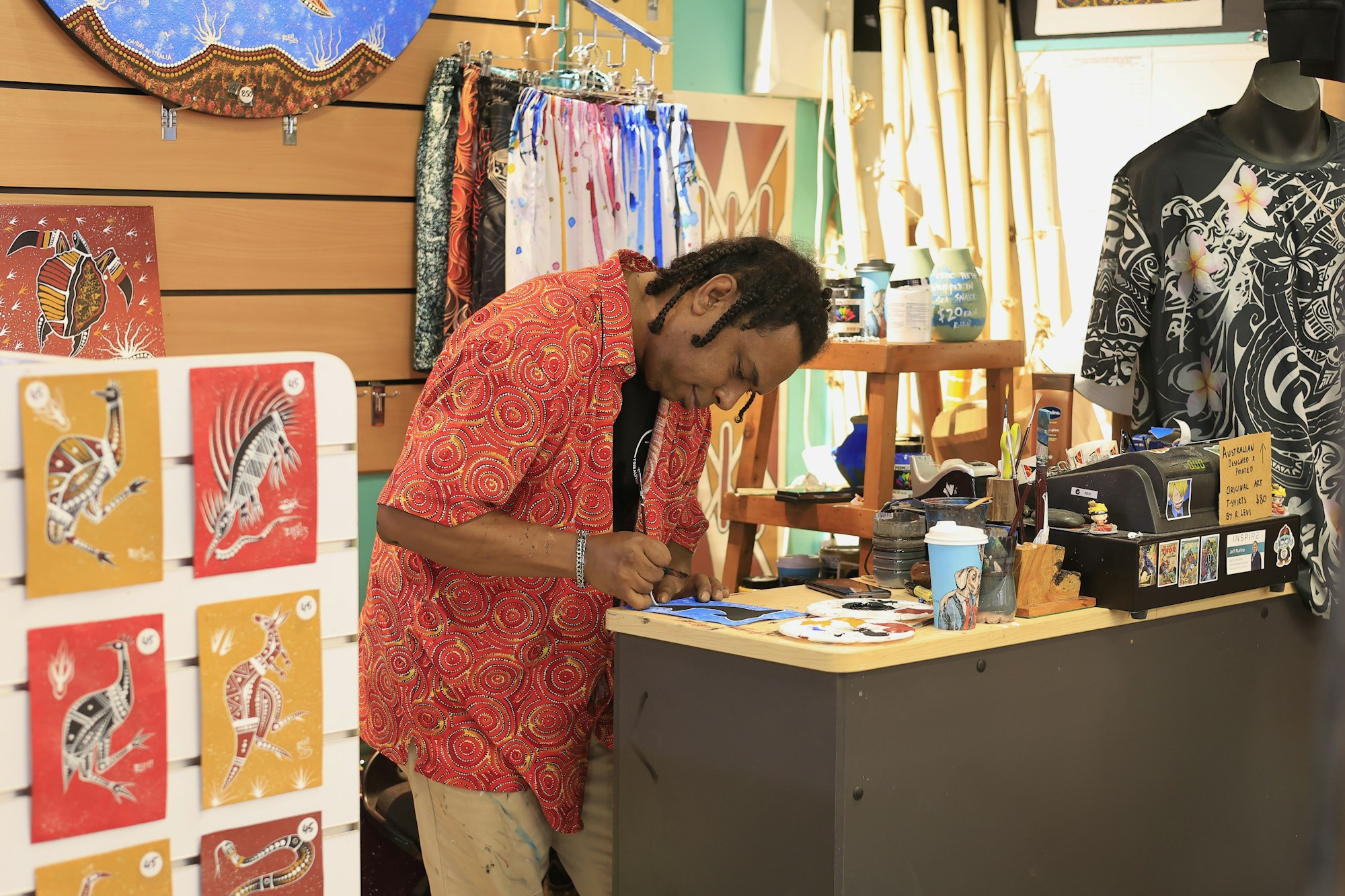
- The Gapan Gallery: open-air art gallery under the stars, buying directly from Yolngu artists
- The Youth Forum (ages 8-18): workshops and debates for young people, which launched the « Fire Carriers » movement in 2025
- The Women’s Healing Space: traditional healing by Yolngu women, described by participants as a deeply moving experience
- Cultural workshops: weaving, spear-making, bush tucker initiation, yidaki masterclass
Garma in public debate
The festival is not without controversy. Its high price tag (A$3,220) has drawn accusations of elitism, with Senator Kerrynne Liddle arguing that « the festival does not represent the hundreds of other language groups, » according to Gympie Today. Sponsorship by Rio Tinto, responsible for the destruction of the Juukan Gorge sacred site in 2020, raises questions about what some call « ethics-washing. » Academic analyses also point to the risk of « emotional extraction »: visitors seeking a form of personal redemption through contact with Yolngu without concrete political commitment.
As Christy O’Brien, a journalist born in Ramingining, told the Riverine Herald: « You can’t admire the ancient culture with one hand and ignore the politics with the other. » An invitation to approach Garma not as an exotic spectacle, but as a gateway to the complex realities of Australia’s First Nations.
Living Garma: the on-site experience
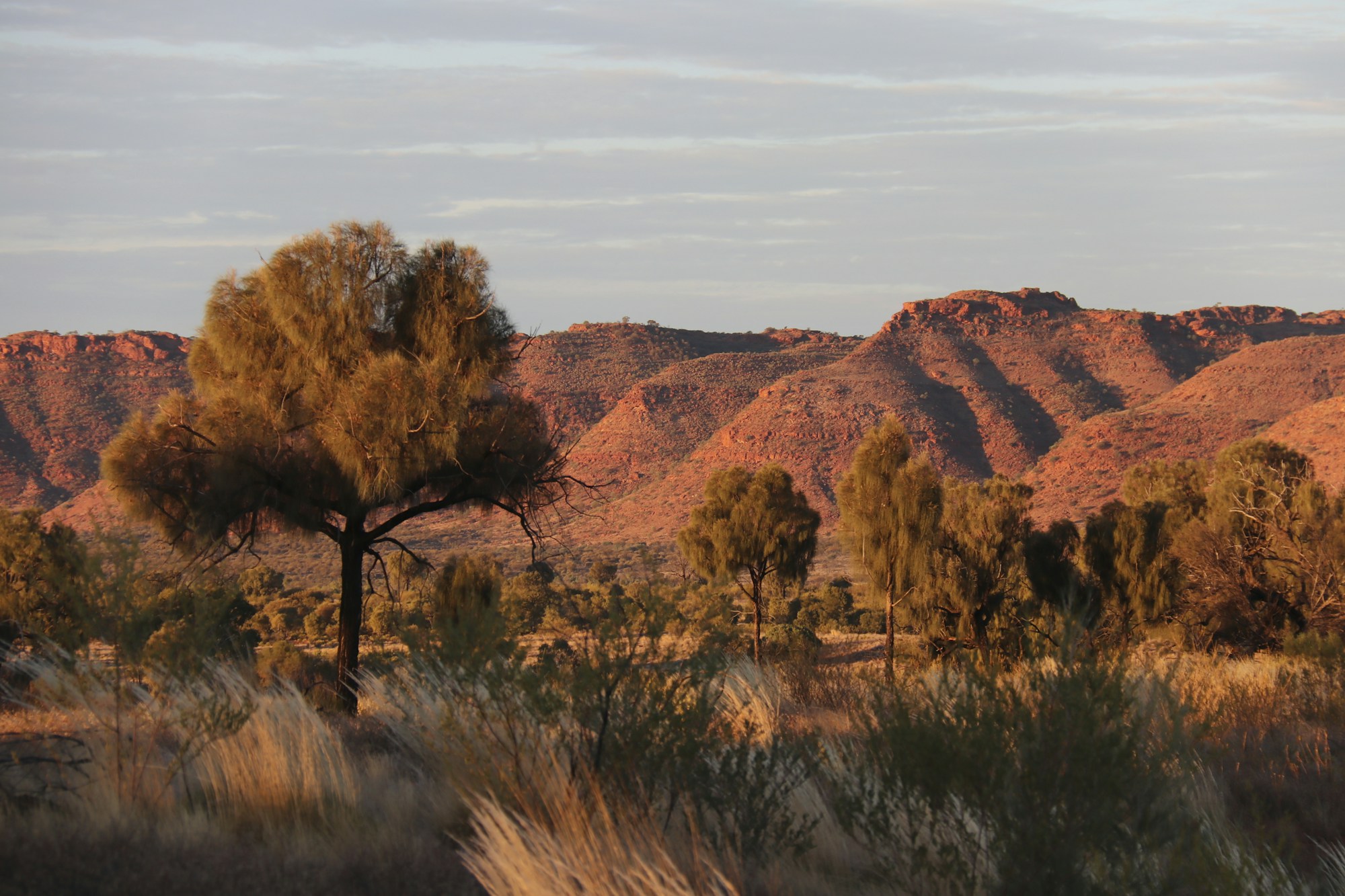
The Garma Festival is not your typical festival. Participants camp on site in individual tents provided (a four-person tent per person with a camp stretcher), on a bush site with no electricity or phone reception. The festival is dry: no alcohol is permitted on site, in accordance with Arnhem Land community rules. Days start early with cultural workshops, continue with political forums in the afternoon, and culminate with bunggul at sunset, followed by night concerts under the stars.
The total budget for a traveller from the UK is estimated between £3,300 and £4,800, including return London to Darwin flights (£1,050 to £1,400), the Darwin-Gove domestic flight (£210 to £590 on Airnorth), the festival ticket (A$3,220 / approximately £1,650), and personal expenses. For more trip ideas in Australia, check out our guide to new hotels and experiences in Australia in 2026. A significant investment, but one that includes accommodation, all meals, and all activities across four days.
What visitors say
Makkaillah Ridgeway, a young Worimi/Biripi/Gamilaraay woman, sums it up: « When people say you need to go to Garma if you get the chance, and that it’s a life-changing experience, my verdict is to take their advice. » Reported by the University of Melbourne. Actor Jack Thompson, a participant for over seven years, told Australian Traveller: « I don’t need to go to Africa to feel and experience a unique and ancient culture. It’s all right here. »
Tips for a great experience
- Total disconnect: no phone network — bring a power bank and head torch
- Sun protection: SPF 50+ essential, wide-brimmed hat, sunglasses
- Clothing: lightweight layers for daytime (27-34 °C), warm jacket for evenings (18-22 °C)
- Gear: bring your own sheets and pillow (not provided), a folding chair, and a groundsheet
- Hydration: insulated water bottle — refill stations are available on site
- Respect: always ask permission before taking photos, sit quietly during speeches, don’t publish images of deceased people
Practical info: getting there, accommodation, and formalities
Getting to the Garma Festival from the UK requires careful planning. The travel window is narrow: the festival takes place during the Australian winter, which coincides with the dry season (May to October) — the only recommended time to visit Arnhem Land. In August, temperatures range from 27 to 34 °C during the day and 18 to 22 °C at night, with virtually no rain. Here are the key steps to organise your trip.
Step 1: book your flights. There are no direct flights from the UK to Darwin. Most routes go via Singapore, Dubai or Doha with airlines such as Singapore Airlines or Qatar Airways. From Darwin, Airnorth operates flights to Gove (1h10) and Cairns-Gove (1h40). A complimentary shuttle from Gove Airport to the festival site is included in your ticket. Driving (Central Arnhem Road, ~675 km of unsealed track) is not recommended, even with a 4WD.
Step 2: permits. Arnhem Land is protected Indigenous land. Your Garma ticket serves as a transit permit directly to the festival. To explore other areas, an additional permit from the Northern Land Council (NLC) or the Dhimurru Aboriginal Corporation is required.
Step 3: accommodation. Camping on the festival site is mandatory for pass holders: a four-person tent is provided with a camp stretcher per person. Bring your own sheets, pillow, and a padlock for your tent. Campervans and caravans are not permitted. For those arriving before or leaving after the festival, the Walkabout Lodge in Nhulunbuy (~A$205 per night) is the closest option.
The only regular scheduled airline to Gove Airport (GOV). 1h10 flight time. Prices rise during festival season: book as early as possible.
From A$330Stay connected from the moment you land in Darwin or Gove with a local eSIM. No physical SIM needed, instant activation.
From US$4.50Nomad Insurance: global medical coverage from $56/4 weeks. 10% off via our Ambassador link. Essential for a remote location like Garma with only basic on-site care.
From $56 / 4 weeksFrequently asked questions
When is the Garma Festival 2026?
From Friday 31 July to Monday 3 August 2026. Gates open on Thursday 30 July at 5:30 PM and close on Tuesday 4 August at 10 AM. Monday 3 August is a public holiday in the Northern Territory (Picnic Day). Source: YYF.
How much does a Garma Festival ticket cost?
General adult admission is A$3,220 (includes individual tent, sleeping bag, camp stretcher, all meals, all activities, and airport transfer). Children aged 6-17 pay A$1,950, under-5s are free. All 2026 general admission tickets are sold out. Corporate tickets (A$5,500) remain available by direct contact. Source: StickyTickets.
How do I get to the Garma Festival from Darwin?
The best option is to fly Airnorth from Darwin to Gove (1h10). A complimentary airport shuttle is included in your ticket. Driving (Central Arnhem Road, ~675 km of unsealed track) is not recommended, even with a 4WD, due to its isolation and frequent accidents. Source: YYF Travel.
Do I need a permit to attend the Garma Festival?
Yes, Arnhem Land is protected Indigenous land under the Aboriginal Land Rights Act 1976. Your festival ticket serves as a transit permit directly to the site. To explore other areas of Arnhem Land before or after the festival, an additional permit from the Northern Land Council or the Dhimurru Aboriginal Corporation is required. Road access via the Ramingining Road is not permitted. Source: NLC.
What does « Garma » mean?
« Garma » comes from the Yolngu Matha language and means « two-way learning process »: the mutual exchange of knowledge between Yolngu and non-Indigenous people. This concept is at the heart of the festival’s philosophy — not merely a cultural showcase but a genuine dialogue. Source: SBS.
Can I buy art at the Garma Festival?
Yes, the Gapan Gallery is an open-air art gallery set up on Friday evening. Visitors can buy works directly from Yolngu artists: bark paintings, sculptures, weavings. It is a direct way to support the local economy and artists from Arnhem Land communities. Source: YYF.
- yyf.com.au : Official Garma Festival website / Yothu Yindi Foundation
- SBS News : Introduction to the Garma Festival
- SBS About : NITV/SBS partnership renewal 2026-2028
- StyleUpNIT : 2026 « Bukmak » theme
- StickyTickets : Official Garma 2026 ticketing
- Indigenous.gov.au : History of the Garma Festival
- Northern Land Council : Arnhem Land access permits
- Dhimurru Aboriginal Corporation : Additional permits
- Australian Traveller : Practical guide to the Garma Festival
- NIT News : Funding and attendance
- ABC News : PM Albanese’s Key Forum 2025 announcement
- SBS NITV : Denise Bowden speech (Garma 2024)
- Airnorth : Darwin-Gove flights for Garma
- Buku-Larrnggay Mulka Centre : Yirrkala art centre
- University of Melbourne : Testimony by Makkaillah Ridgeway
- PM.gov.au : Garma Institute funding announcement

Plan your trip with Pixidia
Pixidia learns how you travel and helps you craft a journey that truly reflects who you are and who you’re traveling with.
Open the planner