
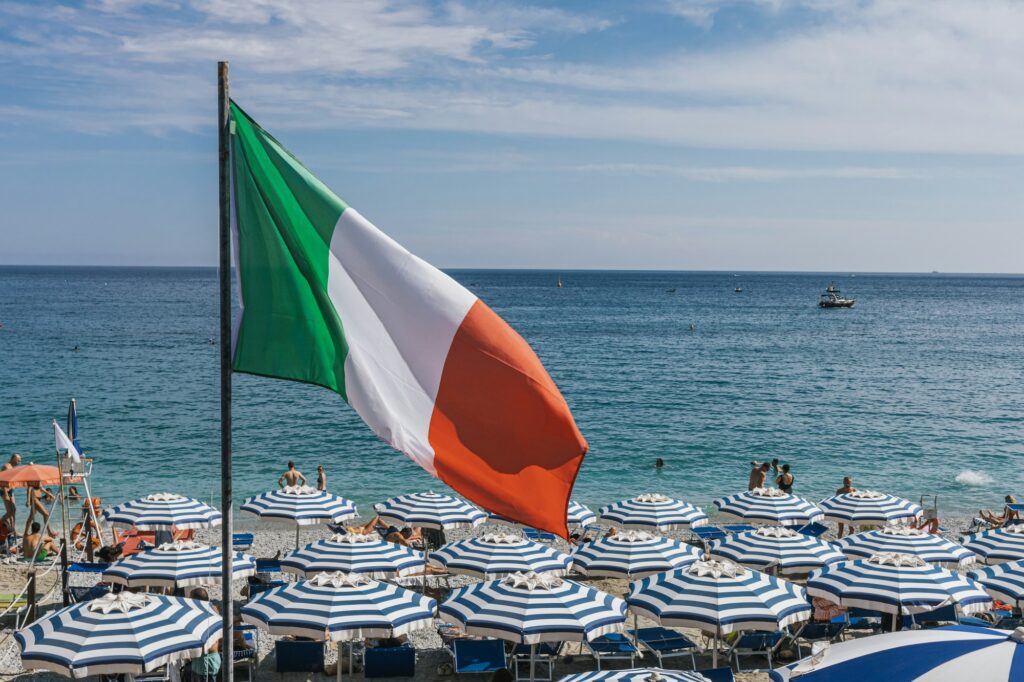
On 15 August 2026, most local shops, banks and public offices across Italy close, but the major tourist sites keep their usual opening hours. In Rome, only the Vatican Museums close specifically on 14 and 15 August, while the Colosseum, the Roman Forum and the Pantheon welcome visitors as normal, guided access staying open on 96% of days through November 2026 from €64 per adult. Italy expects 17.4 million tourists in the 1-23 August window alone. Book restaurants and activities at least 5 days ahead, and head for quieter areas (the Adriatic coast, the Dolomites, inland towns) to dodge the crowds.
There’s no bank holiday on 15 August in the UK, so nothing in the British calendar quite prepares you for what Ferragosto does to Italy. Scotland’s Summer Bank Holiday falls on 3 August 2026, and England, Wales and Northern Ireland’s on 31 August, according to GOV.UK — neither date lines up with the one that actually matters to Italians. On paper, Ferragosto is a single public holiday. In practice, it’s the day the whole country seems to down tools at once, and every summer the same question reaches us from readers planning a trip around it: does Italy really shut down? The truth in 2026 is more nuanced than the reputation suggests. Between ancient Roman origins, Catholic doctrine and a nationwide tradition of beach picnics, this guide breaks down what genuinely closes on 15 August, what stays open, and where to go when the Amalfi Coast is fully booked.
Why Italy stops on 15 August: the origins of Ferragosto
The name comes from the Latin Feriae Augusti (« Augustus’s rest »). According to Latin scholar Maria Jennifer Falcone, quoted by AGI, Emperor Augustus instituted the holiday in 18 BC, originally set on 1 August to mark the anniversary of the fall of Alexandria that had cemented his power. The celebration absorbed earlier agricultural rites, the Vinalia rustica and the Consualia, and gave workers a rest after the harvest.
In the 5th century, the Catholic Church fixed the Feast of the Assumption of Mary on 15 August, folding the pre-existing pagan celebration into the Christian calendar. The doctrine only became an official dogma of faith in 1950, under Pope Pius XII, via the apostolic constitution Munificentissimus Deus, as the Vatican confirms. Unlike Easter, the date never moves from one year to the next: 15 August 2026 falls on a Saturday, creating a natural long weekend without any « bridge day » to book off.
The social turning point came under Mussolini’s regime. In 1931, the state railways launched the « Treni popolari di Ferragosto » (« Ferragosto people’s trains »), heavily discounted excursions valid from 13 to 15 August. For the first time, working-class Italians could reach the sea or the mountains, often for the very first time in their lives. That’s how the tradition of the « gita fuori porta » (the day trip out of town) was born: around 7.5 million Italians still keep it up every year, according to press estimates relayed by CatanzaroInforma. It’s also where the packed-lunch picnic comes from — the direct ancestor of today’s beach barbecue.
What closes, what stays open on 15 August 2026: the practical guide
The first thing to know before you pack: Ferragosto doesn’t hold « super-holiday » status under Italian commercial law, unlike 1 January, Easter, 1 May or Christmas. Shopkeepers can therefore legally open without any authorisation or advance notice if they choose to, as Umbriajournal explains. The closures you’ll actually see are an individual choice, not a legal obligation — which is exactly why they vary so much from city to city, and street to street.
Usually closed
- Small neighbourhood shops: hardware stores, dry cleaners, local hairdressers
- Banks, post offices and public administration buildings
- Some family-run restaurants: in Bologna, only about a third stay open
- The Vatican Museums, closed specifically on 14 and 15 August
Stays open
- Major state museums and sites: the Colosseum, the Roman Forum, the Pantheon, the Uffizi, Pompeii
- Rota pharmacies (« farmacie di turno »), listed online or on shopfront notices
- Supermarkets, though with reduced hours depending on the chain
- Seaside resorts, bars and restaurants in tourist areas
According to a survey by food guide VinoRoma, cited on Tripadvisor forums, out of roughly 130 Rome restaurants tracked, only 19 have no closures planned in August at all — so it’s worth booking ahead. The consensus among travellers on Tripadvisor and the Rick Steves Travel Forum is that things have improved noticeably compared with fifteen or twenty years ago, as rising summer visitor numbers have pushed most visitor-facing businesses to stay open.
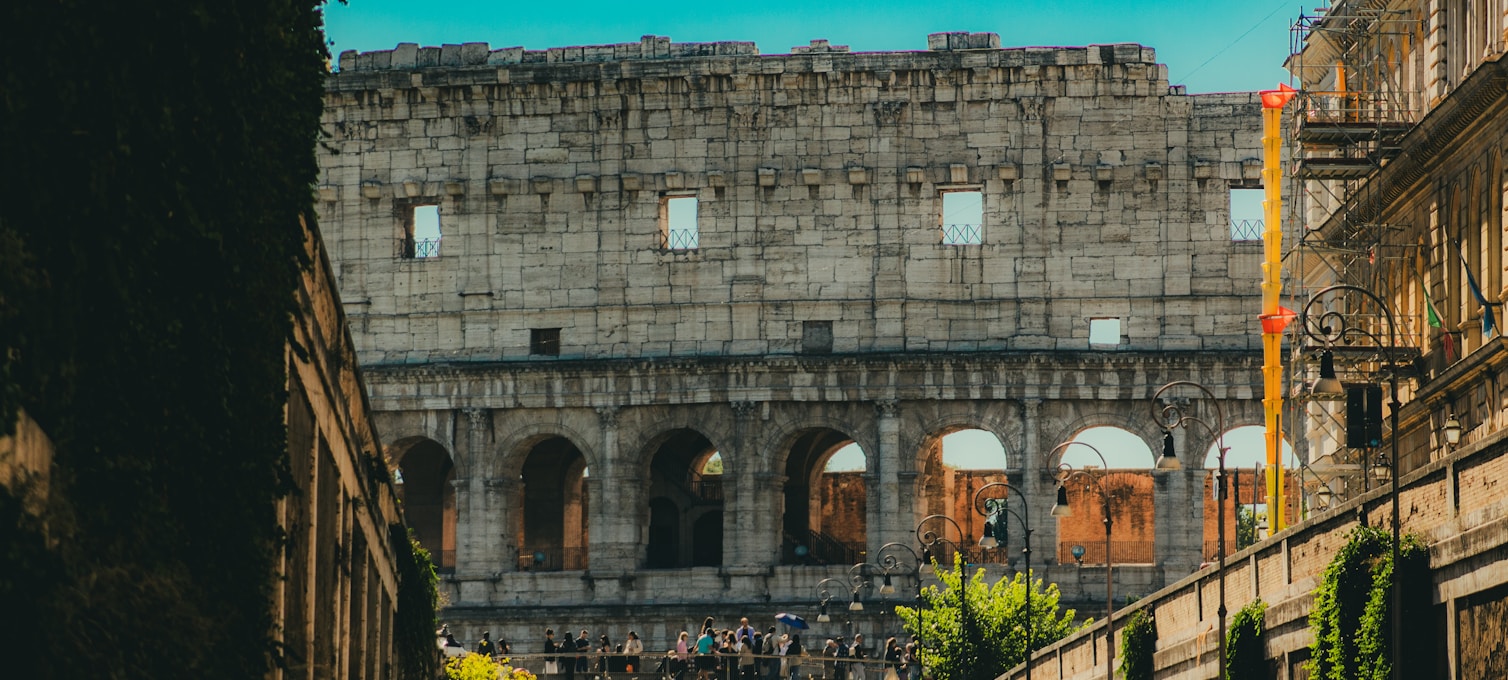
Rome: the clearest example
This is the real Rome exception: the Vatican Museums close specifically on 14 and 15 August, while the Colosseum, the Roman Forum, the Pantheon and St Peter’s Basilica stay open at their usual hours, as confirmed by Romewise. Rome’s civic museums (Musei in Comune) also run as normal. To eat like a local rather than queue in the historic centre, the Testaccio covered market is still a safe bet.
Highlights
- Colosseum, Roman Forum and Pantheon open at normal hours on 15 August
- Rota pharmacies open all day on a rolling schedule
- Shorter queues than peak season, with Romans away at the coast
The real festivities on 15 August (and the ones people mix up)
Far from the image of a country switched off, several events genuinely take place on Ferragosto itself. In Fermo, in the Marche region, the Cavalcata dell’Assunta is Italy’s oldest historical re-enactment: its origins are documented as early as 1182, and the 2026 edition will be the 45th of its modern form, featuring a horse race contested between ten city districts. In Messina, Sicily, the Processione della Vara parades a 14-16 metre pyramidal votive float, pulled by hundreds of white-clad faithful from Piazza Castronovo to Piazza Duomo, with fireworks at 11pm. The 2026 edition marks the centenary of the modern Vara and coincides with the Perseids meteor shower peak during a new moon — a rare overlap covered by the Sicilian press.
In Sardinia, the Red Valley Festival takes over Olbia Arena from 13 to 15 August with a pop, rap and urban line-up. Along the coast, around thirty towns hold seaside processions followed by night-time fireworks between 10.30pm and midnight: Positano in Campania, Santa Maria di Leuca in the Salento, Marina di Ragusa and Mondello in Sicily, Grado and Lignano Sabbiadoro in Friuli, Pietra Ligure and Alassio in Liguria, and Castellammare di Stabia on the Bay of Naples, according to figures compiled by Idealista.
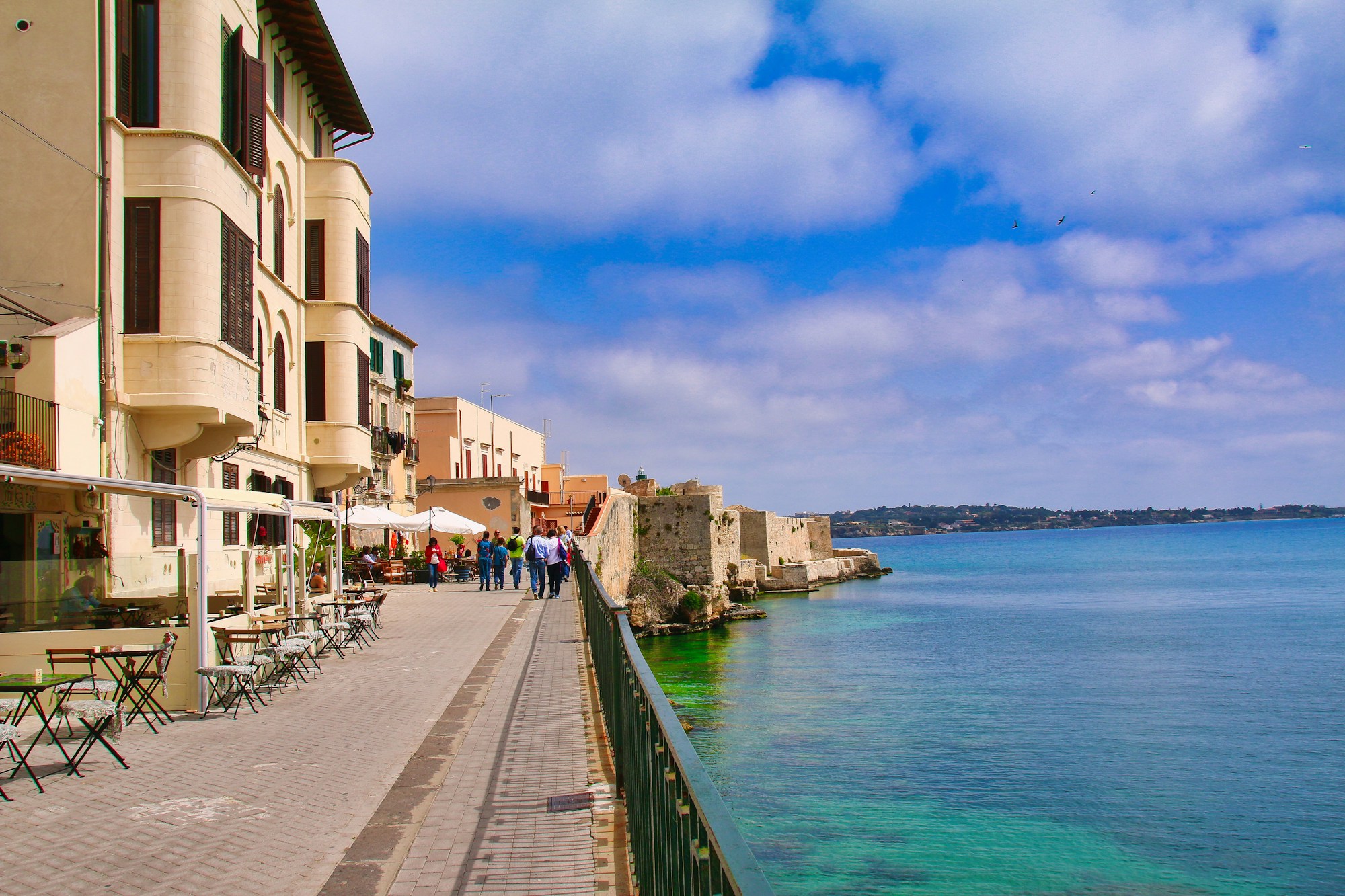
Sicily: religious tradition meets a coastline in full party mode
Beyond Messina, Sicily piles on the summer events: the Birrocco craft beer festival in Ragusa (13-16 August), a seaside procession and midnight fireworks at Marina di Ragusa, or the feast of Maria Santissima di Porto Salvo in Mondello and Capo d’Orlando. A far livelier 15 August than the « country at a standstill » image suggests.
Highlights
- Vara di Messina: centenary of the modern edition in 2026
- Clear skies ideal for the Perseids peak right after the fireworks
- Seaside processions in around thirty coastal towns on 15 August
One word of caution: several high-profile events are regularly mixed up with 15 August itself, when they actually happen on completely different dates.
| Event | Real date in 2026 | Common mix-up |
|---|---|---|
| Palio dell’Assunta (Siena) | 16 August | Often assumed to fall on Ferragosto itself |
| Regata Storica (Venice) | 6 September | Doesn’t take place during Ferragosto at all |
| Notte della Taranta, final concert (Melpignano) | 22 August | The tour actually skips 15 August |
| Varia di Palmi, UNESCO heritage (Calabria) | 30 August | Often wrongly linked to Ferragosto |
The Palio dell’Assunta actually runs on Sunday 16 August 2026 in Piazza del Campo, as confirmed unambiguously by the official Palio di Siena URL. Venice’s Regata Storica, meanwhile, takes place on 6 September 2026 according to Veneziaunica, three weeks after summer officially ends. If you’re extending a Siena trip, both dates are worth marking in the calendar.
What to do instead on 15 August 2026: mountains, alternative coastlines and emptied-out cities
With repeated heatwaves (Italy has already had more than twenty cities under a red health alert this summer, with a peak of 40.1°C in Bologna in late June, according to Wanted in Rome), the mountains are climbing fast in 2026 preferences: up 2.3%, or 11.7 million overnight stays across the summer according to the Ministero del Turismo. Trentino-Alto Adige even posts the country’s highest occupancy rate on 15 August, at 52.28%.
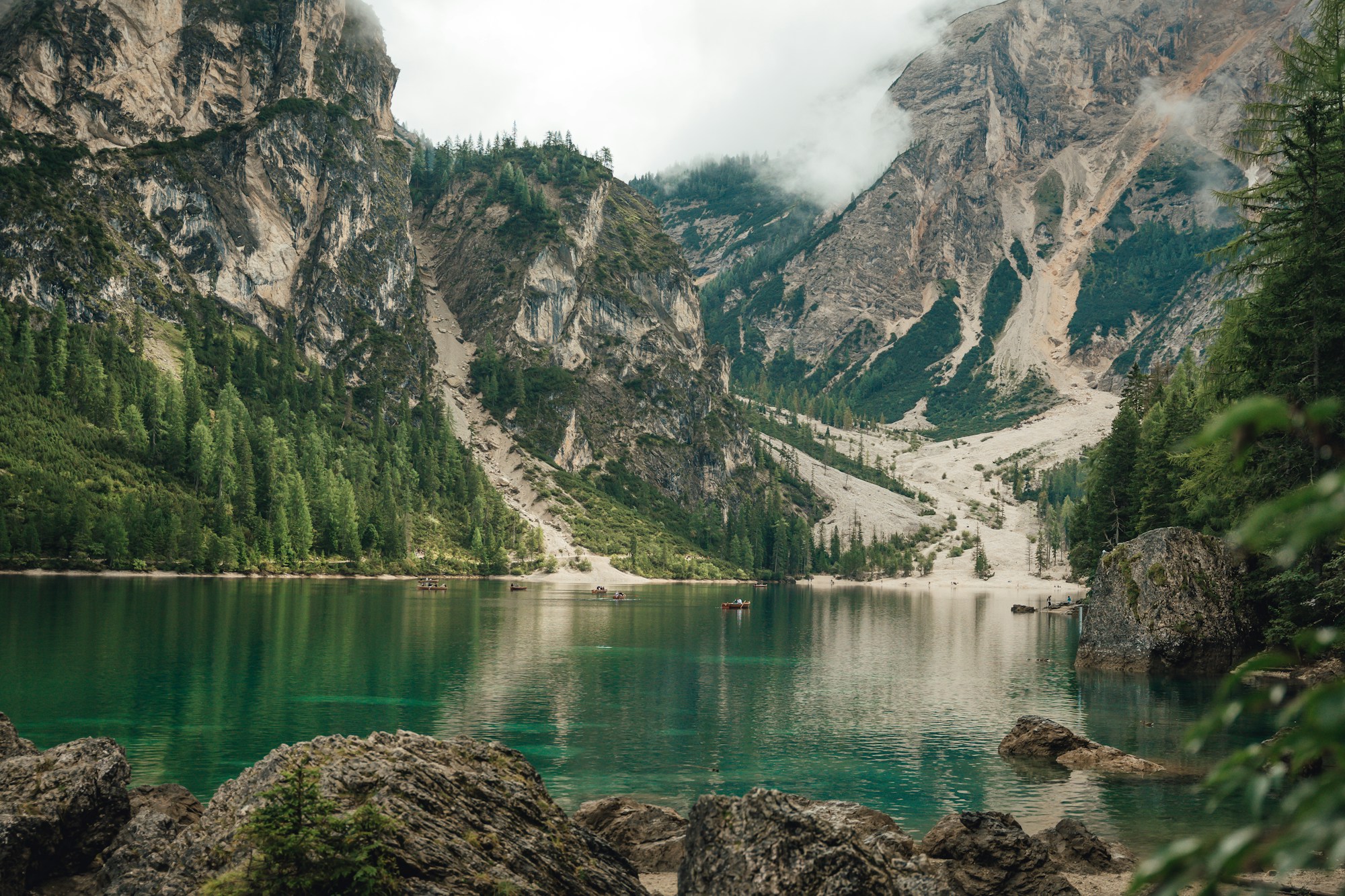
The Dolomites: 2026’s rising alternative
Lake Braies, Lake Carezza, the Aosta Valley or the Gran Sasso massif in Abruzzo: these high-altitude destinations offer 15-22°C daytime temperatures while the cities swelter. Another budget-friendly option: Campo Imperatore in Abruzzo, nicknamed Italy’s « Little Tibet », with the village of Santo Stefano di Sessanio nearby.
Highlights
- Noticeably cooler than the coast
- Mountain huts and trails accessible without extreme advance booking
- « Low-cost mountain » alternative under €500, as reported in the Italian press
Along the coast, several alternatives stay noticeably less crowded than the Amalfi Coast or the Cinque Terre: the Adriatic coastline in Marche, Abruzzo and Molise (Silvi Marina, Alba Adriatica, Grottammare, Campomarino), Calabria (Tropea, the Cedar Coast, Soverato), the Cilento and Basilicata (Metaponto, the beaches of Palinuro), or the Salento with spots like Torre Castiglione as an alternative to Porto Cesareo. The advice that comes up in most guides: head out before 8.30am or after 7pm to enjoy the same beaches without the crowds, even if it means a fifteen-to-twenty-minute walk to a quieter cove.
On the art-city front, Matera, Syracuse, Sicily’s Val di Noto or the inland villages of Marche and Friuli are absorbing a growing share of demand: the Ministero del Turismo records a 75.5% occupancy rate in « inland areas », a clear sign of visitors shifting away from the most publicised destinations.
There’s also a counter-intuitive but genuinely valid option: staying in the big cities. Rome, Milan, Naples and Florence, emptied out by locals who’ve left town, offer shorter queues, calmer traffic and a cultural programme aimed squarely at the residents who stayed behind: dawn concerts, open-air cinema, museums on their usual hours. In Florence, the Uffizi Gallery stays open Tuesday to Sunday, 8.15am to 6pm. Naples runs its own « Restate a Napoli » season, with a dawn concert planned for 15 August on the terrace of Sant’Antonio a Posillipo, facing Vesuvius. A well-documented paradox: some hotels actually lower their rates during the strict 13-17 August peak, as the city partly empties out when Italians themselves head to the coast. Our article on where to go in the second half of August 2026 covers this lower-than-expected pricing window in more detail.
In Venice, two practical points are worth knowing for 15 August. First, the day-tripper access fee doesn’t apply: it only covers 60 days spread between 3 April and 26 July 2026, as Euronews reports. Second, the city has been home to a local curiosity for around 65 years: a fruit and veg barge permanently moored on the Rio de San Barnaba, in Dorsoduro, known to locals as « La Barca », according to To Be Venice. No source confirms it opens specifically on 15 August, though — treat it as a curiosity worth spotting if it happens to be open, rather than a guaranteed stop.
Overtourism in 2026: the tension reshaping the rules of the Italian summer
Italy tops the European tourism rankings for summer 2026, ahead of Spain and France, with arrivals up 4.43% over the first half of the year compared with 2025. But that success comes with tightly managed crowd flows in several hotspots, which makes the alternatives above all the more worth considering.
On the Amalfi Coast, Positano and Praiano are on the front line: residents say they feel « trapped » in their own homes by visitor density, particularly the day-trippers nicknamed « mordi e fuggi » (« bite and run »), accused of adding pressure without meaningful economic return. A 2025 crisis summit brought together the mayors of 25 Italian tourist towns in Amalfi. On the SS163 coast road, an odd/even licence-plate system applies on weekends and public holidays from 10am to 6pm, a measure confirmed for June-July 2026 by Rentincosta — worth double-checking locally whether it’s extended over the Ferragosto weekend itself. The ban on vehicles over 5.5 metres does apply from June to September.
In the Cinque Terre, there’s no overall visitor cap, but a sophisticated system now governs access: a mandatory Cinque Terre Card for the trails, thirty-minute entry slots on the Via dell’Amore, dynamic pricing from €7.50 to €15 a day, and fines of up to €2,500 for walking the trails in flip-flops, according to Smithsonian Magazine. In Capri, guided groups are now capped at 40 people, with wireless headsets compulsory. In Florence, outdoor restaurant seating has been banned in the UNESCO-listed centre since March 2026, including around the Ponte Vecchio. In Rome, an entry charge was introduced in 2026 for the Trevi Fountain, with exemptions for Roman residents, children under 5 and disabled visitors.
Rimini, Venice and Bolzano rank among the Italian cities most affected by overtourism relative to their resident population. Our overview of overtourism across Europe in 2026 covers the other sites on the continent where booking has become compulsory.
Weekend logistics: traffic, trains and budget
With Ferragosto 2026 falling on a Saturday, the traffic calendar reads as follows, based on ACI and Autostrade per l’Italia forecasts: already heavy traffic from Friday 14 in the afternoon, a red-alert morning (« bollino rosso ») on Saturday 15 (7am-1pm) as the last outbound trips overlap with the first returning ones, then genuine return traffic on Sunday 16 and Monday 17, notably on the A1 Milan-Naples, the A14 Bologna-Taranto and the A22 Brenner motorways. One notable detail: unlike the two previous August weekends, rated black-alert (« bollino nero »), the Ferragosto weekend itself stays at « only » a red-alert Saturday morning. Heavy goods vehicles over 7.5 tonnes are banned on Friday 14 (4pm-10pm), Saturday 15 (7am-10pm) and Sunday 16 (7am-10pm).
- Book trains and ferries several weeks ahead, especially towards the South, Sardinia, Sicily and Elba
- Book restaurants at least 5 days ahead, by phone where possible
- Do your food shopping on 14 August if you plan to cook on the 15th: supermarkets run reduced hours
- Avoid driving into historic centres (ZTL zones): fines of €80-300 for unauthorised hire cars
- Bring water and sun protection; in Rome, the public « nasoni » drinking fountains let you refill a bottle for free
On budget, expect a double room between €70 (budget) and €180 (upscale) outside Venice, where rates run 20-40% higher than elsewhere, though they rarely top €150 a night in this lower-demand pocket of the season. Add a tourist tax of €6-10 per person, per night, in major cities. Flights stay at their most expensive of the year in August, with fares that can double compared with quieter periods: booking one to two months ahead limits the damage. To place this weekend within the wider European school calendar, our article on August 2026 school holidays across Europe covers who’s heading home when, to help you dodge the road-traffic crossover.
Practical info for your trip
Stay connected the moment you land to check Vatican opening times, navigate around the ZTL zones or book a last-minute table, without swapping a physical SIM card.
Data plans available from arrivalNomad Insurance covers medical care, baggage and trip disruption for a stay in Italy, with short-trip plans that suit a long Ferragosto weekend.
From $56 / 4 weeksFrequently asked questions
Should I avoid Italy during Ferragosto?
No. Things have improved noticeably compared with past decades: major sites, hotels and visitor-facing restaurants stay open, and it’s mainly the local-clientele neighbourhood shops that close. Good planning — booking ahead and checking opening times — is enough to enjoy the trip, according to Romewise.
Are all the museums closed on 15 August?
No, quite the opposite. The major state museums (the Colosseum, the Uffizi, Pompeii) stay open at their normal hours. The real exception is the Vatican Museums, closed specifically on 14 and 15 August.
Does the Siena Palio take place on Ferragosto?
No, it runs the next day, on Sunday 16 August 2026, as confirmed by the official Palio di Siena URL. It’s one of the most common mix-ups around Ferragosto.
Do I need to pay a fee to visit Venice on 15 August 2026?
No. The day-tripper access fee only applies on 60 days spread between 3 April and 26 July 2026, according to Euronews. The scheme ends before August starts.
Why does Italy close so much in August?
Several factors combine: the ancient tradition of the Feriae Augusti (rest after the harvest), the democratisation of holidays under the fascist regime in the 1930s with the « people’s trains », intense heat, and a knock-on effect between shops, suppliers and customers. It isn’t a legal requirement, though: Ferragosto doesn’t hold « super-holiday » status.
What are the best alternatives to the Amalfi Coast for 15 August?
The Adriatic coast in Marche, Abruzzo and Molise, Calabria (Tropea, the Cedar Coast), the Cilento and Basilicata, or the mountains (the Dolomites, Abruzzo), which are climbing fast in 2026 preferences with 11.7 million overnight stays across the summer.
How much does a guided Colosseum tour cost around Ferragosto?
Small-group access to the Colosseum, Roman Forum and Palatine Hill typically runs €64-109 per adult (based on two travellers), with real-time availability confirmed on 96% of days through November 2026. Slots right around 15 August fill first, so book a few weeks ahead if that’s your target date.
Sources
- GOV.UK: UK bank holiday dates for 2026
- Vatican State: the Assumption of Mary and the 1950 dogma
- AGI: the history and etymology of Ferragosto
- CatanzaroInforma: the 1931 people’s trains and the gita fuori porta
- Umbriajournal: the legal status of shops on 15 August
- Romewise: what closes and stays open in Rome
- Rick Steves Travel Forum: closures in Rome in August
- Tripadvisor: a tracker of Rome restaurants open in August
- ANSA: Ferragosto 2026 tourism figures
- Dire.it: fewer Italians departing in August
- Idealista: fireworks and 15 August festivities across Italy
- Palio di Siena: official date of the 2026 Palio dell’Assunta
- Veneziaunica: date of the 2026 Regata Storica
- Meraviglie di Calabria: date of the 2026 Varia di Palmi
- Euronews: Venice’s 2026 tourist access fee
- To Be Venice: the floating market on the Rio de San Barnaba
- Wanted in Rome: the summer 2026 heatwave
- Forbes: new overtourism regulations
- Smithsonian Magazine: visitor management at the Cinque Terre
- Rentincosta: traffic restrictions on the Amalfi Coast
Research and fact-checking carried out in August 2026.

Plan your trip with Pixidia
Pixidia learns how you travel and helps you build a trip that truly fits you and everyone coming along.
Open the planner