
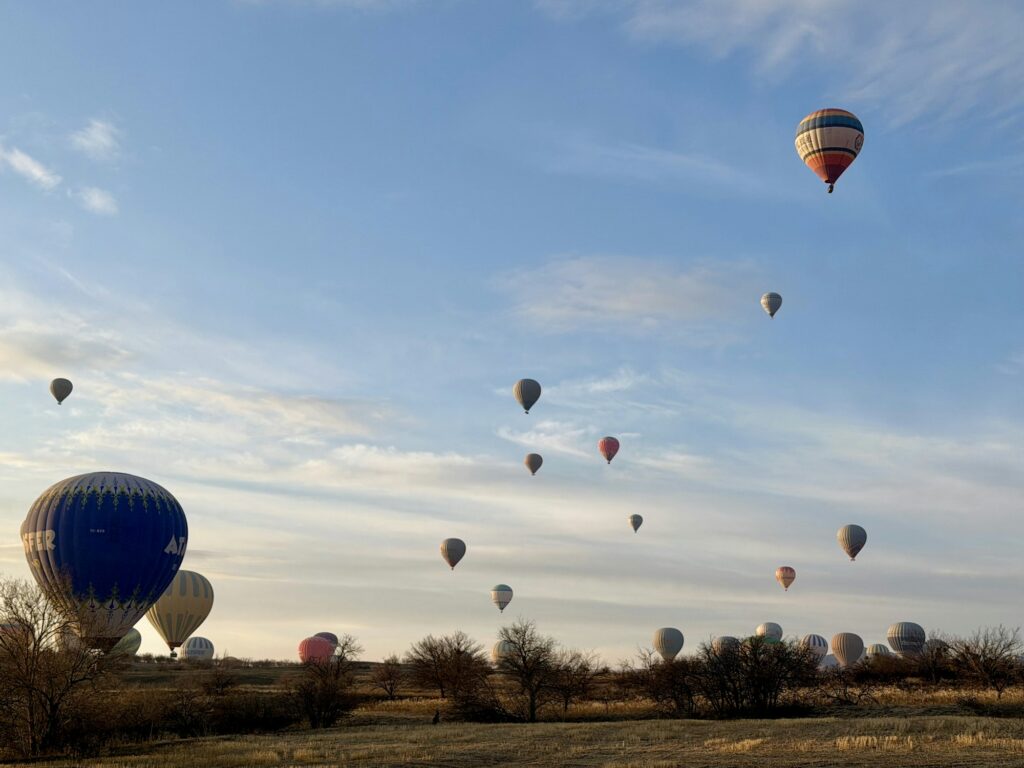
Your life is defined by a handful of unforgettable experiences. What separates an ordinary existence from an extraordinary one? Often, it’s a travel journal filled with moments that profoundly change how you see the world — not overcrowded Instagram beaches, but authentic, transformative encounters. In 2026, the opportunities are exceptional: the solar maximum was announced by NASA and NOAA in October 2024, and activity can stay high for about another year, Oulu in Finland celebrates its year as European Capital of Culture, and destinations like AlUla in Saudi Arabia and the Faroe Islands still offer that rare feeling of discovery before the crowd. Here are the 50 travel experiences you must check off in your lifetime — organized around unmissable destinations and themes, with updated practical data to make them happen this year.
| Experience | Budget | Duration | Best season |
|---|---|---|---|
| Faroe Islands | €200–300/day | 7–10 days | May–August |
| Kyrgyzstan | $35–130/day | 10–21 days | Jul–Aug (mountains) |
| AlUla, Saudi Arabia | €150–500/day | 3–5 days | Oct–March |
| Rwanda | $1,500 USD permit | 5–8 days | Jun–Sep (high season) |
| Iceland | €150–250/day | 8–12 days | Sep–Mar (aurora) |
| Da Nang, Vietnam | €40–80/day | 5–10 days | Feb–Aug (dry season) |
| Mongolia | €60–120/day | 10–21 days | June–August |
| Patagonia | €80–200/day | 10–21 days | Nov–March |
| Georgia | €40–80/day | 7–14 days | Apr–Jun, Sep–Oct |
1. Faroe Islands: The Archipelago That Will Take Your Breath Away
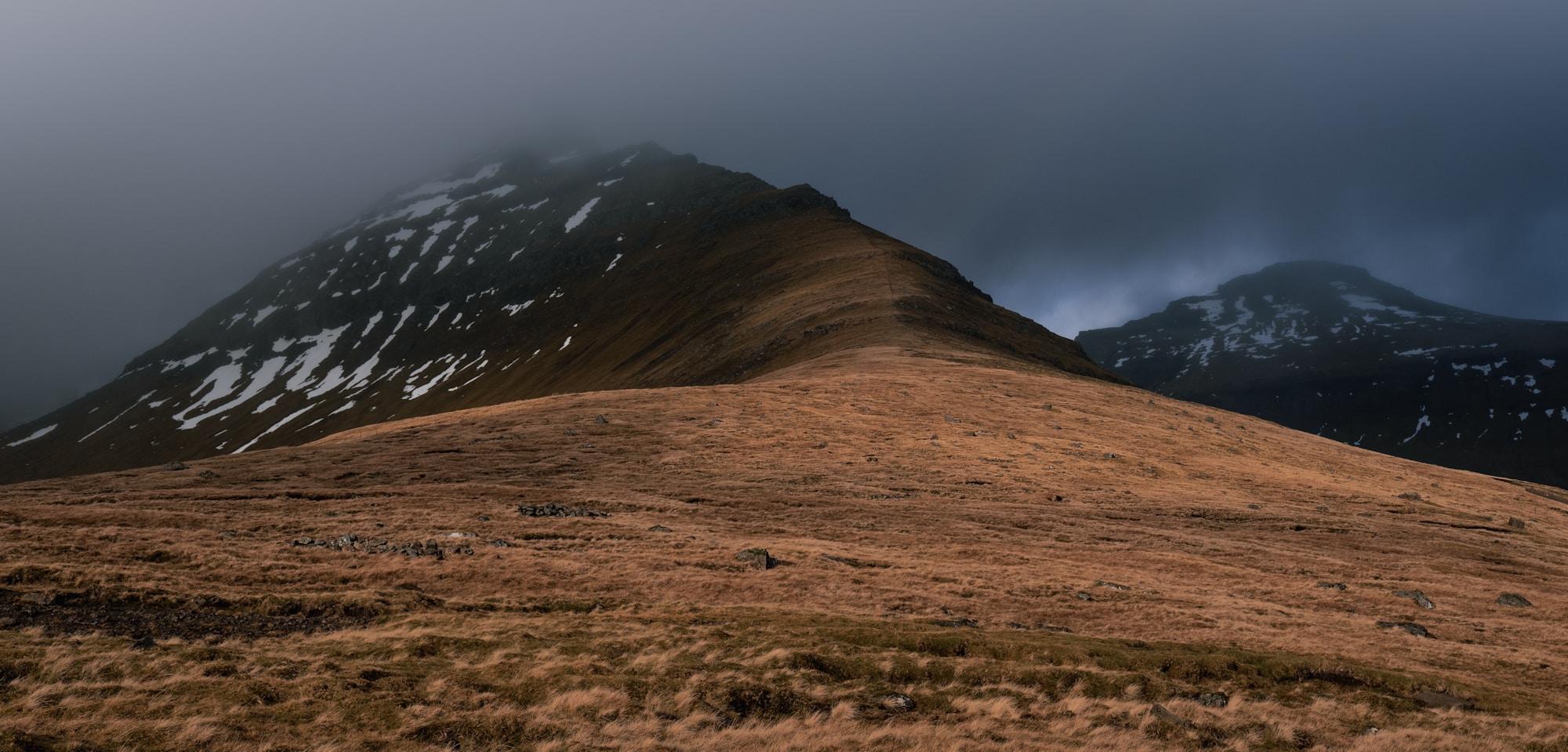
Experiences 1 to 3 — Wild Atlantic Nature
Nestled in the North Atlantic between Iceland and Norway, the 18 islands of the Faroese archipelago are a masterpiece of dramatic landscapes: emerald cliffs plunging into a turbulent sea, grass-roofed houses, wind-swept puffin colonies and waterfalls that seem to spring from the sky. According to Dan Around the World, the Faroes are Iceland’s more authentic, less visited cousin — equally dramatic. Many spectacular viewpoints are completely free: Múlafossur waterfall in Gásadalur, Lake Sørvágsvatn, Vestmanna cliffs.
3 Faroese Experiences to Check Off
- ① Hike to the Suspended Lake of Sørvágsvatn — The most photographed optical illusion in the Atlantic: a lake that seems to float above the ocean. Accessible from Miðvágur (3h round trip), no entrance fee.
- ② Watch the Puffins of Mykines — The westernmost island of the archipelago, accessible only by ferry (very limited spots). From May to August, thousands of puffins nest just a few meters away. Book the ferry 4–6 months in advance minimum.
- ③ Stay in a Grass-Roofed House — The grasrótatún, traditional turf-roofed homes, are the most authentic accommodation on the archipelago. Some owners offer B&B rooms in these listed buildings for total immersion in Faroese architecture.
2. Kyrgyzstan: The Traveler’s Last Wild West — at Budget Prices
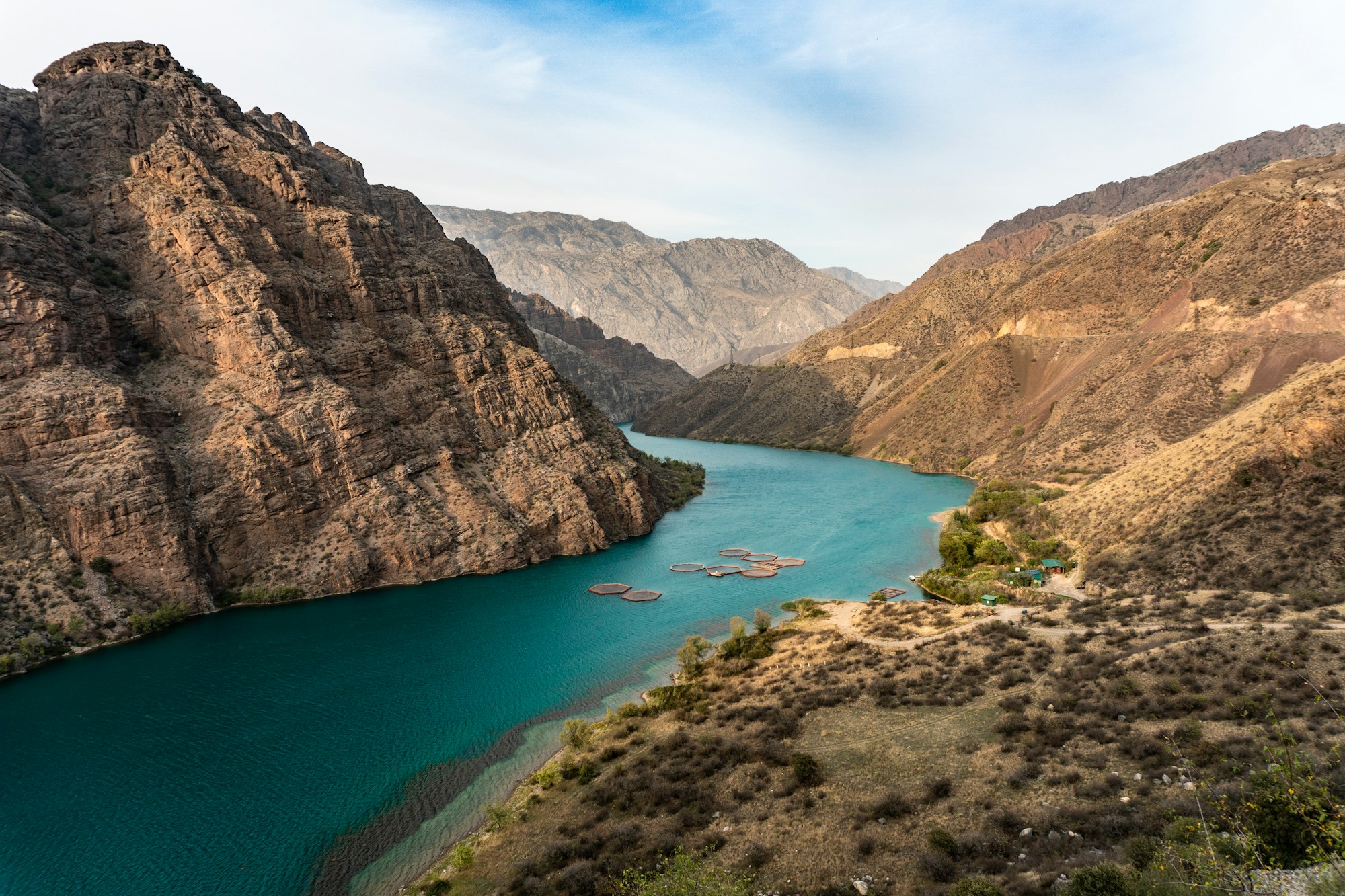
Experiences 4 to 6 — Nomadism and Mythic Mountains
Breathtaking alpine landscapes, millennia-old Kyrgyz nomadic culture, azure high-altitude lakes, yurt camps under starry skies — Kyrgyzstan is, according to Against the Compass, the future Nepal of backpackers, still untouched by global crowds. In 2026, massive infrastructure investments for the World Nomad Games make getting around easier than ever. Budget travelers can manage on just $35/day all-inclusive, according to Kyrgyzstan Planner.
3 Kyrgyz Experiences to Check Off
- ④ Spend a Night in a Yurt at Lake Song-Kul (3,016m) — Surrounded by endless steppes and wild horses, this remote high-altitude lake is accessible June–September. Sleep in a yurt, share a meal with nomadic families, and wake up in absolute silence — an experience that puts everything in perspective.
- ⑤ Trek Through Ala-Archa Gorge — Just 40 minutes from the capital Bishkek, the national park offers hikes of 1 to 10 days in the Tian Shan foothills, with 4,000m peaks and hanging glaciers within reach.
- ⑥ Attend the World Nomad Games (2026 edition: August 31 to September 6, already over) — Horse races, Kyrgyz wrestling, mounted archery and falconry games — a living spectacle of Central Asian culture unlike anything else. Book 6 months ahead: accommodations around Lake Issyk-Kul triple in price during the event.
3. AlUla, Saudi Arabia: The Forgotten Petra — and So Much More
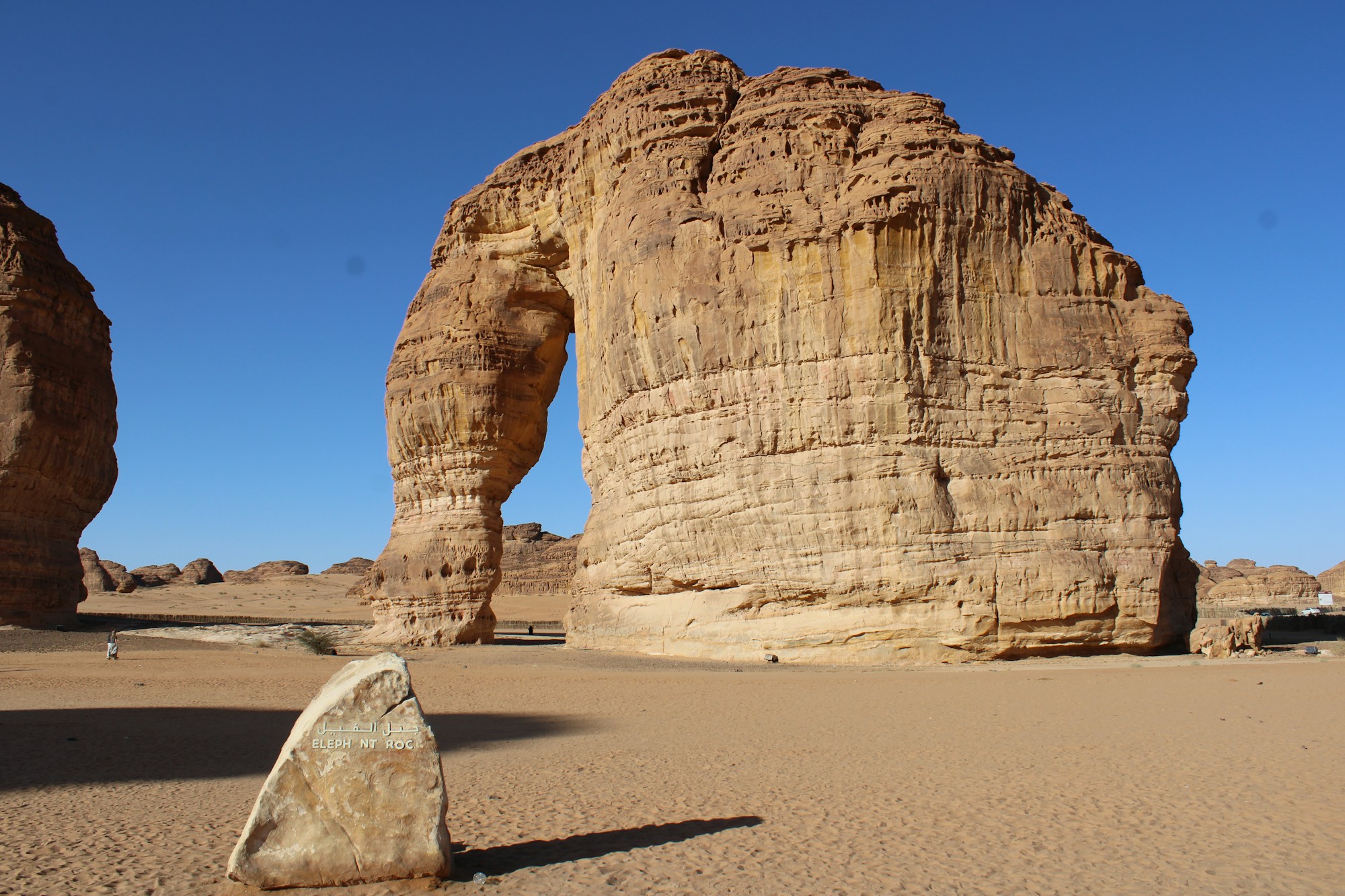
Experiences 7 to 9 — Desert Heritage and Starlit Skies
AlUla is an open-air museum spanning 22,561 km², where 200,000 years of human history meets luxury desert camps. Home to Hegra, Saudi Arabia’s first UNESCO World Heritage Site, AlUla saw visitor numbers multiply fifteen-fold from 20,000 in 2020 to around 300,000 in 2025, according to House of Saud Travel. The « before the crowd » window is still open in 2026. And the main heritage sites cost less than €50 total to enter.
3 AlUla Experiences to Check Off
- ⑦ Visit Hegra — Nabataean Tombs Carved in Rock — Over 110 monumental 2,000-year-old tombs carved into pink sandstone cliffs. Hegra precedes Petra in Nabataean history but receives a hundred times fewer visitors. Book tickets via Experience AlUla.
- ⑧ Attend a Concert at Maraya Concert Hall — The structure clad in nearly 10,000 m² of mirrors reflecting the desert is the world’s largest mirrored building. Night concerts under skies ranked among the world’s top 5% darkest (DarkSky International) are an unforgettable sensory experience.
- ⑨ Sleep in a Desert Camp Facing Elephant Rock — Nights under Saudi desert skies, with stargazing sessions, Bedouin campfires and a sunrise breakfast facing the giant rock formation. A total contrast with the stereotypical image of Saudi Arabia.
4. Rwanda: Mountain Gorilla Trekking — The Ultimate Life Experience
Experiences 10 to 12 — Iconic Wildlife and Eco-Tourism
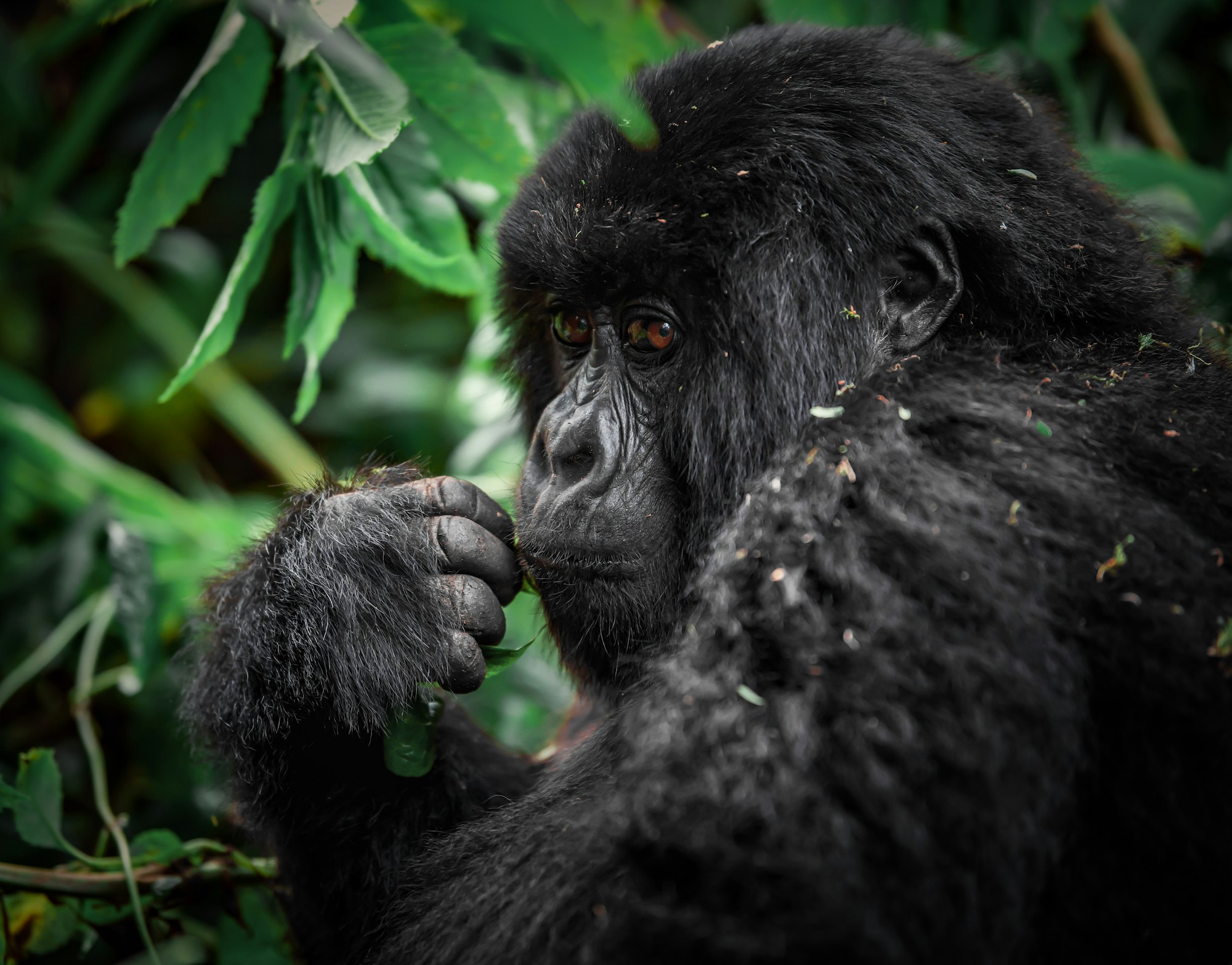
Mountain gorilla trekking in Rwanda is described by everyone who has done it as « Africa’s most transformative experience. » Only 1,063 mountain gorillas remain on Earth — they have never survived in captivity. To observe them in their natural habitat, Rwanda is your best entry point: Volcanoes National Park is just 2.5 hours from Kigali International Airport. The 2026 permit costs $1,500 USD per person, a price that directly funds gorilla conservation and local communities, according to Traford Safaris.
3 Rwandan Experiences to Check Off
- ⑩ Gorilla Trek in Volcanoes National Park — A minimum of one hour fully immersed with a gorilla family in bamboo forest. Expect 3–8 hours of hiking depending on your assigned group. Book permits via the official Rwanda Development Board site — at least 3–6 months in advance in high season.
- ⑪ Coffee Tour in the Hills of Ruhengeri — Rwanda produces some of East Africa’s finest coffees (Cup of Excellence laureate multiple years running). Farm tours let you follow the process from cherry to cup, with direct tastings from producers for just a few dollars.
- ⑫ Kayaking on Lake Kivu and Floating Lodge Stay — One of Africa’s five Great Lakes, on the border with the DRC, surrounded by volcanoes. Underrated but unforgettable — less touristy than Kilimanjaro or the Serengeti, for one of the continent’s most serene water experiences.
5. Iceland 2026: The Solar Maximum and Record-Breaking Northern Lights
Experiences 13 to 15 — Extreme Natural Phenomena
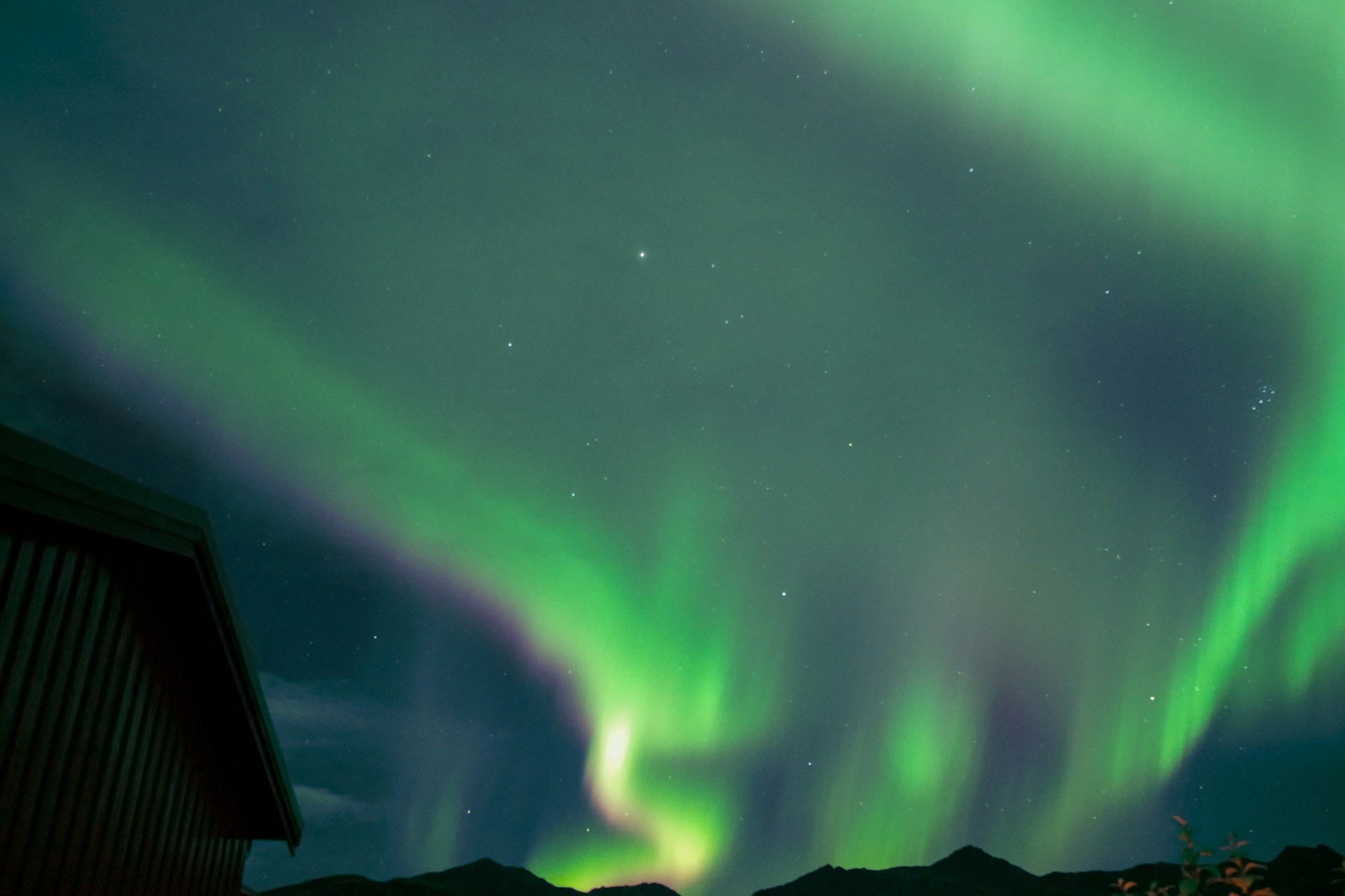
The solar maximum was announced in October 2024, and activity can stay high for about another year. Seeing the aurora in Iceland tops many 2026 bucket lists, according to Coleman Concierge. The Ring Road (1,332 km around the island) is the perfect itinerary for combining glacial lagoons, black sand beaches, geysers and geothermal zones. A 10-day road trip runs about €2,500–4,000 per person all-in, excluding flights.
3 Icelandic Experiences to Check Off
- ⑬ Chase the Northern Lights on the Ring Road — Avoid full moon nights and head toward the rural south coast or northwest to escape Reykjavik’s light pollution. Runaway Mag‘s golden tip: visit Jökulsárlón glacial lagoon at night to see the lights reflected in the icebergs.
- ⑭ Snorkel or Dive at Silfra — Swim between the Eurasian and North American tectonic plates in 2–4°C water with 100m crystal clarity. Ranked among the world’s top 5 dive sites by specialists. A dry suit is required.
- ⑮ Explore a Blue Ice Cave in Vatnajökull — From November to March, local guides lead small groups into naturally sculpted blue ice caves inside Europe’s largest glacier. Every year the caves are different, shaped by subglacial water flows.
6. Da Nang, Vietnam: Miami Beach Meets Asia — Before the World Catches On
Experiences 16 to 18 — Vietnamese Culture and Gastronomy
Vietnam’s largest central city is flanked by 65 km of golden coastline. Long a getaway for Vietnamese, Da Nang is finally gaining global attention, as AFAR Magazine names it one of the best destinations of 2026. In 2026, Emirates and Philippine Airlines launched new routes from Bangkok and Manila. The Nobu Hotel (200 rooms) and Mandarin Oriental residences are expected on the waterfront. Yet the city remains authentic, affordable and off the main tourist circuit.
3 Vietnamese Experiences to Check Off
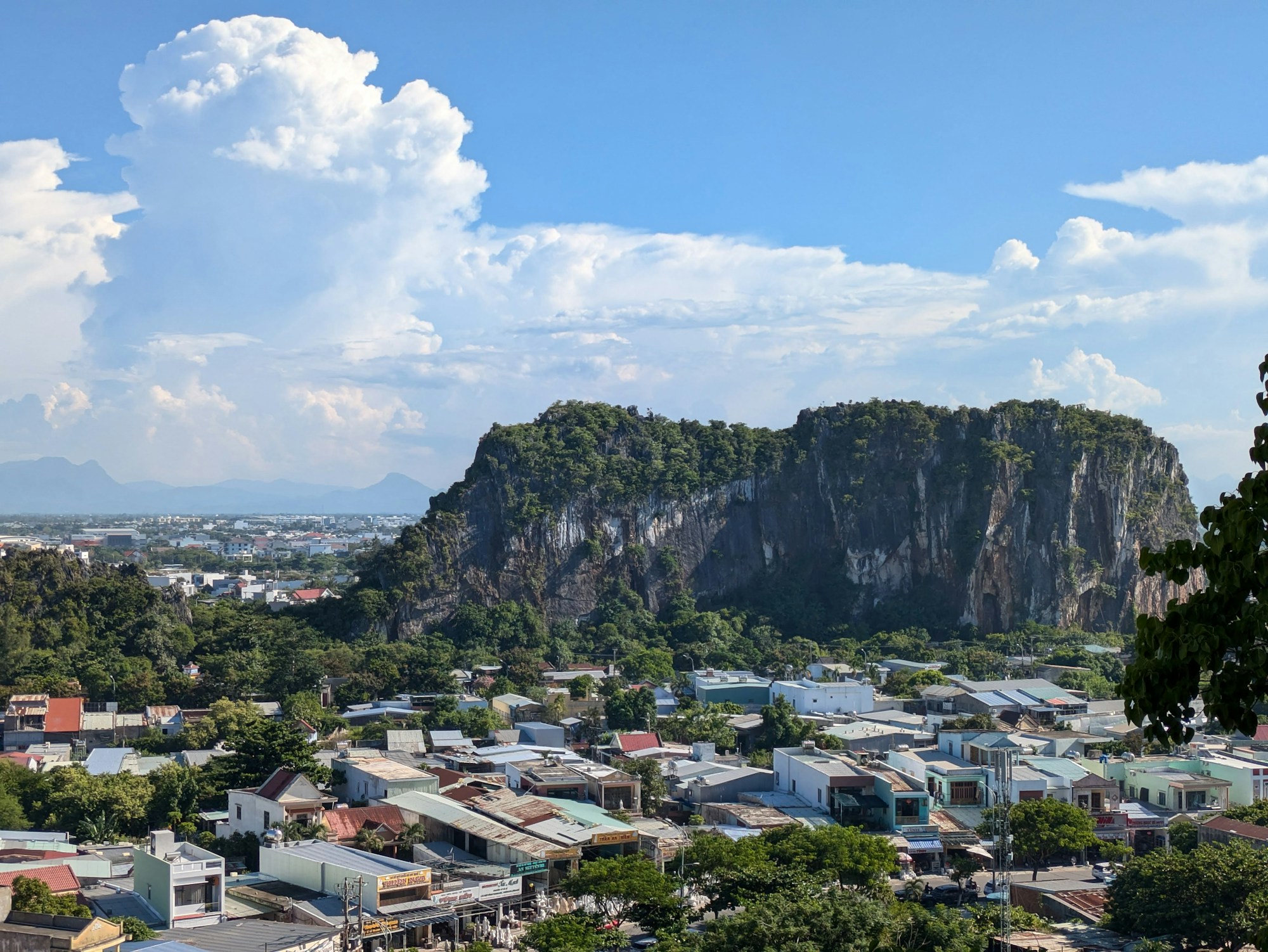
- ⑯ Climb the Marble Mountains and Their Cave Sanctuaries — Five limestone outcrops 6 km from the city center, with century-old pagodas and Buddhist cave shrines hidden in caverns. Panoramic views of Da Nang Bay from the summit.
- ⑰ Eat Mì Quảng at a Local’s Home — The turmeric noodle and shrimp soup is central Vietnam’s culinary emblem. Under €2 at local markets for a gastronomic revelation that few travelers discover.
- ⑱ The Da Nang–Hội An–Mỹ Sơn Triptych — 30 minutes away: Hội An, the UNESCO lantern town. 40 minutes away: Mỹ Sơn, 1,500-year-old Cham temples. An exceptional cultural triptych without the crowds of northern Vietnam.
7. Mongolia: The Largest Empty, Free Space on the Planet
Experiences 19 to 21 — Extreme Nomadism and Gobi Desert
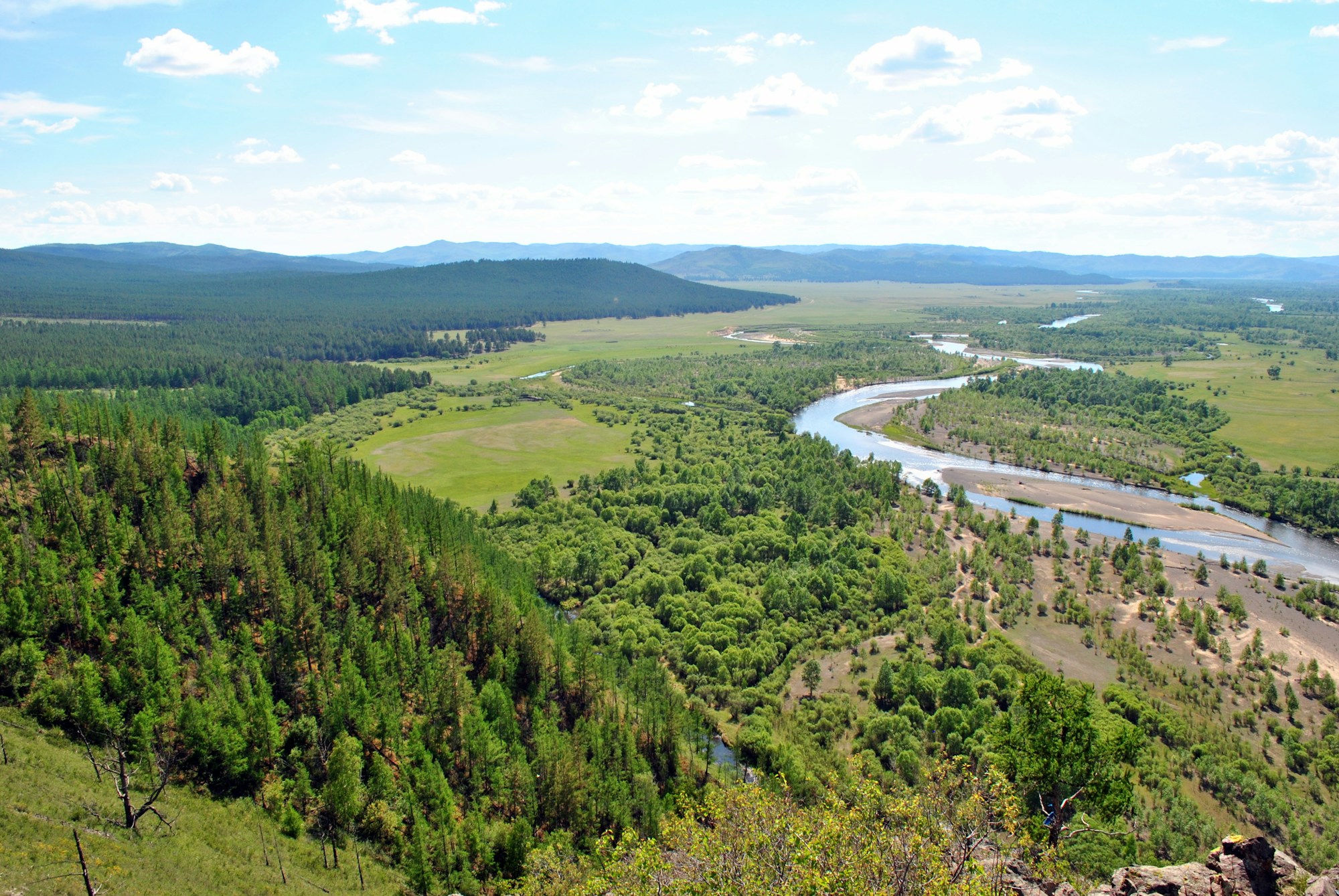
Endless steppes, wild horses, yurts in the middle of nowhere and a 3,000-year-old nomadic culture — Mongolia is one of the most intact and sparsely populated countries on Earth (3.4 million people across 1.56 million km²). According to Time Out Travel, it’s the destination that gives you « the feeling of entering another dimension » — where the emptiness itself becomes a transformative experience.
3 Mongolian Experiences to Check Off
- ⑲ Attend the Naadam Festival (July) — Mongolia’s national celebration features the three ancient heroic sports: horse racing (with jockeys aged 5–13), Mongolian wrestling and archery. The most vivid display of Central Asian culture you’ll ever see.
- ⑳ Sleep Under the Stars in a Traditional Ger — Local operators offer ger (Mongolian yurt) stays in Gorkhi-Terelj National Park. Wake up with nomadic herders, lunch on tsuivan (stir-fried noodles with mutton) and watch the sunset over grassy hills.
- ㉑ Cross the Gobi Desert by 4WD — Bayanzag’s « Flaming Cliffs » (blazing ochre at sunset), Khongoryn Els giant sand dunes and the absolute solitude of a territory twice the size of France — a journey to the edge of the world.
8. Patagonia: Torres del Paine and Fitz Roy — the Edge of the World, Literally
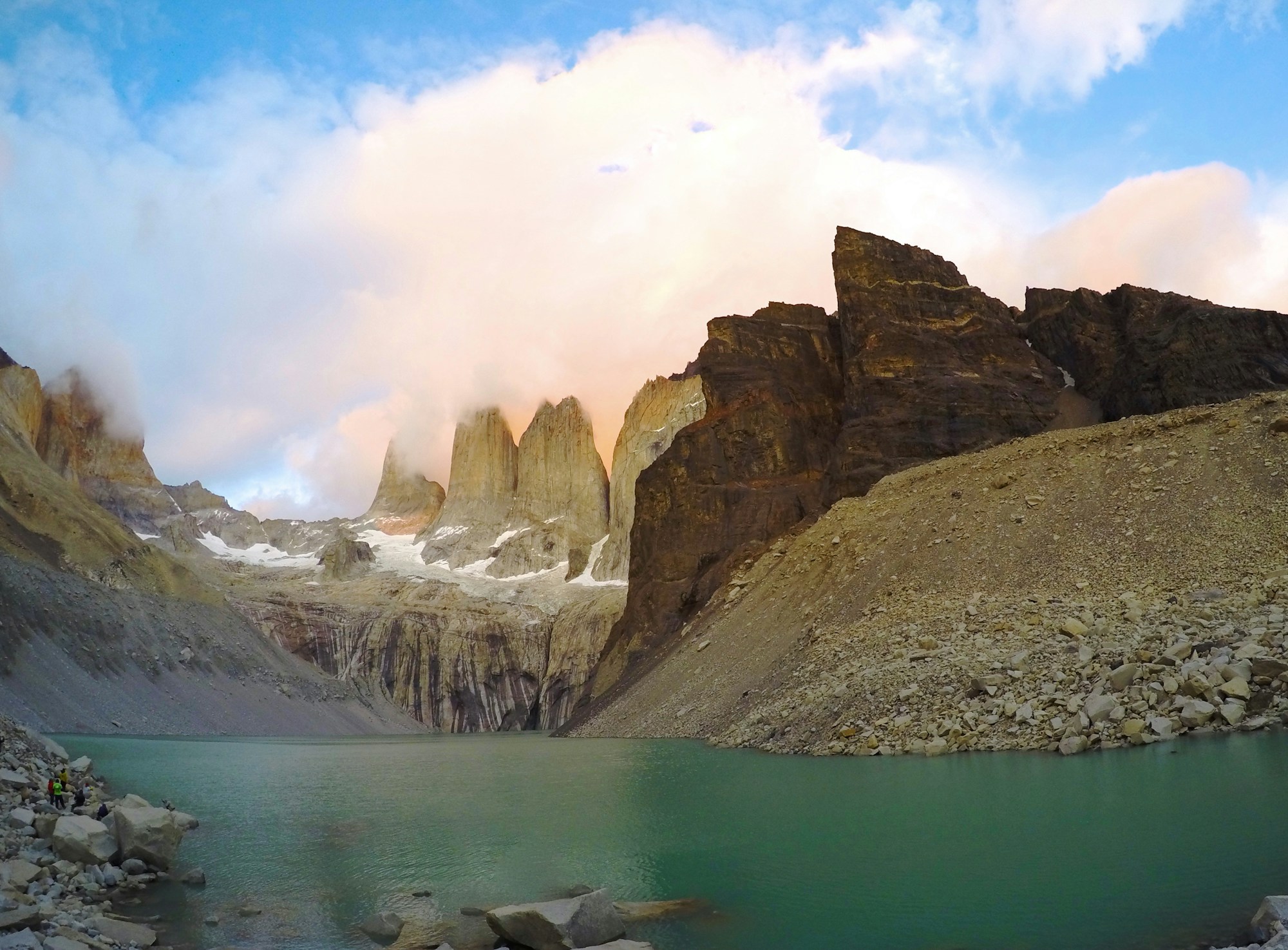
Experiences 22 to 24 — Extreme Hiking and Wildlife
Colossal mountains, mirror lakes, ice fields and winds that threaten to carry you away — Patagonia is « where nature reigns supreme », according to Sunshine Travelers. Chile’s Torres del Paine and Argentina’s Fitz Roy peaks appear on every lifetime hiking list for 2026. The ideal window runs from October to April, with long days and (relatively) stable weather.
3 Patagonian Experiences to Check Off
- ㉒ Hike the W Circuit (5 Days) in Torres del Paine — The classic route between refugios and wild camping facing the three iconic granite towers. Entry fee: around €22 — one of the world’s best national parks for its value for money.
- ㉓ Puma-Tracking Safari in Patagonia — Torres del Paine’s pumas are among the easiest to spot in the world. Specialist guides offer dawn/dusk outings with encounter rates exceeding 70% in season — an extraordinary wildlife experience.
- ㉔ Walk on Perito Moreno Glacier (Argentina) — At El Calafate, the glacier advances 2m per day and periodically collapses into Lago Argentino with a thundering roar. Cramponed ice trekking (~€50) is accessible to everyone from age 10 — an unforgettable classic.
9. Georgia: The Cradle of Wine and the Mythic Caucasus Mountains
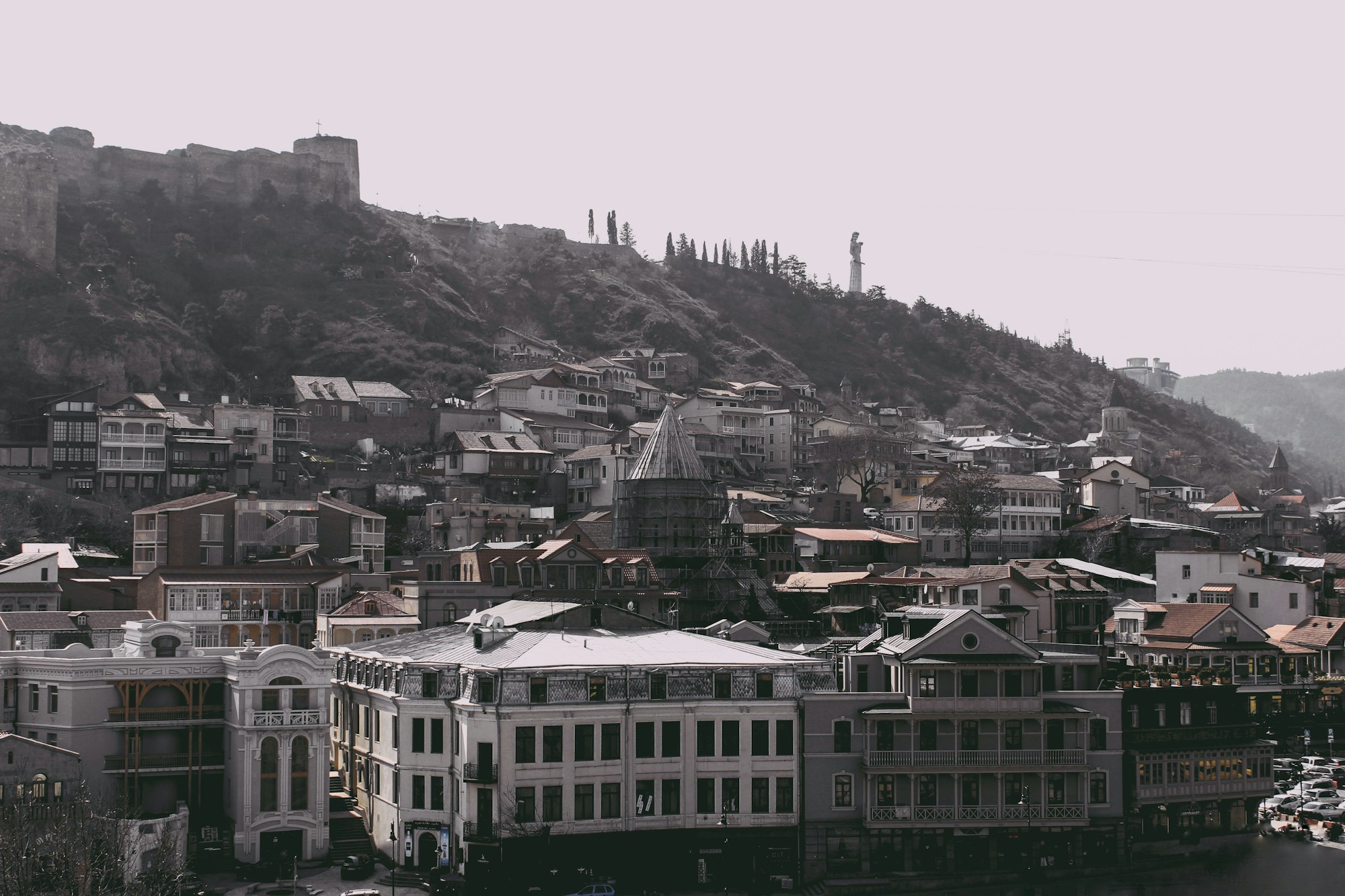
Experiences 25 to 27 — Ancient Wine and the Mythic Caucasus
Wedged between the Black Sea and the Caucasus Mountains, Georgia is « a cultural playground with epic mountain landscapes and a wine-making country older than written history », according to Sunshine Travelers. Georgian winemaking dates back 8,000 years — the kvevri method (buried clay amphoras) is listed on UNESCO’s Intangible Cultural Heritage. All of this for €40–80/day — one of the best value-for-money destinations in Eastern Europe.
3 Georgian Experiences to Check Off
- ㉕ Hike to Gergeti Tower at Kazbegi (2,170m) — One of the most spectacular photos in the Caucasus: a medieval church perched on a mountainside with Mount Elbrus as a snowy backdrop. Nearly deserted at dawn. Kazbegi village is 3 hours from Tbilisi along one of the region’s most scenic roads.
- ㉖ Kvevri Wine Tasting in Kakheti — Ancestral wine cellars in Sighnaghi and surrounding villages offer tastings with winemaking families. A full traditional Georgian meal (khinkali, khachapuri, house wine) rarely exceeds €20–25 at a good restaurant.
- ㉗ Sulfur Baths in Tbilisi’s Abanotubani — The natural sulfur spring district in southern old Tbilisi is one of the capital’s best-kept secrets. Natural geothermal springs, private domed baths in Persian hammam style, from just €5 a session.
10. The Other 23 Unmissable Lifetime Experiences
Beyond the 9 flagship destinations above, here are the cross-cutting experiences that complete your 2026 bucket list — from Antarctica to French Polynesia, via Tasmania’s bioluminescent shores and Kyoto’s forge workshops.
Additional Thematic Destinations (Experiences 28 to 37)
- ㉘ Oulu, Finland — European Capital of Culture 2026: Air Guitar World Championships, Lumo Light Festival, Arctic floating saunas and a one-kilometer-long open-air dinner table in August. The most unexpected Nordic city of the year, endorsed by National Geographic, BBC Travel and Condé Nast Traveler. Full program here.
- ㉙ Bioluminescent Beaches of Tasmania at Night: From December to March, waters off southern Hobart glow electric blue thanks to bioluminescent plankton. Best access points: Howden Boat Ramp, Bruny Island and Eaglehawk Neck. Plan for moonless nights. Source: Qantas Travel Insider.
- ㉚ Camino de Santiago — New Mallorca Section in 2026: An extension through 10 idyllic municipalities east of Barcelona has just joined the Camino network. Budget: €30–50/day. Best period: April–June to avoid heat.
- ㉛ Menton, France — The Secret Riviera: France’s southernmost city, sandwiched between Italy and the sea. 137 rare citrus varieties at Palais Carnolès gardens, Franco-Italian hybrid architecture unique in Europe, much cheaper than nearby Cannes or Monaco.
- ㉜ Expedition Cruise to East Antarctica: Less visited than the Antarctic Peninsula, East Antarctica offers monumental ice cliffs and emperor penguin colonies. Budget: $8,000–25,000 USD for a 10–21-day expedition from Hobart (Tasmania) or Christchurch (New Zealand). Book 12–18 months ahead.
- ㉝ NC500 Road Trip, Scotland: 830 km of jagged cliffs, shimmering lochs and abandoned castles in the Scottish Highlands. One of Europe’s wildest road trips, still raw enough to feel like a real adventure outside peak summer season.
- ㉞ Surf and Yoga at Taghazout, Morocco: The former bohemian surfer village south of Agadir has become a premier slow travel destination — yoga studios, boutique guesthouses, long sandy beaches for beginners and experts alike, an easygoing vibe that stretches time.
- ㉟ Explore Utrecht’s Two-Level Canals, Netherlands: A medieval city where 13th-century vaulted cellars today house cafés, galleries and waterside guesthouses — a journey through time about 3h30 from Paris, with one change at Rotterdam.
- ㊱ Bamboo Rafting Through Yangshuo’s Karsts, China: The landscapes of Guilin and Yangshuo — steep limestone karsts towering over jade-green rivers — are among Asia’s most photographed. Dawn bamboo rafting is nearly meditative.
- ㊲ Sleep in a Glass Dome Facing Dubai’s Desert: Al Marmoon Oasis offers nights in glass domes in Dubai’s desert, with stargazing, Bedouin cuisine and a sunrise over the dunes — accessible luxury and an unforgettable experience.
Rare and Unique Experiences (Experiences 38 to 50)
- ㊳ Forge Your Own Japanese Chef’s Knife in Kyoto: Authentic forge workshops in the Gion district teach traditional bladesmithing techniques. You leave with a chef’s knife made with your own hands — the most useful souvenir of your life.
- ㊴ Swim with Humpback Whales at Rurutu, French Polynesia: July–October, humpback whales migrate from Antarctica to nurse their calves in Polynesian waters. Local operators offer snorkeling trips just meters from these gentle giants — described as « deeply spiritual » by those who have done it.
- ㊵ Sleep in the World’s Deepest Hotel (Snowdonia, Wales): 419 meters underground in the tunnels of a Victorian slate mine. The journey there includes rappelling, zip lines and a vertiginous descent.
- ㊶ Experience Holi Festival in Mathura or Vrindavan, India: Streets flooded with colored powder in celebration of the Hindu spring festival. Mathura and Vrindavan, birthplace of Krishna, host the most authentic celebrations (March). Book accommodation 4 months ahead.
- ㊷ Trek to Kangchenjunga Base Camp, Nepal: Less crowded than Everest Base Camp, this 22-day trek leads to the world’s third-highest mountain (8,586m) through pristine forests and near-intact Rai villages. For experienced hikers only.
- ㊸ Private Tea Ceremony in a Kyoto Samurai House: A private matcha tea ceremony in a 300-year-old ancestral home, with a kimono-wearing tea master — the perfect antithesis of mass Japanese tourism.
Essential Travel Info for Your Bucket List Adventures
Nomad Insurance: global coverage from $56/4 weeks. Includes medical evacuation and adventure sports. 10% off via our link.
From $56 / 4 weeksStay connected in 200+ countries without roaming fees. Instant activation before departure, no SIM swap needed.
From €4.50Frequently Asked Questions About Your 2026 Travel Bucket List
Which experience on the list is the easiest to reach from Europe in 2026?
Georgia and Vietnam (Da Nang) are the most accessible destinations from Europe, with direct or single-connection flights, and a daily budget of €40–80. Oulu, Finland is just 3 hours from most European capitals (via Helsinki) and offers the year’s most original cultural experience thanks to its 2026 European Capital of Culture status. Menton and the Camino de Santiago are reachable without flying, by train or car.
Why are 2026 northern lights particularly exceptional?
The solar maximum was announced in October 2024, a period when solar magnetic activity remains high, generating more geomagnetic storms that produce more frequent and more intense northern lights. Top destinations: Iceland (Ring Road), Norway (Tromsø), Finnish Lapland and the Faroe Islands, from September to March.
What is the minimum budget to tick off the most accessible experiences on this list?
The most affordable destinations on the list are Kyrgyzstan ($35–50/day all-inclusive), Vietnam — Da Nang (€40–80/day) and Georgia (€40–80/day). A 10-day trip to Kyrgyzstan can be done for under €1,200 all-in excluding flights. At the other extreme, Rwanda’s gorilla permit ($1,500) and Antarctica cruises ($8,000–25,000) are the most expensive experiences on the list.
How far in advance should you book the rarest experiences?
Recommended minimum lead times for 2026: Rwanda gorillas: 3–6 months (depending on season); Faroe Islands — Mykines ferry and car rental: 4–6 months; Antarctica: 12–18 months; World Nomad Games in Kyrgyzstan (August–September): 6 months; Torres del Paine refugios (O circuit): from the opening of bookings in November.
How can you travel ethically to fragile destinations like Rwanda or Antarctica?
Best practices include: choosing certified local operators, respecting visitor quotas (Rwanda’s gorilla permits limit groups to 8 people maximum), offsetting your carbon footprint, adopting Leave No Trace principles, and avoiding any direct contact with wildlife. Rwanda’s premium, low-volume tourism policy means the high permit price directly funds gorilla conservation and communities living at the park’s edge.
What travel insurance should you choose for extreme adventures like gorillas, Antarctica or high altitude?
For adventure travel in remote areas, you need insurance that covers emergency medical evacuation (which can cost more than $50,000 from Antarctica or Kyrgyzstan’s mountains), high-risk sports activities (high-altitude trekking, safari, snorkeling), and trip cancellation for medical reasons. Always verify that helicopter rescue from inaccessible areas is explicitly included in the policy terms.
What is the defining travel trend of 2026 according to experts?
The dominant trend of 2026 is intentional slow travel: traveling less often but more immersively — settling into a destination for several weeks, learning a local skill (Japanese blade forging, Georgian winemaking), staying with locals, eating at markets. According to GetYourGuide, 2026 travelers prioritize experiences that deeply change a person over destinations that merely make beautiful photos.
Are any bucket list experiences reachable from Europe without flying?
Yes, several experiences are reachable by train or car from Western Europe: Menton (3h from Nice by TGV), Utrecht (3h30 from Paris by Thalys), Camino de Santiago (train to the border then walk), NC500 in Scotland (Eurostar from Paris then train to the Highlands), and Taghazout, Morocco (ferry from Algeciras to Tangier). For Central Asia, Africa and South America, flying remains the only realistic option.
Ready to Turn Your Bucket List Into Reality?
Explore Pixidia itineraries created by travelers who have already checked off these experiences — detailed, step-by-step travel plans to take you from dreaming to booking.
Explore Pixidia ItinerariesSources
- Oulu 2026 — European Capital of Culture (official site)
- AFAR Magazine — Best Places to Travel in 2026
- Runaway Mag — 12 Bucket List Adventures 2026
- Dan Around the World — Best Places to Travel 2026
- Kyrgyzstan Planner — Budget and travel costs
- Against the Compass — Kyrgyzstan Guide
- House of Saud — Complete AlUla Guide
- Traford Safaris — Rwanda Gorilla Permit 2026
- Safari Bookings — Complete Rwanda Gorilla Permit Guide
- Rwanda Development Board — Official Permit Booking
- Coleman Concierge — Bucket List Trips 2026
- GetYourGuide — 26 Experiences for 2026
- Sunshine Travelers — 10 Bucket List Trips 2026
- Qantas Travel Insider — Bucket List Experiences 2026
- Time Out Travel — World’s Most Underrated Destinations
- Steph on the Map — 2026 Travel Bucket List
- The Broke Backpacker — Incredible Off-Beat Adventures