
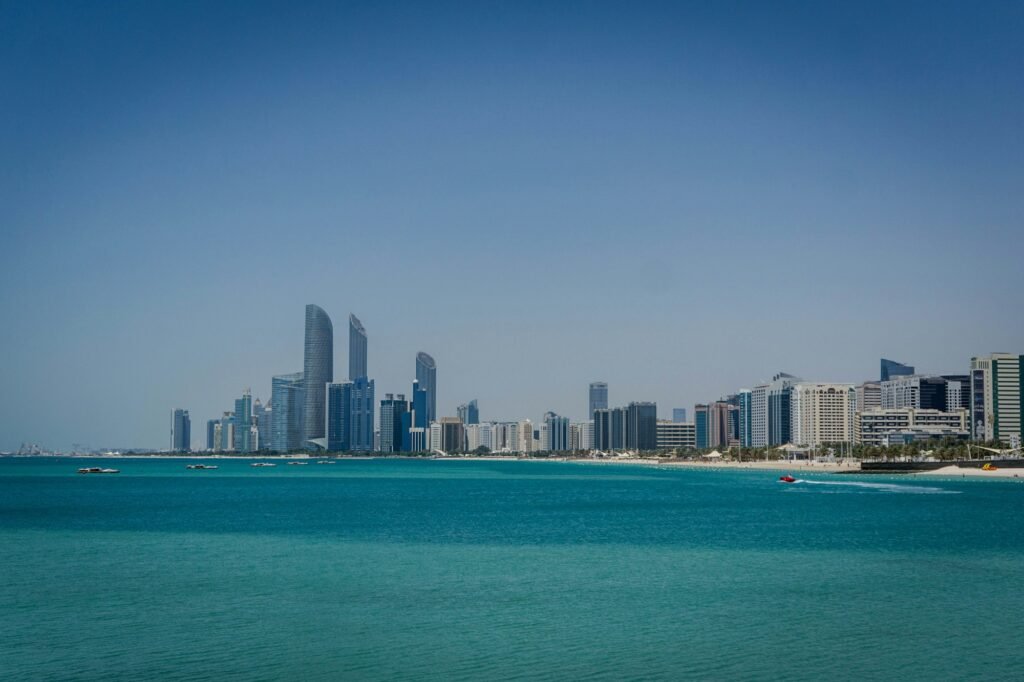
Abu Dhabi and Qatar 2026: the paradox of the century. While the region navigates its worst geopolitical crisis in decades, Saadiyat Island luxury hotels are opening their terraces overlooking the Persian Gulf, the Louvre Abu Dhabi is delivering a record-breaking exhibition season, and Doha has been named the Gulf’s Tourism Capital for 2026. Should you cancel? Postpone? Or seize an unprecedented window of opportunity that the best-prepared travellers are quietly taking advantage of? This guide gives you the facts — unvarnished.
1. The security situation in April 2026: what you need to know first
Current alert level — UAE and Qatar
As of 7 April 2026, the United Arab Emirates and Qatar are rated Level 3 (« Reconsider Travel ») by the US State Department — two steps below the maximum « Do Not Travel » level. The trigger: on 28 February 2026, the United States and Israel launched strikes on Iranian targets. On 18 March, Israel targeted the South Pars gas field, shared between Iran and Qatar. Iran’s retaliation struck the Ras Laffan LNG complex in Qatar, Saudi refineries in Riyadh, and issued threats against the Al Hosn gas field in the UAE. Regional airspace was partially closed for several days.
Since early April 2026, the situation has partially normalised. Emirates, Etihad and Qatar Airways have gradually restored their networks — at approximately 60% capacity for Abu Dhabi and 40% for Doha. Secure air corridors have reopened towards India, Europe and Southeast Asia. However, the situation remains volatile and can change without warning.
Position of Western governments
- United States: Level 3 « Reconsider Travel » for both UAE and Qatar (March 2026).
- Australia: « Exercise a high degree of caution » for UAE and Qatar.
- UK: « Exercise a high degree of caution » — check FCDO travel advice before booking.
- No « Leave Immediately » advisory (Level 4) has been issued for either UAE or Qatar as of this date.
2. Saadiyat Island and the Louvre Abu Dhabi: the cultural bet that’s holding up
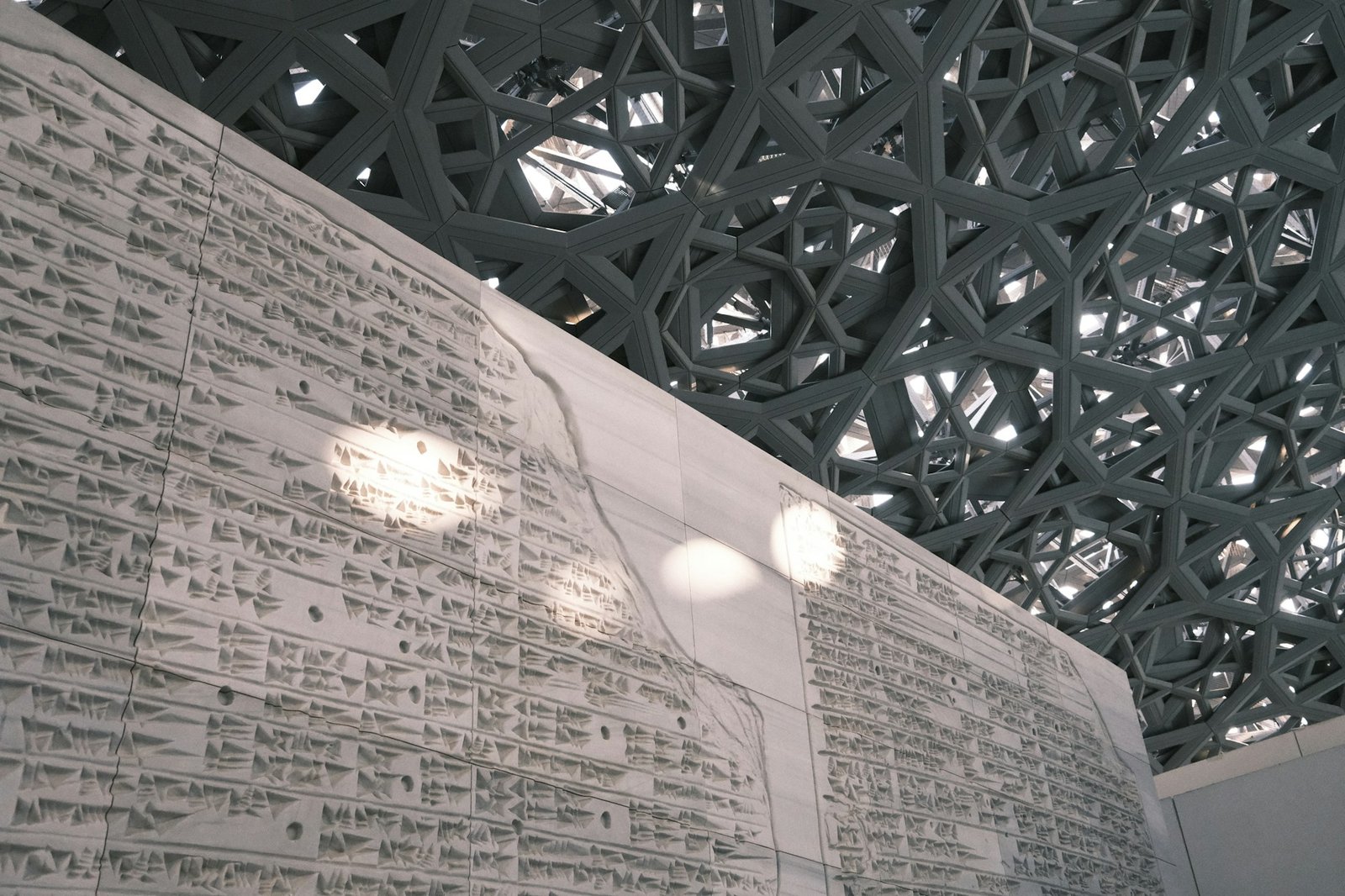
Saadiyat Cultural District: a decade of vision finally coming to life
If Abu Dhabi was built on oil, it is now betting on culture to become the Gulf’s intellectual capital. Saadiyat Island is the centrepiece of that ambition: the Louvre Abu Dhabi — designed by Jean Nouvel and opened in 2017 — confirmed its status as a world-class universal museum in 2025–2026. According to the Abu Dhabi Media Office, the 2025–2026 season features three major exhibitions spanning great civilisations, Islamic arts and contemporary Arab creation.
A few hundred metres away, the Guggenheim Abu Dhabi (Frank Gehry) construction is advancing steadily. The Natural History Museum Abu Dhabi is expected to partially open by late 2026. Meanwhile, Saadiyat’s pristine natural beaches remain home to nesting sea turtles every spring.
Abu Dhabi recorded a landmark 26.6 million visitors in 2025 with hotel revenues reaching 9.1 billion dirhams. The destination was ranked the number one luxury destination for US travellers in 2026 — a title the geopolitical crisis has tempered but not erased.
3. Abu Dhabi F1 Grand Prix 2026: the season finale in ultimate luxury
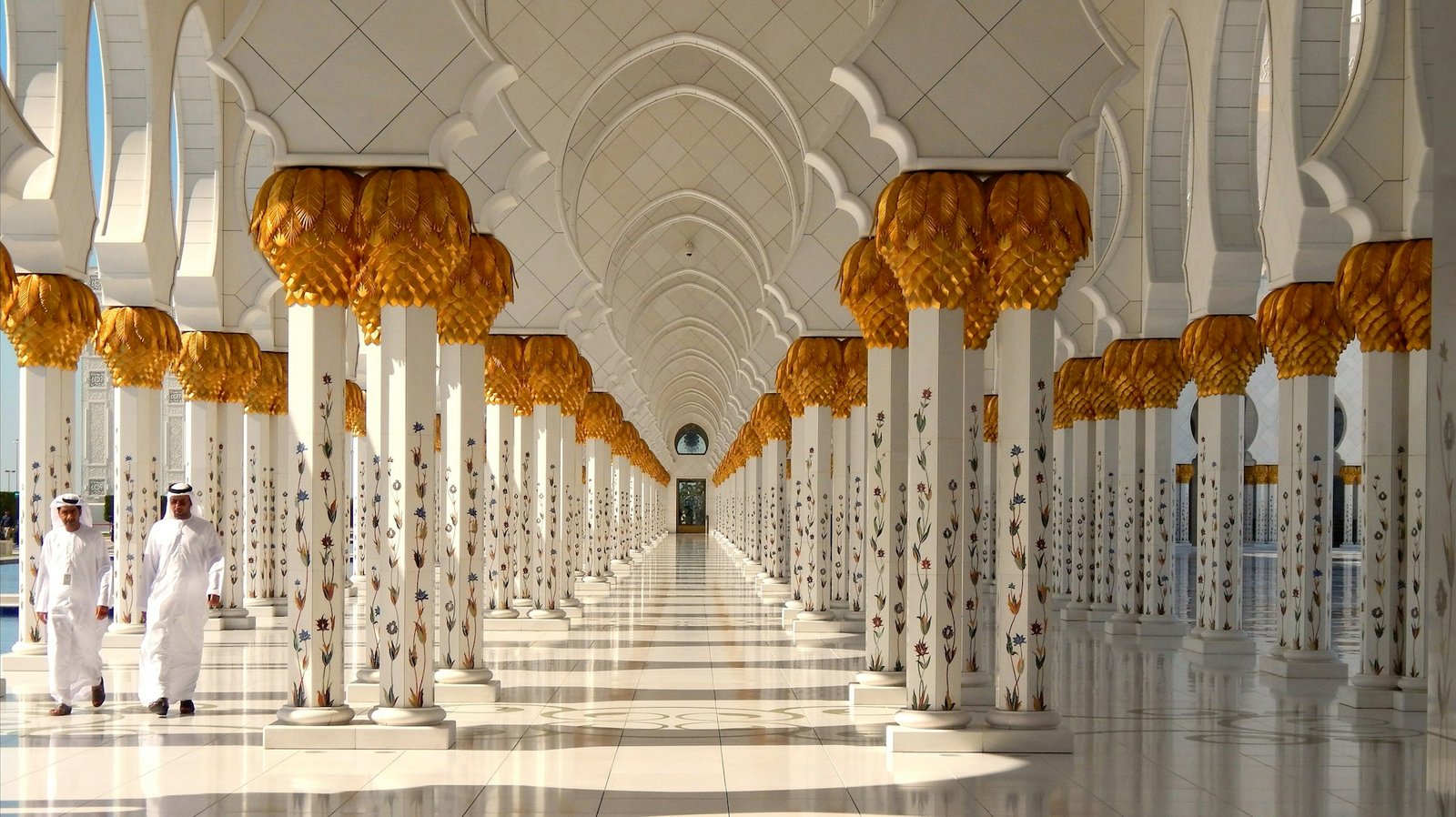
Yas Marina Circuit: where motorsport meets luxury lifestyle
The Abu Dhabi Grand Prix has been Formula 1’s season finale since 2009. Unlike many circuits, Yas Marina is designed as a total luxury experience: hotels literally straddling the track, an adjacent yacht club, Ferrari World next door. The 2026 GP — scheduled for 4–6 December 2026 — will be particularly scrutinised as this season marks the introduction of new F1 technical regulations (enhanced hybrid powertrains, redesigned aerodynamics).
Hospitality packages combine premium grandstands, pit lane access, accommodation at the Yas Viceroy (the hotel that bridges the circuit) and gala dinners. Grandstand-only options start from €800. Formula 1 official offers hospitality suites above €5,000 for all-inclusive packages.
Alongside the race weekend, Abu Dhabi programmes private concerts by international artists, parties at Yas Island resorts, and premium culinary events. The Abu Dhabi GP is as much a lifestyle event as a motor race — a tradition that endures through regional crises.
4. Abu Dhabi’s new luxury resorts: the crisis opportunity
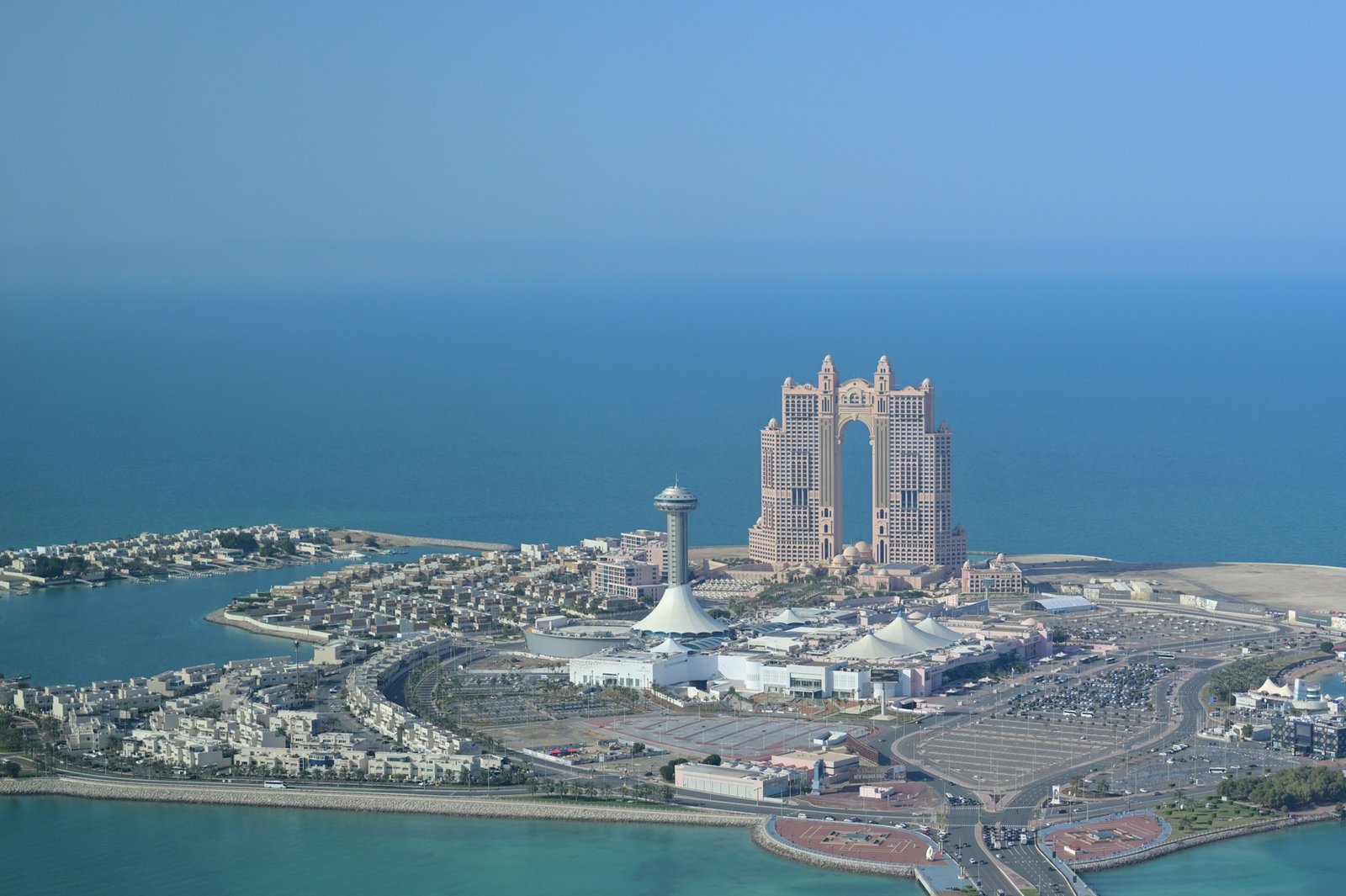
The paradoxical hotel boom: 2025–2026 openings you shouldn’t miss
Against all odds, Abu Dhabi continues opening luxury hotels at the fastest pace in its history. 2025–2026 marks a turning point: the Rixos Premium Saadiyat Island offers a premium all-inclusive formula by the sea — a concept unique to the island. The Nobu Hotel Saadiyat Island, due to open in 2026, will combine prestigious architecture with Nobu Matsuhisa signature restaurants, a first for Abu Dhabi.
Established flagships maintain their lustre: the St. Regis Saadiyat Island Resort and the Jumeirah at Saadiyat Island Resort maintain five-star standards on one of the region’s rare naturally preserved beaches. Beyond Saadiyat, the Four Seasons Abu Dhabi and the Emirates Palace Mandarin Oriental remain unmissable references for palatial experiences.
The regional crisis has a paradoxical effect on pricing: many of Abu Dhabi’s 5-star hotels are offering rates 15 to 30% below those of the same period in 2025. For travellers willing to book with solid cancellation insurance and some flexibility, this is an opportunity the luxury market hasn’t offered since Covid-19.
- Rixos Premium Saadiyat Island — Premium all-inclusive, private beach, natural white sand
- St. Regis Saadiyat Island — Infinity pool overlooking the Gulf, butler service, reference spa
- Jumeirah at Saadiyat Island — Villas and suites on private beach, 5-min walk to Louvre Abu Dhabi
- Nobu Hotel Saadiyat Island — Opening 2026, signature design, exclusive Nobu restaurants
5. Doha 2026: Gulf Tourism Capital between resilience and culture
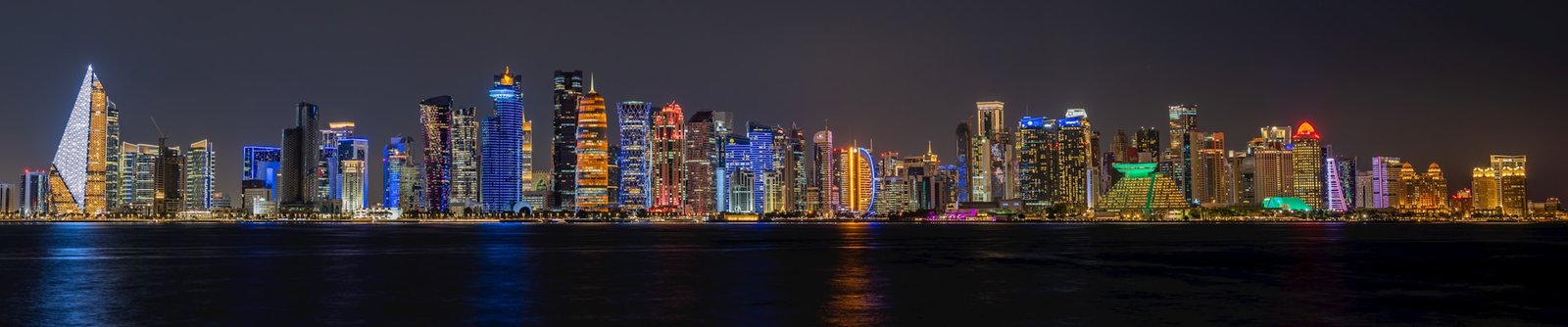
Doha: 5.1 million visitors in 2025, a capital title to defend
Doha was proclaimed Gulf Cooperation Council Tourism Capital for 2026 — a symbolic title that reflects an accelerated urban transformation. The city welcomed 5.1 million visitors in 2025 (a historic record), driven by the maturity of its post-2022 World Cup offering. The Msheireb Downtown Doha complex — an urban regeneration district blending contemporary Islamic architecture, underground museums and designer boutiques — attracted more than 5 million visitors during winter 2025–2026 alone.
The 18 March 2026 crisis (Ras Laffan LNG strikes) sent shockwaves through travel bookings. Qatar demonstrated remarkable logistical resilience: Qatar Airways progressively restored its network, and hotels reported no service interruptions. The country maintains its posture of active diplomatic neutrality, which partially shields it from the most severe tourism impacts.
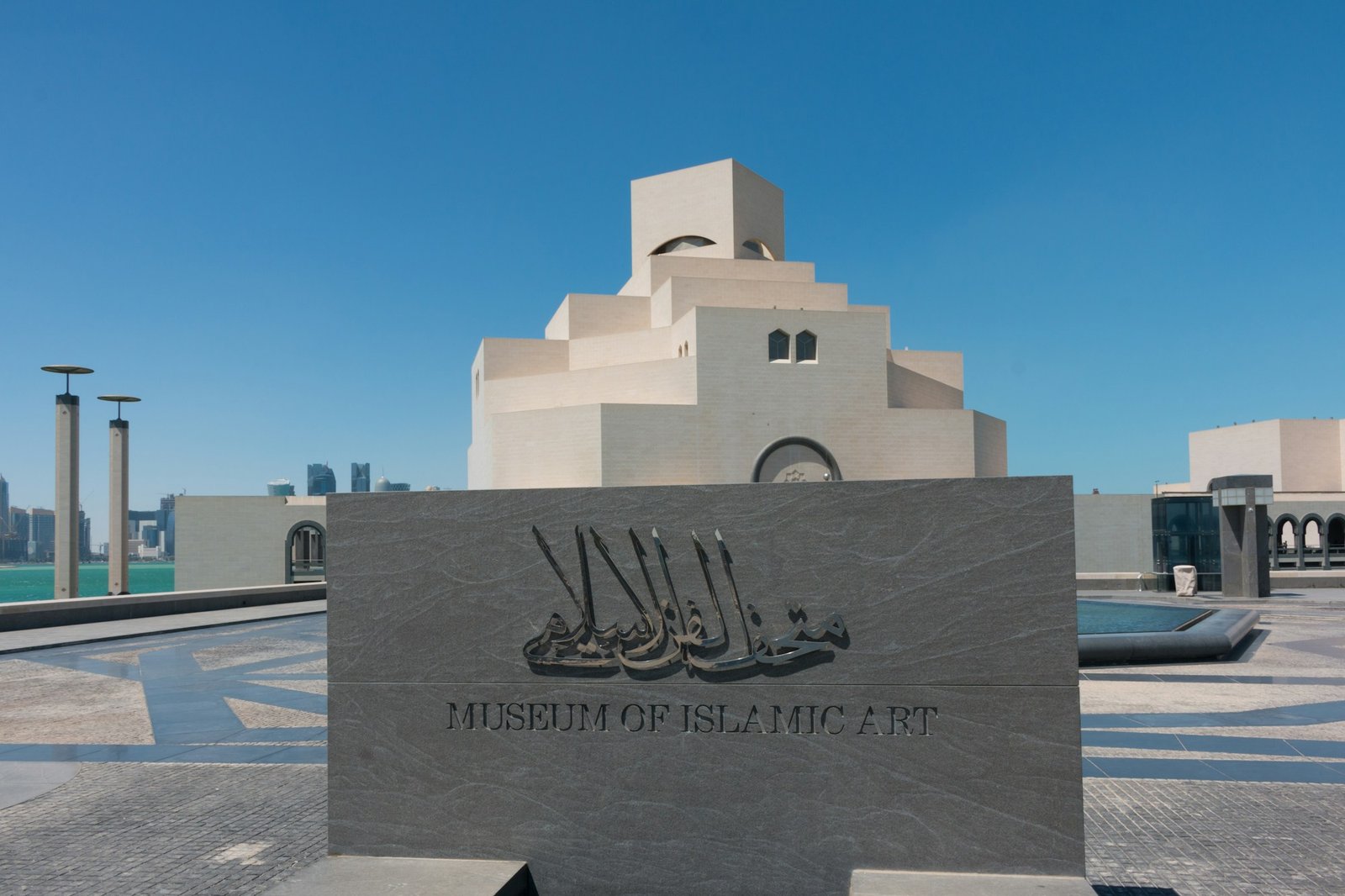
Doha’s cultural triangle: MIA, Msheireb, Souq Waqif
The Museum of Islamic Art (MIA) — I.M. Pei’s masterpiece on the Corniche — is Doha’s absolute jewel. Its collection spans 1,400 years of Islamic art, from illuminated manuscripts from Spain to carpets from Isfahan, Andalusian ceramics and Ottoman armour. The building’s architecture itself, isolated on its own artificial island facing the glass skyline, offers a rare contemplative experience that few museums anywhere in the world can match.
A 15-minute walk away, the Souq Waqif — an authentically restored marketplace, unlike most souqs in the region — offers spices, cardamom Qatari coffee, and live falcons (falconry is on UNESCO’s Intangible Cultural Heritage list). In the evenings, its grill restaurants and shisha lounges come alive in a family-friendly, cosmopolitan atmosphere.
Msheireb Downtown Doha closes this triangle: the world’s first « smart » urban regeneration quarter to use exclusively local materials, it houses four museums on Qatar’s history, boutique hotels, and the city’s most dense cultural programming. Its 2025–2026 winter season proved Doha can draw millions of visitors through culture alone.
Practical information for your trip to Abu Dhabi or Doha
Stay connected from the moment you land. Instant activation, no physical SIM swap needed. One regional plan covers both the UAE and Qatar.
From €4.50Geopolitical coverage and medical evacuation included. Essential in 2026. Monthly subscription — covers flight cancellations if the situation deteriorates.
From $1.87/dayFrequently asked questions about Abu Dhabi and Qatar in 2026
Is it safe to travel to Abu Dhabi or Qatar in 2026?
The situation is complex but not dire. As of April 2026, the UAE and Qatar are rated Level 3 (« Reconsider Travel ») by the US State Department — two steps below the maximum. No Western government has issued a « Leave Immediately » advisory (Level 4) for either country. Commercial flights have partially resumed since late March 2026. The golden rule is to consult your government’s travel advisory in real time before any booking, strictly opt for flexible tickets, and take out insurance covering geopolitical cancellations.
Is the Louvre Abu Dhabi open in 2026?
Yes. The Louvre Abu Dhabi has maintained normal opening hours throughout the regional crisis. The 2025–2026 season features three major exhibitions according to the calendar published by the Abu Dhabi Media Office. Tickets are available online from 63 AED (approx. €16). Check current opening hours on the official website (louvreabudhabi.ae) before your visit.
Will the Abu Dhabi F1 Grand Prix 2026 take place as planned?
As of April 2026, the Abu Dhabi Formula 1 Grand Prix is confirmed for 4–6 December 2026. Formula 1 and Abu Dhabi Motorsports Management have communicated no cancellation signals. The regional geopolitical situation remains a variable to monitor, but the Abu Dhabi GP has historically proceeded even during periods of tension. Hospitality packages and tickets available via viator.com or formula1.com often include cancellation conditions — read them carefully before any costly booking.
How does Abu Dhabi differ from Dubai for a luxury trip?
Abu Dhabi is to Dubai what the Louvre is to Las Vegas: cultural depth versus pure spectacle. Abu Dhabi is more authentically Emirati, less crowded, with better-managed tourism, naturally preserved white-sand beaches on Saadiyat Island, and a cultural fabric (Louvre, future Guggenheim, Sheikh Zayed Mosque, Presidential Palace) unmatched in Dubai. For luxury travellers, Abu Dhabi also offers hotels directly on naturally preserved beaches — something Dubai cannot replicate with the same natural charm.
Have luxury hotel prices in Abu Dhabi and Doha dropped in 2026?
Yes, significantly. Experts estimate that Middle East arrivals could decline 11–27% in 2026 due to the conflict. Many 5-star hotels in Abu Dhabi and Doha are offering promotional rates to maintain occupancy. For travellers with solid cancellation insurance and some flexibility, autumn 2026 (October–November, should the situation stabilise) represents a pricing opportunity the luxury market hasn’t offered since Covid-19.
Do I need a visa to visit Abu Dhabi or Qatar?
No, for most Western nationalities. Citizens of the US, UK, EU, Australia and Canada enjoy visa-free entry to both the UAE (30 days on arrival, extendable) and Qatar (up to 90 days). Your passport must be valid for at least 6 months from the date of arrival in both cases. Always verify entry conditions in force at the time of your departure, particularly in the 2026 geopolitical context.
What are the best cultural neighbourhoods to visit in Doha?
Doha concentrates its jewels across three complementary sites: (1) the Museum of Islamic Art (MIA), I.M. Pei’s masterpiece on the Corniche, with 1,400 years of Islamic art from Spain to India; (2) Souq Waqif, an authentically restored market with spices, falcons and local grill restaurants; (3) Msheireb Downtown Doha, an urban regeneration district with four museums on Qatar’s history. These three sites can be visited on foot in a single day, and most are free or low-cost.
What is the best time to visit Abu Dhabi and Qatar in 2026?
The peak tourist season runs November to March, with pleasant temperatures of 20–28°C. April is still bearable, but May to September should be avoided (35–45°C, extreme humidity). In the 2026 context, autumn (October–November) looks like the best window: summer heat has dissipated, security advisories should have partially normalised, and hotel rates may recover some competitiveness. The F1 Grand Prix in early December traditionally marks the high point of the Abu Dhabi season.
Sources
- Newland Chase — Middle East Crisis Situational Updates (April 2026)
- Government Netherlands — Situation Middle East 2026
- Hospitality Investor — Middle East Conflict Impact on Tourism (2026)
- Gulf News — Abu Dhabi 26.6M visitors 2025 (April 2026)
- Abu Dhabi Media Office — Louvre Abu Dhabi 2025–2026 season
- Connecting Travel — Abu Dhabi #1 luxury destination US travellers 2026
- Connecting Travel — Doha GCC Tourism Capital 2026
- Connecting Travel — Qatar 5.1M visitors record 2025
- Msheireb Properties — 5M visitors winter 2025–2026
- Formula 1 official — Abu Dhabi Hospitality 2026
Research conducted on 7 April 2026
Ready to plan your trip to Abu Dhabi or Doha?
Explore our itineraries to organise a stay in the Gulf — from a cultural weekend on Saadiyat to the full F1 experience at Yas Marina.
Explore all itineraries