
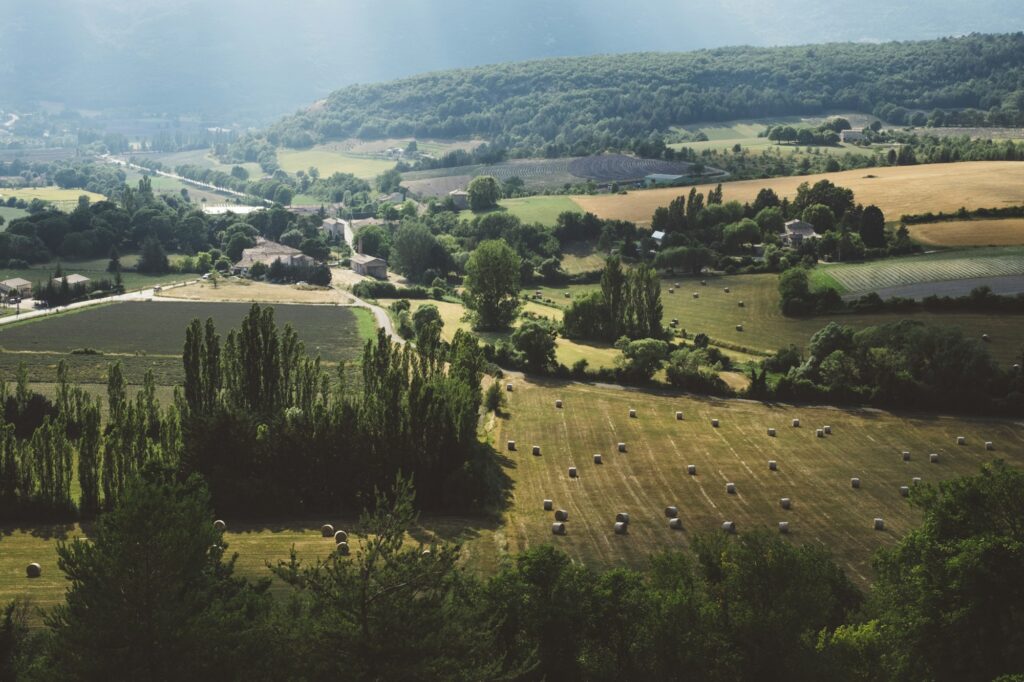
What if your next holiday looked like this: waking up at the crack of dawn to birdsong, joining a morning milking session, then sitting down to a plate of farm-matured cheeses with a glass of local wine? In 2026, agritourism in France is experiencing extraordinary growth. According to the Unpack ’26 report by Vrbo and Expedia, 84% of travellers want to stay on a farm or close to a working agricultural estate — and searches for farm stays on Airbnb have soared by 1,055% in just one year. From Alsace to Normandy, from Provence to the Cantal, France is home to between 15,000 and 20,000 farms that open their doors to visitors — intimate addresses where every dish tells the story of a land, a family, a craft. Here is our selection of the most beautiful agritourism destinations for an authentic 2026 getaway.
1. Alsace — La Ferme du Brézouard, Between the Vosges and Riesling
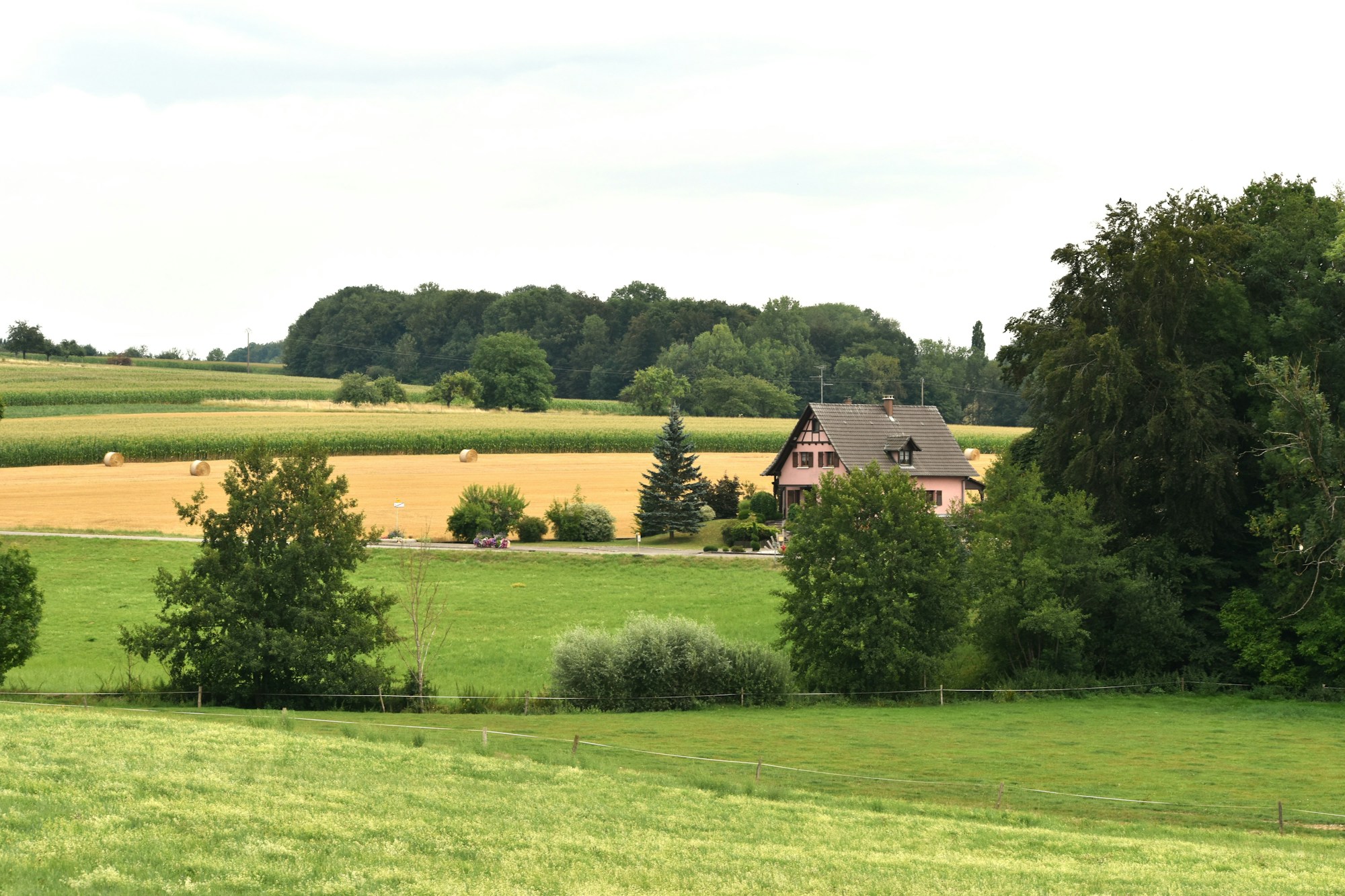
La Ferme du Brézouard, Lapoutroie (Haut-Rhin)
Nestled in the lush greenery of the Alsatian Vosges, La Ferme du Brézouard embodies the most authentic soul of Alsatian agritourism. It welcomes guests in 3-ear guest rooms, with homemade breakfasts and hearty terroir dinners prepared from the farm’s own produce. At the table, you discover the great Alsatian specialities: forest tourte, coq au Riesling, homemade sauerkraut, handmade spaetzle, accompanied by the finest regional grape varieties — Riesling, Pinot Gris or Gewurztraminer. According to Le Journal des Savoirs, the region boasts many farmhouse inns where each season brings its own distinct flavours.
Regional cheeses take pride of place: Munster AOP, Tomme des Vosges and Barkass. Some farms even offer terroir cooking classes or workshops on cow milking — experiences that remain far removed from any mass tourism circuit.
Highlights
- Terroir cuisine prepared with 100% farm products
- Milking, gardening and zero-waste cooking workshops
- Direct access to Vosges Massif hiking trails
- Alsatian cheese and AOC wine tastings
2. Périgord Noir — La Truffière des Mérigots, the Ultimate Truffle Immersion
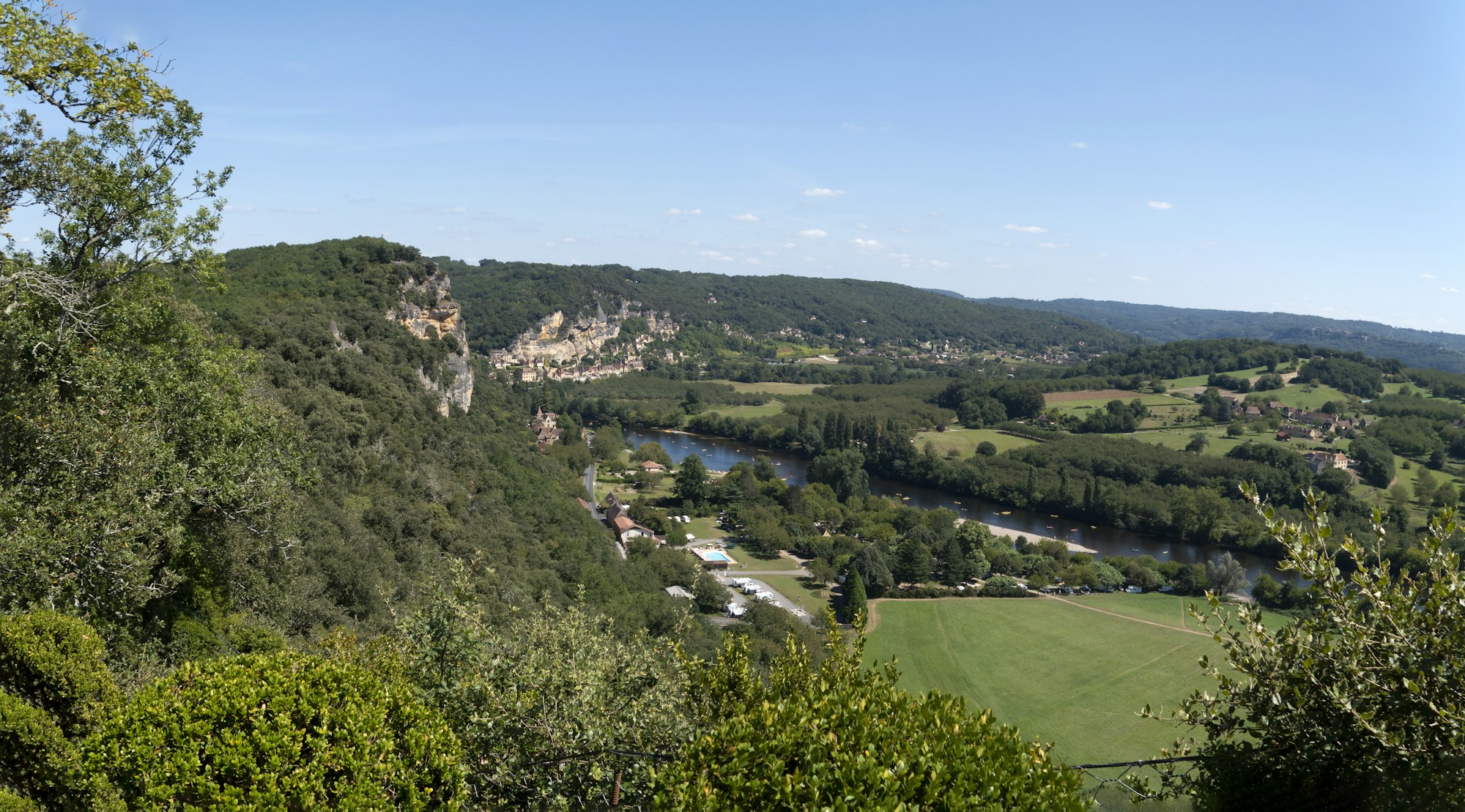
La Truffière des Mérigots, Périgord (Dordogne)
La Truffière des Mérigots offers one of the most immersive agritourism experiences in France: a gastronomic weekend entirely dedicated to the black truffle of Périgord. The full package includes accommodation in guest rooms, a welcome aperitif, a gastronomic dinner at the farm table, and a guided tour of the truffle groves with the truffle dog Uky. You will discover the secrets of the Tuber melanosporum, the mythical black truffle, and witness first-hand the cavage — the moment when the dog digs up the precious fungus. According to La Truffière des Mérigots, the « all cooking » workshops allow you to prepare signature dishes: truffle scrambled eggs, truffled duck maki, aged cheese and a surprise dessert.
The Périgord is also renowned for its duck foie gras, snails, saffron and craft beers. More than 15 producer encounters are available in the Dordogne, from foie gras making to walnut oil pressing.
Highlights
- Truffle hunting with a truffle dog in a confidential family grove
- Gastronomic dinner with all-truffle menu and wine pairing
- Cooking workshop with Périgord duck and black truffle
- Sainte-Alvère truffle market every Monday (November–March)
3. Brittany — Artisan Farms, Churn Butter and Cider Makers
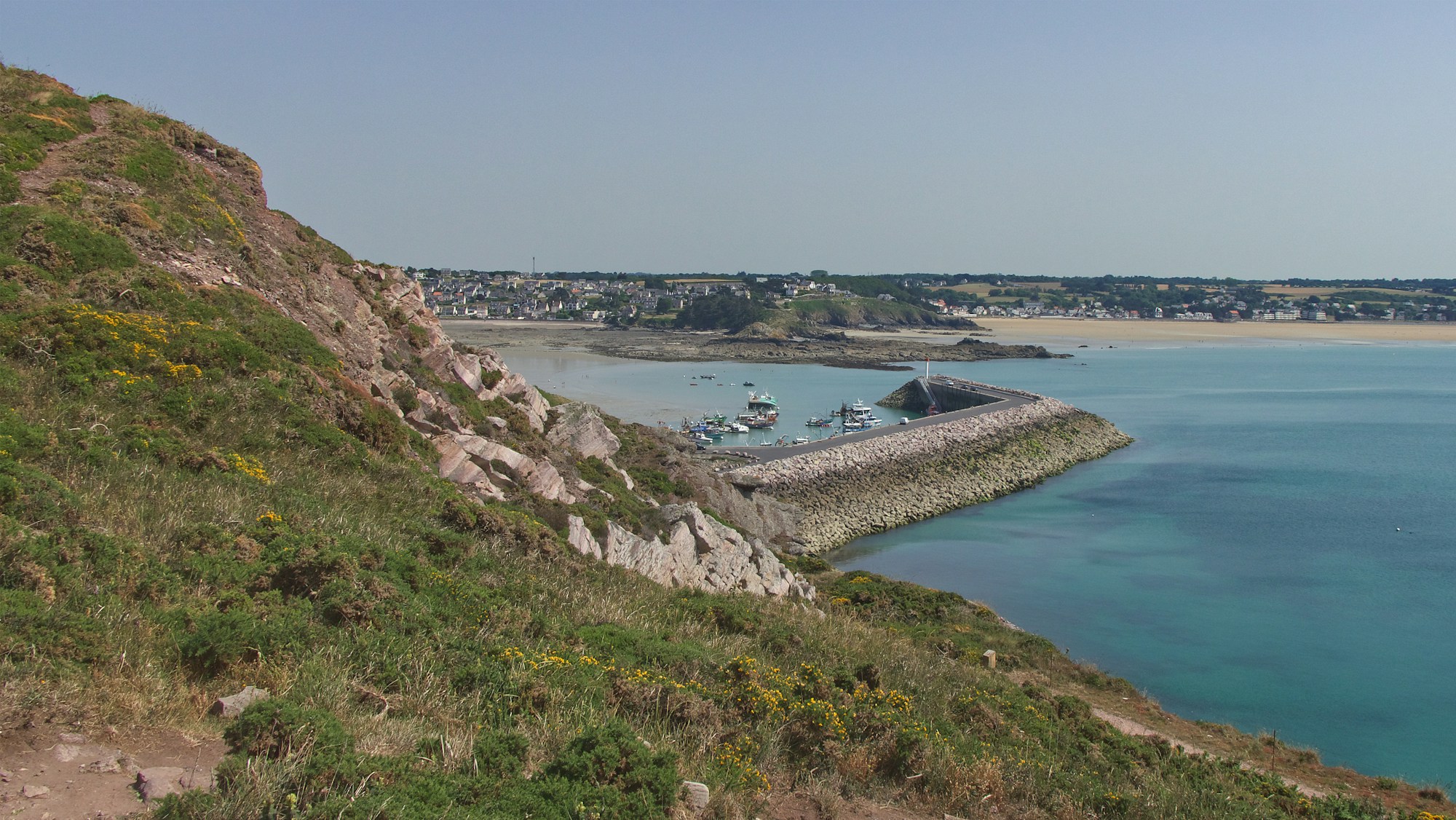
Breton Farms, Finistère and Morbihan
Brittany offers the most accessible agritourism in France: according to Holidu, 98% of farm stays in Brittany cost under €100 per night. You will find beautiful traditional granite longhouses superbly renovated, surrounded by large estates. The flagship workshop in Brittany is butter-making at the farm: discovering vintage equipment, churning whole milk, and tasting on a warm fresh roll — a simple yet memorable experience offered by the Bienvenue à la Ferme Bretagne network.
More broadly, Breton farms organise bread-making, cheese-making and cider-house visits — such as the Cidrerie de la Baie in the Morbihan. The « Tous à la Ferme » open day welcomes over 20,000 people each year across twenty farms, fostering direct exchange between Breton farmers and curious visitors.
Highlights
- Churn butter, bread and farm cheese workshops
- Visit to artisan cider houses in Morbihan
- Granite longhouses in an unspoilt inland Brittany
- « Tous à la Ferme » open day: 20 farms throw open their doors
4. Haute-Provence — Valensole, Lavender Fields and Sisteron Lamb
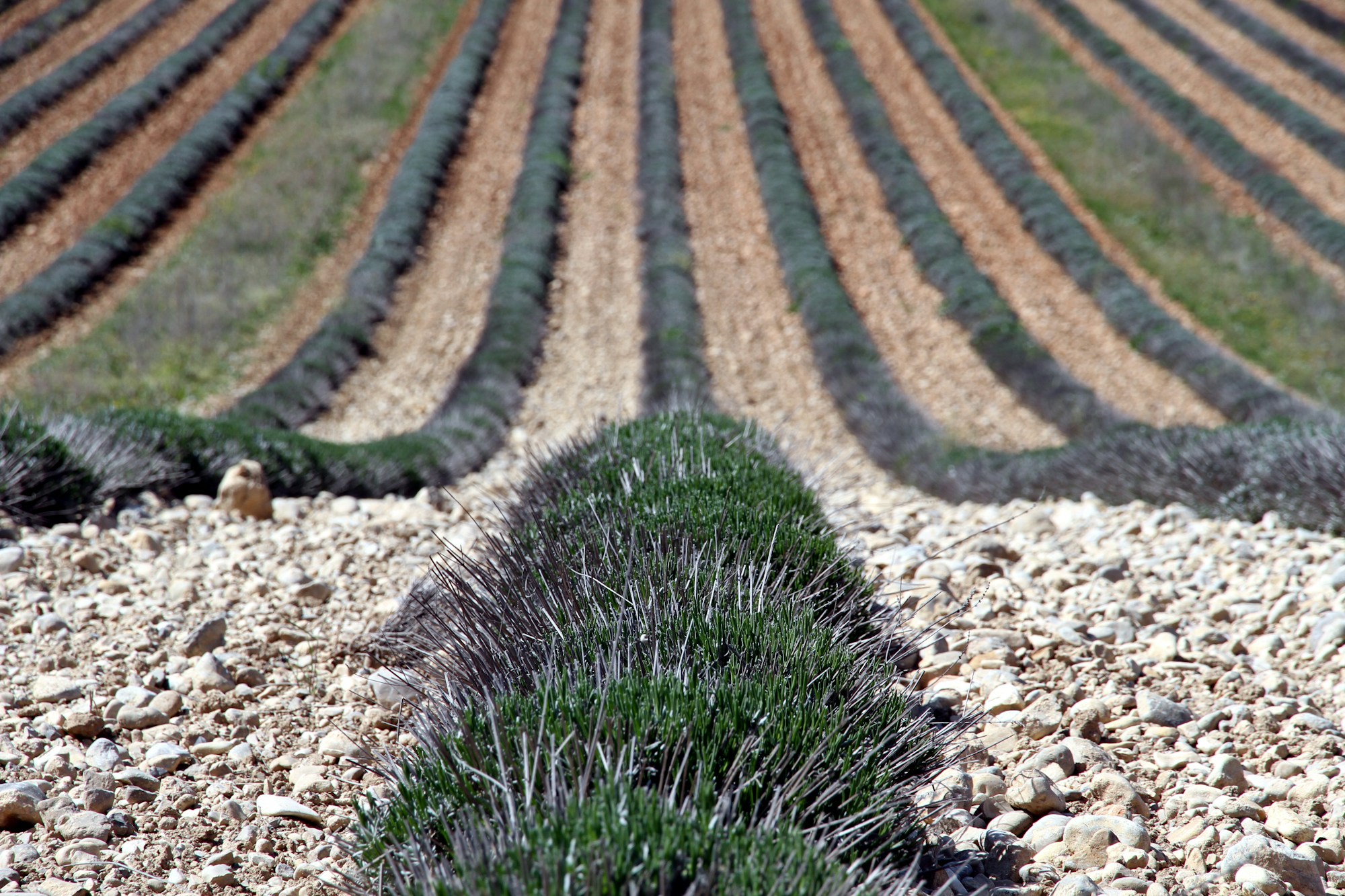
Valensole Plateau and Alpes-de-Haute-Provence
The Valensole Plateau is home to the largest lavender field in the world — a breathtaking purple spectacle from mid-June to mid-July. But agritourism in Haute-Provence goes beyond lavender: according to the Alpes-de-Haute-Provence Chamber of Agriculture, 30% of the department’s agricultural land is now certified organic — one of the highest rates in France. Sisteron lamb, proudly bearing its Red Label and IGP, joins lavender, olive oil and mountain honey as ambassadors of local agricultural excellence.
For the third consecutive year, a dedicated brochure proposes five discovery circuits through the farms of the Alpes-de-Haute-Provence. Small lavender distilleries — barely referenced on major platforms — welcome visitors by appointment, in an intimate and artisanal atmosphere.
Highlights
- Visit lavender distilleries and watch steam distillation in action
- Taste IGP Sisteron lamb directly at the producer
- Signposted discovery circuits through 5 Haute-Provence terroirs
- Mountain honey, AOP olive oil and organic lavender sold direct
5. Alpilles & Gordes — Moulin Castelas and the Olive Estates of Les Baux-de-Provence
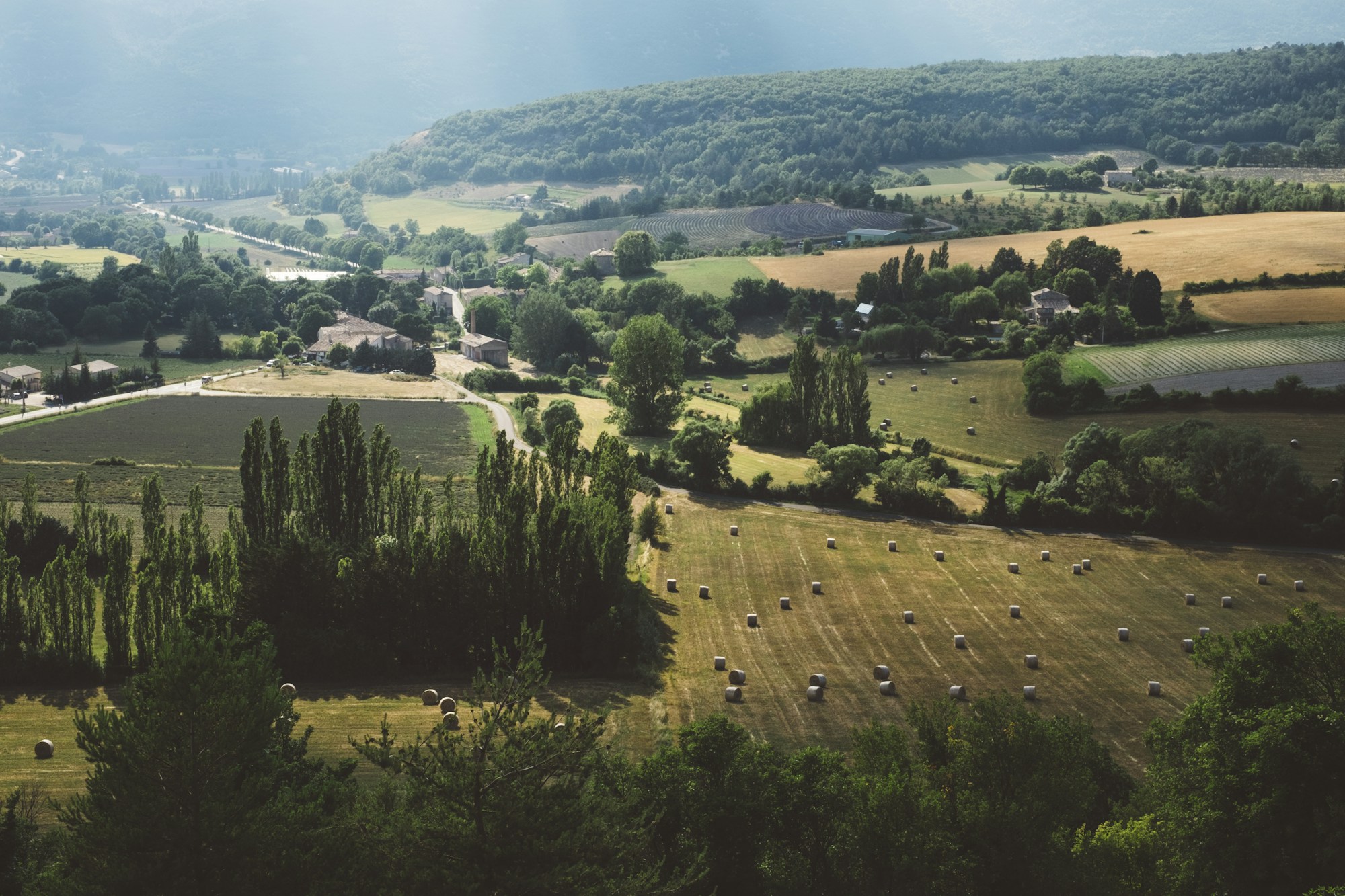
Moulin Castelas & Mas Saint-Roman, Alpilles (Bouches-du-Rhône)
The Alpilles is home to a constellation of olive estates among the most remarkable in France. At Moulin Castelas, the Hugues family lovingly tends a 45-hectare olive grove to produce AOP Vallée des Baux-de-Provence olive oils, which can be tasted on a guided mill tour. At Mas Saint-Roman in Maussane-les-Alpilles, Christine Garcin offers cottages certified « Parc Régional Values » — with pool, hammocks for afternoon naps, and an introduction to olive cultivation.
At Mas de la Tapi in Mouriès, five generations have passed down a unique craft to produce an extra-virgin olive oil in certified organic farming. Come outside high season for the most intimate — and most affordable — experience.
Highlights
- AOP Vallée des Baux-de-Provence olive oil tastings
- Participate in the olive harvest in November
- Cottages certified by the Alpilles Regional Natural Park
- Vineyards, producer markets and fragrant garrigue from April
6. Auvergne — Salers and the Cantal, Kingdom of AOP Cheeses
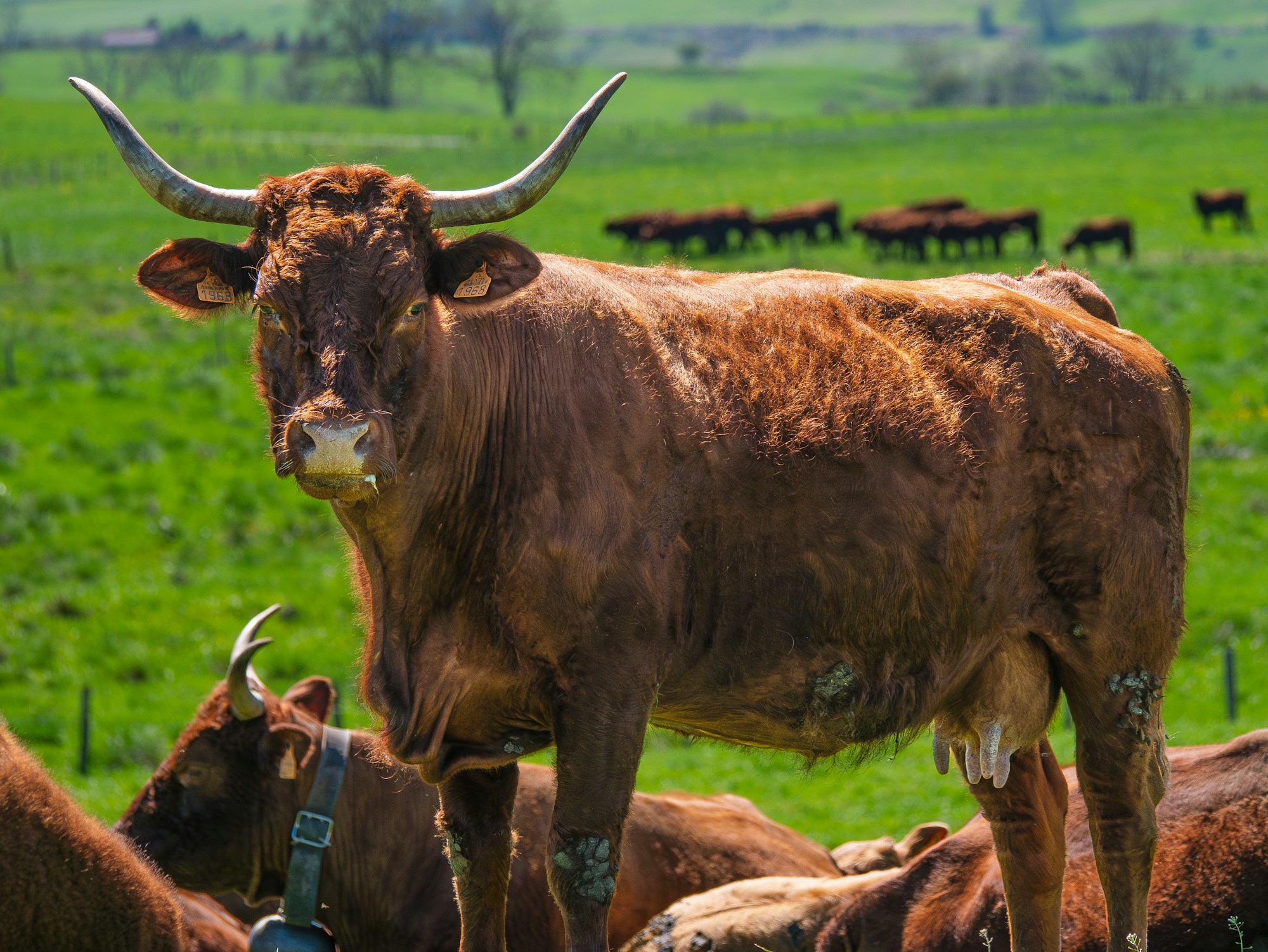
The Salers & Cantal Farms, Auvergne (Cantal – 15)
The Cantal is one of France’s best-kept agritourism secrets. In this department of volcanoes and high-altitude meadows, farms produce four major AOP cheeses: Saint-Nectaire, Cantal, Salers and Bleu d’Auvergne. Around every corner of the medieval village of Salers, a fromagerie invites you to discover local produce, and some even offer participation in cheese-making — an experience that appeals to gastronomy enthusiasts and families alike.
Upland milking, still practiced during the estive season between June and October, is an experience very few French farms still offer to experience from the inside. Rural holiday rentals in Auvergne cover all the finest corners of the territory, from the Chaîne des Puys to the Monts Dore, through the Livradois and the Monts du Cantal.
Highlights
- Salers AOP cheese-making workshop at the producer
- Upland milking and estive experience (June–October)
- Transhumance in June: a living spectacle, free of charge
- Homemade truffade and aligot in Cantal farmhouse inns
7. Normandy — The Cider Route and Camembert Farm, the Dairy Paradise
Camembert Farm & Cider Route, Normandy (Orne – Calvados)
In Camembert, in the Orne, a new 100-hectare educational farm has opened its doors to visitors. According to France Info, the entry price is €5 per adult, complemented by sales of local produce (camembert, homemade jams, fruit juices). The AOP zone of Normandy Camembert is tiny: only a handful of producers still make it by hand, from raw milk. To stay there is to enter the last circle of a world-class craft.
The Cider Route at Cambremer includes around twenty producers to visit, and 600 AOP-certified farms produce four iconic cheeses: Camembert, Pont-l’Évêque, Livarot and Neufchâtel. In spring, from March to April, farmers have the time to truly explain their craft — the ideal season for an educational rather than spectacular visit.
Highlights
- Raw milk AOP Camembert-making course
- Cider Route: visit 20 artisan cider houses at Cambremer
- Camembert educational farm: €5 entry, local products on sale
- Taste all 4 Normandy AOP cheeses directly at the producers
Bonus: Jura — Petite Montagne Farmhouse Inns, Between Mont d’Or and Vin Jaune
The Jura remains one of the great overlooked regions of French agritourism. Its farmhouse inns in the Petite Montagne, between Lons-le-Saunier and Arbois, combine verdant landscapes with traditional specialities given a creative twist. Its extraordinary cheeses — Comté, Morbier, Mont d’Or — and its unique wines (vin jaune, vin de paille) make it doubly gastronomic. According to La Ferme aux 5 Saisons, these farms serve meals prepared almost entirely from their own produce, with cosy Mont d’Or evenings baked by the fireside in winter. La Percée du Vin Jaune (first weekend of February) is the Jura’s biggest agritourism festival — book a farm gîte months in advance to attend. Budget: €70–110/night, meals with Jura wine pairing: €35–50/person.
2026 Budget Summary Table
| Region / Destination | Accommodation/night | Meals/person | Workshops/person |
|---|---|---|---|
| Alsace – Ferme du Brézouard | €70–120 | €25–35 | €15–25 |
| Périgord – La Truffière des Mérigots | €200–280 / couple (all-inclusive) | ||
| Brittany – Various farms | €47–95 | €20–30 | €10–20 |
| Haute-Provence – Valensole | €90–150 | €30–40 | €10–15 |
| Alpilles – Moulin Castelas | €100–150 | €25–40 | €15 |
| Auvergne – Salers | €50–90 | €20–35 | €15 |
| Normandy – Cider Route | €60–120 | €25–35 | €30–50 |
| Jura – Petite Montagne | €70–110 | €35–50 | €20–30 |
For camping on a farm, rates are generally between €4 and €10 per night per adult — an ultra-affordable option for families.
Frequently Asked Questions about Agritourism in France
How do I find a reliable, certified agritourism farm in France?
Two main networks list all available farm stays across France: « Bienvenue à la ferme », the Chambers of Agriculture brand (5,850 certified farms), and « Accueil Paysan », an association promoting peasant farming (750 structures). The platform Un Lit au Pré is also a reference for verified, bookable farm stays. According to the French Ministry of Agriculture, these networks guarantee that the farm is genuinely active and that tourism services are offered by real farmers.
How much does an average farm stay in France cost in 2026?
Expect €60–100/night for a simple farm stay, €150–200 for a property with upmarket facilities (pool, spa). Camping on a farm costs between €4 and €10 per night per adult. Thematic weekends (truffle, cheese, wine) all-inclusive range from €150 to €350 per person for 2 days. In Brittany, 98% of offers are under €100/night — the most affordable region for agritourism.
What is the best season for an agritourism stay in France?
It depends entirely on the region. In Normandy, March–April is ideal to meet cheese-makers at a relaxed pace. The Valensole lavender blooms from mid-June to mid-July. Périgord truffle stays run from December to March. Autumn (harvest season, chestnuts, truffles) is universally excellent for agritourism. Auvergne is best visited between May and September when the upland pastures are active.
Is agritourism suitable for families with children?
Absolutely. According to the French Ministry of Agriculture, discovery farms are hugely popular with families: parents often want to show their children how a farm works and how food is produced. Children can take part in bread-making, butter-churning or cheese-making workshops, feed the animals, and join in the morning milking — educational and entertaining activities for all ages. Family farm stays combine adventure, learning and reconnection with nature.
How far in advance should I book an agritourism stay?
Yes, and increasingly early. The agritourism sector is growing at 6–8% per year, and the best addresses sell out fast — especially around Easter and the May Bank Holiday weekends. For thematic weekends (truffle, harvest), book at least 2 to 4 months in advance. For summer gîtes, 5 to 6 months is recommended. Booking directly with the farm means paying less and establishing genuine human contact before you even arrive.
Can you do agritourism in winter in France?
Yes, many farms welcome visitors year-round. Winter is even the ideal season for truffle stays (December–March in Périgord), warm Mont d’Or evenings in the Jura, Cantal estive cheese tastings in Auvergne, and Camembert-making courses in Normandy. The hearty warming dishes served in Vosges farmhouse inns — forest tourte, Savoy hotpot — bring incomparable comfort during the cold months.
Sources
- Ulysse.com — Agrotourisme printemps 2026: où partir en France et en Europe? — Unpack ’26 report, key sector figures
- French Ministry of Agriculture — Agritourisme: tous à la ferme! — Official guide, certified networks
- Un Lit au Pré — The rise of agritourism in France — 2025–2026 trends
- La Truffière des Mérigots — All-truffle gastronomic stay — Full programme details
- Dordogne Périgord Tourism — Meeting local producers
- Tous à la Ferme — Brittany farm visits and tours
- Invest In Alpes-de-Haute-Provence — Agriculture Fair 2025
- Provence-Alpes-Côte d’Azur Tourism — Agritourism
- En Auvergne — Tourist discovery 2025
- France Info — The success of agritourism (France 2 news)
- La Ferme aux 5 Saisons — Top farmhouse inns in France
Research conducted on 5 March 2026.
Ready to Experience French Agritourism?
From the Alps to Brittany, from the volcanoes of Auvergne to the Alsatian hills, France is filled with exceptional farms just waiting for you. Plan your agritourism stay in France with Pixidia.
Explore all France itineraries