
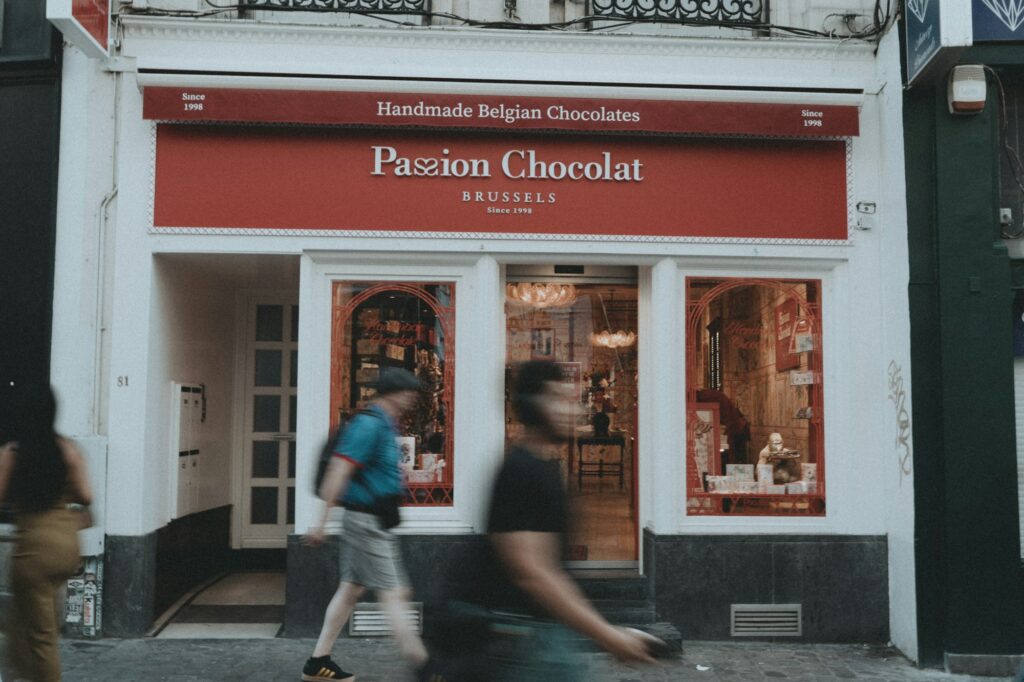
From Brussels to Turin via Zurich and Bayonne, Europe harbours an unsuspected wealth of chocolate heritage. Belgian pralines invented in 1912, Piedmontese giandujotti from the 17th century, Swiss bean-to-bar grand crus, four-century-old Basque chocolate: this gourmet route crosses extraordinarily varied cultures, histories and flavours. In 2026, Gault&Millau laureates, international festivals and new artisan addresses are redrawing Europe’s chocolate map. Here is the complete guide to experience this sensory adventure, from bean to praline.
1. Brussels: Capital of the Artisan Praline
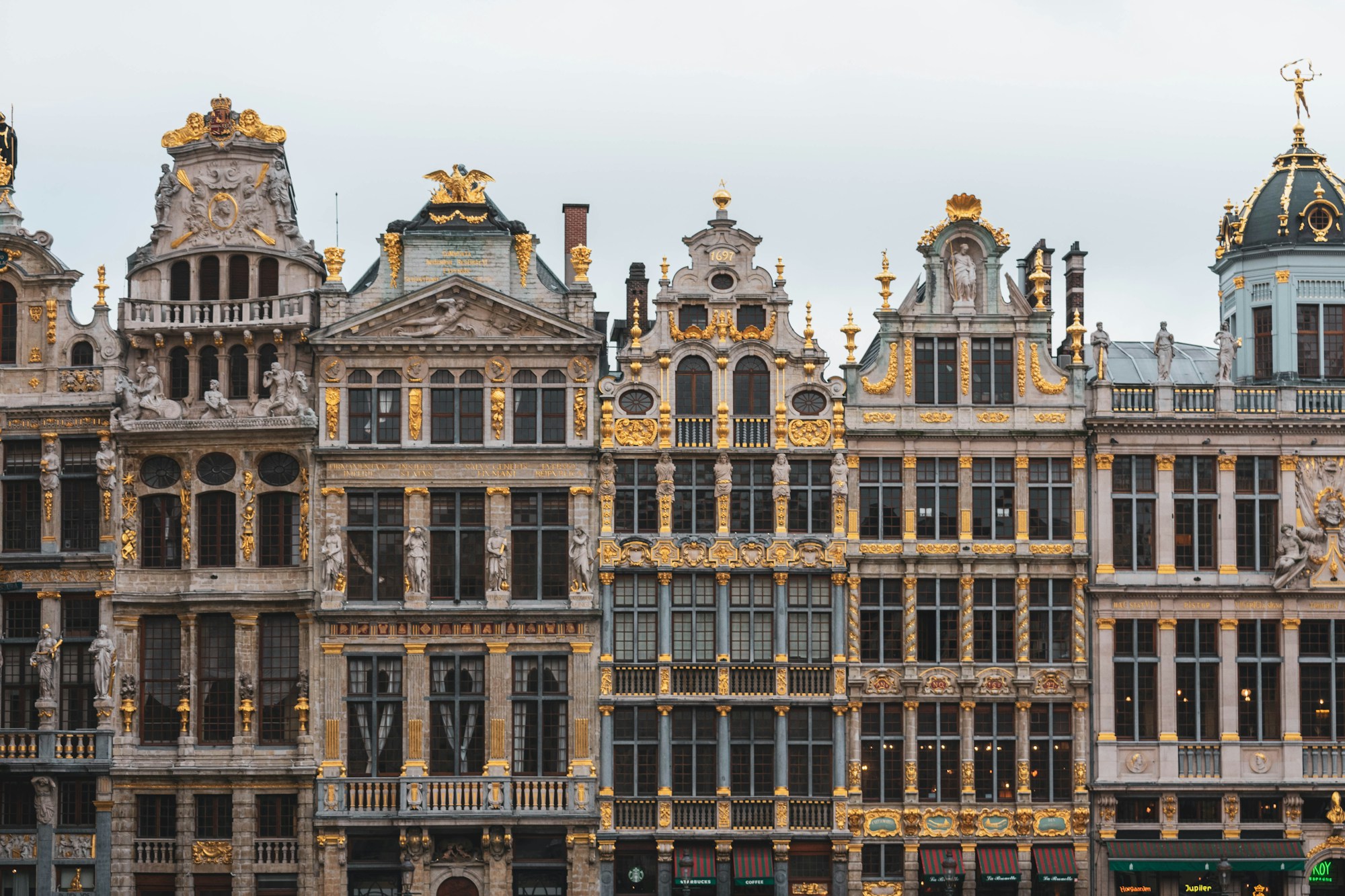
Grimonpon (Uccle) & Van Dender (Schaerbeek)
The Gault&Millau guide named Jérôme Grimonpon the best chocolatier in Brussels 2026. Already a laureate in 2020 and elected « Best Artisan Chocolatier of Belgium » in 2012, this master craftsman based at 49 avenue Hamoir in Uccle practises an art form that his recognition speaks to best: excellence without pretension. Melting pralines, delicate truffles, refined chocolate bars — each piece is crafted like a small edible work of art.
For a second address off the beaten track, head to Van Dender in Schaerbeek: official supplier to the Belgian royal family, it is one of the rare Belgian chocolatiers to make its chocolate « from bean to bar » with absolute control over raw materials. According to Bruxelles City News, its Schaerbeek workshop is a Belgian reference for the bean-to-bar movement.
Highlights
- Grimonpon: double Gault&Millau laureate, far from tourist crowds
- Van Dender: royal « bean-to-bar » chocolate
- Perfect half-day combination from the city centre
2. Bruges: The Golden Triangle of Chocolatiers
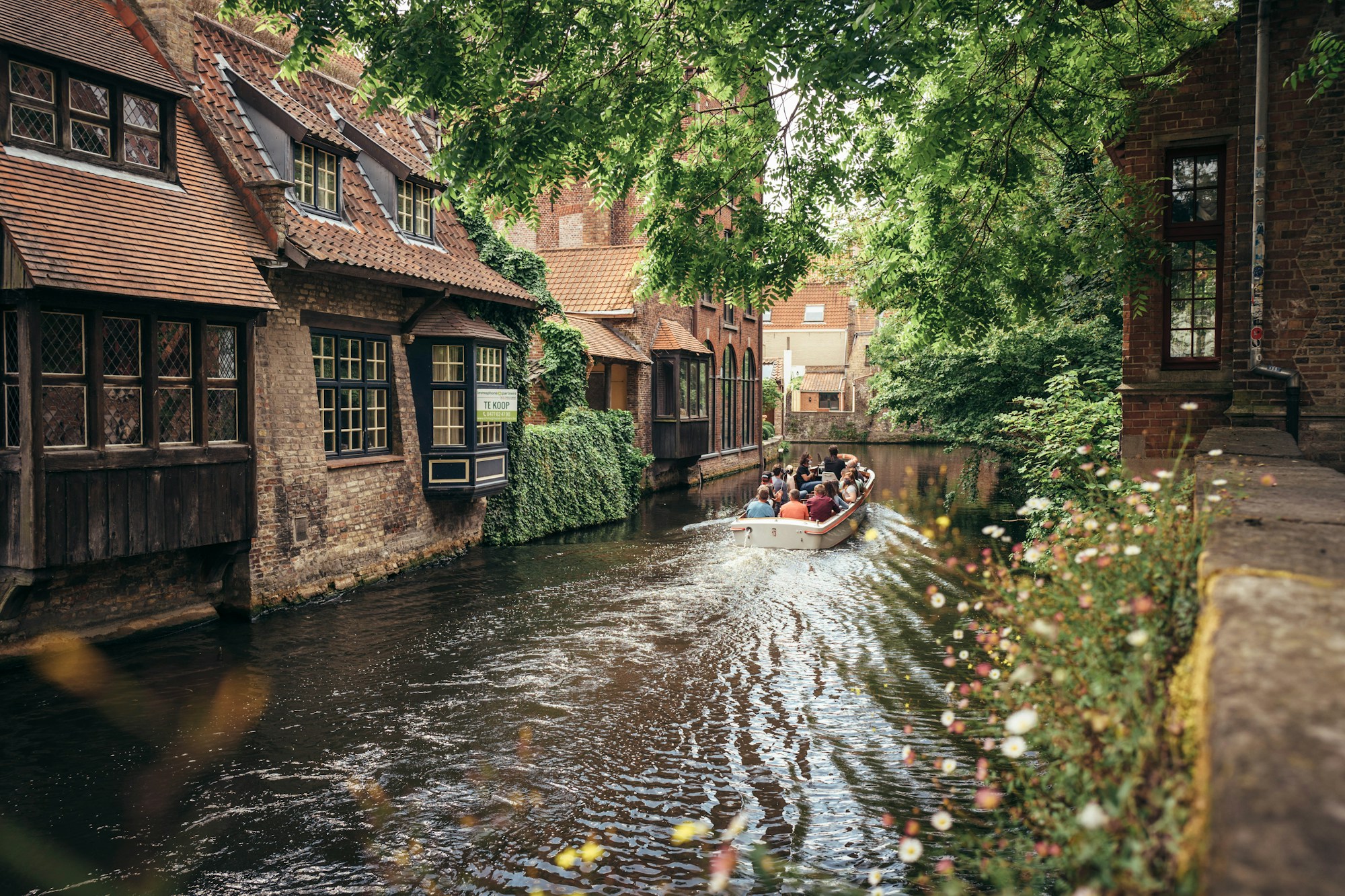
Sukerbuyc, Dumon & Depla — Katelijnestraat
Bruges concentrates some of Belgium’s oldest artisan chocolate shops within a remarkably small area. Chocolaterie Sukerbuyc (Katelijnestraat 5) is the oldest artisan chocolaterie in Bruges, perpetuating fresh cream pralines and butter ganaches following ancestral family recipes since the 1970s. Chocolaterie Dumon, founded in 1992 by Stephan Dumon, built its reputation from a garage with artisan truffles before becoming a national reference for innovative flavour combinations.
Chocolaterie Depla (founded in 1958) may be the most fascinating: its owner Pol Depla personally visits a laboratory in Paris to select the cacao beans, which are then brought to Bruges to be transformed into cacao paste. This rigour in raw material selection gives Depla a rare singularity.
Highlights
- Three century-old chocolate shops within 5 minutes’ walk
- Bruges Chocolate Workshop: hands-on praline and chocolate making classes
- Accessible as a day trip from Brussels (1 h by train)
3. Zurich: The Swiss Bean-to-Bar Avant-Garde
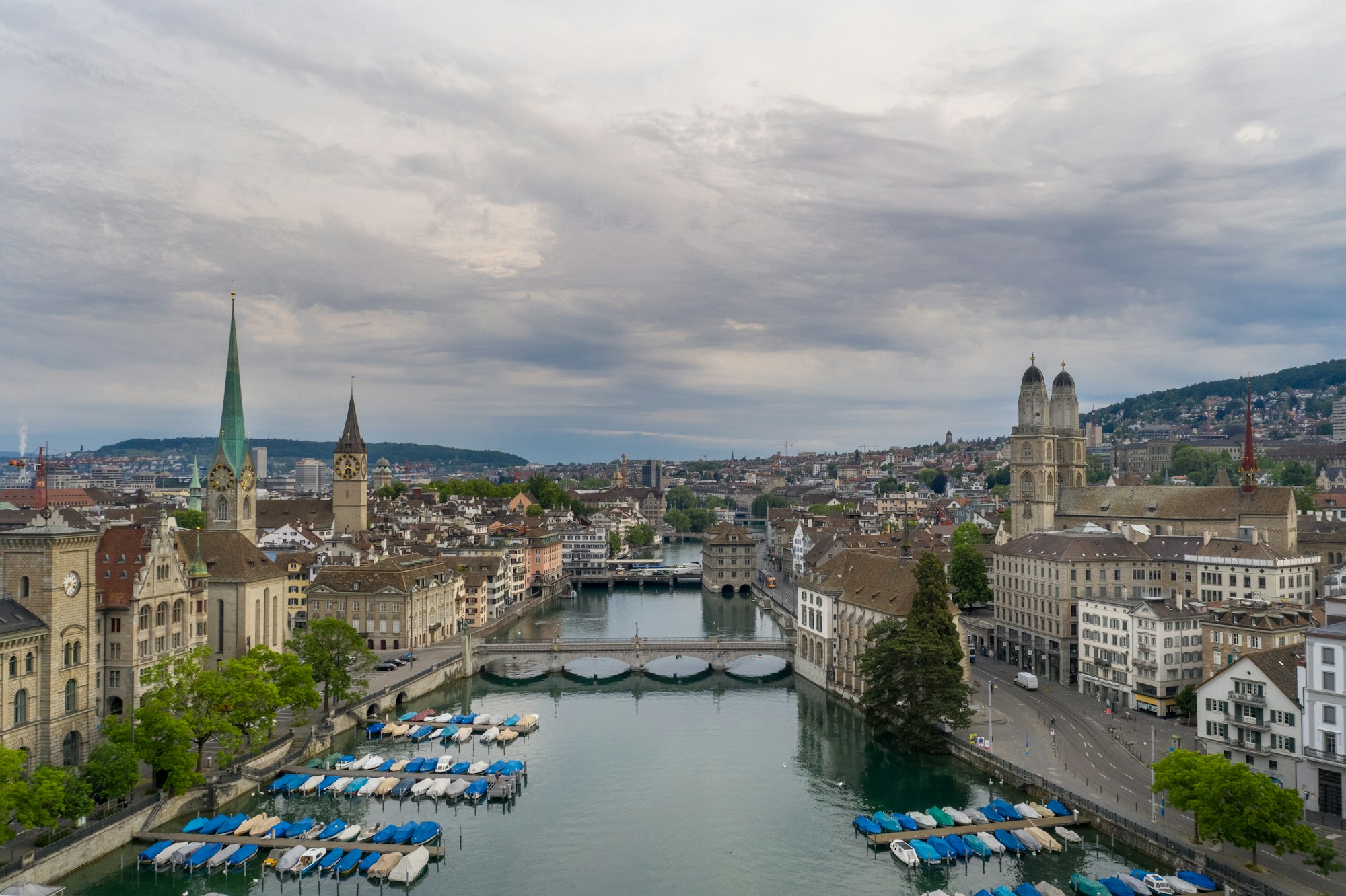
Max Chocolatier, Garçoa & Honold — Niederdorf & Rennweg
If Switzerland is the world’s best country for chocolate, Zurich is its capital. According to Frommer’s, the city concentrates « as many artisan chocolate boutiques as those boutiques have delicate sweets under glass. » Max Chocolatier, a gem in the Niederdorf quarter, sources single-origin bars from the finest producing regions: Madagascar, Bolivia, Dominican Republic, Ecuador and Venezuela. Every piece is handcrafted without preservatives or palm oil.
Garçoa embodies Zurich’s sustainable gem: specialising in organic bean-to-bar chocolate from ethical sourcing, this address offers according to Zurich Foodie Tour chocolate bars and hot chocolates of rare intensity and purity. For tradition lovers, Confiserie Honold (founded 1905) runs the legendary Schoggi Tram — a two-week tram ride from late October where you tour the city sampling pralines and cakes. And the inimitable Vollenweider, which names its confections after famous operas (Così Fan Tutte with hazelnuts, Romeo & Juliet with raspberry…), is now in its third generation.
Highlights
- Max Chocolatier: single-origin bars, no palm oil
- Garçoa: organic and ethical bean-to-bar, a confidential gem
- Honold’s Schoggi Tram: unique experience late October–November
- Berg und Tal market: showcase of Zurich craftsmanship (Taucherli, La Flor, Garçoa)
4. Turin: Birthplace of Gianduja and World Chocolate Capital
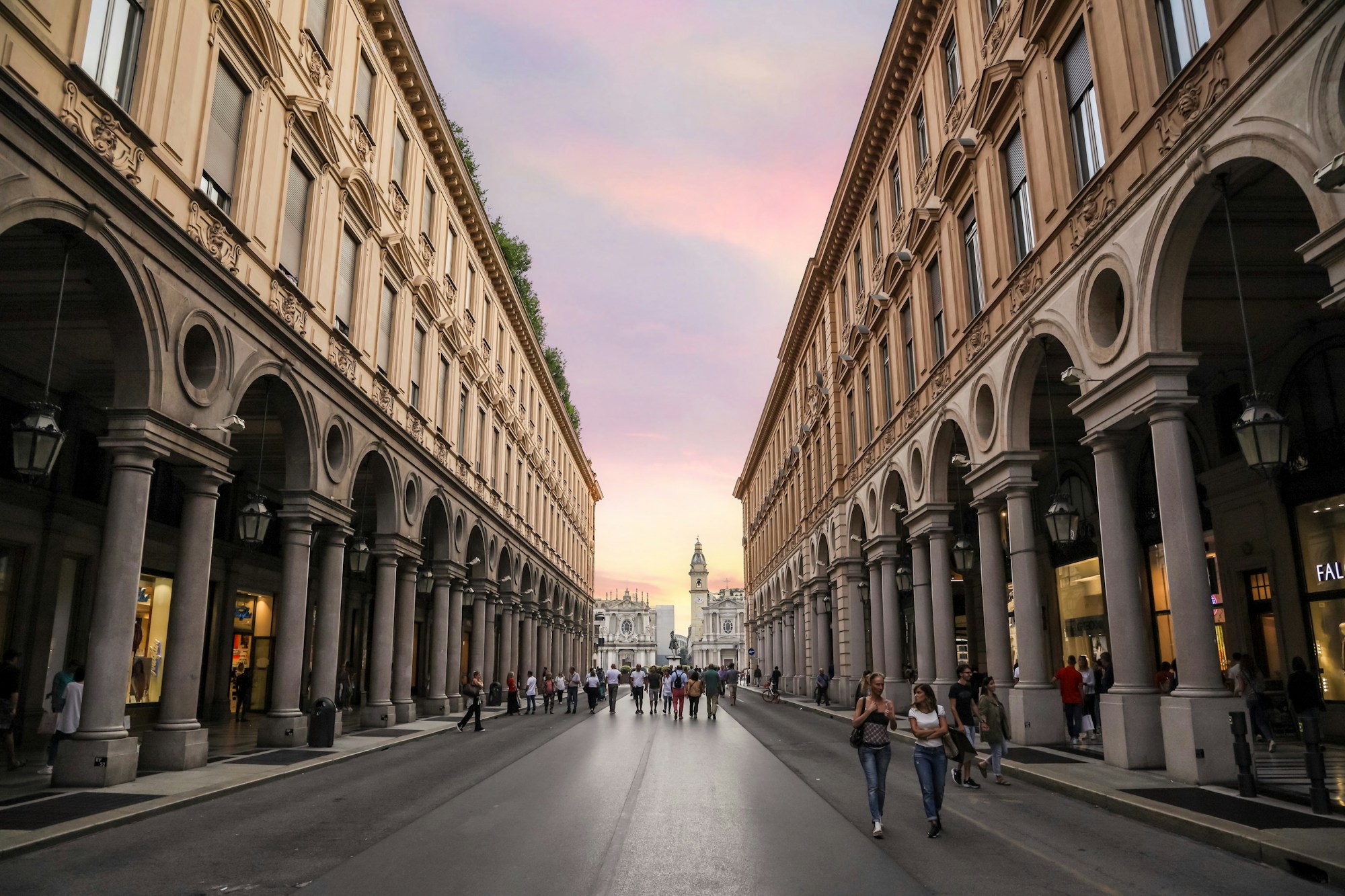
Guido Gobino, La Perla & Bicerin — Quadrilatero Romano
Turin has the deepest historical connection to chocolate of any European city. According to The Best of Turin, as early as 1560, Duke Emanuele Filiberto of Savoy served hot cacao to celebrate the transfer of the ducal capital from Chambéry to Turin. In 1865, chocolatier Caffarel invented the first gianduiotto — a blend of Piedmontese hazelnut paste and chocolate, born out of the cacao shortage during the Napoleonic wars. This blend later inspired Nutella and Ferrero Rocher.
Bottega Guido Gobino is considered one of the most important artisan chocolatiers in the world. La Perla chocolaterie, ten minutes from the centre in the Dora district, offers guided laboratory tours. Don’t miss the bicerin: served since 1763 at the Café Al Bicerin, this layered blend of espresso, hot chocolate and cream is the city’s signature sensory experience. In November, the baroque Piazza San Carlo transforms for the CioccolaTO festival: 120 Italian and international chocolatiers, free tastings, chocolate sold by the kilo — and the scent of cacao filling the surrounding streets.
Highlights
- Guido Gobino: internationally acclaimed artisan, Quadrilatero Romano
- La Perla: guided laboratory tours (advance booking recommended)
- Bicerin at Café Al Bicerin (est. 1763): unmissable ritual
- CioccolaTO (November): free entry, 120 chocolatiers gathered
5. Perugia: Eurochocolate 2026, Europe’s Largest Chocolate Festival
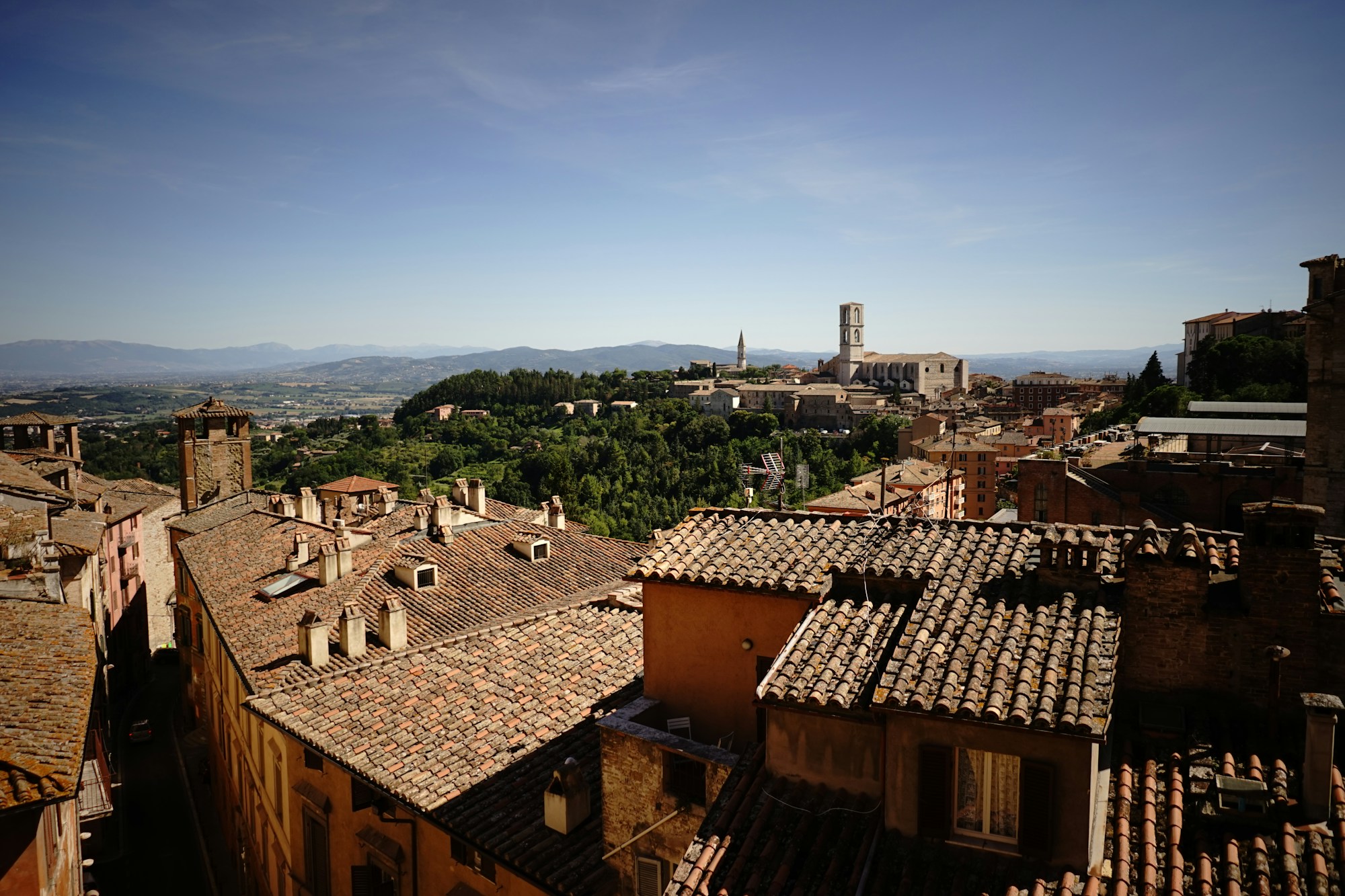
Eurochocolate 2026 — 13 to 22 November, Historic Centre
Founded in 1993, the Eurochocolate festival draws over 800,000 visitors annually to Perugia’s historic centre — making this Umbrian city the world’s ephemeral chocolate capital each November. The 2026 edition runs from 13 to 22 November. For ten days, the cobbled streets and historic squares are filled with the intoxicating aroma of cacao: small artisans rub shoulders with major Italian and international houses, offering exceptional variety.
Perugia is also the birthplace of Baci Perugina, Italy’s famous chocolate pralines wrapped in their iconic love note. A new attraction has recently opened: the Città del Cioccolato, Italy’s first experiential chocolate museum. Entry to the festival is free — only workshops and masterclasses are paid (€15–30).
Highlights
- Over 800,000 visitors: Europe’s largest chocolate festival
- Città del Cioccolato: Italy’s first experiential chocolate museum
- Free entry and the chance to speak directly with producers
- Giant chocolate sculptures on the first Sunday (shavings given to passersby!)
6. Bayonne: The Iberian Memory of Chocolate in France
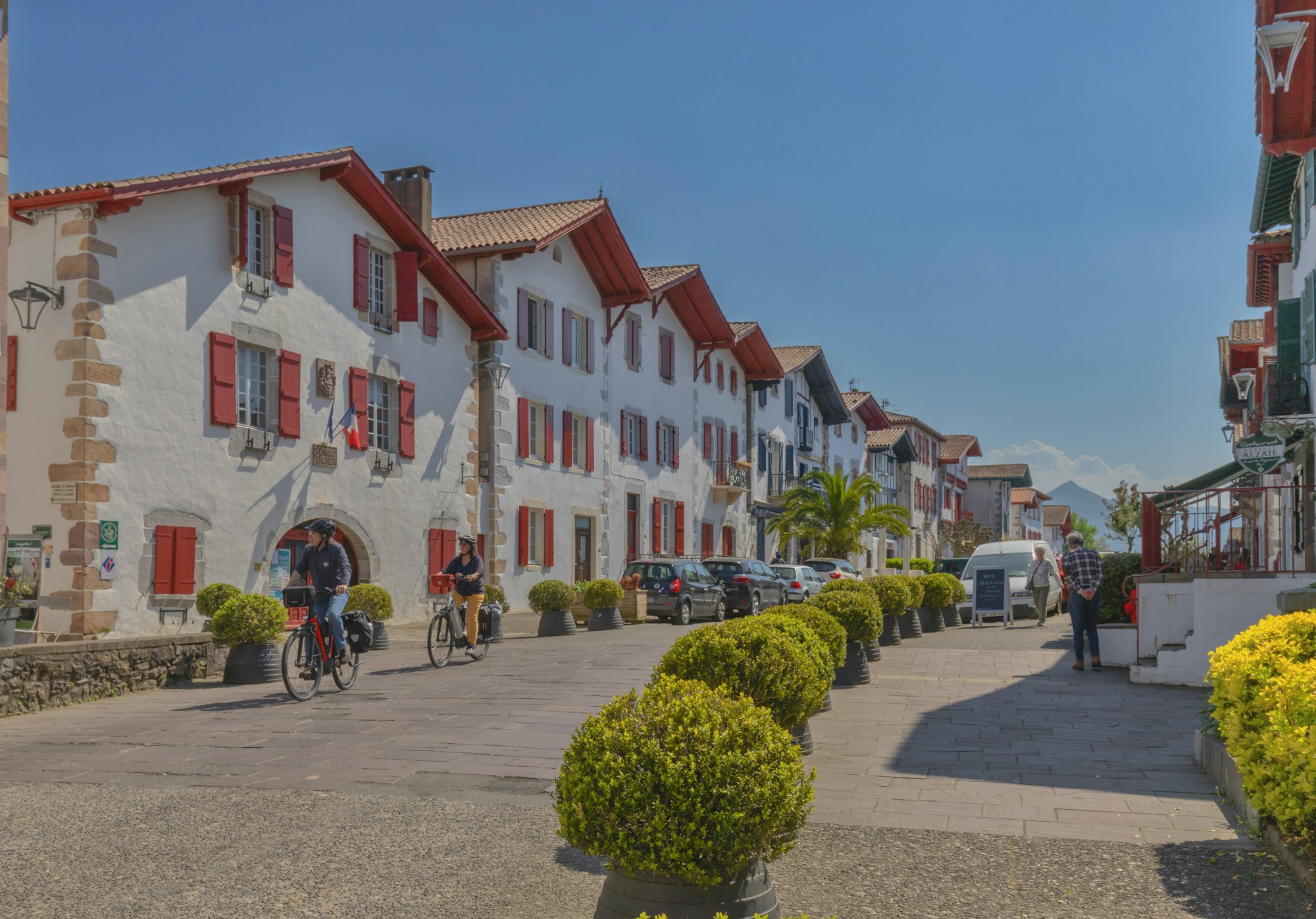
Cazenave (1854), Daranatz & the Atelier du Chocolat — Rue Port Neuf
Bayonne is a revelation often overlooked by non-French chocolate lovers. In the 17th century, Jewish communities fleeing the Iberian Inquisition settled in the Basque Country and imported the art of chocolate-making: Bayonne thus became the first city in France to develop cacao workshops. This 400-year history can still be read today along Rue Port Neuf, where around ten artisan chocolatiers perpetuate this unique heritage.
At number 19, Chocolat Cazenave (founded 1854) is a true institution: its tearoom has served for over a century a thick, intense chocolate topped with a hand-whipped foam cloud in original porcelain cups decorated with roses. Daranatz (present since 1890) and the house of Pariès (last direct descendant of Bayonne’s 17th-century chocolatiers) complete an exceptional picture. The Atelier du Chocolat by Serge Andrieu offers an immersive experience ending in a tasting — including the famous Espelette pepper chocolate, a local combination found nowhere else in Europe. The « Bayonne Celebrates Chocolate » festival takes place each year in late October–early November.
Highlights
- 400 years of history: France’s oldest chocolate tradition
- Cazenave (1854): hand-whipped chocolate in a historic salon
- Espelette pepper chocolate: a unique combination found nowhere else in Europe
- Most affordable destination on the route (€60–100/day)
7. The Recommended Itinerary: 12 Days on the Chocolate Route
This route is 100% doable by train: Brussels → Bruges (1 hr), Brussels → Zurich (5–6 hrs via Paris), Zurich → Turin (4.5 hrs). For a mid-range 10-day budget (3 days Brussels/Bruges at €120/day, 3 days Zurich at €180/day, 4 days Turin at €100/day), budget approximately €1,600–2,000 per person excluding airfare.
| Day(s) | Destination | Highlights |
|---|---|---|
| 1–2 | Brussels | Grimonpon (Uccle), Van Dender (Schaerbeek) |
| 3 | Bruges | Dumon, Sukerbuyc, Depla + Choco-Story |
| 4 | Train Brussels → Zurich | 6 hrs via Paris TGV (book in advance) |
| 5–6 | Zurich | Max Chocolatier, Garçoa, Honold, Vollenweider |
| 7 | Train Zurich → Turin | 4.5 hrs direct train |
| 8–10 | Turin | Guido Gobino, La Perla, Bicerin, CioccolaTO (if Nov.) |
| 11 | Option: Verviers | Darcis (best Wallonia chocolatier 2026) via Brussels |
| 12 | Option: Bayonne | Basque Country extension, festival late October |
Frequently Asked Questions about the European Artisan Chocolate Route
What is the best time of year for this European chocolate route?
Autumn (October–November) is ideal: the CioccolaTO festival in Turin, Eurochocolate in Perugia (13–22 November 2026), the Bayonne Chocolate Festival (late October) and Zurich’s Schoggi Tram (Honold) all take place then. Spring (April–May) offers a quieter alternative at ideal temperatures for transporting chocolates without risk of melting.
What is the difference between Belgian chocolate, Swiss chocolate and Turin’s gianduja?
Belgian chocolate is famous for its pralines (invented 1912) — shells filled with creamy ganaches. Swiss chocolate excels in ultra-smooth bars thanks to extended conching, with mastery of milk chocolate. Turinese chocolate is the home of gianduja (hazelnut-chocolate blend invented in 1865) and a historical cacao culture dating back to 1560.
What is the total budget for a 10-day Brussels–Zurich–Turin route?
Estimating 3 days in Brussels/Bruges (€120/day), 3 days in Zurich (€180/day) and 4 days in Turin (€100/day), budget approximately €1,600–2,000 per person excluding airfare, for a mid-range trip. The TGV Brussels–Paris–Turin is a comfortable and affordable rail option if booked in advance. Bayonne and Turin remain the most economical destinations on the route.
Are there chocolate-making workshops open to tourists?
Yes, at every destination: in Bruges, the Bruges Chocolate Workshop offers hands-on praline classes. In Turin, La Perla offers guided laboratory tours (direct booking). In Bayonne, the Atelier du Chocolat offers a 1.5-hour experience with film, tasting and children’s workshop. In Perugia during Eurochocolate, paid masterclasses (€15–30) let you learn the craft from world-class artisans.
How do you transport artisan chocolate without it melting?
According to Turin experts, true connoisseurs buy vacuum-packed chocolate bricks at Guido Castagna’s workshop in Turin — they survive 12 hours of flying. In Zurich, most artisans also offer insulated packaging. Keep your purchases for the last day if you’re in Turin. Opt for solid forms (bars) over cream-filled pralines.
What is bean-to-bar chocolate and where can you find it on this route?
Bean-to-bar chocolate describes production where the artisan controls the entire process, from selecting raw cacao beans to the finished product. In Zurich, Garçoa and Max Chocolatier work exclusively with single-origin beans. In Brussels, Van Dender is one of the rare Belgians to practise this model. In Turin, Guido Castagna and Guido Gobino also represent this exacting philosophy.
Which destination offers the best value for chocolate lovers?
Turin and Bayonne are by far the most accessible. Turin offers world-class chocolate excellence at prices well below Zurich or Brussels (€70–120/day including accommodation). Bayonne is perfect for a long weekend without breaking the bank. Bruges can be visited as a day trip from Brussels (1 hr train, return ticket ~€30), limiting accommodation costs.
How do you travel between Brussels, Zurich and Turin without a car?
The route is 100% doable by train: Brussels → Bruges (1 hr, frequent trains), Brussels → Zurich (5–6 hrs via Thalys + ICE or TGV via Paris), Zurich → Turin (4.5 hrs direct). Swiss cities (Zurich, Geneva, Basel) are served by the TGV Lyria from Paris. Advance booking unlocks very competitive fares on all these routes.
Sources
- Gault&Millau — Best Belgian chocolatiers 2026 (L’Avenir, Sept. 2025) — Official rankings Brussels, Wallonia, Flanders
- Génération Voyage — Historic chocolatiers of Bruges (Dumon, Depla, Sukerbuyc)
- Zurich Foodie Tour — Artisan chocolate map (Garçoa, Max Chocolatier)
- The Best of Turin — Complete chocolate guide to Turin
- Turin EPI — The year of chocolate 2025 (CioccolaTO, Gobino)
- Eurochocolate.com — Official festival 2026 in Perugia (13–22 November)
- Chocolat de Bayonne — « Bayonne Celebrates Chocolate » Festival 2025
- Escapades de Charme — Bayonne chocolate capital of France (Cazenave 1854)
Research conducted on 5 March 2026
Ready to Plan Your European Chocolate Route?
Brussels, Bruges, Zurich, Turin, Perugia or Bayonne — each destination on this route offers a unique sensory experience. Pixidia helps you build the perfect itinerary, with all the must-visit addresses and the best timing for each stop.
Explore all itineraries