

Saturday 1 August 2026 is rated black — the maximum alert level — by Bison Futé on all French roads, the only day this summer to hit that mark. The great chassé-croisé (the switchover between July leavers and August holidaymakers) will cost a family of four an extra £130-170 (150-200 EUR) in fuel, tolls and meals. Every European country has school holidays between 1 and 7 August: France, Belgium, Germany, Spain, Italy, the UK, Switzerland, Austria, the Netherlands and Portugal. Our tip: travel midweek (Tuesday, Wednesday, Thursday) or explore the Nordic « coolcations » to dodge both traffic jams and heatwaves.
August 2026 sees every European country’s school summer holidays overlap, making it the busiest travel period of the year. The chassé-croisé — a uniquely French phenomenon born in the 1970s when the fourth week of paid leave split the nation into July and August holidaymakers — peaks on Saturday 1 August, classed black across the entire French road network. Expect 10-12 hour drives from Calais to the Côte d’Azur (normally 7 hours) and an estimated £68 million in economic losses for that single day. Whether you’re driving through France to your holiday home in Dordogne, taking the Eurostar from London St Pancras, or flying from Manchester to Menorca, knowing exactly when each country’s schools break up — and the smartest ways to avoid gridlock — is your ticket to a stress-free summer. This practical guide gives you everything you need to plan your August 2026 holiday without the crowds.
1. The 1 August 2026 chassé-croisé: black day on Europe’s roads
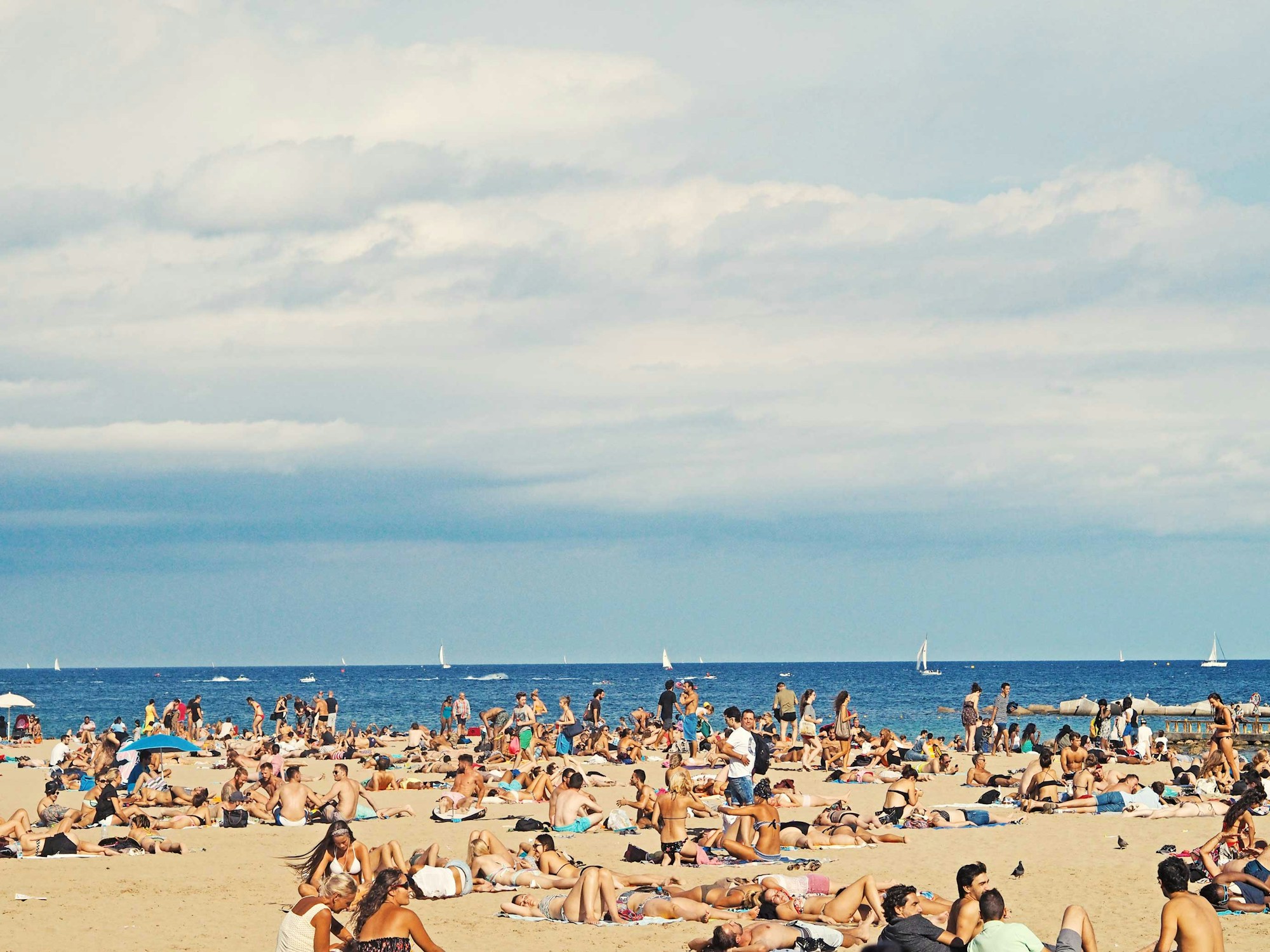
July vs August holidaymakers: the 1 August peak
Saturday 1 August 2026 is the only day rated black by Bison Futé, France’s official traffic monitoring service, across the entire French road network. This is the highest possible alert level: travel times double on major arteries — think Calais to the Côte d’Azur going from 7 hours to 10-12 hours. The day before, Friday 31 July, is already rated red and even black in the south-west.
Beyond France, UK roads face their own pressure: the RAC estimates 14.1 million motorists hit the roads over the mid-July getaway weekend alone, and a record 19.2 million car journeys are expected over the August bank holiday weekend. The AA warns Friday will be the busiest day, with school-run traffic mixing with holiday traffic. Over 20,000 cars are expected to queue at the Port of Dover across the bank holiday period.
In Italy, the situation is similar: Italian news agency ANSA reports « bollino nero » (critical traffic) on Saturdays 1 and 8 August on Italian motorways. The A4 Alto Adriatico forecasts five red-rated days, with nearly 500 million vehicle transits expected from late July to early September — 83% of roadworks suspended for the summer exodus.
Most congested axes
- A7 Lyon-Orange: avoid Saturdays between 8am and 6pm (lane reduction 3-to-2 near Marseille until 28 August)
- A10 Paris-Tours-Bordeaux: jammed between 11am and 5pm on Saturdays
- A1 Pas-de-Calais: full closure between Dourges and Carvin from 2 to 14 August
- Italy: A1 Milan-Naples, A14 Bologna-Taranto, A10/A12 Liguria under bollino nero
2. August 2026 school holiday calendar by country
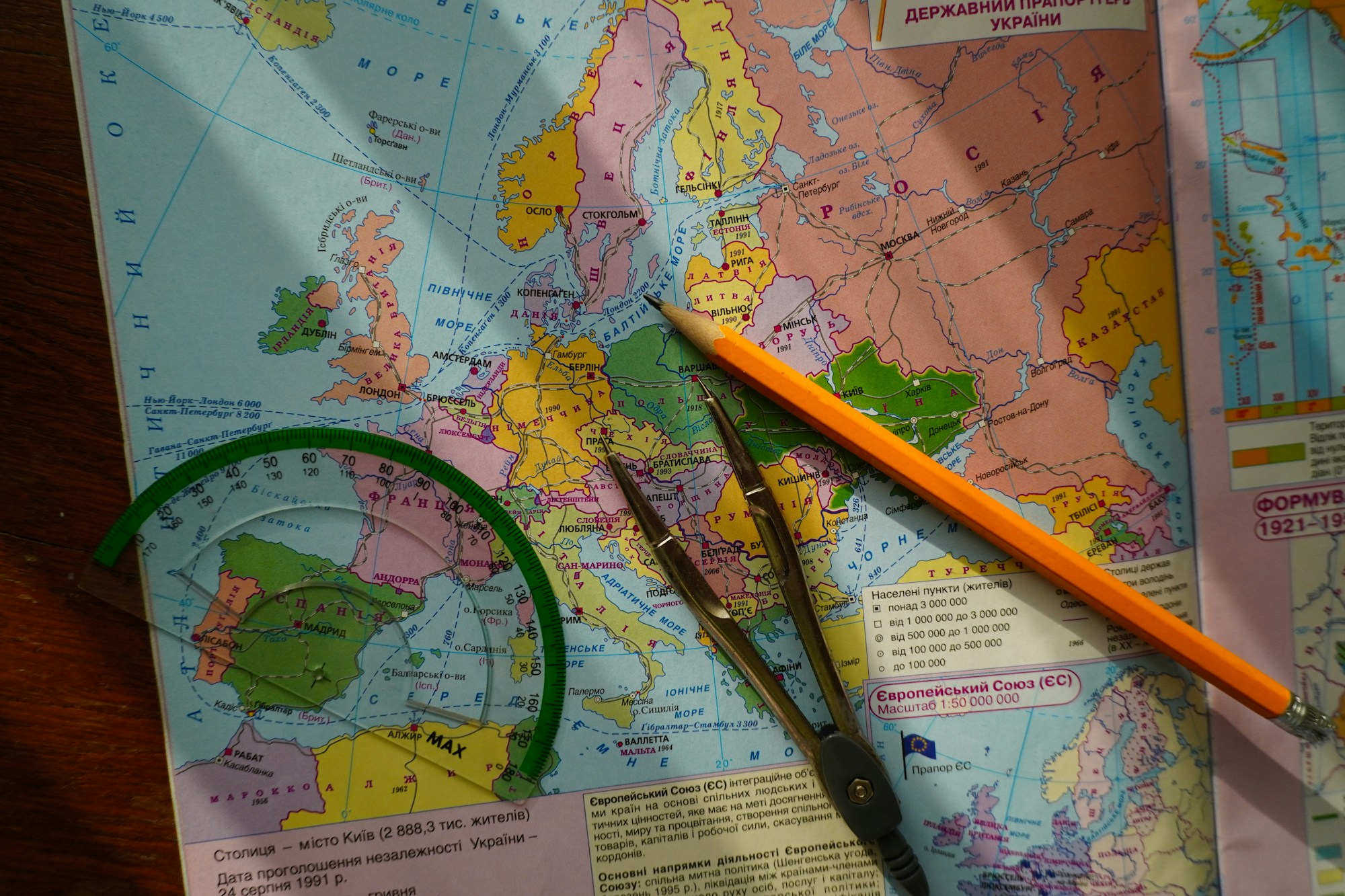
Who goes when, who goes back when
United Kingdom — England and Wales break up from 20-23 July 2026 with most pupils returning between 28 August and 4 September 2026 (approximately 6 weeks). Scotland has the earliest return: summer holidays start late June to early July, and pupils go back between 11 and 19 August depending on the local council (the Scottish summer break lasts 9-10 weeks). Northern Ireland: similar to England, around 6 weeks.
France — All zones (A, B, C and Corsica) are on holiday for the entire month of August. The 2026-2027 school year starts on 1 September for zones A and C, and 3 September for zone B and Corsica. Zone A covers Paris, Lyon, Bordeaux and Grenoble; zone B includes Aix-Marseille, Lille and Strasbourg; zone C covers Créteil, Montpellier, Paris and Versailles.
Belgium — The Wallonia-Brussels Federation schools go back on 24 August, while Flemish schools remain on holiday until 1 September. An estimated 3,000 Brussels households are affected by the community scheduling gap.
Germany — All 16 Länder have staggered dates. Bavaria and Baden-Württemberg cover the whole month (30 July to 14 September). Hesse, Rhineland-Palatinate and Saarland finish as early as 7 August. Most northern and eastern states (Berlin, Brandenburg, Saxony, Schleswig-Holstein) end between 14 and 21 August.
Spain and Italy — Every Spanish autonomous community and all Italian regions are on holiday for all of August. Italy holds the record for Europe’s longest summer break: 10 to 14 weeks depending on the region. The Ferragosto week (8-16 August) is the absolute peak: 1.7 million Romans leave the capital alone, according to ilmessaggero.it.
Netherlands — Holidays are staggered by region: the North finishes on 16 August, Central on 30 August, and the South on 23 August 2026. Switzerland — Highly variable by canton: Ticino holidays until 28 August, Geneva until 24 August, while Zurich and Berne finish as early as 14 August. Austria — Both holiday groups (Vienna/Lower Austria and the rest of the country) cover the whole month, with a single return date of 14 September.
Peak periods to remember
- 20 July – 16 August: 24 out of 27 regions/countries on holiday simultaneously
- 1-7 August: EVERY European country on holiday (absolute peak)
- 8-16 August: total solar eclipse (12 August) + Ferragosto (15 August) coincide
- From 24 August: relative calm on the roads (except France, Spain, Italy)
3. Traffic, roadworks and alternative routes
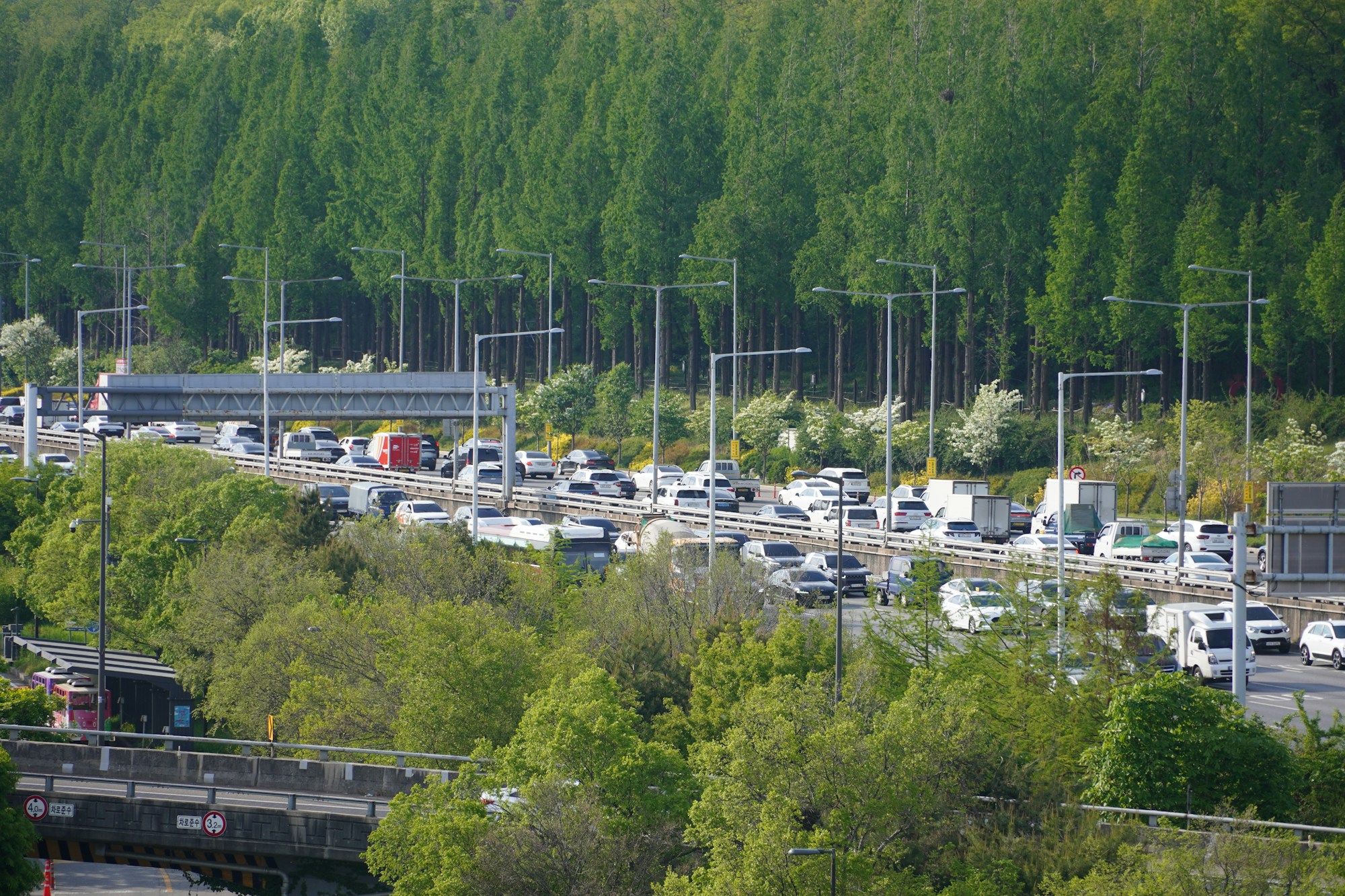
Avoiding the jams: smart travel habits
Beyond the Bison Futé forecasts (1 August black, 8 August red, 15 August black in Auvergne-Rhône-Alpes), several major roadworks worsen traffic this summer. On the A7, bridge reconstruction reduces the motorway from 3 to 2 lanes between Marseille and Septèmes-les-Vallons from 7 July to 28 August. The A55 has works on the Martigues viaduct from 15 July to 14 August, and the A1 is fully closed between Dourges and Carvin from 2 to 14 August.
In Germany, the ADAC warns that around 1,000 motorway roadworks are active and recommends travelling on Monday or Tuesday to avoid congestion. In Austria, the Brenner corridor (A13/A22) is extremely overloaded, and rail traffic on the Brenner line is completely suspended until 1 August (replacement buses are running).
UK roads: On the home front, National Highways reports ongoing maintenance on the M25 (Junction 10 Wisley upgrade causing weekend delays on the J9-J11 stretch), long-term A303 works between the M3 and Parkhouse Cross, and heavy congestion expected on the M1 southbound (J16-J6), M4 westbound (J22-J35) and M60 clockwise (J7-J18). The RAC advises avoiding the M25 between J15 and J19 on Friday and Saturday afternoons. Over 20,000 cars are expected at the Port of Dover on the busiest days — book your crossing early.
Recommended alternative routes in France
- Route Napoléon (N85) via Grenoble: scenic alternative to the Rhône Valley
- A5 + A31 via the east (Troyes, Langres, Dijon): rarely congested
- A75 through the Massif Central: toll-free south of Clermont-Ferrand, rarely busy
- RN7 or RN20: save up to 20 EUR on tolls for 30 extra minutes of driving
4. Holiday budgets and transport prices in August 2026

What does an August 2026 holiday actually cost?
The average UK family’s summer 2026 holiday budget stands at £1,720 (2,013 EUR), according to industry data reported by euronews.com. Yet 34.5% of families plan a maximum budget of £855 (1,000 EUR), and 85% of those exceed it by an average of £325 (380 EUR). Flight prices are up 10% versus 2025, and package holidays have risen 10-15%. On the accommodation front, short-term rental prices across Europe have climbed 7.5% to an average of £128 (150 EUR) per night.
Portugal is the most budget-friendly destination for families: camping plus a compact SUV works out at £310 (363 EUR) per week, according to Discovercars.com data reported by Euronews. Spain follows at £340 (398 EUR), while the Netherlands (£873 / 1,021 EUR) and Switzerland (£819 / 958 EUR) are the priciest. To compare options that match your budget, build your trip with Pixidia.
For trains, SNCF released 500,000 extra seats this summer and offered 100,000 flash tickets from 19 EUR for midweek travel (Tuesday, Wednesday, Thursday). Eurostar from London starts from £35 to Paris, Brussels and Cologne, and from £44 to Amsterdam. Budget flights from UK airports remain competitive: Milan, Seville or Barcelona from £25-35 one-way from London, Manchester or Birmingham.
Tips to cut your budget
- Carpooling: cuts individual costs by 40-60% (BlaBlaCar is popular in France; try Liftshare or BlaBlaCar in the UK)
- French Liber-t electronic toll tag: up to 30% discount on tolls and priority lanes (queues hit 20-45 minutes in summer)
- CroisiEurope Family Club: children under 16 go free on selected river cruises (Douro, Rhine, Venice)
- Cook on-site and pick daily lunch menus (8-12 EUR in Portugal, 10-15 EUR in Spain)
5. Where to go to avoid the crowds: coolcations and alternatives
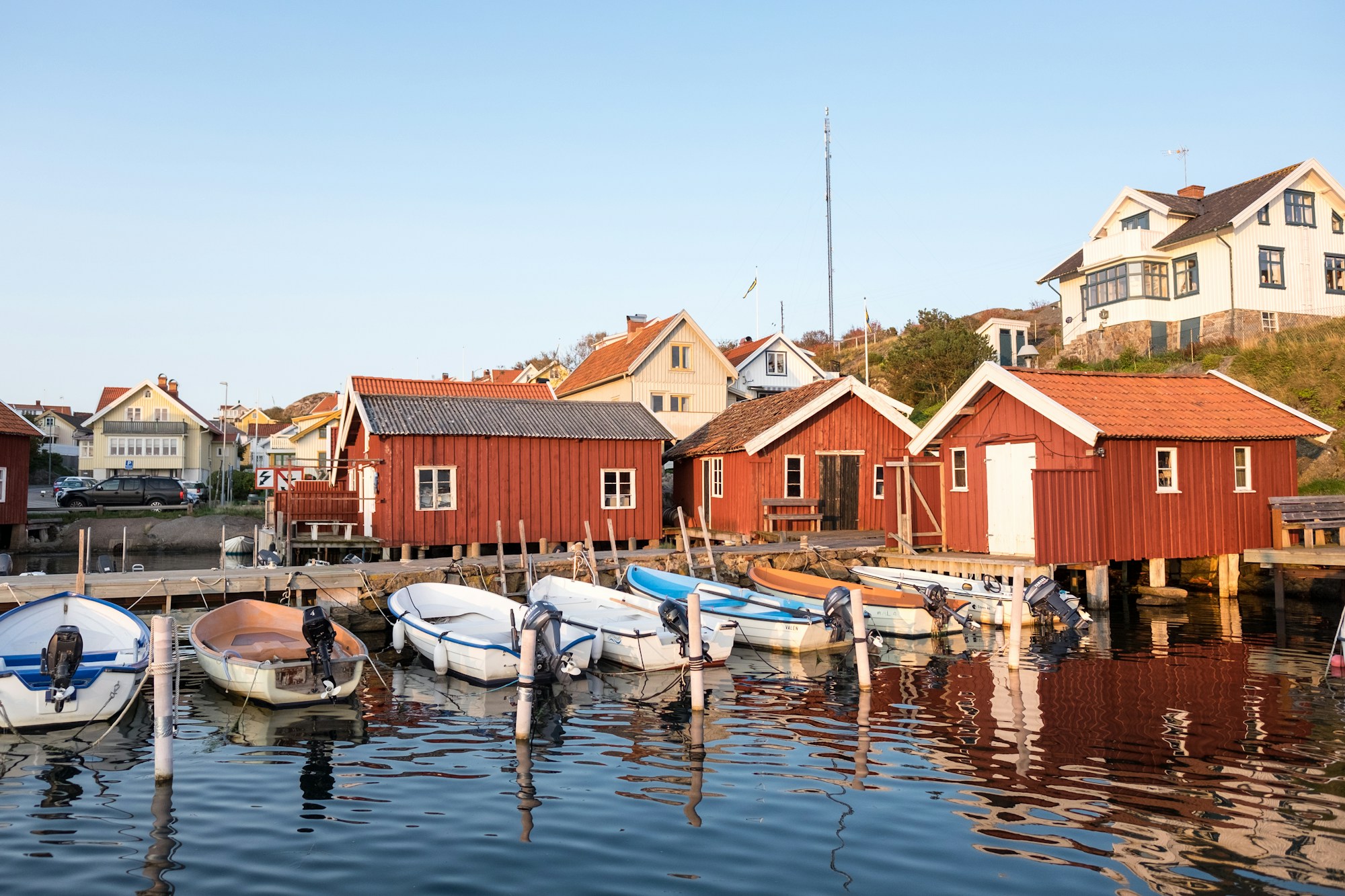
Coolcations and alternatives to overcrowded hotspots
The big trend of summer 2026 is the coolcation: 83.5% of travellers now factor temperatures into their destination choice, according to the Ávoris Travel Insights barometer. Unsurprisingly, 35% of Britons have picked a cooler destination this summer, with searches for holidays in Denmark surging (+50.9%), Poland (+19%) and Sweden (+17.8%).
Polarsteps’ « summer without heat » index ranks Iceland (83.81/100), Finland (77.02) and Norway (76.06) as the top destinations for escaping heatwaves. Bonus for Iceland: the total solar eclipse on 12 August will be visible there.
Alternatives to overcrowded destinations:
- Instead of Santorini or Mykonos: Naxos, Milos or Lefkada (5.5x larger, pristine beaches)
- Instead of Dubrovnik: Kotor (Montenegro) or Split, fewer cruise crowds
- Instead of Amalfi or Cinque Terre: Puglia or Le Marche, half the price
- Instead of the French Riviera: the Dordogne, Brittany or Normandy (-9% on prices)
- Instead of the Algarve: the Alentejo coast, untouched and authentic
Budget-friendly destinations to discover: Albania (Albanian Riviera, turquoise waters, very low prices), Montenegro (Bay of Kotor, cheaper than Croatia), Bulgaria (Black Sea coast, excellent value) and Romania (Transfăgărășan Highway, Carpathian landscapes). To build your custom itinerary across these regions, use the Pixidia travel planner.
Practical info for your August 2026 trip
Stay connected across Europe without roaming fees. No physical SIM needed, set up in 5 minutes, local data at the best rates.
From 5 EURComprehensive cover for your European holiday: cancellation, repatriation, medical expenses and baggage. Get 10% off via our Ambassador link.
From $56 / 4 weeksFrequently asked questions about August 2026 holidays
Which day is rated BLACK by Bison Futé in August 2026?
Saturday 1 August 2026, rated black (maximum alert) for departures across the entire French road network. It’s the only day this summer to reach this level. Source: BBC News.
When are the UK school summer holidays in 2026?
England and Wales: roughly 20-23 July to early September (6 weeks). Scotland: late June/early July to 11-19 August (9-10 weeks). Northern Ireland: similar to England. Always check your local council’s published dates. Source: GOV.UK.
What are the best days to drive in August 2026?
Tuesday, Wednesday and Thursday are the smoothest days. SNCF offers tickets from 19 EUR on those midweek days. Avoid Saturday 1 August at all costs. In the UK, the RAC warns Fridays are the worst for traffic — try to travel before 10am or after 6pm. Source: RAC.
How much extra does it cost to drive on 1 August 2026?
£130-170 (150-200 EUR) extra for a family of four, including fuel (+30-40%), premium-rate tolls and unplanned meals due to traffic jams. Estimated national economic losses for that single day: £68 million (80 million EUR). Source: The Guardian.
Which European countries have the longest summer holidays?
Italy (10-14 weeks), followed by Spain and Portugal (10-12 weeks). France is in the lower-middle range with 8 weeks but compensates with many shorter breaks (half-term, Christmas, winter, spring). Source: Connexion France.
Is the « coolcation » trend a real option for August 2026?
Yes — 35% of Britons have chosen a cooler destination for summer 2026. Iceland (10.7C in August, solar eclipse on 12 August), Finland and Norway are the star destinations. Denmark reports +50.9% in tourist demand. Source: Euronews.
Sources
- GOV.UK : UK school term dates 2025-2026 and 2026-2027
- BBC News : Summer traffic and travel 2026
- The Guardian : Cost of summer travel 2026
- Connexion France : Worst driving days summer 2026 in France
- RAC : Summer 2026 traffic forecasts
- ANSA.it : Bollino nero and summer exodus Italy 2026
- ilmessaggero.it : Ferragosto 2026 and Rome exodus
- thelocal.de : Germany summer holidays 2026 by Land
- Euronews : Family camping rankings and coolcations 2026
- elindependiente.com : August 2026 solar eclipse impact
- ADAC.de : ADAC Stauprognose summer 2026
- National Highways : Roadworks and closures England summer 2026
Research conducted 17 July 2026.

Plan your trip with Pixidia
Pixidia learns how you travel and helps you build a trip that truly fits you and everyone coming along. Whether you prefer Nordic coolcations or Mediterranean beaches, find the dates and destinations that work for you.
Open the planner