
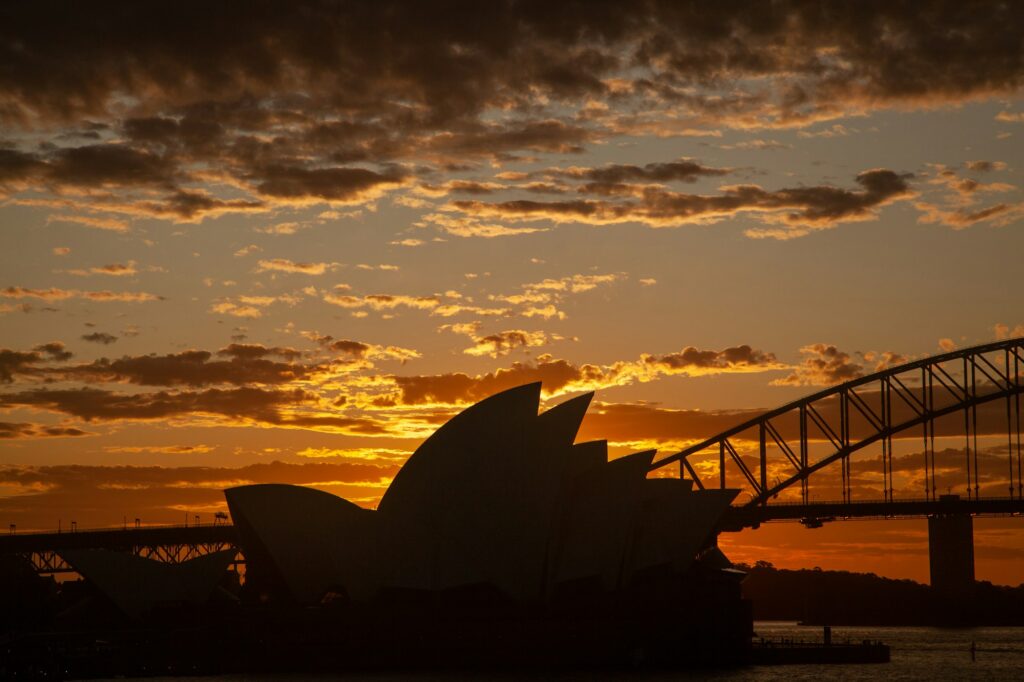
Australia is experiencing a hotel revolution. In 2025 and 2026, more than thirty new hotels are opening across the country — from design-forward boutique hotels in Melbourne to eco-lodges overlooking the Great Barrier Reef, and safari resorts in South Australia. Add to that groundbreaking experiences at Uluru, reimagined wildlife sanctuaries, and thriving wine regions, and Australia in 2026 has never been more exciting for European travelers. Here is our curated selection of the must-see openings and experiences.
1. Sydney and New South Wales: The New Wave of Hotels
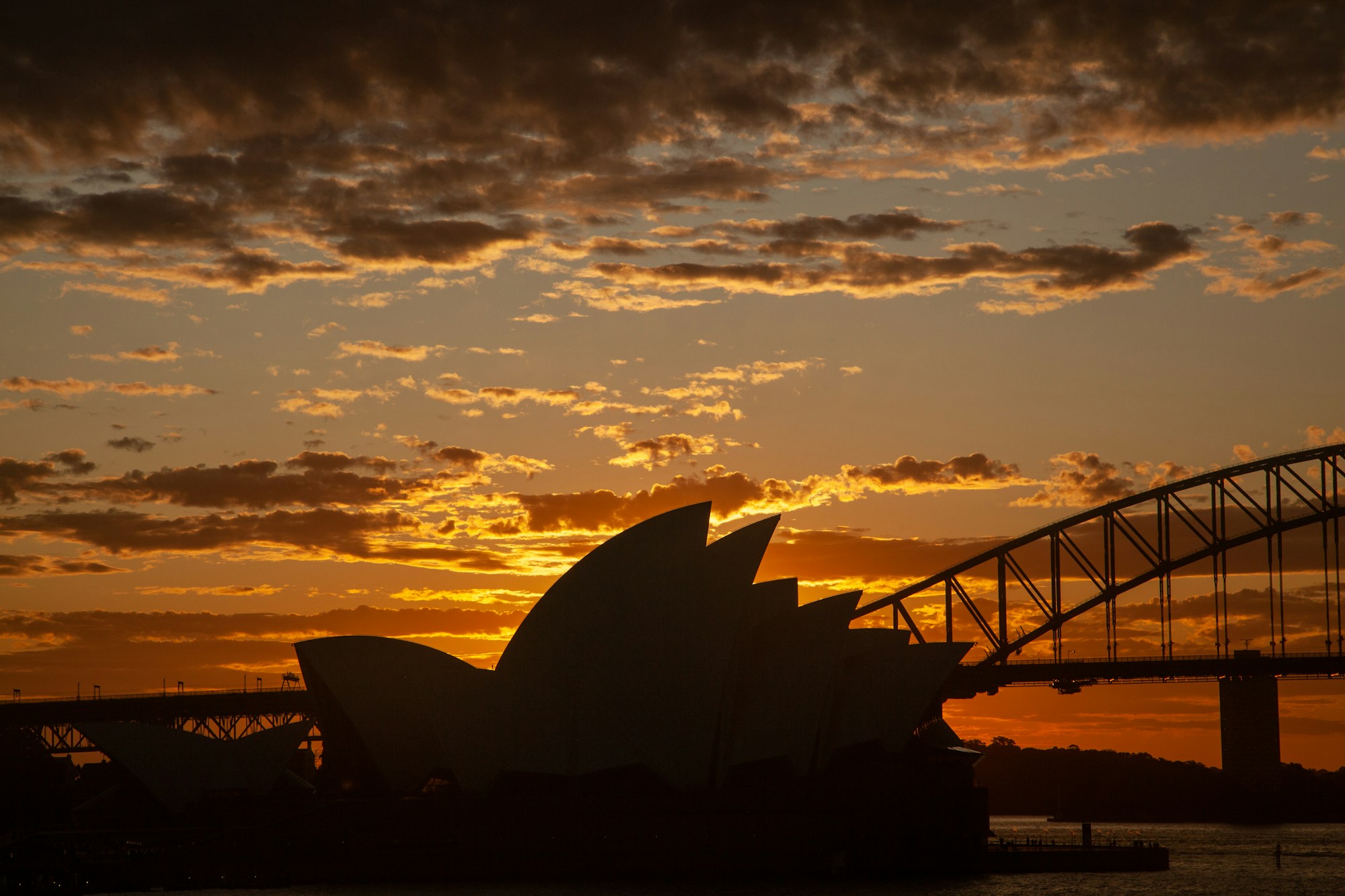
Sydney’s Headline Openings
Sydney leads the country in hotel openings for 2025-2026. The 25hours Hotel The Olympia, the German brand’s first Australian property, moved into a heritage-listed Paddington theater in September 2025: 109 rooms with cinematic design, a vintage VHS rental counter, The Palomar restaurant, and the Monica rooftop bar serving spritz on tap. According to Qantas Travel Insider, it is one of the most original openings in the country.
Facing the ocean, the InterContinental Sydney Coogee Beach (198 rooms, December 2025) features a restaurant by Rick Stein, an infinity pool overlooking the Pacific, and a spa opening in March 2026. Further north, the Marina Resort in Nelson Bay (48 rooms, August 2025) draws guests with its Port Stephens views, while the voco Gosford (130 rooms, December 2025) is the Central Coast’s first new hotel in 15 years, according to Time Out Australia.
In 2026, the Ardour Milton Park Bowral opens in the Southern Highlands with 44 rooms set within a historic 1910 estate, featuring the Horderns restaurant and the Eliva Wellness Spa. And in Byron Bay, The Bonobo by Raes (fall 2026) promises 33 rooms and a rooftop pool, brought to life by the team behind the legendary Raes on Wategos.
Highlights
- 25hours Hotel: unique cinematic design inside a heritage-listed theater
- InterContinental Coogee: Rick Stein restaurant with ocean views
- Ardour Milton Park: heritage luxury just 90 min from Sydney
2. Melbourne and Victoria: Hotel Design and the Art of Living
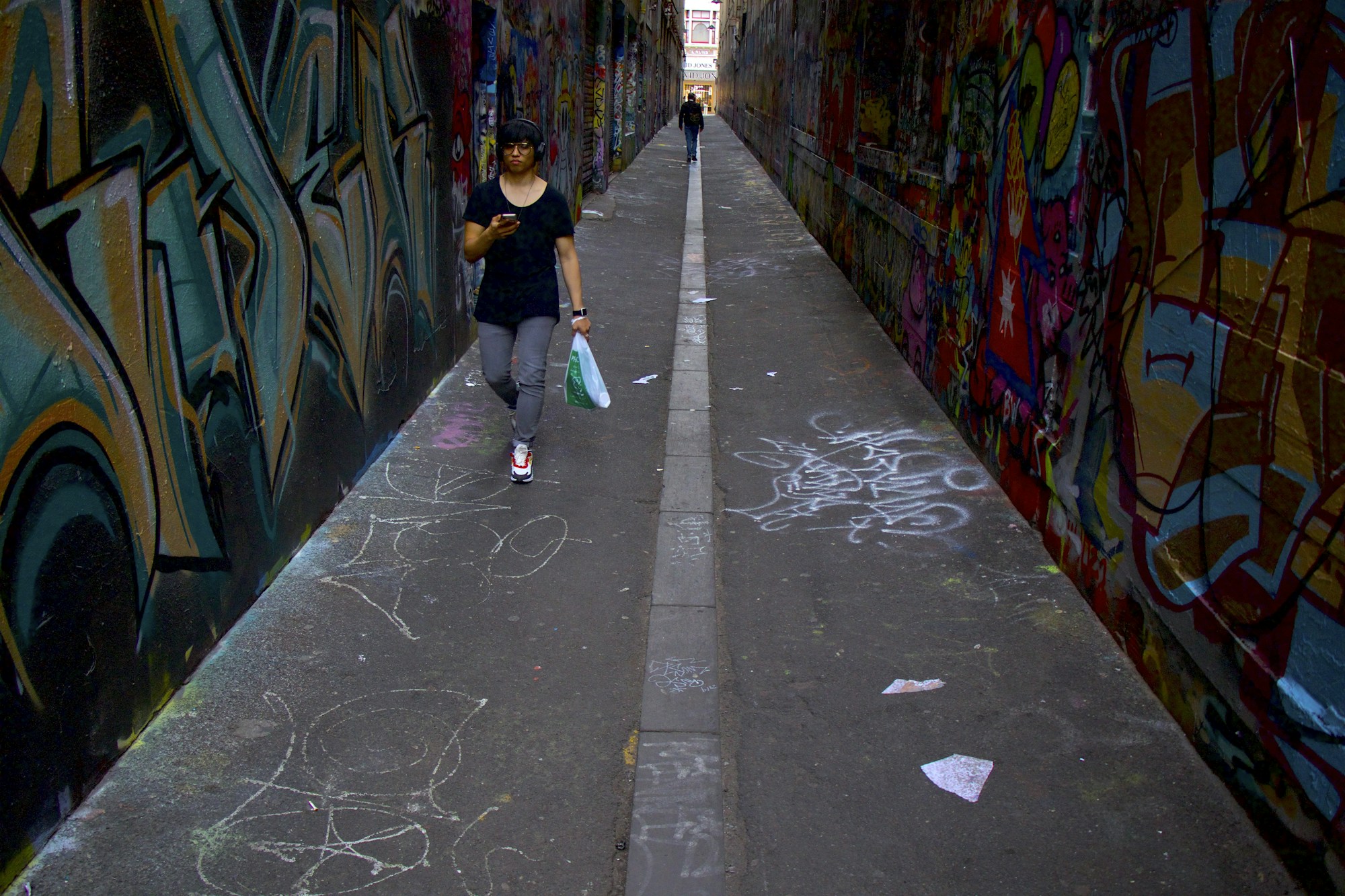
Melbourne, Australia’s Capital of Hotel Design
Melbourne is establishing itself as Australia’s capital of hotel design. The Hannah Street Hotel (September 2025, 188 rooms) is a $150 million investment: a 19-meter black-and-white striped pool overlooking the skyline, five restaurants, and interiors by Flack Studio — the team behind Ace Hotel Sydney. According to Time Out, it is Melbourne’s most anticipated opening of the year.
The 1 Hotel Melbourne (June 2025, 277 rooms) has landed at Docklands with a fully sustainable philosophy: recycled materials, the Here restaurant by chef Mike McEnearney, and views over the Yarra River. The Hotel Indigo Little Collins (179 rooms) features a Mondrian-inspired design with cobalt accents, while the Hyatt House South Melbourne (97 rooms) is the chain’s first dog-friendly hotel in Australia.
In the Yarra Valley, the Levantine Hill Hotel (opening 2026) will be a 33-room showcase crafted from silvertop ash and exposed concrete, sculpted into a hillside amid vineyards — designed by Fender Katsalidis, the architects behind Hobart’s MONA, according to Qantas Travel Insider.
Highlights
- Hannah Street Hotel: spectacular pool and Flack Studio design
- 1 Hotel: Melbourne’s first sustainable hotel on the Yarra riverfront
- Levantine Hill: extraordinary wine country hotel in the Yarra Valley
3. Queensland: Lodges Overlooking the Great Barrier Reef
New Stays Between Reef and Rainforest
Queensland welcomes several major openings. The InterContinental Brisbane (July 2025, 319 rooms) occupies an iconic Harry Seidler building with the city’s largest ballroom and the panoramic Latitude 27 Bar. On the Gold Coast, the Mondrian (208 rooms) marks the Californian brand’s arrival with the Haven pool club and Lito restaurant, while the Andaz Gold Coast in Broadbeach (Q2 2026, 202 rooms) will be Australia’s first Andaz property, according to Time Out.
Near the Great Barrier Reef, the Hilton Palm Cove Cairns Resort & Spa (Q1 2026, 140 rooms) promises a tropical atmosphere with a kids club and two restaurants. In Noosa, the Elysium Resort (December 2025, 175 rooms) offers wellness suites with infrared saunas and private plunge pools. And in Mooloolaba, the Avani Mooloolaba Beach Hotel (April 2026, 180 rooms) is the Sunshine Coast’s first new hotel in 40 years.
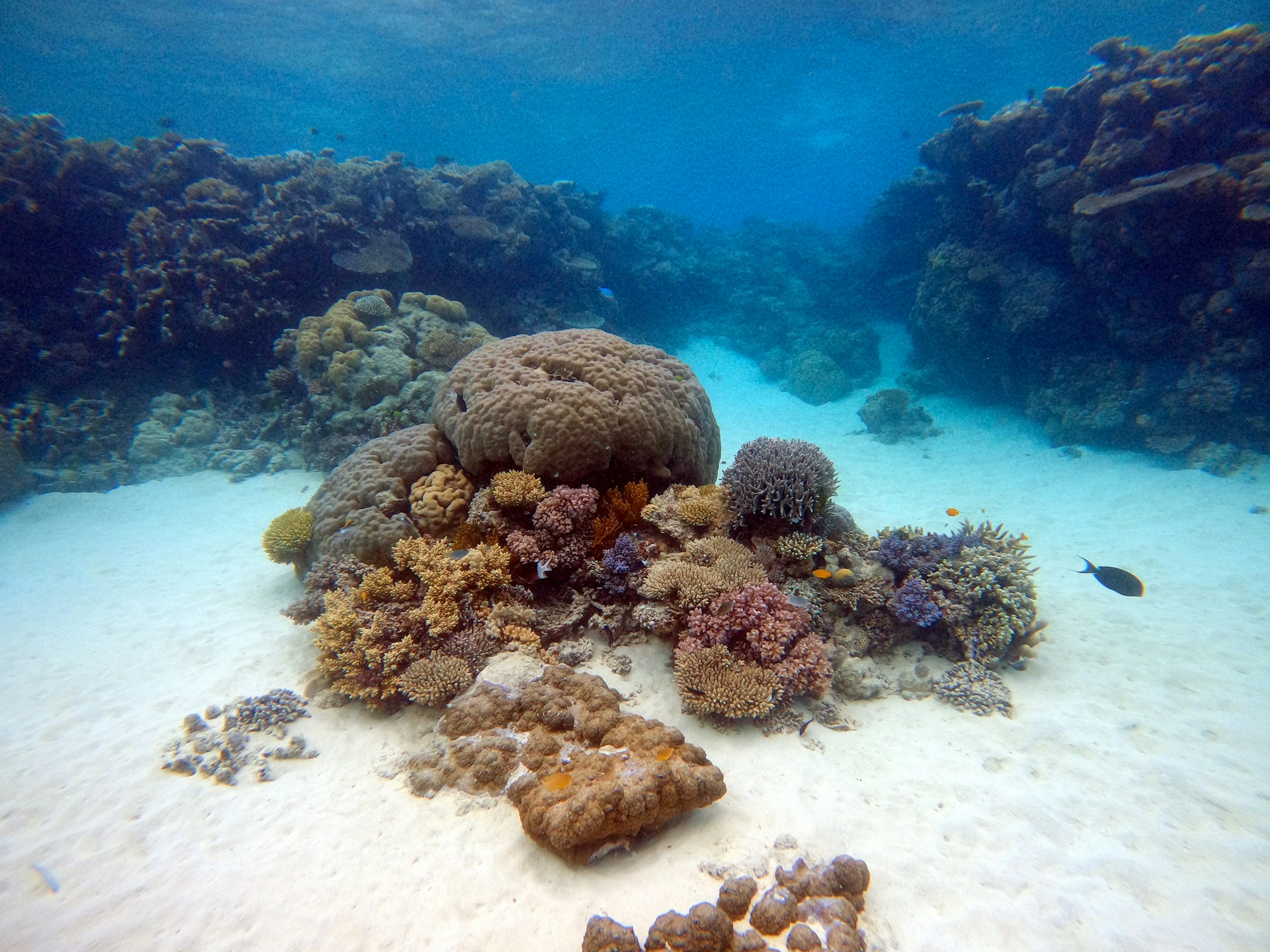
For the ultimate reef experience, Port Douglas remains the ideal gateway: cruises to the Low Isles, snorkeling guided by marine biologists, and glass-bottom boat excursions through a UNESCO ecosystem home to over 1,500 fish species and 400 types of coral, according to Tourism Australia.
Highlights
- InterContinental Brisbane: Seidler architecture and panoramic views
- Hilton Palm Cove: tropical resort just 30 min from the Barrier Reef
- Port Douglas: snorkeling led by marine biologists
4. Outback and Uluru: Sleeping Under the Stars
Unique Experiences in the Heart of the Red Centre
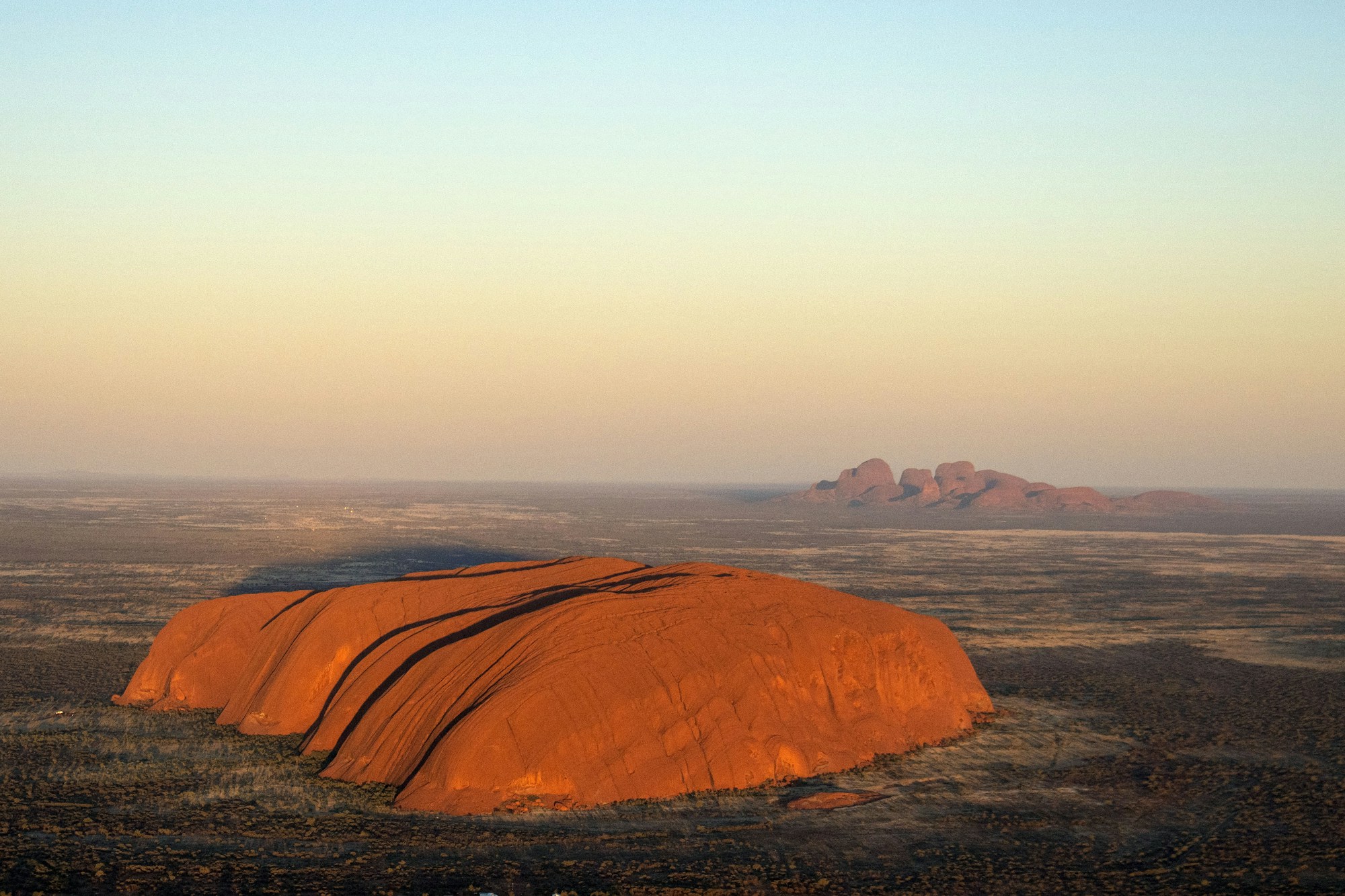
Uluru remains Australia’s most iconic experience, and 2026 brings new ways to take it in. The Wintjiri Wiru show — a nighttime spectacle combining illuminated drones, laser projections, and Dreamtime storytelling — adds an unprecedented blend of technology and culture to the sacred rock. The Sounds of Silence dinner remains a classic: a gourmet barbecue under a starlit sky with Aboriginal stories and didgeridoo. For a more intimate experience, the Tali Wiru offers fine dining for a maximum of 20 guests on an isolated dune facing Uluru, according to Audley Travel.
Bruce Munro’s Field of Light installation — more than 50,000 luminous stems swaying in the desert — continues to enchant visitors at sunrise and sunset. Longitude 131°, a luxury lodge with tent-suites facing Uluru, remains the ultimate choice for sleeping in the heart of the Outback.
Beyond Uluru, the Red Centre holds further wonders: hiking the Larapinta Trail (1 to 14 days), exploring Kings Canyon at sunrise, and the Karrke Aboriginal Cultural Experience with the local community, according to Intrepid Travel.
Highlights
- Wintjiri Wiru: nighttime drone show blending technology and Aboriginal culture
- Field of Light: 50,000 luminous stems across the desert
- Tali Wiru: intimate gourmet dinner facing Uluru (20 seats max)
5. Tasmania: Wilderness Lodges and Gastronomy
The Wild Island Moving Upmarket
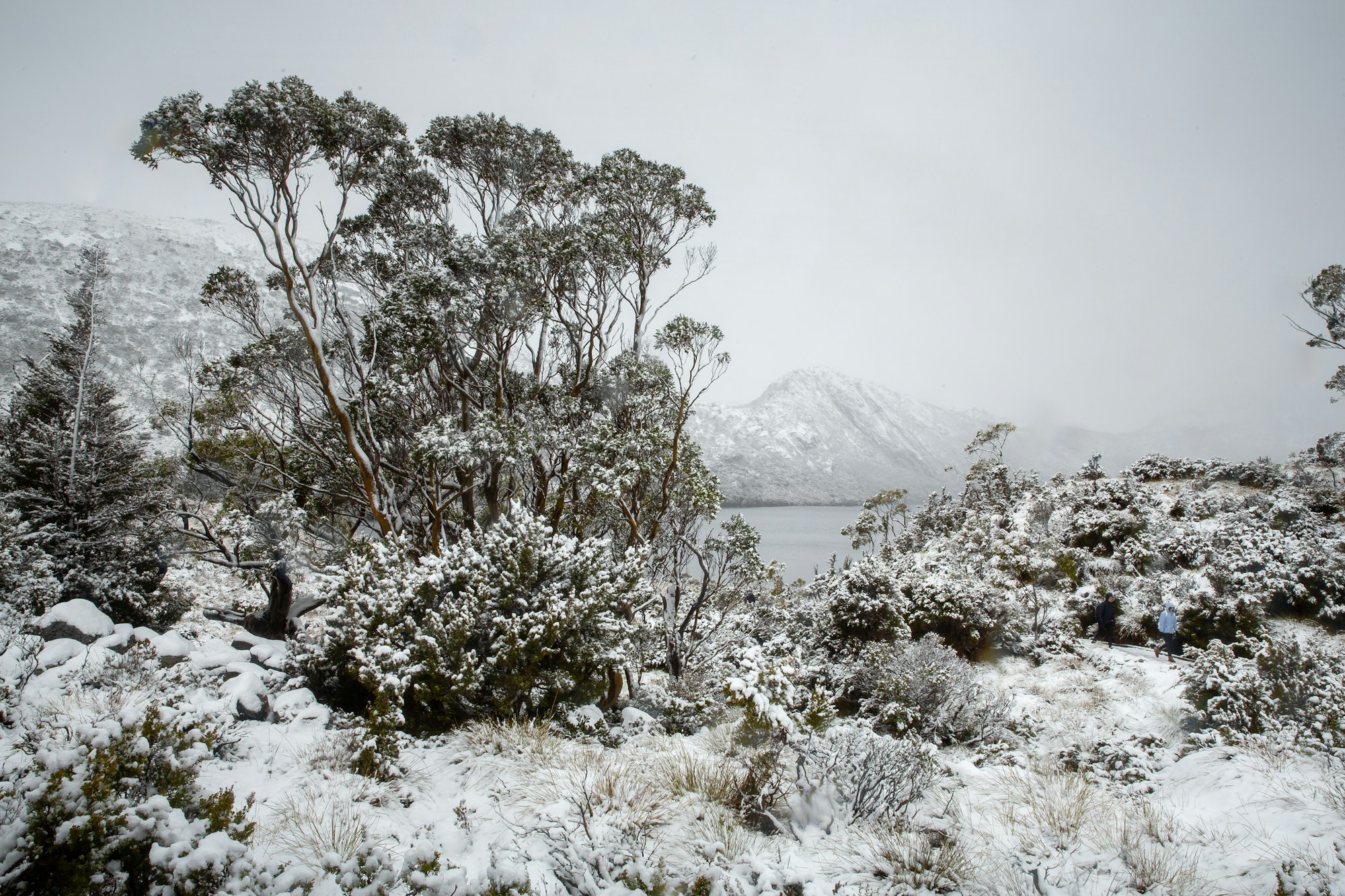
Tasmania is emerging as Australia’s destination on the rise. With 42% of its territory designated as national parks, the island offers an exceptional natural setting. Freycinet Lodge, nestled within Freycinet National Park, provides an eco-luxury stay overlooking Great Oyster Bay — Wineglass Bay, ranked among the world’s most beautiful beaches, is accessible on foot from the lodge, according to Tourism Tasmania.
For a more radical experience, the Thousand Lakes Wilderness Lodge — a former Antarctic training center converted into a premium alpine lodge — offers total disconnection: no Wi-Fi, no cell service, just the raw wilderness of the Central Plateau and its glacial lakes. In Hobart, the Ogee Guesthouse in North Hobart provides an intimate boutique stay with a pantry stocked with Tasmanian produce, steps from the gastronomic quarter.
The iconic MONA (Museum of Old and New Art) continues to surprise with its provocative exhibitions. Hobart’s dining scene is booming, with restaurants like Templo and Dier Makr showcasing local terroir — Bruny Island oysters, black truffles from the south, and artisanal cheeses.
Highlights
- Freycinet Lodge: Wineglass Bay on foot, eco-luxury immersed in nature
- MONA: Australia’s boldest contemporary art museum
- Gastronomy: oysters, black truffles, and wines from Tasmanian terroir
6. Wine Regions: Barossa, Margaret River, Yarra Valley
Staying in the Heart of Australia’s Vineyards
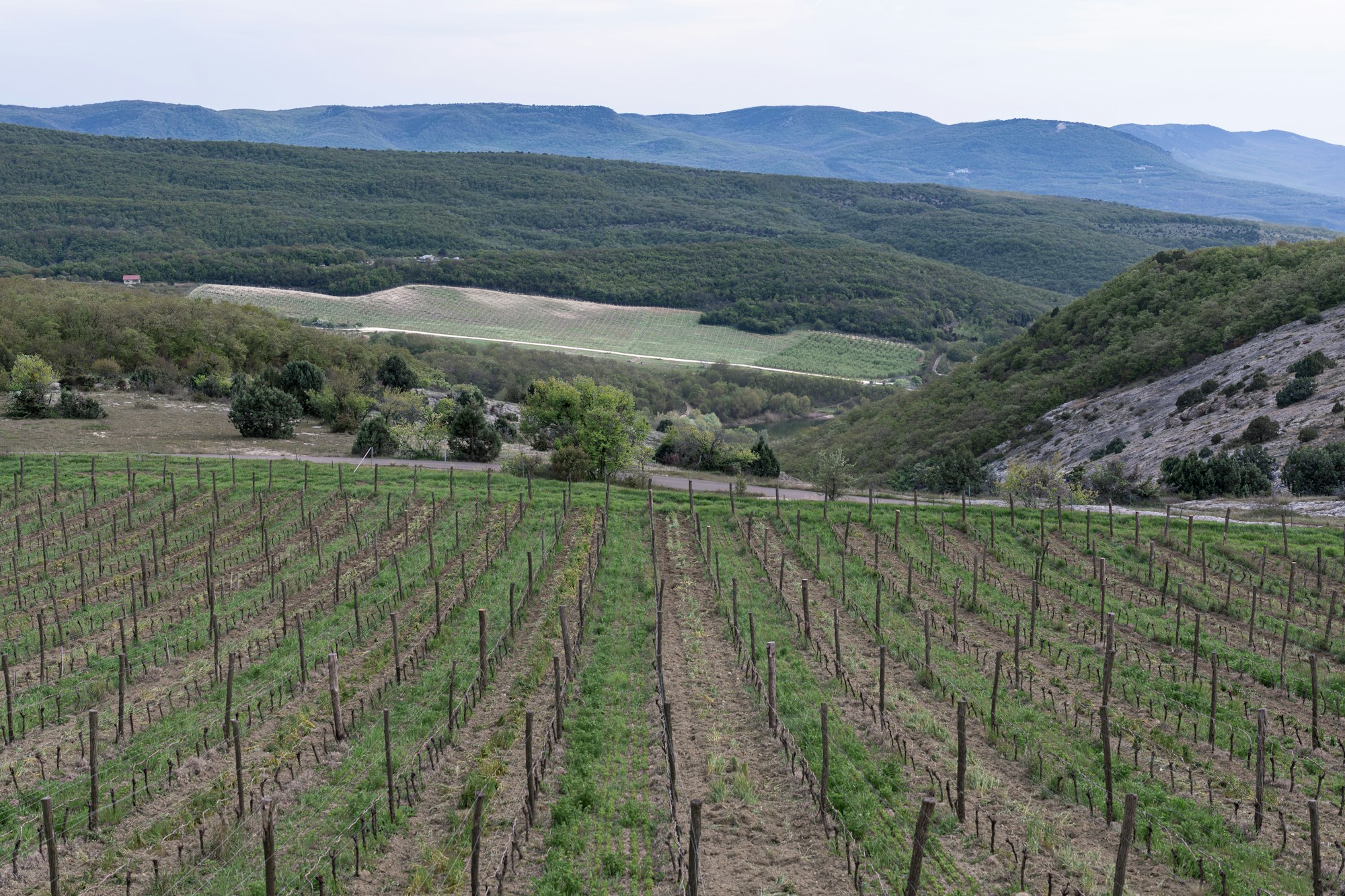
Australia boasts more than 65 wine regions, and 2025-2026 marks the arrival of exceptional new properties. In the Yarra Valley (Victoria), the Levantine Hill Hotel (2026) will be the crown jewel: 33 rooms in silvertop ash and exposed concrete, private balconies with vineyard views, a signature circular bath, and an on-site fine dining restaurant. The estate, already renowned for its wines, will add a world-class hospitality dimension. In the same valley, the Basalt Retreat in Port Fairy (November 2025) offers two villas in a vineyard setting with a Mediterranean restaurant and cellar door.
The Barossa Valley (South Australia), the birthplace of Australian shiraz, is preparing for the arrival of its first international brand hotel: the InterContinental Barossa Resort & Spa (150 rooms, expected opening 2028) with a 130-seat restaurant, full-service spa, and direct vineyard access, according to IHG. In the meantime, family-owned estates like Seppeltsfield and The Louise offer premium wine-focused stays.
In Margaret River (Western Australia), the region captivates with its blend of premium wines (chardonnay, cabernet sauvignon) and rugged coastline. Estates like Vasse Felix and Leeuwin Estate offer tastings paired with gourmet menus set among the vines.
Highlights
- Levantine Hill Hotel: Fender Katsalidis architecture amid the vines
- Barossa Valley: world-renowned shiraz and family-owned estates
- Margaret River: a unique pairing of premium wines and wild coastline
7. Wildlife Experiences: Far Beyond Koalas
Wildlife Encounters Found Nowhere Else on Earth
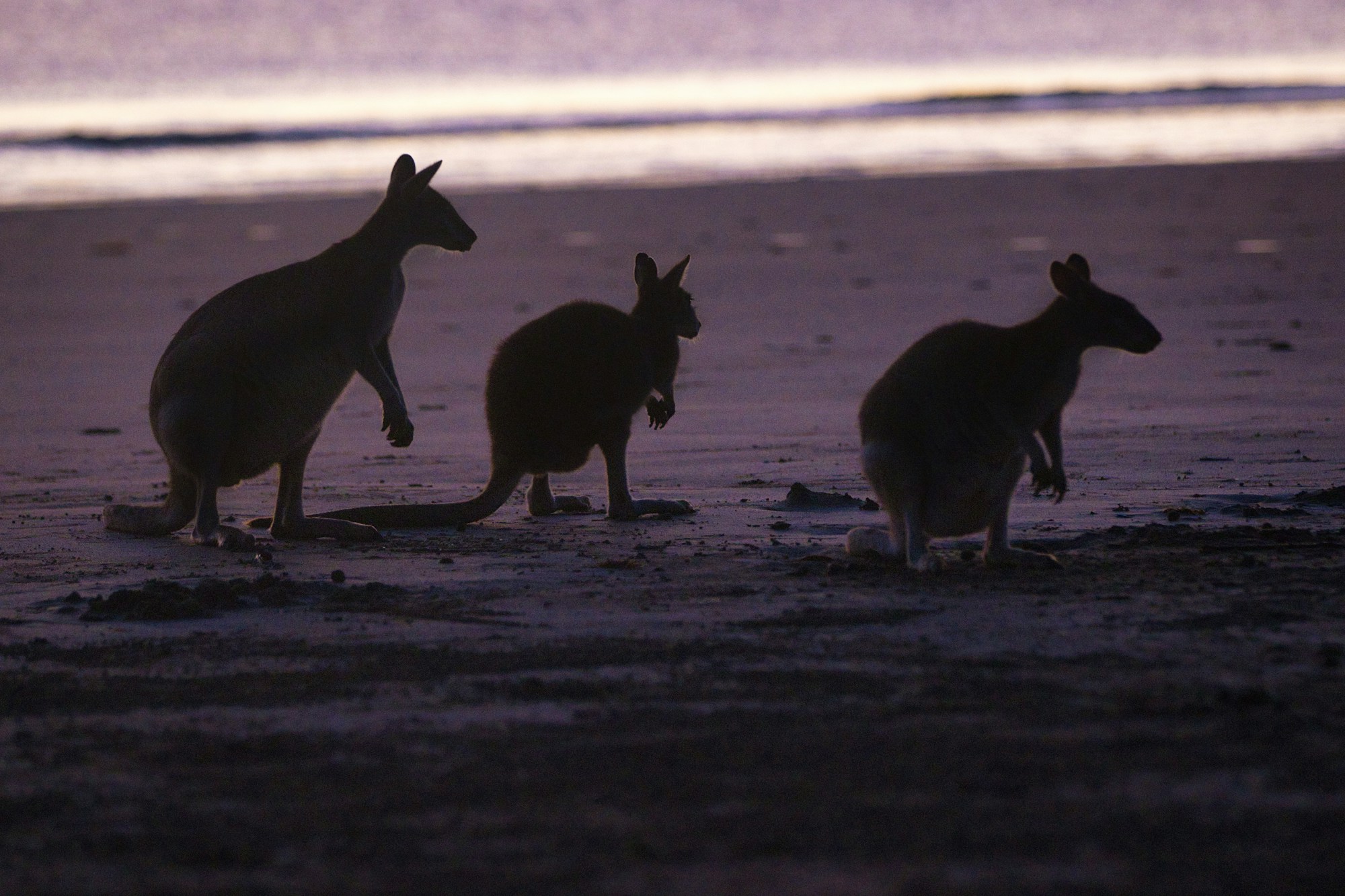
Australia is home to wildlife found nowhere else on the planet, and animal encounter experiences have expanded significantly. The Monarto Safari Resort (May 2025, 78 rooms + 20 safari tents) near Adelaide offers the largest open-range safari experience outside Africa, with dawn safaris to observe giraffes, zebras, and rhinos, according to Time Out.
The Moonlit Sanctuary (Victoria) allows visitors to encounter over 70 Australian species, including endangered ones, during nighttime flashlight tours. At Phillip Island, the Penguin Parade offers the daily spectacle of thousands of little penguins returning to their burrows at sunset. For whale watching, the coast of Albany (Western Australia) welcomes humpback whales and southern right whales from May to October, with boat tours guaranteeing sightings, according to Tourism Western Australia.
For thrill-seekers, Port Lincoln (South Australia) offers cage diving with great white sharks, while Ningaloo Reef (WA) provides the unique opportunity to swim with whale sharks from March to July — the RAC Ningaloo Reef Resort (renovated in 2026, 90 solar-powered units) makes accessing this UNESCO site easier than ever, according to Qantas Travel Insider.
Highlights
- Monarto Safari Resort: African safari experience on Adelaide’s doorstep
- Ningaloo Reef: swim with whale sharks (March-July)
- Phillip Island: penguin parade at sunset
8. Budget and Practical Tips for 2026
How Much Does a Trip to Australia Cost from Europe?
The daily budget in Australia varies considerably depending on your travel style. According to Nomadic Matt and Nomadasaurus, expect roughly 130 AUD/day (~80 EUR) as a backpacker (hostels, self-catering, buses), 200-300 AUD/day (~120-180 EUR) for mid-range travel (3-4 star hotels, restaurants, activities), and 350+ AUD/day (~210 EUR) for comfort travel (boutique hotels, premium experiences).
Visa and Entry Requirements
Citizens of the European Union are eligible for the eVisitor visa (subclass 651), which is completely free and available online through the Department of Home Affairs website. It allows stays of up to 3 months within a 12-month validity period. The application takes just a few minutes and approval is typically automatic.
Best Times to Visit by Region
- Sydney / Melbourne: September to November (spring) or March to May (fall)
- Queensland / Reef: June to October (dry season, best visibility)
- Outback / Uluru: May to September (winter, mild temperatures 20–25 °C)
- Tasmania: December to February (austral summer, 15–22 °C)
- Western Australia: March to May or September to November
Frequently Asked Questions
When is the best time to visit Australia in 2026?
There is no « bad » season in Australia, as the country spans multiple climate zones. For the southern cities (Sydney, Melbourne), spring (September-November) and fall (March-May) offer pleasant temperatures of 18 to 25 °C. For Queensland and the Great Barrier Reef, aim for the dry season (June-October). The Outback and Uluru are ideal from May to September, when daytime temperatures range from 20 to 25 °C. Tasmania is best visited during the austral summer (December-February).
What budget should I plan for a trip to Australia from Europe?
For a 2-week trip from Europe, expect a total budget of 3,000 to 6,000 EUR per person depending on your travel style. Round-trip flights cost between 800 and 1,400 EUR. On the ground, the daily budget ranges from 80 EUR (backpacker) to 200 EUR (mid-range) and 300+ EUR (comfort). The biggest expenses are accommodation and activities (diving, guided tours).
Do I need a visa for Australia in 2026?
Yes, but the process is simple and free for Europeans. The eVisitor visa (subclass 651) is available online for EU citizens at no cost. It permits tourist stays of up to 3 months. The application takes just a few minutes on the official Department of Home Affairs website, and approval is typically automatic.
What are the best new luxury hotels in Australia for 2025-2026?
Among the most notable openings: the 25hours Hotel The Olympia in Sydney (a converted heritage-listed theater), the Hannah Street Hotel in Melbourne (Flack Studio design, spectacular pool), the InterContinental Coogee Beach (Rick Stein restaurant), the 1 Hotel Melbourne (sustainable hotel), and the Levantine Hill Hotel in the Yarra Valley (vineyard hotel by the architects of MONA). In 2026, also look out for the Hilton Palm Cove near Cairns and the Andaz Gold Coast in Broadbeach.
Is the Great Barrier Reef still worth visiting in 2026?
Absolutely. Despite the challenges posed by climate change, the Great Barrier Reef remains one of the most spectacular ecosystems on Earth, with over 1,500 fish species and 400 types of coral. Conservation programs are active and many areas remain in excellent condition. Tours with marine biologists from Port Douglas allow you to understand the ecosystem while helping to protect it. The best visibility for snorkeling is between June and October.
How long do you need to visit Australia?
Plan a minimum of 2 weeks to explore two to three regions. A classic 14-day itinerary combines Sydney (3-4 days), the east coast up to Cairns (5-6 days), and Uluru (2-3 days). To add Melbourne, Tasmania, or Western Australia, allow 3 to 4 weeks. The country is vast (14 times the size of France), so domestic flights are essential to make the most of your time.
Can you travel to Australia with children?
Australia is a very family-friendly destination. New hotels like Hilton Palm Cove feature kids clubs, and experiences such as the Monarto Safari Resort, the Penguin Parade at Phillip Island, and the Moonlit Sanctuary are perfect for children. Beaches are patrolled by lifeguards (red and yellow flags), infrastructure is excellent, and most restaurants offer children’s menus. The only drawback: the flight duration (20-24 hours with a stopover) can be tough on younger kids.
Sources and References
- Time Out Australia — Best New Hotel Openings 2025-2026
- Qantas Travel Insider — 15 New Australian Stays for 2026
- Tourism Australia — Wildlife Experiences
- IHG — InterContinental Barossa Resort Announcement
- Nomadasaurus — Australia Trip Cost Guide 2026
- Nomadic Matt — Cost of Traveling Australia
- Tourism Tasmania — Freycinet Lodge
- Tourism Western Australia — Wildlife Encounters
- Audley Travel — Australian Icons Tour
- Intrepid Travel — Uluru Tours 2026
- Travel And Tour World — Luxury Hotels Australia 2026
- JustLuxe — 25 Most Anticipated Hotel Openings Asia & Australia 2026
Research conducted on February 6, 2026.
Ready to Explore Australia?
Discover our detailed Australia itineraries, planned day by day, with accommodations, transport, and activities already organized for you.