
Barcelona’s tourist tax — also searched as « citytax, » or turistskatt in Swedish — doubles from €4 to €5 per person per night on April 1, 2026. Combined with the regional IEET tax, the total reaches up to €15/night in a 5-star hotel, capped at 7 consecutive nights; children under 16 pay nothing. A couple in a 3-star hotel for a week pays about €62 in total tax — often less than the same trip in an Airbnb. Bottom line: Barcelona is still worth it in 2026, the Gaudí Centennial year, but a mid-range hotel keeps the tax bill lowest.
Starting April 1st, 2026, Barcelona’s tourist tax doubles. The city surcharge rises from €4 to €5 per person per night — and will increase by €1 every year until it reaches €8 in 2029. Combined with the regional Catalan tax (IEET), the bill can reach up to €15 per person per night in a 5-star hotel. This isn’t a billing surprise: it’s a deliberate anti-overtourism policy, voted by the Catalan Parliament on February 25, 2026. But what does this really mean for your travel budget? How do you minimize its impact? And should you still visit Barcelona in 2026 — the year of the Gaudí Centennial? This guide answers everything, with concrete figures.
1. Barcelona’s Two-Part Tourist Tax: IEET + City Surcharge
Two taxes, one payment at check-out
Barcelona’s tourist tax has two distinct components: the regional IEET tax (collected by the Generalitat de Catalunya) and a city surcharge specific to Barcelona. This distinction matters because both components evolve on different schedules.
From April 1st, 2026, IEET rates double across all of Catalonia. Simultaneously, Barcelona’s city surcharge rises from €4 to €5 per night — and will increase annually through 2029. According to Barcelona City Hall, the combined totals are as follows:
| Accommodation type | Before April 2026 | From April 2026 |
|---|---|---|
| 5-star hotel | ~€7.50/person/night | €15/person/night |
| 4-star hotel | ~€5.70/person/night | ~€11.40/person/night |
| 3-star hotel | ~€4.65/person/night | ~€6.20/person/night |
| Tourist rental (Airbnb) | ~€6.25/person/night | €12.50/person/night |
| Youth hostel (registered) | ~€1/person/night | ~€2/person/night |
- The tax applies per person per night (not per room).
- Children under 16 are exempt.
- The tax is capped at 7 consecutive nights per accommodation — beyond that, you pay nothing more.
- The dates of your stay determine the rate, not your booking date.
A stay booked in January for nights in May will be charged at the new rate from April 1st onwards. Conversely, if you’re visiting before March 31st, 2026, you’ll still benefit from the old rates. According to Ulysse.com, this hike makes Barcelona one of Europe’s most taxed tourist destinations.
Watch out for a counter-intuitive paradox: an Airbnb can cost more in tax than a 3-star hotel. At €12.50 per night for tourist rentals vs. €6.20 for a 3-star hotel, the « budget » apartment often turns out to be the most expensive option in terms of tax.
2. The Tax Escalation to 2029: Plan Ahead
A pre-programmed fiscal staircase
The April 2026 hike is just the first step. Barcelona City Council voted for an annual increase: +€1 per year through 2029, capped at €8/night. For the rest of Catalonia (Girona, Tarragona, Costa Brava…), the progression is gentler: +50% in April 2026, then +100% in April 2027, according to L’Écho Touristique.
| Year | City surcharge | Estimated total (5★ hotel, per person/night) |
|---|---|---|
| 2025 | €4 | ~€7.50 |
| 2026 | €5 | ~€15 |
| 2027 | €6 | ~€16-17 |
| 2028 | €7 | ~€17-18 |
| 2029 | €8 (cap) | ~€18-20 |
According to Idealista, Catalonia expects to collect up to €200 million per year with this reform, up from €90 million in 2023. The distribution: 25% to housing policies, 75% to the Tourism Promotion Fund.
3. Real Budget Impact: Simulations by Traveler Profile
What you’ll actually pay depending on your profile
Raw figures tell only half the story. Here are concrete simulations to understand the real impact of the tax:
| Profile | Accommodation | Duration | Total tax (2026) |
|---|---|---|---|
| Couple | 3-star hotel | 5 nights | €62 |
| Couple | 4-star hotel | 4 nights | ~€91 |
| Couple | 5-star hotel | 7 nights (cap) | €210 |
| Family (2 adults, 2 children) | Tourist apartment | 7 nights (cap) | €175 (children exempt) |
| Solo | Youth hostel | 5 nights | ~€10 |
| Solo | Airbnb rental | 5 nights | €62.50 |
As a share of the overall city-break budget (flights + accommodation + activities), the tax represents 2 to 5% of total spending. According to Ulysse.com, this is a real extra cost, but not a dealbreaker. The most decisive variable is accommodation type — not number of nights, thanks to the 7-night cap.
Key budget tip: if you’re travelling as a couple, a well-located 3-star hotel will cost you less in tax than an Airbnb of the same quality — while also avoiding the risks of HUTB licence cancellations. According to Le Figaro Nautisme, a 2-night stay in a 4-star hotel can now include more than €45 in taxes for two people.
4. The Gaudí Year 2026: A Once-in-a-Lifetime Opportunity Despite the Tax
The Gaudí Centennial + Barcelona World Architecture Capital
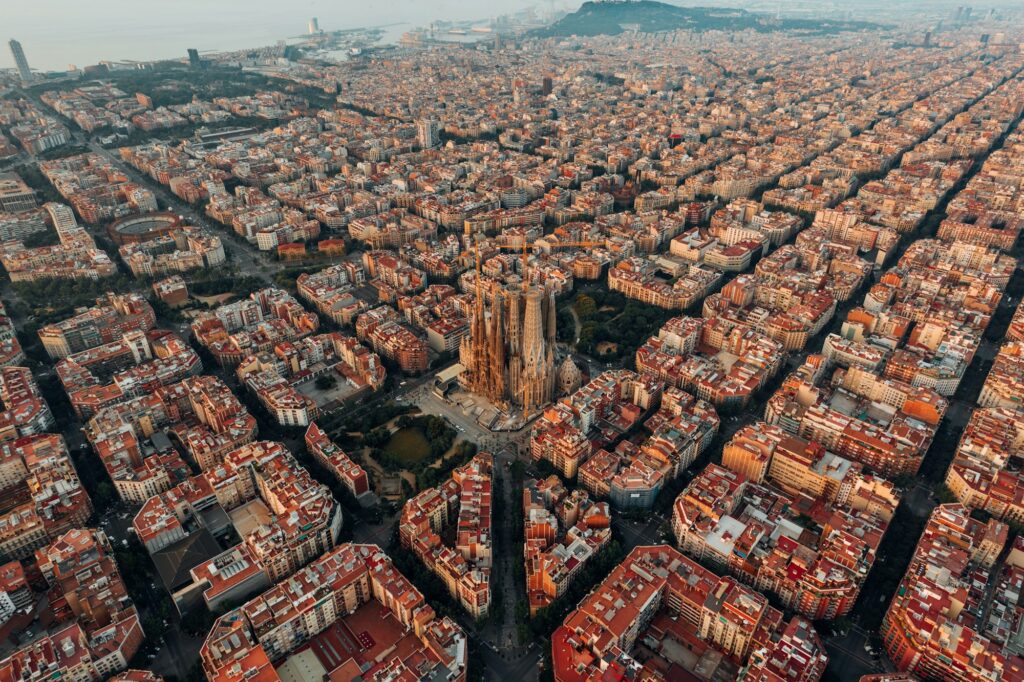
2026 is precisely the year when Barcelona is simultaneously the most expensive and the most unmissable from an architectural and cultural standpoint. After more than 140 years of construction, the Sagrada Família completed its Tower of Jesus Christ — standing 172.5 metres tall, it is now Barcelona’s tallest building, topped with a four-armed cross. According to Ulysse.com, the key date was June 10, 2026: a solemn mass marked the centenary of Antoni Gaudí’s death, followed by the official blessing and inauguration of the tower.
Barcelona has also been designated 2026 World Architecture Capital by UNESCO and the International Union of Architects (UIA). Exhibitions, installations and events are scheduled throughout the year. Casa Batlló offers augmented reality night tours. The Park Güell and Palau de la Música Catalana have special centennial programmes.
Sagrada Família tickets range from €26 (basic entry with audio guide) to €40 (guided tour + tower access). Demand has stayed high since the inauguration mass on June 10 drew visitors from around the world, so book several weeks ahead for the rest of the Centennial year. Budget roughly €2,000 to €2,800 for a week for two people (excluding flights), depending on accommodation category.
Insider tip: if you want to avoid the crowds, aim for autumn 2026 (September–November, Centennial exhibitions still running, far fewer visitors) or early 2027 — the Tower of Jesus Christ will be open to the public, you’ll be able to see Barcelona from 165 metres up, and prices will have returned to normal.
5. How to Organise: Barcelona’s Most Affordable Neighbourhoods
The tax is the same everywhere — but room prices aren’t
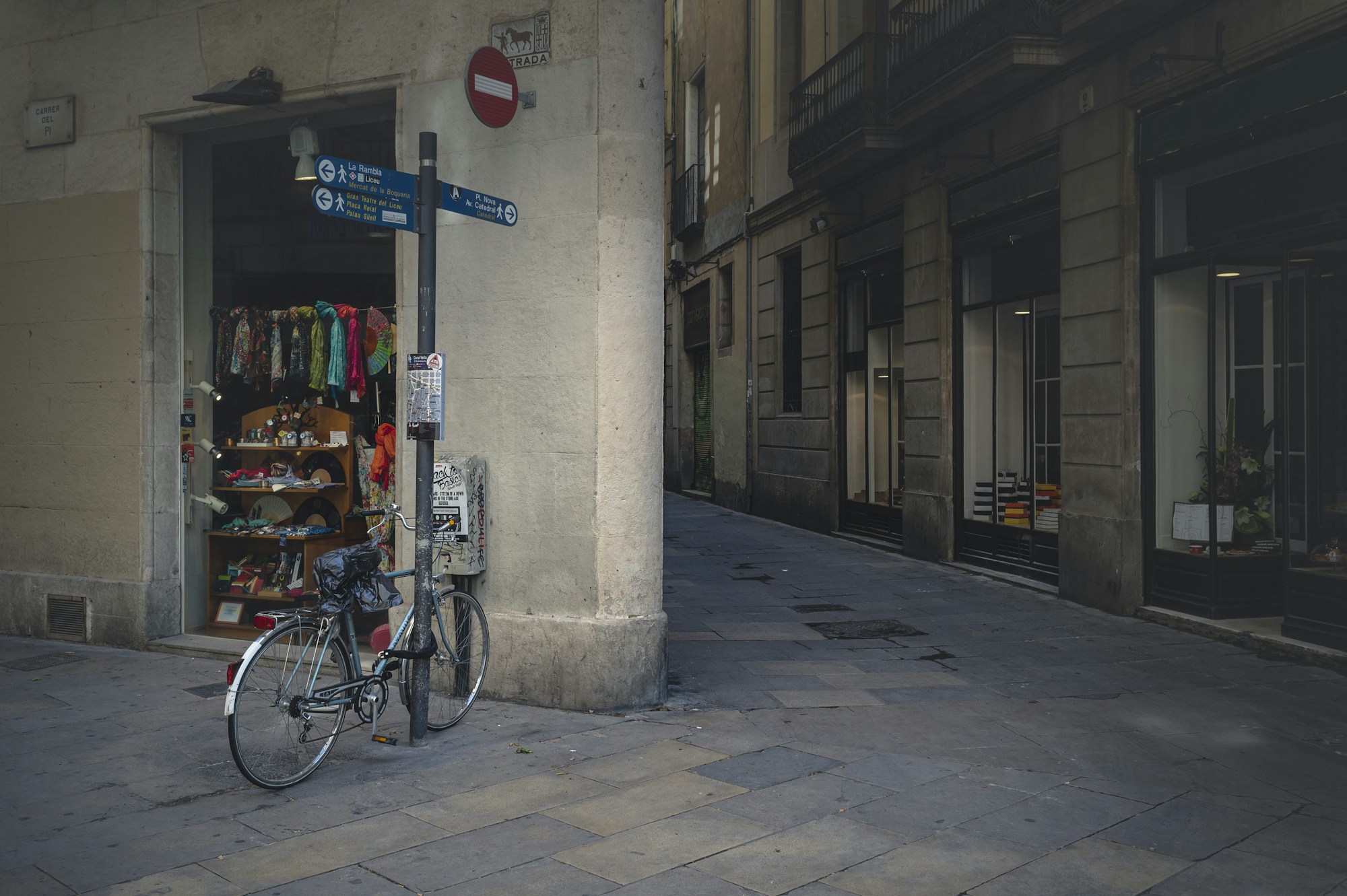
Barcelona’s tourist tax is uniform regardless of neighbourhood. But room prices can vary by 100% depending on location. By choosing accommodation outside the hyper-central zones (Gothic Quarter, El Born, Barceloneta), you mechanically reduce the tax-to-budget ratio and escape the most tourist-saturated areas.
Best neighbourhoods for authenticity and value:
- Gràcia: a former independent village with a bohemian character, its tree-lined squares and pedestrian lanes make it the best value neighbourhood in the city. According to La Souris Globe-Trotteuse, guesthouses here are 30–40% cheaper than in the Gothic Quarter. Expect €50–80/night for two.
- Poble Sec: next to Montjuïc Park and the Grec Theatre, well-connected and away from the tourist trail.
- Sants: often overlooked by visitors, this pure Catalan neighbourhood is directly connected to Sants railway station (direct airport access). Reaching Plaça de Catalunya takes under 10 minutes.
- Sant Antoni: a trendy neighbourhood in gentle gentrification, with a renowned covered market, independent cafés and still-reasonable prices.
Registered youth hostels remain the least-taxed option (specific IEET rate of €1) and offer beds for under €40/night with convivial shared spaces — ideal for solo travellers or those on tight budgets.
Essential advice: in 2026, demand is such that prices can double between a booking made three months ahead and a last-minute search. Book at least 2–3 months in advance for peak periods (April, June, July–August).
6. Catalan Alternatives: Girona, Sitges and the Penedès
Catalonia beyond Barcelona: lower tax, greater charm
For the rest of Catalonia, the tax hike is more gradual: +50% in April 2026, then +100% in April 2027 only. Staying in these destinations is therefore significantly less expensive in tax terms in 2026, while offering equally rich landscapes and culture.
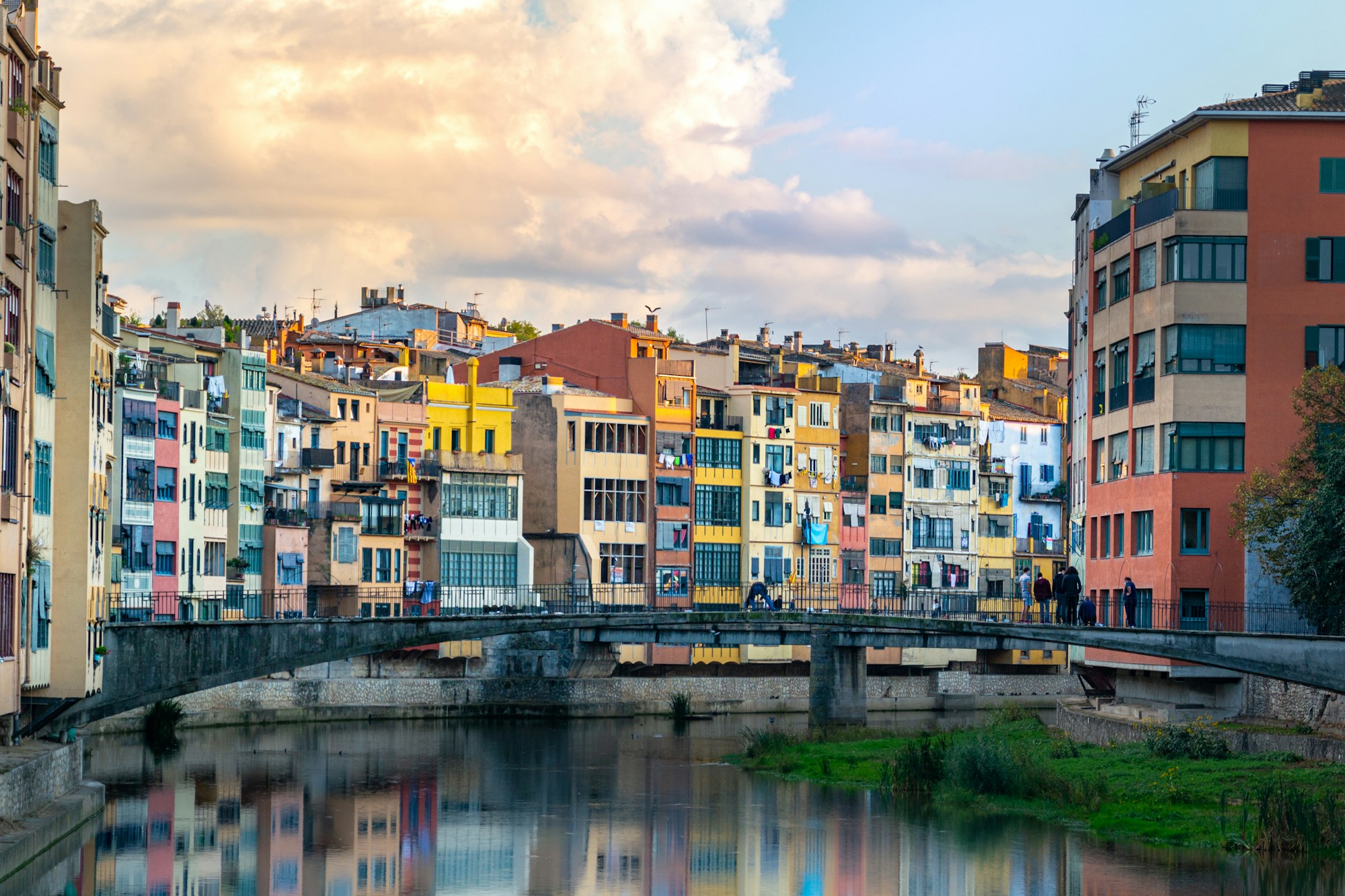
Girona — 100 km north of Barcelona, this medieval city is Catalonia’s most beautiful alternative. Its walled historic quarter, exceptional Jewish Quarter and cathedral reached via 90 steps make it one of Catalonia’s most precious gems. Euronews Travel notes that it remains « barely crowded, even at weekends ». Daily budget for two: €120–170, roughly 30–40% cheaper than Barcelona. Must-do: a sunset walk on the city walls with views over the Onyar’s colourful houses — completely free.
Sitges — Just 35 minutes by train from Barcelona Sants, this Modernista seaside resort blends beautiful beaches, the Cau Ferrat museum and a carnival ranked among Europe’s most spectacular. The Catalan regional tax applies (approx. €2–4/person/night per Generation Voyage), but without Barcelona’s city surcharge. Daily budget for two: €130–180.
The Penedès — 1.5 hours from Barcelona by train, this wine region is the birthplace of cava. The town of Sant Sadurní d’Anoia is home to caves like Freixenet and Codorníu, but it’s the family-run cellars that offer the best experience. Weekend for two all-in: €350–500 (excl. transport).
7. Beyond Catalonia: Valencia, Lisbon and Seville
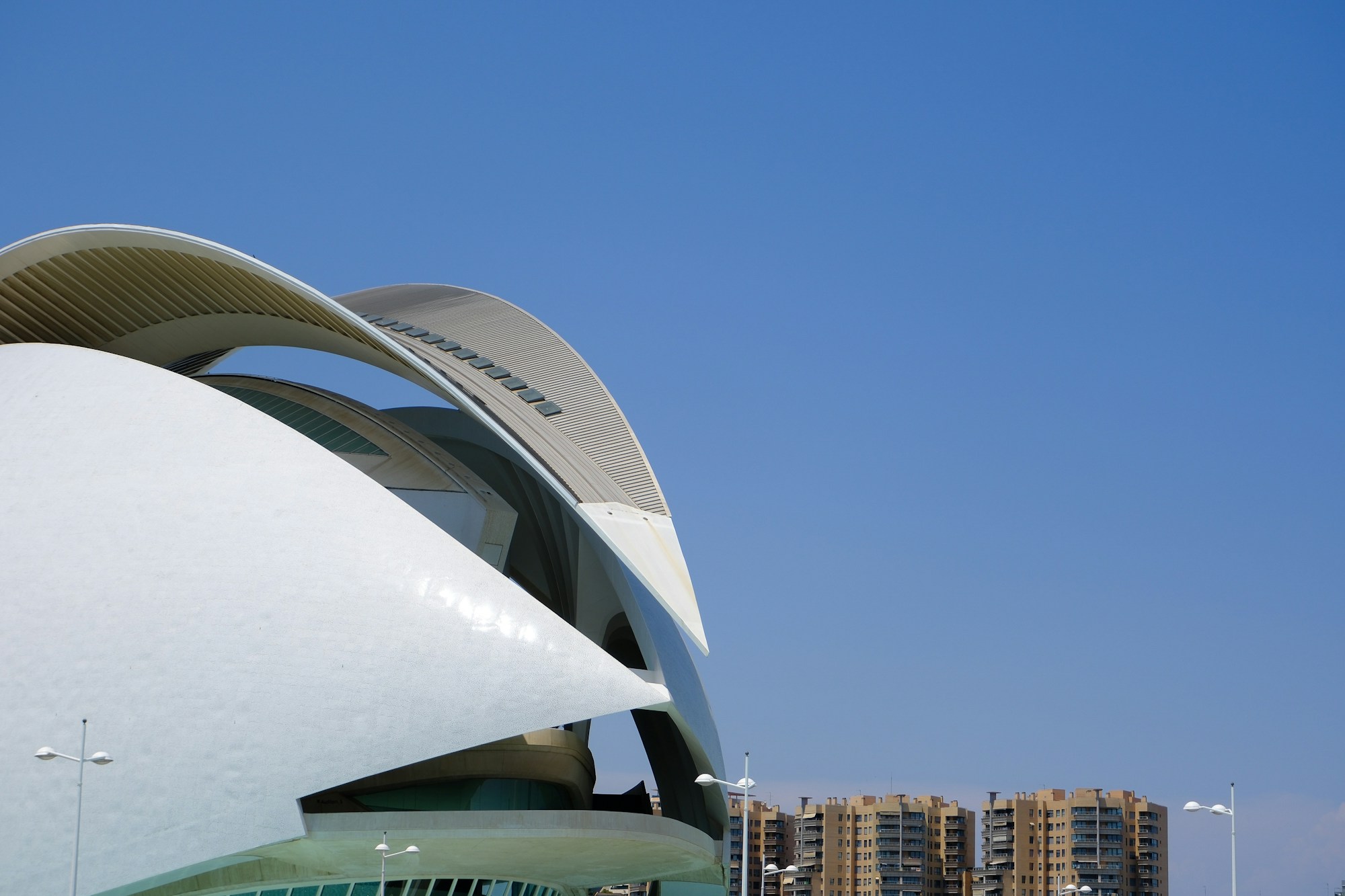
Same Iberian sunshine, 5–10× lower tourist tax
Valencia — 350 km south of Barcelona, the city remains the most obvious Iberian alternative: no city tourist tax to date, a booming cultural scene and direct flights from Paris from €30. As Ulysse.com notes, Valencia hosts the spectacular Fallas festival in March, a UNESCO-listed event. The Valencian regional tax remains modest: €0.50 to €2/person/night. Total budget for a week for two (excl. flights): €1,000–1,500, roughly 40% cheaper than an equivalent Barcelona stay.
Lisbon & Porto (Portugal) — Lisbon charges €2/night capped at 7 nights — a maximum of €28 per couple, vs. €210 in a 5-star Barcelona hotel. Porto applies the same rate, two hours away by train. Azulejo architecture, the Atlantic and neighbourhood restaurants serving a full meal with wine for under €15 rival the Catalan Mediterranean. Budget for a week for two (excl. flights): €1,000–1,400, according to Carnets de voyages.
Seville & Granada (Andalusia) — Seville has a modest tax of around €2–3/night, with Mudéjar architecture and legendary Andalusian cuisine. Granada adds the Alhambra and the tradition of free tapas with every drink — a tradition that exists nowhere else in Spain and keeps food budgets remarkably low. Daily budget for two in Granada: €100–140 all-in.
8. Barcelona vs Europe: The 2026 Tourist Tax Comparison
Where does Barcelona sit in Europe’s tax landscape?
The 2026 reform propels Barcelona into the ranks of Europe’s most taxed destinations, alongside Venice and Amsterdam. Here’s an updated comparison, compiled from data by Ulysse.com and Carnets de voyages:
| City | Tax system | Estimated amount (per person/night) |
|---|---|---|
| Barcelona (5★ hotel) | IEET + city surcharge | €15 |
| Amsterdam (€150 hotel) | VAT 21% + 12.5% city tax | ~33.5% of listed price |
| Barcelona (tourist rental) | IEET + city surcharge | €12.50 |
| Milan (luxury hotels) | City tax | €10 |
| Venice (day visitor) | Seasonal access ticket | €5 to €10 |
| Brussels | Tourist tax | €5 |
| Edinburgh (from July 2026) | Visitor Levy (5%) | ~5% of room price |
| Seville / Granada | Regional tax | €2–3 |
| Porto / Lisbon | City tax (capped) | €2 (max 7 nights) |
The political context explains this trajectory: according to TravelPulse Canada, 31% of Barcelonans now consider tourism harmful to their quality of life, and rents have surged 68% over the past decade. Despite this, with over 20 million international visitors in 2025, Catalonia remains Spain’s most visited region. Barcelona’s appeal is resilient.
Practical Information for Your Trip to Barcelona
Stay connected from the moment you land at El Prat. Instant activation on your smartphone.
From €4.50Nomad Insurance: global coverage for your Spain trip. 10% off via our link.
From $56 / 4 weeksFAQ — Barcelona Tourist Tax 2026
Does the tax apply if I booked before the February 25, 2026 vote?
It’s the dates of your stay that matter, not your booking date. A stay before March 31st, 2026 is charged at the old rate, even if booked after the vote. Conversely, if you booked in January for nights in May, you’ll pay the new rate from April 1st.
Do my children have to pay the tourist tax in Barcelona?
No. Children under 16 are exempt from Barcelona’s tourist tax. Also exempt: people travelling on publicly-funded programmes, and those compelled to travel due to circumstances beyond their control.
What’s the maximum I’ll pay if I stay 2 weeks in Barcelona?
The tax is capped at 7 consecutive nights per accommodation. For a 14-night stay in the same establishment, you only pay for 7 nights — a maximum of 7 × €15 = €105 per person in a 5-star hotel.
Is the tax included in prices shown on Booking or Airbnb?
Not always. The tourist tax is often absent from displayed prices on booking platforms and only appears upon arrival or at the point of final payment. Always check the total price breakdown before confirming your booking, and ensure your accommodation has a valid HUTB licence number.
Does the tax apply to cruise passengers arriving in Barcelona?
Yes. Cruise passengers also see their contribution increase in 2026: the tax for a stopover of under 24 hours rises from €7 to approximately €12. Cruise visitors continue to pay the regional component of the tax (approx. €6 per visit under current contracts).
Is the tax the same throughout Catalonia (Costa Brava, Montserrat…)?
No. Barcelona has a special regime with a city surcharge that doesn’t exist in the rest of Catalonia. For other Catalan cities and resorts (Girona, Costa Brava, Tarragona, Montserrat…), the increase is more gradual: +50% in April 2026, then +100% in April 2027 only. Staying outside Barcelona remains fiscally less expensive in 2026.
Why are youth hostels taxed less than other accommodation?
A specific category was created for youth hostels registered in the Generalitat de Catalunya’s official register. The IEET rate for these establishments stays at €1, compared to €3.50–7 for hotels.
Will the tax hike really deter tourists from visiting Barcelona?
The figures say probably not. Catalonia welcomed over 20 million international visitors in 2025, making it Spain’s most visited region. Taxes represent 2–5% of total trip budget — a real extra cost, but rarely a decisive one. The hike does, however, accelerate the shift towards more responsible accommodation options away from hyper-central zones.
Is there a simple Barcelona tourist tax calculator?
You don’t need a dedicated calculator: the formula is per-person nightly rate × number of nights (capped at 7). For example, a couple in a 4-star hotel (~€11.40/person/night) staying 4 nights pays 2 × €11.40 × 4 = ~€91 total — matching the simulation table above. Children under 16 are excluded from the count, and any night beyond the 7th is free.
Sources
- Barcelona City Hall — Official: tourist tax increase (2026)
- Ulysse.com — Barcelona: tourist tax doubled in April 2026
- Idealista — Barcelona’s tourist tax is doubling in 2026
- L’Écho Touristique — Catalonia votes to double tourist tax
- TravelPulse Canada — Overtourism measures drive Barcelona tax increase
- Ulysse.com — Barcelona: Gaudí Year and the 2026 Centenary
- Euronews Travel — Day trips from Barcelona away from the crowds
- Carnets de voyages — Europe 2026 tourist taxes city by city
Plan Your Catalonia Trip with Pixidia
Despite the tourist tax, Barcelona remains an unmissable destination — especially in 2026, the year of the Gaudí Centennial. Browse our personalised itineraries to make the most of your Catalonia trip.
Explore itineraries