
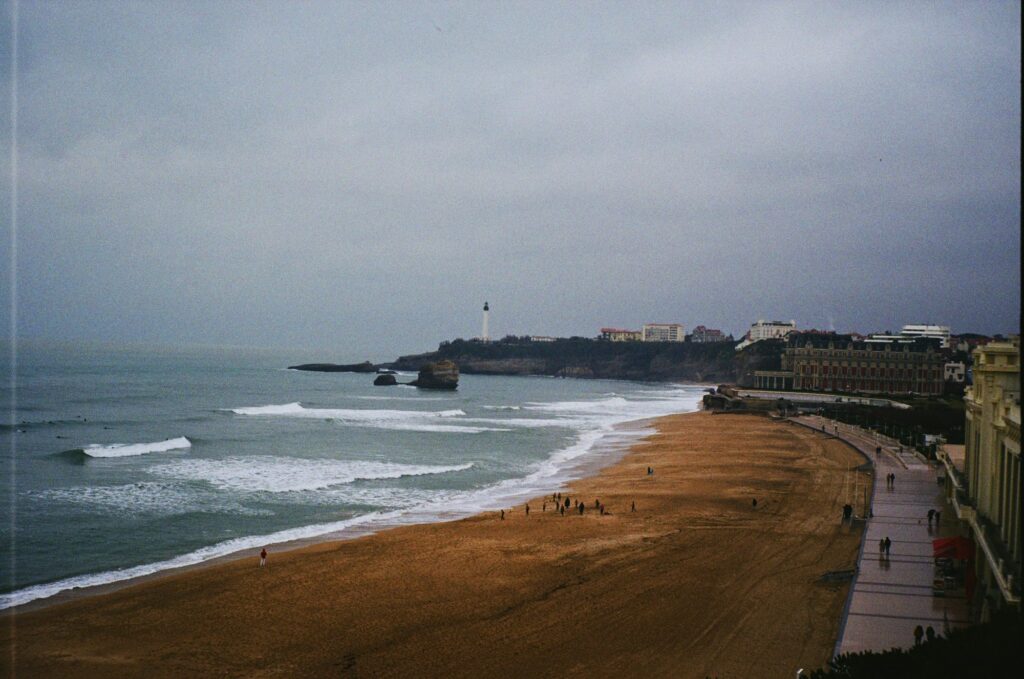
From Biarritz to Bilbao, the Basque Country is a land of striking contrasts. Straddling France and Spain, this one-of-a-kind region where Euskara — one of Europe’s oldest languages, with no known link to any other — is still spoken daily offers an exhilarating seven-day journey through everything that makes travelers tick: from the legendary waves of the Cote des Basques, birthplace of European surfing, to the pintxos-laden counters in the medieval alleys of San Sebastian, through villages ranked among the most beautiful in France and cliffs that tell 60 million years of geological history.
The Spanish Basque Country boasts a stunning diversity of landscapes spanning mountains, the Atlantic Ocean, forests and sea cliffs. Surf, hiking and outdoor sports enthusiasts will find endless possibilities, especially in the natural parks and along the rugged, unspoiled coastline. On the French side, the Labourd hinterland reveals villages where time seems to stand still, with blood-red half-timbered houses and strings of peppers drying in the sun on whitewashed facades.
Over 7 days, the route stretches from Biarritz to Gaztelugatxe, passing through San Sebastian, Zumaia and the secret inland villages, letting you alternate between hiking, surfing, city strolls and gourmet breaks. Renting a car is the most flexible option for exploring trails and quickly connecting the mountains to the beaches. This day-by-day guide gives you everything you need for an unforgettable road trip between the Atlantic and the Pyrenees, on both the French and Spanish sides.
7-Day Itinerary Overview
From the French Basque Coast to the cliffs of Biscay
| Day | Destination | Highlights |
|---|---|---|
| Day 1 | Biarritz | Surfing at Cote des Basques, Rocher de la Vierge, Les Halles market |
| Day 2 | Sare, Ainhoa, Espelette | La Rhune railway, classified villages, AOP pepper |
| Day 3 | Guethary, Bidart, crossing into Spain | World-class surf spots, Saint-Jean-de-Luz, border crossing |
| Day 4 | San Sebastian (Donostia) | Pintxos crawl, La Concha beach, Monte Urgull |
| Day 5 | Getaria and Zumaia | Grilled fish, txakoli wine, Flysch Route by boat |
| Day 6 | Gaztelugatxe, Mundaka, Urdaibai | 241 steps, legendary surf, UNESCO biosphere reserve |
| Day 7 | Bilbao or return | Guggenheim, Alde Zaharra or return via Hondarribia |
Day 1 — Biarritz: the birthplace of European surfing
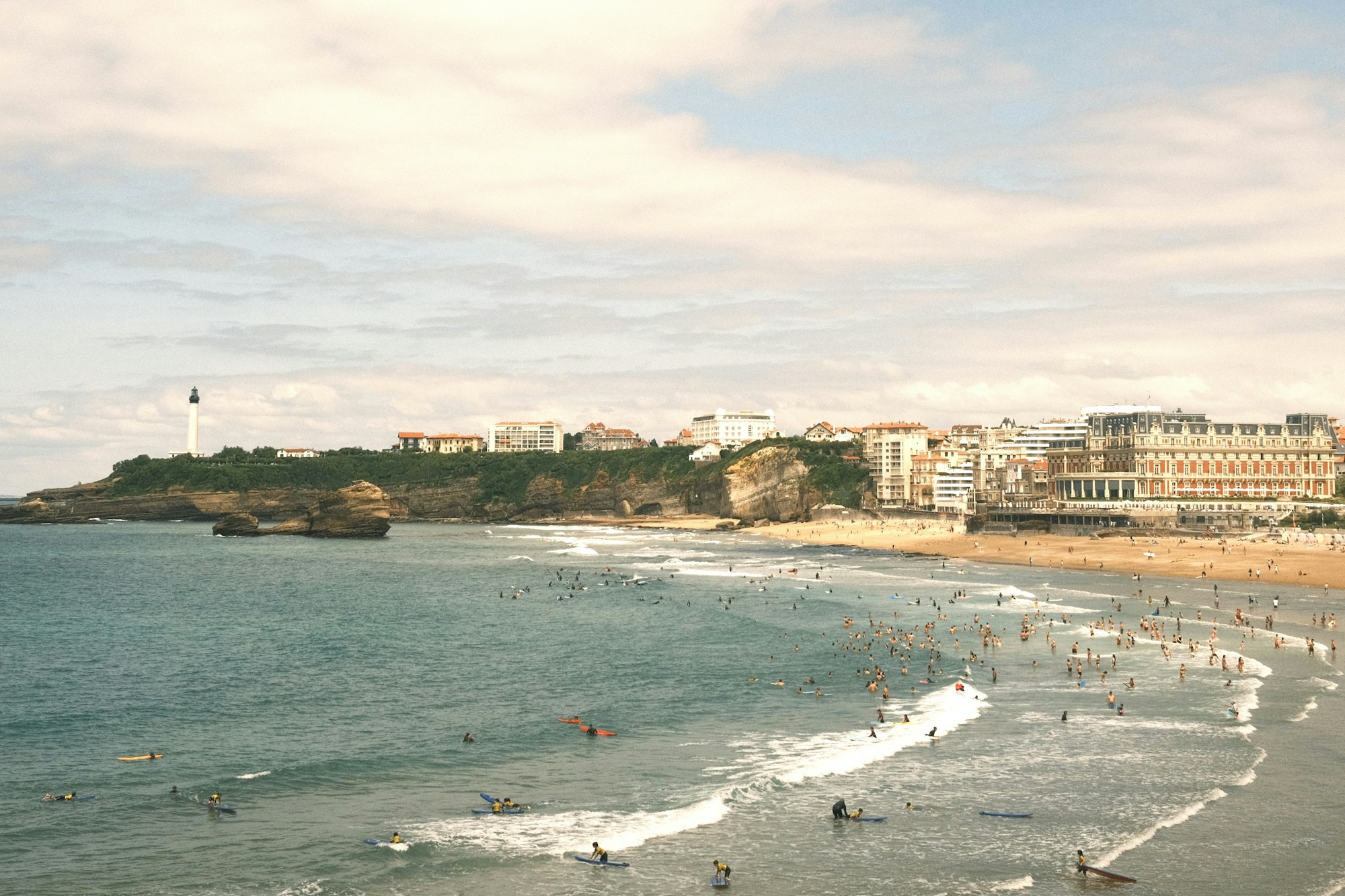
The Queen of Beaches, capital of wave riding
In the heart of the Basque Country, between ocean and cliffs, Biarritz has become a top destination for wave riders of all stripes. The birthplace of European surfing since the 1950s, the town owes its reputation to the ideal conditions offered by the Atlantic swells. Widely regarded as one of the world’s best surf destinations, Biarritz is the historic capital of European surfing. The sport arrived in the Basque Country in the 1950s, introduced by American travelers and filmmakers, sparking a surf culture that has since spread along the entire Basque coast.
Must-surf spots
Cote des Basques is Biarritz’s iconic surf spot. This is where surfing in Europe began and where many international competitions have been held. The spot offers a stunning setting with mountain views. Beginners can practice on the northern end of the beach, where the waves are slower, while experienced surfers will find faster sections to the south.
For more advanced surfers, Marbella beach, extending beyond the Cote des Basques, is particularly popular with locals who enjoy its laid-back atmosphere. Beware, though: exposed to heavy swell and strong currents, it is reserved for experienced riders.
If you’re looking for a more intimate setting, the Miramar spot, located at the foot of the Hotel du Palais, sees fewer surfers in the water than the other spots in town. It’s a must-visit for slightly more experienced surfers seeking peace and quiet.
Beyond surfing: Biarritz the city
Biarritz is much more than its waves. The former seaside retreat of Empress Eugenie retains a remarkable Belle Epoque heritage. The Rocher de la Vierge, connected to the mainland by a metal walkway designed by the Eiffel workshops, offers a 360-degree panorama of the ocean and the Pyrenees. The Musee de la Mer and the Biarritz aquarium will delight families, while the Halles de Biarritz covered market is a food lover’s paradise, with stalls piled high with sheep’s cheese, Bayonne ham and gateau basque.
Day schedule
- Morning: Surf session at Cote des Basques (or a beginner’s lesson at one of the many surf schools — around 40–50 EUR for 2 hours with equipment)
- Lunch: Eat at the Halles de Biarritz covered market — try the Bayonne ham, Ossau-Iraty cheese and black cherry gateau basque
- Afternoon: Walk to the Rocher de la Vierge, visit the Cite de l’Ocean or Musee de la Mer, then stroll through the town center
- Evening: Pintxos and txakoli at the Port des Pecheurs, sundowner drinks facing the Atlantic sunset
Day 2 — Sare, Ainhoa and Espelette: the Basque village trio
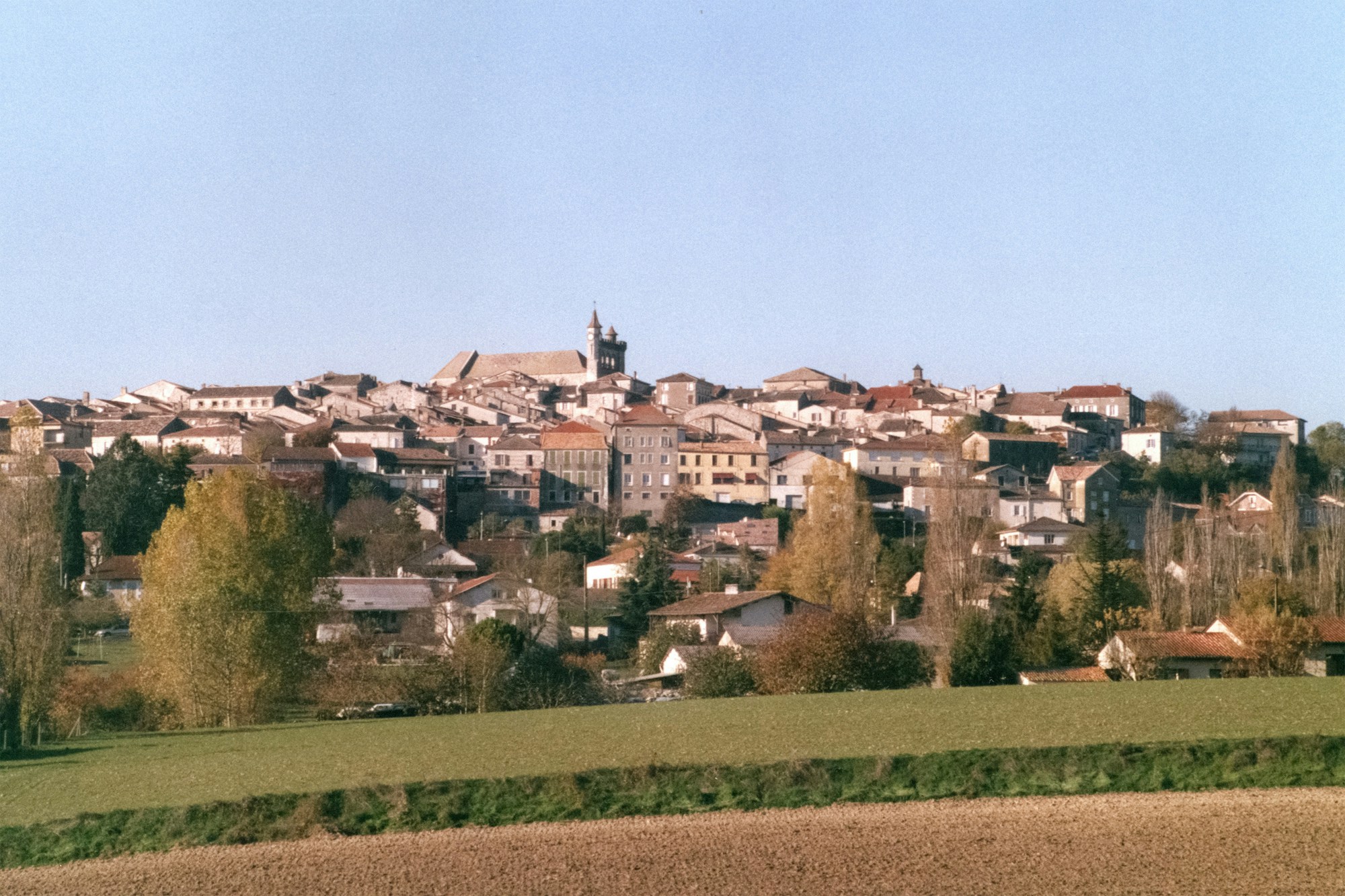
The Labourd hinterland, 30 minutes from the coast
Just half an hour from Biarritz, these three villages form the perfect triangle for soaking up the Basque soul away from the coastal crowds. From Sare’s cobblestone lanes to Ainhoa’s colorful facades and Espelette’s strings of drying peppers, each village has its own identity and an irresistible charm. Spring (April–June) and autumn (September–October) are the ideal seasons to visit under optimal conditions, with pleasant temperatures and moderate tourist numbers.
Sare — the hidden gem of the Labourd
Listed among France’s Most Beautiful Villages, Sare embodies the soul of the Basque Country at its most unspoiled. Far from the bustle of the major cities, this haven of peace is dominated by the imposing silhouettes of La Rhune and Axuria. Its Labourdine houses with immaculate facades and blood-red half-timbering tell a centuries-old story. The Saint-Martin church, with its wooden galleries typical of Basque religious architecture, is well worth a visit.
Don’t miss the La Rhune cog railway: in service since 1924, this old-world rack railway makes the ascent in 35 minutes from the Col de Saint-Ignace. Once at the summit (905 m), you have 1 hour 20 minutes to take in the exceptional panorama: the Atlantic stretching to infinity on one side, the Pyrenees on the other, and on a clear day, the Landes coastline all the way to the horizon. It’s also a chance to spot the famous pottoks, the wild Basque ponies.
Ainhoa — the medieval bastide on the Camino de Santiago
Founded in the 13th century on the Way of St. James, Ainhoa is a bastide in Navarre that has preserved its original medieval layout. Also listed among France’s most beautiful villages, it stands out for its remarkably homogeneous architecture. Along its single street, traditional 17th-century Basque houses line up with white facades and blood-red or dark green woodwork. Each house bears a name carved in stone, often that of the first owner or the function it once served. The fronton, where pelota is still played, is the heart of village social life.
Espelette — the kingdom of AOP pepper
Espelette is world-famous for its pepper. In season (August to November), house facades are draped with garlands of red peppers drying in the sun, creating a vivid spectacle and a unique atmosphere. The renown of the famous Espelette pepper was cemented in the late 1990s when it earned AOP status — a Protected Designation of Origin that certifies the authenticity of peppers grown in the 10 communes of the Labourd.
Milder than cayenne pepper (between 1,500 and 2,500 on the Scoville scale), the Espelette pepper subtly enhances Basque cuisine without overwhelming it: spiced chocolate, piperade, veal axoa, pepper omelette, and even certain sheep’s cheeses. It appears on virtually every table in the Basque Country, where it has handsomely replaced black pepper.
Beyond the pepper, Espelette is home to the Chateau des Barons d’Ezpeleta and a magnificent church with its graveyard of discoid stelae — distinctively Basque funerary symbols. Food lovers will enjoy the local artisan shops selling pepper in powder, string, jelly or chocolate form.
Day schedule
- Morning: La Rhune cog railway from the Col de Saint-Ignace (early departure recommended; book ahead in summer). Allow 3 hours round trip including time at the summit
- Lunch: Eat at a farmhouse inn in Sare — veal axoa, sheep’s cheese, black cherry from Itxassou. Around 15–25 EUR
- Afternoon: Visit Ainhoa (1 hour is enough) then Espelette — tastings, pepper shopping, wandering the narrow streets
- Evening: Return to Biarritz or spend the night in a rural guesthouse for a full immersion. Rural guesthouses in these villages offer rates between 80 and 150 EUR per night
Day 3 — Guethary, Bidart and crossing into Spain
The Basque Coast’s best-kept secret coastal villages
While Biarritz blends surf culture with Belle Epoque elegance, Bidart and Guethary, more under the radar, offer a discreet luxury facing the Atlantic, embodying a certain idea of laid-back refinement. This is where those in the know come seeking the best waves on the coast, away from the summer frenzy of Biarritz.
Guethary: legendary waves
A former whaling village turned discreet seaside resort, Guethary harbors world-renowned surf spots. It features three main breaks: Lafitenia, Cenitz and Parlementia. The latter offers a right-hand wave that holds big swells. It’s Guethary’s most famous spot — a reef break reserved for experienced surfers, with long rides reaching up to 250 meters in length. It’s also one of France’s premier big wave venues, where the world’s best riders come to tackle monumental swells generated by winter storms.
The village itself is worth exploring: its tiny harbor, its church perched on the hill, its ocean-facing cafe terraces and the Saraleguinea museum, housed in a former villa, tell the story of the whaling era and the village’s transformation.
Bidart: surf for all levels
Just a few kilometers south of Biarritz, Bidart enjoys an excellent reputation among surfers of all levels. Among its spots, Erretegia beach delivers fast, long waves with hollow sections and tight tubes. More accessible, the Bidart Centre beach is perfectly suited for intermediate surfers looking to progress. The village of Bidart itself, perched on the cliffs, boasts a charming central square with its pelota fronton, cafe terraces and distinctive church bell tower.
The Saint-Jean-de-Luz stop
Before crossing the border, a stop in Saint-Jean-de-Luz is a must. This former corsair town with its intact charm is home to the Saint-Jean-Baptiste church, where Louis XIV married the Infanta Maria Theresa in 1660. The active fishing port, the half-timbered houses along Rue Gambetta and the Basque linen shops create an irresistible setting. Be sure to try the macarons at Maison Adam, an institution since 1660.
Day schedule
- Morning: Surf at Cenitz (high tide only) or walk the coastal path from Bidart to Guethary — a spectacular 45-minute clifftop stroll
- Lunch: Eat at Guethary harbor — grilled fish and txakoli on a terrace with ocean views
- Afternoon: Stop in Saint-Jean-de-Luz (1.5 hours to explore), then cross the border at Hendaye/Irun — possible stop in Hondarribia, the first Spanish village with medieval charm
- Evening: Check in on the Spanish side (Hondarribia or San Sebastian) for the next few days. First welcome pintxos in the Parte Vieja
Day 4 — San Sebastian (Donostia): the world capital of pintxos
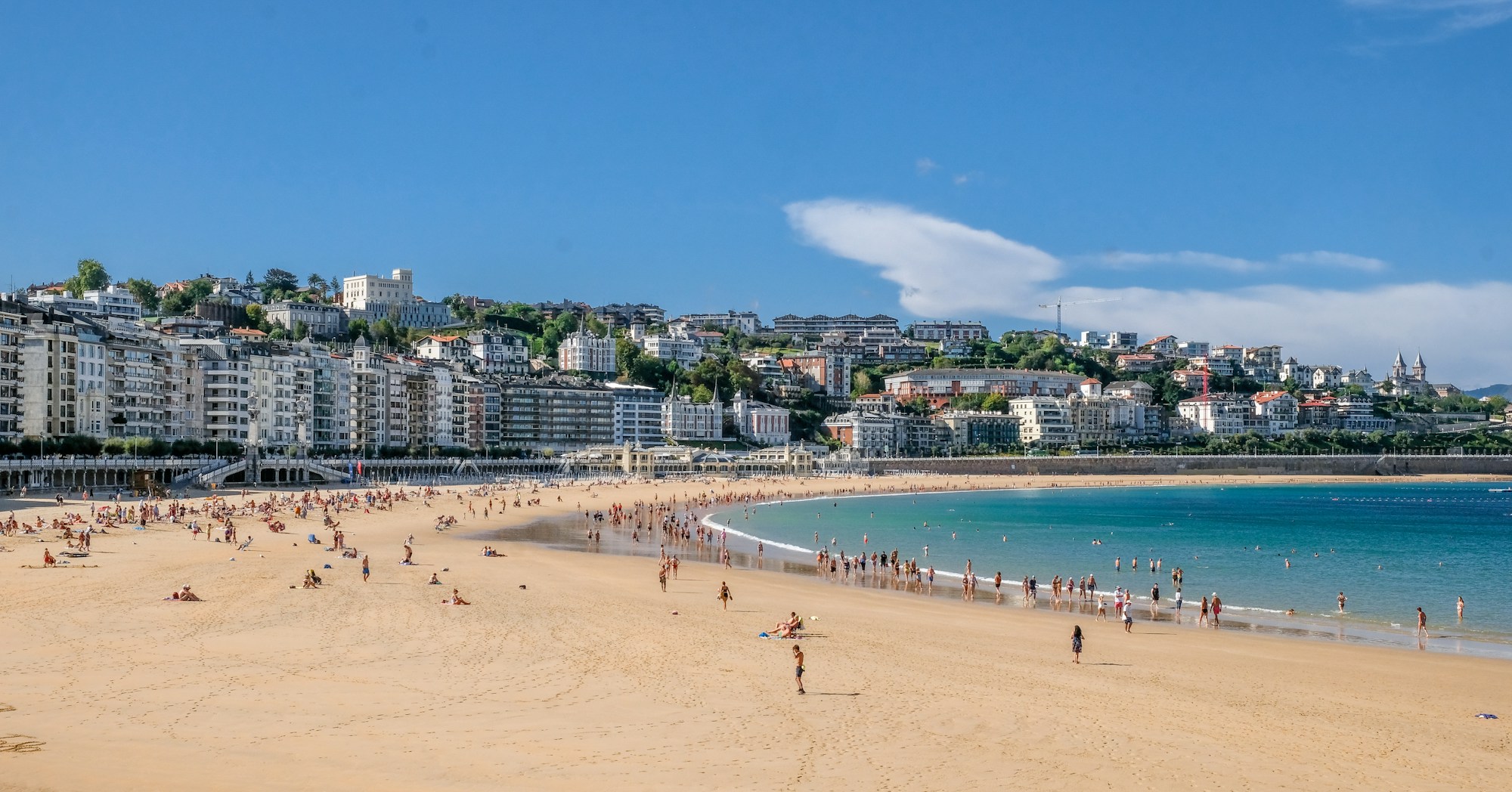
Atlantic dolce vita: a bay, Michelin stars and bar counters
San Sebastian — or Donostia in Basque — is the Atlantic version of la dolce vita: a crescent-shaped bay lined with Belle Epoque palaces, hundreds of mouthwatering pintxos, and an innate sense of celebration. The city is widely recognized as a global gastronomic mecca, not only thanks to one of the highest concentrations of Michelin stars per square kilometer, but also its unrivaled selection of pintxos bars offering refined cuisine at affordable prices.
The pintxos ritual in the Parte Vieja
The Parte Vieja (old town) is the beating heart of San Sebastian’s culinary scene. Over 200 bars and restaurants are packed into just a few city blocks, their counters overflowing with colorful, appetizing creations. Pintxos are small, flavor-packed bites, typically priced between 2 and 6 euros. The type of pintxo makes all the difference: a croquette is cheap, while a scallop is pricier.
The txikiteo (bar crawl) principle is simple: order one or two pintxos per bar, paired with a zurito (small 15 cl beer) or a glass of txakoli, then move on to the next spot. It’s as much a social experience as a gastronomic one, and this is how the Donostiarras have been spending their evenings for decades.
Must-visit bars
- Borda Berri: No classic counter here — every dish is freshly prepared to order. Signature dishes include the pork rib, the « faux » Idiazabal risotto and the crispy pig ear. Expect a queue, but it moves fast
- Bar Gorriti: Open since 1921, it’s one of the oldest bars in the Parte Vieja, located right next to La Bretxa market. Over 50 different hot and cold pintxos — a true museum of gastronomic miniatures
- La Vina: It would be a sin to leave San Sebastian without trying the legendary burnt cheesecake from this iconic establishment. This Basque dessert, copied worldwide, is here in its original, perfect version
- La Cuchara de San Telmo: Chef-driven cuisine in pintxo format, on a quiet side street. The seared foie gras and seasonal mushrooms are outstanding. Arrive early — seating is scarce
- Gandarias: Specialist in meat pintxos, especially the solomillo (beef tenderloin) grilled to perfection. A carnivore’s dream
Prefer not to plan the bar crawl yourself? A guided San Sebastian pintxos tour takes the guesswork out of it: a local leads you between three or four of the addresses above, translating menus and ordering the specialties visitors usually miss.
Beyond pintxos: a complete city
San Sebastian is far more than its food scene, even though that alone would justify the trip. Treat yourself to the climb up Monte Urgull (free, 30 min) for a spectacular view of La Concha bay and the old town below. You’ll also find the remains of La Mota Castle and the Sacred Heart statue watching over the city.
La Concha beach, in its perfect crescent shape, is regularly ranked among Europe’s most beautiful urban beaches. Stroll along the promenade lined with Art Nouveau white railings, then continue to Ondarreta beach to admire Eduardo Chillida’s sculptures, « The Comb of the Wind, » battered by the waves.
For surfers, Zurriola beach in the Gros neighborhood offers reliable waves year-round. This district, younger and trendier than the Parte Vieja, is also packed with excellent pintxos bars frequented by locals.
Day schedule
- Morning: Climb Monte Urgull, then head down to La Bretxa market for a first taste of local produce
- Lunch: First pintxos crawl through the Parte Vieja (Borda Berri, Gorriti, Gandarias)
- Afternoon: Walk along La Concha promenade, swim or surf at Zurriola, explore the Gros neighborhood
- Evening: Second pintxos crawl (La Vina for the cheesecake, La Cuchara de San Telmo) — finish with a gin tonic in the Centro district
Day 5 — Getaria, txakoli and the Flysch cliffs of Zumaia
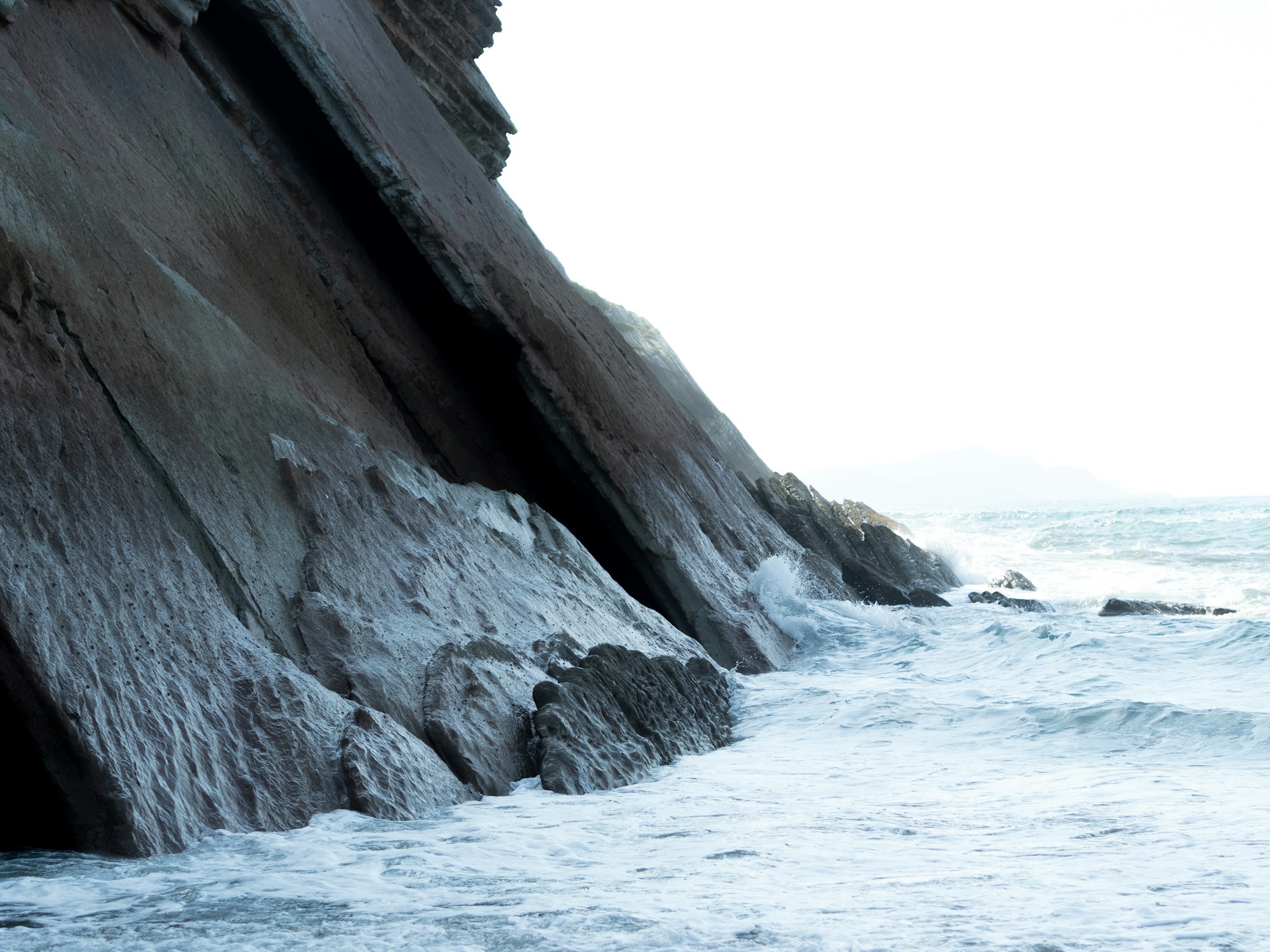
60 million years of history carved in stone
Getaria: the edge-of-the-world village
Nestled between verdant mountains and the deep blue Atlantic, Getaria is a hidden treasure of the Spanish Basque Country. Occupying a small peninsula, the village feels like an island in the middle of the ocean. Sheltered by Mount San Anton, nicknamed « The Mouse » (Raton) for its distinctive silhouette, this fishing village with its intact charm was a major whaling hub in the Middle Ages.
Getaria is the birthplace of two illustrious figures. Juan Sebastian Elkano, the first sailor to complete a circumnavigation of the globe (1519–1522) by finishing Magellan’s expedition, was born here. And Cristobal Balenciaga, the genius couturier whom Christian Dior himself called « the master of us all, » was born here in 1895. The Balenciaga Museum, housed in a spectacular contemporary building, is worth a visit even for those with no interest in fashion.
On the culinary side, wandering through Getaria’s medieval streets is a feast for the senses. You’ll catch the mouthwatering aromas of fish grilled over charcoal in the port’s asadores, accompanied by a glass of txakoli, the slightly sparkling white wine whose AOC bears the town’s name. Ask the waiter to pour the wine from up high — it’s a Basque tradition that aerates this delicate wine and makes it even more flavorful.
Zumaia and the Flysch Route: the Earth’s stone book
This is one of the Basque Country’s biggest surprises for travelers who haven’t discovered it yet. The Flysch Route unfolds through the Basque Coast Geopark, between towering cliffs that bear witness to 60 million years of Earth’s history. The route runs from Zumaia to Mutriku, passing through Deba.
The Basque Coast Geopark is home to one of Europe’s most spectacular and scientifically valuable coastal stretches. Its 13 kilometers of cliff-lined coast reveal a continuous geological archive in the form of flysch — a succession of sedimentary rock layers that allow scientists to interpret key episodes in the planet’s history, including the extinction of the dinosaurs 66 million years ago. You can literally place your finger on the thin iridium-rich clay layer that marks this cataclysmic event.
The ideal way to experience this spectacle is by boat: a guided 3-hour trip departing from Zumaia along the spectacular cliffs, with a stop at the fishing village of Mutriku. Between the cliffs, you’ll uncover the secrets of one of the planet’s great geological sanctuaries. For hikers, the Zumaia–Deba coastal trail (about 3 hours, moderate difficulty) offers breathtaking views of the folded strata from the clifftops.
Day schedule
- Morning: Explore Getaria — harbor, old town, Balenciaga Museum (12 EUR). Optional stop at a txakoli winery for a tasting
- Lunch: Grilled fish at Getaria harbor with local txakoli — an unforgettable culinary experience. Around 20–35 EUR
- Afternoon: Flysch Route boat excursion from Zumaia (3 hours, booking required at geoparkea.eus)
- Hiking alternative: Coastal hike from Zumaia to Deba along the shoreline trail (about 3 hours, spectacular scenery). Take the bus back
Day 6 — Gaztelugatxe, Mundaka and the Urdaibai biosphere reserve
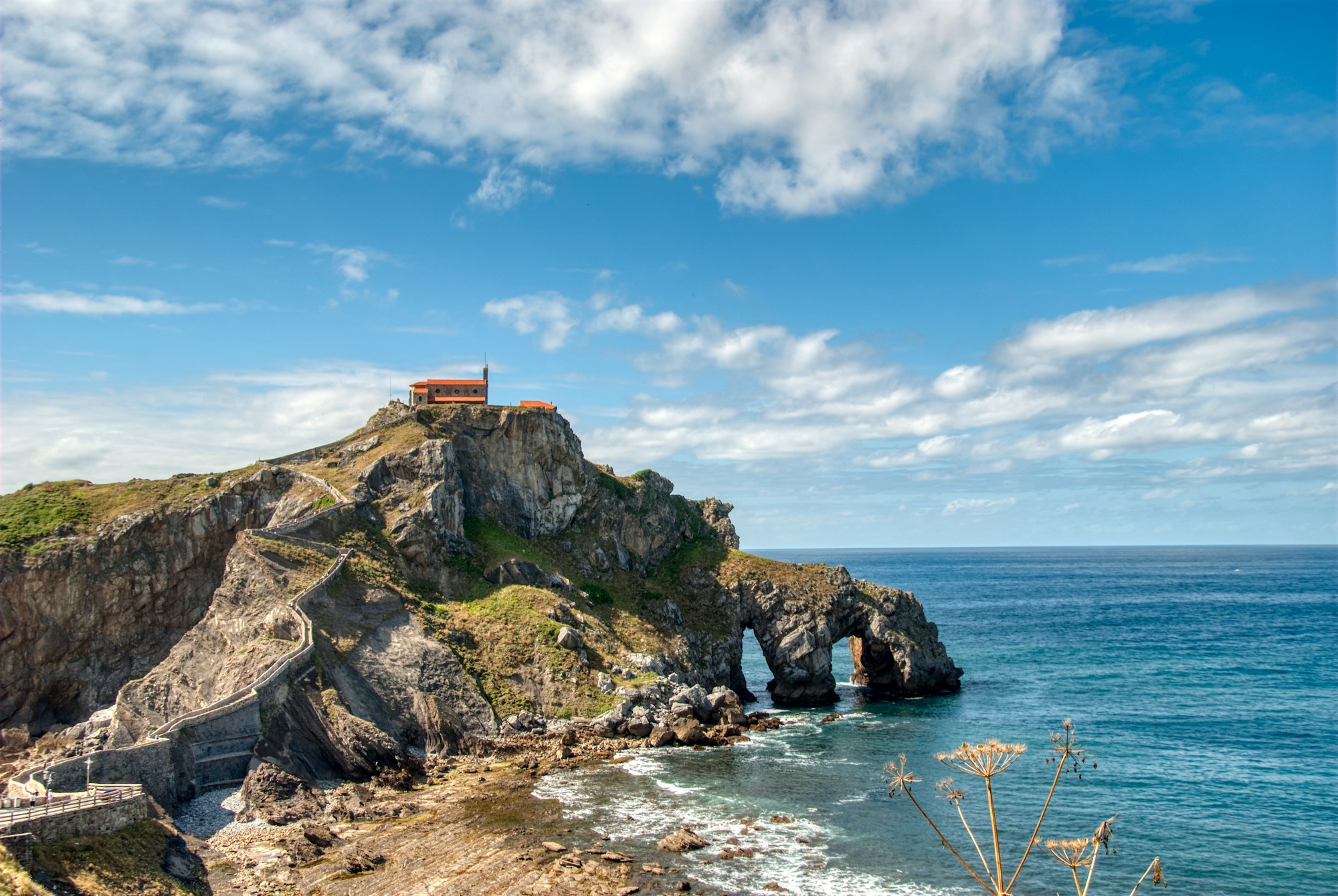
The island of dragons, Europe’s best left-hander, and a UNESCO reserve
Gaztelugatxe: 241 steps to the sacred
Perched on a rocky islet along the rugged Bay of Biscay coast, the chapel of San Juan de Gaztelugatxe is one of the most breathtaking spots in northern Spain. Connected to the mainland by a narrow stone bridge and a series of zigzagging steps, it looks like something out of a fairy tale. Game of Thrones fans will recognize it immediately: this is the « Dragonstone » from season 7 of the iconic HBO series, and since then its popularity has skyrocketed.
Access is free but regulated. A daily limit of 1,462 visitors has been established during peak season. It is recommended to book your time slot online up to 6 months in advance for summer visits. The bridge transforms into a narrow path with 241 steps zigzagging to the summit — recognized as one of the world’s greatest staircases. The effort is rewarded with a jaw-dropping view of Biscay’s jagged coastline.
According to legend, once you’ve completed the climb, you must ring the hermitage bell three times and make a wish. Gaztelugatxe is deeply popular among Basque fishermen: inside the hermitage, votive offerings from sailors saved from shipwrecks and model boats bear witness to centuries of devotion. Even today, tuna fishing boats from Bermeo deviate from their course to ask the saint for protection on the open sea.
Mundaka: the surf mecca of Biscay
Its name resonates in the hearts of surfers worldwide. This tubular wave is considered the best left-hander in Europe — and for many, the best left in the world, period. Its crest can reach 4 meters and it can peel for over 400 meters. This quiet little village on the Basque coast has gradually transformed into a true international surfing mecca.
Mundaka only works at low tide with a solid northwest swell — conditions typically found between October and January. For non-surfers, the view from the seawall is already memorable. And for beginners, the Urdaibai coastline offers more accessible alternatives: the beaches of Bakio, Laida and Laga provide ideal waves for learning.
The Urdaibai biosphere reserve and Elantxobe
Designated a UNESCO Biosphere Reserve, the Urdaibai area surrounds the Oka river estuary. It’s an exceptional haven of greenery and biodiversity, where marshes, forests and wild beaches follow one after another.
To extend the day, the village of Elantxobe, clinging to the cliffside beneath the majestic Cape Ogono, absolutely deserves a detour. Its steep, colorful lanes and tiny harbor make it one of the Basque Country’s hidden gems. Fun fact: the streets are so narrow that engineers designed a turntable so the bus could turn around — a monument in its own right. Basque gastronomy can be explored through its bars and restaurants, with plates of chipirones and hearty marmitako stew.
Day schedule
- Morning: Visit Gaztelugatxe (arrive early — 9 a.m. or 10 a.m. time slot recommended to avoid crowds and heat). Allow 1.5–2 hours for the round trip and time at the top
- Lunch: Eat in Bermeo, a lively fishing port — grilled sardines, marmitako (tuna stew), local pintxos
- Afternoon: Mundaka (surf or watch from the seawall), then detour to Elantxobe and the wild beaches of Laga and Laida in the Urdaibai reserve
- Evening: Pintxos and marmitako at a bar in Mundaka or Bermeo — authentic local atmosphere, far from mass tourism
Day 7 — Bilbao or return to France
Europe’s most successful urban transformation (optional)
Depending on your schedule and energy level after six intense days, two options await for this final day. Either one makes a perfect conclusion to this cross-border road trip.
Option A: Bilbao, the metamorphosis
If you’ve never been to Bilbao, dedicate at least half a day to it. Bilbao, vibrant and surprising, dazzles with its Guggenheim Museum and architectural reinvention. The former industrial city, once in decline, has spectacularly reinvented itself around the iconic silhouette of the museum designed by Frank Gehry — a single building that changed the destiny of an entire city.
But Bilbao is more than the Guggenheim. The Alde Zaharra (old town), made up of the medieval « Seven Streets, » is packed with pintxos bars that are significantly cheaper and less touristy than San Sebastian. The Mercado de la Ribera, Europe’s largest covered market at 10,000 square meters along the Nervion river, is worth the trip on its own. And the Artxanda funicular whisks you in minutes to the hilltop overlooking the city, offering a splendid panoramic view. If your dates line up, check whether BBK Live is on — Bilbao’s major Basque music festival turns the whole city into an extra reason to linger a day longer.
Option B: Leisurely return via France
If you prefer a gentler return, take the coastal road back to France, stopping in any villages you may have missed on the way down. Hondarribia (Fontarabie in French), just across the border, is a medieval gem with its fortified quarter, flower-laden balconied houses and bustling marina. The village also boasts excellent restaurants and pintxos bars. From there you could make a final stop in Saint-Jean-de-Luz for a lunch of chipirones (squid) facing the harbor, or in Bayonne to visit the cathedral, the Petit Bayonne quarter and its chocolatiers.
If you choose Bilbao
- Morning: Guggenheim Museum (booking recommended, 13 EUR) and a walk along the Nervion river — admire Jeff Koons’ « Puppy, » the giant floral sculpture in front of the museum, and Louise Bourgeois’ « Maman, » the giant bronze spider
- Lunch: Pintxos in the Alde Zaharra (the medieval « Seven Streets ») — try Plaza Nueva and its terraces. Pintxos here are significantly cheaper and less touristy than in San Sebastian, and just as delicious
- Afternoon: Mercado de la Ribera (Europe’s largest covered market, 10,000 sq m), Artxanda funicular for a panoramic view of the city and its mountains, then drive back to France
If you choose the coastal return
- Morning: Visit Hondarribia (Fontarabie) — medieval fortified quarter, flower-decked balconied houses, lively marina with excellent restaurants
- Lunch: Eat in Saint-Jean-de-Luz — chipirones (squid) at the harbor, visit Saint-Jean-Baptiste church, macarons at Maison Adam
- Afternoon: Bayonne — Sainte-Marie Cathedral (UNESCO), chocolate shops of Petit Bayonne, final Basque souvenir shopping
Basque gastronomy: a journey within the journey
The flavors of Euskadi, from farm to counter
The Basque Country is one of Europe’s gastronomically richest regions. With the world’s highest concentration of Michelin stars per capita (on the Spanish side, between San Sebastian and its three three-star restaurants), and a culinary tradition on the French side that holds its own (Bayonne ham, Ossau-Iraty cheese, Espelette pepper, gateau basque…), every meal becomes an experience in itself. Planning a table at one of the region’s starred addresses? Our Michelin Guide 2026 covers this year’s new stars worth booking ahead.
From the unmissable pintxos to refreshing txakolis, through charcoal-grilled fish and meats, every stop on this road trip is an excuse for a delicious culinary adventure. Here are the specialties you absolutely must try.
French side
- Gateau basque: The iconic pastry filled with custard cream or black cherry jam from Itxassou. Every bakery has its own secret recipe
- Veal axoa: Minced veal stew with peppers, onions and bell peppers, served with rice or potatoes. A shepherd’s dish turned regional icon
- Piperade: A compote of tomatoes, peppers and onions, often accompanied by Bayonne ham and eggs
- Ossau-Iraty cheese: AOP Pyrenean sheep’s milk cheese, best enjoyed with black cherry jam — the perfect pairing
- Bayonne ham: Cured for 7 to 12 months in the drying houses of Salies-de-Bearn, milder than Spanish jamon iberico
- Bayonne chocolate: A tradition inherited from Sephardic Jews in the 17th century. Bayonne is the oldest chocolate-making city in France
Spanish side
- Pintxos: Far more than tapas — gastronomic miniatures showcasing limitless creativity. From the simple gilda (olive, anchovy, pepper) to haute cuisine pintxos
- Txakoli: A slightly sparkling white wine, poured from up high to aerate it. The ideal pairing with seafood and pintxos
- Grilled fish from Getaria: Turbot, sea bream or sea bass cooked on grates over charcoal, in the pure tradition of the port’s asadores
- Marmitako: Tuna stew with potatoes and peppers, a traditional dish of Basque fishermen
- La Vina’s burnt cheesecake: Born in San Sebastian, copied worldwide — creamy, caramelized, unforgettable
- Basque cider (sagardoa): Poured from height in sagardotegis (cider houses), accompanied by grilled beef steak and Idiazabal cheese
Overall budget: how much to budget for 7 days in the Basque Country
Three budgets, one road trip
The Basque Country has the advantage of catering to all budgets. On the French side, prices are typical of mainland France (with a summer premium on the coast). On the Spanish side, everything is noticeably cheaper — accommodation, dining, fuel. Here is our per-person estimate for 7 days, based on 2025–2026 prices:
| Expense category | Budget | Mid-range | Premium |
|---|---|---|---|
| Accommodation (7 nights) | 350–490 EUR | 630–980 EUR | 1,050–1,750 EUR |
| Food and pintxos | 210–280 EUR | 350–490 EUR | 560–700 EUR |
| Car rental + fuel | 150–200 EUR | 200–280 EUR | 280–400 EUR |
| Activities (surf, Flysch boat, museums) | 80–120 EUR | 150–200 EUR | 250–400 EUR |
| Estimated total per person | 790–1,090 EUR | 1,330–1,950 EUR | 2,140–3,250 EUR |
Breakdown by category
Accommodation: Rural guesthouses in villages like Sare, Espelette or Saint-Etienne-de-Baigorry offer excellent value (80–150 EUR/night) and an authentic immersion into traditional Basque life. On the Spanish side, charming city hotels and typical village inns let you mix things up. In San Sebastian, accommodation is pricier — expect 100–180 EUR/night for a well-located 3-star hotel.
Dining: This is the most flexible category. Pintxos let you eat superbly well for 20–30 EUR per meal. The menu del dia (set lunch) on the Spanish side is unbeatable: 12–18 EUR for starter, main course, dessert and a drink. On the French side, restaurants in Biarritz and Saint-Jean-de-Luz are pricier (25–45 EUR per meal), but the covered markets offer excellent options at lower cost.
Tips to reduce your budget
- Accommodation: Combine 3–4 nights on the Spanish side (cheaper) with 3 nights on the French side. San Sebastian makes an excellent base for day trips to Getaria, Zumaia and Gaztelugatxe
- Dining: Prioritize pintxos crawls and the menu del dia on the Spanish side. Buy cheese, ham and bread at the market for spectacular clifftop picnics
- Fuel: Fill up in Spain — gasoline is significantly cheaper there than in France (about 15–20% savings)
- Timing: Travel in May–June or September–October for accommodation rates 30 to 40% lower than July–August, while still enjoying excellent weather
- Free activities: Gaztelugatxe, coastal trails, beaches, villages — most of this road trip is free. The « activities » budget can be kept to a minimum
Practical tips for your road trip
Everything you need to know before you go
Car rental
Renting a car is essential to fully enjoy this itinerary, which alternates between coast and hinterland, France and Spain. A compact vehicle is the perfect ally for navigating the narrow village streets and winding mountain roads. Ideally, pick up at Biarritz airport or Bayonne train station and return to the same location to avoid drop-off fees. Expect 150–280 EUR for the week depending on season and vehicle type.
When to go?
Spring (April–June) and autumn (September–October) are the ideal seasons. Temperatures are pleasant (18–25 °C), tourist numbers are moderate, and you’ll catch traditional festivals. For surfing, September–November delivers the best waves with consistent swells and still-warm water. Summer (July–August) is very busy and more expensive, but ideal for families with children thanks to long days and warm water temperatures.
Essential bookings
- Gaztelugatxe: Free; booking at reservagaztelugatxe.bizkaia.eus is only required on controlled-access days (up to 6 months ahead in summer)
- Flysch Route by boat: Book at geoparkea.eus — spots fill up fast in July–August
- La Rhune train: Booking strongly recommended in summer (runs March to November)
- Guggenheim Bilbao: Book online to skip the queue (13 EUR adult)
- Starred restaurants: Several months ahead for San Sebastian’s fine dining tables (Arzak, Mugaritz, Martin Berasategui)
Surfing: gear and skill level
In Basque Country waters, a 4/3 mm wetsuit is generally recommended. In summer, a 3/2 mm may suffice in Biarritz, while in winter, thicker suits (5/4 mm) are necessary. Dozens of surf schools offer lessons and equipment rental all along the coast. Here is a summary of the main spots mentioned in this itinerary:
| Spot | Level | Type | Key feature |
|---|---|---|---|
| Cote des Basques (Biarritz) | Beginner to intermediate | Beach break | Birthplace of European surfing, mountain views |
| Marbella (Biarritz) | Advanced | Beach break | Locals’ spot, strong currents |
| Erretegia (Bidart) | Intermediate | Beach break | Fast waves, hollow sections |
| Parlementia (Guethary) | Expert | Reef break | Rides up to 250 m, big wave spot |
| Cenitz (Guethary) | Intermediate to advanced | Reef break | High tide only |
| Zurriola (San Sebastian) | Intermediate | Beach break | Reliable year-round waves, right in the city |
| Mundaka | Expert | Reef break | Best left-hander in Europe, 400 m ride |
| Laga / Laida (Urdaibai) | Beginner to intermediate | Beach break | Pristine natural setting (UNESCO reserve) |
A few words in Basque
Euskara is the language of the heart in the Basque Country. Over 700,000 people speak it daily on both sides of the border. With no known relationship to any other language, it is a true living linguistic treasure. A few words will always delight the locals and show your respect for this unique culture:
- Kaixo (kai-cho) — Hello
- Eskerrik asko (ess-kerrik asko) — Thank you very much
- Agur (ah-goor) — Goodbye
- Topa! (toh-pah) — Cheers! (when toasting)
- Mesedez (meh-seh-dez) — Please
- Bai / Ez (bye / ez) — Yes / No
- Ondo (on-do) — Good / Well
- Txotx! (tchotch) — The call to serve yourself cider from the barrel in cider houses
Getting around between France and Spain
The border crossing is invisible (Schengen Area) — no checks, no formalities. You’ll only notice the change from the road signs and the language of inscriptions. On the practical side, keep in mind:
- Tolls: The AP-8 highway is tolled in Spain (about 15 EUR Biarritz–Bilbao). National roads are free and offer better scenery
- Speed limits: 120 km/h on highways in Spain (130 km/h in France), 50 km/h in towns on both sides
- Parking: Blue lines = paid, white lines = free, yellow lines = no parking. In high season, parking in San Sebastian and Biarritz is difficult — use underground parking garages
- Safety vest and warning triangle: Mandatory in Spain to have in the vehicle (usually provided by rental companies)
Weather and what to pack
The Basque Country enjoys a mild but changeable oceanic climate. Rain can come at any time, even in summer — it’s what gives the region its exceptional greenery and photogenic landscapes. Always pack a lightweight waterproof jacket, closed-toe shoes for hiking (coastal path, Gaztelugatxe’s 241 steps), and sunscreen even on overcast days.
Temperatures range from 15 °C in spring to 28 °C at the height of summer, with cool nights in the inland villages. Water temperature varies from 13 °C in winter to 22 °C in late summer — a wetsuit is essential year-round. A local saying sums up Basque weather nicely: « Four seasons in one day. » Don’t let a rainy morning forecast discourage you — the sun often returns in the afternoon.
Overtourism and 2026 restrictions
Spain welcomed nearly 91.5 million international visitors in 2025. As a result, several destinations are moving to fine-tuned crowd management: quotas, mandatory bookings and group size limits. Gaztelugatxe already has daily quotas. Book early during high season and plan around extended Spanish weekends (May bridge holidays, Semana Grande in August in San Sebastian and Bilbao). The Basque Country, however, remains far less affected by overtourism than Barcelona or Mallorca — one of the great advantages of this destination.
Useful apps and websites
- Magicseaweed / Surf-report.com: Essential swell and tide forecasts for surfing
- Google Maps (offline): Download the regional map before you leave — cell coverage can be spotty in mountain villages
- tiketa.eus: Free booking for Gaztelugatxe on controlled-access days
- geoparkea.eus: Booking for Flysch boat and walking excursions
- en-pays-basque.fr: French Basque Country tourism office — events, accommodation, routes
Frequently Asked Questions
What is the best time to visit the Basque Country?
Spring (May–June) and autumn (September–October) offer the best balance between pleasant weather (18–25 °C), quality surf waves and moderate tourist crowds. Autumn is particularly recommended for the pepper harvest in Espelette (festival in late October) and the big autumn swells for surfing. Summer (July–August) is ideal for families but very crowded and more expensive — accommodation prices can double. Winter, while rainy, offers spectacular waves for experienced surfers and charming, deserted villages.
Do I need to rent a car for a Basque Country road trip?
Yes, renting a car is strongly recommended for this itinerary covering both France and Spain. The inland villages (Sare, Ainhoa, Espelette) and the Spanish coastal sites (Gaztelugatxe, Mundaka, Zumaia) are difficult to reach by public transport. A compact vehicle is sufficient and more practical in narrow streets. Ideally, rent from Biarritz or Bayonne. Budget 150–280 EUR for the week depending on season. The train + bus alternative exists between San Sebastian and Bilbao (Euskotren line), but it doesn’t cover the inland villages.
How much does a pintxos meal cost in San Sebastian?
Pintxos are small bites priced between 2 and 6 euros each. The price depends on the type: a croquette costs 2–3 EUR, a tortilla pintxo 3–4 EUR, while a txangurro (crab) or scallop pintxo can go up to 5–6 EUR. Budget 20–30 EUR for a full pintxos evening including 6–7 pintxos spread across 3–4 bars, plus drinks (zurito or txakoli at 2–3 EUR). It’s one of the best culinary value-for-money experiences in the world.
How do I visit Gaztelugatxe without being turned away?
Visiting San Juan de Gaztelugatxe is free, but online booking is only mandatory on controlled-access days, at reservagaztelugatxe.bizkaia.eus. A daily limit of 1,462 visitors is enforced. In July–August, time slots fill up 2 to 3 weeks in advance. Booking up to 6 months ahead is recommended for summer dates. Choose morning slots (9–10 a.m.) to avoid crowds, heat and parking issues. In low season (November–March), booking isn’t always required but is still recommended.
Is surfing in the Basque Country suitable for beginners?
Absolutely. In spring and summer, the waves are much smaller, making them ideal for beginners. The best spots for learning are Hendaye (long, gentle waves, sandy bottom), the northern end of Cote des Basques in Biarritz, and Bidart Centre beach. Dozens of surf schools offer lessons for all ages along the coast. Budget 40–50 EUR for a 2-hour session with equipment included (board and 4/3 mm wetsuit). Thanks to the Gulf Stream, water temperatures remain pleasantly mild even outside peak season.
What are the must-try foods in the Basque Country?
The list is long and delicious. Don’t miss: the gilda (olive, anchovy, pepper — the original pintxo), the burnt cheesecake from La Vina in San Sebastian, charcoal-grilled fish at Getaria harbor, txakoli poured from up high (a Basque tradition), gateau basque with black cherry from Itxassou, Bayonne ham cured in the drying houses of Salies-de-Bearn, Ossau-Iraty sheep’s cheese with black cherry jam, Espelette pepper on practically everything, and marmitako (tuna stew). For drinks, try Basque cider (sagardoa) at a traditional cider house (sagardotegi).
Are there tourist restrictions in the Basque Country in 2026?
Spain is progressively implementing tourist flow management measures in 2026, following the 91.5 million international visitors welcomed in 2025. In the Basque Country, Gaztelugatxe is subject to daily quotas with mandatory booking. San Sebastian and Bilbao have no access restrictions, but popular sites (Guggenheim Museum, starred restaurants) require advance reservations. On the French side, there are no specific restrictions, but inland villages like Espelette and the beaches of Biarritz can be packed on summer weekends.
How to efficiently combine the French and Spanish Basque Country?
The ideal route follows the coast: Bayonne/Biarritz (France) to Hendaye, then San Sebastian, Zarautz, Zumaia, Mundaka and optionally Bilbao (Spain). A road trip between Bayonne and Bilbao lets you discover two countries and very different landscapes in just a few days. Plan for 3–4 nights on each side of the border. The border crossing is invisible (Schengen Area), with no checks or formalities. Allow 30 minutes from Biarritz to San Sebastian by highway, 1.5 hours from San Sebastian to Bilbao. We recommend starting on the French side (days 1–3) then switching to the Spanish side (days 4–7) for a logical, seamless itinerary.
Is 7 days enough for the Basque Country, or should I extend the trip?
Seven days covers the highlights on both sides of the border without feeling rushed, as long as you accept skipping a few stops. With only 4–5 days, focus on one side: Biarritz, the villages and Saint-Jean-de-Luz on the French side, or San Sebastian, Zumaia and Gaztelugatxe on the Spanish side. With 10 days or more, add a detour to the Pyrenees foothills (Saint-Etienne-de-Baigorry, the Nive valley) or a full day in Pamplona for a broader taste of Basque culture. Surfers benefit from extra flexibility, since swell windows can shift by a day or two — building in one buffer day makes it easier to chase the best conditions.
Sources
- Génération Voyage — Les 5 meilleurs spots de surf à Biarritz
- Navaway — Les 12 plus beaux villages du Pays Basque français
- Les Plus Beaux Villages de France — Ainhoa
- UpNorth Spain — Best Pintxos Bars in San Sebastián 2025
- Saveur — The Pintxo Bars I Can’t Live Without in San Sebastián
- Come a Ma Viaja — Best Pintxos in San Sebastián
- Tourisme Euskadi — La Route du Flysch
- In Green Spain — Géoparc de la Côte Basque
- Geoparkea — Flysch & Karst Experience (site officiel)
- San Juan de Gaztelugatxe — Billetterie officielle
- Euskoguide — Guide complet Gaztelugatxe
- Full Suitcase — 9 Tips for Visiting San Juan de Gaztelugatxe
- Visit Biscay — official Biscay tourism board
- Sixt — 8 spots incontournables surf trip Pays Basque espagnol
- Chéri Fais Tes Valises — Road Trip au Pays Basque espagnol 2025
- Génération Voyage — Tourisme Pays Basque espagnol 2025
- Génération Voyage — Les 14 plus beaux villages du Pays Basque espagnol
- Le Caucase — Sare, plus beau village de France basque
- Sensations Espagne — Surtourisme en Espagne 2026 : restrictions et quotas
- Instinct Voyageur — Road trip Pays Basque de Bayonne à Bilbao
- Le Villaggio — Joyaux cachés de la côte sud du Pays Basque espagnol
- Culture Commune — Expériences culturelles et gastronomiques au Pays Basque
Research conducted on February 24, 2026, and fact-checked and refreshed in July 2026. Prices are provided as guidelines and may vary depending on season and availability.
Plan your Basque Country road trip
Discover hundreds of detailed itineraries created by our community of travelers. From a Biarritz-to-Bilbao coastal road trip to hidden escapes through the hinterland villages, find inspiration for your next trip between France and Spain. Whether you’re a surfer, a foodie, a hiker or simply curious, the Basque Country has something to surprise you around every bend in the road.
On Pixidia, you can also create your own custom itinerary, day by day, with accommodations, activities and budget — then share it with your travel companions, even offline.
Explore all itineraries