
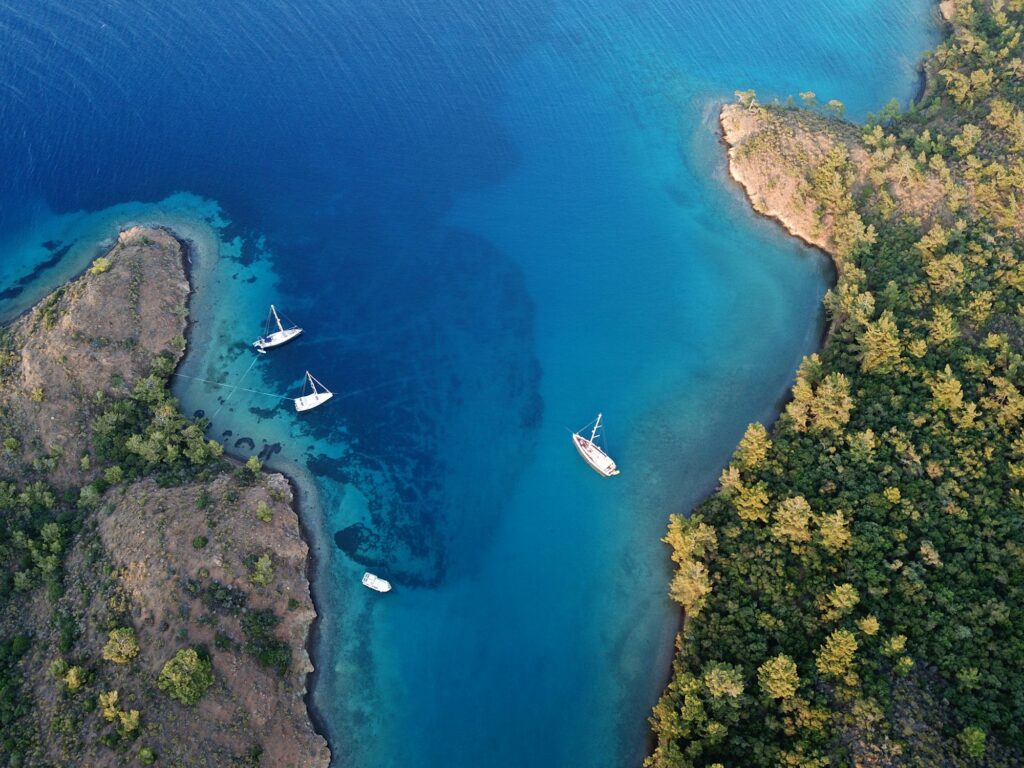
In 2026, the Middle East remains under tension and millions of travellers are rethinking their plans. The good news: just two or three hours from Paris, three regions have emerged as outstanding alternatives — Morocco, Greece, and the Turkish coast. Less crowded than the headline destinations, more authentic, often cheaper, and just as transporting, they deliver exactly what travellers seek when booking a « Middle East » trip: sunshine, history, great food, and proximity to the sea.
According to the USTOA (United States Tour Operators Association), Morocco ranks as the second trendiest alternative destination for 2026. National Geographic has placed Rabat among the must-visit cities of the year. Sifnos and the Zagori region are attracting a wave of travellers fleeing Santorini and Mykonos. The Turkish Lycian coast — Kaş, Olympos, the Lycian Way — remains one of the most beautiful coastlines in the Mediterranean and one of the least touristy for its size.
This guide presents 11 carefully selected alternative destinations: real budgets, best travel windows, what makes each place unique, and above all, how to enjoy them without the crowds.
🇲🇦 Morocco: 4 Off-the-Beaten-Path Destinations
1. Rabat — The World’s Secret Capital in 2026
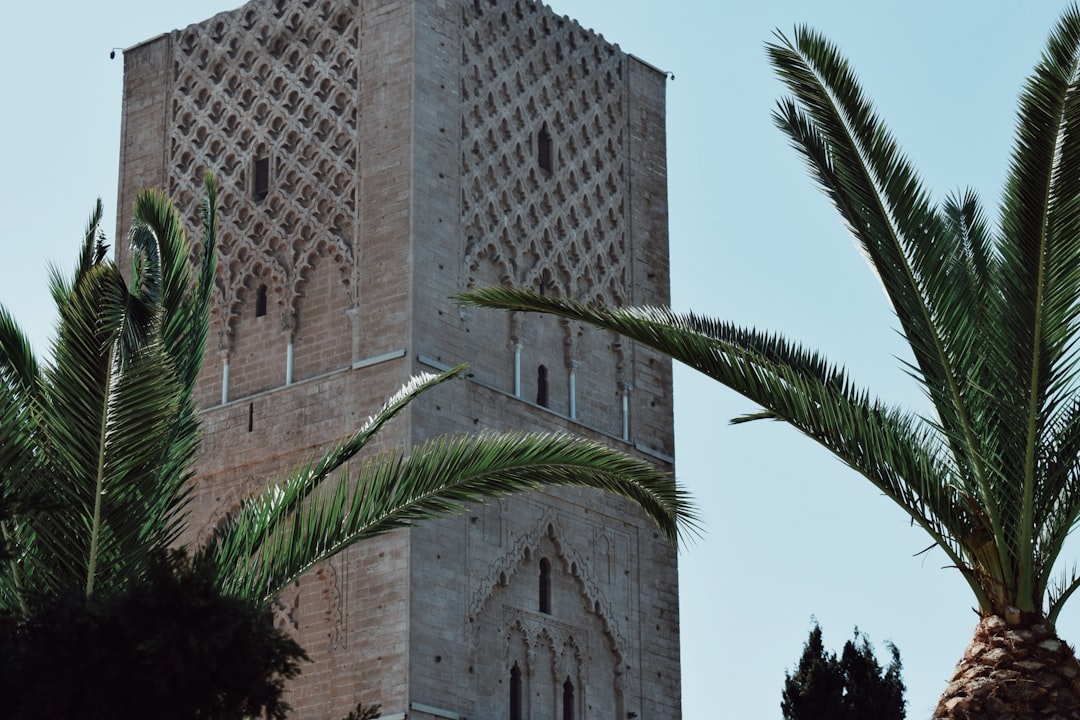
Rabat, Morocco — UNESCO World Book Capital 2026
Long overshadowed by Marrakech, Rabat is undergoing a spectacular cultural renaissance in 2026. National Geographic named it a must-visit city, highlighting its peaceful pace — a striking contrast with Marrakech’s frenetic bustle. From April 23, 2026, the city officially becomes the UNESCO World Book Capital, with a rich programme of workshops, masterclasses, and reading marathons. With 54 publishing houses and Africa’s 3rd largest international book fair, Rabat is a serious cultural alternative to the classic tourist circuit.
The Kasbah of the Udayas, the Almohad ramparts, the Chellah necropolis, the Hassan Tower — all can be explored in a calm that no other Moroccan imperial city can match. The Royal Theatre, designed by architect Zaha Hadid, embodies this proudly claimed cultural modernity.
Highlights
- UNESCO World Book Capital 2026 (from April 23)
- Less touristy than Marrakech with equivalent quality
- Kasbah of the Udayas, Chellah, Almohad ramparts
- Jidar Street Art Festival murals throughout the medina
2. Tafraoute and the Anti-Atlas — Morocco’s Pink Giant Country
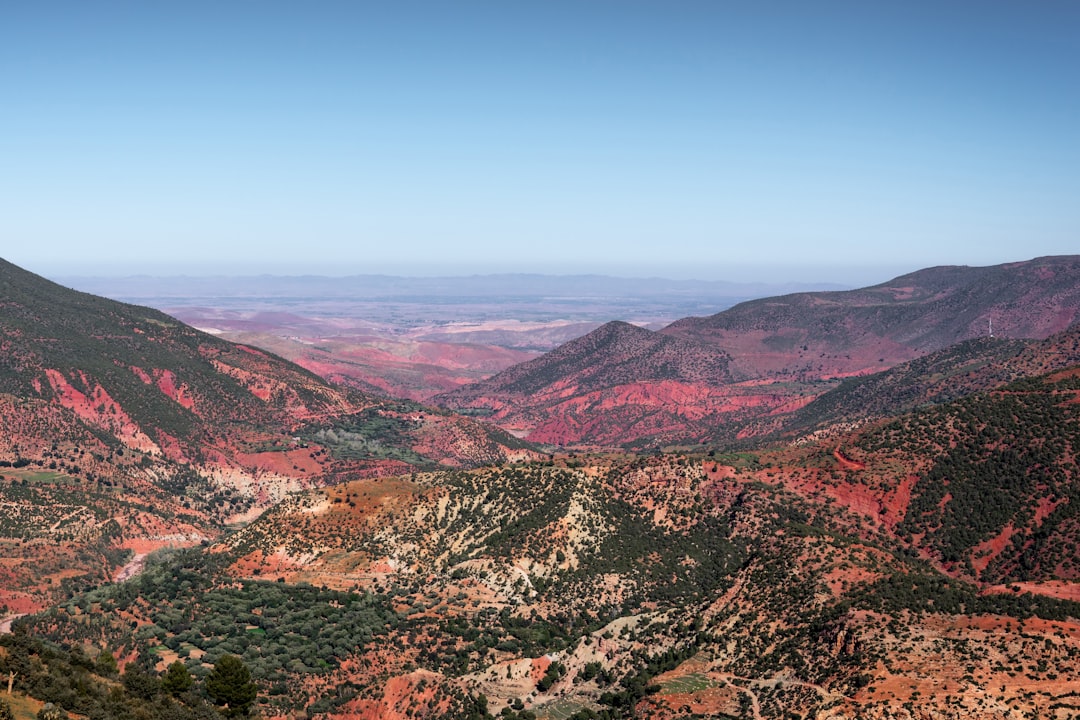
Tafraoute, Tiznit Province, Anti-Atlas
Tafraoute is one of Morocco’s best-kept secrets — a village nestled within an extraordinary pink granite amphitheatre in the Ammeln Valley. Morocco’s south-west around Tafraoute is beloved for its authenticity and near-total absence of mass tourism. Pink pisé houses blend seamlessly into the rock formations, argan trees grow freely and Berber residents live according to their ancestral traditions. The absolute highlight: the Blue Stones, monumental boulders painted by Belgian artist Jean Vérame in the 1980s.
The value for money here is among the most impressive in Morocco: €30 to €60 per day all-inclusive (pension, local meals, shared 4×4 excursions). In March, the almond trees are in bloom — the sight is truly surreal.
Highlights
- One-of-a-kind pink granite amphitheatre
- The Blue Stones by artist Jean Vérame
- One of the most affordable budgets in Morocco
- Wednesday weekly market attended exclusively by locals
3. Erg Chigaga — The Authentic Sahara, Far from Merzouga
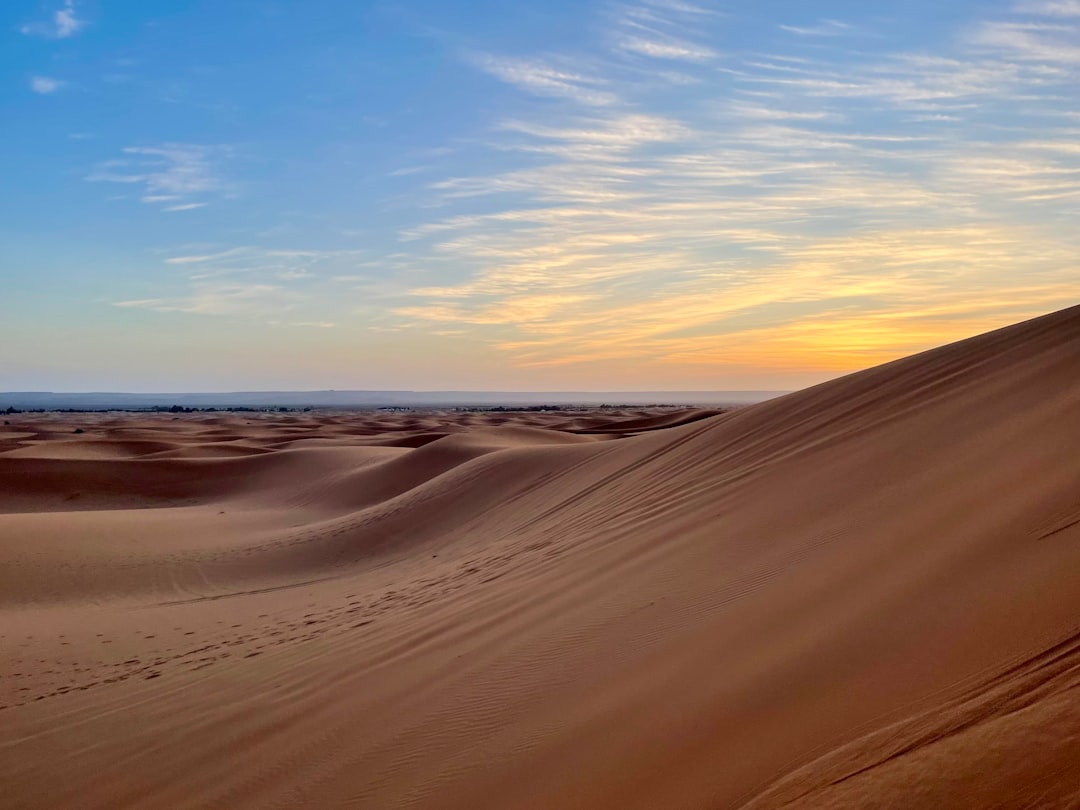
Erg Chigaga, Zagora Province — The Sahara Without the Quad Bikes
Erg Chebbi at Merzouga is known to every tourist. Erg Chigaga, on the other hand, remains under the radar — and that is precisely what makes it one of the most authentic desert experiences on the continent. Unlike Merzouga, Erg Chigaga offers a bivouac overnight and sunset in the dunes without the noise of quad bikes. This journey follows the ancient camel caravan route that once carried precious goods from sub-Saharan Africa. The dried-out Lake Iriqui, a fascinating palaeontological site, spreads out at the base of the dunes — you can go in search of fossils.
Highlights
- Larger, wilder dunes than Merzouga — no quad bikes
- Bivouac under the stars with local nomad guides
- Dried Lake Iriqui: palaeontological site with fossils
- Access via Foum Zguid: less-travelled than the Zagora road
4. Fès — The Renaissance of Morocco’s Spiritual Capital
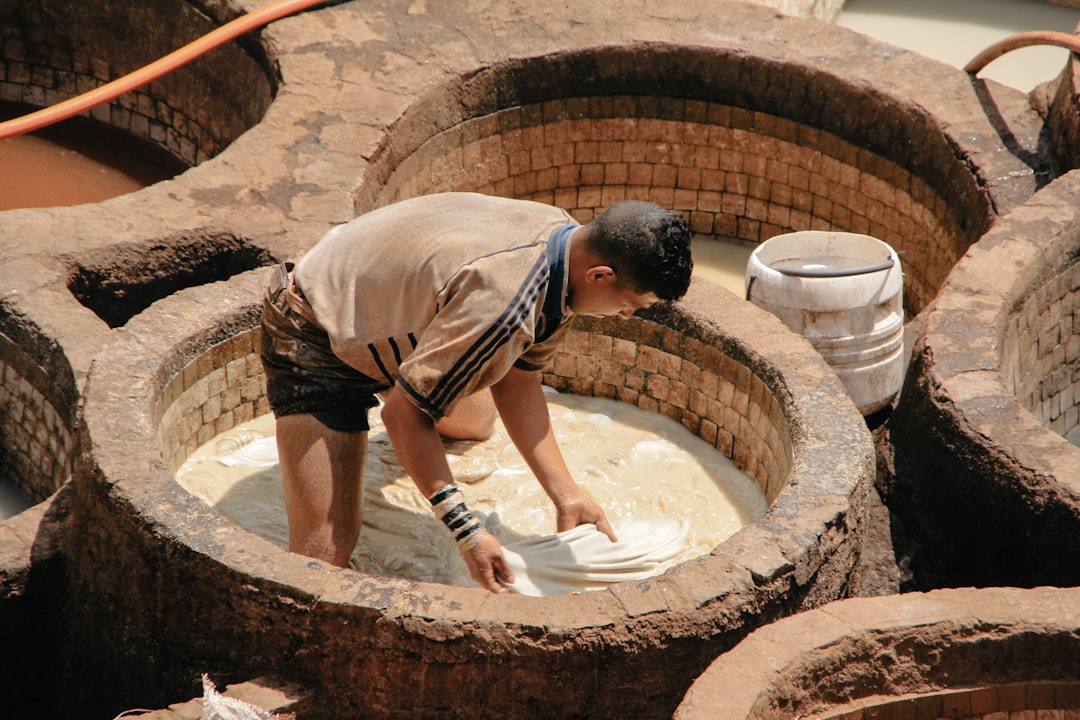
Fès — UNESCO World Heritage, Tanneries and Renaissance
Fès is experiencing « a true renaissance » thanks to ambitious restoration projects breathing new life into its ancient medina. Ranked among the 10 must-visit tourist destinations for 2026 by Travel and Tour World, the city invites you to explore labyrinthine streets lined with historic mosques, madrasas and traditional tanneries. The University of Al Quaraouiyine, founded in 859 AD, is widely considered the world’s oldest degree-granting university. The Chouara Tanneries, visible from the terraces of leather shops, have been an unmissable spectacle since the 11th century.
Highlights
- Chouara Tanneries: an unchanged spectacle since the 11th century
- University of Al Quaraouiyine (859 AD) — oldest in the world
- Medina inscribed on the UNESCO World Heritage List
- Less touristy than Marrakech, superior cultural experience
🇬🇷 Greece: 4 Lesser-Known Islands and Regions
5. Sifnos — The Cyclades’ Forgotten Gastronomic Island
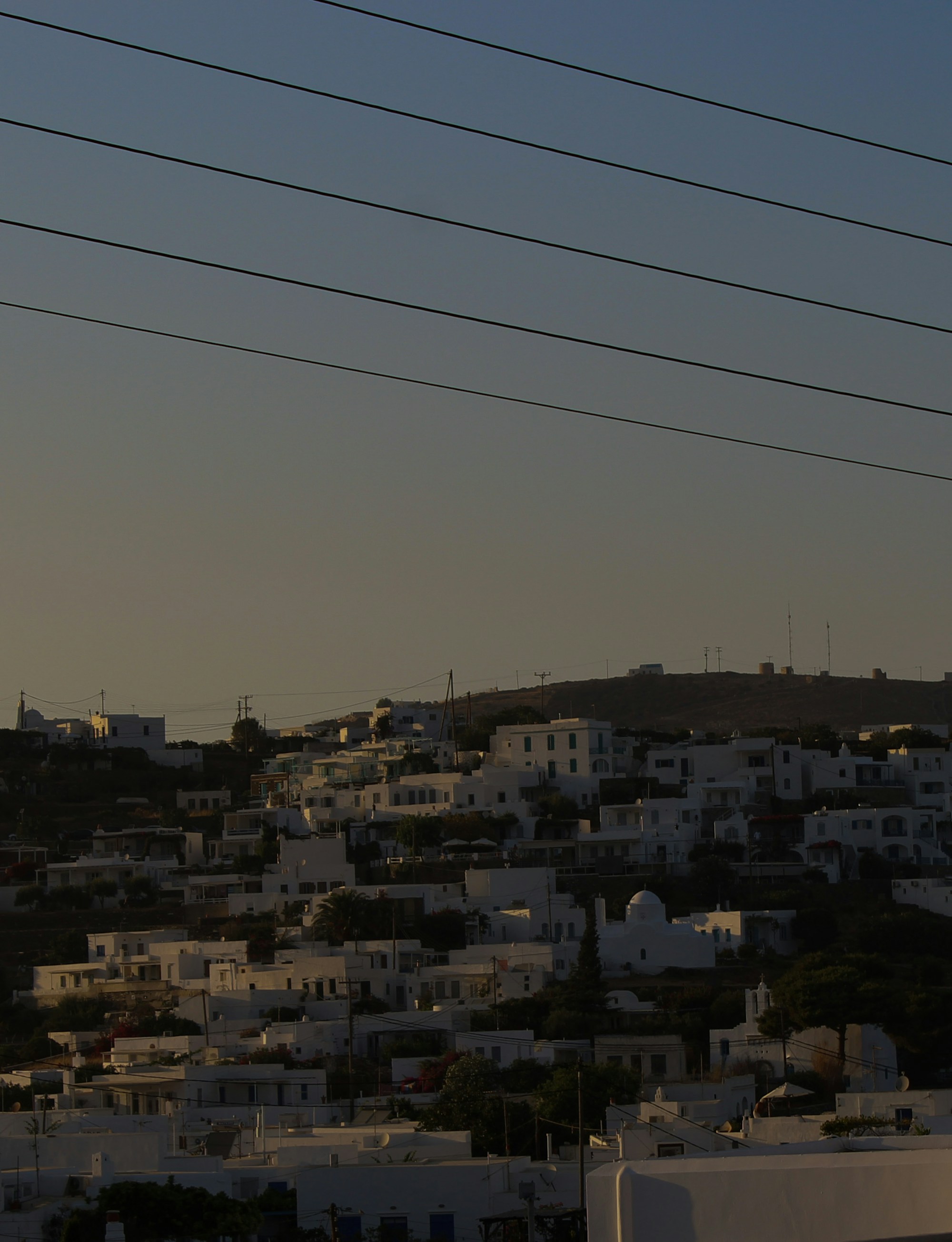
Sifnos, Cyclades — The Answer to Santorini, Without the Crowds
Sifnos is the perfect answer for those seeking Santorini’s soul without its crowds. Everything on Sifnos is on a human scale: stay in Apollonia if you want to be at the centre of things, or Artemonas for more tranquillity. The two villages are connected by a bougainvillea-lined path you’ll soon know by heart. Famed for its ceramics since antiquity, the island has also established itself as a bastion of island gastronomy — this is the birthplace of Nikolaos Tselementes, the Greek Paul Bocuse of the 20th century. On Sundays, locals eat revithada, a chickpea stew slow-cooked overnight — a simple dish whose aroma stays with you long after you leave. In September, the island hosts the Cycladic Gastronomy Festival in Artemonas.
Highlights
- Legendary island gastronomy: revithada, grilled octopus, hand-thrown ceramics
- Cycladic Gastronomy Festival in September
- Beaches of Vagia, Ganema and Kalo Ampeli often completely deserted
- 3h by ferry from Piraeus (Athens), easily combined with Serifos
6. Ikaria — The Island of Centenarians and the Slow Life
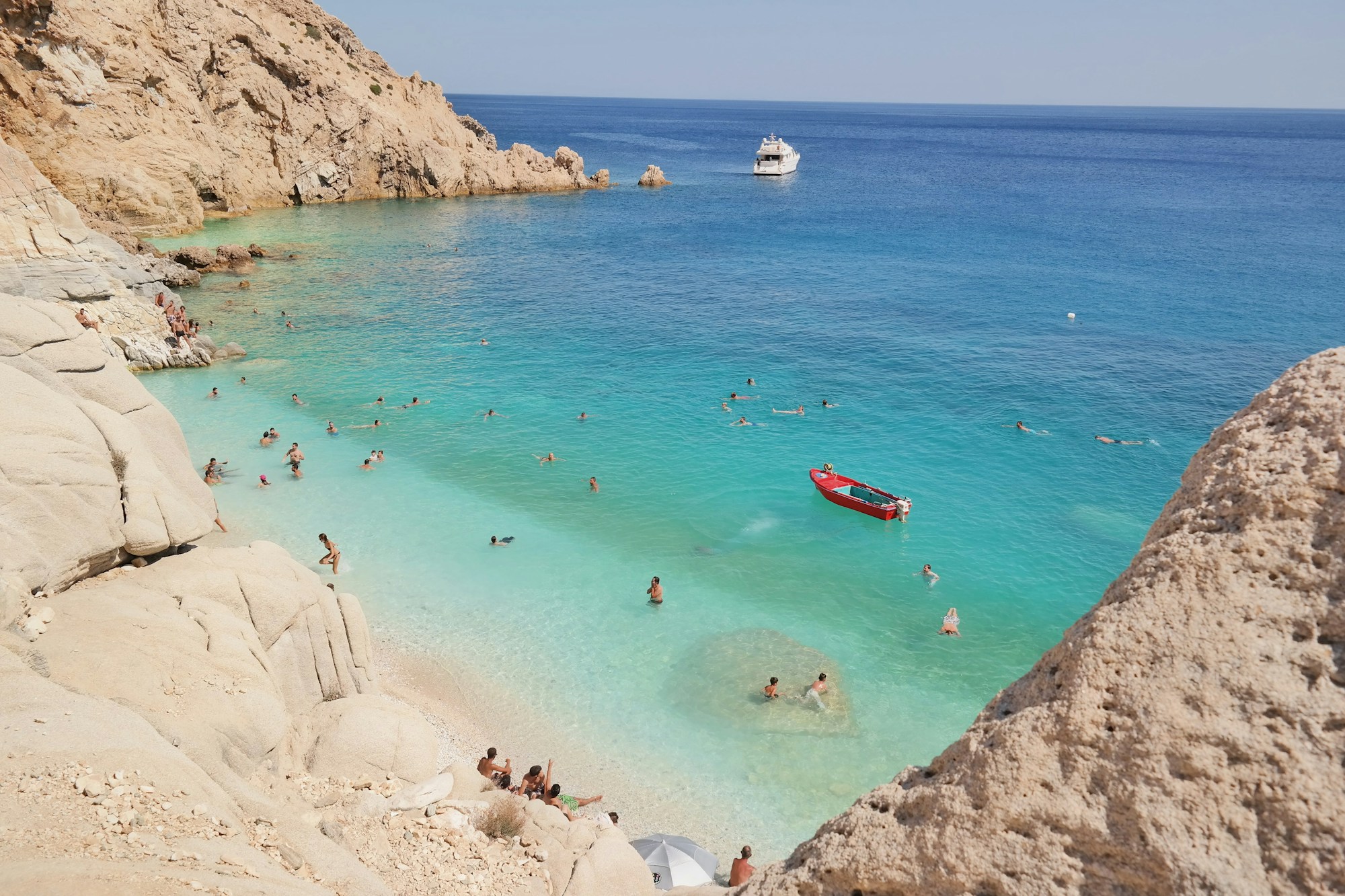
Ikaria, Aegean Sea — The « Blue Zone » Where Everyone Ages Well
Ikaria is a fascinating anomaly in the Greek tourism landscape. Far from mass tourism, it offers beaches with crystal-clear water, picturesque villages, vast forests and canyons for hiking, and natural hot springs… all seasoned with healthy local food and a stress-free joie de vivre — perhaps the secret of this « Blue Zone » island, famous as the island of centenarians. Ikaria is home to one of the highest concentrations of people aged over 100 in the world, a phenomenon studied by the Blue Zones Foundation. In Rahes or Christos, the night-owl’s favourite village, shops close during the day and open after dark — « Ikarian Time », where time itself seems to stop.
Highlights
- UNESCO Blue Zone: one of the world’s highest concentrations of centenarians
- Natural thermal springs at Therma and Lefkada
- Panigiri (village festivals): dancing, traditional food, unbeatable prices
- Unique anti-pirate architecture found nowhere else in Greece
7. The Zagori (Epirus) — Mountain Greece and Stone-Arch Bridges
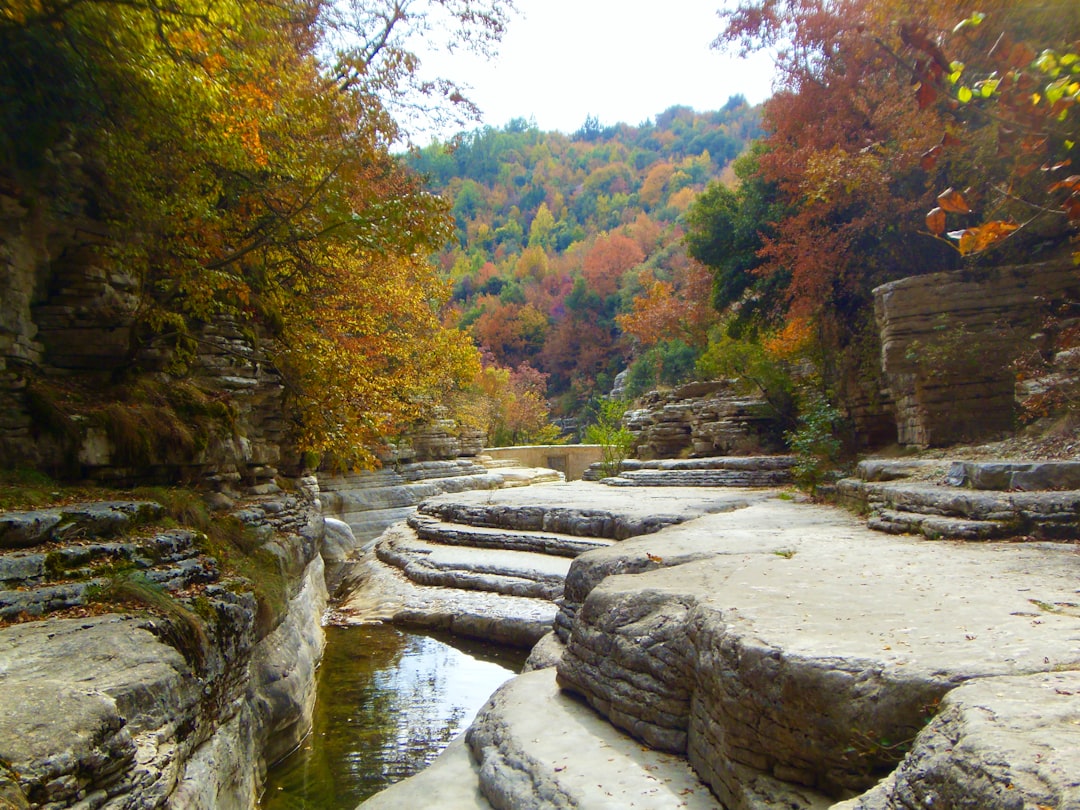
Zagori, Epirus — The Vikos Gorge and Ottoman Villages
If you think you know Greece inside out, the Zagori will prove you wrong. Since September 2023, this remarkably preserved area in northern Greece’s mountains has been inscribed on the UNESCO World Heritage List as part of the Vikos-Aoos Geopark. The true jewel of Monodendri is the entrance to the Vikos Gorge, the deepest in the world according to the Guinness World Records (900 m deep, 1,100 m wide). A cluster of 48 traditional villages with ancient stone-arch bridges, streams, and wonderfully preserved historic buildings — a fairytale setting, 450 km from Athens.
Highlights
- Vikos Gorge: the deepest in the world (Guinness World Records)
- Vikos-Aoos Geopark inscribed on the UNESCO World Heritage List (2023)
- 48 preserved Ottoman villages with stone-arch bridges
- Mountain gastronomy: alevropita, krano jam, wild mushrooms
8. Serifos — The Anti-Mykonos of the Cyclades
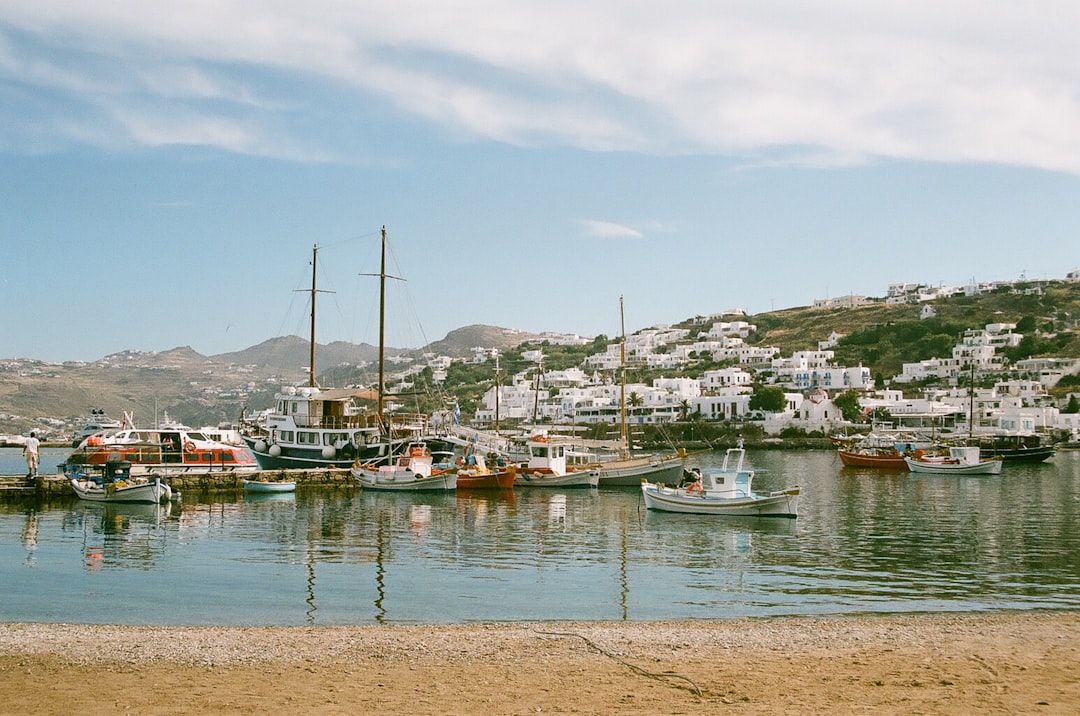
Serifos, Cyclades — Mythology, Labour History and Crystal-Clear Sea
Serifos blends industrial history, ancient mythology and raw Cycladic beauty. The island features in Greek mythology as the place where Perseus returned with the head of Medusa. The great mining strikes of 1916 left a lasting mark on Serifos, making it a landmark in the Greek labour movement: traces of tunnels, rail tracks and industrial buildings are still visible today. Serifos has remained an inhabited, human-scale island with a simple port, a handful of scattered villages and a spectacular Chora perched on a rocky hilltop. Footpaths regularly lead to deserted coves — no sun loungers, no music, just the wind and the sea.
Highlights
- Same Cycladic spirit as Mykonos, without the crowds or the prices
- Spectacular Chora perched on a rocky hilltop
- Deserted coves accessible on foot via old mule tracks
- 2h30 by ferry from Piraeus, easily combined with Sifnos
🇹🇷 Coastal Turkey: 3 Gems of the Turquoise Coast
9. Kaş — The Preserved Jewel of the Lycian Coast
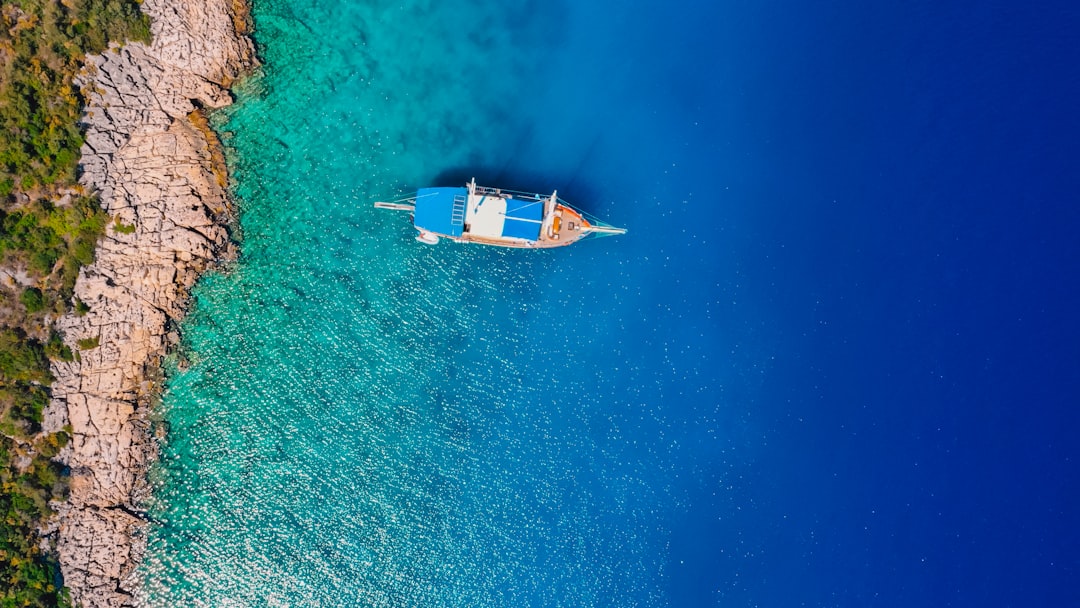
Kaş, Antalya Province — 2,500 Years of History on the Mediterranean
Once known as Antiphellos, Kaş was an important trading port for the Lycians, a fascinating ancient people renowned for their cliff-carved tombs and monumental sarcophagi. This small seaside town combines cobblestone lanes, Ottoman architecture and an authentic evening scene. For diving enthusiasts, Kaş is a Mediterranean benchmark with more than 30 documented sites: shipwrecks, underwater canyons and even a submerged military aircraft. Nearby, the island of Kekova and its sunken ancient ruins are easily reached by boat.
Highlights
- 30+ dive sites (shipwrecks, military aircraft, underwater canyons)
- Kekova Island and submerged Lycian ruins (boat excursion)
- 1st-century BC ancient theatre with views over the Mediterranean
- Bohemian atmosphere unspoilt by mass tourism
10. Olympos & Çıralı — Sea Turtles, Eternal Flames and Pine Forests
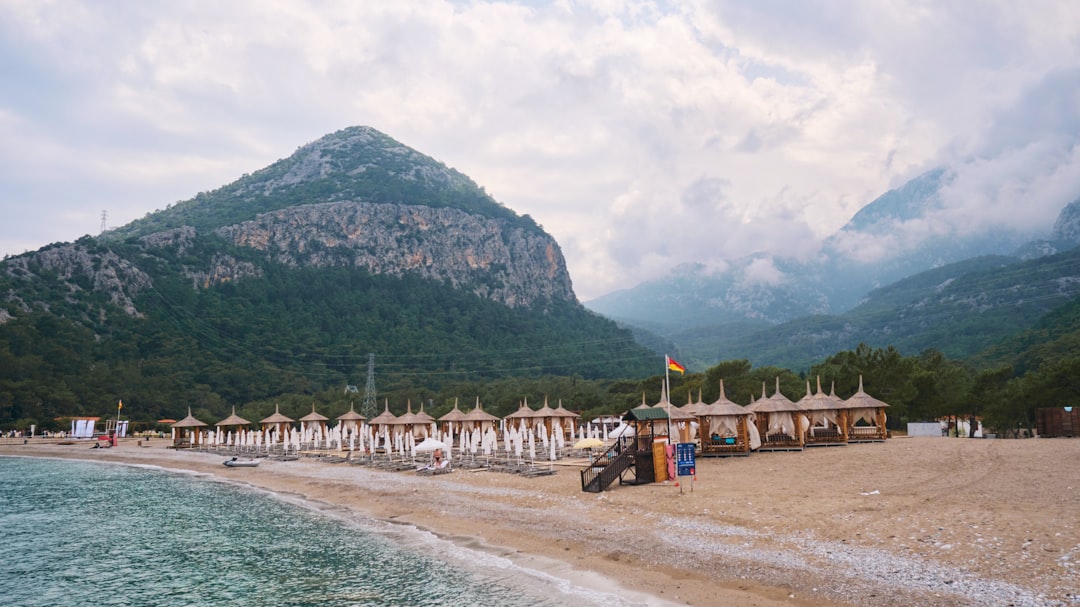
Olympos & Çıralı — National Park, Loggerhead Turtles and Treehouses
Far from the sprawling resort complexes of Antalya or Kemer, Olympos nurtures a different philosophy of travel. Here, time drifts slowly between wooden bungalows, family guesthouses and the legendary treehouses — elevated cabins perched in the trees that have made this place famous. A little higher up the mountain, a natural phenomenon stops visitors in their tracks: the eternal flames of Yanartaş, the origin of the myth of the Chimera. Backed by the Olympos-Beydağları National Park, the pebble beach is a protected zone: each summer, loggerhead sea turtles (caretta caretta) come ashore to lay their eggs. Treehouses rent for €25–60 per night depending on the season.
Highlights
- Eternal flames of Yanartaş (the Chimera myth) — a truly unique spectacle
- Loggerhead sea turtles (caretta caretta) on the protected beach
- Treehouses: €25–60/night
- Ancient ruins of Olympos reclaimed by lush vegetation
11. The Lycian Way — The Most Beautiful Trek in the Mediterranean
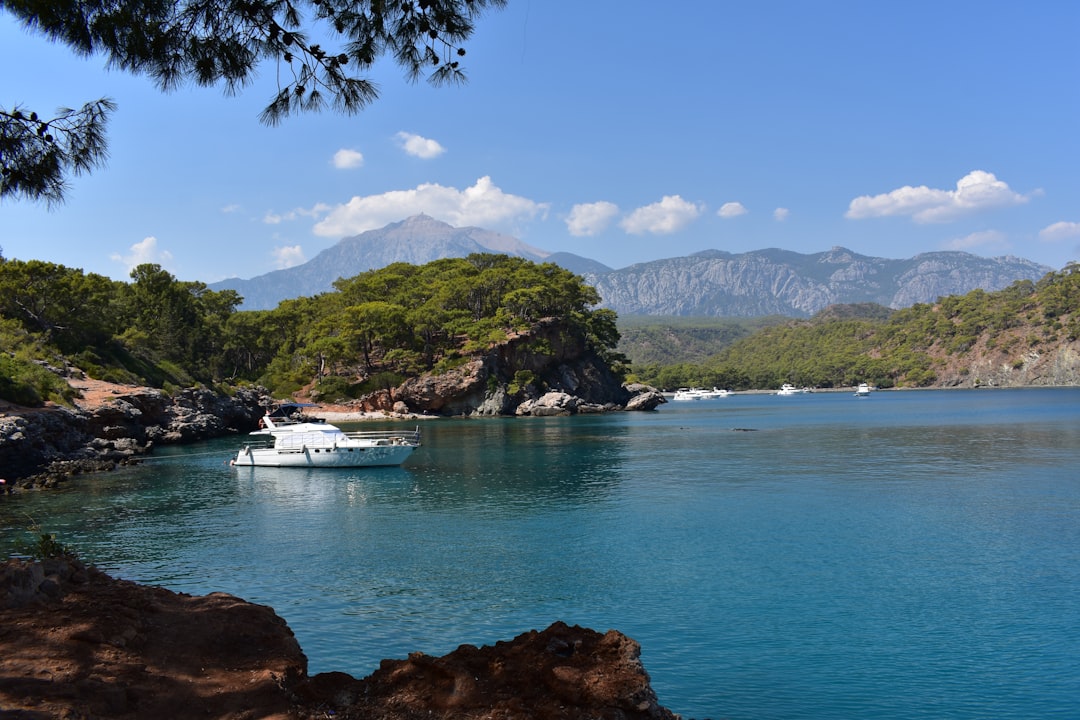
The Lycian Way — 500 km from Fethiye to Antalya
This waymarked long-distance trail, established in the late 1990s, stretches approximately 500 km between Fethiye and Antalya. Considered one of the world’s most beautiful treks, the Lycian Way passes through fascinating historical sites (Phaselis, Olympos, Xanthos), pine forests and cliff-top paths high above the Mediterranean. The region is scattered with ancient remains: the site of Xanthos, a former Lycian city-state whose funerary monuments are inscribed on the UNESCO World Heritage List. The ghost village of Kayaköy, abandoned by its Greek population after the First World War, is one of the most moving stops on the entire route.
Highlights
- Ranked among the world’s most beautiful long-distance treks
- Ghost village of Kayaköy — a deeply moving history
- UNESCO sites (Xanthos, Letoon) along the route
- Guided 8-day circuit: €80–150/day. Self-guided: €40–60/day
Practical information for your trip
Stay connected from the moment you land in Morocco, Greece or Turkey. Instant activation, no physical SIM card needed.
From €4.50Comprehensive coverage for Morocco, Greece and Turkey. Medical repatriation, medical expenses, trip cancellation.
From €0.99/dayFrequently Asked Questions
Are these destinations safe to visit in 2026?
Yes, broadly speaking. Morocco, Greece (an EU member state) and Turkey all have solid tourism infrastructure. In 2026, the demand for authentic and responsible travel is driving these new alternatives to the fore. That said, always consult your country’s foreign ministry travel advisories before departing, particularly for remote areas of southern Morocco.
Do I need to speak Arabic, Greek or Turkish to travel in these countries?
No. French is widely understood in Morocco in cities and tourist areas. In Turkey and Greece, English is sufficient along the coast and in the cities. Learning a few words of the local language makes interactions smoother and always goes down well with locals.
Can several destinations be combined in a single trip?
Absolutely. A three-week itinerary could include: Marrakech–Tafraoute–Erg Chigaga in Morocco, then Athens–Sifnos–Serifos in Greece, connected by a direct Marrakech–Athens flight (around 2h30). Morocco alone guarantees an escape just 2–3 hours from most European cities, within reach of almost any budget.
When should these destinations definitely be avoided?
In July–August, the « postcard » Greek islands are expensive and overcrowded. For Kaş and the Turkish Lycian coast, summer is also extremely busy — accommodation prices can triple. In the Moroccan Anti-Atlas and at Erg Chigaga, avoid the July–August heatwave when temperatures exceed 40°C.
How do I get to these destinations from the UK or US?
Morocco is served by direct flights from London, Paris, Lyon, Marseille and Bordeaux to Marrakech, Casablanca, Agadir, Rabat or Fès (under 4 hours). Greece is reached by direct flights to Athens (around 3h30 from London), then ferry to the islands. Coastal Turkey is accessed via flights to Antalya or Dalaman from London (approximately 4 hours), with direct summer connections from many European cities.
Are there any special cultural events in 2026 for these destinations?
Yes, several! In April 2026, Rabat becomes the UNESCO World Book Capital, with a packed programme of workshops and reading marathons (official launch: April 23, 2026). In Greece, Sifnos hosts its Cycladic Gastronomy Festival in Artemonas every September. In Turkey, sailing festivals take place along the Lycian coast every spring.
How do I travel responsibly in these destinations?
Morocco has embraced an ecological shift, integrating ecotourism into its development strategy: hikes in national parks, visits to protected areas and encounters with rural communities. For all these destinations, look for characterful accommodation (guesthouses, small inns or ecolodges), hire local guides and spend in local shops and restaurants.
Are these destinations suitable for solo travellers or families?
These destinations offer still-unspoilt authenticity, excellent value for money, and strong cultural appeal for all types of traveller. The Zagori and Olympos are perfect for families with children who enjoy easy hiking. Ikaria and Kaş are ideal for solo travellers looking for genuine encounters. Tafraoute and the Anti-Atlas suit adventurous couples travelling on a controlled budget.
Sources
- Le360.ma — National Geographic: Rabat, must-visit city 2026
- Bladi.net — Time Out: Rabat among the world’s best destinations 2026
- UNESCO — Rabat, World Book Capital 2026
- Agence Ecofin — UNESCO and Rabat World Book Capital (April 23, 2026)
- Biennale.ma — Alternatives to mass tourism in Morocco
- Desert Majesty — Erg Chigaga 3-day circuit
- EcoActu.ma — Morocco in the top 10 must-visit destinations 2026
- Le Meilleur du Voyage — Off-the-beaten-path Cyclades
- Oovatu — Sifnos, gastronomic island of the Cyclades
- Vivre Athènes — Ikaria, the island of centenarians
- Vivre Athènes — The Zagori region in Epirus
- Meltem.blue — Zagori travel guide
- Figaro Nautisme — Kaş, the authentic charm of the Lycian coast
- Le Petit Journal Istanbul — Olympos, Lycian coast
- À Contresens — The Lycian Way and the Turkish coast
- Chamina Voyages — Hiking on the Lycian coast
Research conducted on April 1, 2026. Data from sources published between 2024 and 2026.
Ready to explore these alternative destinations?
Discover our tailor-made itineraries for Morocco, Greece and coastal Turkey — crafted by passionate travellers to give you an authentic experience, far from the crowds.
Explore Pixidia itineraries