

The best Christmas markets in Europe for 2026 span 12 cities, from Strasbourg’s 300 chalets to Zagreb’s award-winning Advent festival. Budapest and Zagreb offer the lowest daily budgets (from €50-60), while Copenhagen’s Tivoli tops the range at €160-300 per day. Most markets run late November through late December, though Prague, Bruges, and Zagreb stay open into January. Book accommodation four to six months ahead for Strasbourg, Vienna, and Bruges, and plan weekday visits to dodge the heaviest crowds.
From Strasbourg to Vienna, Prague to Tallinn, European Christmas markets transform centuries-old squares into enchanting winter wonderlands every year. Steaming mulled wine, twinkling wooden chalets, local crafts and regional delicacies: each city has its own unique magic. But with opening dates that shift from year to year, peak crowd times, and wildly different budgets across countries, planning your winter getaway can quickly become overwhelming. This guide takes you on a journey through the 12 best Christmas markets in Europe for 2026, with all the practical information you need to plan your trip: expected dates, detailed budgets, smart accommodation tips, must-try specialties, and advice on how to beat the crowds.
1. Strasbourg — The Capital of Christmas
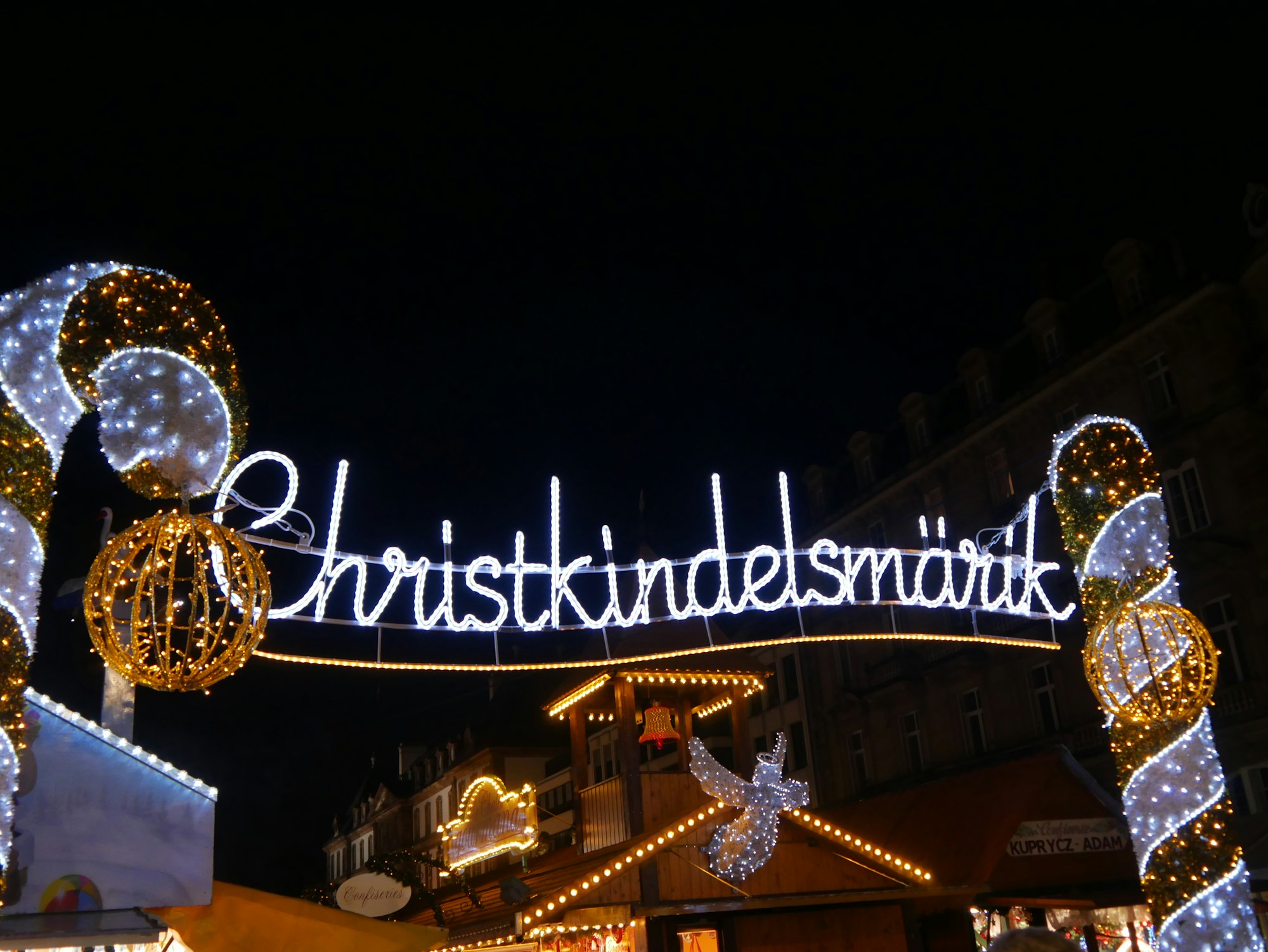
Christkindelsmarik — The Oldest in France
Since 1570, the Christkindelsmarik in Strasbourg has been the oldest Christmas market in France and one of the most iconic in Europe. Every year, nearly two million visitors flock to the Alsatian capital to explore its 300 chalets spread across eight distinct markets, each with its own identity — from the gourmet market at Palais des Rohan to the alternative « OFF » market at Place Grimmeisen.
The culinary scene is outstanding: fresh pretzels, bredele (Alsatian Christmas cookies), spätzle, knack sausages, and artisanal mulled wine served in collectible mugs. The towering Christmas tree on Place Kléber, standing over 30 meters tall, has become an iconic symbol of the holiday season.
Highlights
- 8 themed markets with distinct atmospheres
- Grand Christmas tree on Place Kléber — nightly light show
- « Irréductibles Petits Producteurs Alsaciens » market for local products
- Easy access by TGV high-speed train (Paris–Strasbourg in 1h46)
2. Vienna — Imperial Advent Elegance
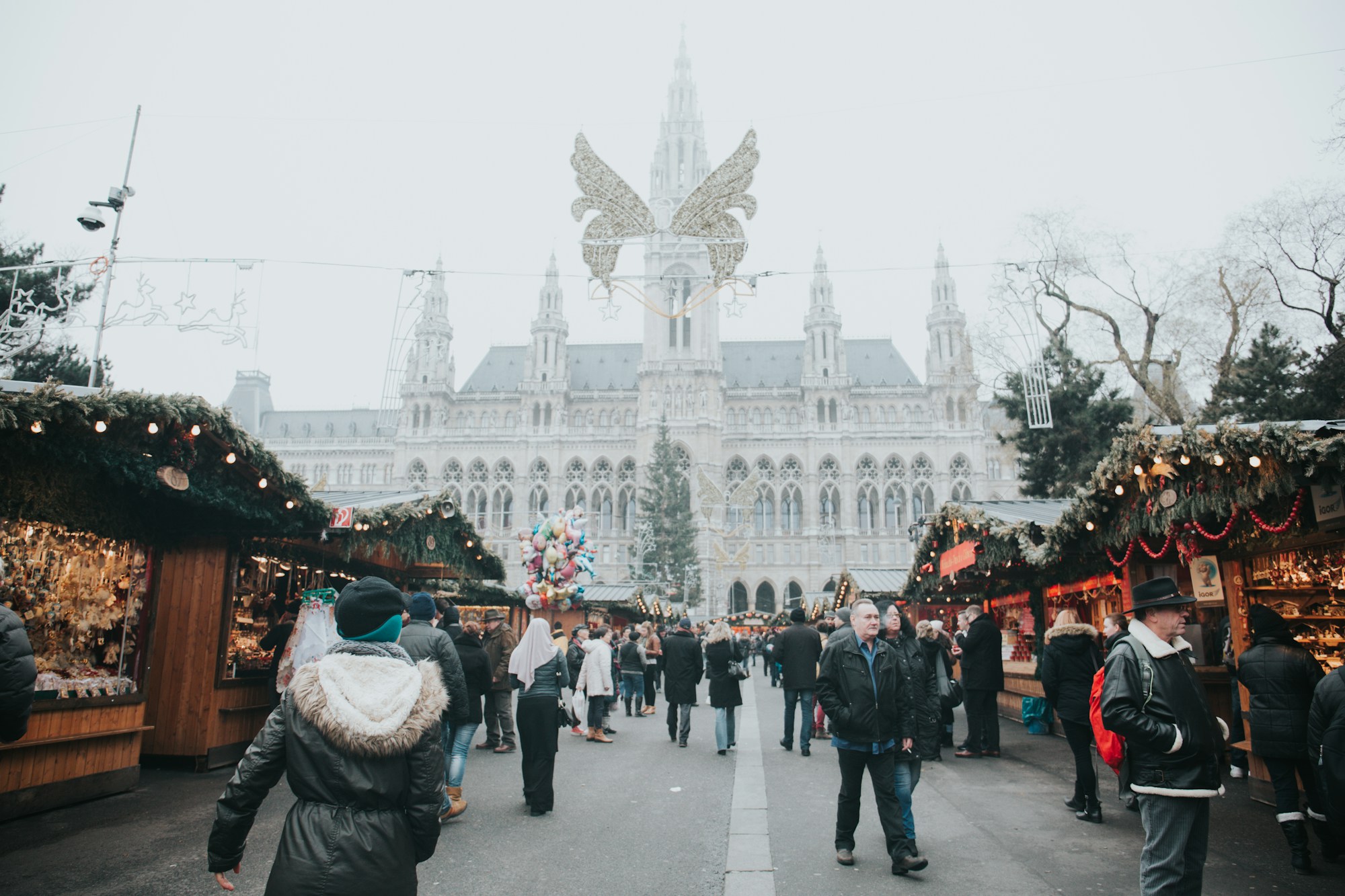
Wiener Christkindlmarkt — 12 Markets in One City
Vienna is far more than a single Christmas market: the Austrian capital boasts a dozen markets with radically different atmospheres. The most iconic, at Rathausplatz, dazzles visitors with its lights against the majestic City Hall facade. But it is by exploring the neighborhood markets that you discover the true winter soul of Vienna.
The Spittelberg market, tucked in a pedestrian alley, focuses on sustainability with organic and vegan specialties. The Art Advent at Karlsplatz is the go-to for authentic crafts — pottery, wooden toys, handmade jewelry. As for the Schönbrunn market, it offers an imperial setting open until January 6.
Highlights
- Unmatched diversity: from traditional Freyung to trendy Karlsplatz
- Free concerts at markets and churches
- Viennese cuisine: Sachertorte, Kaiserschmarrn, Glühwein
- Schönbrunn open until January — perfect for avoiding the rush
3. Cologne — Seven Markets at the Foot of the Cathedral
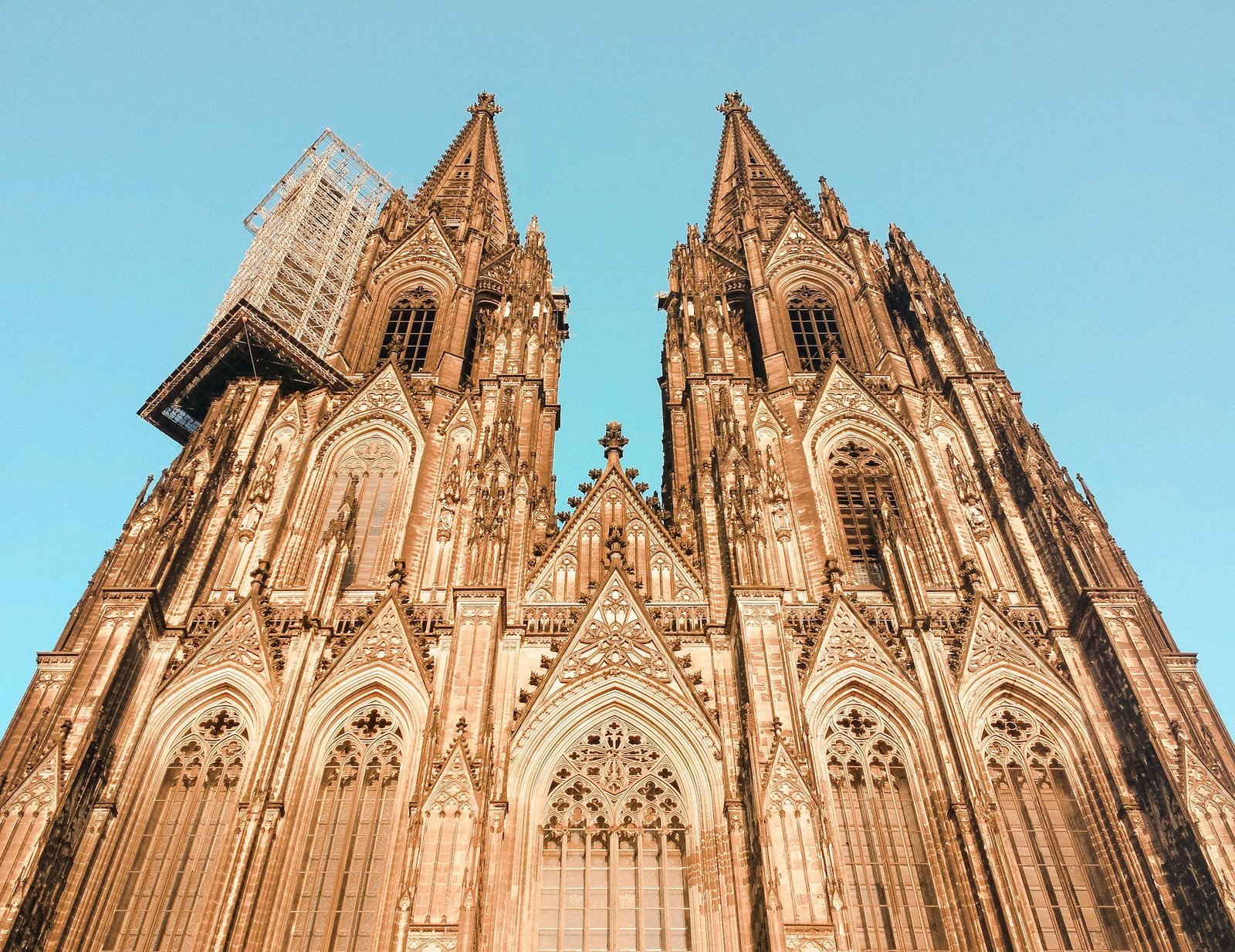
Weihnachtsmarkt am Kölner Dom — The Cathedral Market
Cologne boasts seven distinct Christmas markets that transform the Rhine city into a true winter paradise. The most spectacular is undoubtedly the Domplatz market, at the foot of the Gothic cathedral, with its massive Christmas tree lit by 70,000 lights. The market even holds an ISO sustainability certification — a notable 2026 trend.
For something off the beaten path, head to the Stadtgarten market, a more alternative and less touristy option, or the Hafen-Weihnachtsmarkt along the Rhine. On the food front, Cologne is the city of Kölsch (local beer) and Reibekuchen (potato fritters) — a perfect combo to warm up between markets.
Highlights
- Stunning view: sparkling Christmas tree against the Gothic cathedral
- 7 markets accessible on foot or by metro
- Sustainability commitment with ISO certification
- Optional Christmas cruises on the Rhine
4. Nuremberg — The Historic Christkindlesmarkt
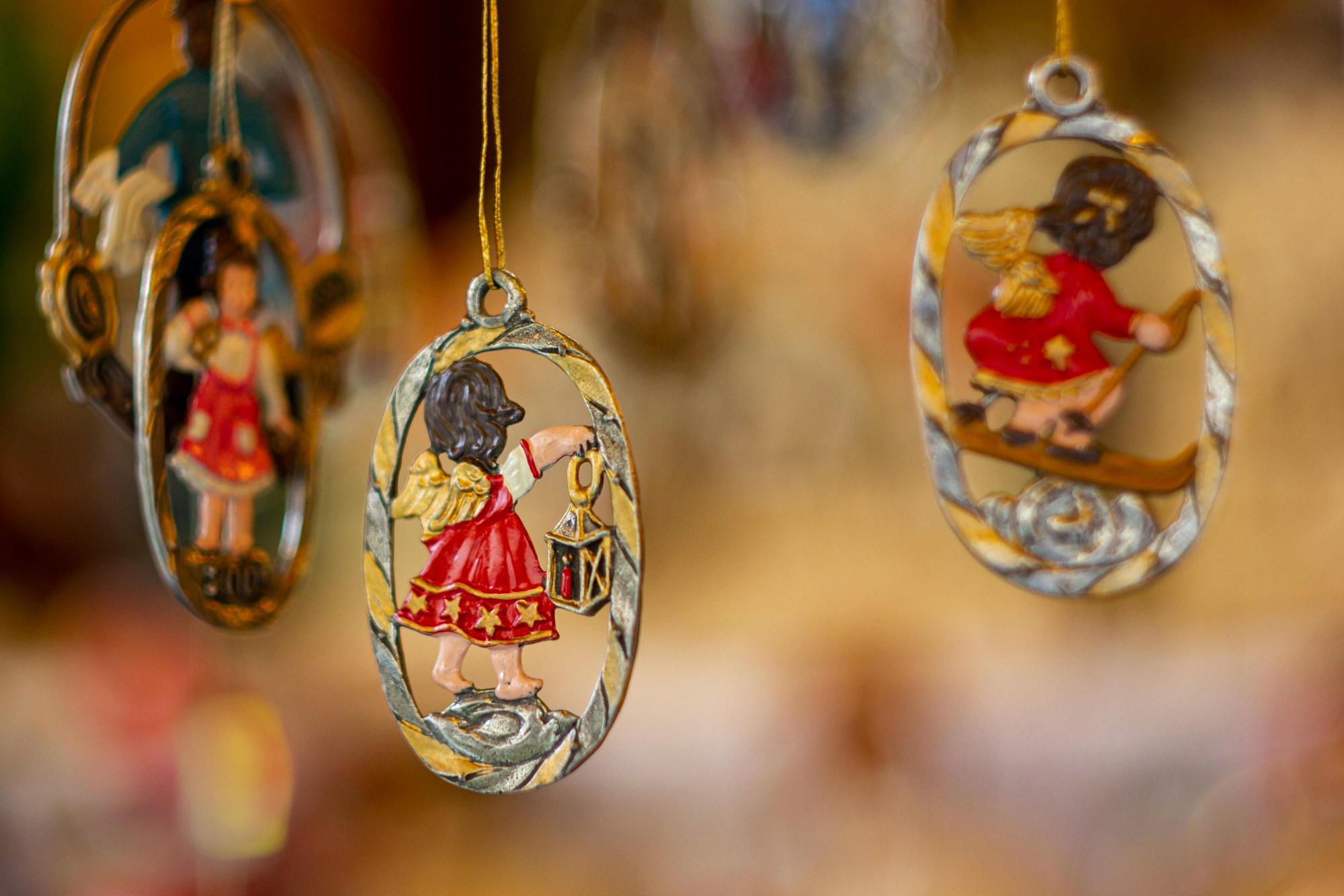
Nürnberger Christkindlesmarkt — One of the Most Famous in the World
The Nuremberg Christkindlesmarkt is one of the few markets to have already confirmed its 2026 dates: November 27 to December 24. Founded in 1628, it draws over two million visitors each year to the Hauptmarkt, the old town’s main square. The traditional opening ceremony, with the Christkind (Christ Child) appearing on the balcony of the Frauenkirche, is a uniquely moving moment.
What sets Nuremberg apart is its strict quality standards: only handcrafted and traditional products are allowed in the red-and-white chalets. The famous Nürnberger Bratwürste (small grilled sausages), Lebkuchen (gingerbread), and Zwetschgenmännla (prune figurines) are must-try specialties.
Highlights
- 2026 dates already confirmed — plan with confidence
- Guaranteed craftsmanship: no mass-produced goods in the chalets
- Kinderweihnacht (children’s market) with rides and performances
- Unique opening ceremony featuring the Christkind
5. Prague — Baroque Fairytale in the Old Town
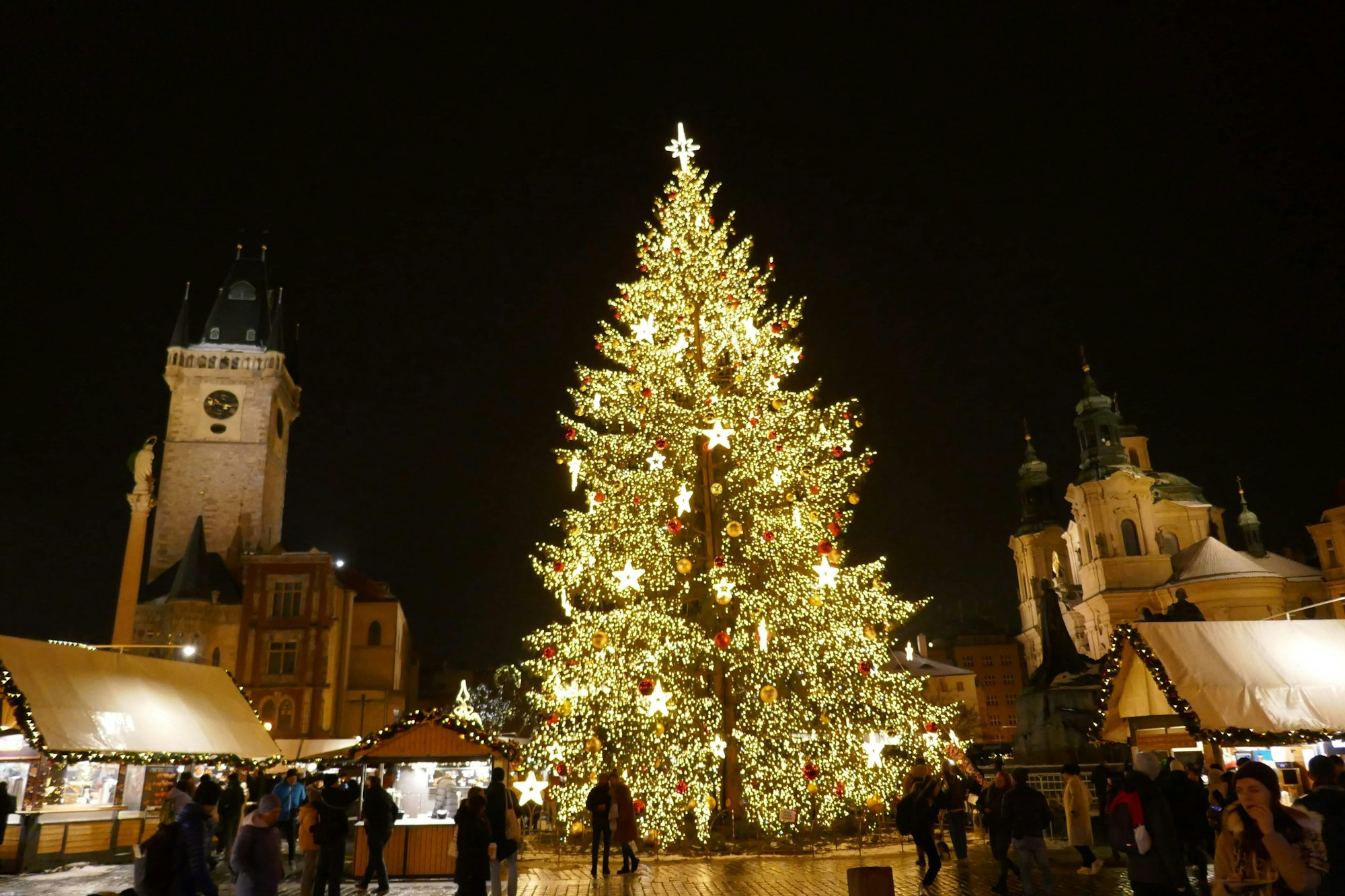
Vánoční trhy — Old Town Square and Wenceslas Square Markets
Prague offers one of the best value-for-money experiences among major European capitals for a Christmas market getaway. The main market on Old Town Square is framed by the Church of Our Lady before Týn, the Astronomical Clock, and a giant illuminated tree — a picture-perfect setting. The Wenceslas Square market rounds out the experience just a five-minute walk away.
When it comes to food, Prague is a winter paradise: trdelník (chimney cake grilled over embers), spit-roasted ham, svařené víno (Czech mulled wine), and medovina (hot mead). Prices remain very affordable compared to Western Europe — expect around €3–4 for mulled wine and €5–8 for a meal.
Highlights
- Unbeatable value for money in Central Europe
- Exceptional architectural backdrop — Gothic, Baroque, Art Nouveau
- Open until January 6 — perfect for an alternative New Year’s
- Bohemian crafts: marionettes, crystal, wooden toys
6. Budapest — Thermal Baths and Affordable Prices
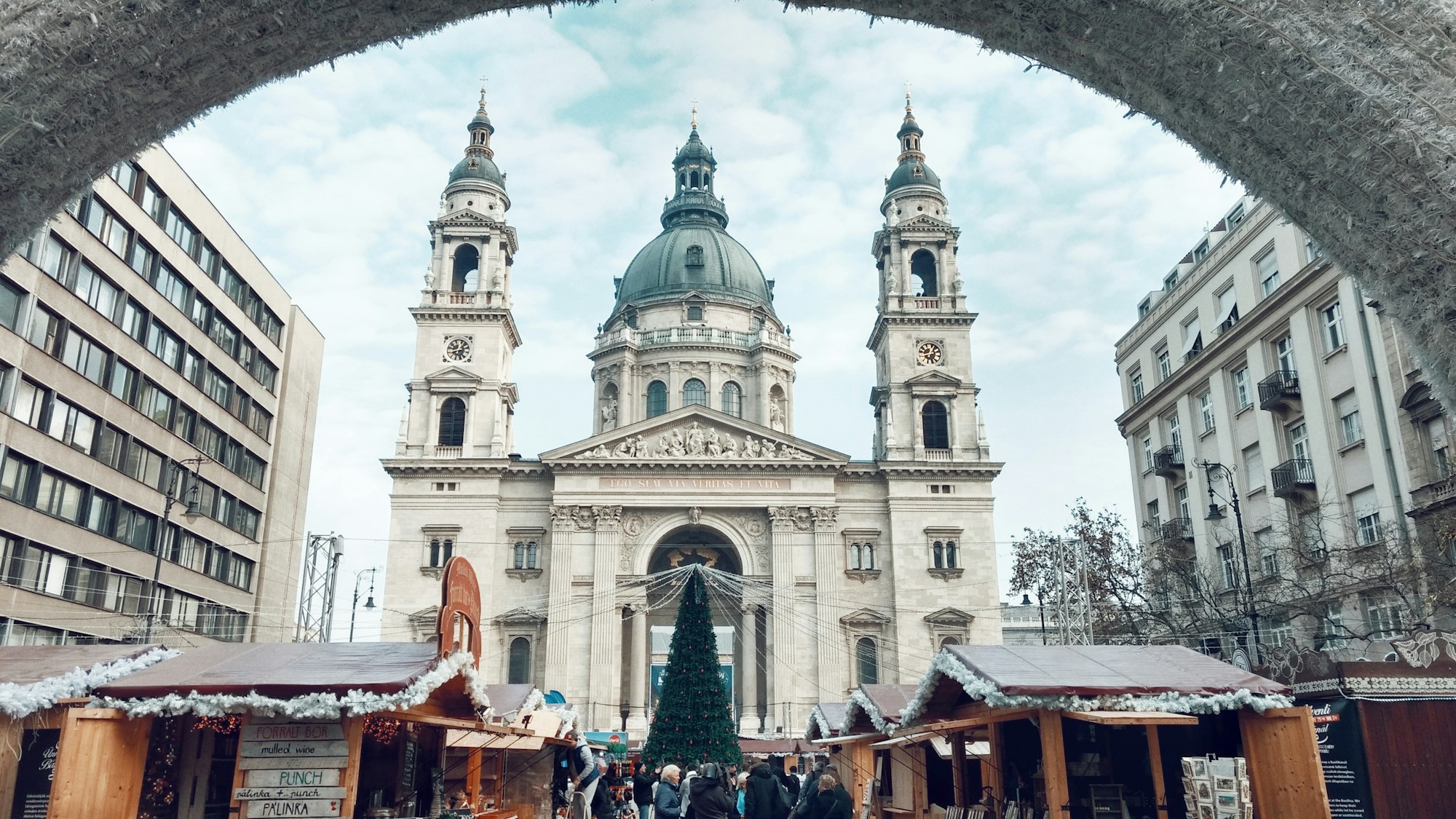
Advent Bazilika — The St. Stephen’s Basilica Market
Budapest is the best budget pick among the major capitals in this ranking. Advent Bazilika, set before the majestic St. Stephen’s Basilica, has become one of Europe’s most award-winning markets thanks to its light show projected onto the facade every 30 minutes. The Vörösmarty tér market, more traditional in style, complements the offering with its classic chalets.
Budapest’s unique advantage? Combining a Christmas market trip with thermal baths. After an evening in the cold, nothing beats a nighttime soak at the Széchenyi or Gellért baths. On the food side, kürtőskalács (chimney cakes), lángos, and forralt bor (spiced Hungarian mulled wine) are absolute must-tries.
Highlights
- Best value for money among all 12 destinations
- Breathtaking light show projected onto the Basilica
- Unique combo: Christmas market + thermal baths
- Budget-friendly street food (mulled wine ~€2.50)
7. Tallinn — Medieval Christmas in the Baltics
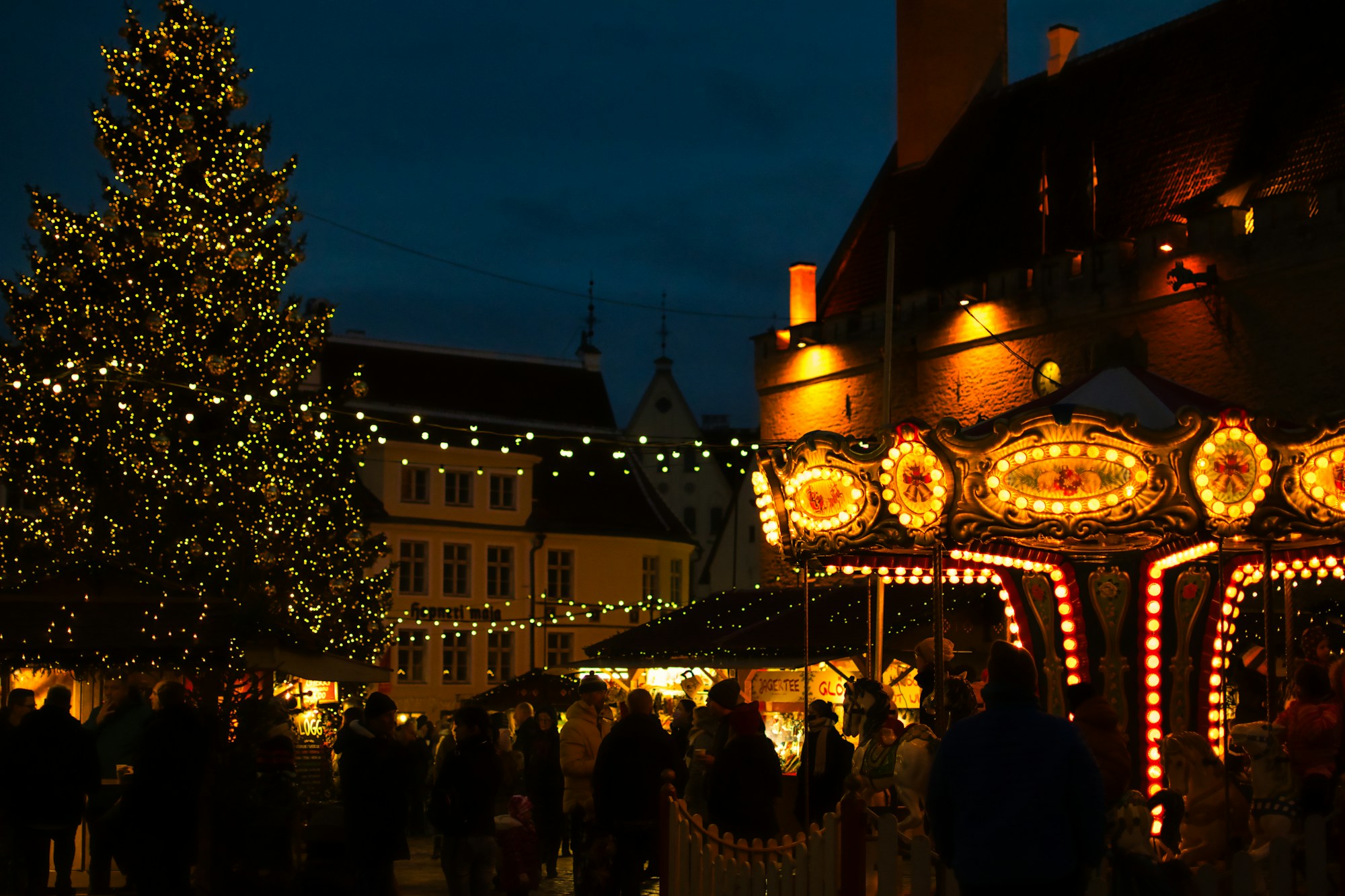
Tallinna Jõuluturg — The Market of Europe’s First Christmas Tree
Tallinn claims to have hosted Europe’s very first public Christmas tree in 1441. Today, the Town Hall Square market (Raekoja plats) carries on this tradition in a perfectly preserved medieval setting. The Old Town, a UNESCO World Heritage Site, provides a fairy-tale backdrop with its turrets, cobblestone lanes, and colorful facades.
Tallinn champions authenticity and sustainability: reusable tableware with a €2 deposit, Estonian crafts (wool knits, ceramics, juniper wood objects), and free concerts in medieval churches. Local specialties include hõõgvein (mulled wine with Nordic spices), dark rye bread, and roasted almonds.
Highlights
- UNESCO medieval setting — the most photogenic Baltic market
- Authentic Estonian crafts (knits, wood, ceramics)
- Sustainability commitment: reusable tableware, local sourcing
- Compact and walkable — everything is within the Old Town
8. Copenhagen — Tivoli and Danish Hygge
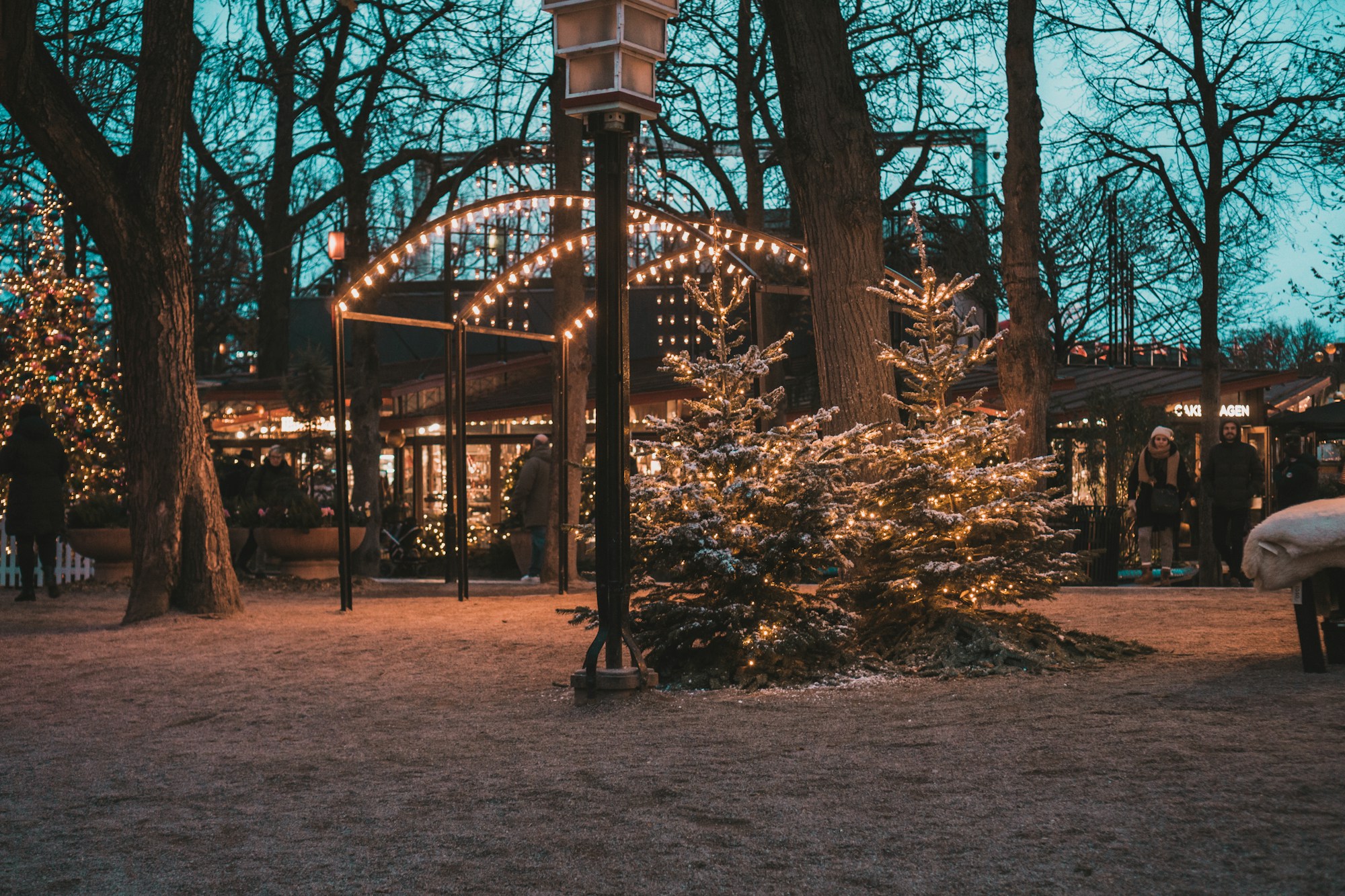
Jul i Tivoli — Christmas at the World’s Oldest Amusement Park
Copenhagen is the most expensive destination in this guide, but it delivers an unmatched Nordic experience. The star attraction: Jul i Tivoli, the winter edition of the famous Tivoli Gardens. A notable 2026 trend: the park highlights its use of LED lighting and 100% renewable electricity for its spectacular illuminations.
For a more « city-style » and free market, the Julemarked at Højbro Plads offers a downtown experience with artisan chalets. The Danish concept of hygge — that distinctive sense of warmth and coziness — comes alive over a gløgg (Danish mulled wine with almonds and raisins) and æbleskiver (spherical sugar doughnuts).
Highlights
- Tivoli: enchanting light display in a historic amusement park
- Green commitment: LED and 100% renewable energy
- Hygge personified: design, gastronomy, and Nordic glow
- Højbro Plads is free — a local alternative to Tivoli
9. Bruges — Winter Glow and Light Trail

Winter Glow — Markets and Light Trail
Bruges is the ideal destination for a « romantic » Christmas market with minimal logistics: everything is walkable in this charming, human-scale medieval city. The Winter Glow program structures the experience with a Light Experience Trail, an ice rink, a winter bar, and two markets.
The Simon Stevinplein market deserves special attention: with a stronger focus on local sourcing and artisan products, it offers an alternative to generic souvenirs. Bruges even provides a Visitor Predictor — a forecasting calendar to help you pick the least crowded time slots.
Highlights
- Light Experience Trail: illuminated walk through the medieval city
- Simon Stevinplein artisan market — locally sourced
- Visitor Predictor to avoid the crowds
- Free bus days during the Christmas period
10. Dresden — The Striezelmarkt and the Medieval Market
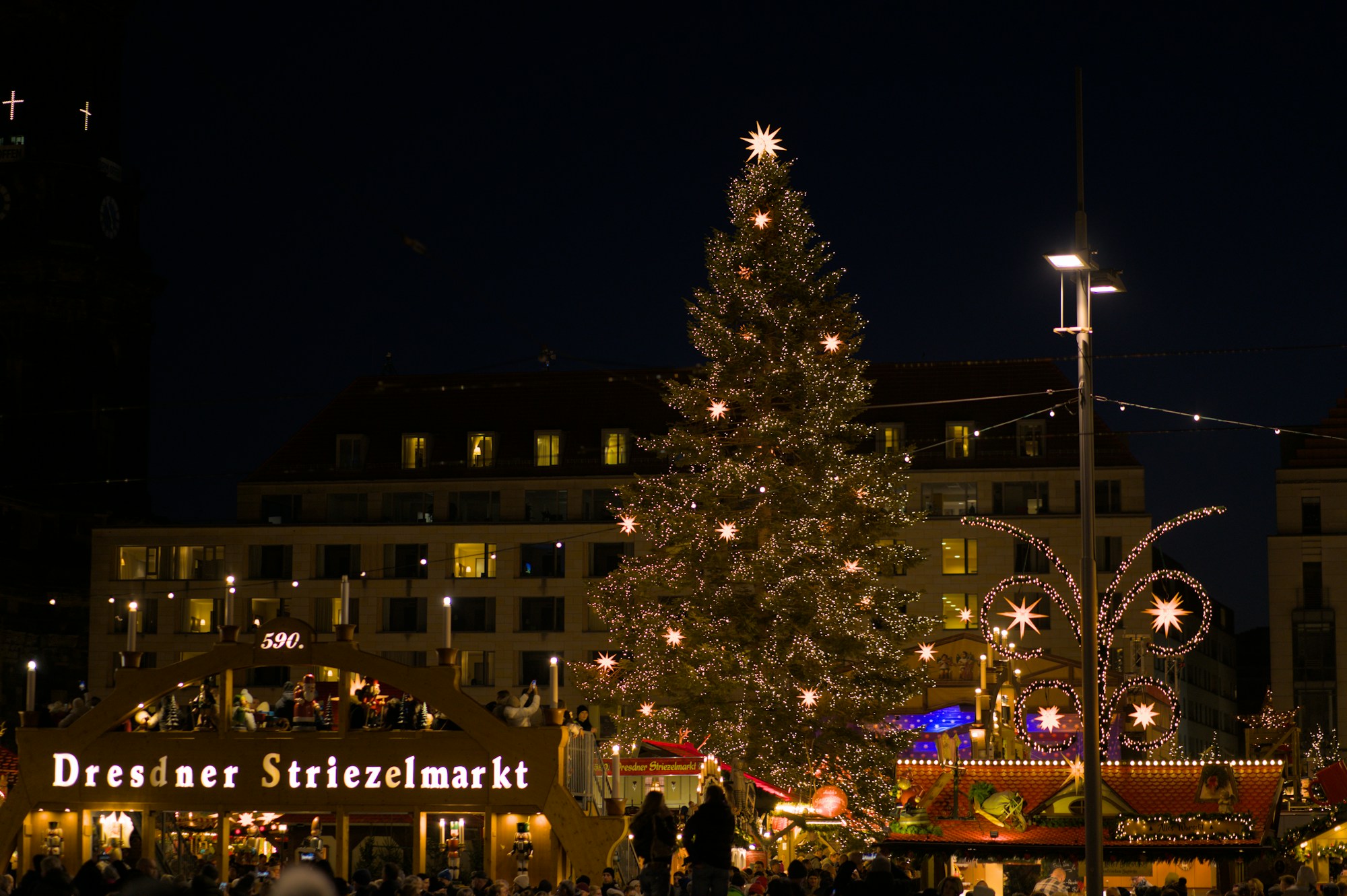
Dresdner Striezelmarkt — The Oldest in Germany
The Dresden Striezelmarkt, founded in 1434, is considered one of the oldest Christmas markets in Germany. Set on the Altmarkt in the heart of the city, it showcases Saxon traditions and craftsmanship from the Ore Mountains (Erzgebirge) — Räuchermännchen (wooden smoking figures), Christmas pyramids, and Schwibbögen (candle arches).
For a truly distinctive experience, add the Mittelalter-Weihnacht at the Stallhof: a medieval market with period entertainment, historical decor, and paid admission on certain days — which naturally filters out the largest crowds. The Dresdner Stollen (fruitcake with marzipan) is the must-try culinary specialty.
Highlights
- One of Germany’s oldest markets (since 1434)
- Ore Mountains craftsmanship — unique hand-carved wooden pieces
- Medieval market at the Stallhof — immersive experience
- Ideal location on the Berlin–Prague train route
11. Zagreb — The Award-Winning Multi-Spot Advent
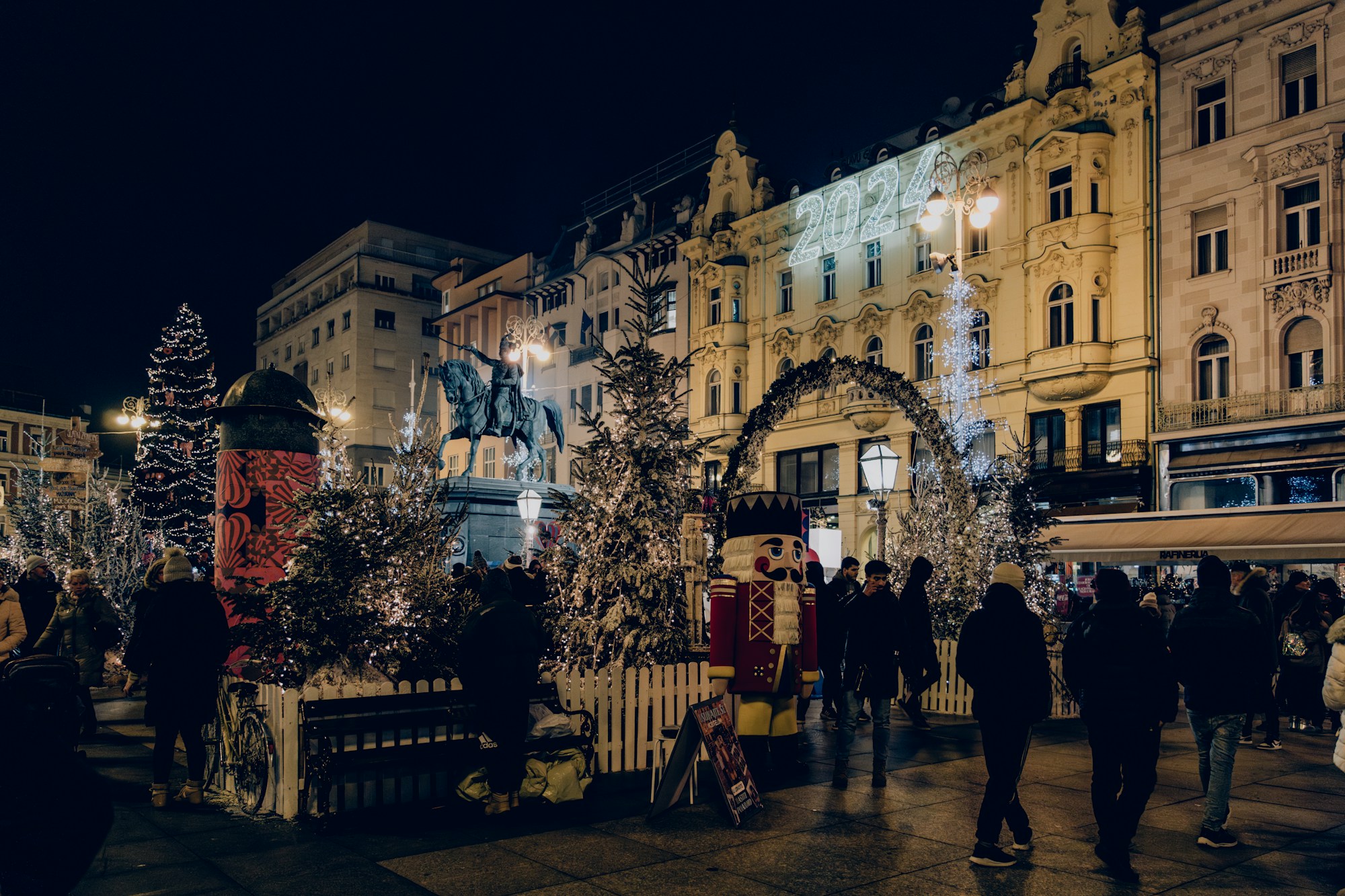
Advent Zagreb — An Urban Festival, Not Just a Market
Advent Zagreb stands apart from traditional markets: it is not « a market » but an urban festival spread across multiple zones — music, art, family, food. You move from spot to spot across the city, rather than being stuck in a single flow of visitors. Zagreb has been voted Europe’s best Christmas market multiple times.
Croatia delivers excellent value for money with a vibrant winter street-food scene: fritule (Croatian doughnuts), grilled sausages, and mulled wine with local spices. Prices remain among the lowest in Europe — expect just €2–3 for a mulled wine.
Highlights
- Unique « urban festival » format — no bottleneck effect
- Voted Europe’s best Christmas market multiple times
- Very affordable — one of the cheapest in the ranking
- Great combo with Ljubljana or Vienna by train
12. Salzburg — Baroque Christmas Between Cathedral and Fortress
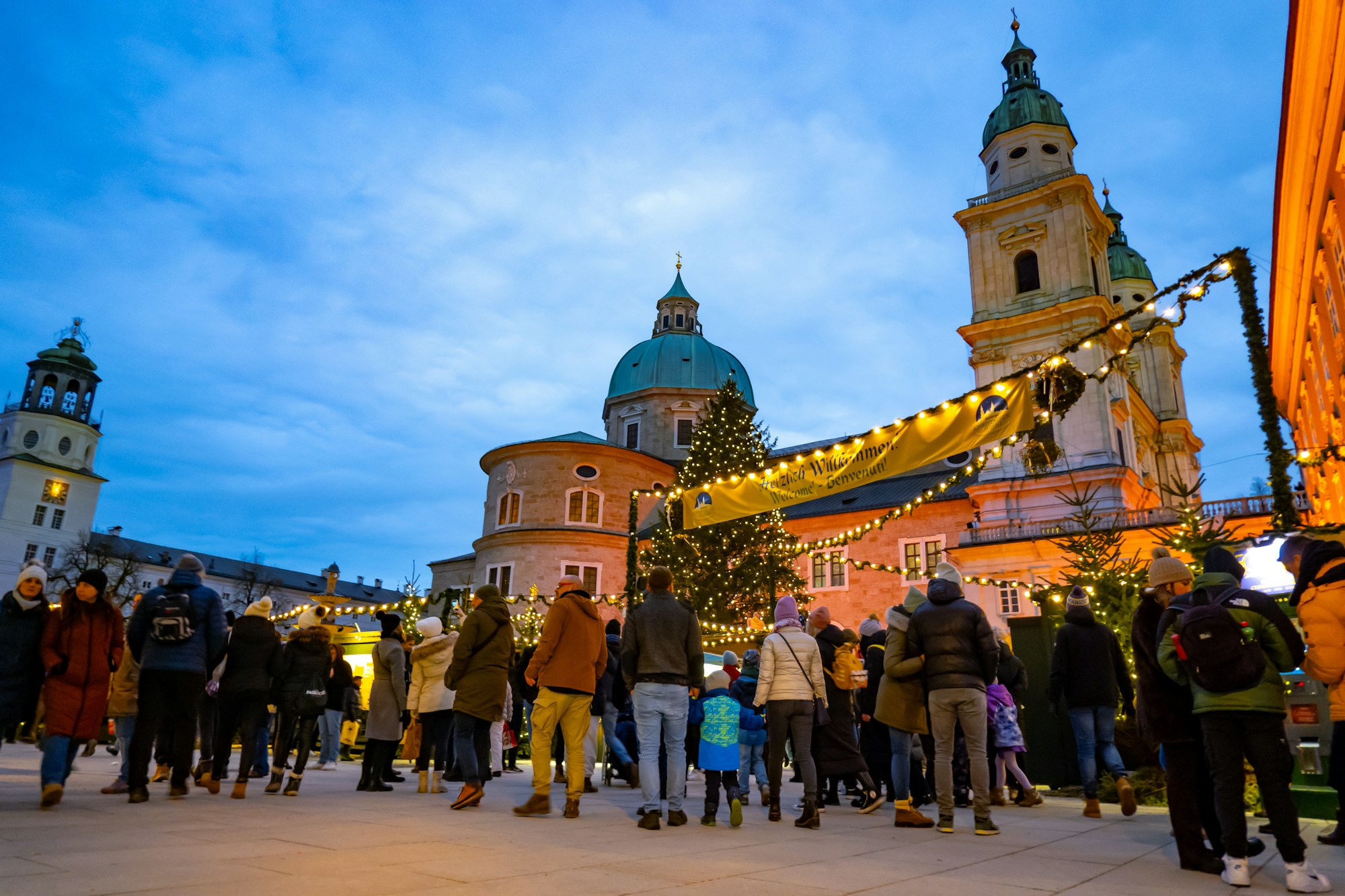
Salzburger Christkindlmarkt — Elegance on Cathedral Square
The Salzburger Christkindlmarkt sets up on Dom- und Residenzplatz, in a stunning baroque setting between the cathedral and Hohensalzburg Fortress. The selection highlights regional craftsmanship and Austrian Schmankerl (specialties) — Lebkuchen, Punsch, Bosna, and mountain cheese.
The hidden gem: the Hellbrunner Adventzauber, the market at Hellbrunn Palace Park. Quieter and more « experience-oriented » than « shopping-focused, » it is particularly popular with families. Tradition lovers should not miss the Krampus parades (December 5) — the devilish counterpart to Saint Nicholas.
Highlights
- Exceptional baroque setting — cathedral and fortress
- Hellbrunner Adventzauber — a quieter palace market
- Classical music concerts and Christmas carol performances
- Krampus parades — spectacular Alpine tradition
Comparison of All 12 Markets
| City | 2026 Dates (est.) | Budget/Day | Ideal Stay | Key Highlight |
|---|---|---|---|---|
| Strasbourg 🇫🇷 | ~11/26 – 12/24 | €80–150 | 2–3 nights | 8 themed markets |
| Vienna 🇦🇹 | Mid-Nov – late Dec | €100–180 | 3–4 nights | 12+ diverse markets |
| Cologne 🇩🇪 | ~11/25 – 12/23 | €90–160 | 2–3 nights | Cathedral + 7 markets |
| Nuremberg 🇩🇪 | 11/27 – 12/24 ✓ | €80–140 | 2 nights | Guaranteed craftsmanship |
| Prague 🇨🇿 | Late Nov – 1/06 | €60–120 | 2–3 nights | Best value for money |
| Budapest 🇭🇺 | ~11/21 – 01/01 | €50–110 | 3–4 nights | Budget + thermal baths |
| Tallinn 🇪🇪 | ~11/20 – 12/28 | €85–160 | 2–3 nights | UNESCO medieval setting |
| Copenhagen 🇩🇰 | Mid-Nov – early Jan | €160–300 | 2–3 nights | Tivoli + hygge |
| Bruges 🇧🇪 | ~3rd week Nov – Jan | €130–250 | 1–2 nights | Light trail |
| Dresden 🇩🇪 | ~11/25 – 12/24 | €90–170 | 2 nights | Oldest + medieval |
| Zagreb 🇭🇷 | Late Nov – early Jan | €60–130 | 2–3 nights | Award-winning urban festival |
| Salzburg 🇦🇹 | ~11/19 – 01/01 | €130–250 | 2–3 nights | Baroque + Krampus |
Dates marked ✓ are officially confirmed. All others are projections based on previous editions — check official websites before booking.
Frequently Asked Questions About European Christmas Markets
When should I book accommodation for the 2026 Christmas markets?
Ideally as early as April–June 2026 for the most popular destinations like Strasbourg, Vienna, and Bruges. Accommodation prices rise quickly as the season approaches. In Strasbourg, for example, it’s common to book 6 months ahead. For a specific weekend (December 8 holiday weekend, second weekend of December), book as early as possible with flexible cancellation policies.
How reliable are the 2026 Christmas market dates?
Most cities publish their official dates between September and October. As of August 2026, only Nuremberg has confirmed its dates (Nov 27 – Dec 24). The other dates in this guide are projections based on previous editions, which follow highly consistent patterns. Book accommodation with free cancellation to lock in your dates, then confirm once the official 2026 calendars are published.
When is the best time to visit to avoid crowds?
Aim for the first or second week of December, Monday through Thursday. Strasbourg explicitly reports lower attendance on Mondays and Tuesdays. December weekends are consistently packed across all cities. If your schedule allows, the last week of November often offers the same festive decor with far fewer visitors.
What budget should I plan for a Christmas market weekend?
Budgets vary significantly by destination. For a 2-night weekend (accommodation + meals + moderate shopping): Budapest and Zagreb are the most affordable (€120–250 total), Prague, Nuremberg, and Dresden offer solid mid-range value (€180–350), while Copenhagen and Vienna are the priciest (€350–600). For market treats, mulled wine ranges from €2.50 (Zagreb, Budapest) to €6 (Copenhagen), and a meal from €4 to €12 depending on the city.
Credit card or cash at Christmas markets?
Most markets now accept credit cards, but always keep some cash for small stands, deposits, and tips. Note: Vienna’s Art Advent at Karlsplatz is cash-only. In Tallinn, bring €2 for the reusable tableware deposit. For Prague and Budapest, withdrawing from a local ATM will always beat exchanging money at a tourist bureau.
Which market is best for a first-time Christmas market trip?
For a first trip, four options stand out depending on your priorities: Strasbourg for the quintessential French Christmas market experience (8 markets, Alsatian cuisine), Nuremberg for a strictly curated and authentic German tradition, Vienna for variety and imperial elegance with 12+ markets to explore, or Budapest for the best budget-to-wow-factor ratio with thermal baths as a bonus.
How do I build a multi-city Christmas market itinerary by train?
Train travel is the most practical way to combine multiple markets. Three routes work particularly well geographically: Dresden → Prague → Vienna (all by train, 2–4 hours between cities), Cologne → Nuremberg → Salzburg (Rhine-Alpine route), or Zagreb → Budapest → Vienna (budget-friendly Central Europe). A simple rule: 2 cities max in 6–7 days or 3 cities in 10 days with short transfers to avoid burnout.
What are the Christmas market trends for 2026?
Four major trends are emerging for 2026: 1) Extended seasons — Bruges, Zagreb, and Prague stay open into January. 2) Measurable sustainability — Cologne with ISO certification, Tivoli with 100% renewable energy, Tallinn with reusable tableware. 3) Crowd-management tools — Bruges offers a Visitor Predictor to find the least busy time slots. 4) Enhanced security measures with more visible protocols in major German cities.
What is the single best Christmas market in Europe for 2026?
There is no single winner, but three names come up again and again: Strasbourg for sheer scale and atmosphere (300 chalets across 8 markets), Prague for the best value-for-money in a postcard-perfect setting, and Zagreb for something different — a city-wide festival voted Europe’s best Christmas market multiple times. If you can only pick one destination for a 2026 trip and want the classic experience, Strasbourg remains the safest bet.
Sources
- Christmas in Strasbourg — Official Website — Dates, program, and practical information
- My Weekend in Alsace — Complete guide to the Strasbourg market
- Christkindlmarkt Wien — Official Website — Vienna market visitor information
- Wien.info — Vienna Christmas markets
- Where Angie Wanders — Ultimate guide to Vienna’s Christmas markets
- Kölner Weihnachtsmarkt — Official Website — Cologne Christmas Market
- Nürnberg.de — Official Christkindlesmarkt (2026 dates confirmed)
- Prague City Tourism — Prague Christmas markets
- Advent Bazilika — Official Budapest market website
- Tallinn Christmas Market — Official Tallinn market website
- Visit Tallinn — Christmas — Tallinn tourism information
- Visit Copenhagen — Tivoli Christmas — Jul i Tivoli
- Visit Bruges — Winter Glow — Official Bruges program
- Dresden Striezelmarkt — Official Striezelmarkt website
- Festung Dresden — Stallhof Medieval Market
- Advent Zagreb — Official Zagreb Advent website
- Absolute Croatia — Practical guide to Advent Zagreb
- Salzburger Christkindlmarkt — Official Salzburg market website
- Insight Cities — Winter events in Salzburg
Research conducted on February 16, 2026, last reviewed August 2026. Projected dates will be updated once official 2026 calendars are published.

Plan your trip with Pixidia
Pixidia learns how you travel and helps you build a trip that truly fits you and everyone coming along.
Open the planner