
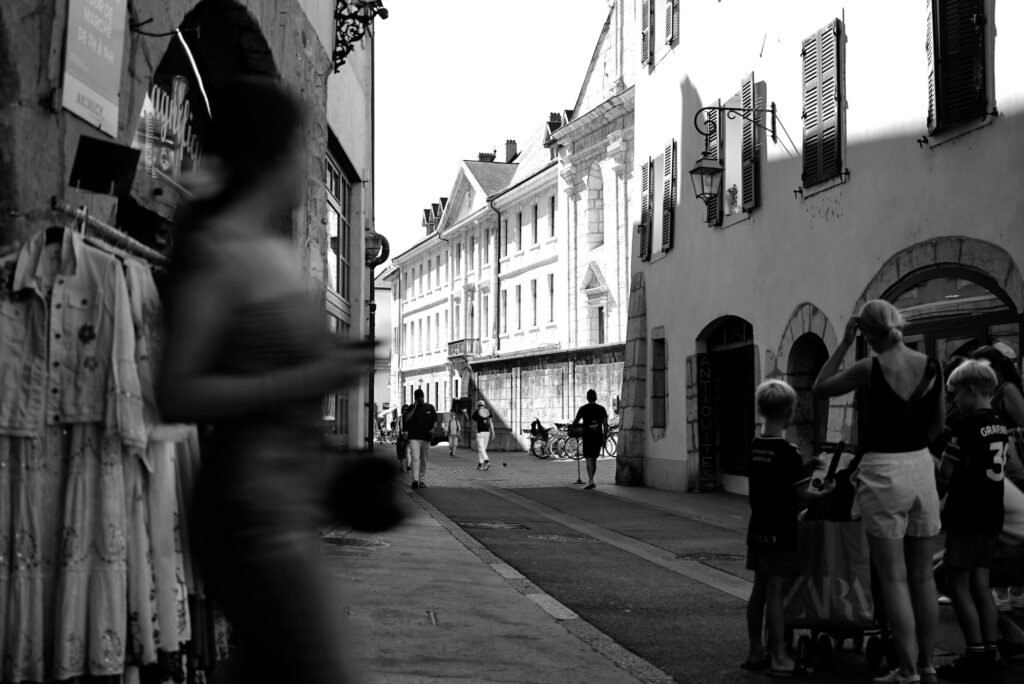
Traveling as a family in Europe is much more than just a change of scenery. It’s giving your children the chance to taste pasta al pomodoro prepared by an Italian nonna, to dive into turquoise waters without crossing the Atlantic, or to walk in the footsteps of dinosaurs along a wild Spanish coast. In 2026, Europe is brimming with destinations that combine wonder for the little ones and discovery for the grown-ups—without breaking the family budget. We’ve selected ten destinations that are off the beaten path, offer excellent value for money, and guarantee unforgettable memories for the whole tribe.
1. Croatia
Adriatic Coast and National Parks
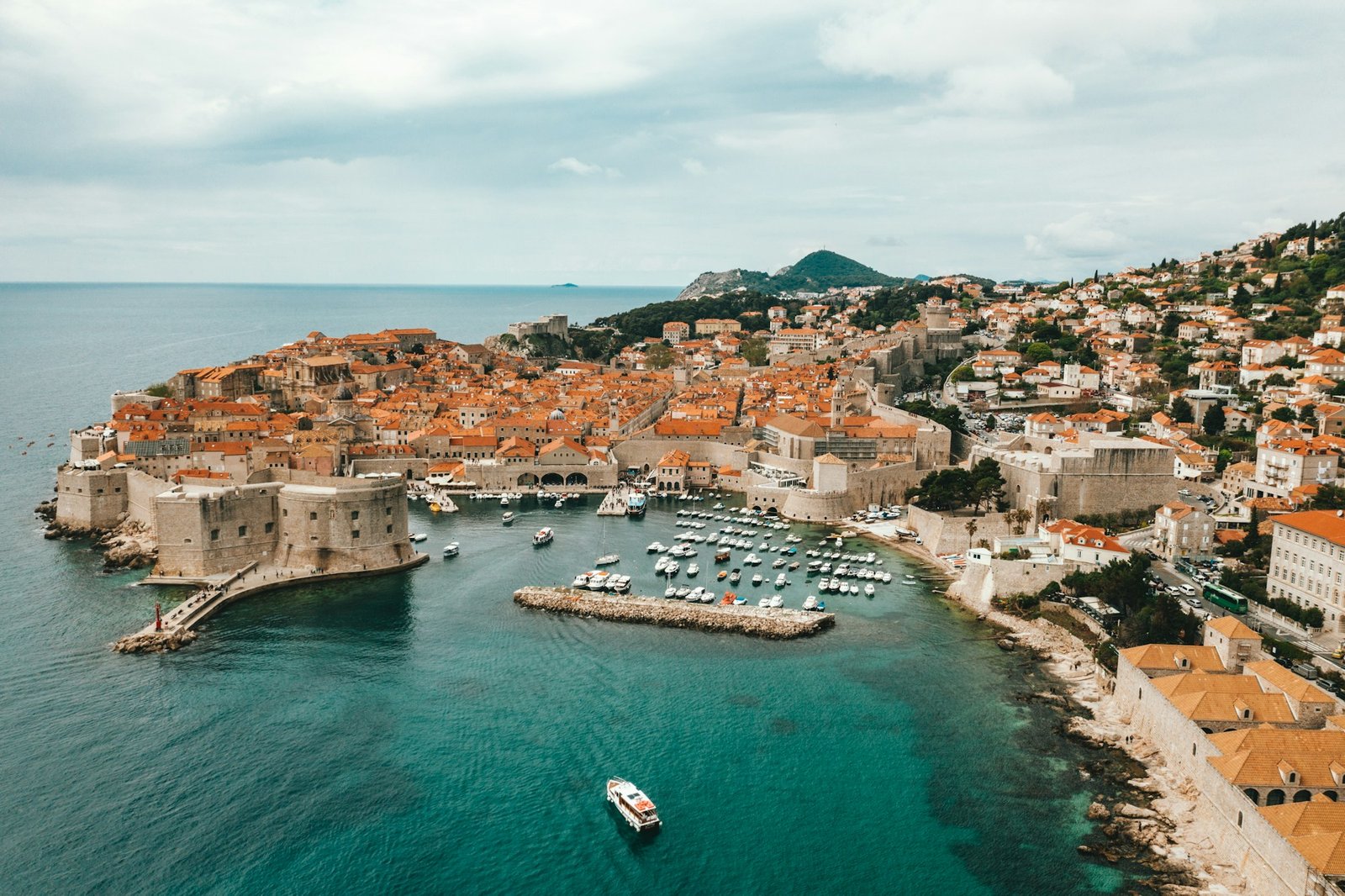
Croatia has emerged as the new European family paradise. Its shallow beaches along the Dalmatian coast are ideal for young swimmers, while the islands of Brač and Hvar offer a pristine setting away from the summer crowds. The Croatian coastline combines crystal-clear waters, accessible coves, and small fishing harbors where children can observe traditional boats.
Nature-wise, Plitvice and Krka National Parks offer hiking trails suitable for families, with wooden walkways winding between turquoise waterfalls. Krka Park even allows swimming at the foot of certain falls—a magical moment for children. In Dubrovnik, the city walls offer a spectacular historical walk that even the youngest appreciate.
The budget remains reasonable compared to Italy or mainland Greece, especially if you opt for rental apartments rather than hotels. The local cuisine—grilled fish, ćevapi, and artisan ice cream—generally pleases even the pickiest palates.
Highlights
- Shallow and safe beaches for children
- Plitvice and Krka National Parks with accessible trails
- Excellent Mediterranean cuisine at reasonable prices
- Well-developed tourist infrastructure
2. Slovenia
Lake Bled and Postojna Caves
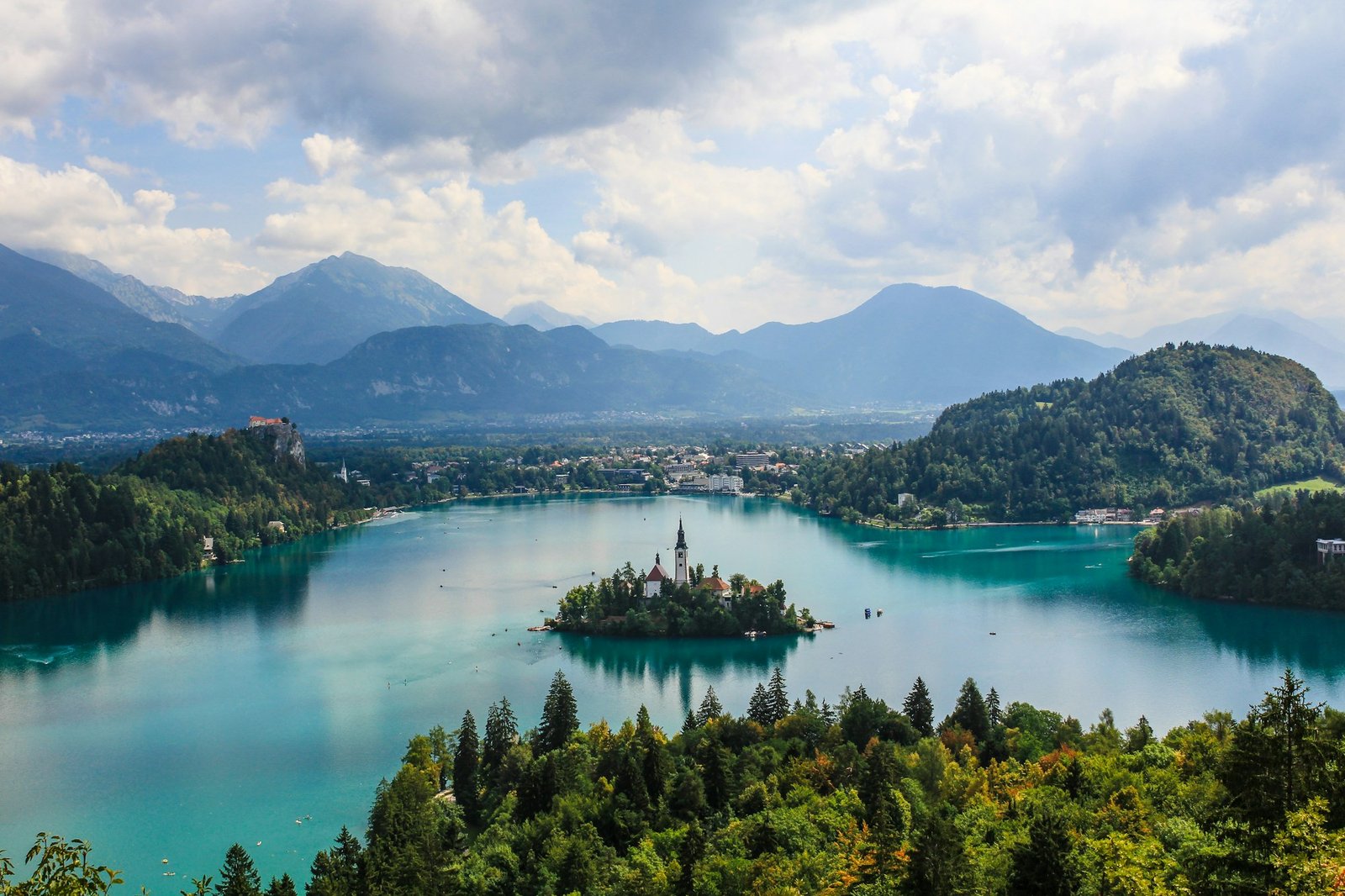
Slovenia is a hidden gem, ideal for family vacations. This small Alpine country packs an impressive diversity of landscapes: emerald lakes, spectacular underground caves, dense forests, and a brief but charming Adriatic coastline. Lake Bled, with its picturesque island accessible by traditional rowboat (pletna), is a must-see that fascinates children and parents alike.
The Postojna Caves, among the largest in Europe, are visited by underground train—an adventure that amazes young explorers. Right next door, Predjama Castle, literally embedded in a cliff, seems straight out of a fairy tale. For active families, the water parks of the Soča Valley and accessible hikes in Triglav National Park complete the picture.
Ljubljana, the capital, is a human-sized city with a pedestrian center lined with cafés and a castle accessible by funicular. Children love the covered central market and the many green spaces along the Ljubljanica River.
Highlights
- Postojna Caves accessible by underground train
- Lake Bled and traditional rowboat ride
- Family-friendly hikes in Triglav
- Compact country easy to explore in a week
3. Albania
Albanian Riviera and Ksamil
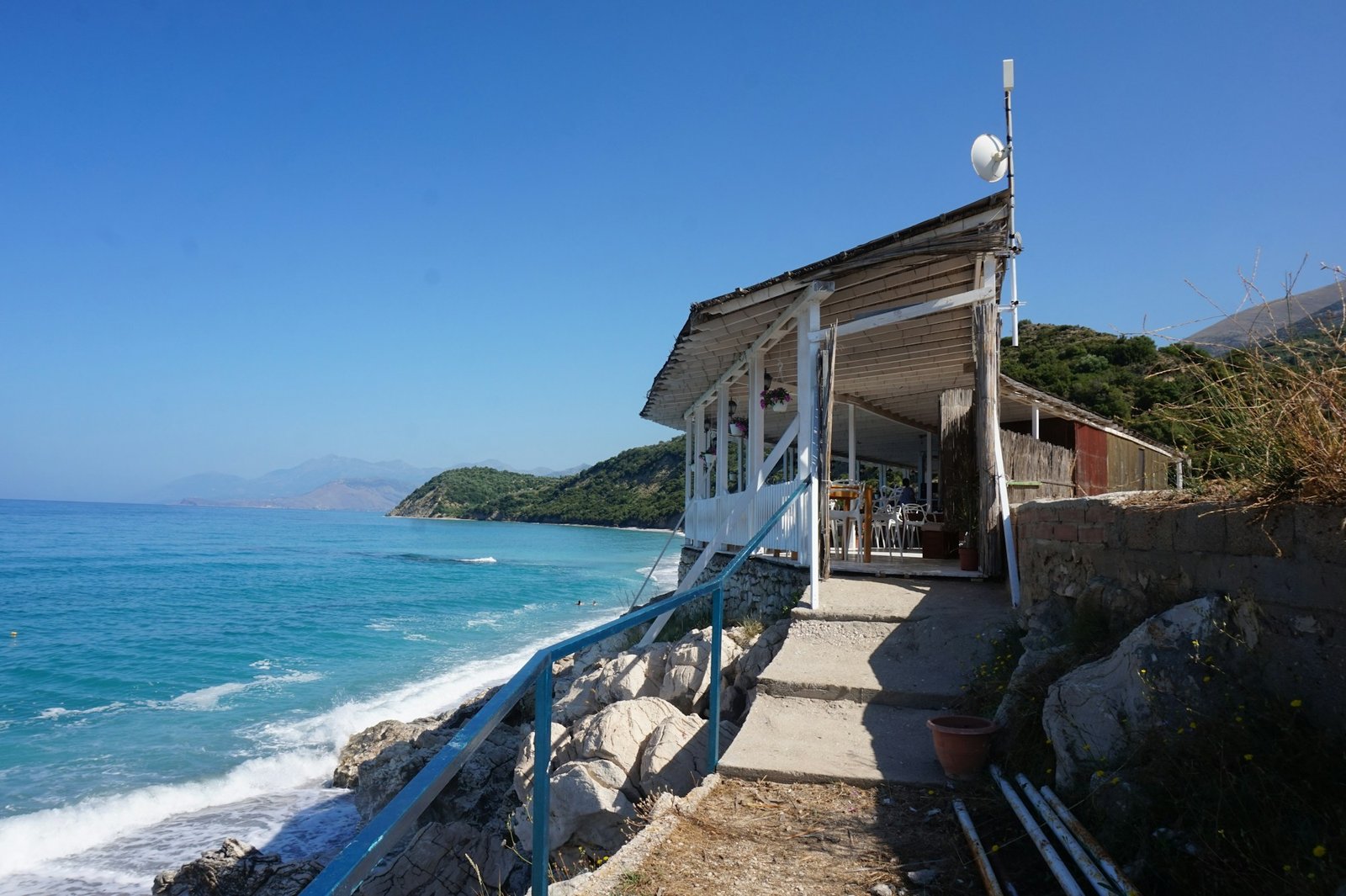
Albania is establishing itself as one of the best values in the Mediterranean. The average daily budget for families traveling there is around €68 per person—two to three times less expensive than neighboring Croatia for equally spectacular beaches. The Albanian Riviera, from Vlorë to Sarandë, offers coves with waters of an unreal blue that rival the Caribbean.
Ksamil, with its small islands accessible by swimming, is a true aquatic playground for children. The archaeological site of Butrint, a UNESCO World Heritage Site, blends Greek, Roman, and Byzantine ruins in a lush natural setting—a living history lesson. Further north, the city of Berat, nicknamed « the city of a thousand windows, » charms with its exceptionally preserved Ottoman architecture.
Albanian hospitality is legendary: local families welcome visitors with a generosity that transforms every meal into a feast. Children are treated like little royalty wherever they go, which makes the trip all the more enjoyable for parents.
Highlights
- Very accessible budget: the best value in Europe
- Paradise beaches in Ksamil and along the Riviera
- UNESCO site of Butrint, fun and educational
- Exceptionally warm welcome towards families
4. Alentejo, Portugal
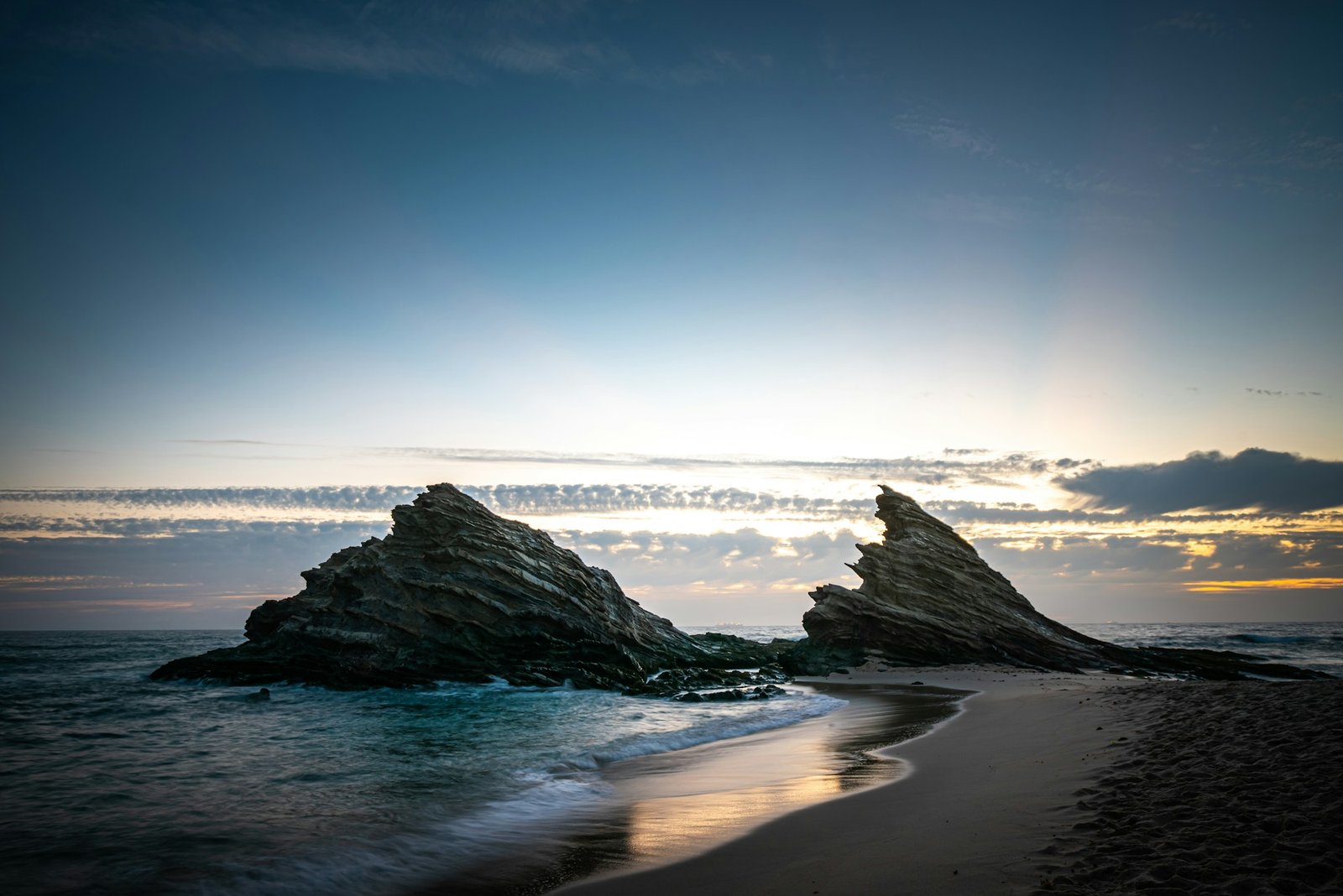
Costa Vicentina and Alqueva Dark Sky Reserve
Alentejo is authentic Portugal, far from the hustle of Lisbon and the Algarve. This region offers a unique combo: wild beaches of Costa Vicentina, spectacular coastal hikes, and one of the most beautiful starry skies in Europe. The Rota Vicentina offers marked trails accessible to families, between ochre cliffs and secret coves beaten by the Atlantic.
The real asset of Alentejo for families is the Alqueva Dark Sky Reserve, internationally recognized for its low light pollution. Astronomy observation evenings organized for children are moments of pure magic—seeing the Milky Way with the naked eye is an experience that leaves a lasting impression on young minds. Lake Alqueva, the largest artificial lake in Europe, also offers swimming and water sports during the day.
The interior of Alentejo captivates with its sleepy white villages, olive groves, and farms (montes) converted into charming accommodations. It’s a destination where the pace naturally slows down, allowing families to reconnect away from screens.
Highlights
- Stargazing at Alqueva Dark Sky Reserve
- Coastal hikes on the Rota Vicentina
- Wild and preserved beaches, ideal for families
- Generous and affordable Portuguese gastronomy
5. Valencia, Spain
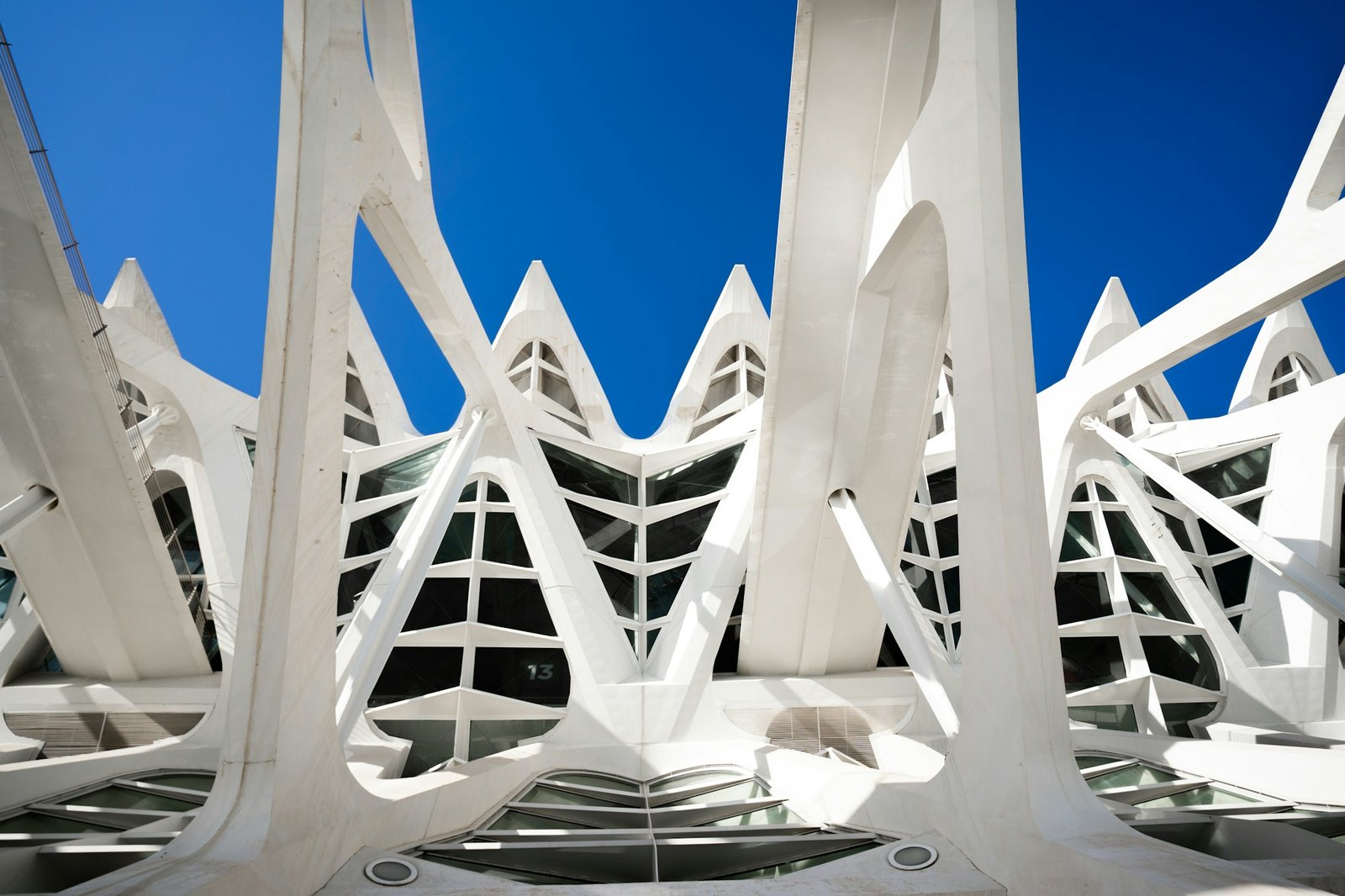
City of Arts and Sciences
Barcelona and Madrid are the most popular Spanish destinations, but Valencia is arguably a better option for families. Less crowded, more affordable, and resolutely child-friendly, Spain’s third city has everything going for it. The futuristic City of Arts and Sciences, designed by Calatrava, includes a planetarium, the Oceanogràfic (Europe’s largest aquarium), and an interactive museum where children can touch, experiment, and play.
The Turia, a former riverbed transformed into a massive 9-kilometer linear garden, is the perfect playground for families: playgrounds, bike paths, ponds, and the spectacular Gulliver Park—a 70-meter giant sculpture where children climb and slide on the character’s clothing. Malvarrosa beaches, just minutes from the center by tram, offer fine sand and calm waters.
Food-wise, Valencia is the birthplace of paella—and children generally love this convivial dish. The central market, one of the most beautiful in Europe with its Art Nouveau architecture, is an explosion of colors, smells, and flavors that awakens the whole family’s senses.
Highlights
- City of Arts and Sciences: aquarium, planetarium, and interactive museum
- Gulliver Park: giant sculpture playground
- Beaches accessible by tram from the city center
- Controlled budget compared to Barcelona or Madrid
6. Asturias, Spain
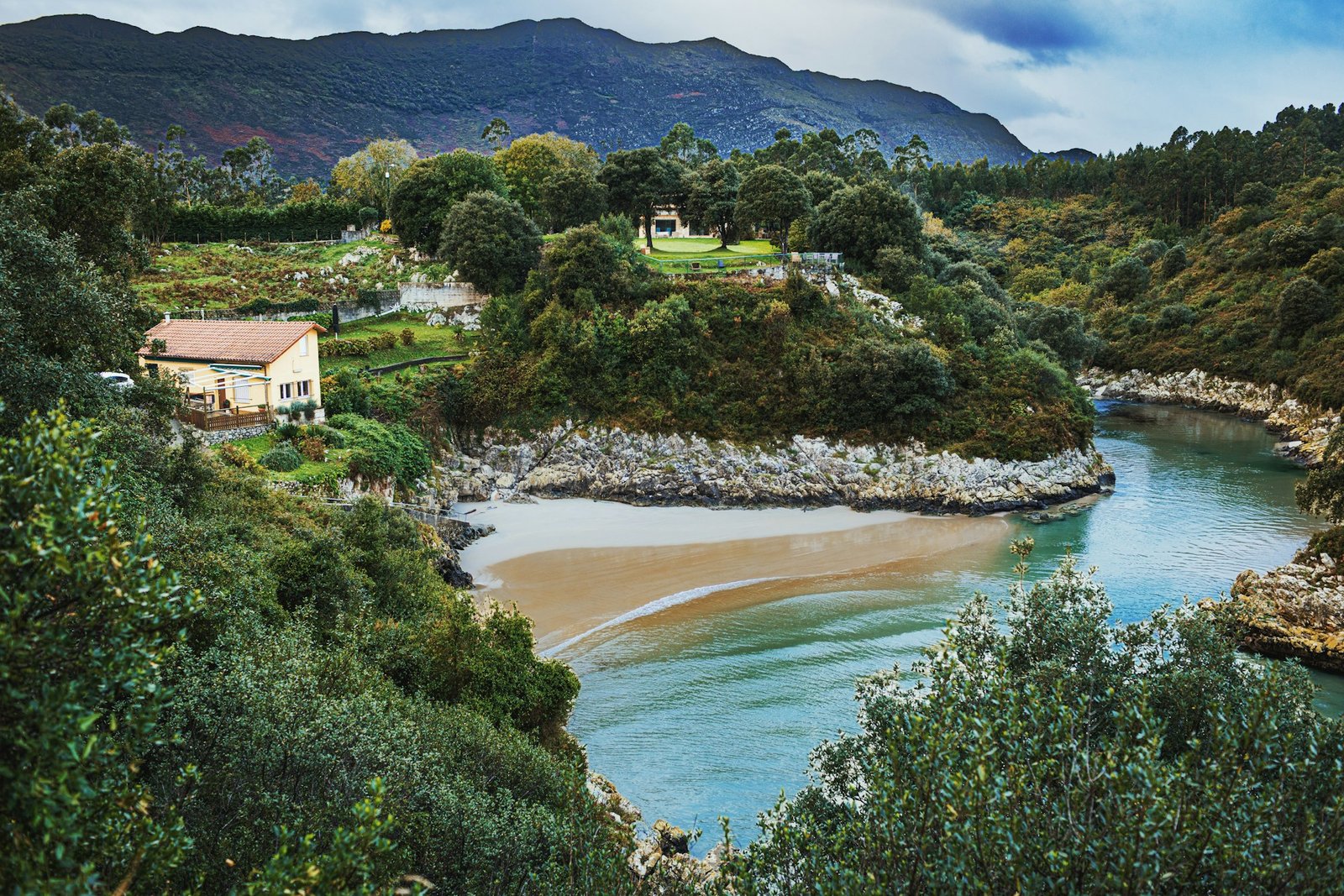
Bear Trail and Dinosaur Coast
Asturias is a very 2026 answer to the scorching heat of major Mediterranean destinations. This region in northern Spain, wedged between the Picos de Europa and the Bay of Biscay, offers mild summer temperatures—rarely above 26°C—and nature of wild beauty. The Senda del Oso (Bear Trail), a 36-kilometer greenway built on a former railway line, is perfectly suited to families: flat, safe, and punctuated by an enclosure where you can observe Cantabrian brown bears.
The Asturian coast is a paradise for children passionate about dinosaurs. The MUJA (Jurassic Museum of Asturias), shaped like a giant dinosaur footprint, houses reconstructed skeletons and excavation workshops for young paleontologists. On neighboring beaches, you can still see real fossilized dinosaur footprints in the rock—a guaranteed moment of wonder.
Coastal villages like Cudillero and Llanes captivate with their colorful charm and fishing harbors. Asturian gastronomy—fabada, artisan cheeses, natural cider poured from a height—is a cultural experience in itself. This is authentic Spain, without the crowds.
Highlights
- Mild summer temperatures, ideal for heat-sensitive children
- Jurassic Museum and dinosaur footprints on the beach
- Bear Trail: accessible greenway with bear observation
- Authentic coastal villages and remarkable gastronomy
7. Peloponnese, Greece
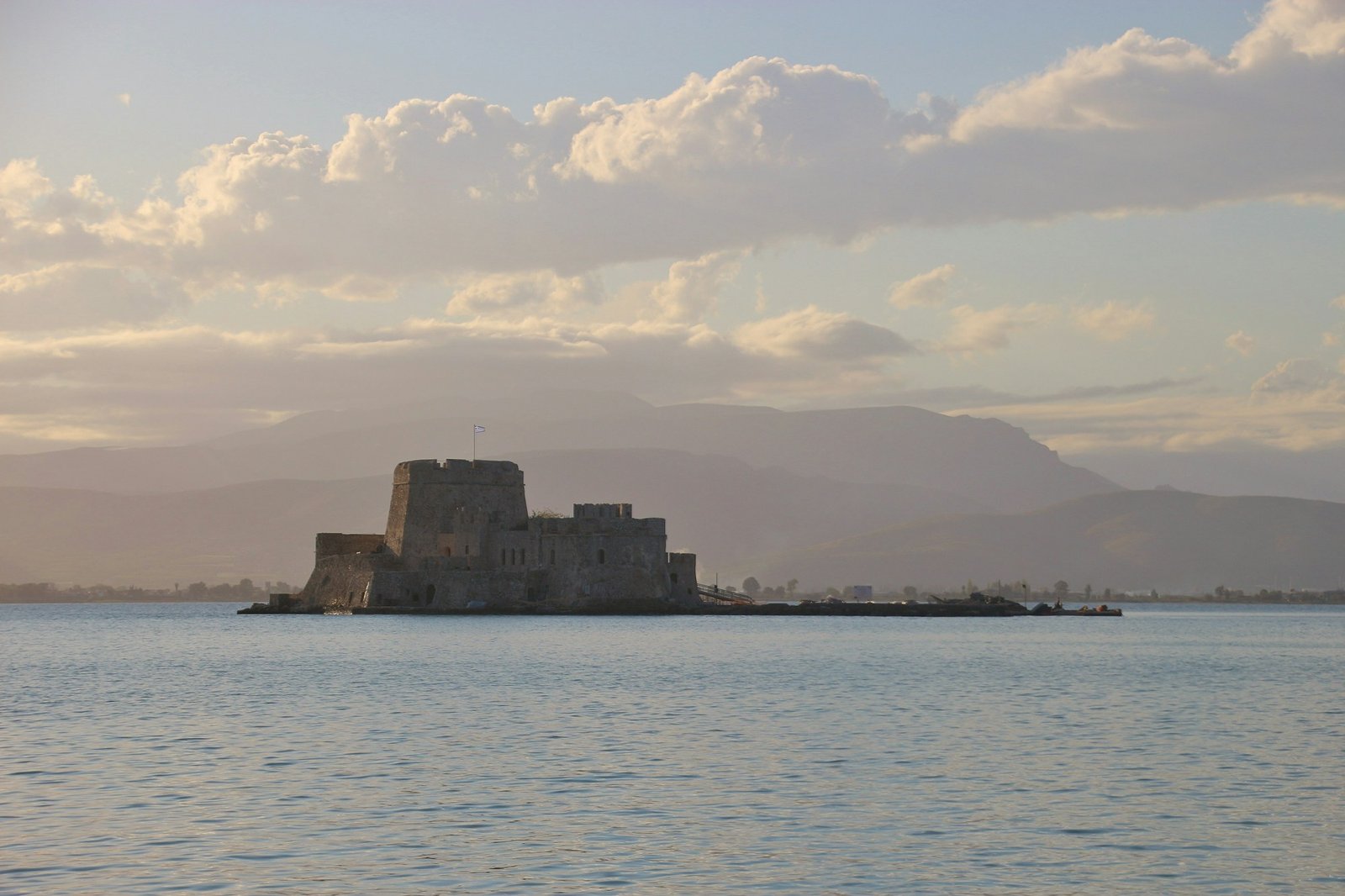
Nafplio, Olympia, and Mani Beaches
For a family, the Peloponnese is a true masterclass in variety. This mythical peninsula concentrates the major archaeological sites of Ancient Greece—Olympia (birthplace of the Olympic Games), Epidaurus (with its theater of perfect acoustics), Mycenae (and its Lion Gate)—in a sumptuous natural setting. Each visit becomes a living history lesson that captivates children and adults alike.
Nafplio, the first capital of modern Greece, is arguably the most elegant city on the peninsula. Its Venetian alleyways, Palamidi fortress (999 steps—a challenge children love to take on), and its tiny island-fortress of Bourtzi compose an enchanting setting. Peloponnese beaches are less crowded than those of the islands, with stretches of fine sand at Voidokilia (considered one of the most beautiful beaches in Europe) and along the Mani coast.
A road trip is the ideal format for discovering the Peloponnese as a family. Distances are short, roads well-maintained, and each stop holds new surprises: perched stone villages, Byzantine monasteries, centuries-old olive groves, and family tavernas where moussaka and souvlaki have never tasted so good.
Highlights
- Major archaeological sites: Olympia, Epidaurus, Mycenae
- Nafplio: elegant and family-friendly Venetian city
- Spectacular and uncrowded beaches (Voidokilia)
- Cheaper and less crowded than the Greek islands
8. Umbria, Italy
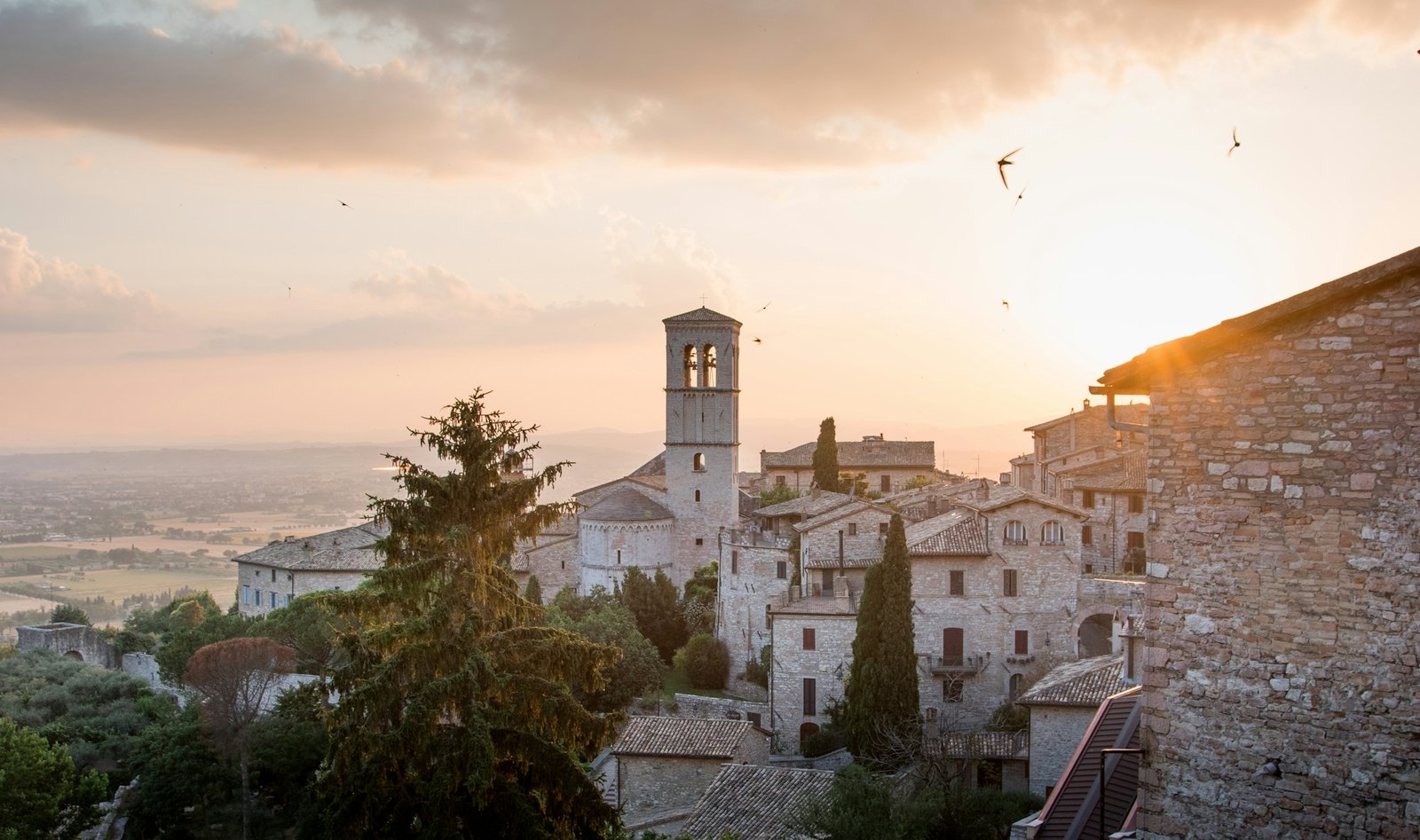
Assisi, Perugia, and Truffle Hunting
Nicknamed the « green heart of Italy, » Umbria offers all the charm of neighboring Tuscany—rolling hills, medieval villages, exceptional gastronomy—without the crowds or excessive prices. An original vacation in Umbria can include a stay at a restored farm (agriturismo), truffle hunting excursions with a truffle dog, and exploring ancient Etruscan underground networks beneath the city of Perugia.
Assisi, birthplace of Saint Francis, enchants with its serenity and Giotto frescoes in the basilica. For children, agriturismi are pure joy: they can feed the animals, collect eggs, participate in pasta or pizza-making classes. The Marmore Falls, among the highest in Europe (165 meters), offer an impressive natural spectacle accessible via marked trails.
Spoleto, Orvieto, Gubbio—each Umbrian town has its personality and hidden treasures. Lake Trasimeno, Italy’s fourth-largest lake, allows swimming and cycling along its peaceful shores. This is Italy at a slow pace, the one of terrace aperitifs with cypress views while children play in the village square.
Highlights
- Agriturismi with cooking workshops and farm animals
- Truffle hunting: fun adventure for the whole family
- Etruscan underground passages in Perugia to explore
- Cheaper and less crowded than Tuscany
9. Montenegro
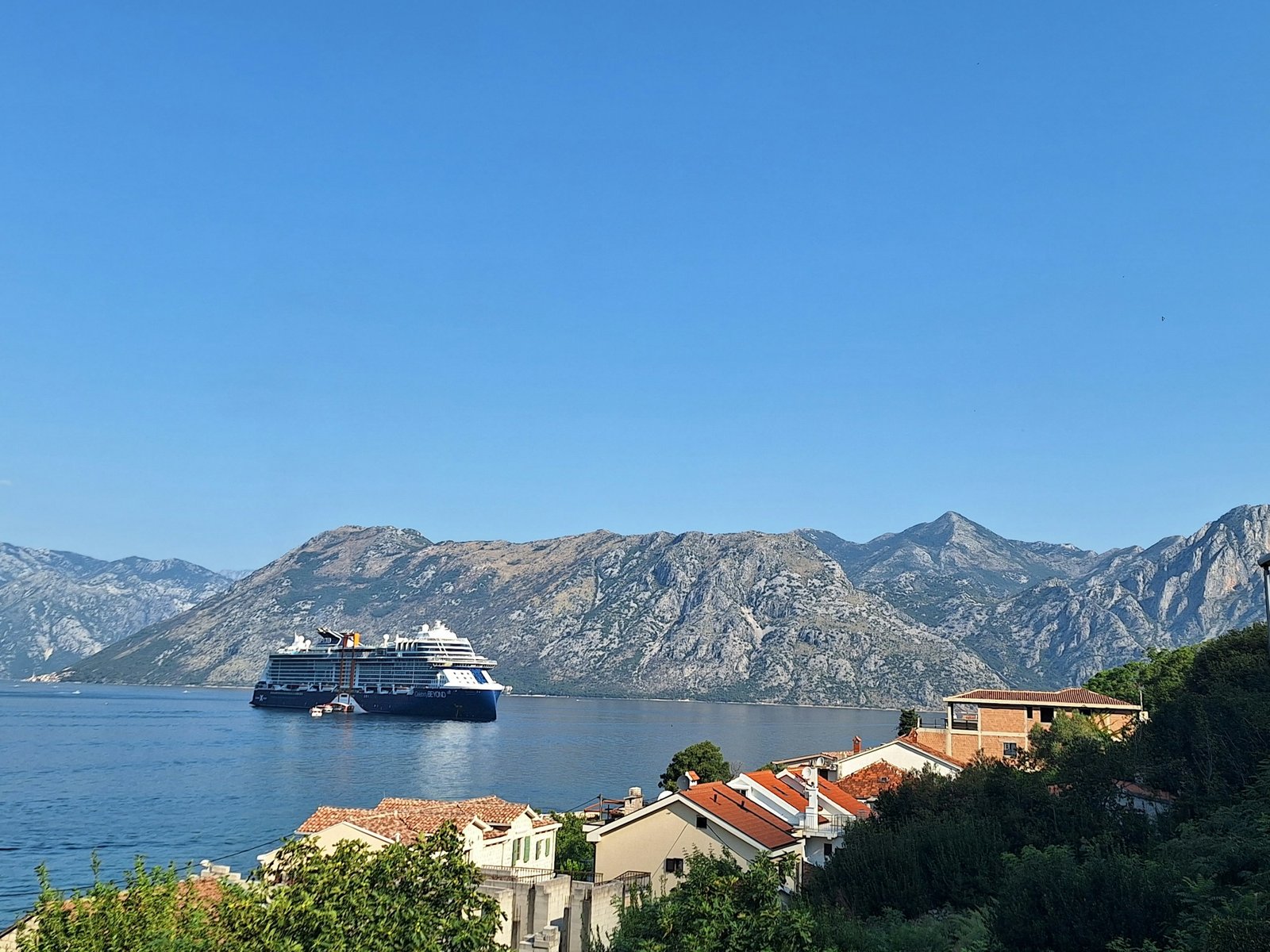
Bay of Kotor, Tara Canyon, and Durmitor
This tiny Balkan country, barely larger than the Île-de-France, is packed with action and contrasts. The Bay of Kotor, often compared to a Mediterranean fjord, offers a postcard setting with fortified villages nestled at the foot of vertiginous mountains. The old town of Kotor, a UNESCO World Heritage Site, can be explored on foot through a maze of medieval alleyways—children love climbing to the fortress for a breathtaking view.
For adventurous families, rafting on the Tara River is an unforgettable experience. The Tara Canyon, the second deepest in the world after the Grand Canyon, offers routes suitable for children from age 7 on certain sections. In the mountains of Durmitor National Park, hikes around Black Lake and ancient black pine forests offer welcome coolness in summer.
The Montenegrin coast, from Budva to Ulcinj, alternates sandy beaches and rocky coves. Sveti Stefan, the island-hotel connected to the coast by an isthmus, is one of the most iconic images of the Mediterranean. The budget remains very accessible, making Montenegro one of the best values for European families.
Highlights
- Bay of Kotor: one of the most beautiful landscapes in Europe
- Family rafting in Tara Canyon
- Very affordable budget (€80–130/day)
- Sea and mountain diversity in a small territory
10. Madeira, Portugal
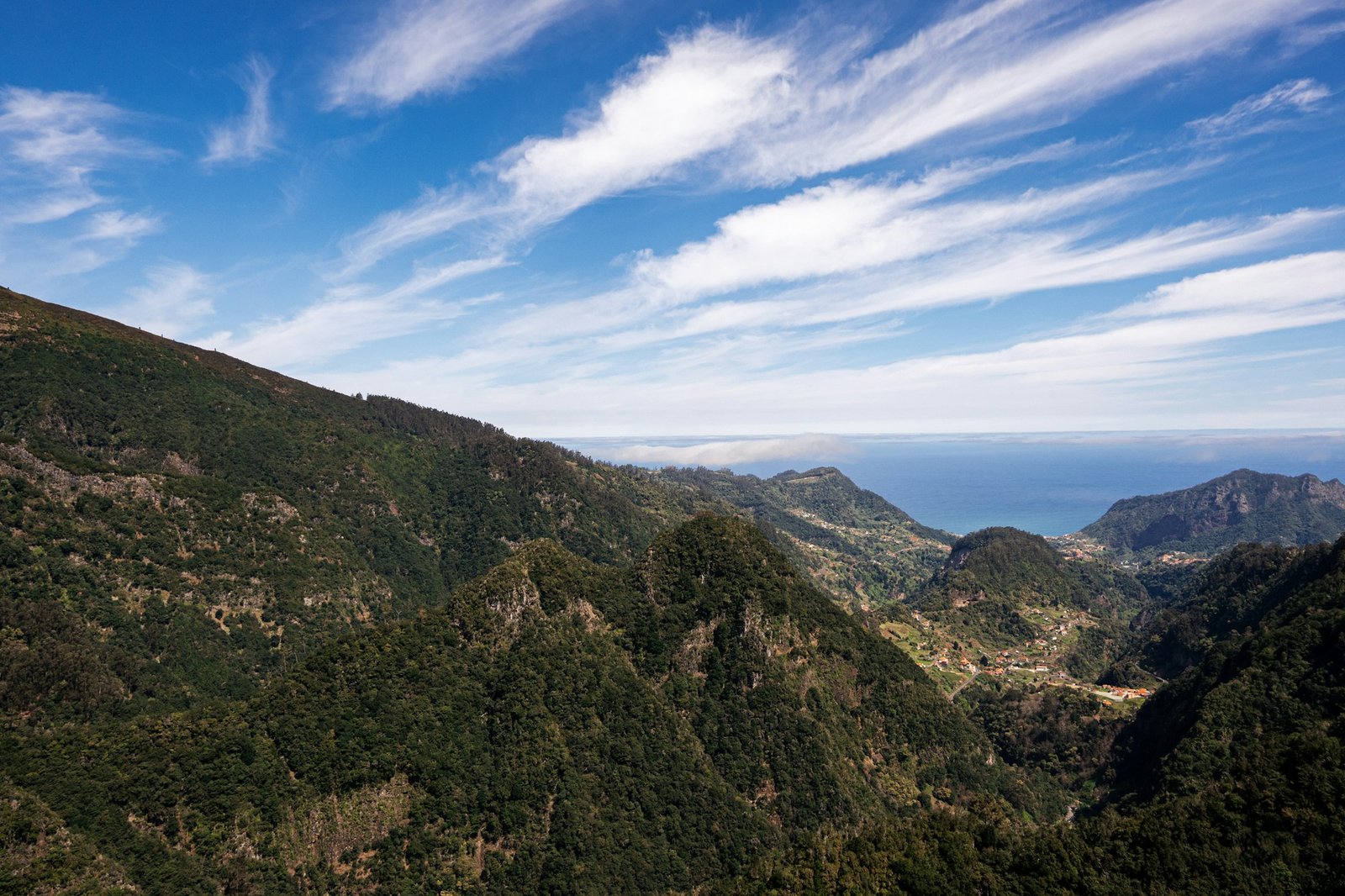
Levadas, Whale Watching, and Tropical Gardens
Madeira is a garden island set in the middle of the Atlantic, just 3.5 hours flight from Paris. Its main asset: spring-like weather year-round, with temperatures between 20 and 26°C making it perfect for off-season vacations. The levadas, those unique hiking trails that follow ancient irrigation channels through laurel forest (UNESCO-listed), are the island’s flagship attraction. Some are accessible from age 5-6, flat and safe.
Whale and dolphin watching is an extraordinary experience for children. Madeira is one of the best spots in Europe to observe cetaceans: dolphins year-round, whales from March to October. Boat excursions are supervised by marine biologists who explain marine life to the little ones. Funchal, the island’s capital, offers the famous Monte wicker baskets (a vertiginous descent that makes children shriek with laughter), the tropical garden, and the exotic fruit market.
The island also offers family-friendly canyoning, mountain biking, and spectacular natural pools carved into volcanic rock, like those at Porto Moniz. It’s the ideal destination for families wanting to combine nature, gentle adventure, and total immersion without leaving Europe.
Highlights
- Mild climate year-round: perfect for off-season vacations
- Levadas: unique hikes accessible to children
- Whale and dolphin watching supervised by biologists
- Natural volcanic pools at Porto Moniz
Frequently Asked Questions
What realistic budget should you plan for family vacations in Europe in 2026?
For a family of four (two adults, two children), plan between €80 and €250 per day depending on the destination. The most affordable countries are Albania (€80–150/day) and Montenegro (€80–130/day). Western European destinations like Alentejo or Asturias range around €150–250/day. These budgets include accommodation (apartment rental), meals (one restaurant and one home-cooked meal per day), activities, and local transportation. Flights and car rental are additional.
How can you reduce costs without sacrificing vacation quality?
Several strategies can significantly reduce your budget: travel in June or September (up to 40% savings on accommodation), rent an apartment rather than a hotel (equipped kitchen = meal savings), book flights 3 to 4 months in advance and monitor low-cost airlines. Favor free activities: beaches, hikes, local markets, village visits. Tourist cards (city passes) are often worthwhile from 2 or 3 visits onward.
Is an itinerant circuit or fixed stay better with children?
It depends on the children’s age. Before age 5, a fixed stay with a comfortable base camp (like an agriturismo in Umbria or seaside apartment) is preferable: children need landmarks and routine. From age 6-7, a circuit with 2 to 3 stops of 3 to 4 nights each works very well, especially in compact countries like Slovenia or Montenegro. The golden rule: never exceed 2 to 3 hours of driving per day and plan one rest day for every two excursion days.
Are Albania and Montenegro safe for families?
Yes, absolutely. Albania and Montenegro are safe destinations for families. The crime rate is low, and locals are renowned for their hospitality toward foreigners and especially children. The main precautions are the same as anywhere in Europe: watch out for winding roads (especially in Albania), drive carefully, and exercise standard vigilance in tourist areas. Albania is part of NATO and Montenegro is an EU candidate—both countries are politically stable.
What documents do you need to travel in Europe with children in 2026?
For European citizens, a valid ID card or passport is sufficient for all countries in our selection. Important: each child must have their own identity document (it’s no longer possible to register a child on a parent’s passport). For Albania and Montenegro (outside EU/Schengen), a passport is recommended, although ID cards are accepted. If a child travels with only one parent, an exit authorization is required in France.
Train travel in Europe with children: what useful discounts in 2026?
Train travel is an excellent family option in Europe. The Interrail Family pass allows children aged 4 to 11 to travel free with an adult pass holder. In France, the SNCF Avantage Famille card offers 30% discount for the whole family. In Spain, children under 4 travel free with Renfe. In Portugal, children under 5 don’t pay on the CP network. Train travel has the advantage of eliminating driving stress and allowing children to move around during the journey.
How can you involve children in trip preparation?
Involving children from the preparation stage transforms the trip into a shared family project. Some ideas: show them photos and videos of the destination to create excitement, let them choose one activity per day (even the youngest love having a say), create a travel journal to fill out on site, or give them a mission (official photographer, country counter, ice cream taster…). For older kids, giving them a small budget to manage for souvenirs is also very educational.
What periods should you choose to avoid crowds in Europe?
The first two weeks of June and the entire month of September are ideal periods: pleasant weather, less crowded sites, and lower prices. For Madeira, the advantage is being able to go year-round thanks to its subtropical climate. Asturias, with its oceanic climate, is perfect in July-August when southern Europe swelters. If you’re constrained by school holidays, aim for the last week of June or the first week of September, often still during the school term in other European countries.
Sources
- The Everymom — Best European Destinations for Families
- Stubborn Mule Travel — Croatia, Montenegro and Madeira with Kids
- Family Go — Family Travel Guide in Europe
- Lonely Planet France — Slovenia: Travel Guide
- Voyage Family — Slovenia with Family
- Voyages et Enfants — Slovenia with Family: Activities and Tips
- Ulysse — Albania Guide
- Au Bord du Quai — Albania with Family
- Rota Vicentina — Alentejo Hiking Trails
- Dark Sky Alqueva — Starry Sky Reserve, Portugal
- The Guardian Travel — Portugal: Travel and Tourism
- Turismo Asturias — Asturias Tourism Office
- MUJA — Jurassic Museum of Asturias
- Visit Greece — Greek National Tourism Organization
- Le Collectionist — Umbria Guide
- Terres d’Aventure — Montenegro: Hiking and Adventure
- Vacance Pas Cher — Montenegro with Family
Research conducted in February 2026
Ready to Plan Your Family Vacation?
Discover our detailed day-by-day itineraries designed for families with children. Suitable accommodations, tested activities, verified budgets—everything is ready, all you have to do is go.
Explore all itineraries