
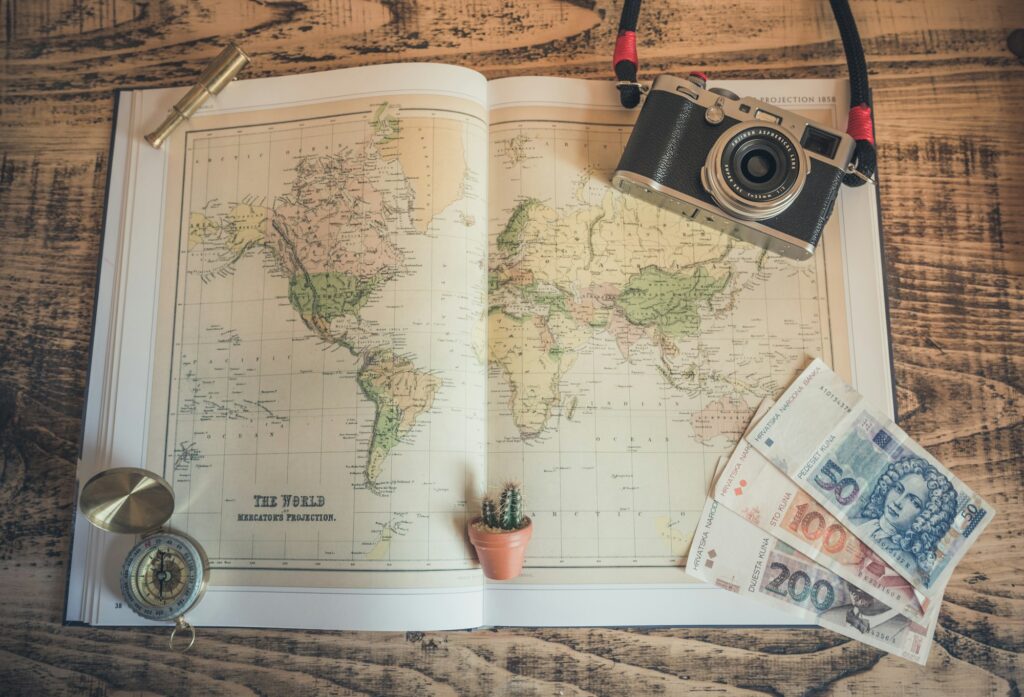
Bosnia under snow in January, Georgia’s vineyards in April, Iceland under the eclipse of the century in August, Rabat in December with Atlantic sunshine. In 2026, the travel world offers an extraordinary map, month by month, for those who know where to look. This guide compiles the best destinations of the moment — sourced, budgeted, and chosen for their authenticity — to help you choose when to travel as much as where.
The big travel trends of 2026
Slow travel, coolcations, and emerging destinations
Three major trends are transforming how people travel in 2026. First, the « coolcation »: more and more travelers are abandoning sun-scorched destinations in favor of cooler regions (Iceland, Scotland, Norway, the Pyrenees). Second, authenticity and slow travel: according to a Kayak study, 84% of travelers plan to travel as much or more in 2026, with a marked preference for quiet, less crowded destinations. Finally, budgets are back in focus: 64% of Europeans cite money as the main obstacle, while 43% are considering cheaper alternatives to overcrowded classics.
The result: Albania, Georgia, Montenegro and the Faroe Islands are among the most sought-after emerging destinations of the year. Secondary destinations like Guimarães (Portugal), Da Nang (Vietnam) or Oulu (Finland) are stepping into the spotlight. And an exceptional astronomical event marks the absolute peak of the year: the total solar eclipse on August 12, 2026 in Iceland.
January–February: Bosnia & Herzegovina 🇧🇦
The hidden Balkans, at strikingly low prices
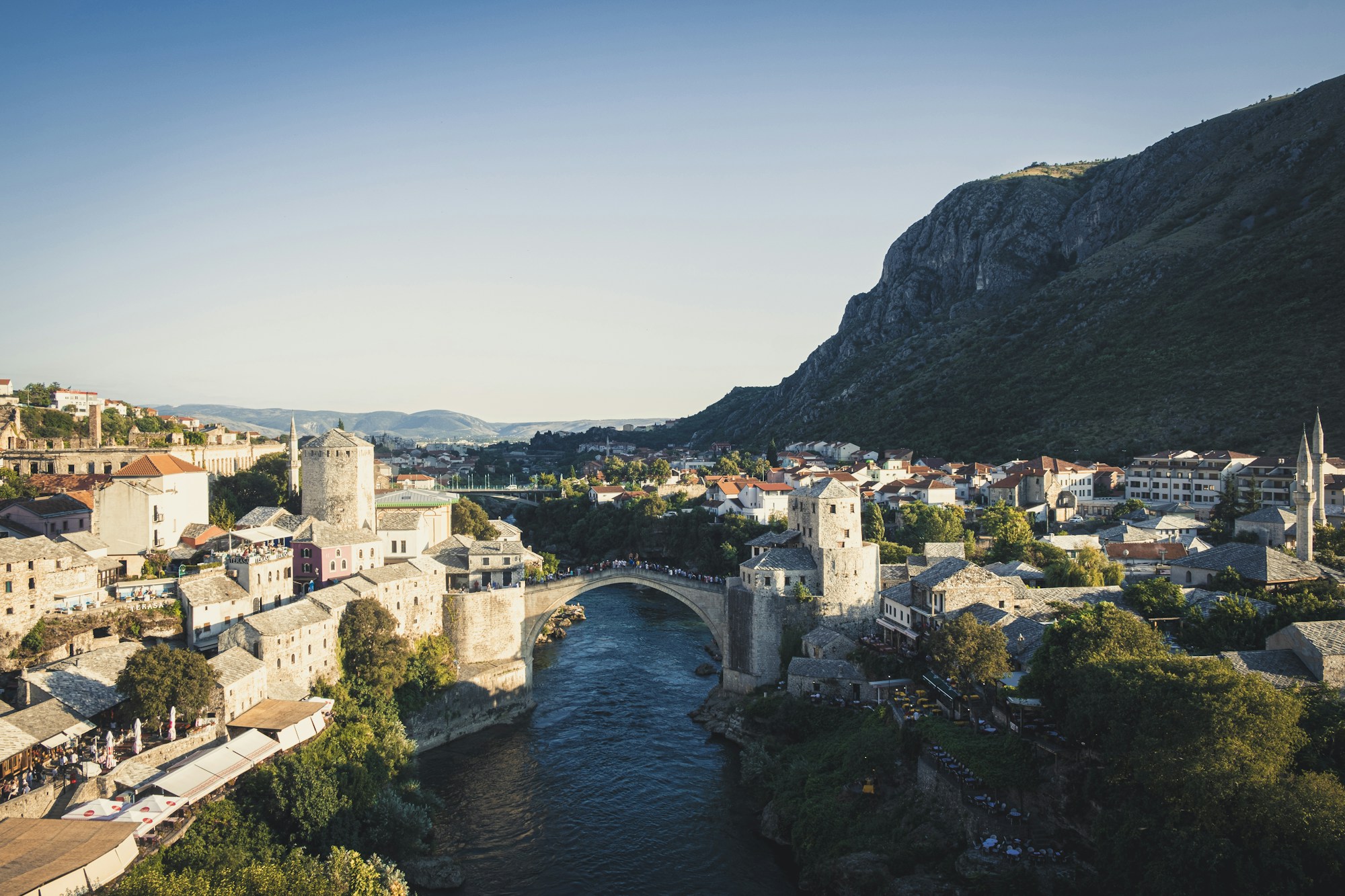
Still widely unknown, Bosnia and Herzegovina offers an authentic experience, a fascinating history and ultra-competitive prices. Sarajevo, a former Cold War city turned bohemian capital, neighbors Mostar with its legendary Ottoman bridge (Stari Most), and the dervish monastery of Blagaj, perched at the foot of a cliff beside a turquoise spring.
Winter in Bosnia is something special: the Ottoman towns fill with snow, mountain markets are still active and summer crowds are completely absent. Accommodation for €20–35/night, generous traditional meal for €6–10.
Highlights
- Mostar’s Stari Most — UNESCO, virtually empty in winter
- Sarajevo: multicultural atmosphere and bohemian cafés
- Jajce: medieval town with a waterfall in its center
- Sutjeska National Park: Europe’s last primeval forest
March–April: Georgia 🇬🇪
The pearl of the Caucasus, between wine and mountains
Georgia captivates with its generous cuisine, renowned wine and warm hospitality. Local dishes cost €3–6, wine tastings are very affordable, guesthouses charge €15–25/night including breakfast.
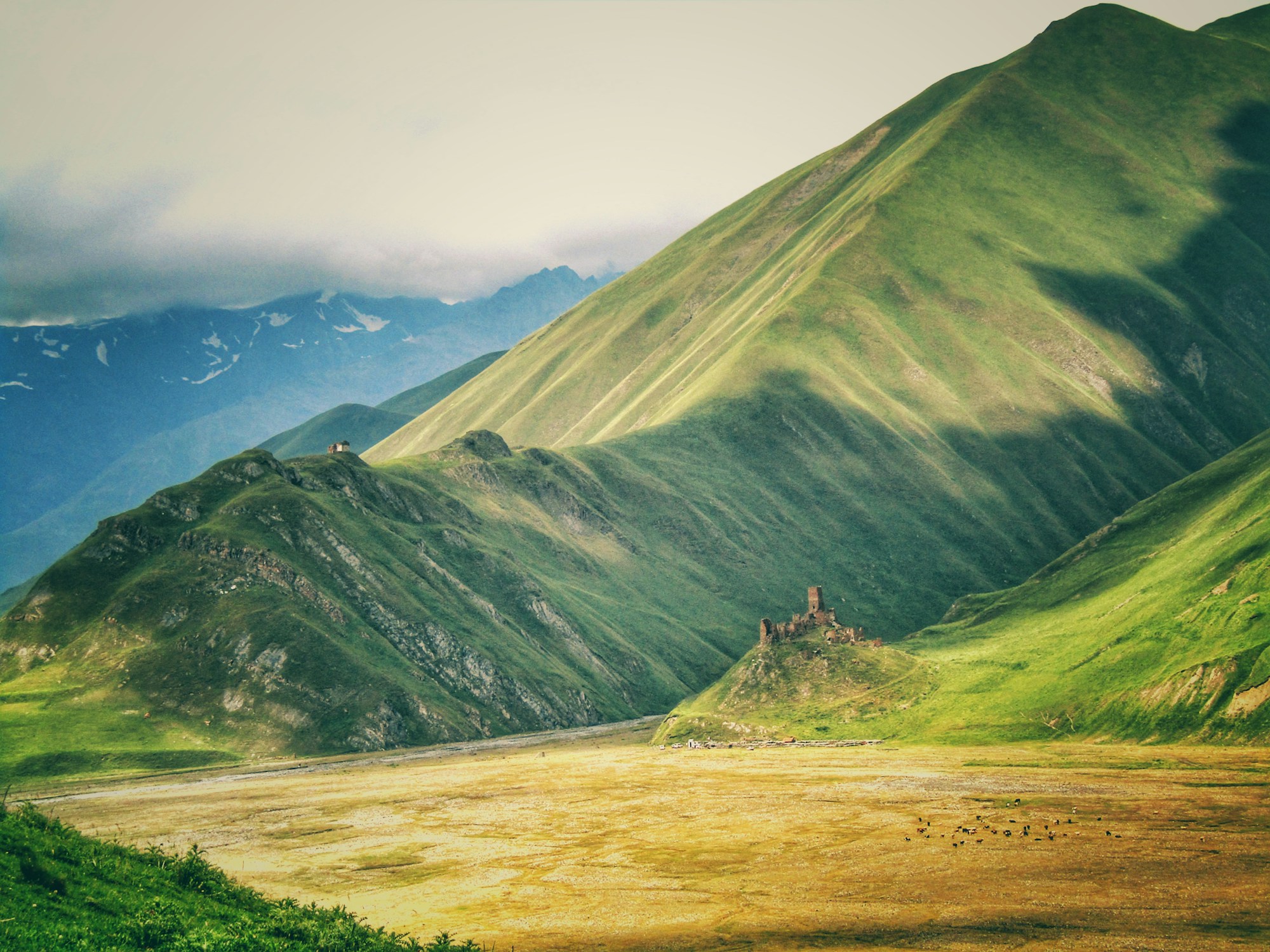
Georgian spring is an explosion of greenery in the mountain valleys of Kazbegi, Svaneti and Tusheti. Cherry trees are in bloom, mountain roads reopen and Georgian guesthouses offer particularly gentle prices before the summer rush. Kakheti in March–April is one of the most authentic and affordable wine tasting experiences in the world.
Highlights
- Kakheti: ancient vineyards, qvevri amphoras, wine tasting
- Kazbegi & Gergeti: church against mountain backdrop
- Uplistsikhe: ancient cave city from the 1st millennium BC
- Tbilisi: old town, sulfur baths, bohemian vibe
May: Albania 🇦🇱
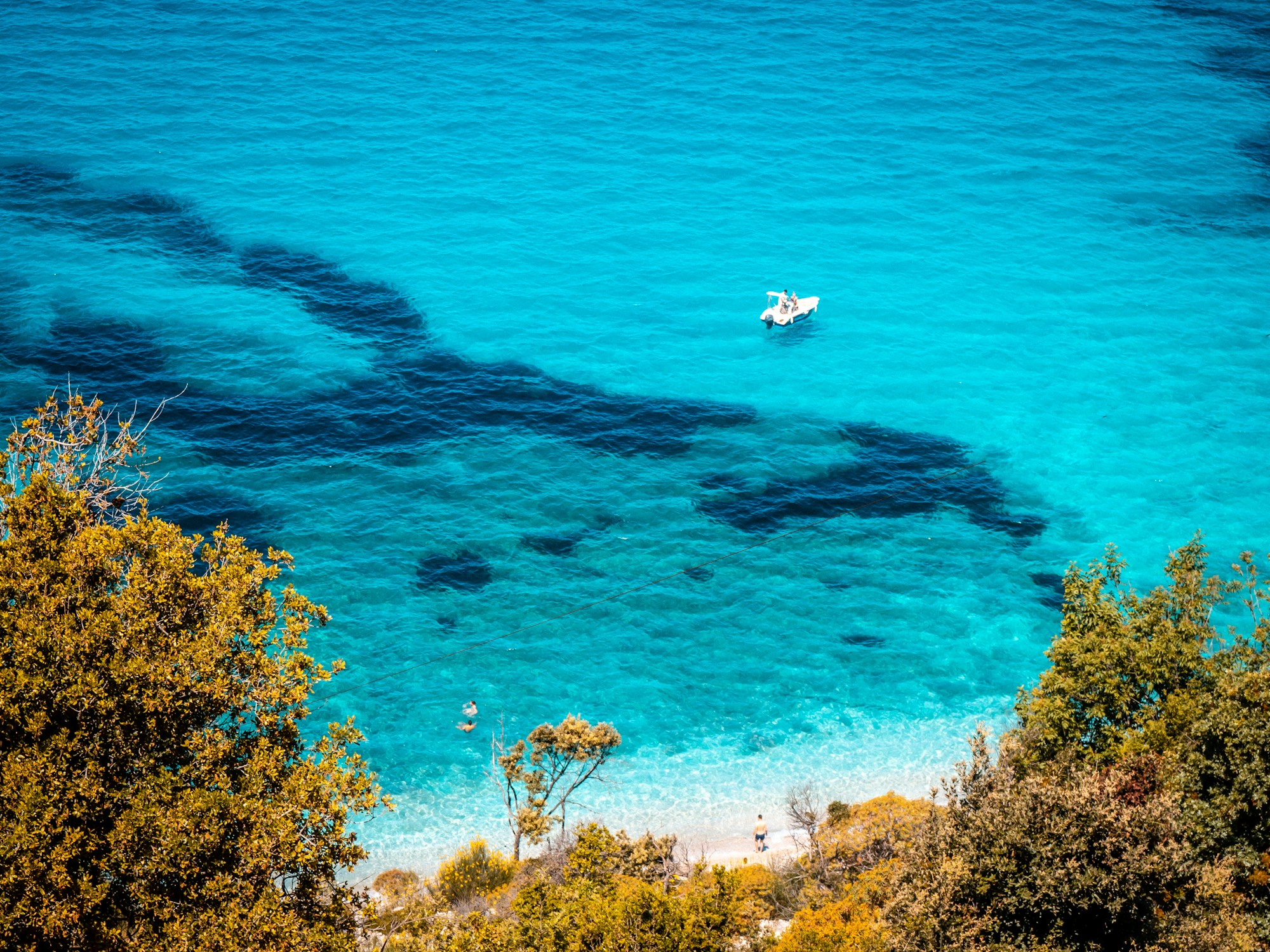
The Mediterranean as it used to be, still unspoiled
Albania has established itself as one of the most interesting emerging European destinations of 2026. In May, the waters of the Albanian Riviera are warming up, and the beaches of Ksamil, Himara and Dhermi are still tourist-free. You can eat very well for just a few euros: meals between €4–8, coffee around €1.
Highlights
- Ksamil: turquoise water, Maldives-style, no crowds in May
- Gjirokastër: UNESCO Ottoman city, guesthouse for €30
- Butrint: UNESCO Roman ruins, entry fee: €4
- Himara Riviera: cliffs, beach bars, fresh fish
June: Guatemala 🇬🇹
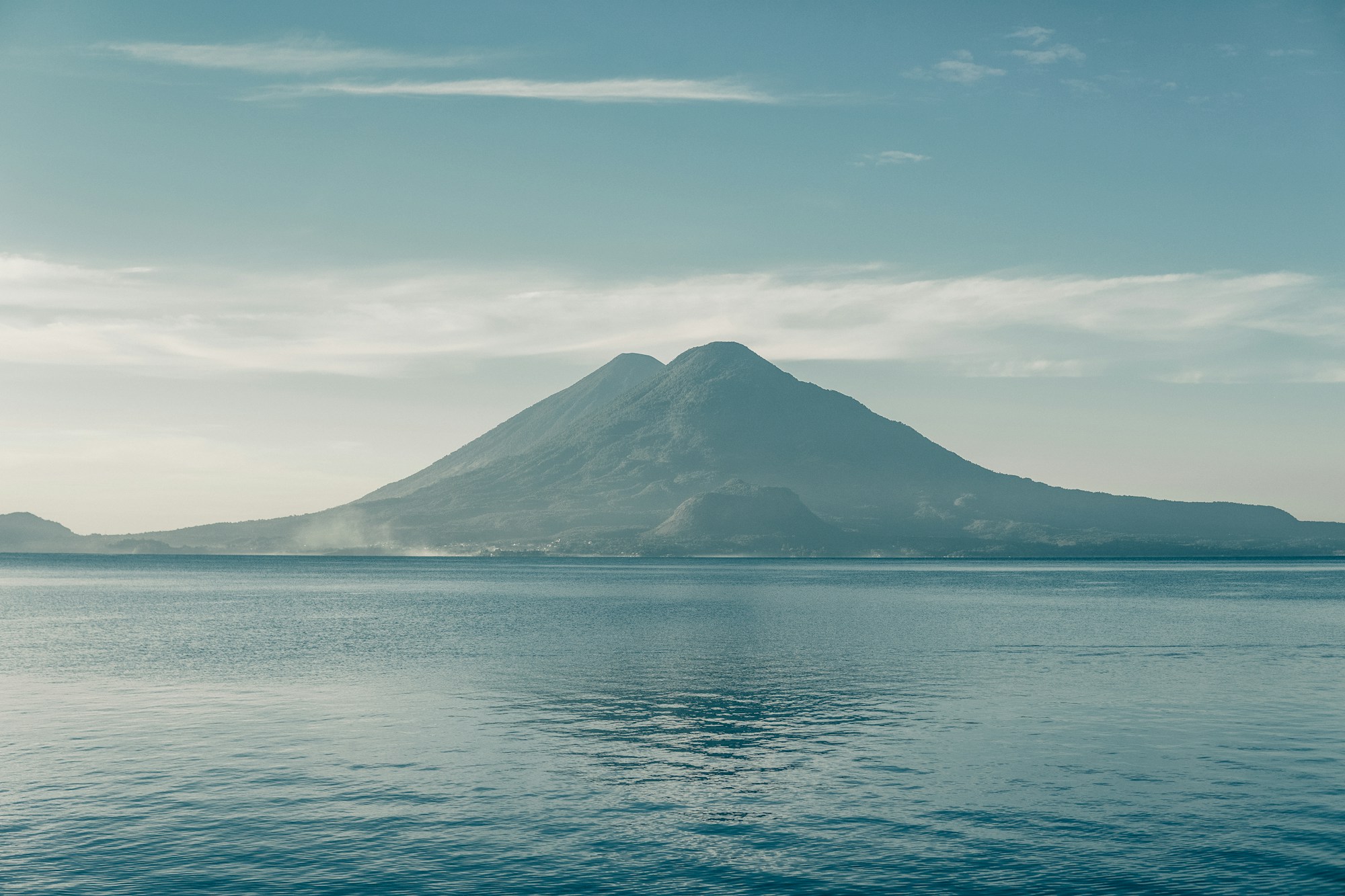
Forgotten Central America, Maya gem
Guatemala has everything Costa Rica offers — lush jungles, adventure — plus something it doesn’t have: world-class ancient history. Explore Lake Atitlán surrounded by volcanoes, climb an active volcano, then head north to Tikal’s magnificent Maya ruins.
Highlights
- Lake Atitlán: volcanoes, living Mayan villages, lanchas
- Tikal: 70m Maya temple in the jungle
- Antigua: UNESCO colonial city
- Volcán Pacaya: active lava accessible to all
July: Faroe Islands 🇫🇴
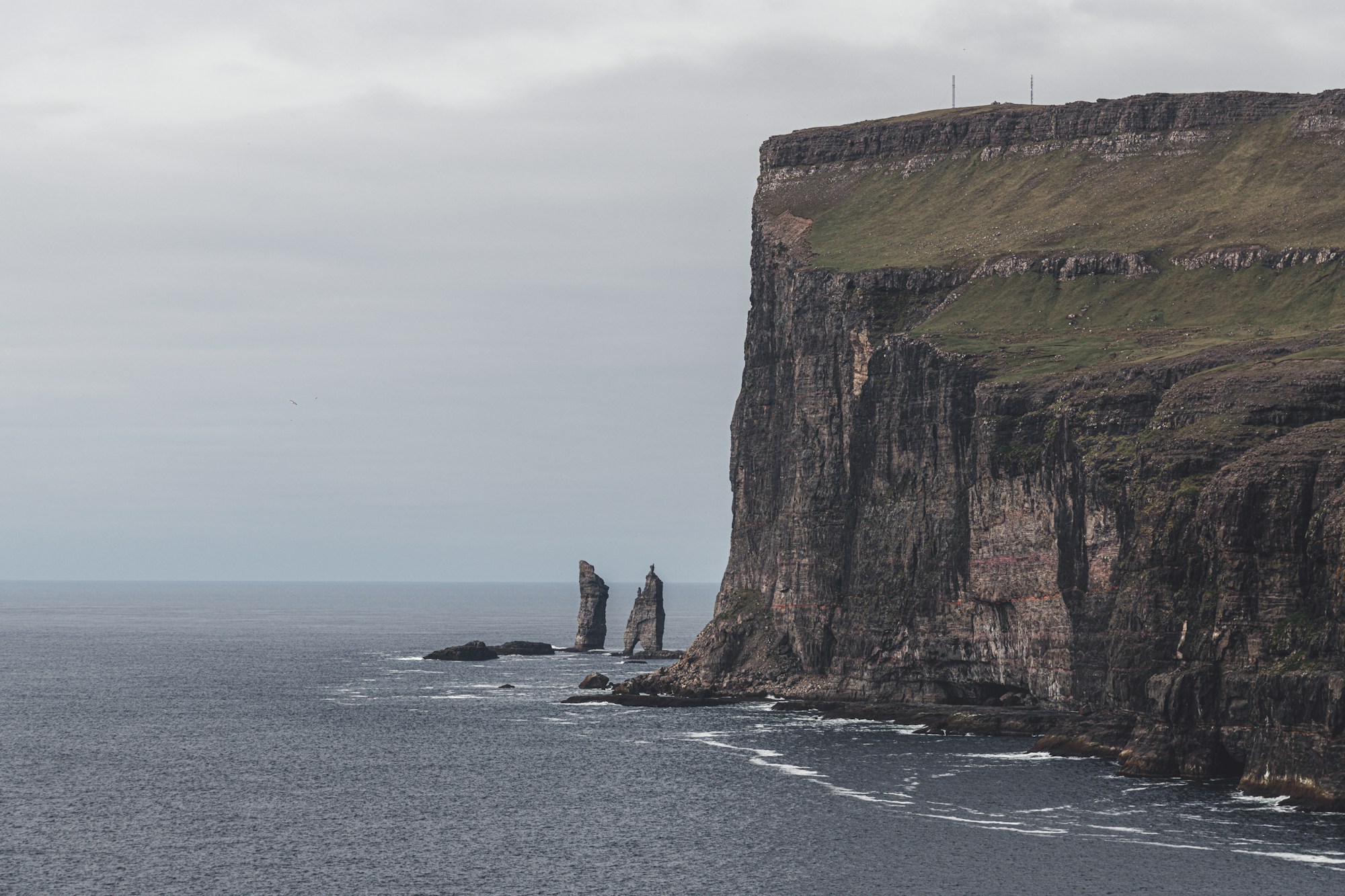
The new Iceland, without the crowds
For the traveler who finds Iceland too crowded, too expensive or too commercialized, the Faroe Islands are the raw, authentic alternative. These 18 wind-swept volcanic islands between Iceland and Norway offer some of the most spectacular landscapes on the planet.
Highlights
- Gasadalur: isolated village with waterfall dropping to the ocean
- Gjógv: hamlet of twenty houses with natural harbor
- Puffin watching in summer
- Hiking Slættaratindur — highest mountain in the Faroes
August 12: Iceland — The Eclipse of the Century 🇮🇸
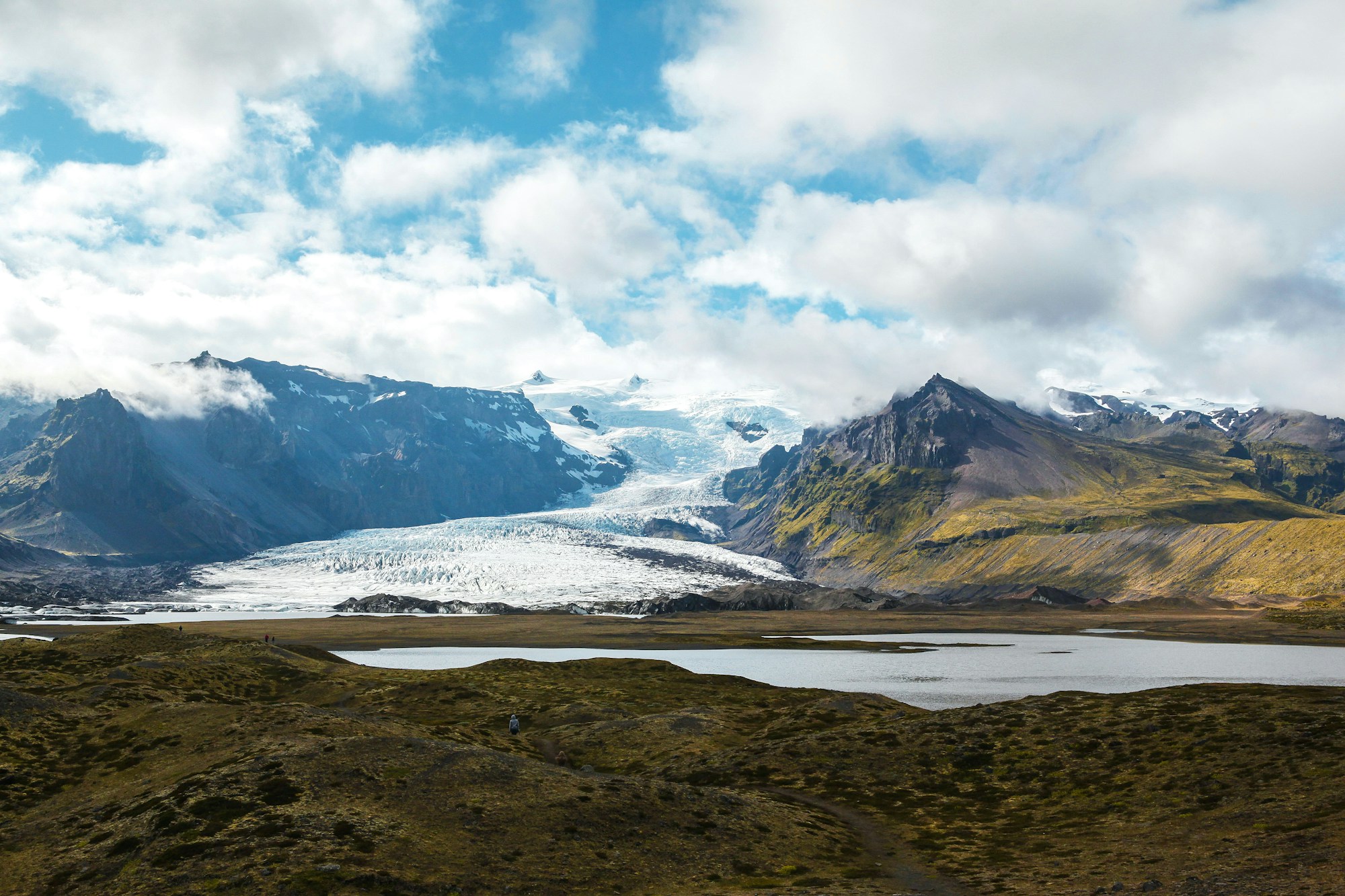
August 12, 2026: total eclipse, 2 min 13 sec of darkness in midsummer
On August 12, 2026, Iceland will witness the only total solar eclipse visible on the island in the 21st century. Iceland offers the longest totality (up to 2 minutes 13 seconds in the Westfjords), the sun at 24.5° above the horizon for comfortable viewing, and scenery no other destination can match. The next time a total eclipse will be visible over Iceland? In 2196.
Highlights
- 2 min 13 sec of totality — the longest in Europe
- Snæfellsnes Peninsula: glaciers, black sand beaches, Kirkjufell
- Perseids meteor shower bonus (peak Aug 12–13)
- Eclipse festival (Aug 12–15) on Snæfellsnes
September: South Korea 🇰🇷
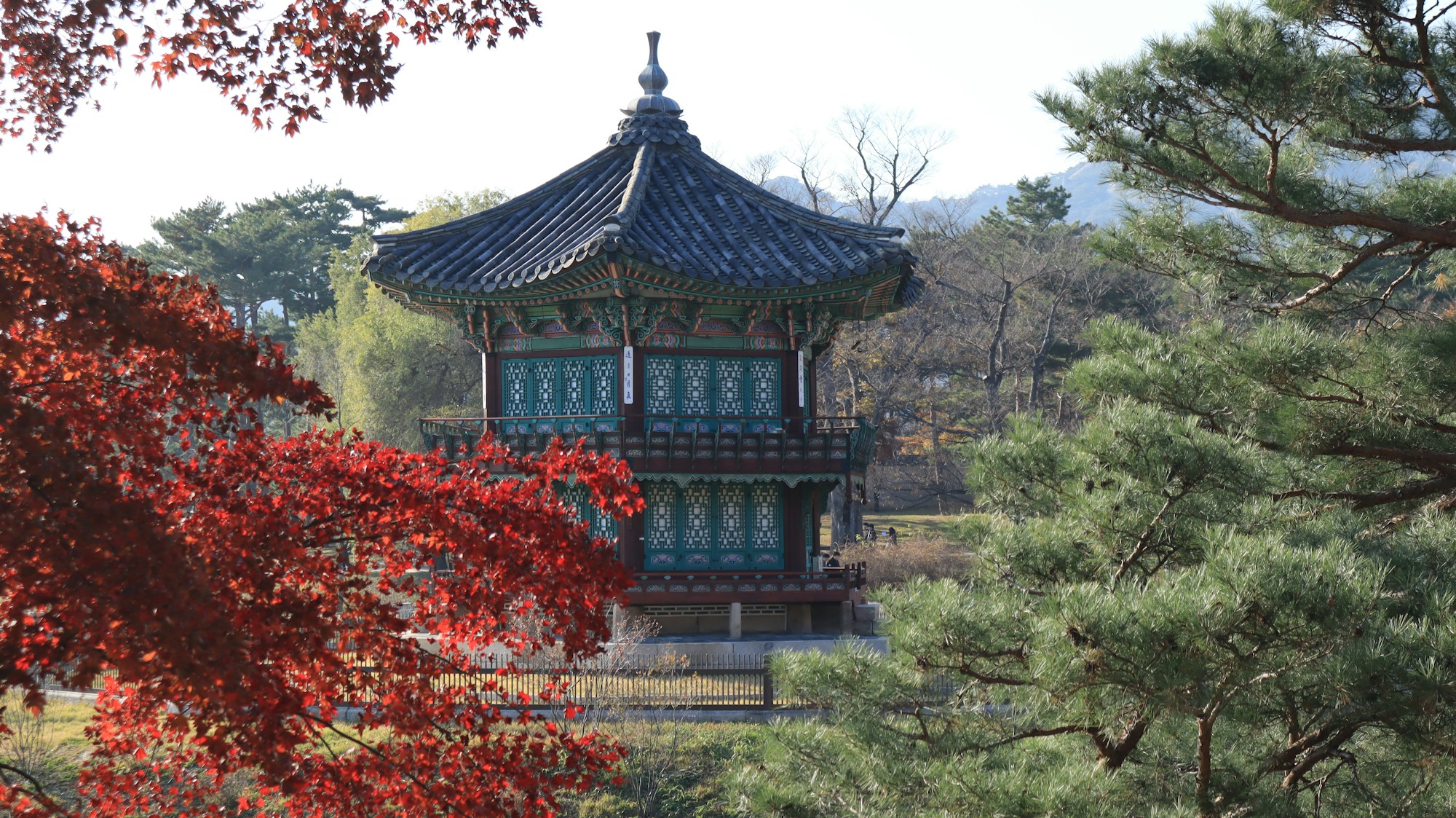
K-culture is selling plane tickets
South Korea has established itself as one of the trendiest destinations for 2026. Modern, creative and deeply attached to its traditions, it attracts travelers seeking rich cultural experiences, unique gastronomy and vibrant urban atmospheres. Driven by the rise of K-culture — K-pop, cinema, fashion and Korean cuisine — South Korea offers far more than you might imagine.
Highlights
- Seoul: Gyeongbokgung, Hongdae, Gwangjang Market
- Busan: beaches, Haedong Yonggungsa temple, film festival
- Jeonju: preserved hanok village and original bibimbap
- Jeju Island: volcanoes, waterfalls, fiery landscapes
October–November: Namibia 🇳🇦
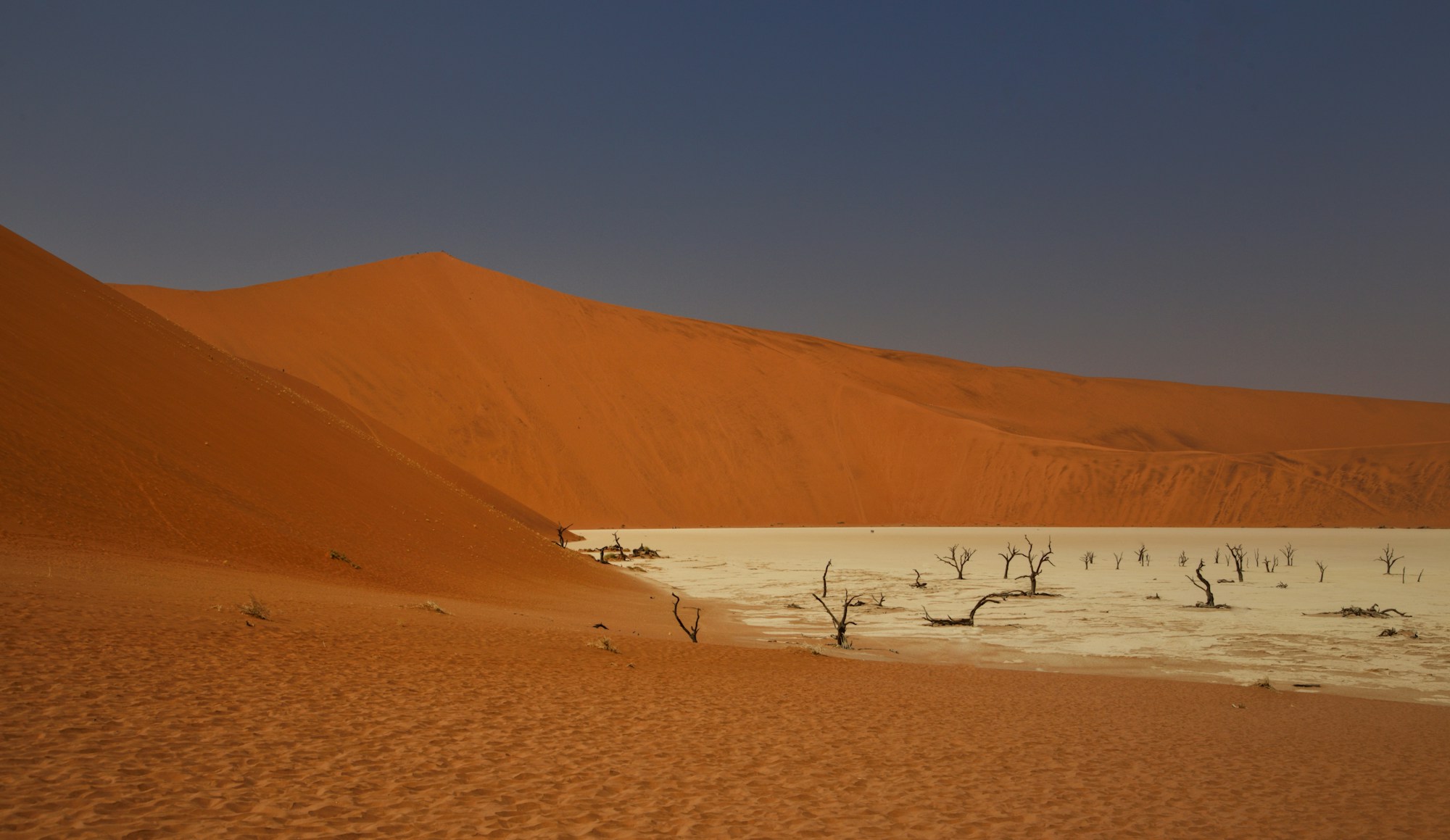
Africa’s most affordable safari
The vast ochre dunes of Sossusvlei at sunrise, Etosha National Park with its lions, elephants, giraffes and zebras concentrated around waterholes: Namibia offers an unforgettable safari in a country free from mass tourism.
Highlights
- Sossusvlei & Deadvlei: 300m dunes, magical sunrise
- Etosha: day & night game drives, lit waterholes
- Spitzkoppe: pink granite, stargazing bivouac
- Skeleton Coast: coastal desert, seals, shipwrecks
October: Oulu, Finland 🇫🇮
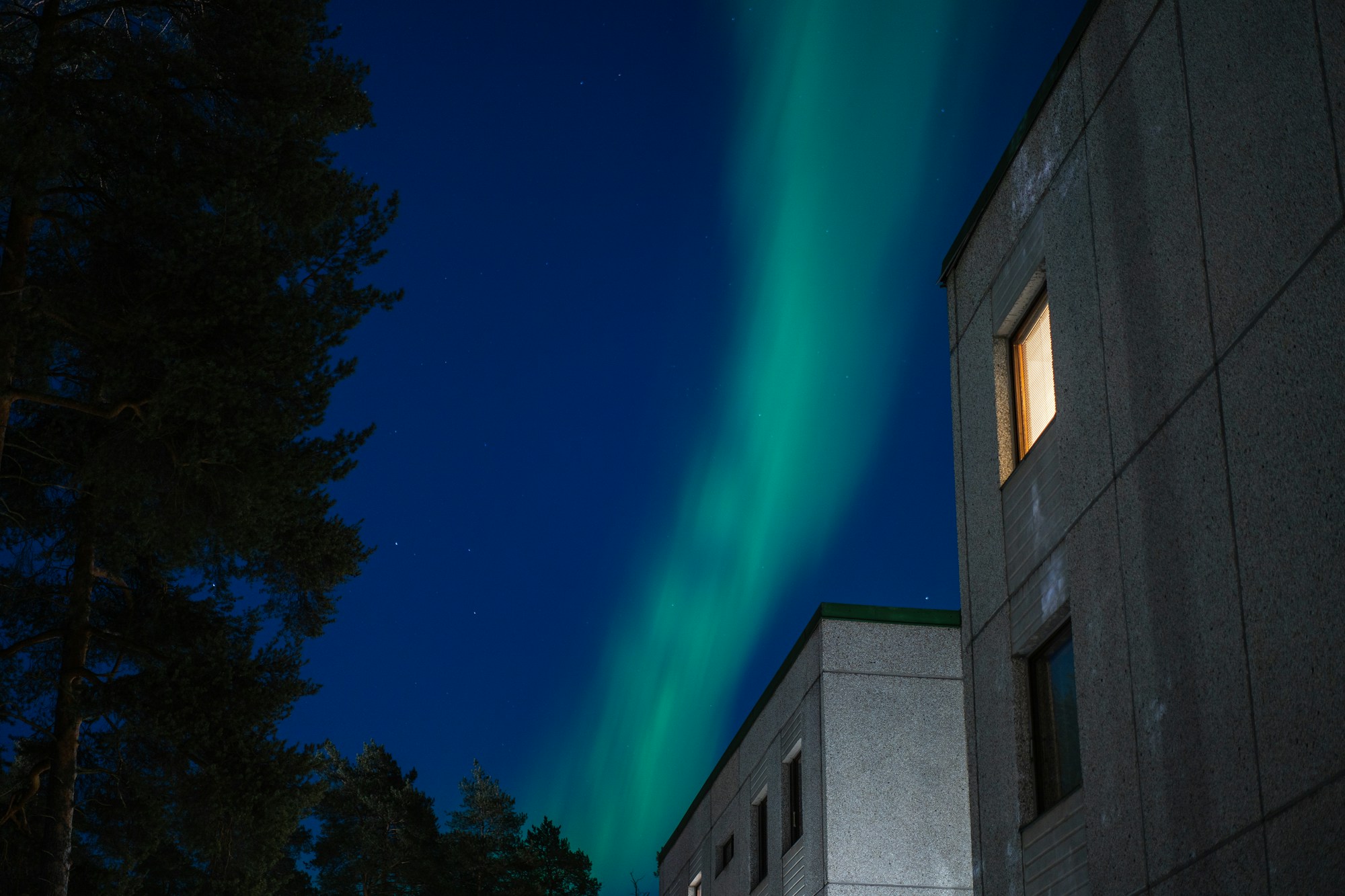
European Capital of Culture 2026
Oulu (pronounced « oh-loo ») features in Condé Nast, National Geographic and Time & Leisure’s 2026 lists. Just below the Arctic Circle, it’s one of two European cities designated Capital of Culture 2026, with the central theme of « Cultural Climate Change ».
Highlights
- European Capital of Culture 2026 — exhibitions all year
- Arctic Food Lab: Lapp cuisine and boreal ingredients
- Floating sauna on the Oulu River (open until autumn)
- First northern lights from October (KP3+)
November: Guimarães, Portugal 🇵🇹
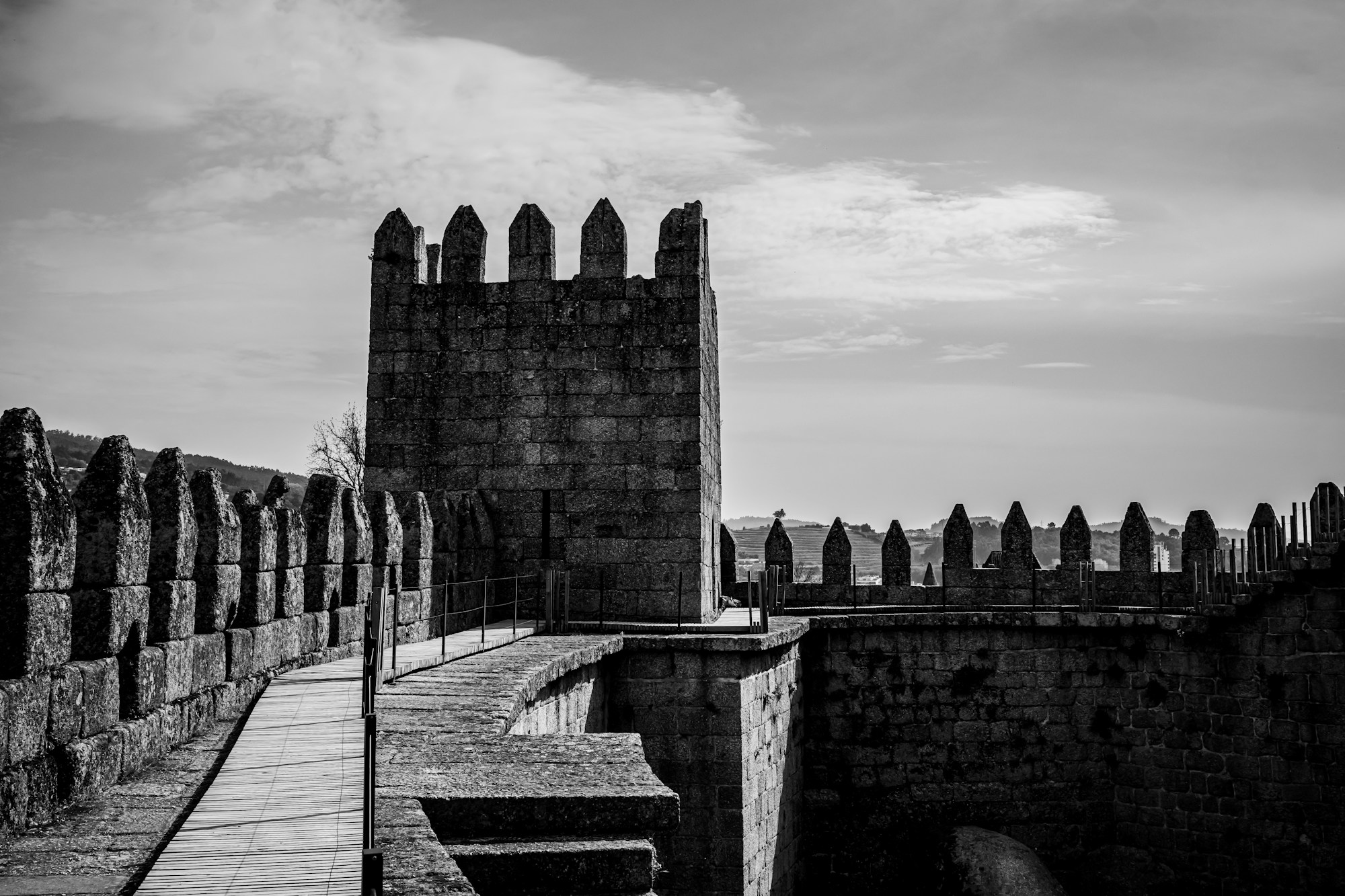
The birthplace of Portugal, without Lisbon’s tourists
Also known as the « birthplace of Portugal », this UNESCO medieval town is a delight to discover, aided by the absence of large crowds. 40 minutes from Porto by regional train for €3 — combine both for a perfect stay.
Highlights
- Guimarães Castle (10th century) — UNESCO, empty in November
- Cable car to Monte Penha — exceptional panorama
- Paço dos Duques: 15th-century palace in the city center
- Regional train to Porto (€3) — ideal combination
December: Rabat, Morocco 🇲🇦
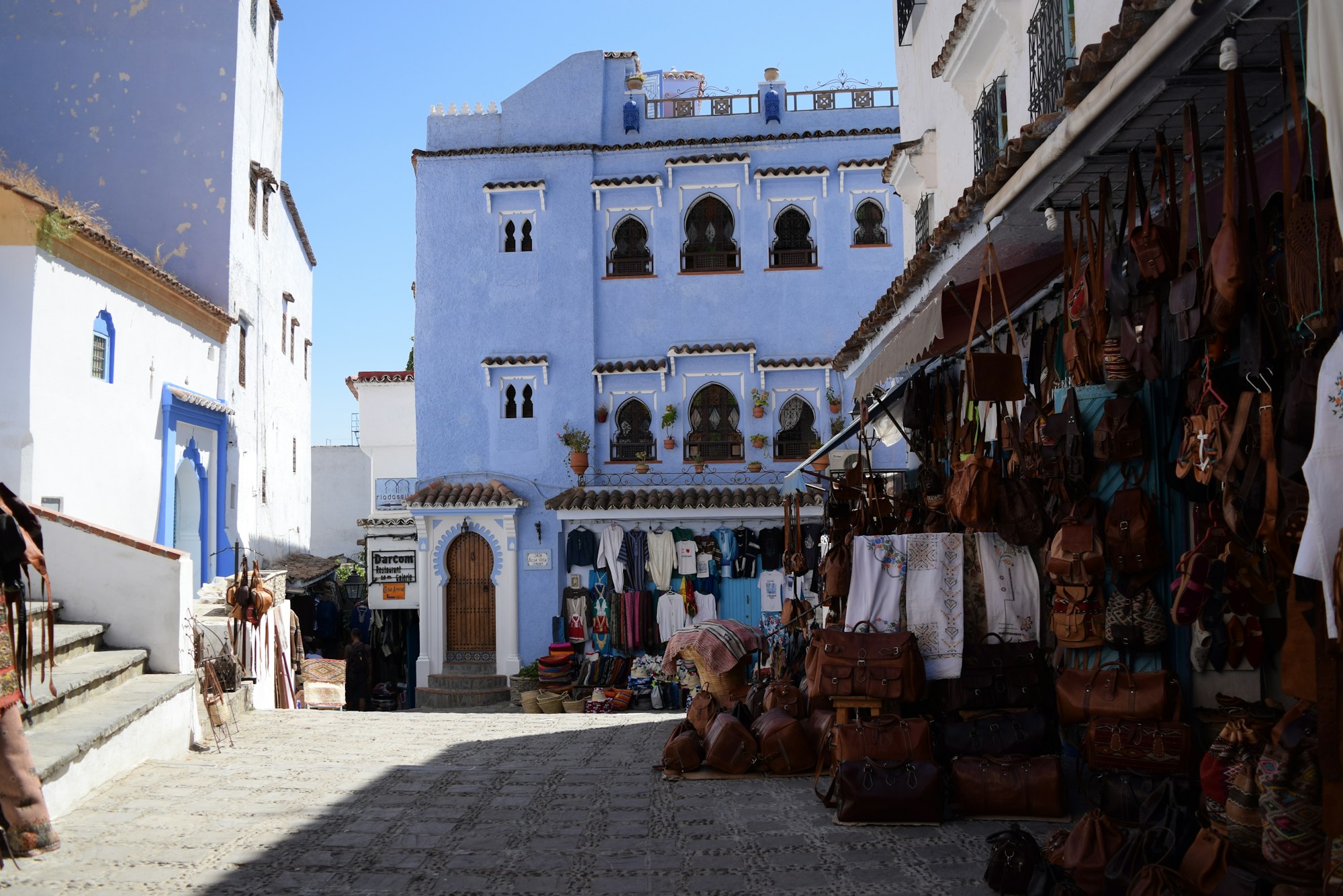
The capital that rivals Marrakech… without the crowds
Rabat, Morocco’s coastal gem and capital, offers a more measured approach to the country than Marrakech. Described as Morocco’s most European city, it has slipped into multiple « best of 2026 » lists from National Geographic and Time Out, thanks to its unique blend of old and new.
Highlights
- Kasbah of the Udayas: Andalusian gardens, Atlantic view
- Chellah ruins: Roman archaeological site and necropolis
- Authentic medina — without the tourist harassment
- Agdal district: local cafés, full meal for €3–5
Year-round: Da Nang, Vietnam 🇻🇳
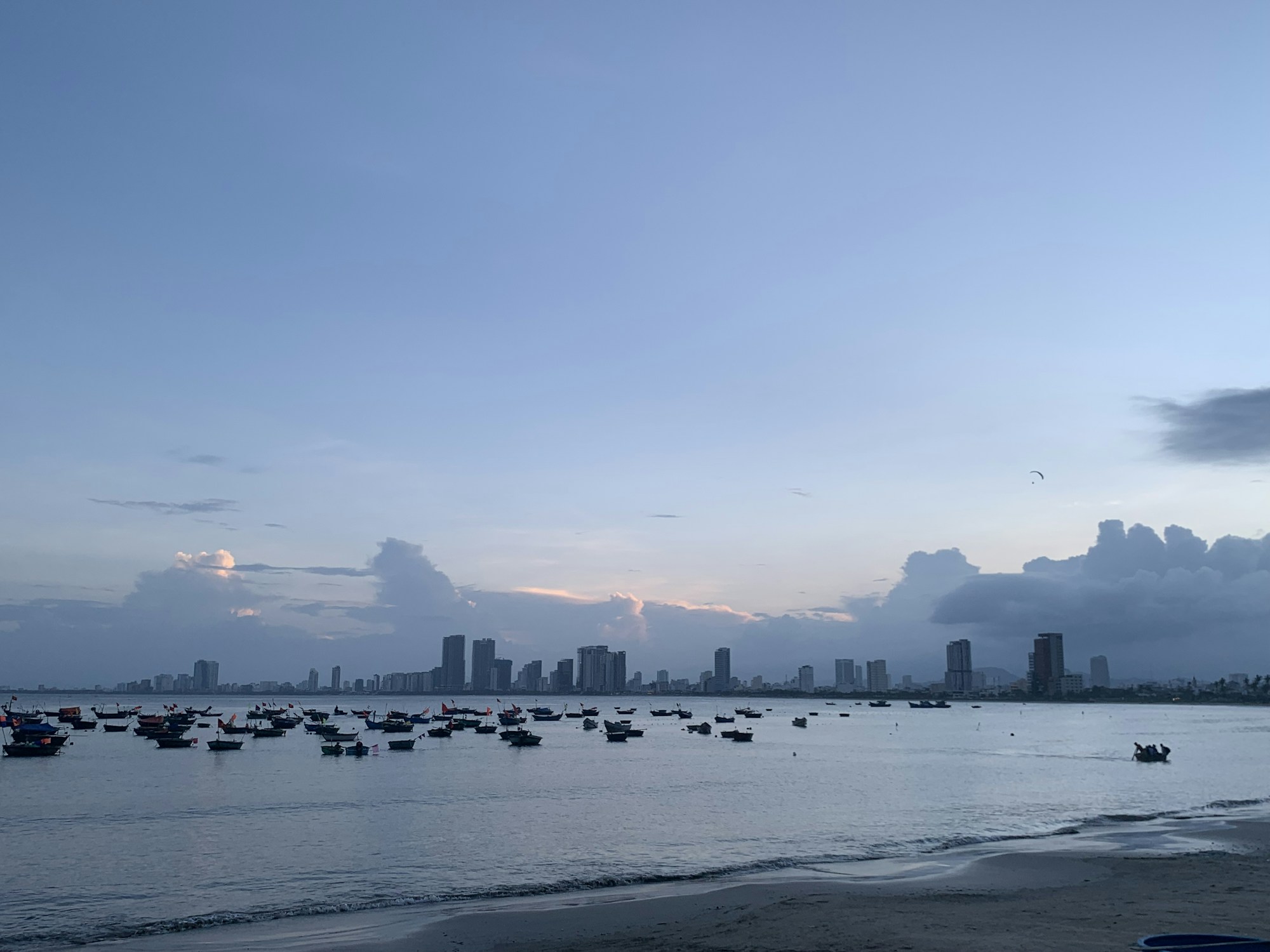
The city about to explode in 2026
Central Vietnam’s largest city is flanked by 65km of golden coastline. Long popular with locals, it’s finally capturing global attention. Five airlines, including Emirates and Philippine Airlines, launched new flights in 2025 connecting Da Nang to Bangkok, Manila and other Asian cities.
Highlights
- Marble Mountains: pagodas and caves 6km from downtown
- Son Tra Peninsula: tropical forest and golden langurs
- Hội An 30km away — lanterns and restaurants
- Surfing, kiteboarding and snorkeling on 65km of beaches
The ideal 2026 calendar — summary
| Month | Destination | Theme | Budget/day |
|---|---|---|---|
| Jan.–Feb. | 🇧🇦 Bosnia & Herzegovina | Authentic winter | €30–45 |
| Mar.–Apr. | 🇬🇪 Georgia | Caucasus & vineyards | €30–50 |
| May | 🇦🇱 Albania | Unspoiled Mediterranean | €30–50 |
| June | 🇬🇹 Guatemala | Adventure & Maya | €30–50 |
| July | 🇫🇴 Faroe Islands | Extreme landscapes | €100–150 |
| Aug. 12 | 🇮🇸 Iceland | Eclipse of the century | €150–200 |
| September | 🇰🇷 South Korea | K-culture & temples | €40–60 |
| Oct.–Nov. | 🇳🇦 Namibia | Affordable safari | €80–150 |
| October | 🇫🇮 Oulu (Finland) | Capital of Culture 2026 | €120–180 |
| November | 🇵🇹 Guimarães | Medieval & peaceful | €60–90 |
| December | 🇲🇦 Rabat | Atlantic & history | €40–70 |
| Year-round | 🇻🇳 Da Nang | Beaches & nature | €40–70 |
Practical info for your trip
Nomad Insurance: global coverage for digital nomads and travelers. 10% off via our link.
From $56 / 4 weeksStay connected in all destinations in this guide, from the moment you land. Instant activation.
From €4.50Frequently Asked Questions
What are the cheapest destinations in Europe for 2026?
In 2026, budget destinations under €50/day all-in in Europe include: Albania (€30–50), Bosnia and Herzegovina (€30–45), Georgia (€30–50), Bulgaria, North Macedonia and Kosovo. The gap between the most accessible destination (Albania) and a premium one (Iceland) can exceed 4x on daily budget.
The August 12, 2026 eclipse: is it better to go to Iceland or Spain?
Spain offers over 85% clear sky probability vs. only 40% in Iceland — a major weather advantage. However, Iceland offers the longest totality (2 min 13 sec) and exceptional scenery: glaciers, volcanoes, hot springs. Galicia and the Balearics are also on the totality path. If weather concerns you, choose Spain. If you want the complete spectacle, head to Iceland — but book now.
Is South Korea really affordable for European travelers?
Yes. Budget between €40 and €60/day per person, or about €1,200 for three weeks excluding international flights. Flights from Paris to Seoul range from €450 to €900 return depending on the season. Eating out is inexpensive (€6–15/meal) and public transport is excellent and cheap. South Korea is one of Asia’s best value-for-money destinations for Europeans.
Which emerging destinations should you visit before they become too popular?
In Europe: Albania (Riviera and mountains), Georgia (Caucasus), Bosnia and Herzegovina (Balkans), Faroe Islands. In Asia: Da Nang (Vietnam), Kakheti wine region (Georgia). In Central America: Guatemala. These destinations combine authenticity, low tourist traffic and very accessible prices — qualities that will disappear as they gain in popularity.
What is the best time to visit Namibia?
From May to October, the dry season. During this period, temperatures are more pleasant (15–25°C) and wildlife is more easily observable near water holes in national parks. The end of the dry season (September–October) is the magic window: animals concentrate around waterholes, vegetation is low and temperatures remain bearable.
How to save money on flights in 2026?
Several tips consistently work: prefer mid-week departures (Tuesday, Wednesday) to save up to 20%; book 3–4 months ahead for summer flights; stay flexible on dates (shifting 24–72 hours can make a real price difference); consider secondary airports. For long-haul flights, off-peak periods like February–March or October–November offer the best fares.
Sources
- Islands.com — 10 Best Places To Travel in 2026 — Oulu, Guimarães, Rabat
- Ulysse.com — Solar Eclipse Iceland 2026 — Data and itinerary
- AFAR Magazine — Where to Go in 2026 — Da Nang, global destinations
- Travel Off Path — 15 Lesser Known Destinations 2026 — Guatemala, Faroe Islands
- Heymondo — 15 Best Destinations 2026 — Albania and emerging destinations
- Icelandair Blog — Solar Eclipse 2026 — Eclipse data for Iceland
- Safaris à la Carte — Namibia Safari Budget — Budget data
Research conducted on April 16, 2026
Ready to plan your 2026 trip?
Explore complete and inspiring itineraries created by the Pixidia community — from Bosnia to the Faroe Islands, South Korea and Namibia.
Explore all itineraries