
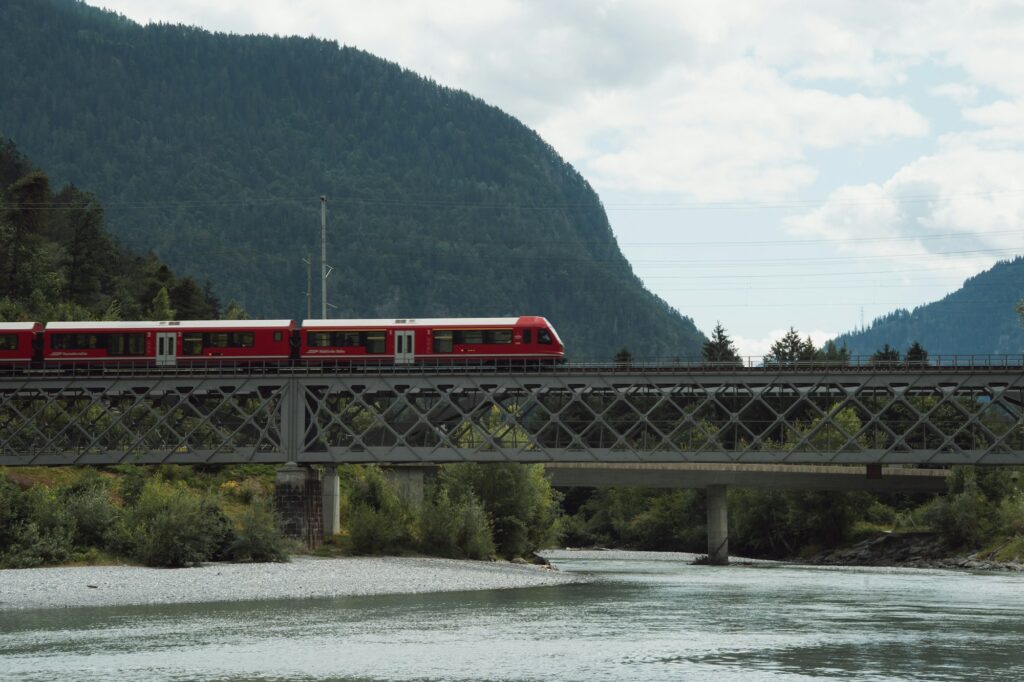
European Sleeper’s Brussels-Milan night train launches on September 9, 2026. The service crosses four countries via the historic Gotthard mountain route (not the base tunnel), taking about 17h30 overnight, with tickets from €29.99 for a seat and €49.99 for a shared couchette. The train terminates at Milano Porta Garibaldi, a short metro ride from central Milan. Book directly on europeansleeper.eu for the best fares and go early for the lowest prices.
Fall asleep in Brussels, wake up at the foot of the Italian Alps. That is the promise of the new European Sleeper night train connecting Brussels to Milan, with its maiden departure now scheduled for September 9, 2026 after a three-month delay from the originally announced June date. Crossing four countries — Belgium, Germany, Switzerland and Italy — via the historic Gotthard mountain route, this direct overnight service offers an eco-friendly and comfortable alternative to flying. Here is everything you need to know: route, fares, comfort classes, connections and booking tips.
1. The new Brussels-Milan route: September 2026
A direct night train to Northern Italy
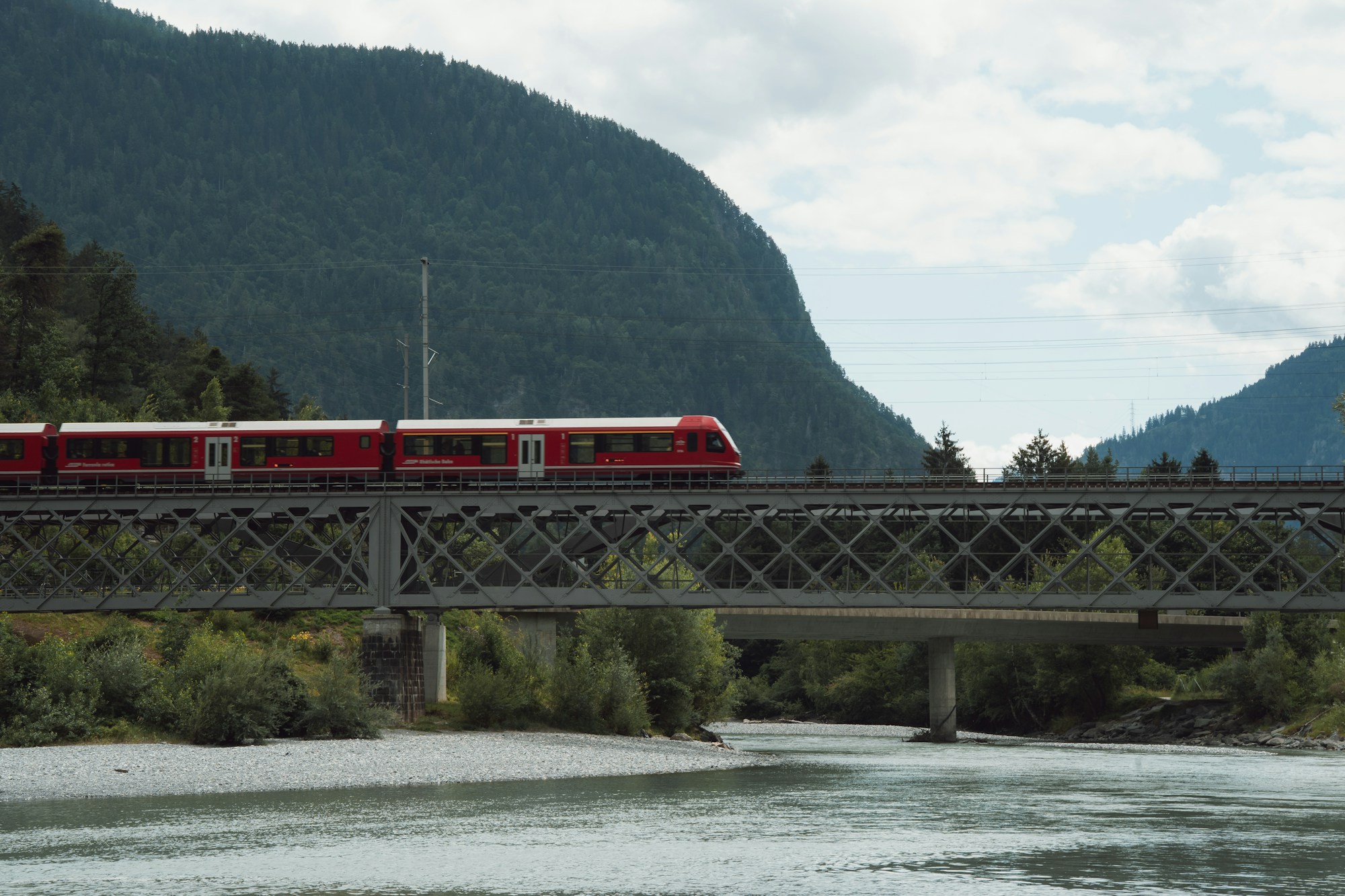
European Sleeper, the Belgian-Dutch railway cooperative, is expanding its network with a direct overnight service between Brussels and Milan. Originally announced for June 2026, the launch was postponed to September 9, 2026: summer infrastructure works in Germany and a new Swiss safety certification process (Switzerland being a new country of operation for the cooperative) pushed back the timeline, while a multi-year partial closure of the Simplon tunnel forced a change of route via the Gotthard pass instead. The first train departs from Brussels-Midi, bound for Milano Porta Garibaldi.
Departures from Brussels will run on Mondays, Thursdays and Saturdays at 5:56 PM, with arrival in Milan around 11:30 AM the following morning. The return service from Milan departs around 5:30 PM on Wednesdays, Fridays and Sundays, arriving back in Brussels around 11:10 AM.
Key dates
- December 2025: Official route announcement
- 3-5 March 2026: Launch delayed from June to September; route changed from Simplon to Gotthard
- 17 March 2026: Ticket sales open
- September 9, 2026: Service launch
2. The Gotthard route: 4 countries in one night
From Belgium to the Italian lakes
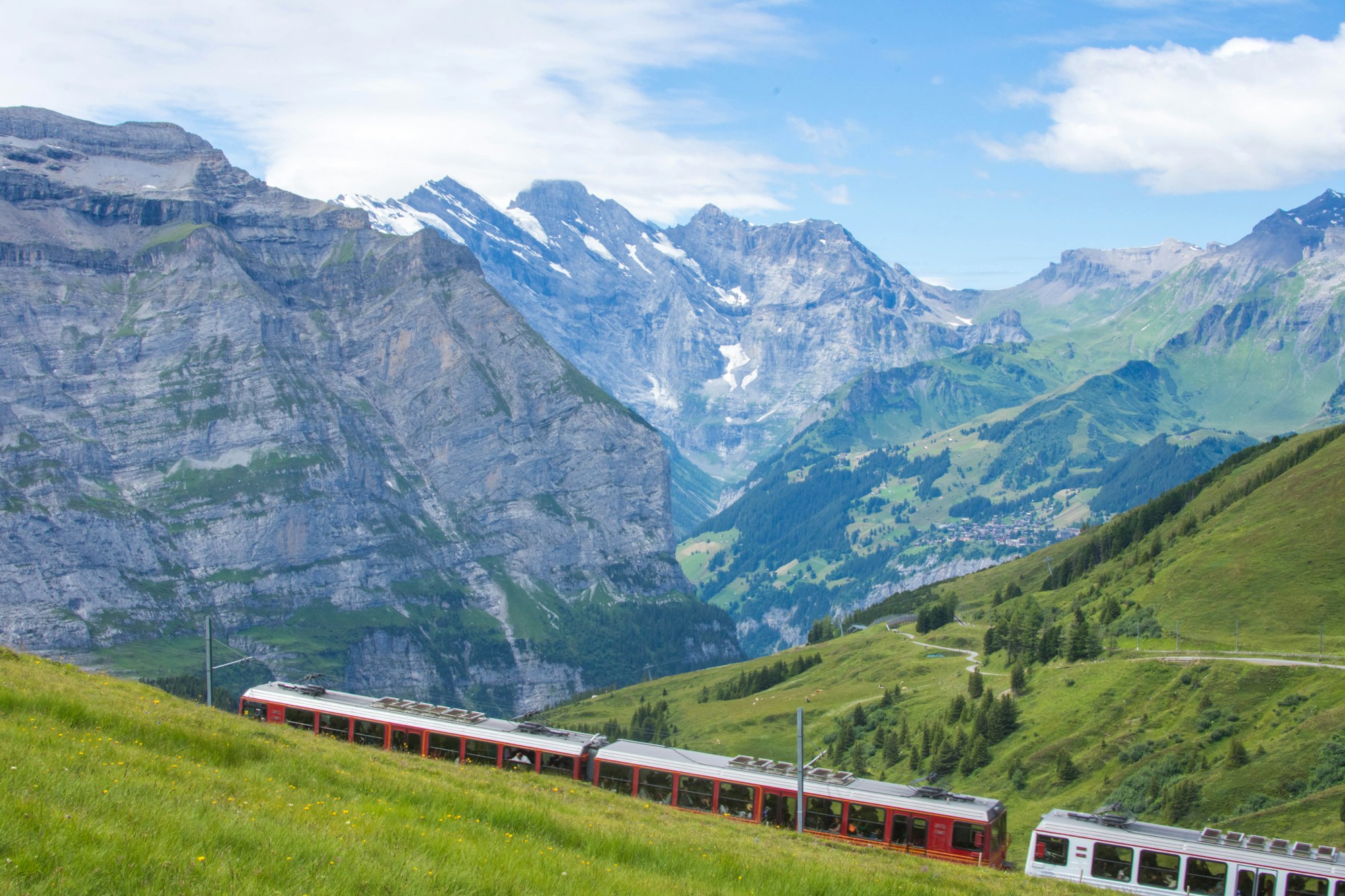
The night train follows the historic Gotthard mountain route (Gotthard Bergstrecke) rather than the modern base tunnel — a legendary Alpine crossing with spiral tunnels and viaducts. The original itinerary was planned via the Simplon pass, but a multi-year partial closure of the Simplon tunnel forced a change of route. After an evening through Belgium and Germany, the train crosses Switzerland overnight via Zurich before climbing over the Gotthard pass into Ticino and northern Italy.
Confirmed stops
| Station | Country | Estimated time |
|---|---|---|
| Brussels-Midi | Belgium | 5:56 PM (departure) |
| Liege-Guillemins | Belgium | ~7:45 PM |
| Aachen Hbf | Germany | ~9:13 PM |
| Koln Hbf (Cologne) | Germany | ~10:07 PM |
| Zurich HB | Switzerland | ~6:42 AM |
| Bellinzona, Lugano, Chiasso | Switzerland | Morning (Chiasso = Swiss-Italian border) |
| Como San Giovanni | Italy | Morning |
| Milano Porta Garibaldi | Italy | ~11:30 AM (arrival) |
One of the major highlights of this route: the crossing of the Gotthard pass itself, on the historic mountain line rather than the base tunnel. Watch for the village of Wassen, visible from three different angles as the train winds through spiral tunnels and viaducts climbing toward the summit — followed by a descent along the shores of Lake Como shortly before arrival in Milan.
3. Comfort classes and fares
4 classes for every budget
European Sleeper offers four comfort levels on its night trains, allowing everyone to travel according to their budget. Tickets for the Milan route have been on sale since March 2026, with official starting fares below — as with most night trains, prices are dynamic and rise as departure approaches and the cheapest seats sell out.
Fare table (per person, one way, prices from)
| Class | Description | Price from |
|---|---|---|
| Budget | Reclining seat | €29.99 |
| Classic | Shared couchette (5-6 person compartment), linens included | €49.99 |
| Comfort Standard | Compartment with real mattress, 1 to 3 people, breakfast optional | €99.99 |
| Comfort Plus | Traditional sleeping car, 1 to 3-person cabin, breakfast and hot drinks included | €129.99 |
What is included
- Comfort Plus: breakfast and hot drinks included; Comfort Standard: breakfast available as a paid option
- Bicycles: 26 bike spaces available for €19 (more during peak season)
- Pets: dogs and cats welcome in private compartments for a €29.99 supplement per animal
- Interrail/Eurail: passes accepted with mandatory advance reservation (supplement of roughly €52-179 depending on class)
Compartments can be booked in private mode for couples, families or groups of friends seeking more privacy. A fully private Classic compartment (up to 5-6 people) starts from around €179.99, with prices rising to €209.99-269.99 depending on demand and availability.
4. European Sleeper: the cooperative reinventing night trains
A unique model in Europe
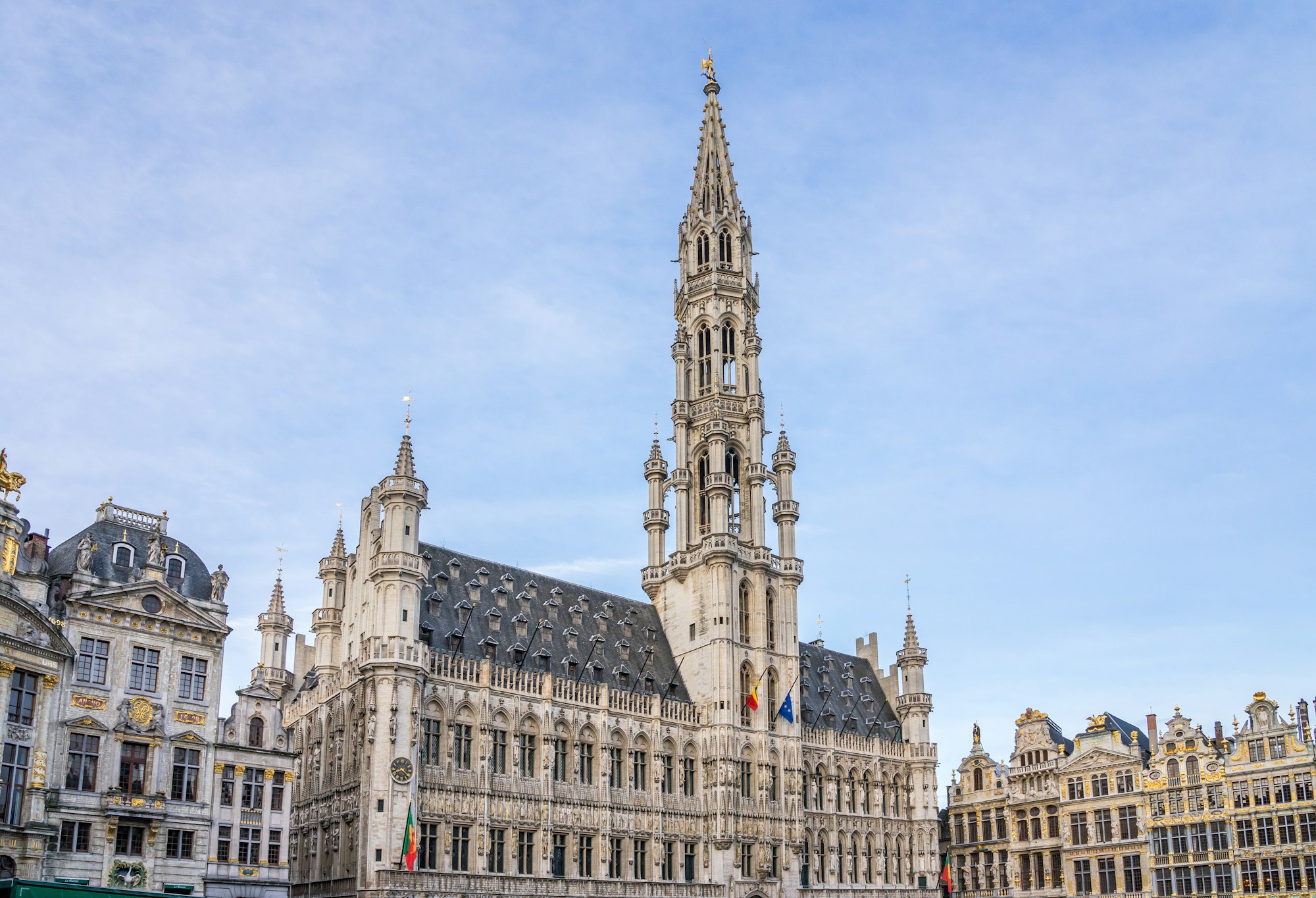
European Sleeper is no ordinary railway company. Founded in 2021 by Elmer van Buuren and Chris Engelsman, two Dutch night train enthusiasts, it is a citizen-owned cooperative. In May 2021, the company raised €500,000 in seed capital in just fifteen minutes through crowdfunding, according to Wikipedia. Today, more than €7 million has been invested by over 6,000 European citizens.
The European Sleeper network in 2026
| Route | Launch | Frequency |
|---|---|---|
| Brussels-Amsterdam-Berlin-Dresden-Prague | May 2023 | 3x/week |
| Paris-Brussels-Berlin | March 26, 2026 | 3x/week |
| Brussels-Milan | September 9, 2026 | 3x/week |
The European Sleeper network will soon connect many major European cities overnight, with efficient connections to London (via Eurostar from Brussels), Zurich, Geneva, Venice and Rome (via Italian connections from Milan). The next planned route will link Brussels to Barcelona, via Lille, Avignon, Nimes, Montpellier and Perpignan, with a likely launch in 2027 or 2028.
5. Connections from Milan: Venice, the lakes and Rome
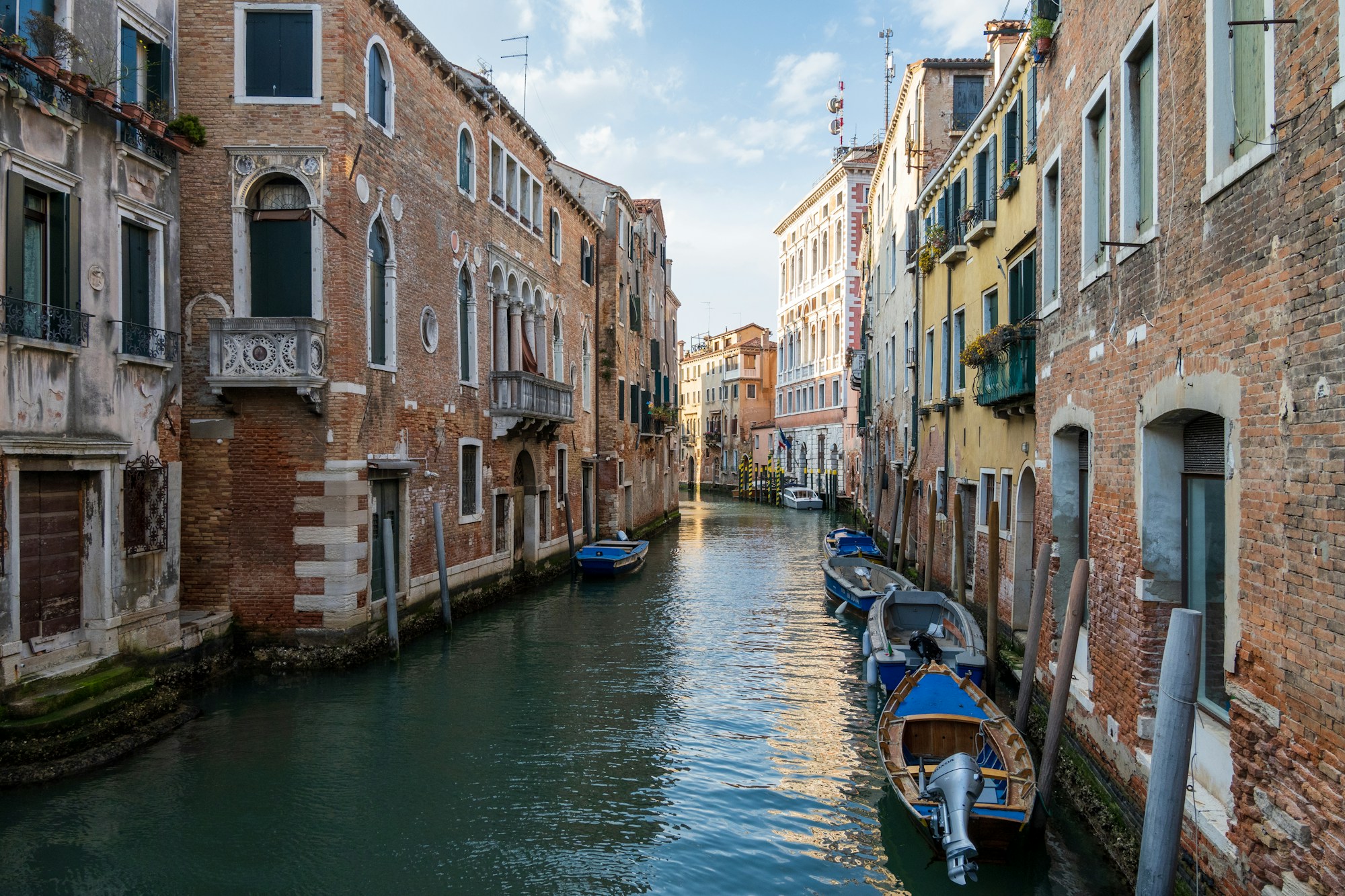
Milan, the gateway to Italy
Arriving at Milano Porta Garibaldi — a busy station right in central Milan — already puts you close to the heart of Italy. For long-distance onward connections, Milano Centrale (the country’s main railway hub) is just a few stops away by metro (lines M2 or M5). Here are the most useful onward connections for travelers arriving on the European Sleeper night train.
Fast connections from Milano Centrale (a short metro ride from Porta Garibaldi)
| Destination | Duration | Frequency | Fares from |
|---|---|---|---|
| Venice Santa Lucia | 2h12-3h10 | ~31 trains/day | €14.90 |
| Florence SMN | ~1h50 | Hourly | ~€20 |
| Rome Termini | ~3h00 | Hourly | ~€20 |
| Como (Lake Como) | ~40 min | Very frequent | ~€5 |
| Stresa (Lake Maggiore) | ~1h00 | Regional | ~€8 |
| Desenzano (Lake Garda) | ~1h10 | Frequent | ~€10 |
To reach Venice, both Italo and Trenitalia run high-speed trains throughout the day from Milano Centrale. With arrival around 11:30 AM at Porta Garibaldi and a short metro transfer, you can be at Venice Santa Lucia by the early afternoon.
Lake Maggiore (Stresa) is an easy regional connection from Milano Centrale (about 1 hour), well worth the short detour for the Borromean Islands, botanical gardens and historic villas.
6. Arriving in Milan: what to see in one day?
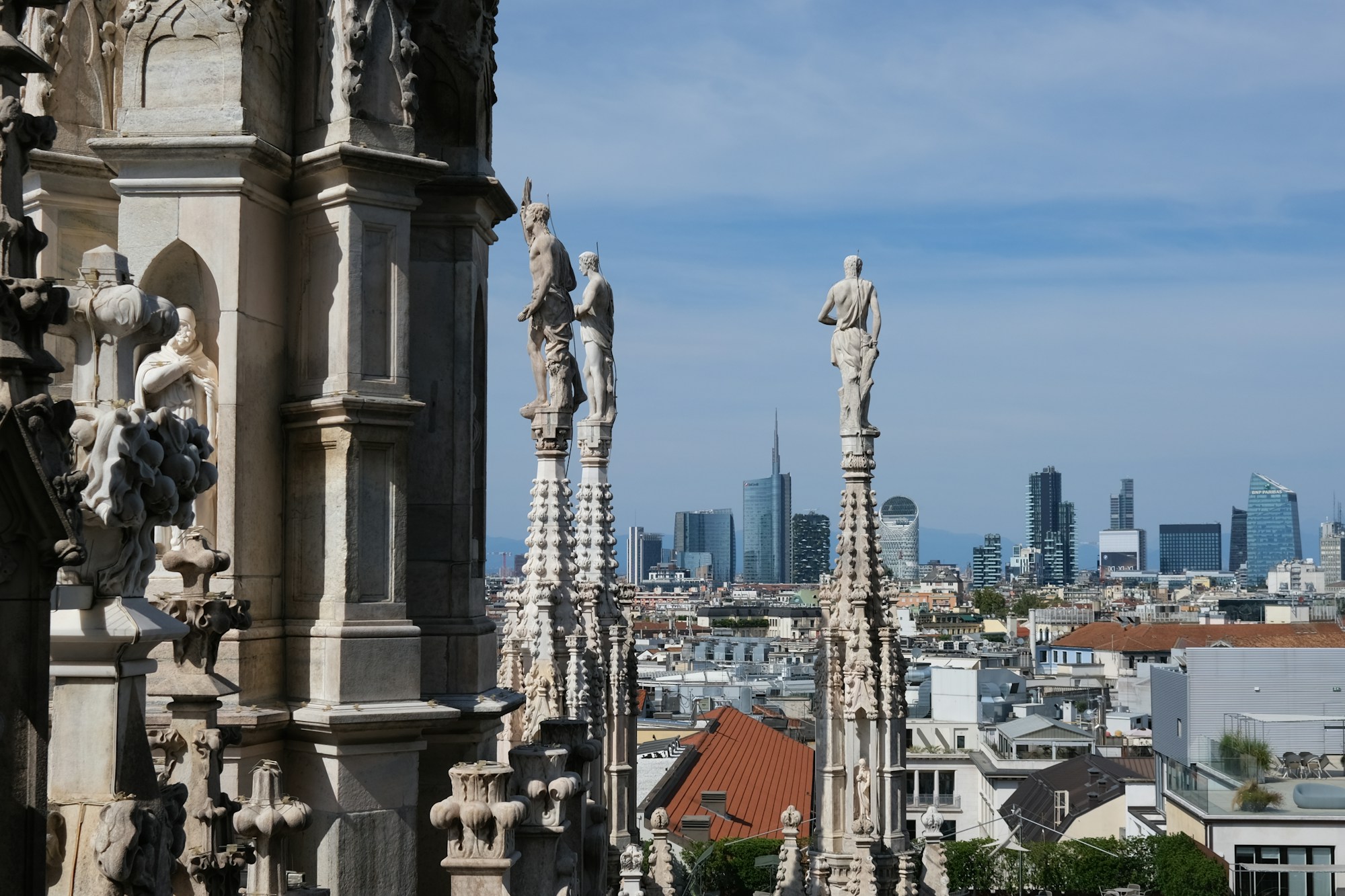
The capital of fashion and design
Milan deserves much more than just a quick stopover. If you arrive around 11:30 AM on the night train, you still have most of the day to explore the Lombard capital before continuing your journey.
Must-sees in Milan
- Duomo di Milano: Head up to the rooftop terraces for a 360-degree view of the city and the Alps
- Leonardo da Vinci’s Last Supper: Book at least 2 months in advance — it is essential
- Navigli: The canal district, perfect for an aperitivo in the late afternoon
- Galleria Vittorio Emanuele II: The world’s oldest shopping arcade
7. Stresa and Lake Maggiore: a scenic detour from Milan
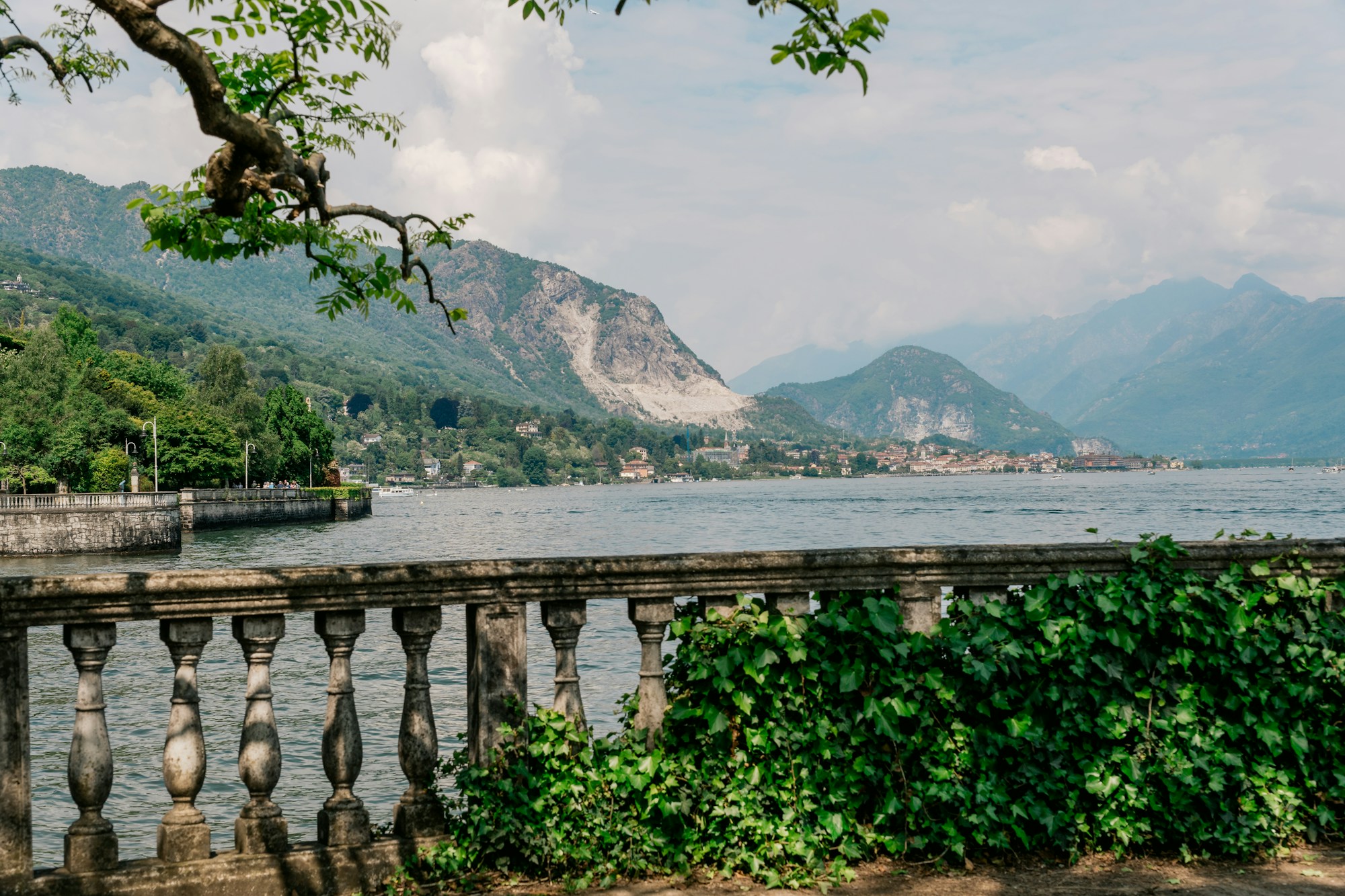
A jewel of the Italian pre-Alps
With the new Gotthard routing, the night train no longer stops directly at Stresa. Lake Maggiore remains an easy detour, though: a short regional connection from Milano Centrale (about 1 hour, from around €8) gets you to the lakeshore — still a hidden gem well worth the short trip.
Not to be missed in Stresa
- Isola Bella: Baroque palace and spectacular terraced gardens
- Isola dei Pescatori: Authentic fishing village, perfect for lunch
- Alpinia Botanical Garden: Panoramic views over the lake and the Alps
- Mottarone Cable Car: Summit at 1,491 m with views of 7 lakes
8. Night train vs alternatives: the comparison
Why choose the night train?
Several options exist for traveling from Brussels to Milan. Here is a comprehensive comparison to help you choose the mode of transport best suited to your needs.
Brussels-Milan comparison
| Criteria | ES Night Train | Via Paris (day) | Via Cologne/Switzerland | Flight |
|---|---|---|---|---|
| Duration | ~17h30 (overnight) | ~9-10h | ~10-12h | ~1h40 (flight only) |
| Connections | 0 (direct) | 1-2 + Paris station change | 2-3 | 0 + airport transfers |
| Indicative price | €30-290 | €70-200 | €80-250 | €80-300 |
| Hotel night | Saved | No | No | No |
| Estimated CO2 | ~10-20 kg | ~15-25 kg | ~15-25 kg | ~120-180 kg |
| Comfort | Bed/couchette | Seat | Seat | Narrow seat |
The strongest argument for the night train: you save a hotel night (count €80 to €150 during summer in major European cities). Even with a Classic couchette at €80, the night train remains competitive against a low-cost flight + transfers + hotel night.
For daytime travelers who prefer the route via Paris, the journey combines a Eurostar Brussels-Paris (1h22, from €29) and a Frecciarossa Paris-Milan (6h40, from €39). Note: the station change in Paris (Gare du Nord to Gare de Lyon) requires about 60 minutes.
9. Environmental impact: the night train, a low-carbon champion
Up to 10 times less CO2 than flying
On a Brussels-Milan journey (~900 km), the night train emits on average 10 to 20 kg of CO2 per passenger, compared to 120 to 180 kg by plane — a reduction of approximately 90%. According to Bon Pote, air travel emits on average 30 times more CO2 than the train over an equivalent distance.
The revival of night trains in Europe is part of a broader trend. After the decline of the 2010s when many routes were cut, several operators are relaunching overnight services: European Sleeper, OBB Nightjet, Midnight Trains (France) and Regiojet. In 2026, the European night train network has never been as extensive as it has been in the past twenty years.
10. The seasonal Brussels-Venice route: review and outlook
A full-scale testing ground
Before the Milan route, European Sleeper tested a seasonal Brussels-Venice service during the winter of 2024-2025. The inaugural journey left Brussels on February 5, 2025, with the service running roughly twice a week in February and March, covering a journey of approximately 15 hours.
The route passed through Utrecht, Cologne, Munich, Innsbruck and Verona, crossing five countries. Fares started at €99 for a shared couchette and €179 for a sleeping car berth.
Challenges encountered
The inaugural journey ran into problems with the Italian operator: the train stopped at Innsbruck instead of Venice, according to Seat61. Passengers were transferred by daytime trains at no extra cost. Subsequent March departures then ran normally all the way to Venice.
What about 2026?
The seasonal Brussels-Venice route has not been renewed for the winter of 2025-2026. European Sleeper explained that this route, crossing five countries, was too operationally complex for a small team. However, the experience gained — testing a dining car, multi-country management, partnerships with local operators — was deemed « invaluable » by the management, according to Hourrail.
The good news: with the new Milan route, Venice remains accessible. From Porta Garibaldi, take the metro to Milano Centrale and continue with a Trenitalia or Italo connection (2h12, from €14.90).
11. Practical tips for booking and traveling
Everything you need to know before booking
How to book
Book directly on europeansleeper.eu for the best fares. Tickets are also available via NS International. Interrail or Eurail pass holders can book under « Reservation Only » for a supplement of roughly €52-179 depending on class, the same rate for adults and children.
When to buy your tickets
- As soon as sales open: The lowest fares (Budget at €29.99) are available in limited quantities
- 2 to 3 months ahead: Prices remain reasonable with good availability across all classes
- Last minute: Higher fares and some classes sold out, especially in summer
Children and family information
Children under 4 travel free without their own berth. Children aged 4 to 11 benefit from a reduced fare (child tickets from around €10 during summer promotions). Groups of 4 or more travelers also get a 25% discount. For families, booking a private compartment in Classic (5-6 berths) or Comfort (up to 3 berths) is ideal.
In case of delays
European Sleeper applies the European passenger rights regulation (EU 2021/782). In case of a delay exceeding 60 minutes: 25% compensation of the ticket price. Beyond 120 minutes: 50% of the price.
Frequently Asked Questions
When does the first Brussels-Milan night train depart?
European Sleeper’s night train to Milan runs from September 9, 2026 onward — the launch was delayed three months from an originally announced June 2026 date. Once underway, the service runs 3 times per week: departures from Brussels-Midi on Mondays, Thursdays and Saturdays, and from Milan on Wednesdays, Fridays and Sundays.
Why was the Brussels-Milan night train delayed and rerouted?
The service was originally announced for June 18, 2026, then postponed to September 9, 2026. European Sleeper cited summer infrastructure works in Germany and a new Swiss safety certification process — Switzerland being a new country of operation for the cooperative — as the main reasons. At the same time, a multi-year partial closure of the historic Simplon tunnel forced a change of itinerary: the train now crosses the Alps via the historic Gotthard mountain route instead, and terminates at Milano Porta Garibaldi rather than Milano Centrale.
How much does a Brussels-Milan night train ticket cost?
Official starting fares are €29.99 for a reclining seat (Budget), €49.99 for a shared couchette (Classic), €99.99 for a Comfort Standard cabin (1 to 3 people) and €129.99 for a Comfort Plus sleeping car with breakfast included. A fully private compartment starts from around €179.99. Prices are dynamic and rise as departure approaches — book early for the best fares.
Can you still take the Brussels-Venice night train?
The seasonal Brussels-Venice route operated in February-March 2025 but has not been renewed for 2026. However, from Milan (via the new Gotthard route), you can easily reach Venice in 2h12 to 3h10 with Trenitalia or Italo from Milano Centrale, from €14.90.
Where can I buy European Sleeper night train tickets?
Tickets are sold on the official website europeansleeper.eu and via NS International. Sales for the Milan route opened on 17 March 2026 and are already available for travel dates several months out — check the website for exact availability and pricing on your preferred dates.
Can I bring a bicycle on the night train?
Yes, the European Sleeper night train has 26 bicycle spaces at €19 per trip. Additional spaces are added during peak season and for groups. Book your bike space at the same time as your ticket.
Is breakfast included on the night train?
Breakfast is included in the Comfort Plus class (hot drink, bread roll, juice, yogurt with granola and crackers). In Comfort Standard it is available as a paid option, and in Classic or Budget you can purchase it from the stewards on board.
Is the Interrail or Eurail Pass valid?
Yes, Interrail Global and Eurail Global passes are accepted on European Sleeper night trains. However, a mandatory advance reservation is required. Book online at europeansleeper.eu under « Reservation Only. » The reservation fee is fixed and the same for adults and children.
Can I travel with a pet?
Yes, dogs and cats are welcome on board European Sleeper. You simply need to book a private compartment for the journey, with a supplement of €29.99 per animal.
Sources
- European Sleeper – Night train to Milan — Official route announcement
- European Sleeper – Brussels-Milan night train — Updated schedule, route and fares
- Euronews Travel — European Sleeper’s new Brussels-Milan route delayed until September (March 2026)
- Seat61 — European Sleeper Brussels-Milan: trains and routes
- RailTech.com — European Sleeper launches Amsterdam-Milan night train (December 2025)
- PR Newswire — Community-funded European Sleeper drives night train revolution
- TimeOut — Brand-new sleeper train through the heart of Europe (December 2025)
- European Sleeper – Night train to Venice — Seasonal Brussels-Venice route
- Seat61 — European Sleeper to Venice: complete guide
- Euronews Travel — Brussels to Venice night train (August 2024)
- European Sleeper – The Train — Classes, comfort and onboard services
- LunaTrain — Night Train Milan-Brussels: info and tickets
- Wikipedia – European Sleeper — History and cooperative data
- European Sleeper – Invest — Crowdfunding investment
- Italo – Milan-Venice tickets — Fares and schedules Milan-Venice
- Trainline – Milan to Venice — Timetables and frequencies
- Bon Pote — The CO2 match: Train vs Plane
- Seat61 – Trains from Brussels — Daytime alternatives from Brussels
- Hourrail — European Sleeper: cooperative model and strategy
- NS International — European Sleeper night train
- Travel Off Path — New night train connecting 5 European countries
Research conducted on February 7, 2026. Launch date, route and fares corrected on August 17, 2026 following European Sleeper’s confirmed September 2026 schedule.
Ready to Plan Your Trip to Italy by Train?
Discover our detailed itineraries in Italy and across Europe, with handpicked accommodations, restaurants and activities. Plan your next rail journey from Brussels or Milan.
Explore all itineraries