
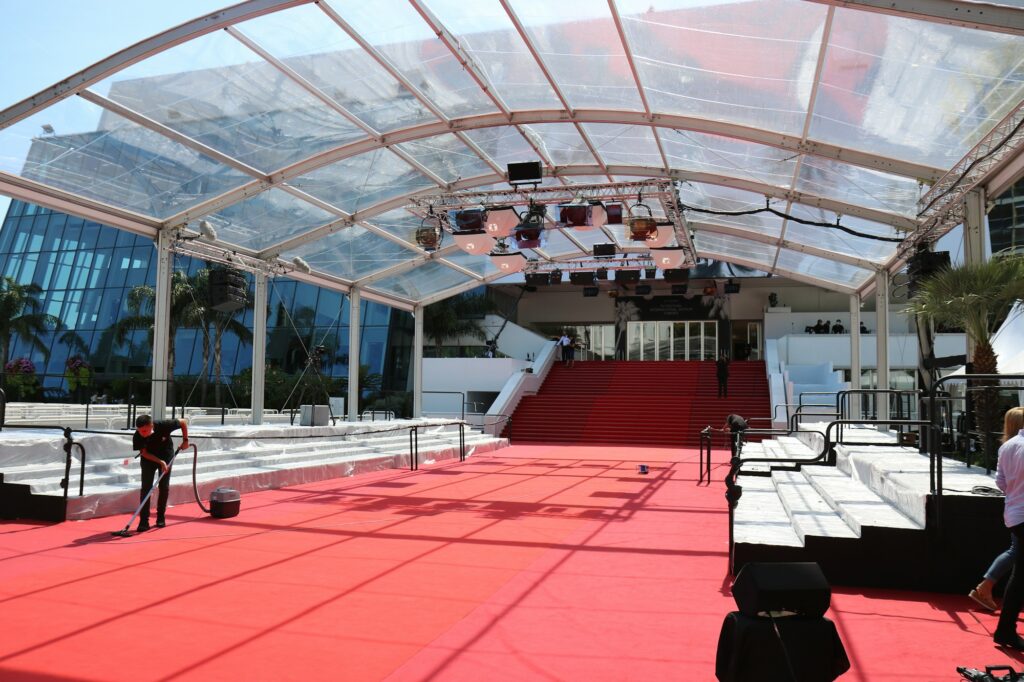
The 79th Cannes Film Festival (12–23 May 2026) showcases 22 films in Competition from 13 countries — each one a window onto a remarkable travel destination. Three Japanese films directed by Hamaguchi, Kore-eda and Fukada put Okayama, Kyoto and Tokyo firmly on the 2026 travel map at compelling prices (weak yen, -30 to -40% for Europeans). Norway’s Fjord (Mungiu) draws attention to fjords in the midst of a tourism boom, while South Korea’s Hope (Na Hong-jin) rides a record wave of visitor numbers (+23% in Q1 2026). For smart post-Cannes travel, Japan’s rural heartland and Riga (Latvia) stand out as high-potential cinephile destinations that remain genuinely affordable.
Every Cannes Film Festival quietly draws a map of the world waiting to be explored. The 2026 edition, presided over by South Korean director Park Chan-wook, takes that tradition further than ever — from the fjords of Norway to the farmlands of Okayama, from the Korean DMZ to the medinas of Morocco and the Art Nouveau streets of Riga. Six destinations stand out in particular for travellers ready to let cinema be their guide.
Academic studies cited by Wikipedia’s Film Tourism article show that a single film can increase tourism to a location by an average of 31% — and by as much as 300% in the most dramatic cases. « Set-jetting » is now the number-one source of travel inspiration for 50% of travellers worldwide. Cannes 2026, with its 2,541 feature films selected from 141 countries, offers an exceptionally varied catalogue of destinations.
Can’t make it to the festival itself? Find out how to make the most of Cannes from the inside:
Enjoying the festival without a press badge →1. Japan — Okayama, Kyoto, Tokyo: Cannes 2026’s Japanese triptych
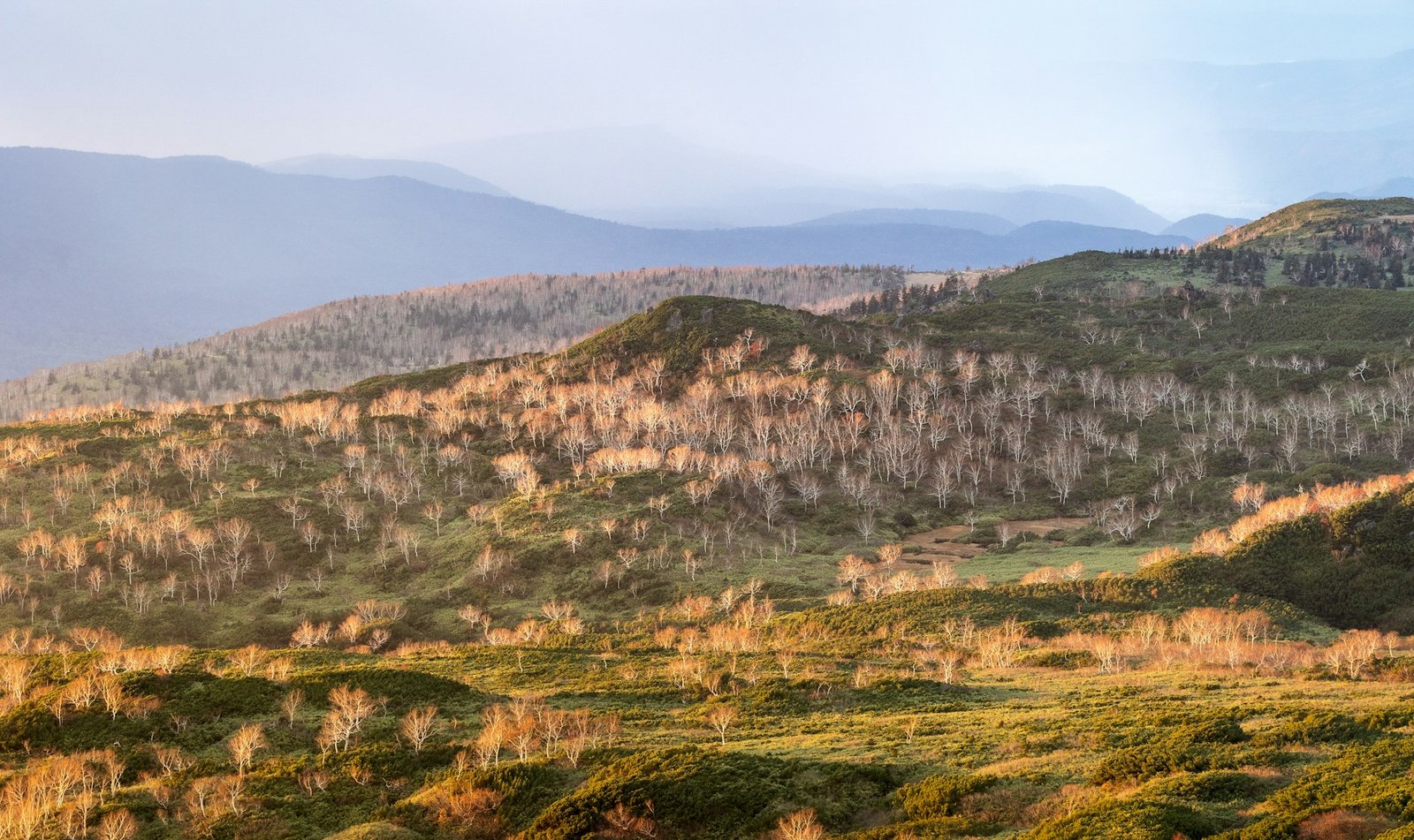
Three films, three faces of Japan
It hasn’t happened since 2001: three Japanese directors are simultaneously in Official Competition. Ryusuke Hamaguchi (All of a Sudden) films in Paris and Kyoto, exploring end-of-life themes through a French lens; Hirokazu Kore-eda (Sheep in the Box) plunges into a futuristic Tokyo where family tradition collides with artificial intelligence; Koji Fukada (Nagi Notes) reveals the rural town of Nagi in Okayama Prefecture, inspired by the Nagi Museum of Contemporary Art. Designed by Arata Isozaki and reachable from Okayama city in 90 minutes by car (entry: ¥700), it is, according to JNTO Okayama, one of Japan’s most singular collection architectures. Japan is also the Country of Honour at the 2026 Marché du Film, according to marchedufilm.com.
For British travellers, the weak yen in 2026 delivers an effective 30–40% reduction in costs compared to 2019, according to Simbye. Flights from London Heathrow to Tokyo start from around £400–550 return (British Airways, JAL, ANA), with budget options from Gatwick from £421 via indirect routes according to Skyscanner. A 7-day JR Pass costs £240, and daily budgets run £55–115 in economy mode. Note: a new airport departure tax of ¥3,000 (approx. £16) per passenger takes effect in July 2026, according to Euronews Travel.
Highlights
- Nagi MOCA (Okayama) — Isozaki architecture, virtually unknown to Western tourists
- Weak yen: -30 to -40% real cost reduction compared to 2019 for European travellers
- Visa-free for UK and EU citizens (90 days) — simple process
- Okayama reachable by Shinkansen from Osaka (1 hr) or Kyoto (45 min)
2. Norway — The fjords of Fjord (Cristian Mungiu)
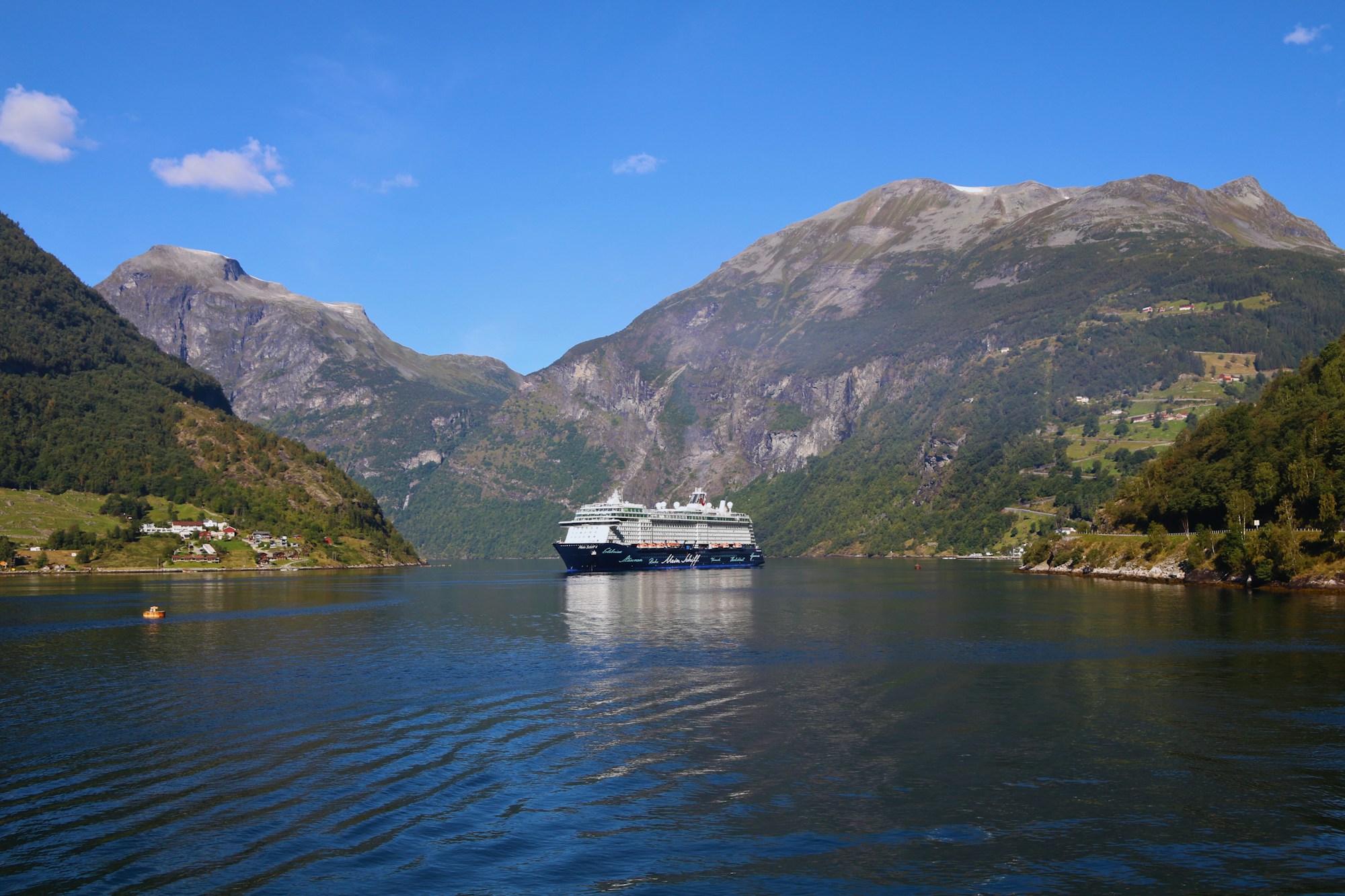
Norway’s fjords: beauty under pressure
Romanian director Cristian Mungiu (Palme d’Or for 4 Months, 3 Weeks and 2 Days) shot Fjord « in extraordinary locations », as he put it, with Sebastian Stan and Norwegian actress Renate Reinsve. The film follows a Romanian-Norwegian family in a hamlet on the edge of a fjord. In 2026, Norway’s fjords welcome 6.5 million tourists annually and are facing unprecedented pressure, according to Travel and Tour World. Norwegian authorities have introduced visitor quotas at several sites, notably Geirangerfjord (UNESCO) and the Preikestolen hike.
Norway is not cheap — budget £100–170 per day — but the train and ferry network means you can travel without a car. Flights from London to Oslo start from around £58 return (British Airways from Heathrow; Norwegian and Ryanair from Gatwick/Stansted), according to Cheapflights. The Sognefjord (the world’s longest fjord) and Lysefjord (Preikestolen) are accessible from Bergen or Stavanger.
Highlights
- Geirangerfjord and Nærøyfjord, both UNESCO World Heritage Sites
- Midnight sun from May to July — an unforgettable natural phenomenon
- Renowned rail network (Flåmsbana, Bergen Railway)
- Tourist quotas now in place: book early to avoid disappointment
3. South Korea — Seoul and the DMZ in Hope (Na Hong-jin)
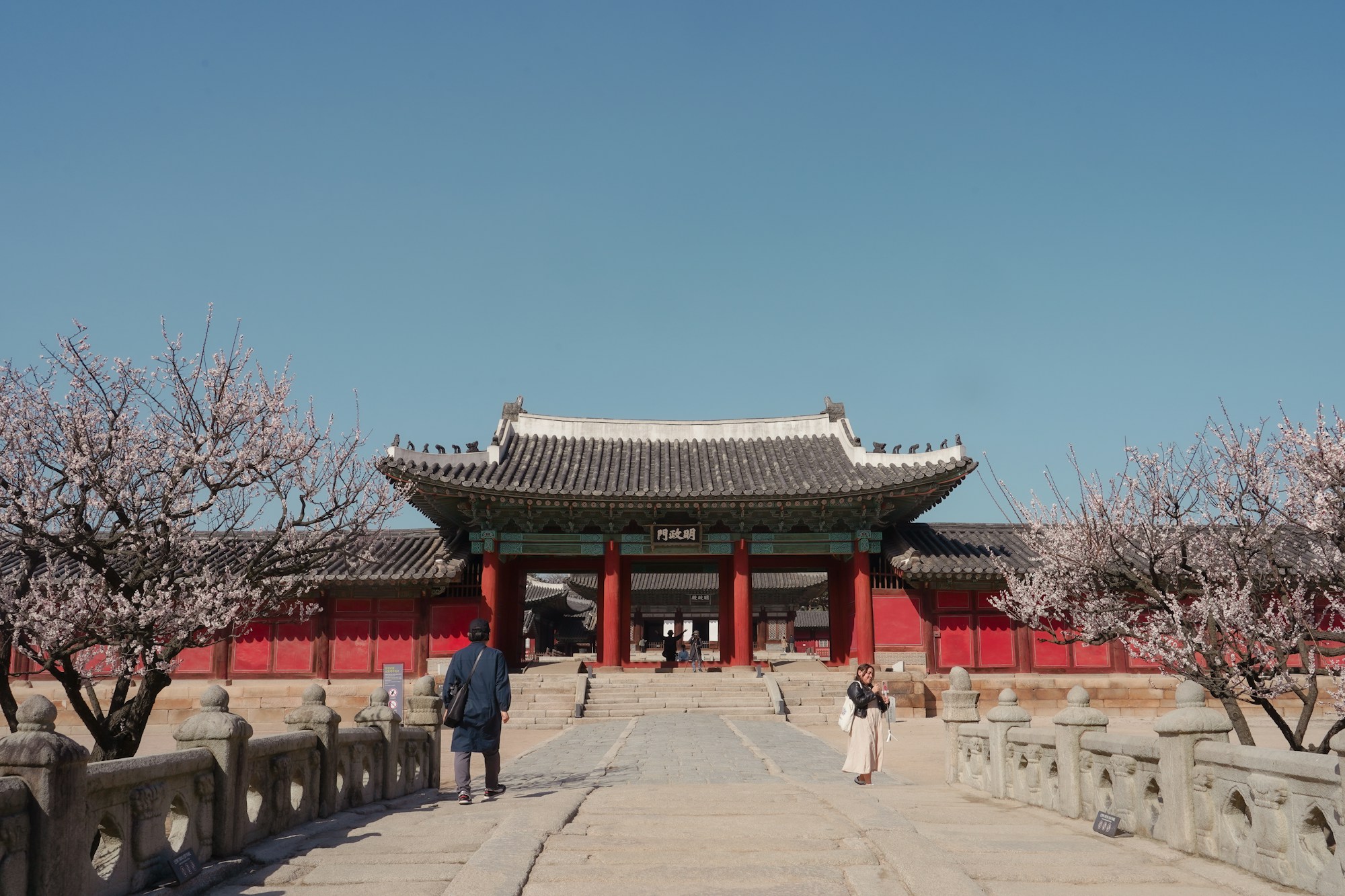
South Korea in the midst of a tourism boom
Hope, the new film from Na Hong-jin (The Wailing), is the highest-budget Korean film ever made: over $33 million. It unfolds in a fictitious village near the Demilitarised Zone (DMZ), the militarised border separating the two Koreas since 1953. Little-known among tourists, this frontier is in fact safely explorable: DMZ tours from Seoul are led by official guides and cost £34–46, according to Korea Insider.
In 2026, South Korea recorded 4.76 million foreign visitors in the first quarter alone — up 23% on 2025, according to Travel and Tour World. The food scene is remarkably affordable: under £8 for a local meal in Seoul. Note: the K-ETA (online electronic travel authorisation, $5) is required for UK and EU travellers since 2021. Flights from London Heathrow to Seoul start from around £326 return, according to Skyscanner.
Highlights
- DMZ tour from Seoul: £34–46, the world’s most heavily guarded border — safely visited
- Some of the most affordable food in Asia (under £8/meal)
- Bukchon Hanok Village, Gyeongbokgung, Hongdae district — exceptional cultural variety
- Seoul’s ultra-efficient metro: rechargeable T-Money Card, full city coverage
4. Morocco and Andalusia — Strawberries and Almodóvar’s Spain
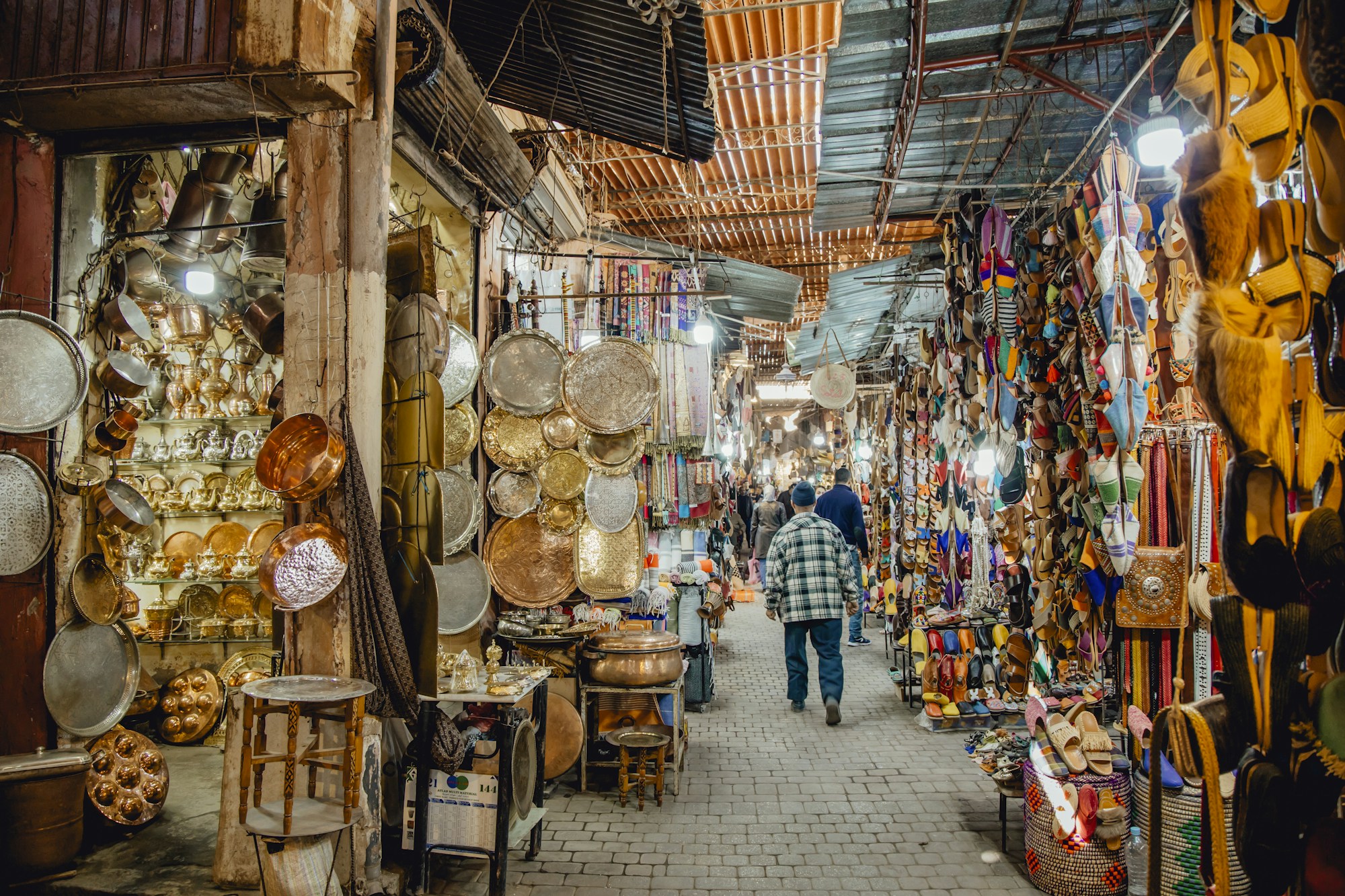
Morocco: 17.5 million tourists expected in 2026
Two films in the 2026 Selection weave together Morocco and Spain: Strawberries / La Más Dulce by Laïla Marrakchi (Un Certain Regard) documents the lives of the 14,000–19,000 Moroccan women who harvest strawberries in Huelva each year, and Amarga Navidad by Pedro Almodóvar (Competition, with Penélope Cruz and Antonio Banderas) sets its family story in Spain. Morocco itself is breaking tourism records: +7% in Q1 2026 and 17.5 million visitors expected for the full year, according to Morocco World News.
UK citizens can visit Morocco visa-free for up to 90 days. Flights from London Gatwick to Marrakech start from around £36 return (easyJet, Ryanair), according to Skyscanner. Andalusia is ideally explored on a circuit: Seville → Huelva (Doñana National Park, La Rábida Monastery) → Granada (Alhambra) → Madrid. Budget: Spain £50–85/day, Morocco £34–68/day.
Highlights
- Morocco: varied destinations — Marrakech, Essaouira, Ouarzazate (location for Hollywood blockbusters)
- Huelva (Andalusia): Doñana UNESCO National Park, unspoilt beaches, Romería del Rocío
- LGBTQ+-friendly Spain: Granada, Madrid (Chueca), Barcelona — among Europe’s most inclusive cities
- Almodóvar itineraries via Spain.info: official routes through La Mancha and Almería
5. Riga (Latvia) — Zvyagintsev’s Russia, filmed in exile
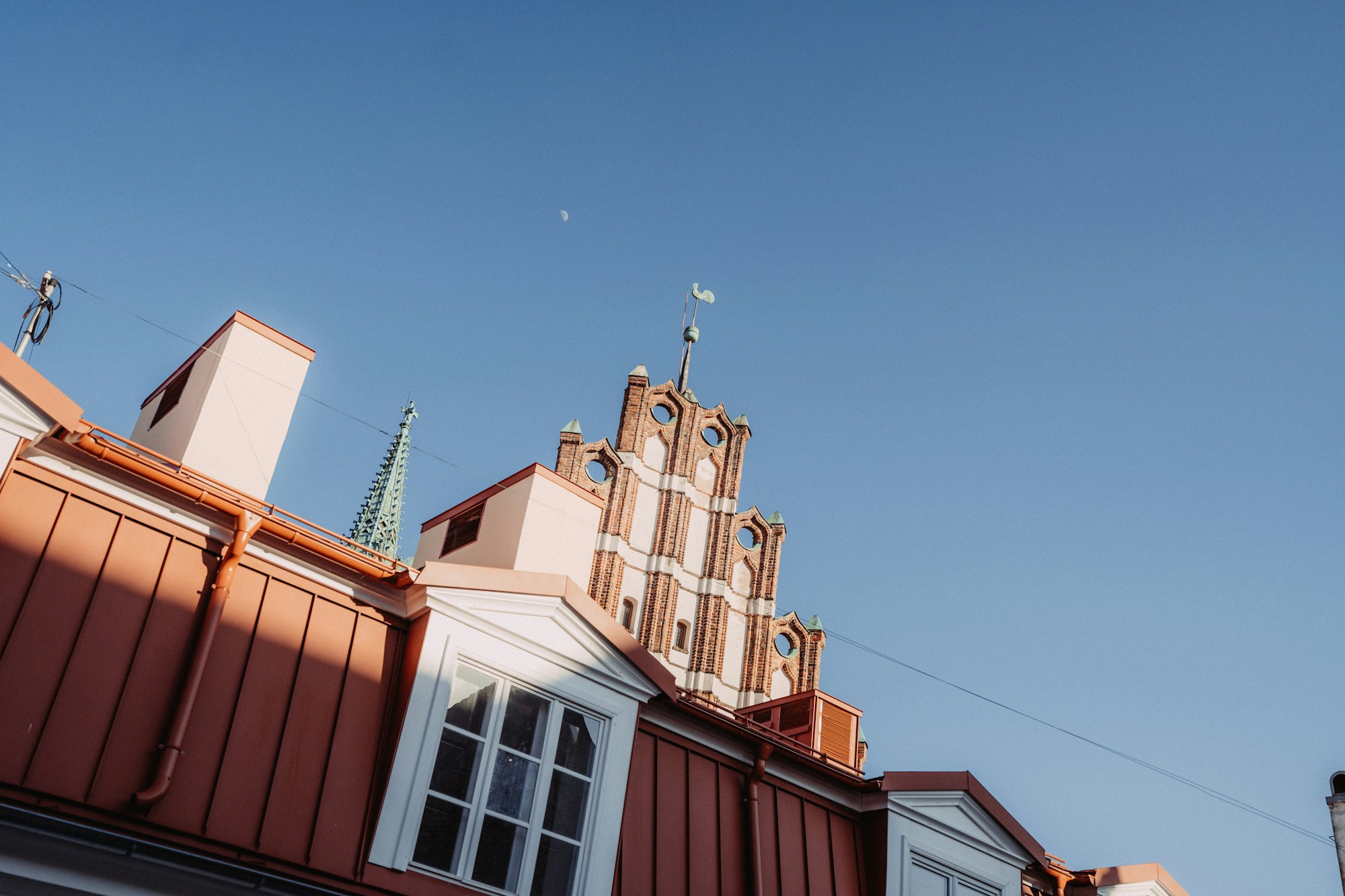
Riga: 800 listed Art Nouveau buildings
Russian director Andrey Zvyagintsev, in exile in Paris since 2022, shot Minotaur in Riga in September 2025. The film is a political fable about Russia in 2022, filmed in Latvia because he can no longer return home. This situation — a dissident director fleeing the Kremlin — makes Riga a fascinating alternative to Moscow for anyone wishing to experience Slavic culture without the risks of travelling to Russia. The Latvian capital boasts 800 listed Art Nouveau buildings, according to Cineuropa, making it unique in Central Europe.
Riga is also the backdrop for Ulya (Un Certain Regard), a portrait of legendary Latvian basketball player Uļjana Semjonova. Flights from London to Riga start from around £33 return (Ryanair, airBaltic, Wizz Air), according to momondo. Daily budget: £60–100, among the most accessible of any European capital.
Highlights
- 800 Art Nouveau facades — the largest concentration in Europe outside Barcelona
- Riga’s Old Town is a UNESCO World Heritage Site
- Community of Old Believers at Lake Lubāns — a rare ethnographic encounter
- Gateway to Tallinn (Estonia) and Vilnius (Lithuania) by train or bus
6. Nepal — Elephants in the Fog, the great unknown
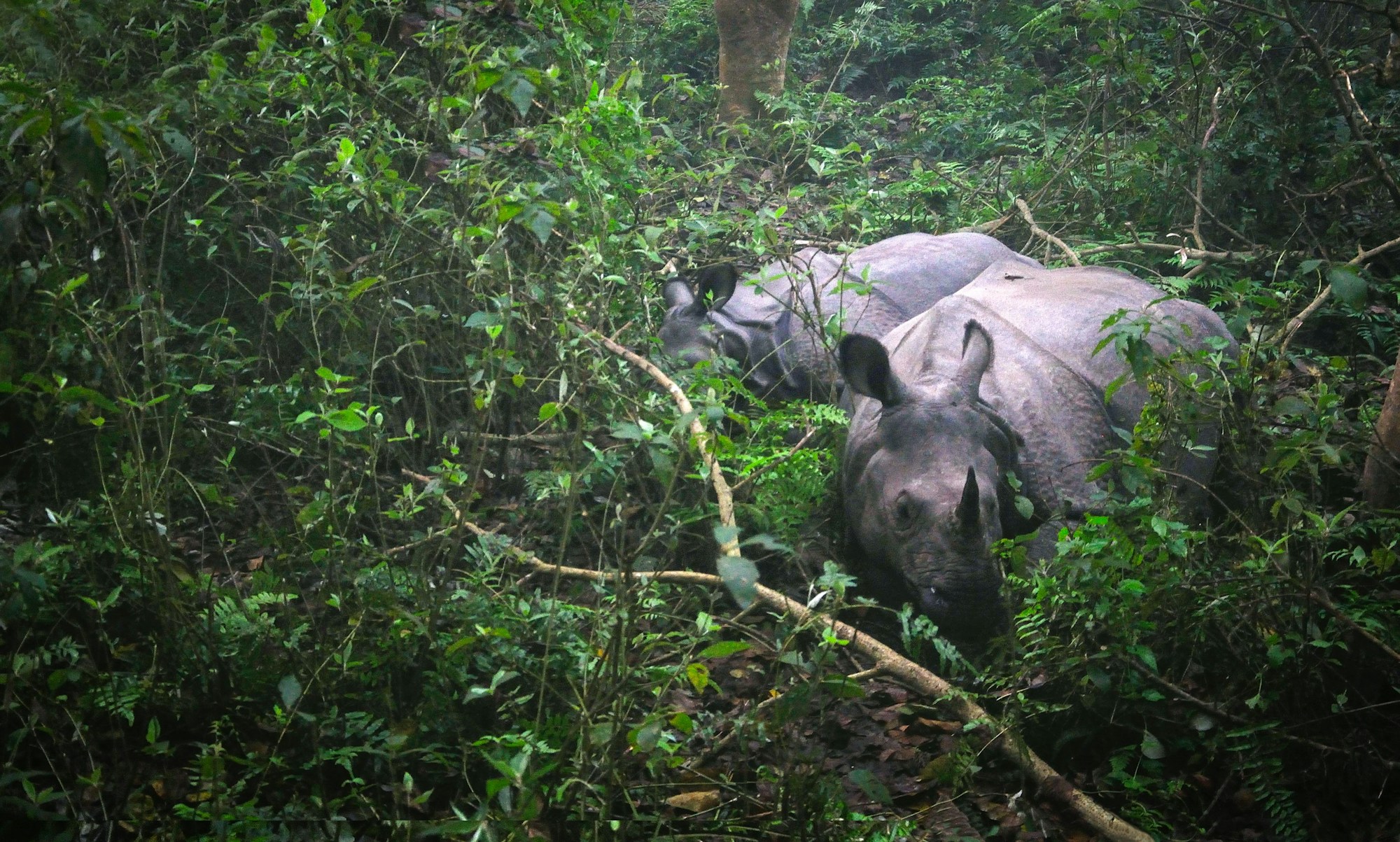
The first Nepalese film ever selected at Cannes
Elephants in the Fog by Abinash Bikram Shah is the first Nepalese film ever selected in Un Certain Regard. It follows Pirati, matriarch of a Kinnar community in a Terai forest populated by wild elephants. The selection was hailed as « a moment of national pride » by the CEO of the Nepal Tourism Board, according to Tourism Info Nepal. The film opens up a Nepal beyond classic trekking routes: the Terai forests, local communities and lowland national parks (Chitwan, Bardia).
Nepal remains one of the world’s most affordable destinations (£13–42/day on a budget). Flights from London Heathrow to Kathmandu start from around £326 return via multiple hubs (Doha, Dubai, Delhi), according to momondo. Visa on arrival: $30 for 15 days, $50 for 30 days. According to Nepal Royal Treks, entry conditions are unchanged in 2026.
Highlights
- Annapurna or Everest Base Camp trekking — among the most spectacular in the world
- Terai forests (Chitwan, Bardia) — elephant safaris and one-horned rhinos
- Affordable budget: South Asia’s cheapest country for European travellers
- Visa on arrival ($30–50) — no advance paperwork required for UK citizens
Summary: 6 destinations — which film, which budget?
| Destination | Cannes 2026 film | Section | Return flight from London | Daily budget | Best season |
|---|---|---|---|---|---|
| Japan (Okayama/Kyoto/Tokyo) | Nagi Notes, All of a Sudden, Sheep in the Box | Competition | £400–550 | £55–195 | May (after Golden Week) or Oct |
| Norway (fjords) | Fjord (Mungiu) | Competition | From £58 | £100–170 | May–Sept |
| South Korea (Seoul, DMZ) | Hope (Na Hong-jin) | Competition | From £326 | £67–127 | Spring and autumn |
| Morocco + Andalusia | Strawberries, Amarga Navidad | UCR + Competition | From £36 (Morocco) / £50 (Spain) | £34–85 | Mar–May, Sept–Nov |
| Riga (Latvia) | Minotaur (Zvyagintsev), Ulya | Competition + UCR | From £33 | £60–100 | May–Sept |
| Nepal | Elephants in the Fog | Un Certain Regard | From £326 | £13–76 | Oct–Nov, Mar–Apr |
Things to do in Cannes during the Festival
If you’re in Cannes from 12 to 23 May 2026, there is plenty to do beyond the screenings. La Croisette, Old Cannes (Le Suquet) and the Lérins Islands (Sainte-Marguerite, Saint-Honorat) offer a welcome escape from the festival bustle. For something more original, a Provencal sailing picnic ranks among the most highly rated local experiences:
To prepare your Cannes visit without a professional badge, find all our practical tips here:
Cannes 2026 without a press badge: the complete guide →Practical information for travelling after Cannes 2026
Cover your set-jetting destinations: Japan (7 days / 3 GB from €4.50), South Korea (7 days / 3 GB from €3.50), Morocco (7 days / 1 GB from €4). Instant activation, no physical SIM swap needed.
From €3.50 / 7 daysEssential for Nepal (high-altitude trekking, evacuation), South Korea and Japan. Nomad Insurance: global coverage from $56/4 weeks. 10% off via our link.
From $56 / 4 weeksFrequently asked questions
Which films in the Cannes 2026 Official Selection highlight the most original travel destinations?
Elephants in the Fog (Nepal, Un Certain Regard) and Nagi Notes by Koji Fukada (Okayama, Japan, Competition) are the two most unusual and accessible destinations uncovered by Cannes 2026. Nepal remains one of Asia’s cheapest destinations (from £13/day) while Okayama and the Nagi MOCA are virtually unknown to Western tourists, according to JNTO Okayama.
Do Cannes films genuinely influence tourism to the destinations they feature?
Yes, and it’s well documented. Academic research shows that a single film can increase tourist arrivals at a destination by an average of 31%, and by as much as 300% in some cases — Harry Potter at Alnwick Castle (+120%), The Lord of the Rings in New Zealand (+40%). In 2026, more than 50% of travellers say films and TV series inspire their destination choices, according to Film Tourism on Wikipedia. « Set-jetting » is now the top source of travel inspiration worldwide.
What are the exact dates of the 79th Cannes Film Festival 2026?
The 79th Cannes Film Festival runs from 12 to 23 May 2026 at the Palais des Festivals et des Congrès in Cannes. The opening film is The Electric Kiss by Pierre Salvadori, presented Out of Competition. The jury is presided over by South Korean director Park Chan-wook, according to the official Cannes Film Festival website.
Can British travellers visit all the countries featured in the Cannes 2026 Competition?
Almost all of the countries represented are open to British tourists. Three notable exceptions: Russia (diplomatic sanctions since 2022, flights suspended, strongly advised against by the FCDO), the Lebanon — Bekaa Valley (FCDO advises against all travel) and the Central African Republic (active conflict zone). The remaining 19 or so destinations in the official selection are accessible and safe for British travellers.
What is the best time of year to visit Japan, inspired by the Cannes 2026 films?
May (after Golden Week, 29 April–5 May) or September–October are the best periods: pleasant weather and smaller crowds. In 2026, the weak yen makes Japan particularly accessible for British travellers — an effective 30–40% cost reduction compared to 2022 levels. Note: a new airport departure tax of ¥3,000 (approx. £16) takes effect in July 2026, according to Euronews.
Why are two major directors in the Cannes 2026 Official Selection working in exile?
Two major Competition directors in 2026 are working in exile. Andrey Zvyagintsev (Minotaur) has been based in Paris since 2022: he left Russia following the invasion of Ukraine and shot his film in Latvia. Asghar Farhadi (Parallel Tales) lives in Paris and can no longer shoot in Iran without risking imprisonment, according to Wikipedia. These situations show how world cinema documents geopolitical realities that ordinary tourism cannot access.
Which film in the Cannes 2026 Official Selection involves the most international co-productions?
Fjord by Cristian Mungiu is the most international film in the 2026 Competition, with six co-producing countries: Romania, Norway, Sweden, Denmark, Finland and France. Nagi Notes by Koji Fukada (Japan, Singapore, Philippines, France) is close behind. This diversity of co-productions reflects a major trend in world auteur cinema, where cross-border financing allows challenging films to reach Cannes from territories with limited resources, according to Wikipedia.
Sources
- festival-cannes.com — Full 2026 Official Selection
- Wikipedia EN — 2026 Cannes Film Festival — Selection data and history
- marchedufilm.com — Japan, Country of Honour at the 2026 Marché du Film
- JNTO Okayama — Nagi Museum of Contemporary Art
- Simbye — Japan travel costs 2026
- Euronews Travel — Japan airport taxes 2026
- Skyscanner — London Gatwick to Tokyo flights
- Cheapflights — London Heathrow to Oslo flights
- Skyscanner — London Heathrow to Seoul flights
- Skyscanner — London Gatwick to Marrakech flights
- momondo — London to Riga flights
- momondo — London to Kathmandu flights
- Travel and Tour World — Norway tourism boom 2026
- Travel and Tour World — South Korea tourism record 2026
- Korea Insider — DMZ tour guide from Seoul
- Morocco World News — Morocco tourism Q1 2026
- Cineuropa — Ulya (Latvia) at Cannes 2026
- Tourism Info Nepal — Elephants in the Fog: first Nepalese film at Cannes
- Film Tourism — Wikipedia — Impact of films on destination tourism
Research conducted on 7 May 2026. Prices and travel conditions are indicative and subject to change.
Ready to travel like a cinephile?
The Cannes 2026 Official Selection draws an exceptional world map — from rural Japan to Norway’s fjords, from Riga to Kathmandu. Explore our tailored itineraries for each of these destinations.
Explore our itineraries