
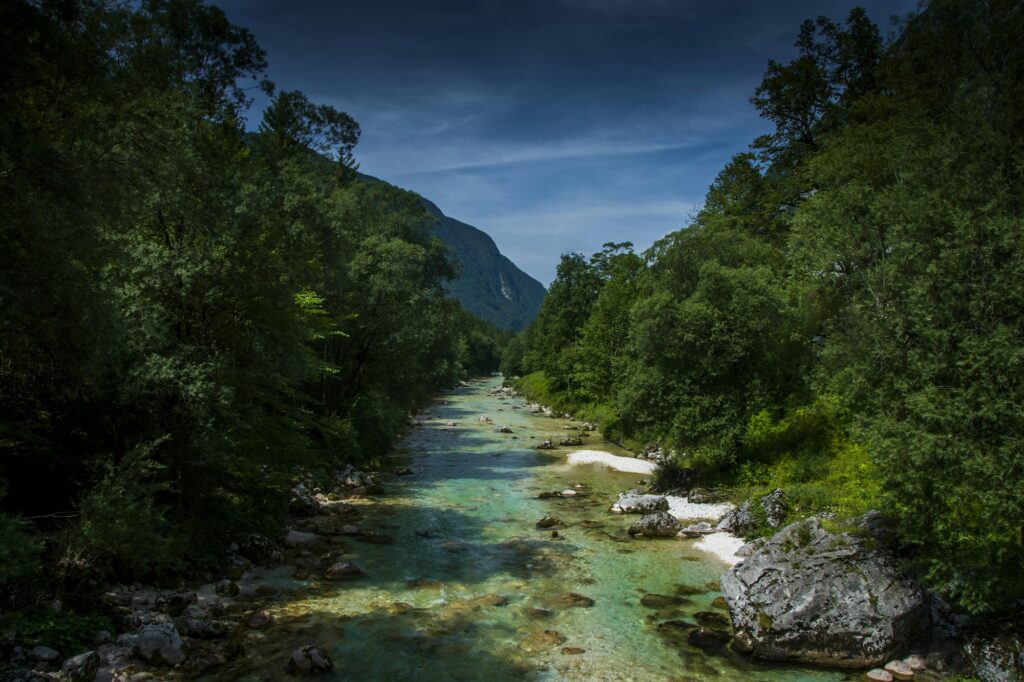
In 2026, canyoning in Slovenia centers on the Soča Valley around Bovec. The Sušec gorge, 2 km from town, is the first canyon recommended for beginners, with a guided outing of about three hours. For via ferrata, Mount Krn (2,244 m, grade 3-B/C, 8 to 9 hours) is one of the region’s high-mountain routes.
Between the emerald waters of the Soča River and the limestone cliffs of the Velebit Mountains, an extraordinary adventure trip awaits. Slovenia and Croatia share a well-kept secret: their wild gorges, vertical waterfalls, and via ferratas suspended above the void deliver thrills that overcrowded Alpine hotspots can no longer offer. In 2026, these two Western Balkan countries have firmly established themselves as the go-to destination for canyoning and assisted climbing — with certified operators, reasonable prices, and breathtaking untouched nature. From 48-metre abseils through Triglav’s forests to the abyss of the Zrmanja canyon, here are the secret gorges you need to descend at least once.
1. Sušec Gorge — The Perfect Introduction to Canyoning in Bovec
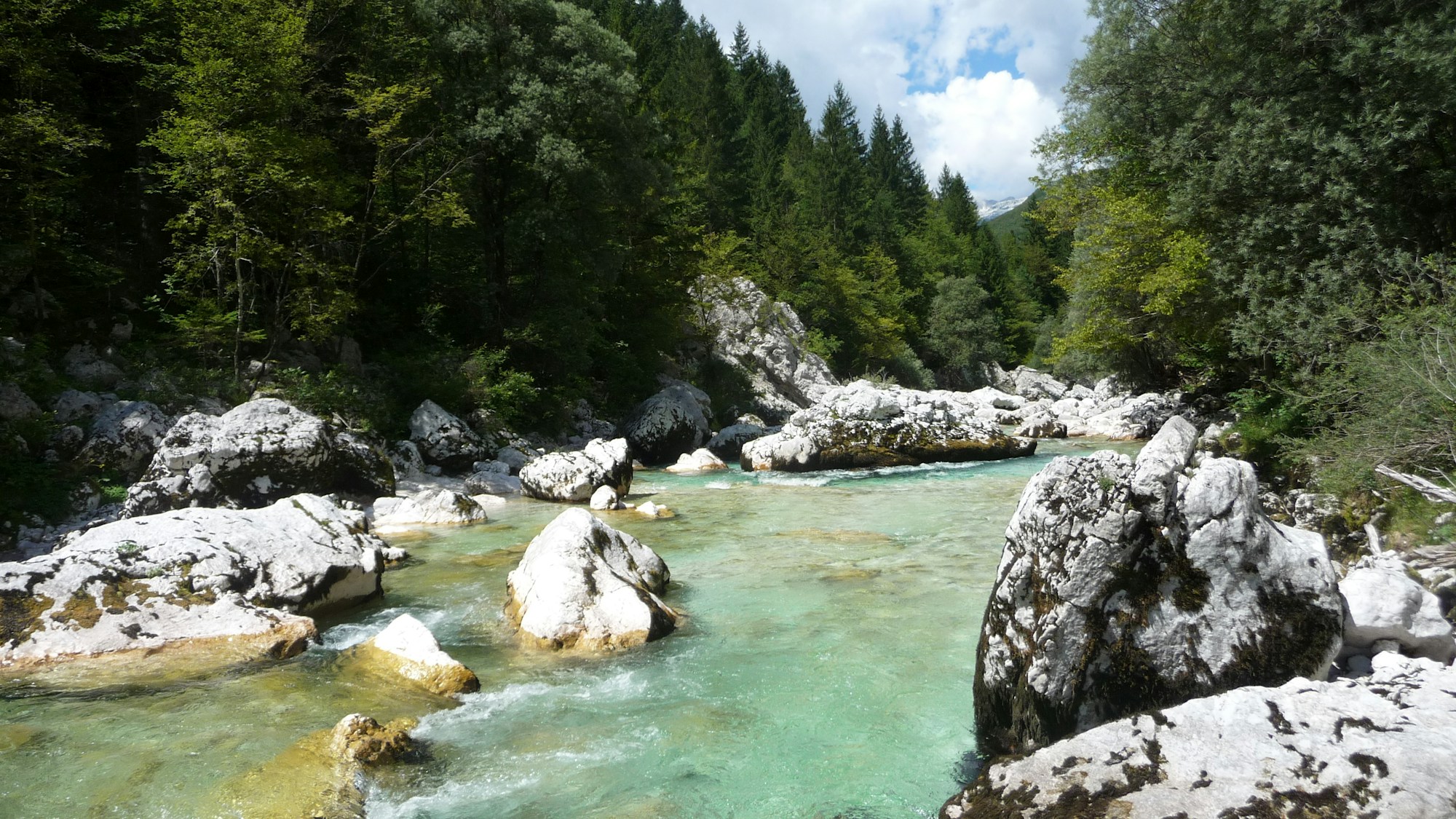
Sušec Gorge, Bovec, Soča Valley (Slovenia)
Just 2 km from Bovec, Sušec Gorge is the most popular beginner canyon in the Soča Valley. According to Top.si, the difficulty builds naturally through polished rock chutes and waist-deep pools: jumps start small and progress to a 6-metre leap and a roped descent down a 10-metre waterfall. A reassuring detail for first-timers: if you reach your limits along the way, a marked trail allows you to exit the canyon safely and return to the starting point.
The Soča River itself steals the show. Its otherworldly turquoise-green colour — a result of the mineral composition of Jurassic limestone in the Julian Alps — places it among the most beautiful rivers in Europe. According to Manawa, the full experience lasts around three hours, including the approach hike and return.
Highlights
- Suitable from age 10 with no prior experience required
- Water at 10–14°C — wetsuit provided
- 3 daily departures (8:30 am, 12:30 pm, 4:00 pm) from April to late September
- Exit route available mid-canyon if needed
2. Fratarica & Predelica Gorges — Triglav National Park’s Secret Canyons
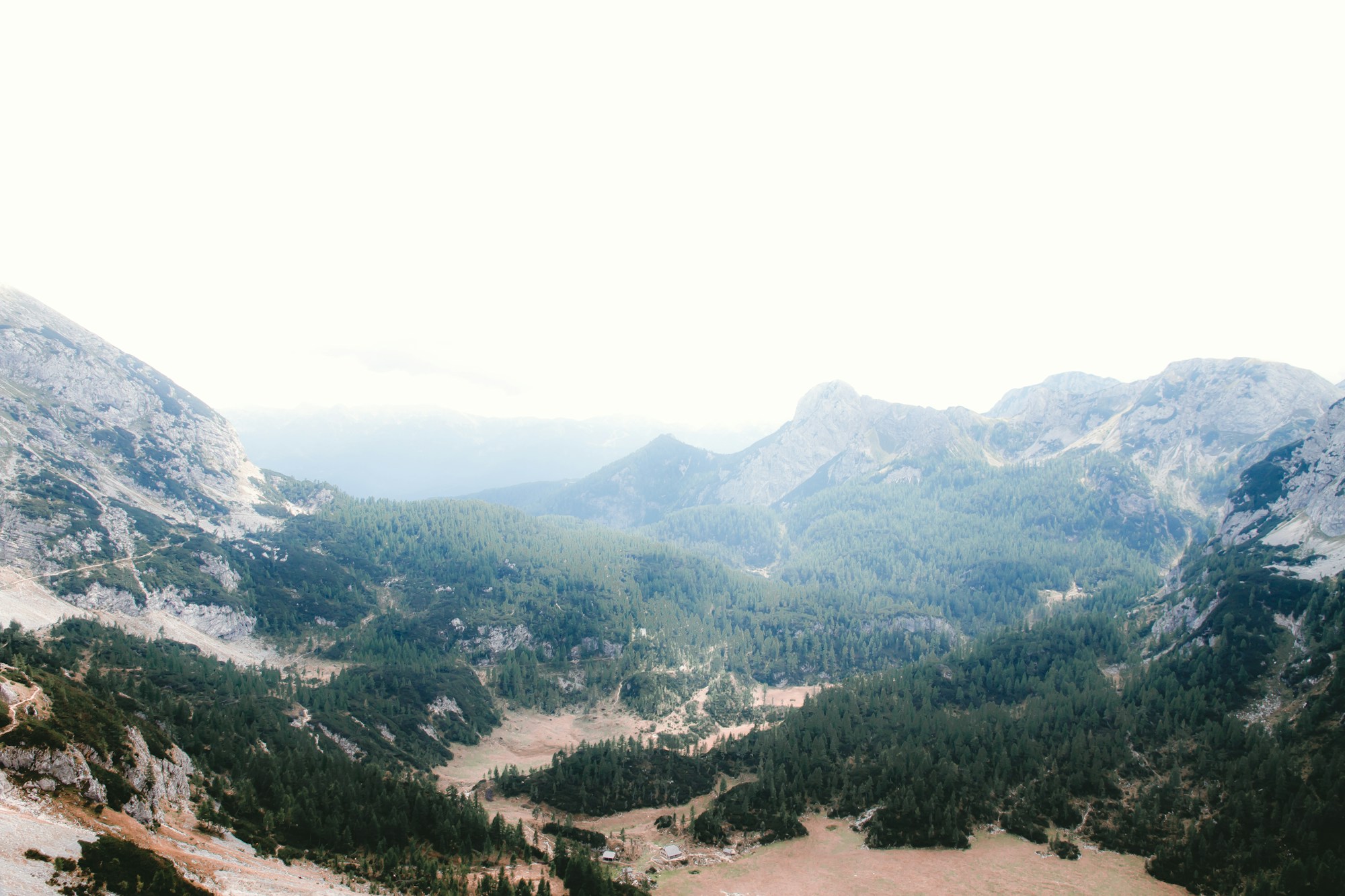
Fratarica Gorge & Predelica Canyon, Triglav National Park (Slovenia)
A 20-minute drive from Bovec, the Koritnica Valley conceals two of Slovenia’s most spectacular canyons. According to Outdoor Galaxy, Fratarica Gorge — carved by the eponymous stream through the massive Loška stena wall — is nicknamed the « valley of a hundred waterfalls. » The route peaks at two vertigo-inducing abseils: the Parabola waterfall (48 m) and the Katedrala (19 m), where light filtering through the forest canopy creates jaw-dropping luminous effects.
Upper Predelica Canyon takes things even further. According to Abyss Adventures, after a 20-minute approach, you enter a pool known as the « emerald eye » — the entry point to an 11-waterfall canyon whose grand finale is a 33-metre rappel down a sheer vertical drop. The full experience lasts 5 to 6 hours with no shortcut option.
Highlights
- Parabola waterfall 48m and Katedrala 19m (Fratarica)
- Final 33m rappel down a sheer waterfall (Predelica)
- TNP fee of €3/person payable via the Park app — included with certified operators
- Groups of 4 to 8 people maximum
3. Globoški Potok — The Expert Canyon in the Učja Valley
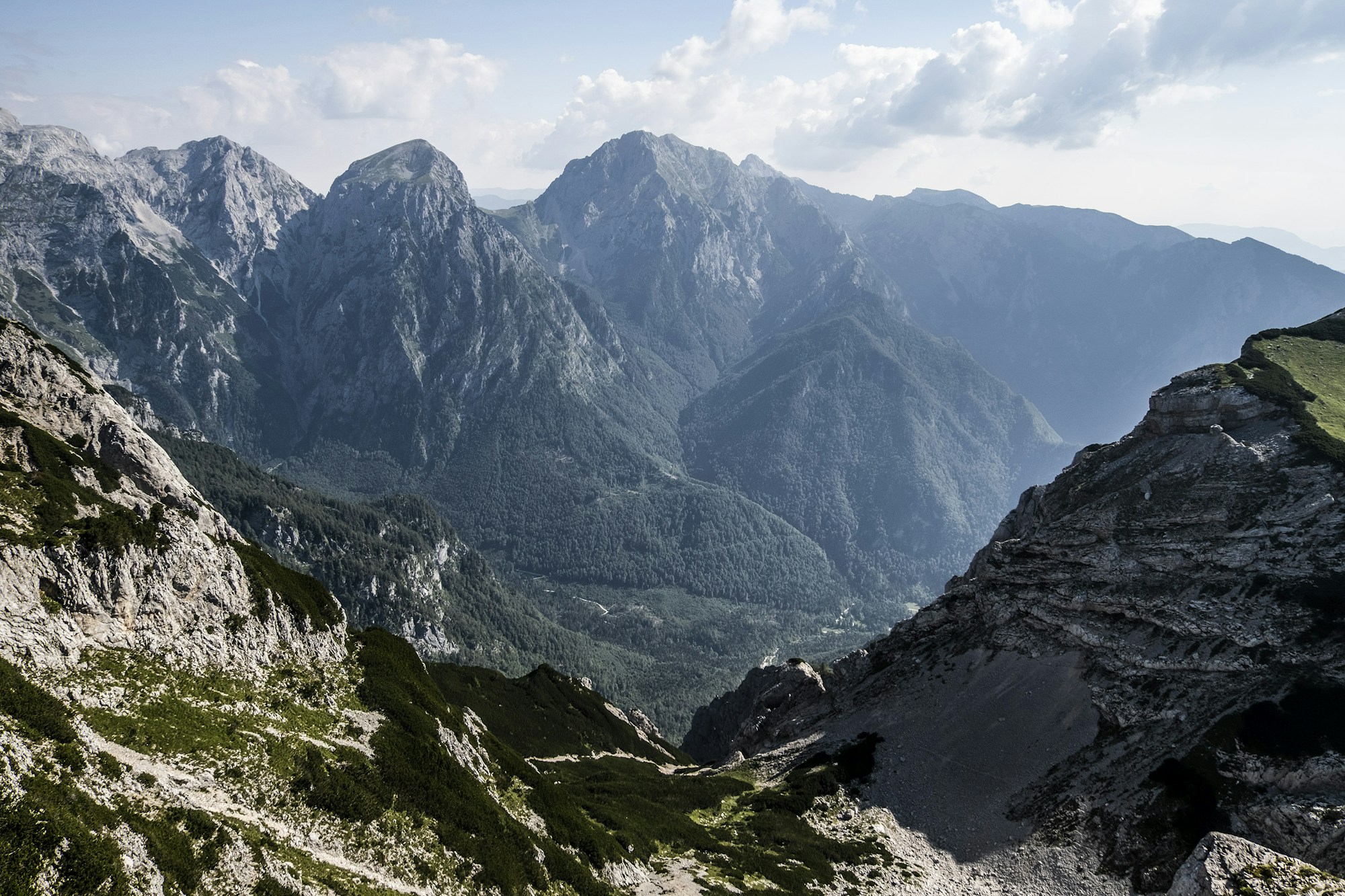
Globoški Potok & Via Ferrata Mojstrana, Julian Alps (Slovenia)
For seasoned canyoners, the Soča Valley hides an absolute gem: Globoški Potok canyon. According to Outdoor Galaxy, this wild canyon above the Učja River features 16 waterfalls, a maximum 45-metre rappel, and an 80-metre triple waterfall sequence to descend by rope — each drop ending in the pool where the next begins. Total duration runs 6 to 8 hours with a 60-minute uphill approach. Price: €148/person, minimum group of 4, maximum 7.
For those who prefer secured vertical climbing over aquatic progression, the Via Ferrata Mojstrana offers two levels on the same rock face. According to Ferrata GO, the Aljaževa Pot route (grade B, 180 m) is family-friendly from age 7, while the Mojstranskih Veveric route (grade C/D, 250 m) demands genuine experience. Both converge at the summit of Grančišče (844 m), with panoramic views over the Julian Alps and the Karawanks.
Highlights
- 80m triple waterfall rappel (Globoški Potok)
- Two via ferratas on the same site (beginner and expert)
- Ultra-small groups — genuine quality of experience
- Via ferrata closed October 31 to April 1
4. Vintgar Gorge — The Accessible Boardwalk Experience Near Bled
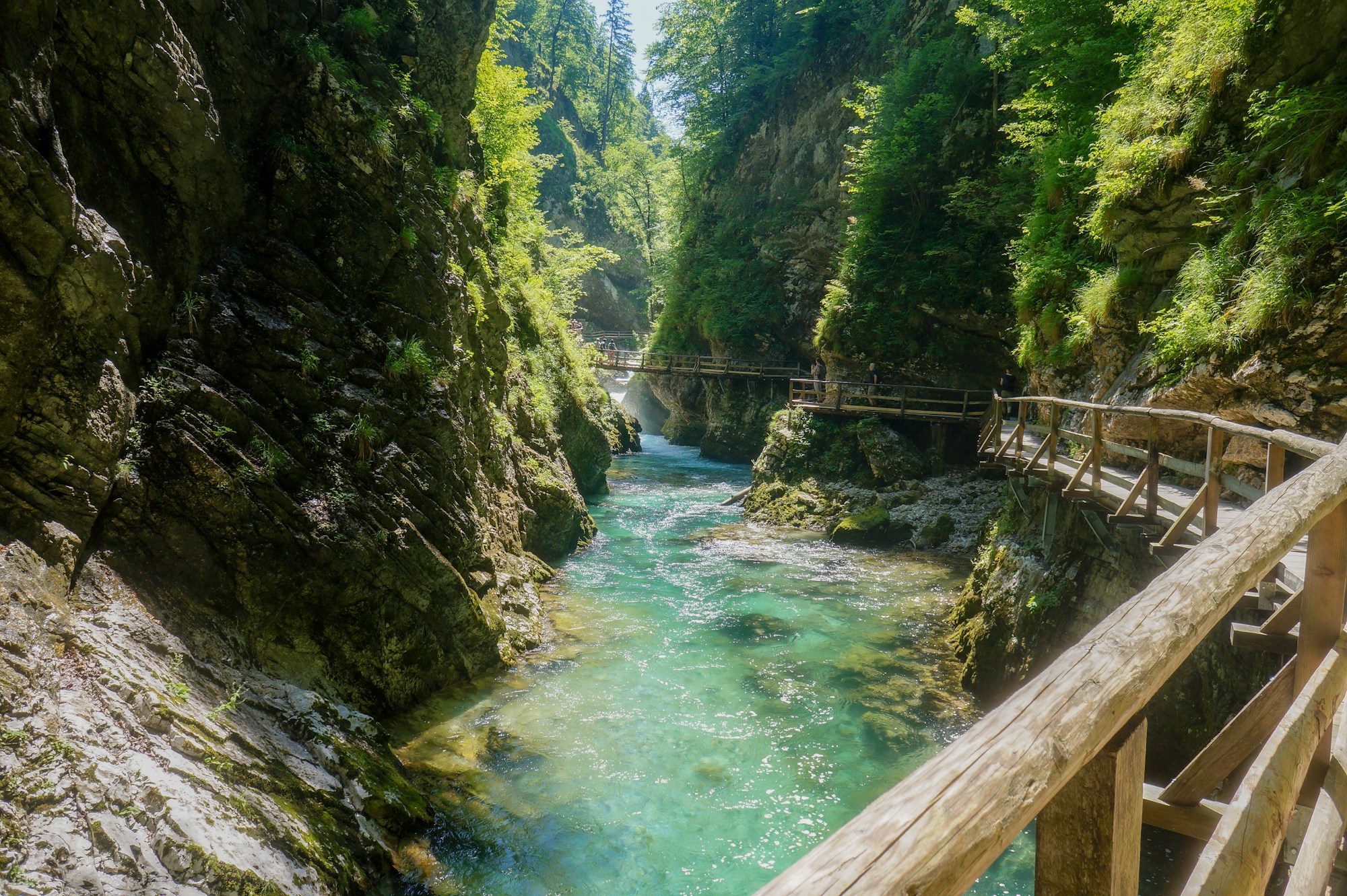
Vintgar Gorge, near Bled (Slovenia)
Just 4 km from Bled, Vintgar Gorge ranks among Slovenia’s most beautiful walks — and a gentle introduction to gorge walking on wooden walkways. Over 1.6 kilometres, wooden walkways perched above the turquoise waters of the Radovna River have been built directly into the limestone rock. The route culminates at the Sum waterfall (13 m), the grand finale of a gorge whose walls reach up to 30 metres in height.
Far from technical canyoning, Vintgar captures the very essence of what Slovenia offers: spectacular nature made accessible through discreet, respectful infrastructure. If you’re staying in Bled, the gorge can be reached on foot from town (45 minutes along a forested trail). Visitor numbers surge in July and August; aim for an 8:00 am start to enjoy the silence.
Highlights
- Accessible to all — including children and seniors
- 1.6 km of wooden walkways carved into the rock
- Sum waterfall (13 m) as the grand finale
- Easily combined with Lake Bled (5 km away)
5. Canyoning on the Cetina River — Omiš, Croatia’s Adventure Capital
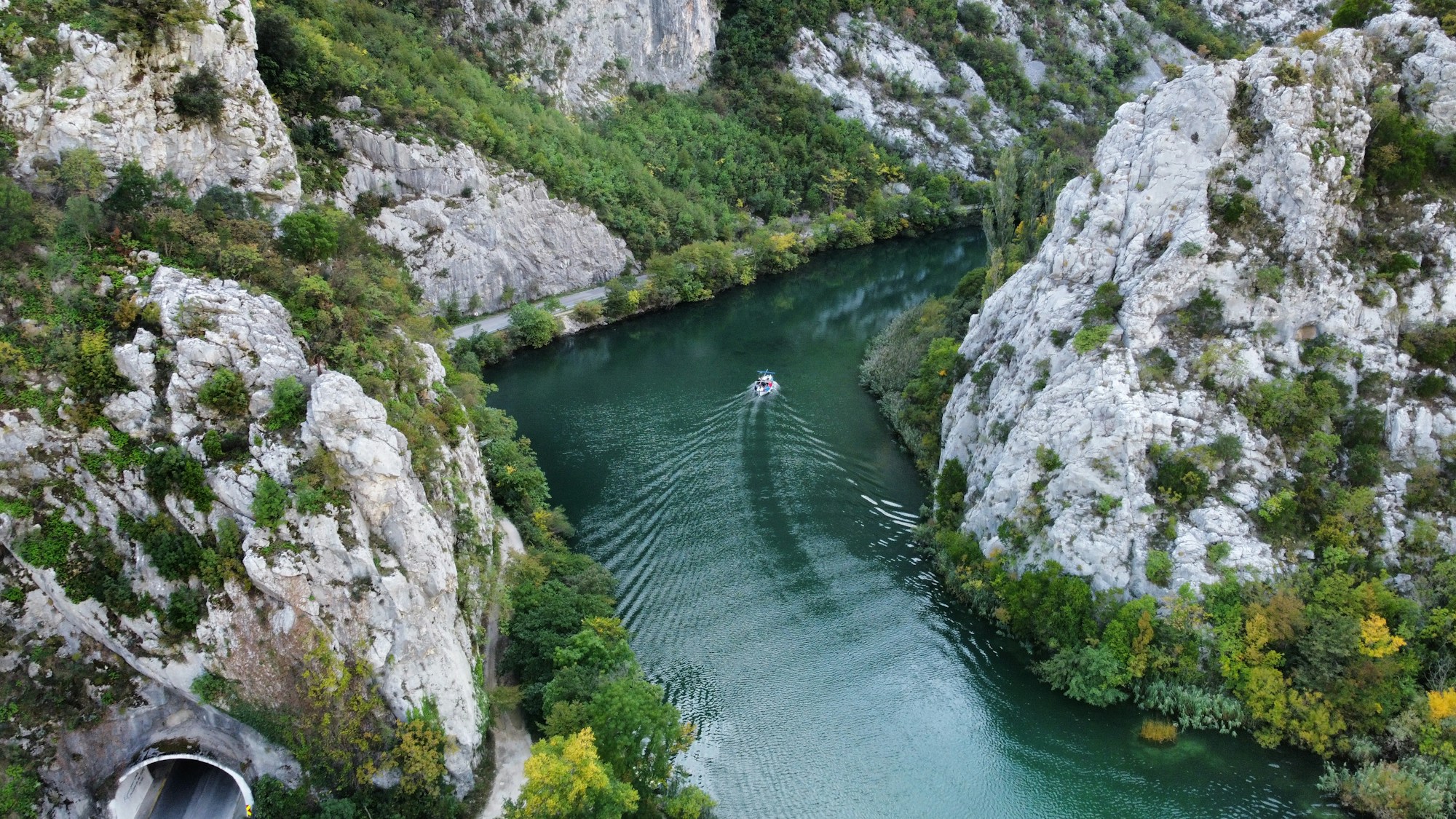
Cetina River, Zadvarje / Omiš, Dalmatia (Croatia)
The Cetina River bursts from a turquoise karst spring in the hinterland of Split, winds through fertile fields, plunges into limestone gorges, and finally meets the Adriatic at Omiš. According to Explore Croatia, the most dramatic section lies near the village of Zadvarje, where the canyon narrows so sharply that sunlight barely grazes the riverbed even in midsummer. Here, rafting becomes impossible — only canyoning allows you to push forward.
Two formats are available. Classic canyoning (€50–70) features progressive jumps and passage past the Grande Gubavica — a 53-metre waterfall. The extreme version (€70–95) adds a 50-metre rappel alongside a waterfall with full equipment, reserved for ages 14 and over in good physical condition. According to Adventure Dalmatia, the activity runs daily from April 15 to late October.
Highlights
- Grande Gubavica — 53-metre waterfall
- 50m rappel alongside a waterfall (extreme version)
- Water between 15°C (June) and 20°C (August)
- Guides registered with the Croatian Mountain Rescue Service
6. The Zrmanja River — Six Turquoise Canyons in the Zadar Hinterland
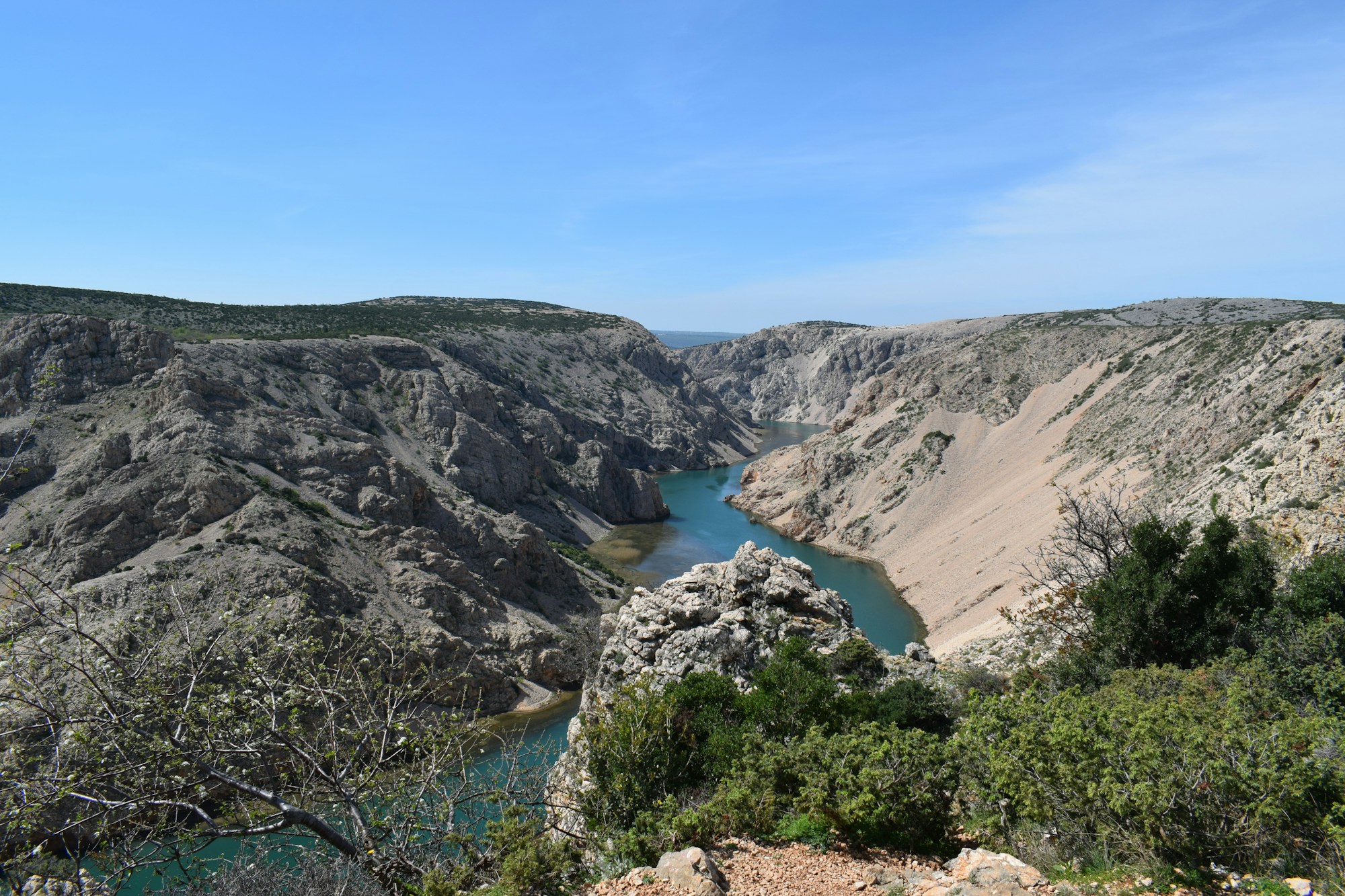
Zrmanja River, Zadar Hinterland, Velebit Nature Park (Croatia)
Hidden within an inaccessible canyon, the Zrmanja conceals its turquoise colour and beautiful travertine waterfalls. According to Zrmanja River Tours, the most rewarding section stretches 12 kilometres from Kaštel Žegarski to Muškovci, with an abundance of rapids and cascades in succession. The river is nicknamed « the river of six canyons » — each with its own distinct character.
Protected within Velebit Nature Park, the Zrmanja offers different experiences depending on the season. According to Raftrek, spring and autumn are ideal for rafting (strong flow), while summer invites kayaking in calmer waters. The river even served as a filming location for the famous Winnetou movies — adding a cinematic dimension to the adventure.
Highlights
- Six distinct canyons over 12 km
- Turquoise waters and travertine waterfalls
- Can be combined with Krupa Canyon for a full day
- Zero tourist infrastructure — pristine nature
7. Paklenica & Velebit — Via Ferratas in a UNESCO Biosphere Reserve
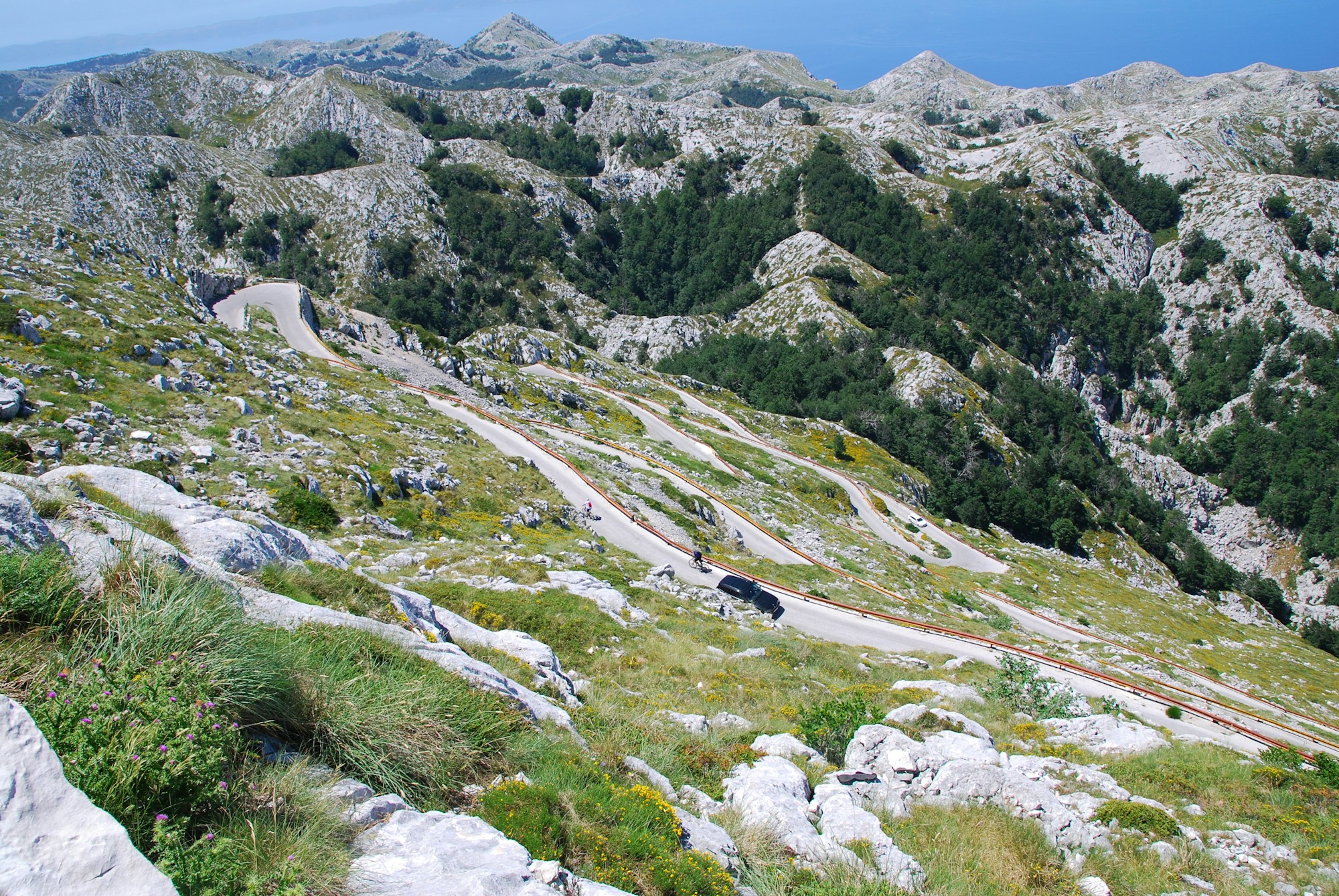
Paklenica Gorges & Via Ferrata Dabarski Kukovi, Velebit (Croatia)
Paklenica National Park opens onto two colossal limestone gorges: Velika Paklenica and Mala Paklenica. According to Hotel Amare, the park concentrates over 400 climbing routes on its vertical walls, including the iconic Anića Kuk — one of the most sought-after faces among European climbers. Park entry starts from €6 in low season. The less-visited Mala Paklenica is designated as a wilderness zone for griffon vulture nesting.
Further north in the central Velebit — a UNESCO Biosphere Reserve — the Via Ferrata Dabarski Kukovi offers the most remote vertical adventure in Croatia. According to The Via Ferrata Guide Site, the B/C-grade route guides climbers through limestone pinnacles and forested valleys where wolves and bears still roam. The full loop takes 4 to 6 hours; with a certified guide, budget €90–140/person.
Highlights
- 400+ climbing routes, including the legendary Anića Kuk
- Secret military bunker from the Croatian War of Independence — a unique visit
- Via Ferrata Dabarski Kukovi — often alone on the mountain
- UNESCO Biosphere Reserve — unique endemic wildlife
Via Ferrata in the Soča Region: Krn, Mangart and Mojstrovka
Mount Krn (2,244 m) is one of the region’s high-mountain via ferratas. It starts from the village of Drežnica (540 m), takes 8 to 9 hours and is graded 3-B/C, with zones where a fall would not be held by the cable. A helmet and a via ferrata set are required.
Guided day trips from Bovec also cover the Mangart, Mojstrovka and Prisojnik routes. They last 6 to 7 hours including transfer, the harness, helmet and via ferrata set are provided, and the operator sets the minimum age at 14.
For more routes by difficulty level, see our guide to via ferratas in the Dolomites, the Swiss Alps and the Verdon.
Frequently Asked Questions — Canyoning and Via Ferrata in Slovenia and Croatia
What is the difference between canyoning and via ferrata?
Canyoning combines hiking, climbing, abseiling, and swimming to descend river canyons by following the watercourse. Progression takes place in a wetsuit through the bottom of gorges. A via ferrata is a climbing route secured by fixed steel cables anchored into the rock, allowing you to ascend walls that would otherwise be inaccessible. According to Altitude Activities, it bridges the excitement of hiking and rock climbing.
Do you need prior experience for canyoning in Slovenia?
No, not for beginner routes like Sušec Gorge in Bovec. According to Top.si, a basic to moderate level of fitness is sufficient — the ability to walk 30 minutes over moderately steep terrain and climb with the help of a rope. However, advanced canyons like Upper Predelica or Globoški Potok require certified prior experience.
What permits are required for canyoning in Triglav National Park?
Triglav National Park has implemented a mandatory registration app for guided canyoning in the Fratarica, Predelica, and Jerečica gorges. According to the official TNP website, a fee of €3/person is collected via this app. Certified agencies manage this process for you — confirm that your operator holds TNP accreditation before booking.
When is the best time to combine Slovenia and Croatia in an adventure trip?
The optimal strategy is to start in Slovenia (mid-May to mid-June) and then travel south to Croatia (June–July). September remains the golden month for both countries: water temperatures are still ideal in Slovenia (12–16°C), crowds have dropped significantly, and the gorges are bathed in exceptional autumn light. Avoid the July–August peak if you’re seeking tranquility and easy bookings.
What gear do you need to bring yourself?
For canyoning, agencies provide the essentials: wetsuit, neoprene shoes, harness, ropes, and all technical equipment. According to Top.si, simply bring your swimwear and a towel. For via ferrata, pack sturdy hiking boots with Vibram soles, weather-appropriate mountain clothing, and your via ferrata kit (lanyard, descender, helmet) if you prefer not to rent.
Can children participate in canyoning and via ferrata activities?
Yes, with restrictions depending on the activity. Sušec canyoning in Bovec is family-friendly with no strict age minimum. The Mojstrana via ferrata (grade B) welcomes children from age 7, according to TripAdvisor. For extreme canyoning on the Cetina in Croatia, the minimum age is 14. Vintgar Gorge is accessible to all from the moment they can walk.
How do you plan an itinerary combining Slovenia and Croatia in 10–14 days?
An optimal 10–14-day itinerary could unfold as follows: Days 1–2: arrive in Ljubljana, transfer to Bovec (Sušec + Fratarica gorges); Days 3–4: Predelica + Via Ferrata Mojstrana, visit Bled and Vintgar; Days 5–6: drive to Zadar via the Slovenian coast (Piran), Zrmanja + Krupa Canyon; Days 7–8: Paklenica (gorges + climbing); Days 9–10: Via Ferrata Dabarski Kukovi (Velebit); Days 11–12: drive to Split, classic then extreme Cetina canyoning; Days 13–14: Omiš, return. Total distance Bovec–Split: approximately 330 km according to Outdoor Slovenia.
Are canyoning agencies reliable and certified in Slovenia and Croatia?
Yes, provided you choose recognised operators. In Croatia, according to Adventure Dalmatia, all equipment is CE-certified and all guides are registered with the Croatian Mountain Rescue Service. In Slovenia, check for a certificate from the Slovenian Canyoning Association. For via ferrata, require guides holding an IFMGA/UIAGM certification.
Sources
- Top.si — Canyoning activities Bovec — Prices, schedules and conditions for Sušec Gorge
- Manawa — Top outdoor activities in Bovec — Description of Sušec Gorge and durations
- Outdoor Galaxy — Canyoning in the Soča Valley — Fratarica and Globoški Potok
- Triglav National Park — Official Canyoning — Permits and TNP registration app
- Abyss Adventures — Upper Predelica Canyoning — Description and prices for Predelica
- Canyoning Challenge — Bovec — Globoški Potok and expert access conditions
- Life Adventures — Globoški Potok — Prices and logistics for the expert canyon
- Ferrata GO — Aljaževa Pot, Mojstrana — Grade B via ferrata, Julian Alps
- Altitude Activities — Via Ferrata Slovenia — Complete guide to Slovenian via ferratas
- Adventure Dalmatia — Canyoning Cetina — Prices and conditions on the Cetina River
- Explore Croatia — Canyoning on the Cetina River — Description of the Cetina gorges
- Life and Ventures — Cetina River Canyoning — Extreme version and water conditions
- Zrmanja River Tours — f-zrmanja.com — The six canyons of the Zrmanja
- Raftrek — Zrmanja River — Seasonal rafting and kayaking
- Hotel Amare — Paklenica Guide — Entry fees, climbing routes, military bunker
- Native Croatia — Paklenica National Park — Map and practical information
- The Via Ferrata Guide Site — Dabarski Kukovi — Via ferrata in central Velebit UNESCO
- The Via Ferrata Guide Site — Via Ferrata Zavižan — Northern Velebit from Zavižan refuge
- Outdoor Slovenia — Paklenica — Slovenia–Croatia connection (330 km)
Research conducted in March 2026 from verified sources (2024–2026). Prices are indicative and subject to seasonal variations.
Ready to Descend the Secret Gorges of the Soča and Velebit?
From the emerald waters of Bovec to the limestone cliffs of Paklenica, Slovenia and Croatia offer an adventure trip unlike anything else. Browse our themed itineraries to build your perfect trip — from a first-timer weekend to an epic two-week expedition.
Explore all our adventure itineraries