
Commercial partnership. This article contains affiliate links. If you book through these links, Pixidia earns a small commission at no extra cost to you. Learn more Partners: Viator
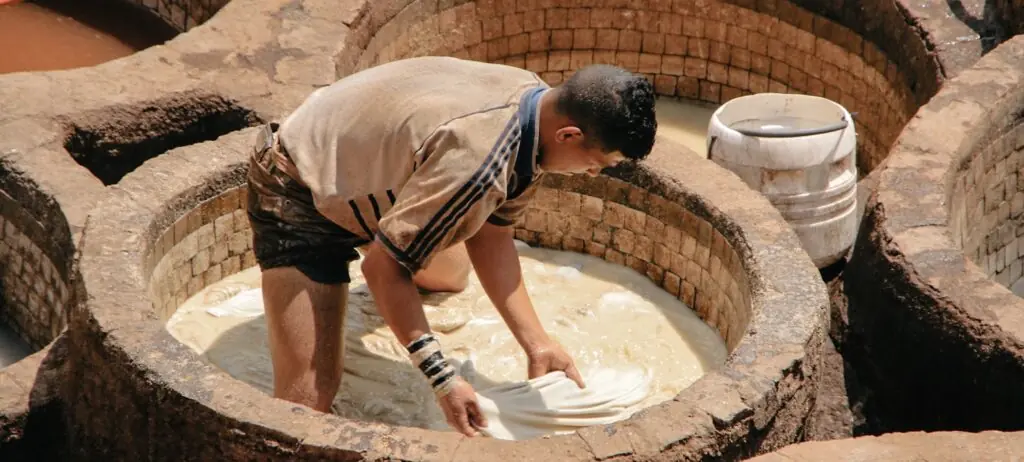
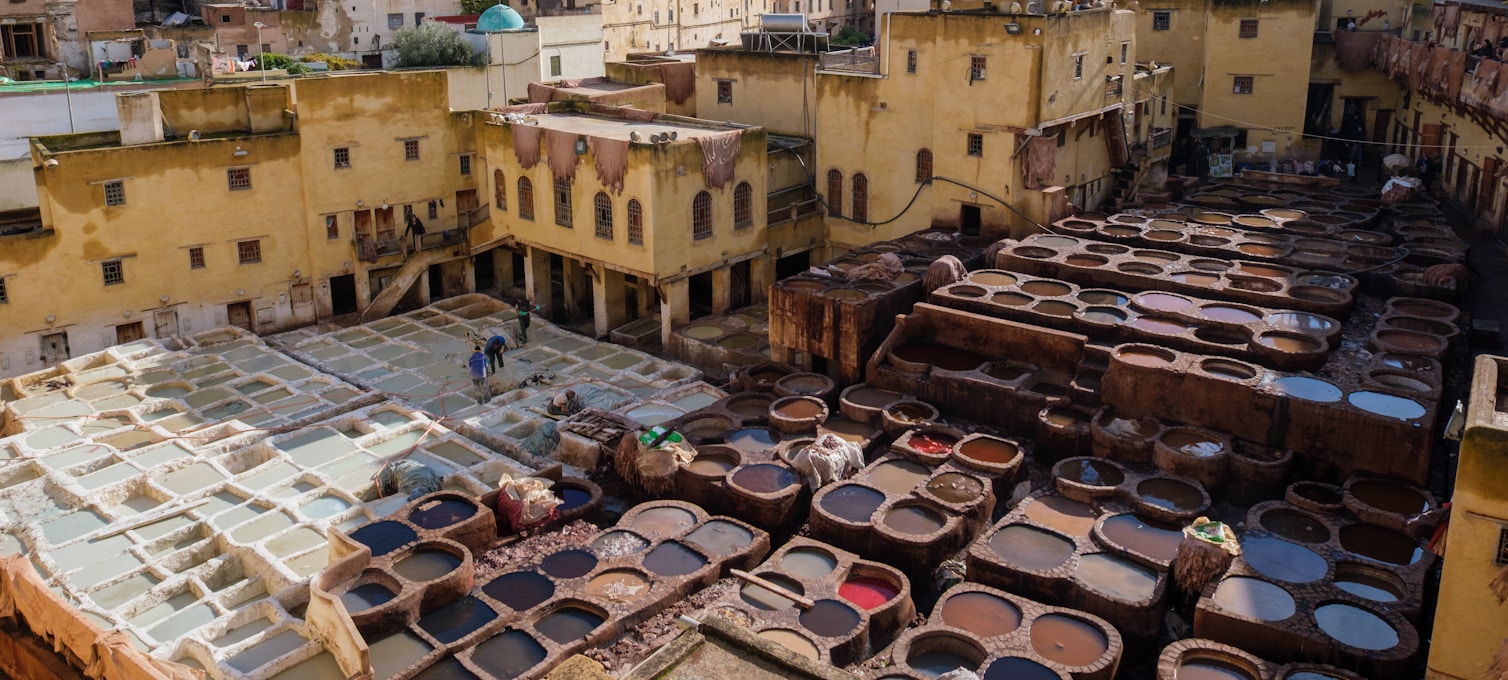
Fez holds Morocco’s most authentic craft and culinary experiences. The Chouara tanneries, working since the 11th century, are best viewed from the leather-shop terraces of the Blida quarter. Fassi cuisine — inherited from Andalusian families exiled in 818 — offers home-cooked classes from £35. Every product selected here scores 5.0/5 on Viator with instant confirmation. I recommend starting with a morning bread and pastry workshop before heading to the tanneries at late morning.
I spent three days in Fez without a working GPS, and it was probably the best thing that happened to me on any trip to Morocco. The medina has 9,400 lanes — many of them dead ends — and half the signs point to landmarks you’ve already passed. This labyrinth, inscribed on the UNESCO World Heritage List since 1981, only feels overwhelming without a local guide. With the right accompaniment, it reveals what Marrakech has largely lost: craftspeople who aren’t performing for tourists, riad cooks who pass on Andalusian recipes twelve centuries old, and tanners who have worked in dye vats since the city was founded.
The Chouara tanneries are Fez’s signature attraction, but they come with a familiar pitfall: touts steer visitors into the priciest leather shops, and the fermentation smell from the vats regularly catches unprepared travellers off guard. A private guided tour with instant confirmation solves both problems at once — your guide steers you to the best panoramic terraces and hands out the traditional fresh mint at the entrance. My selection of ten experiences covers the two pillars of Fez: leather craftsmanship and Fassi cuisine, from bread workshops to bastilla, two living heritages that deserve far more than a passing glance from the street.
In 2026, Fez is recording +34% in searches from UK travellers compared to 2024. Morocco has cemented itself as one of the top four destinations for British visitors, and Fez benefits fully from the « anti-Marrakech » effect — those seeking authenticity over commercialisation. Now is the right time to go, before tourist saturation catches up with the old Idrisid city.
Fès el-Bali: a thousand years of craftsmanship and imperial cuisine
Founded in two phases by the Idrisid dynasty — Idris I in 789 and then Idris II in 809 — Fès el-Bali absorbed two successive waves of immigrants that shaped its unique identity: 8,000 Andalusian families expelled from Córdoba in 818, and Tunisian families from Kairouan in 824. These two communities created the two souls of the medina, still perceptible in the architecture and in the cooking.
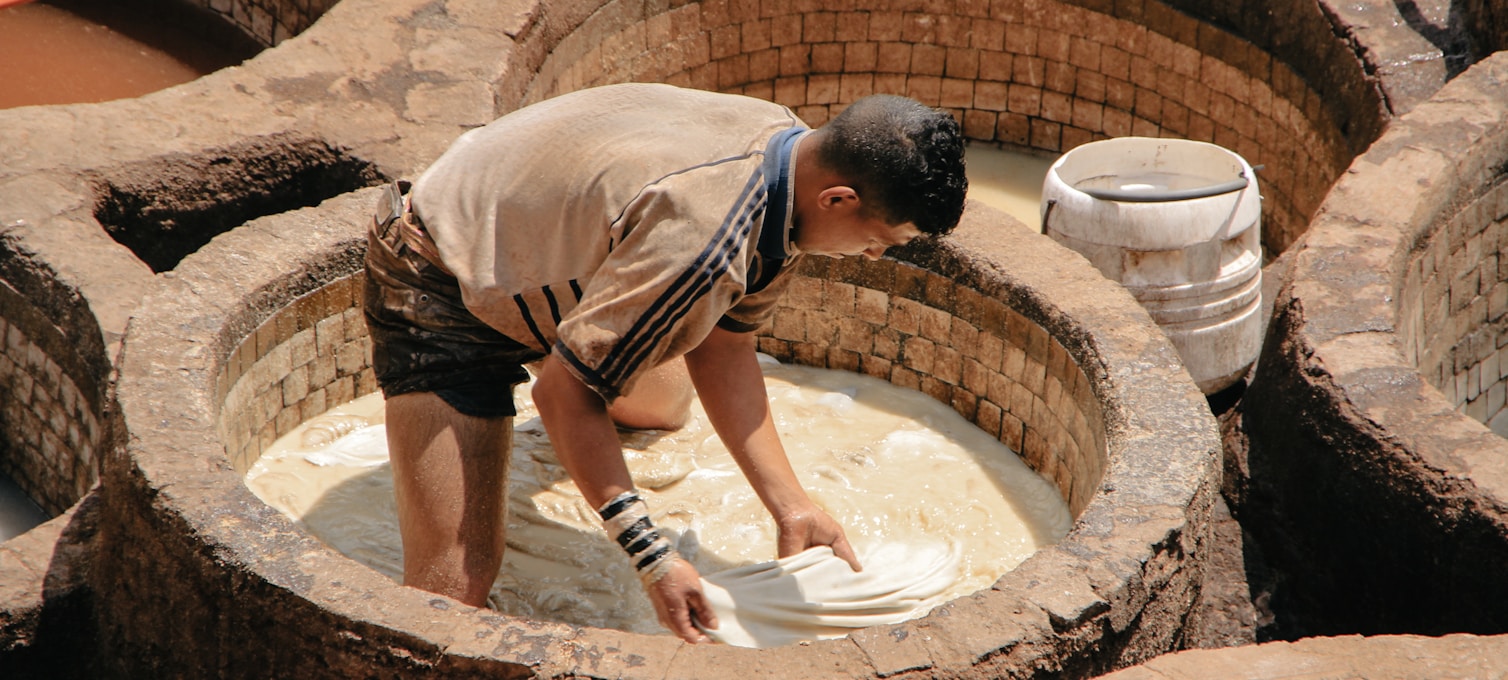
The medina has been inscribed on the UNESCO World Heritage List since 1981 (site no. 170). It encompasses 280 hectares of intact medieval urban fabric, 156,000 permanent residents and more than 30,000 active craftspeople. It is the largest car-free urban area in the world. The Chouara tanneries, located in the Blida quarter five minutes’ walk from the Al-Qarawiyyin mosque-university, have operated using the same techniques since the 11th century: five codified stages, natural dyes (indigo, saffron, henna), and tanners who tread the hides barefoot in vats heated to over 40°C in summer. Fassi cuisine — bastilla, tagine mechawi, harira, msemen — is the direct heir to this Andalusian-Berber heritage, and it is still taught in the riads of Fès el-Bali.
The 10 best experiences in Fez in 2026
1. Bread & Fassi Pastry Class — the morning workshop
This morning workshop surprised me with its precision: you learn to fold msemen (the flaky Moroccan flatbread), shape briouates, and balance the ras-el-hanout blend for harira. The chef keeps the group to six people, which means you actually get your hands in the dough rather than watching a demonstration. You leave with the written recipes and exact spice ratios — the kind of detail you won’t find in any cookbook sold in the medina.
- Msemen, chebakia and briouates in 2 hours
- Mint tea and water included
- Maximum 6 guests
2. Guided Medina & Chouara Tannery Tour
This private tour with a licensed guide is the most effective way to reach the Chouara tanneries from the best terraces without being steered through high-pressure shops. Your guide knows the 9,000 lanes of the Fez medina and leads you through the spice souk and past the Al-Qarawiyyin mosque with stories only a Fez native can tell.
- Chouara tanneries from the panoramic terrace
- Spice souk and Al-Qarawiyyin mosque
- Licensed local expert guide
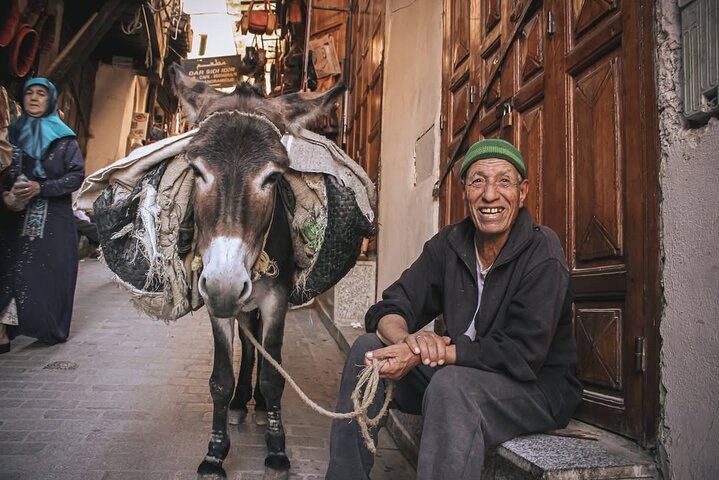
3. Private 4-Hour Walking Tour — the soul of Fès el-Bali
Four hours with a native Fez guide who knows the shortcuts closed to group tours and the fondouks (caravanserais) that most itineraries skip. The route includes the Mellah (the 14th-century Jewish quarter with its polychrome balconied houses) and Fès el-Jdid, the 13th-century Marinid city that is usually overlooked in favour of the main medina. This tour puts together everything the speed-tours leave out.
- Native Fez guide born in the medina
- Mellah and Fès el-Jdid included
- Maximum 8 guests
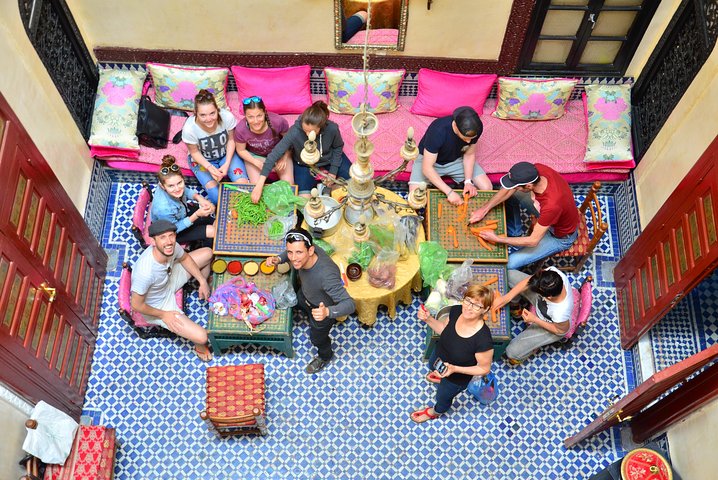
4. Full-Day Home Cooking in a Riad — market visit included
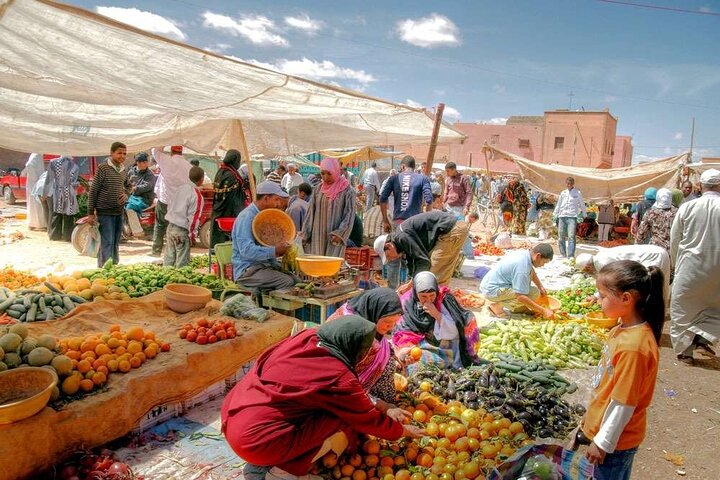
The day starts with a shopping trip to the Moroccan souk alongside the chef — you choose the spices, vegetables and aromatics together. Then you head into a private medina riad to cook the meal as a family: home-baked bread, cold salads, a seasonal tagine. This home-cooking format is the only one that helped me understand why Fassi cuisine uses cinnamon where Marrakech would reach for cumin.
- Local market tour and spice selection included
- Tagine, couscous and Moroccan salads
- Shared meal with the family in the riad
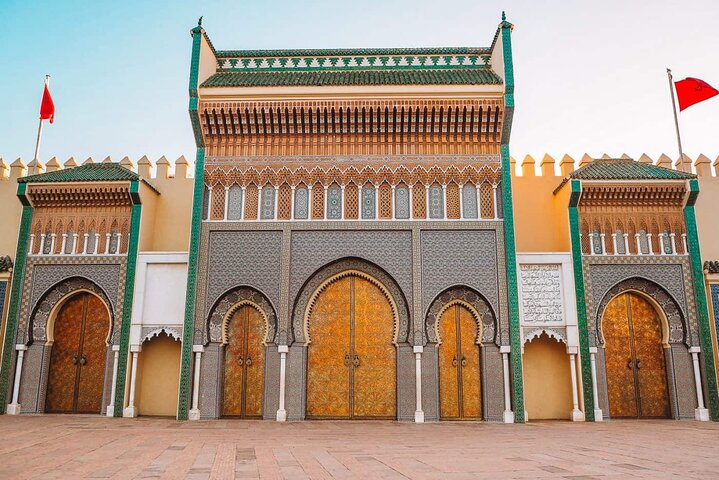
5. Fez Tour Experience — tanneries and panoramic photos
The value of this comprehensive tour is hard to beat: from £13 per person, you access panoramic terraces overlooking the Chouara tanneries with an officially certified guide, full explanations of the tanning process, and access to the best photography viewpoints. The all-inclusive approach spares you the in-progress bargaining and surprise charges you encounter with improvised guides on Place Seffarine.
- Complete tanneries and medina tour
- Panoramic photos from private terraces
- Officially certified guide
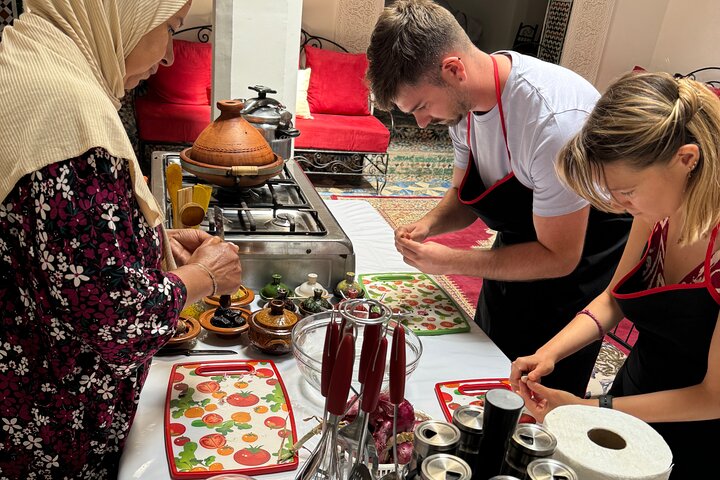
6. Cooking with Mama Nzaha — bastilla and family secrets
Mama Nzaha is a home cook whose recipes have passed through several generations without ever being written down. Her 4-hour session around the bastilla — Fez’s signature celebration dish with its pigeon filling and bittersweet almonds — is the most authentic culinary experience I’ve booked in the region. The dinner included after the session is worth the trip in its own right.
- Traditional bastilla and seasonal tagine
- Recipes passed down through generations
- Dinner included after the session
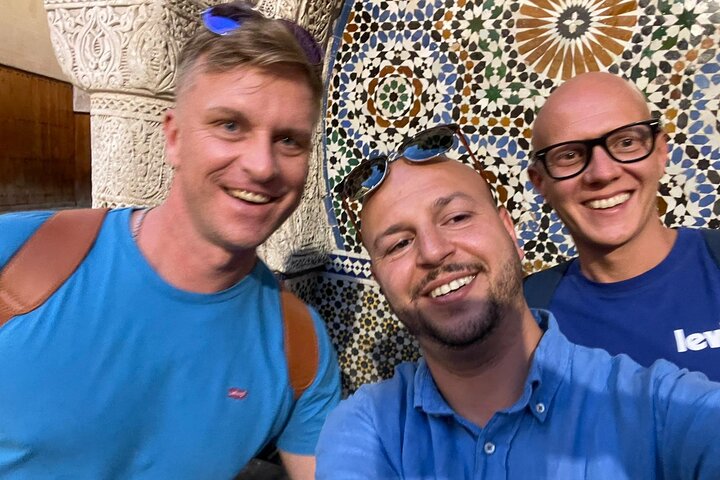
7. Private Sunrise Tour — Nejjarine fountain and Marinid Fez
Visiting the Fez medina before 9am means experiencing the city as its residents do: bakers pulling khobz from clay ovens, water carriers crossing lanes with their goatskin bags, and the Chouara tanneries stirring to life in a light that makes the saffron vats look almost otherworldly. The Nejjarine fountain and the 18th-century fondouk are worth the early start alone with a guide who can tell Andalusian architecture from Marinid craftsmanship.
- Half-day sunrise visit
- Nejjarine fountain and Marinid fondouk
- Mint tea included
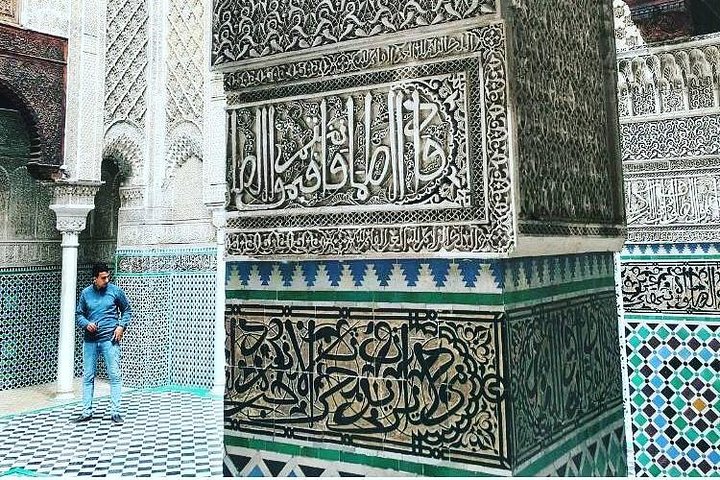
8. Full Cultural Tour — Royal Palace and Bou Inania Madrasa
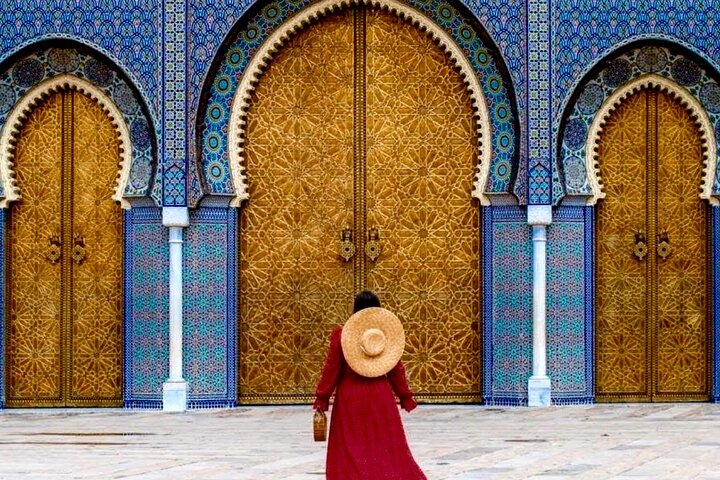
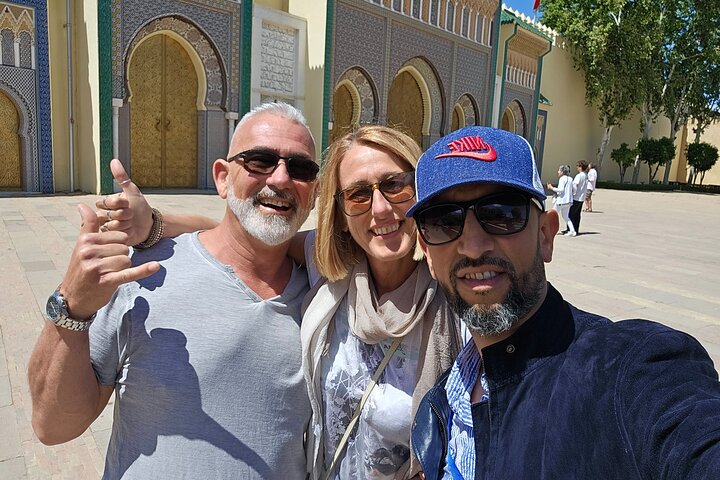
This tour takes the opposite approach to the express circuits that race through the medina in three hours: the Bou Inania Madrasa (14th century, a masterpiece of Marinid art with its polychrome zellij tilework and Atlas cedar ceilings) deserves forty-five minutes on its own. The Royal Palace with its gilded gates is the second highlight. The aerial view from a terrace over the Chouara tanneries at the end of the circuit puts the whole city in perspective.
- 14th-century Bou Inania Madrasa
- Royal Palace and gilded gates
- Aerial view over the Chouara tanneries
9. Passionate Local Guide — hidden lanes and mint tea with an artisan
This is the ideal tour for anyone who wants to go beyond the signposted circuits: your guide knows the weavers’ fondouks, the pottery workshops and the dead-end alleys where babouches are still made the old way, far from the shops of Talaa Kebira. Stopping for mint tea with an artisan — not a merchant who sells tea — is the difference between Fez seen from the outside and Fez truly experienced. From £10 per person.
- Hidden lanes off the tourist trail
- Mint tea with a real artisan
- Bottled water included
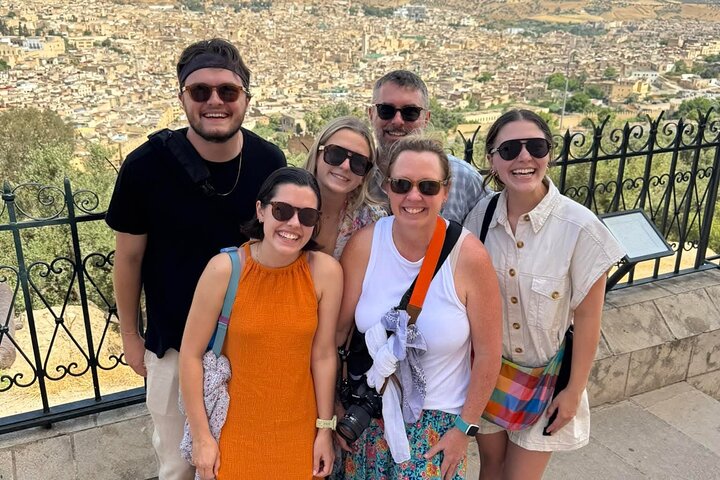
10. Full-Day Private Tour — meeting zellige artisans and tanners
This full-day tour offers something genuinely rare: meeting zellige artisans (craftspeople who create Islamic geometric tile patterns) and tanners in their active workshops, with zero sales pressure. Your guide adapts the pace and arranges photo stops without time constraints. You also pass by the Al-Qarawiyyin University, founded in 859, along the exterior lanes — not accessible to non-Muslims but whose minaret and courtyard are visible from several vantage points.
- Meeting zellige artisans and tanners in person
- Flexible pace, free photography with no pressure
- Bottled water included
Planning your trip to Fez
For those who want to explore the medina at sunrise, before the crowds: a private half-day with a licensed guide departing from Place Batha.
Book my morning slotPractical tips for visiting Fez in 2026
Best season: spring (March–May) and autumn (September–November) offer ideal temperatures (18–28°C) for walking the medina. Summer (June–August) is not recommended for physical sightseeing — temperatures exceed 40°C in the tanneries and the fermentation smell becomes very pronounced.
Getting around the medina: the Maps.me app (OpenStreetMap) works offline and covers all 9,400 lanes of Fès el-Bali. Navigate by the minarets visible from the high points. The small red petit taxis stop at the main gates (Bab Boujloud, Bab Guissa, Bab R’cif) — always agree the fare before getting in.
Chouara Tanneries: visit between 8am and noon — the vats are full of colour and the tanners are active. The shops furthest from Place Seffarine offer the best views. Wear closed-toe shoes (slippery terrain) and accept the fresh mint offered at the entrance to counter the smell. Do not enter the tanneries themselves — they are observed exclusively from the exterior terraces of the adjacent leather shops.
Budget: home cooking classes cost between £35 and £52 per person, guided tours between £10 and £48. The Bou Inania Madrasa (70 DH, roughly £6) is one of the few madrasas open to non-Muslims — do not miss it.
Frequently asked questions about Fez and the Chouara tanneries
What is the best-rated experience in Fez on Viator in 2026?
All ten experiences selected in this article score the maximum rating of 5.0/5 on Viator in 2026. The private guided tour of the medina and Chouara tanneries has the highest number of reviews (96) at 5.0/5, making it the most validated product in the selection. The bread and pastry class (71 reviews) comes second for those interested in cooking.
Can you go inside the Chouara tanneries?
No. The Chouara tanneries are not open to the public from the inside — visitors observe them exclusively from the terraces of the leather shops that overlook the site in the Blida quarter. Access is technically free but a contribution of 10 to 15 dirhams (roughly £1–£1.50) is expected if you make no purchase. Take the fresh mint offered at the entrance to counter the fermentation smell. A private guide will take you to the best terraces without the pressure to buy.
When is the best time to visit Fez?
The best times to visit Fez are spring (March to May) with temperatures of 18–24°C and roses in bloom in the riad gardens, and autumn (September to November) with golden light ideal for photography. Summer (June to August) is strongly advised against: temperatures exceed 35°C, the tanneries are malodorous in the heat and the medina becomes very uncomfortable to walk. For tannery visits, the morning slot (8am–noon) remains optimal whatever the season.
What is Fassi cuisine and how does it differ from Moroccan cooking elsewhere?
Fassi cuisine is the haute tradition cooking of Fez, inherited from Andalusian families expelled from Córdoba in 818 and Tunisian families from Kairouan. It differs from Marrakech cooking through its sweet-savoury combinations (preserved fruit in tagines, honey in pastries), the absence of chilli, and the codified use of cinnamon, saffron and ginger. The bastilla — a flaky pigeon pie with almonds and icing sugar — is the emblematic dish of Fez, unknown in this form elsewhere in Morocco. The home cooking classes in Fez teach precisely these nuances.
How do you get to Fez from the UK?
Ryanair and easyJet operate direct flights from London Stansted and London Gatwick to Fez-Saiss Airport (FEZ), from around £45–£90 return outside peak season. Flight time is approximately 3 hours. It is also possible to connect via Casablanca (Mohammed V) from all major UK airports, then take the ONCF train Casablanca–Fez (3h45, around £10). From Marrakech, the CTM coach connects the two cities in roughly 8 hours for £13.
Sources
- UNESCO WHC — Medina of Fez (site no. 170) — accessed 22 May 2026
- Wikipedia EN — Medina of Fez — accessed 22 May 2026
- Wikipedia EN — Chouara Tannery — accessed 22 May 2026
- APS — Chouara Tannery, heritage of a thousand-year craft tradition — accessed 22 May 2026
- Majorel Explorer — Complete guide to the Fez medina 2026 — accessed 22 May 2026
- Allant Vers — Visiting the Fez Chouara tanneries — accessed 22 May 2026
- Generation Voyage — Traditional tanneries of Fez — accessed 22 May 2026
- Medias24 — Why Morocco is becoming a refuge destination for travellers (April 2026) — accessed 22 May 2026
- Dafina — The different regional cuisines of Morocco — accessed 22 May 2026
- Wikipedia EN — University of al-Qarawiyyin — accessed 22 May 2026
Ready to discover Fez beyond the guidebook?
The Chouara tanneries and Fassi cuisine deserve far more than a quick stopover. Book your experiences in advance — private morning slots fill up first, especially in spring.
See the top cooking class