
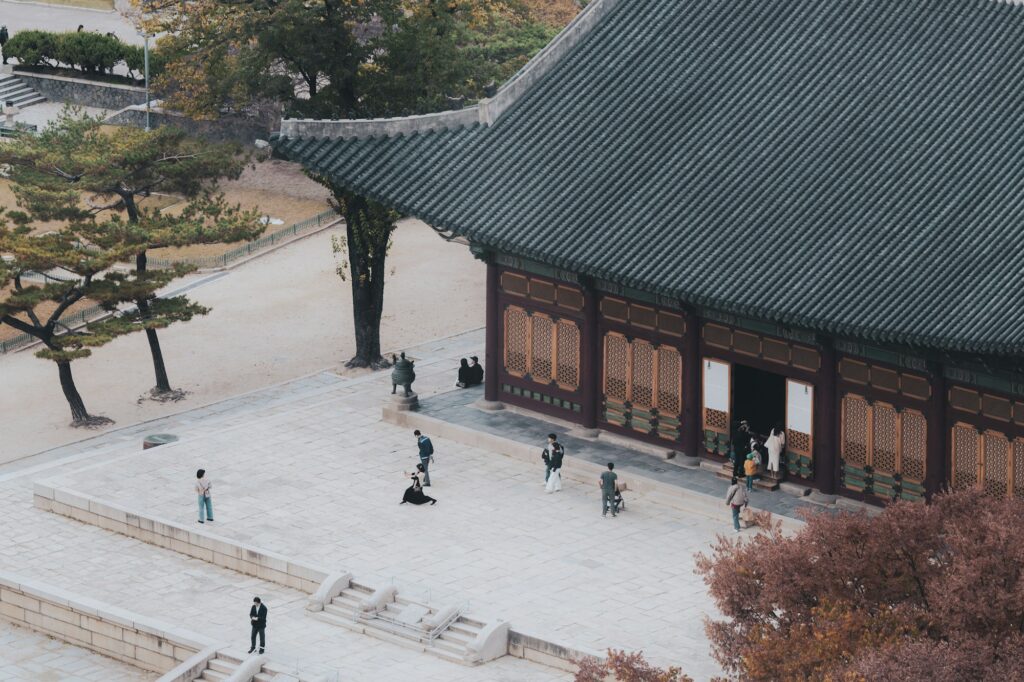
Chuseok 2026 falls on Friday 25 September, with an official public holiday running from Thursday 24 to Saturday 26, extended to Sunday 27 — four days in a row, against ten in 2025. More than 32 million journeys are expected on the roads and rails, motorway tolls go free, and Seoul’s five royal palaces, including Gyeongbokgung, open for free all week. Book your trains and accommodation now — Seoul-Busan tickets sell out within minutes of going on sale.
Three days a year, South Korea changes completely. Chuseok, literally « autumn evening » and often called the « Korean Thanksgiving », is the country’s biggest domestic migration: in 2025, more than 32 million trips were logged over an exceptional eleven-day stretch. For 2026, the picture shifts sharply — the holiday shrinks to four days, from 24 to 27 September, already reshuffling how Koreans themselves plan their travel. For a foreign visitor, the period stays a rewarding contradiction: free royal palaces, surprisingly quiet residential streets, and intercity transport you need to book weeks ahead.
1. Chuseok, the harvest and ancestor festival: what you need to know
Origins, rituals and food
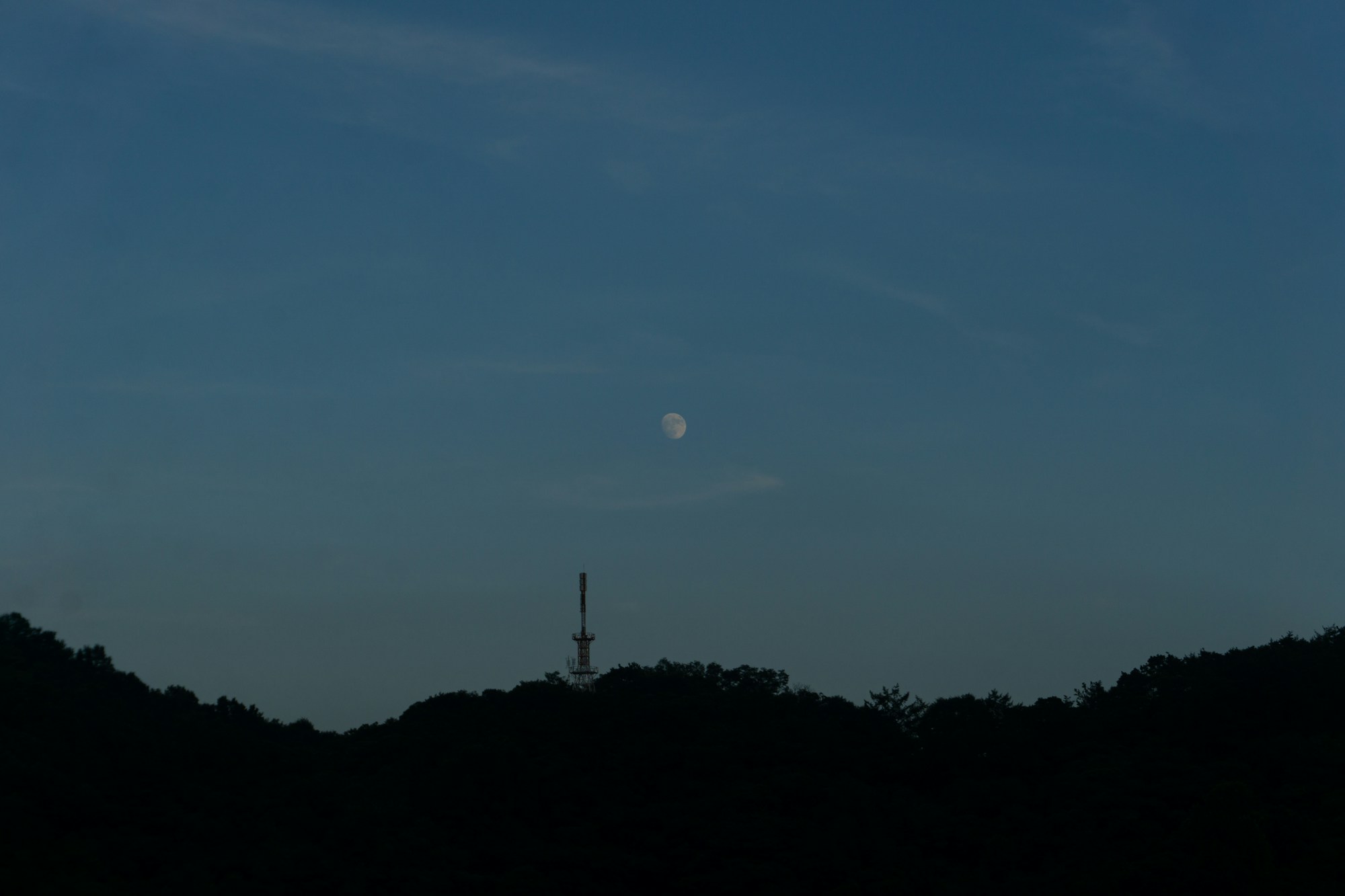
According to the Korea Tourism Organization, Chuseok is celebrated on the 15th day of the 8th month of the lunar calendar, on the full moon, which is why the date shifts around on the Gregorian calendar. The best-documented origin dates back to the Silla dynasty, with the legend of « gabae »: a month-long weaving contest between two teams of women, closed out with a grand banquet thrown by the losing team for the winners. Other theories point to a military victory over the neighbouring kingdom of Baekje, or to older shamanistic roots in worshipping the harvest full moon, according to Wikipedia.
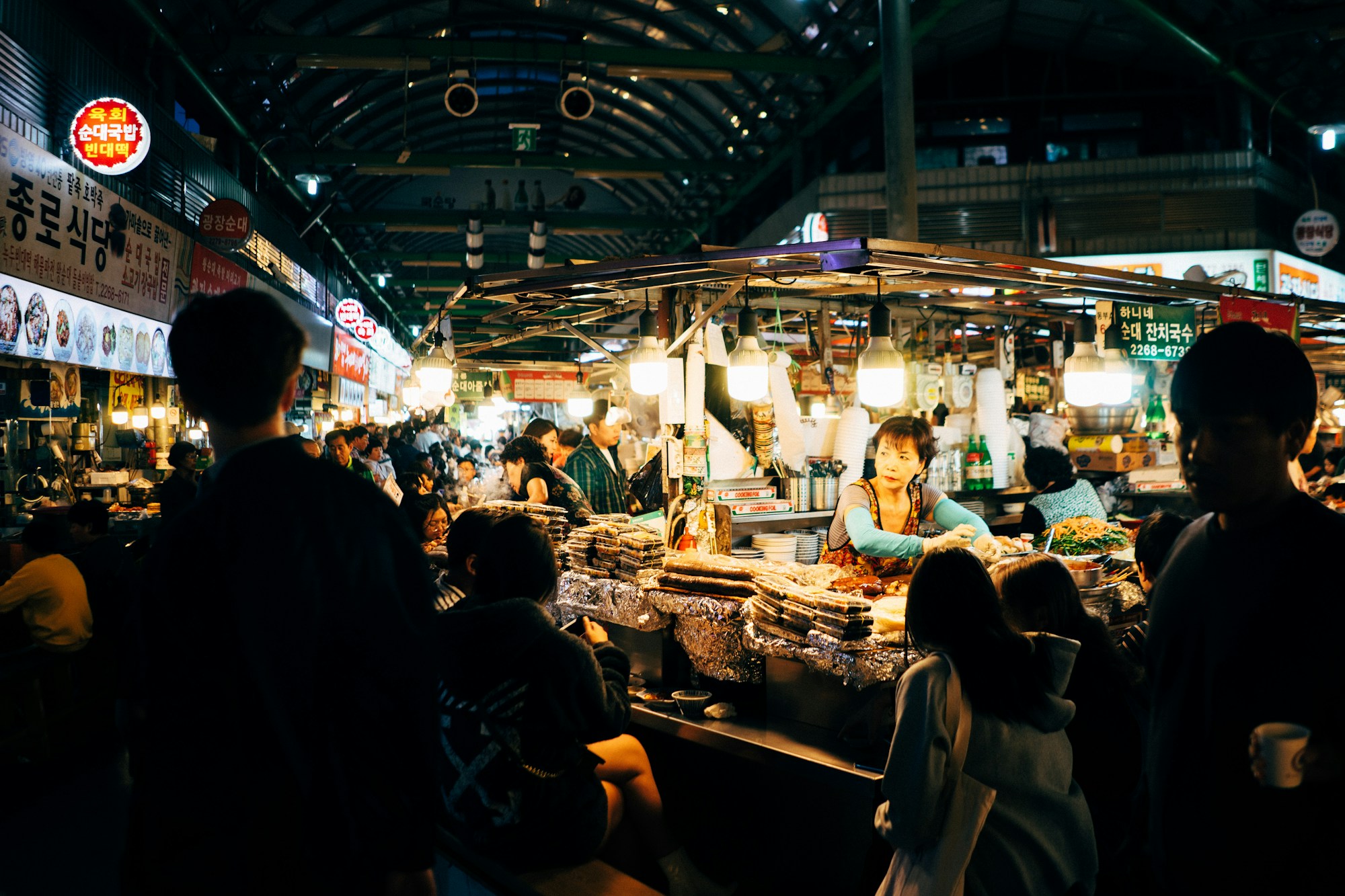
On the morning of the festival, families perform charye, a ritual bow to their ancestors: the ceremonial table is set out in a precise order, with freshly harvested rice, rice wine and songpyeon, the small half-moon-shaped rice cake filled with sesame, red beans or chestnuts and steamed over a bed of fresh pine needles that perfume the dough, according to Beyond Kimchee. Its shape is said to echo a royal legend from Silla: eating a half-moon songpyeon under the full moon is meant to bring a bright future. The full spread also includes galbijjim, japchae, jeon and braised fish, part of a Seoul food tour through markets and Michelin-starred tables that’s worth doing even outside festival season.
Highlights
- Charye opens the day: two bows for men, four for women, followed by a shared meal (eumbok)
- Ganggangsullae, a circle dance performed under the full moon, has been on UNESCO’s Intangible Cultural Heritage list since 2009
- The same lunar date brings the Mid-Autumn Festival in China and Tsukimi in Japan, but the ancestral charye ritual is a distinctly Korean tradition
2. The 2026 dates: a short break, with no catch-up day
Why 2026 looks nothing like 2025
Cross-checked across six independent sources including Korail and the Korea Herald, Chuseok 2026 falls on Friday 25 September. The official public holidays run from Thursday 24 to Saturday 26 September, and Sunday 27 naturally extends the break to four consecutive days. Unlike what travellers sometimes hope for, there’s no substitute Monday (대체공휴일): that rule only kicks in when Chuseok overlaps with a Sunday, which isn’t the case this year since the third public holiday falls on a Saturday.
The contrast with 2025 is stark: that year, the festival overlapped with National Foundation Day on 3 October to create an exceptional ten-day « super break ». In 2026, the holiday is two and a half times shorter, which mechanically piles pressure onto bookings around the single 24-27 September weekend. Looking ahead: Chuseok 2027 falls on 15 September (a Wednesday), and 2028 on 3 October (a Monday), an edition that will combine with National Foundation Day and Hangeul Day for a potential ten-day bridge — the next one of that scale won’t come until 2044.
Highlights
- A holiday two and a half times shorter than 2025 concentrates demand into a single window
- No substitute day off on Monday 28 September, unlike some other years
- Korean travel agencies are already seeing a shift toward nearby destinations rather than long-haul trips, simply for lack of time
3. Transport chaos: trains, motorways and the airport
Packed trains, jammed motorways, a saturated airport
In 2025, over an exceptional eleven-day stretch, more than 32.18 million journeys were recorded, peaking at 9.33 million people on the move on Chuseok day itself, according to the Korea Herald. Private cars accounted for 84.5% of these trips, and the Seoul-Busan drive could stretch to 8h10, against roughly 4 hours under normal conditions.
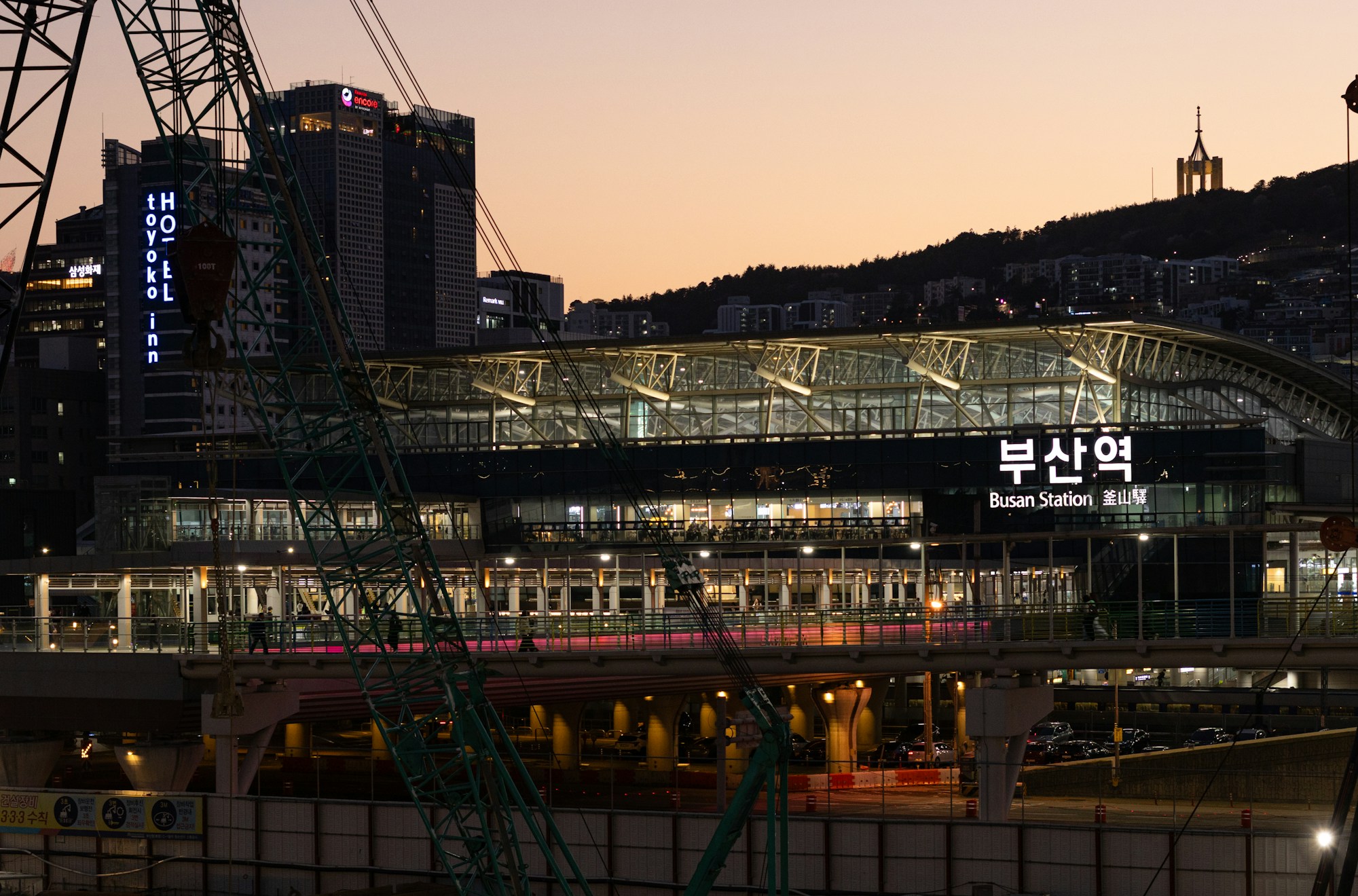
On the rail side, Korail opened priority booking for 2026 on 3-4 September (older travellers, people with disabilities, and — new this year, as part of the country’s pro-natalist policy — pregnant women), followed by general booking from 7 to 11 September, according to Seoul Economic Daily. Seoul-Busan and Seoul-Gwangju routes sell out within minutes. Foreign travellers, booking through a non-resident account, can only access reservations from 11 September onward — often after the most sought-after slots are already gone.
Highlights
- All national toll motorways, including for rental cars, are free during Chuseok
- A Korail Pass stays valid but doesn’t guarantee a seat on an already-full train — a dedicated reservation is still required
- Seoul’s subway and buses run until 2am the night before and the night after the festival
4. What closes, what stays open
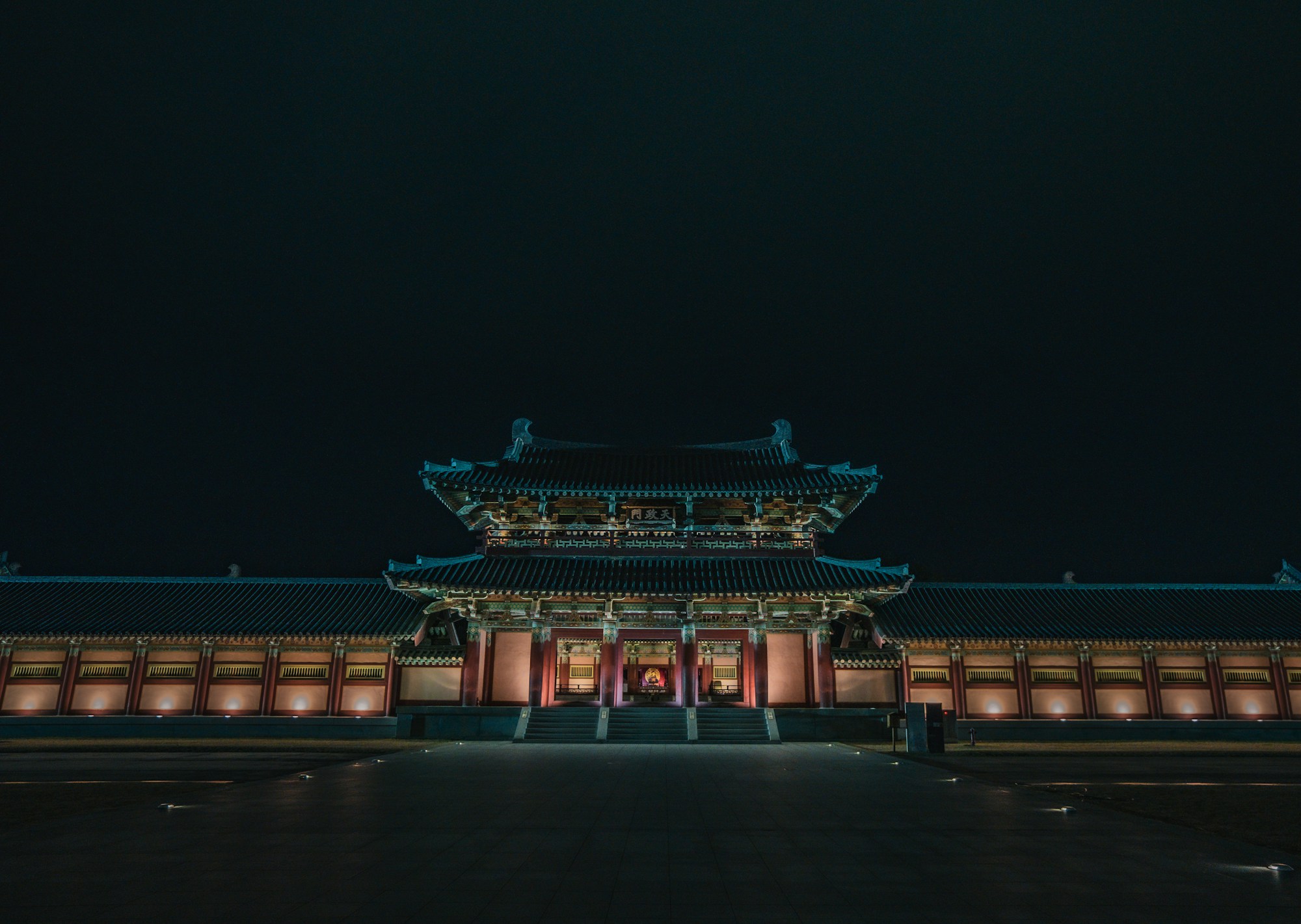
Free palaces, shuttered neighbourhood restaurants
Banks, government offices, post offices, traditional markets and a good share of independent restaurants close for all or part of the three official holiday days, according to Seoulstart. Department stores (Lotte, Shinsegae, Hyundai) close for about two of the three days. On the other hand, GS25, CU, 7-Eleven and emart24 convenience stores remain the ultimate food safety net, often with special festival menus. A&E departments, cinemas, fast-food chains and big shopping districts like Myeongdong or Hongdae carry on as normal.
Seoul’s five great royal palaces — Gyeongbokgung, Changdeokgung, Changgyeonggung, Deoksugung and Jongmyo Shrine — stay open throughout the period with free admission for every visitor, not just those wearing a hanbok rented near Gwangjang Market, alongside a special programme of performances and traditional games in the courtyards. The DMZ, by contrast, systematically closes during major public holidays, Chuseok included.
Highlights
- The five royal palaces and Jongmyo Shrine are free for everyone, hanbok or not
- Hotel restaurants remain the most reliable fallback for a sit-down meal
- The official portal e-gen.or.kr and the 129 hotline help you locate an on-duty pharmacy
5. Where to go: a quieter Seoul, Andong in full swing, Gyeongju and Busan to unwind
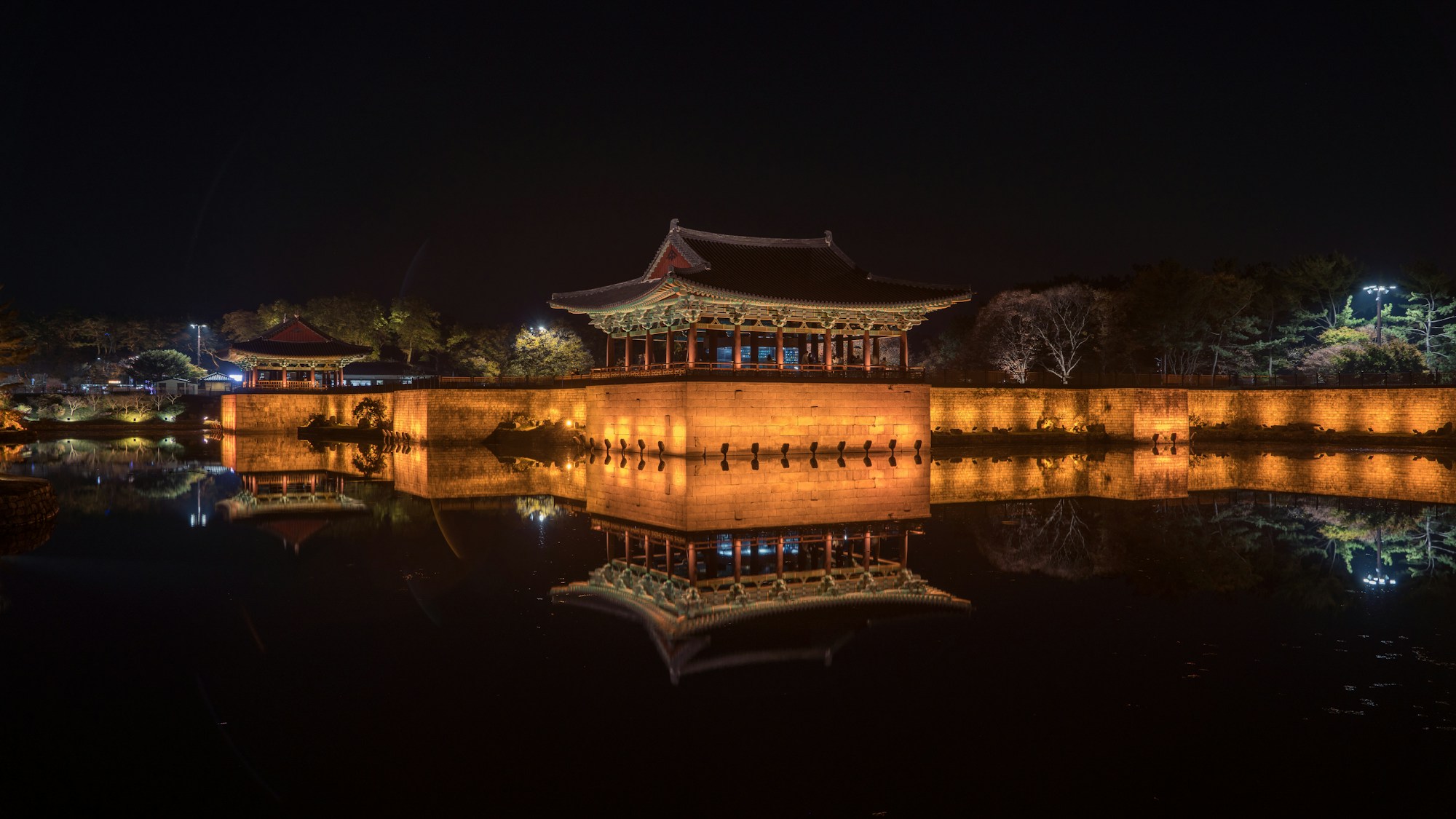
Escape the crowds without leaving the country
A classic paradox: Seoul empties out as residents head back to their hometowns, so its big sights can be visited without the usual crowds. For a real dose of traditional culture, the 2026 edition of the Andong Mask Dance Festival, about 270 km south-east of Seoul, marks its 30th anniversary from 25 September to 4 October, overlapping directly with the Chuseok weekend: the satirical dance-theatre of Hahoe Byeolsingut Tallori, international mask dance performances and the UNESCO-listed Hahoe folk village.
In Gyeongju, the Silla dynasty’s « open-air museum », entry becomes free for visitors wearing hanbok at several royal sites during Chuseok, including the Daereungwon royal tomb complex and Cheomseongdae observatory. Busan makes a strong alternative to Jeju, far less crowded, with dedicated museum events and sea temperatures still a pleasant 20°C or so. Jeju itself remains the country’s busiest destination during national holidays — pricier domestic flights, accommodation you need to book well ahead. For a full itinerary across Seoul, Busan and Jeju, it’s smarter to schedule the most popular stops outside the Chuseok dates.
Highlights
- The Andong Mask Dance Festival overlaps directly with Chuseok 2026 for its 30th anniversary
- Jeonju Hanok Village gets extremely busy during the day — go early morning or after sunset instead
- Several K-drama filming locations sit precisely in these less-saturated regions — explore our selection of fifteen iconic spots
6. The other side of the story: what Chuseok really costs
Behind the rituals and the traffic jams, Chuseok carries a well-documented social toll too. The term « myeongjeol jeunghugun » (holiday syndrome) is a medical label for the physical exhaustion of preparing ritual meals, ranging from carpal tunnel syndrome to digestive trouble. That load has traditionally fallen on the eldest daughter-in-law, who handles the shopping, cleaning and cooking before guests even arrive.
The statistics are stark: emergency calls for domestic violence rise by 62.3% and for spousal abuse by 30.5% during Chuseok compared with an ordinary day, according to Korean national police figures cited by FNNews. Over a ten-year span (2014-2023), the month following Chuseok accounts for 9.1% of annual divorces, according to the Korea Times — prolonged time with in-laws seems to act as a trigger for existing tensions rather than a cause in itself. A survey cited in the same report found only 24.4% of husbands and 23.3% of wives think household chores are shared fairly, while 68.9% believe they should be.
That pressure feeds a growing trend: with 42.3% of Korean households now single-person as of 2026, according to UPI, the « Honchu » phenomenon — spending Chuseok alone, by choice — is on the rise. An earlier survey found 52% of urban workers already skipping the trip back to their hometown, up from 40% before the pandemic. The contrast even shows up in gift sets: on one end, premium hampers over €7,000 for wine or hanwoo beef; on the other, the humble Spam gift box, the American tinned meat turned popular, democratic present, whose cumulative sales run into the hundreds of billions of won and have grown sixfold since 2008.
Practical info for travelling in Korea during Chuseok
Citizens of 67 countries and territories, including the EU, the UK, the US, Canada and Australia, still benefit from the temporary K-ETA exemption, extended until 31 December 2026: you simply need to fill in the electronic arrival card (e-Arrival Card) up to three days before departure. Budget around 80,000-100,000 won a day (roughly €50-62) for a balanced backpacker style trip, and keep an eye on typhoon forecasts, since the season peaks in August-September. South Korea is widely rated as very safe for travellers, with very low crime rates against tourists.
Mobile data the moment you land, no swapping SIM cards or hunting for a counter at the airport.
Plans from just a few euros for several daysMedical and baggage cover for your stay in Korea — handy if a fully-booked Chuseok train forces you to rethink your plans.
From $56 / 4 weeksFrequently asked questions
Should you avoid Korea during Chuseok?
No, as long as you plan ahead. Intercity transport and accommodation in popular spots like Busan, Jeju or Gyeongju get squeezed, but Seoul itself empties out as locals head home, and the major sights, including the royal palaces, are free with special programming. Book trains and hotels well in advance and avoid any intercity trip on the first or last day of the holiday without a ticket already booked.
What are the exact dates of Chuseok 2026?
Chuseok day itself falls on Friday 25 September 2026. The official public holiday runs from Thursday 24 to Saturday 26 September, naturally extended by Sunday 27, for four consecutive days off. There’s no substitute Monday this year, since that rule only applies when the festival overlaps with a Sunday, which isn’t the case in 2026.
Are Seoul’s palaces open during Chuseok?
Yes, and entry is free for every visitor, not just those in hanbok, at the five great royal sites: Gyeongbokgung, Changdeokgung, Changgyeonggung, Deoksugung and Jongmyo Shrine, with performances and traditional games running in the courtyards.
Can foreign tourists take the KTX during Chuseok?
It’s possible, but tricky. Bookings for non-resident accounts only open from 11 September 2026, often after the most in-demand routes, Seoul-Busan especially, are already sold out to residents. Fallback options: SRT, the competing operator with a separate ticket pool, an express Kobus coach, or checking daily for cancellations.
What do people eat at Chuseok?
The signature dish is songpyeon, a small half-moon rice cake steamed over pine needles and filled with sesame, red beans or chestnuts. The full spread also includes galbijjim, japchae, jeon and braised fish, alongside seasonal fruit and rice wine.
Are motorways free during Chuseok?
Yes, confirmed for 2026: all national toll motorways are free during the period, including for rental cars. Some private provincial roads may still apply their own rules.
Do you need a visa to visit Korea during Chuseok?
Citizens of 67 countries and territories, including the EU, the UK, the US, Canada and Australia, benefit from a temporary K-ETA exemption extended until 31 December 2026. You just need to fill in the electronic arrival card up to three days before departure.
Sources
- PublicHolidays.co.kr — official Chuseok dates for 2026, 2027, 2028
- Korea Herald — 2026 Korean public holiday calendar
- Seoul Economic Daily — Korail booking opening for Chuseok 2026
- Korea Herald — 2025 Chuseok travel figures
- Korea Tourism Organization — origins and traditions of Chuseok
- Beyond Kimchee — songpyeon recipe and symbolism
- Wikipedia — ganggangsullae, UNESCO intangible heritage
- Seoulstart — what closes and stays open during Chuseok
- Korea Insider — 2026 Andong Mask Dance Festival
- FNNews — domestic violence spike during Chuseok
- Korea Times — divorce spike after national holidays
- UPI — single-person households in Korea in 2026
- KPMG — K-ETA exemption extension
Research conducted on 2 September 2026.

Plan your trip with Pixidia
Pixidia learns how you travel and helps you build a trip that truly fits you and everyone coming along.
Open the planner