

Working from your living room is over. In 2026, remote workers want more: a community, an inspiring setting, and a desk with a view of the sea or the mountains. Coliving — spaces where you live, work, and share daily life with other digital nomads — is booming across Europe and Asia. According to Coliving.com, the number of coliving spaces dedicated to remote workers has doubled in two years, driven by the widespread adoption of remote work and the emergence of digital nomad visas in over 70 countries.
No more home office isolation: coliving offers a private room, an integrated coworking space, an international community, and often a gym, garden, or pool — all for an all-inclusive monthly fee. We analyzed the 8 best coliving destinations in 2026, from Lisbon to Bali, by cross-referencing field data, feedback from experienced nomads, and local sources.
1. Lisbon, Portugal — Europe’s Coliving Capital

Europe’s most mature nomad ecosystem
Lisbon has established itself as the European benchmark for remote worker coliving. The Portuguese capital boasts an exceptional density of dedicated spaces: Outsite (with locations in the Chiado and Principe Real neighborhoods), Selina, and Yon Living offer all-inclusive packages — private room, coworking, community events — starting at EUR 500 per month. According to Coliving.com, the city consistently ranks in the top 3 worldwide for coliving destinations.
On the independent coworking side, Second Home, Cowork Central, and Heden offer memberships from EUR 120 to 250 per month with ultra-fast fiber optic (averaging 166 to 176 Mbps). Portugal’s D8 visa, designed for remote workers, allows a one-year renewable stay with access to the entire Schengen area. The food scene — pasteis de nata, bacalhau, Douro wines at EUR 3 a glass — and 300 days of sunshine per year complete the picture.
The downside? Rents have skyrocketed in the historic center. According to PortugalProperty.com, a studio in Alfama or Bairro Alto now goes for around EUR 1,000 to 1,400, pushing many nomads toward peripheral alternatives.
- Try Outsite Chiado or Selina for a one-month « trial » stay
- Consider the Marvila or Beato neighborhoods for 30% lower rents
- Avoid July–August (extreme heat and tourist crowds)
- Get a NIF (Portuguese tax number) as soon as you arrive
2. Bansko, Bulgaria — Ski Resort Turned Nomad Village
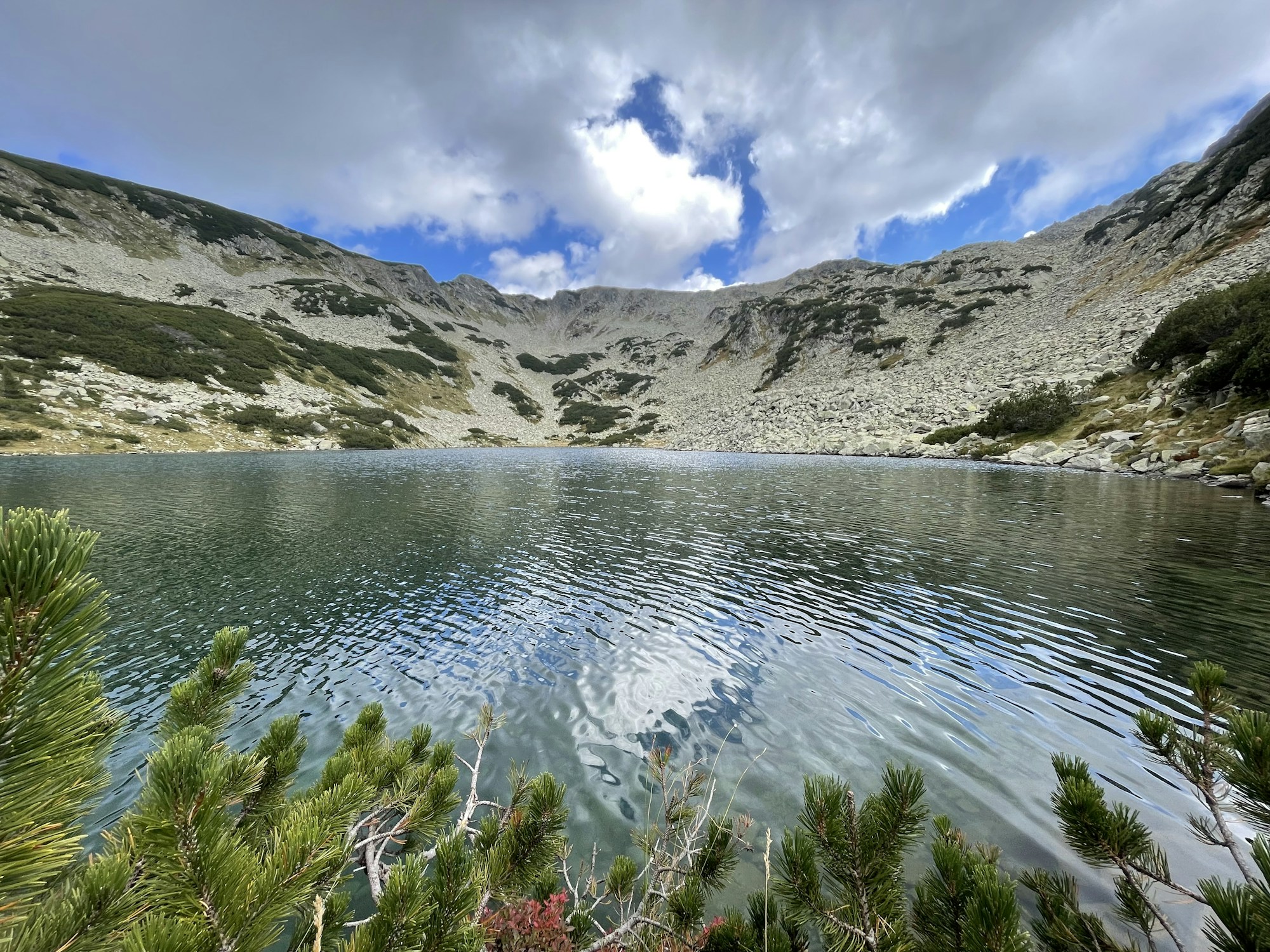
Europe’s most affordable coliving
Bansko is proof that you don’t need a capital city to build a thriving nomad community. This former ski resort in the Pirin mountains of southwestern Bulgaria has reinvented itself as a true village for remote workers. The pioneer, Coliving Bansko, offers 64 apartments with ground-floor coworking, a gym, a music room, and communal spaces — all starting at EUR 550 per month, according to Sugar Travels Blog.
Nomadico rounds out the offering with a similar community-oriented concept. Bansko’s real draw? Its unbeatable cost of living: a full restaurant meal costs EUR 5 to 10, a coffee EUR 1.50. The Bansko Nomad Fest, held every June, brings together over 500 nomads from around the world for conferences, workshops, and outdoor activities, as reported by Red White Adventures.
Since Bulgaria is a member of the European Union, EU citizens need no visa. Summer offers spectacular hiking in Pirin National Park (a UNESCO site), while winter lets you ski before or after work — the slopes are just 10 minutes from downtown.
- Book at Coliving Bansko (64 apartments) or Nomadico for the community experience
- Plan your stay around the Bansko Nomad Fest (June)
- Take advantage of the hiking trails in Pirin National Park in summer
- Aim for June–September for the best weather/community balance
3. Tbilisi, Georgia — Hidden Gem of the Caucasus
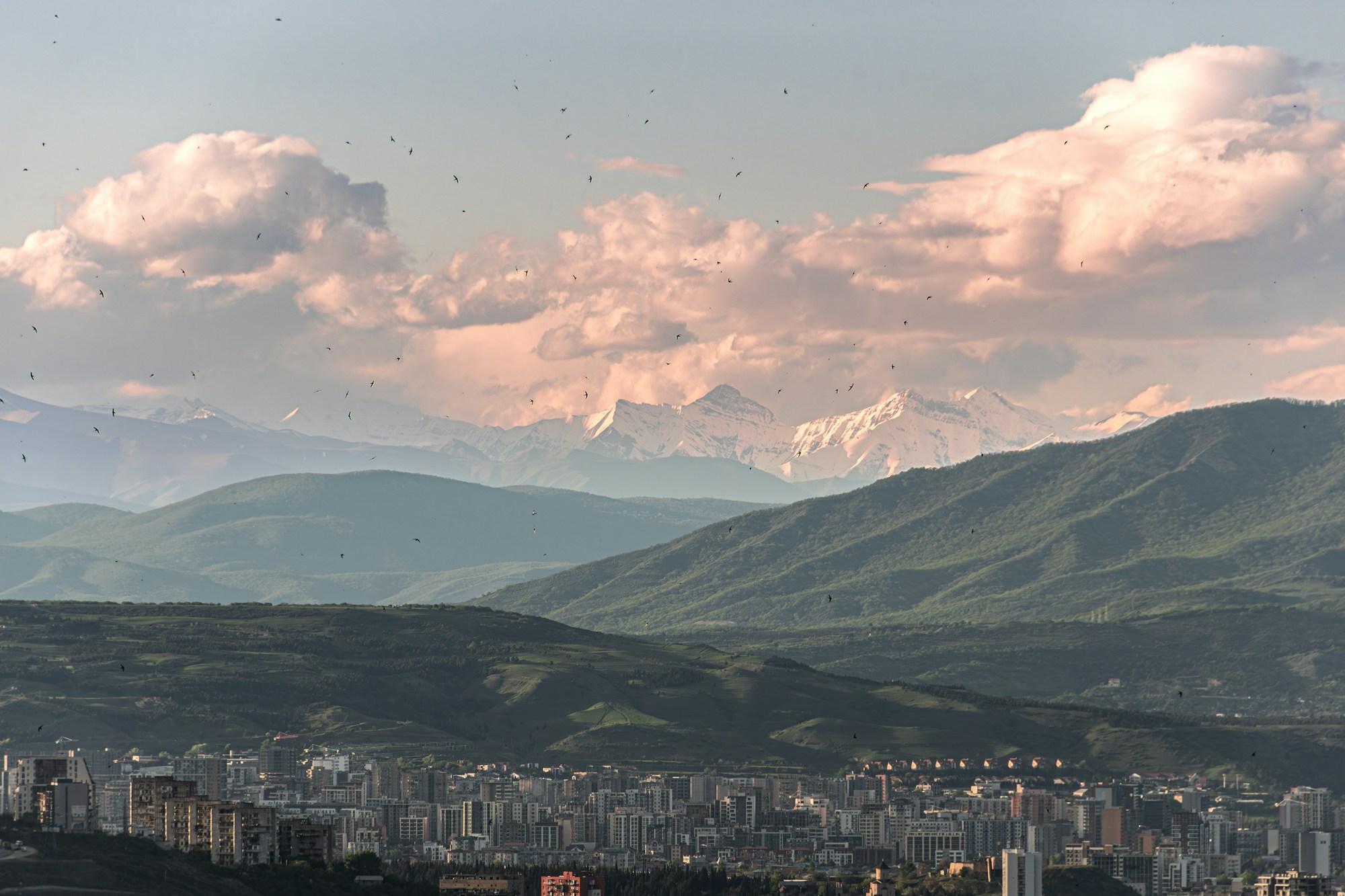
1% tax rate, visa-free entry, and a booming community
Georgia has become one of the most attractive destinations in the world for remote workers, and Tbilisi is at the epicenter. No visa is required for nationals of over 95 countries for stays of up to one year — one of the most generous entry policies on the planet. According to Move to Georgia Guide, the cost of living starts at USD 800 per month, with apartments available from USD 300 in residential neighborhoods.
Tbilisi’s flagship coliving is LOKAL: it combines living and working spaces with indoor and outdoor areas, community lunches, yoga classes, and networking events. Independent coworkings like Impact Hub, Fabrika (housed in a former Soviet factory turned cultural hub), and Terminal round out the offering.
The tax argument is decisive: Georgia offers a tax regime for individual entrepreneurs at just 1% of revenue. A metro ride costs USD 0.37, and a monthly pass is USD 15. Add exceptional cuisine (khinkali, khachapuri), natural hot springs, and millennia of cultural heritage, and you’ll understand why Tbilisi’s nomad community keeps growing, as documented by Goats on the Road.
- Settle into LOKAL for a full community immersion
- Explore the Fabrika district for coworking and cultural life
- Consult a tax advisor about the 1% entrepreneur regime
- Avoid July–August (temperatures above 35 °C / 95 °F)
4. Budapest, Hungary — Thermal Baths and Ruin Bars

Central Europe at affordable prices
Budapest stands out for its exceptional value for money in the heart of the European Union. With an all-inclusive monthly budget of around USD 1,178 according to Holafly, the Hungarian capital attracts a growing community of remote workers. The city has over 60 coworking spaces, and several coliving operations have set up shop to meet demand.
Hubs Budapest offers rooms with integrated coworking, community events, workshops, and shared dinners — the full social coliving experience. Loffice Budapest, located in the bohemian Jozsefvaros district, combines coliving and coworking in a unique architectural setting. Direct rental studios start from USD 478 per month according to Remote Club.
Budapest’s art of living is a major draw: the historic thermal baths (Szechenyi, Gellert, Rudas) offer the perfect way to decompress after a workday. The ruin bars of the Jewish Quarter — bars set up in abandoned buildings — fuel the nightlife. Hungary’s White Card visa facilitates settlement for non-EU remote workers. And the monthly transit pass at EUR 27 covers metro, bus, and tram across the entire city.
- Check out Hubs Budapest for the coliving + community experience
- Explore the Jozsefvaros district (District VIII) for the best rates
- Use a VPN on public Wi-Fi in cafes and coworking spaces
- Look into the White Card visa for extended stays (non-EU citizens)
5. Bali (Canggu & Ubud), Indonesia — Nomad Paradise
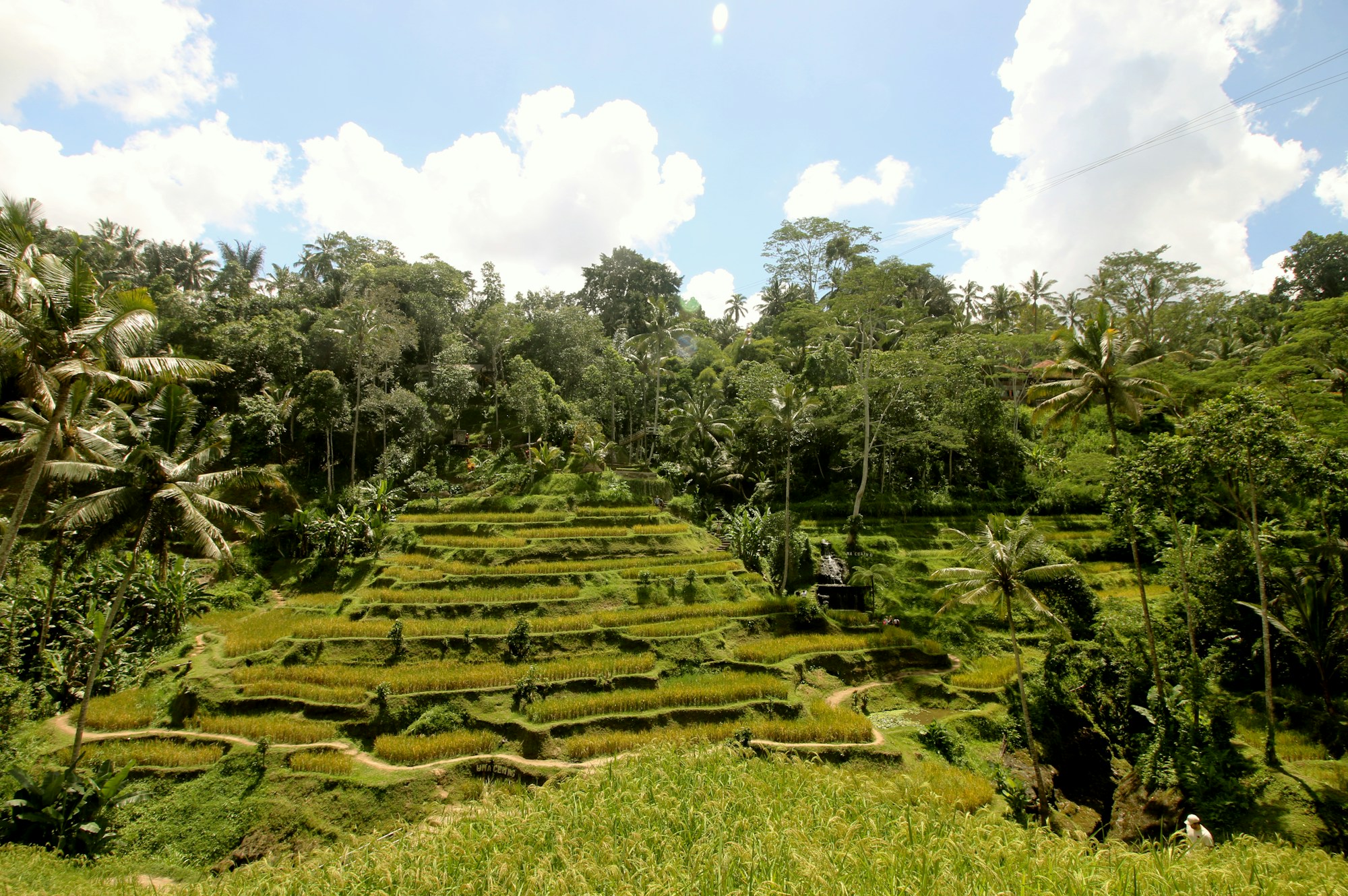
Two vibes, one ecosystem
Bali remains the iconic tropical coliving destination. The island splits into two distinct hubs for remote workers: Canggu, on the southwest coast, concentrates the surf scene, trendy cafes, and coworkings like Dojo and Tropical Nomad. Further inland, Ubud offers a more zen setting — rice paddies, temples, yoga retreats — ideal for those seeking focus and rejuvenation.
Outsite Bali, located in Pererenan (between Canggu and Tanah Lot), offers private rooms with a pool and Wi-Fi clocked at 91 Mbps, according to Coliving.com. Outpost operates three sites in Bali and extends to Sri Lanka, with a membership model allowing you to move between spaces. Indonesia’s DTV (Digital Nomad Visa) allows stays of up to 180 days.
The cost of living remains very competitive: expect USD 750 to 1,100 per month in Canggu (accommodation, food, coworking), and USD 600 to 900 in Ubud. As Digidiamo points out, the key to success in Bali is picking your camp: the social energy of Canggu or the serenity of Ubud. Some nomads alternate between the two depending on the phase of their project.
- Choose Canggu for the social life and surfing, Ubud for deep focus
- Try Outsite Pererenan for the best Wi-Fi on the island
- Avoid the rainy season (November–March) for daily comfort
- Apply for the DTV before departure for a 180-day stay
6. Chiang Mai, Thailand — The Nomad Mecca

The timeless classic, reinvented for 2026
Chiang Mai is the birthplace of the digital nomad movement, and in 2026 this northern Thai city retains its benchmark status. The all-inclusive monthly budget runs around USD 800 — a nearly unbeatable figure for this quality of life. Furnished studios start at USD 331 per month according to Coliving.com, and the street food remains some of the best and cheapest in Asia.
Alt Coliving is the local reference: two sites (city center and Ping River banks) offer rooms with integrated coworking, communal spaces, and weekly events. The atmosphere is family-friendly, far from the « party » vibe of Bangkok or Bali. Fiber optic covers most of the city, and the DTV (Destination Thailand Visa) now offers 5 years of validity with multiple entries — ending the « visa runs » that used to complicate nomad life, as detailed by Alt Coliving.
Chiang Mai is also a gateway to nature: ancient temples, lush mountains, waterfalls, and national parks are all reachable by scooter. The community atmosphere is exceptional — it’s a city where you make friends in days, between Thai cooking classes, Muay Thai sessions, and jungle hikes.
- Settle into Alt Coliving (city center or Ping River) for the community
- Visit between November and February (cool season, blue skies)
- Absolutely avoid February–April (burning season, dangerously poor air quality)
- Apply for the DTV as an e-visa before departure (processing ~30 days)
7. Bangkok, Thailand — Ultra-Connected Metropolis
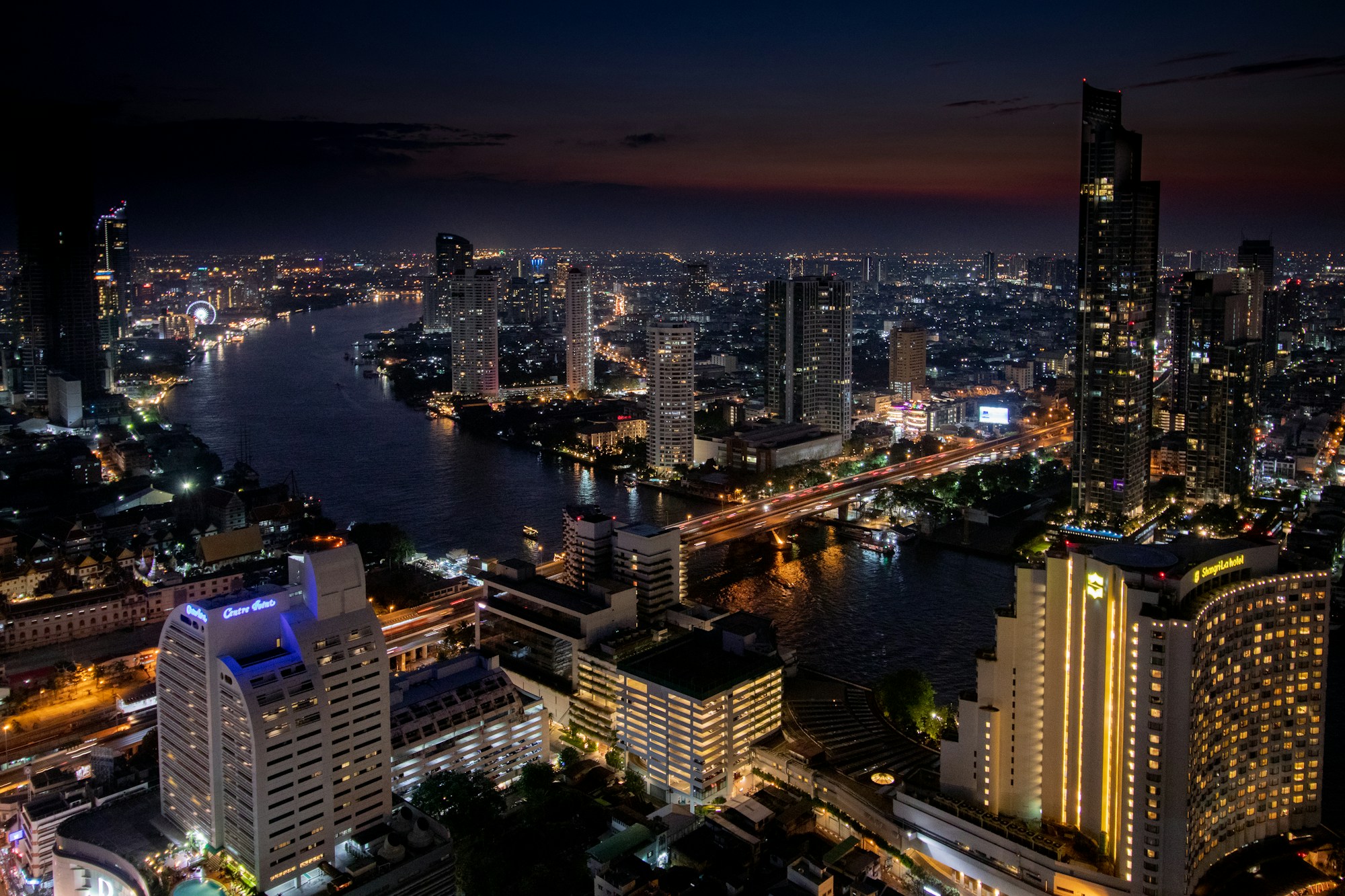
The city that never sleeps, nomad edition
If Chiang Mai is the village, Bangkok is the metropolis. The Thai capital offers a radically different experience: skyscrapers, colossal shopping malls, legendary street food, and 5G connectivity covering the entire city. For remote workers who need world-class urban infrastructure without Tokyo or Singapore prices, Bangkok is a strategic choice.
LITA Coliving stands out in Bangkok’s offering: located near Rama 9, it offers rooms from USD 600 to 900 per month with an integrated cafe, coworking space, and community activities. Lyf, near the BTS Nana station, targets a more premium audience with designer studios and polished social spaces. According to Everything Coliving, Bangkok offers one of the best value-for-money ratios of any Asian megacity for coliving.
The coworking ecosystem is vast: dozens of spaces dot the Silom, Sukhumvit, and Ari neighborhoods. Malls like Central World and IconSiam have air-conditioned work zones with free Wi-Fi. The transit network (BTS, MRT, boats) lets you cross the city without a car. The same DTV as Chiang Mai applies, and November marks the start of the ideal dry season.
- Try LITA Coliving (Rama 9) for an immersive first month
- Head to the Ari neighborhood for a local and trendy vibe
- Take advantage of 5G coverage for seamless video calls
- Avoid April (extreme heat, 40 °C+ / 104 °F+) and the rainy season (June–October)
8. Ponta do Sol, Madeira — The World’s First Nomad Village

The concept that launched the movement
Ponta do Sol, a small village on the southern coast of Madeira, made history by becoming the world’s first digital nomad village. The Digital Nomads Madeira project, created by Goncalo Hall in partnership with Startup Madeira, transformed this town of 8,000 residents into a living coliving laboratory: free coworking with ocean views, weekly community events, organized hikes, and integration with the local population, according to Explore with Lora.
Several coliving operations have established themselves in the wake of the pioneering project: Banana House, Outsite Madeira, and Nomadico (located in the neighboring village of Jardim do Mar) offer all-inclusive packages between EUR 800 and 1,200 per month. Madeira’s major advantage is its subtropical climate: temperatures range from 18 to 25 °C (64 to 77 °F) year-round, without the extreme heat or cold found in other destinations on this list.
Madeira is part of Portugal, and therefore the European Union and the Schengen area. Portugal’s D8 visa applies for non-Europeans. The island is a paradise for hikers (the levadas offer hundreds of kilometers of trails), diving enthusiasts, and surfers. The nomad community is more intimate than in larger cities — you know everyone within days, according to reviews documented by Red White Adventures.
- Start with the Digital Nomads Madeira program (free coworking, events)
- Explore Jardim do Mar (Nomadico) for an even more intimate atmosphere
- Plan for a vehicle: the island is mountainous and buses are infrequent
- Hike the levadas on weekends — the most beautiful trails in Europe
Practical info for your coliving stay
Frequently Asked Questions about coliving for remote workers
What exactly is coliving?
Coliving is a community-based housing model where residents have a private room or studio, while sharing common areas: kitchen, living room, coworking space, and sometimes a pool, gym, or garden. Unlike traditional shared housing, coliving is professionally managed: rent typically includes high-speed Wi-Fi, utilities, cleaning, and access to work spaces. Coliving spaces for remote workers stand out with integrated coworking, networking events, and an international community of remote professionals. It’s the intersection of hotel, shared housing, and coworking — without the downsides of each.
How much does a month of coliving cost in 2026?
Prices vary significantly by destination. In Europe, expect EUR 550 to 650/month in Bansko (Bulgaria), EUR 800 to 1,200 in Madeira or Tbilisi, and EUR 1,000 to 1,500 in Lisbon or Budapest. In Asia, prices are even more competitive: around USD 800/month all-inclusive in Chiang Mai, USD 600 to 900 in Ubud, and USD 700 to 1,200 in Bangkok. These rates generally include a private room, high-speed Wi-Fi, coworking access, weekly cleaning, and utilities. Meals and transportation are the resident’s responsibility, but the local cost of living is often very low — a full meal in Bansko costs EUR 5 to 10.
What internet speeds can you expect in coliving spaces?
Connectivity is a fundamental criterion for remote worker-oriented coliving spaces, and the majority of spaces featured in this article offer fiber optic between 50 and 200 Mbps. Lisbon averages 166 to 176 Mbps, Outsite Bali measures 91 Mbps, and Bangkok benefits from widespread 5G coverage. For daily remote work (video calls, file sharing), a minimum of 20 Mbps download and 5 Mbps upload is recommended. Tip: always check real speeds on sites like Speedtest before booking, and have a backup plan — a local eSIM with a data plan in case of outages.
Do you need a special visa to live in a coliving abroad?
It depends on your nationality and length of stay. For EU citizens, no visa is needed within the EU (Lisbon, Bansko, Budapest, Madeira). Georgia offers visa-free stays of up to one year for over 95 nationalities. For Southeast Asia, Thailand offers the DTV (Destination Thailand Visa) valid for 5 years with multiple entries, and Indonesia its DTV Digital Nomad for up to 180 days. For non-Europeans looking to settle in Europe, the Portuguese D8 visa and Hungarian White Card are the most accessible options. Over 70 countries now offer a specific digital nomad visa — the legal framework is much clearer than it was a few years ago.
Is coliving suitable for introverts?
Yes, and it’s actually one of its underrated advantages. Unlike a hostel where sharing is forced upon you, coliving offers a private room — your personal space is guaranteed. Social interactions are opt-in: you participate in community dinners, outings, or workshops when you want to, and retreat to your room when you need quiet. Many coliving spaces also offer dedicated « quiet zones » for focused work. For introverts, coliving offers the best of both worlds: the ability to build authentic connections without constant social pressure.
What are the coliving trends for 2026?
Several trends are shaping the coliving market in 2026. Slomading (Slow Nomading) is dominant: rather than changing countries every month, nomads settle in one place for 3 to 6 months for better productivity and local integration. Nomad villages like Ponta do Sol (Madeira) or Bansko (Bulgaria) are multiplying, offering a more intimate experience than big cities. We’re also seeing the rise of themed coliving spaces — focused on surfing, yoga, entrepreneurship, or families — and the growth of multi-site networks (Outsite, Outpost, Nomadico) that let you move between multiple destinations with a single membership.
How do you choose a coliving space?
Five key criteria should guide your choice. 1) Wi-Fi speed: check real measurements on Speedtest or resident reviews, not advertised figures. 2) Community: check Facebook groups and reviews to assess the atmosphere (party-oriented, professional, family-friendly). 3) Value for money: compare what’s included (utilities, cleaning, coworking, amenities). 4) Location: proximity to transit, shops, and green spaces. 5) Minimum stay: some spaces require a one-month minimum, others accept weekly stays. Always start with a one-month « trial » before committing long-term.
What are the downsides of coliving?
Coliving isn’t without its drawbacks. Lack of privacy can weigh on you: even with a private room, shared spaces mean noise and unwanted interactions. House rules (quiet hours, communal cleaning, dietary restrictions) can frustrate independent spirits. Turnover is another challenge: residents change often, and bonds formed can be short-lived. Finally, quality varies enormously from one space to another — Wi-Fi advertised at 100 Mbps can drop to 10 Mbps during peak hours if the infrastructure isn’t properly sized. The workaround: read recent reviews (less than 3 months old) and contact current residents directly before booking.
Sources
- Coliving.com — Lisbon Coliving Spaces — Directory of coliving spaces in Lisbon
- Coliving.com — Bali Coliving Spaces — Guide to coliving in Bali
- Coliving.com — Chiang Mai Coliving — Coliving spaces in Chiang Mai
- PortugalProperty.com — Real estate market and rental prices in Portugal
- Nomadico.io — Coliving Bansko and Jardim do Mar (Madeira)
- Sugar Travels Blog — First-hand coliving experience in Bansko
- Red White Adventures — Nomad guide for Bansko and Madeira
- Move to Georgia Guide — Relocation guide to Georgia for remote workers
- Goats on the Road — Nomad guide to Tbilisi
- Alt Coliving — Coliving Chiang Mai (2 sites)
- Everything Coliving — LITA Coliving Bangkok and coliving trends
- Explore with Lora — Digital Nomads Madeira and Ponta do Sol
- Digidiamo — Bali and Chiang Mai guide for digital nomads
- Holafly — Cost of living in Budapest and remote worker data
- Remote Club — Budapest coliving spaces and coworking rates
Research conducted on March 17, 2026 using specialized coliving sources, feedback from experienced nomads, and local data. Prices and conditions may change — verify information with coliving spaces before booking.
Ready for the Coliving Adventure?
Discover our travel itineraries and plan your next coliving stay around the world.
Explore all itineraries