
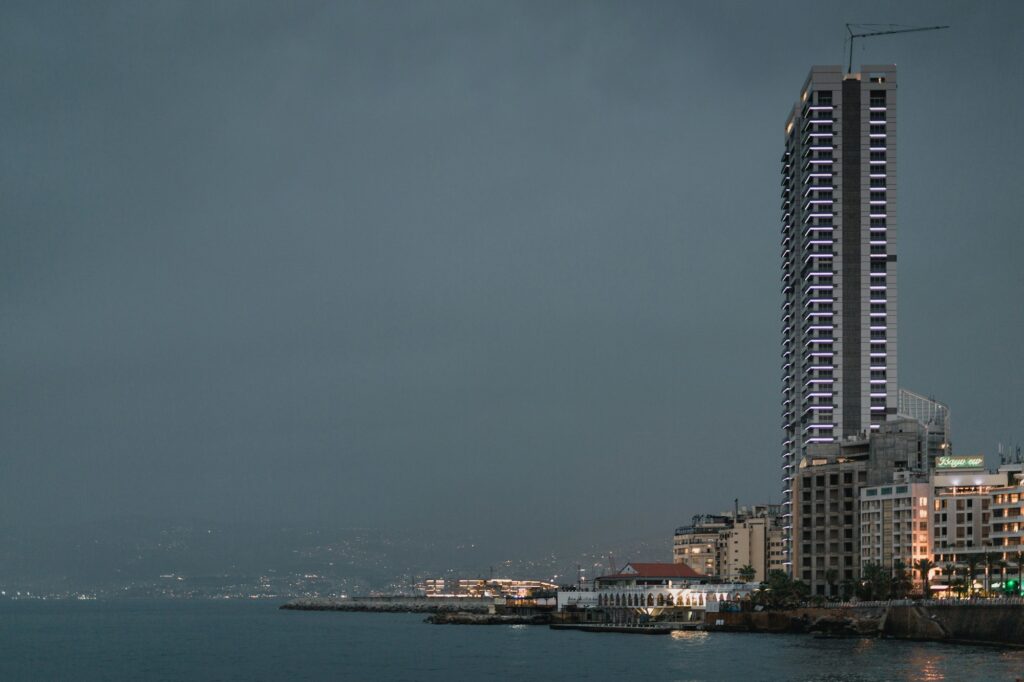
On February 28, 2026, at 2:30 AM Washington time, Donald Trump announced the beginning of strikes on Iran. Within hours, a region home to 400,000 French nationals plunged into war. Families on vacation in Dubai, expat executives in Beirut, tourists stranded in Tel Aviv — how did France organize their return? What really happens inside the Quai d’Orsay Crisis Center? And what do these evacuations reveal about our rights — and obligations — as travelers? Here is the complete account, six weeks after the conflict began.
February 28, 2026: The Initial Shockwave
On Saturday, February 28, 2026, at 2:30 AM Washington time, Donald Trump posted a video on Truth Social announcing that « U.S. armed forces have begun major combat operations in Iran. » The Israeli operation was named Operation Roaring Lion; the American operation, Operation Epic Fury. According to Wikipedia, the conflict began six weeks after the violent repression of anti-government protests in Iran, during which thousands of civilians were killed.
Iran’s response was nearly immediate: hundreds of drones and ballistic missiles were launched not only toward Israel, but also toward American military bases in Jordan, Kuwait, Bahrain, Qatar, Iraq, Saudi Arabia, and the United Arab Emirates. Tehran also targeted civilian infrastructure — including the international airports of Kuwait and the UAE — paralyzing the entire regional aviation network.
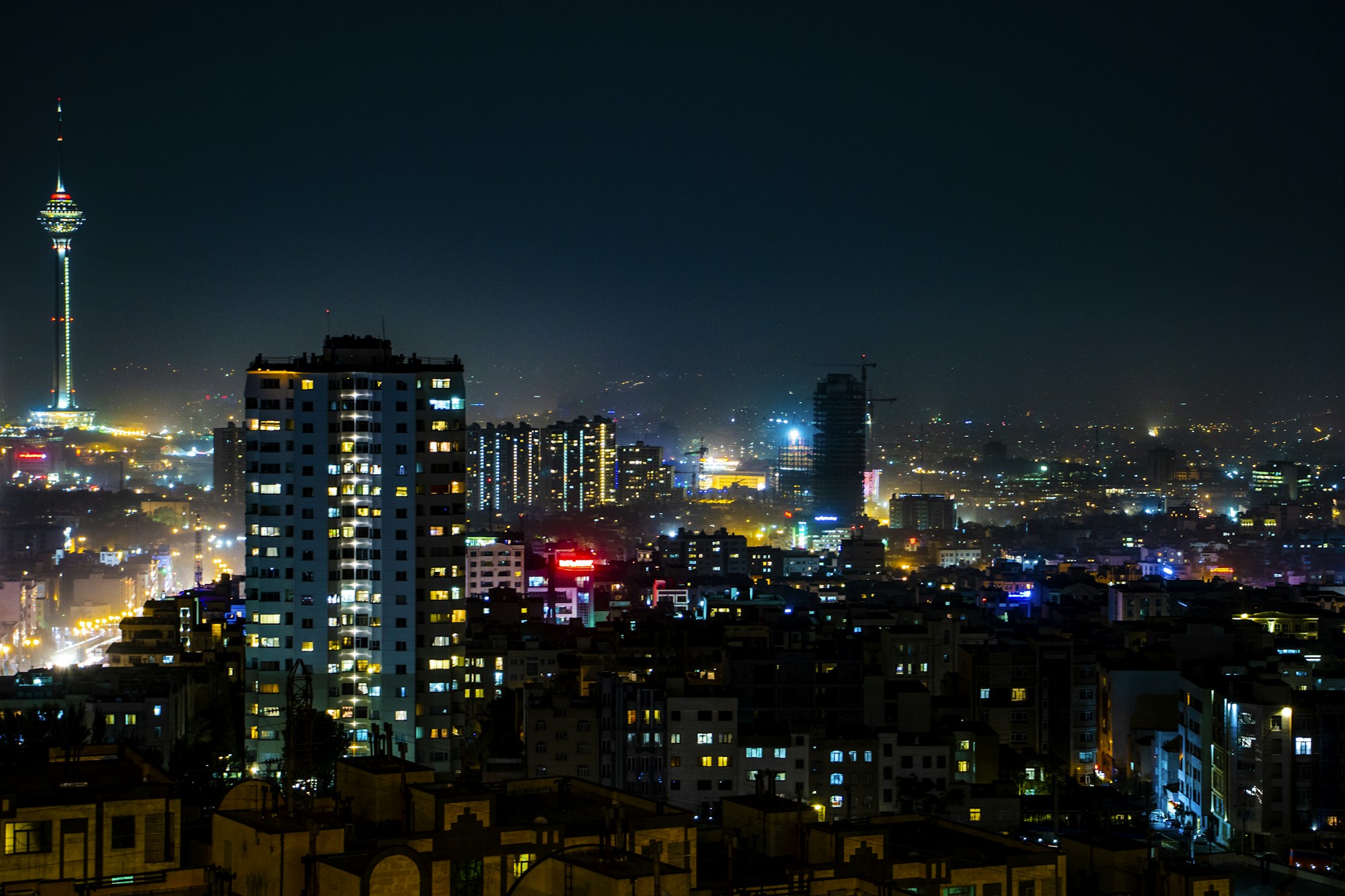
The staggering figures
- 400,000 French nationals in roughly a dozen countries affected by the crisis
- 221,000 in Israel (the largest community)
- 63,700 in the United Arab Emirates
- 24,400 in Lebanon
- 1,031 in Iran (residents + tourists)
- 12,300 flights cancelled across 7 major regional airports in one week
- 1.5 million passengers affected according to Cirium data
What makes this crisis unprecedented: the simultaneous closure of all regional airspaces. Dubai, Doha and Abu Dhabi hubs normally handle around 90,000 transit passengers per day. Within hours, this global aviation artery shut down completely.
According to Franceinfo, a provisional two-week ceasefire between Iran and the US came into effect on April 8, 2026, after 39 days of conflict, opening negotiations in Islamabad. However, in Lebanon, Israel maintains that the ceasefire does not apply to its operations against Hezbollah. As of April 11, Israeli bombardments had killed 357 people and wounded 1,223, according to Lebanon’s Ministry of Health. The situation therefore remains explosive.
Inside the Quai d’Orsay Crisis Center
At France’s Ministry of Europe and Foreign Affairs, it is the Crisis and Support Center (CDCS), located at the heart of the Quai d’Orsay, that directs operations during major overseas crises. Weeks after the conflict began, Minister Delegate for French Nationals Abroad Éléonore Caroit gave an inside account of its functioning, reported by the Journal des Français à l’étranger.

Behind the scenes of the crisis cell
Martial, 59, a former soldier and Red Cross volunteer, lived through the cell’s rapid expansion firsthand: « A week ago, we were receiving calls from French people looking for information mainly to leave the region and flee the war. » According to Sud Radio, the cell went from 1,500 calls per day at peak to fewer than 200 three weeks after the conflict began.
- 12,000 calls handled since February 28 (from Paris, Nantes and embassies)
- 150 people mobilized for phone responses alone
- 60% of calls came from the UAE according to the Journal des Français à l’étranger (families on holiday in Dubai)
- 24 health reservists deployed by the MAEE for medically supervised repatriation flights
- First-ever integration of a medico-psychological cell for trauma support
A major innovation: the medico-psychological cell
For the first time in the history of French consular crises, a medico-psychological cell was integrated into the CDCS to direct the most psychologically fragile individuals toward professionals. « Because you can have people with no pre-existing condition who are in profound distress due to the shock of war, » an official told Orange Actu.
Marine Meneret, 36, an emergency physician from Tours and member of this health reserve, assessed medical issues among evacuees — heart conditions, diabetes, pulmonary problems, mobility issues — to determine « whether their health condition is compatible with a return flight. » A groundbreaking approach that reflects a profound evolution in France’s conception of consular assistance.
Phone: +33 1 43 17 51 00 (24/7 — lines may be saturated during crises)
Email: [email protected]
The 3-Level Repatriation System: How It Worked
Faced with the scale of the crisis, Foreign Minister Jean-Noël Barrot confirmed on March 3, 2026, the activation of a three-tier repatriation plan, as reported by Ulysse.com:
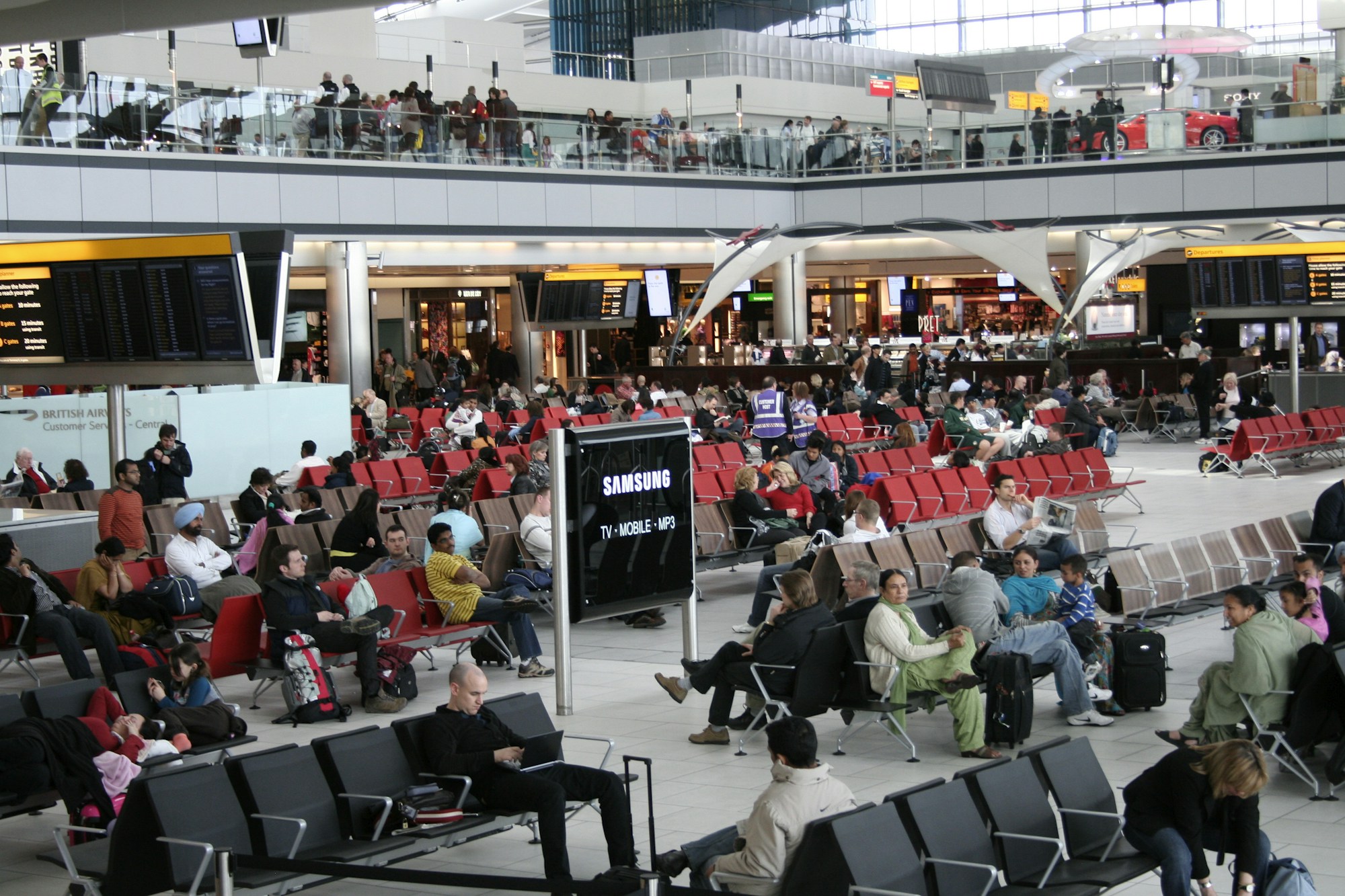
The 3-tier plan
- Option 1 — Reserved seat blocks on commercial flights still operating
- Option 2 — Civilian charter flights specially organized by the French state
- Option 3 — If necessary, French Republic aircraft (military)
- Naval option — Amphibious helicopter carrier Tonnerre arrived in Lebanon on March 6, escorted by frigate Courbet
Tally as of March 11: According to government spokesperson Maud Bregeon quoted by Franceinfo, nearly 20,000 French nationals were repatriated from the Middle East. Around 2,000 vulnerable people (children, pregnant women, chronically ill patients) were brought home via chartered flights.
Why France didn’t evacuate everyone
With 400,000 nationals in the region — 13 times more than Germany — a full mass evacuation by air was a logistical impossibility. France therefore prioritized on-the-ground consular assistance: direct aid, information dissemination, and facilitation of overland exits where corridors permitted. The key evacuation routes used were: Lebanon, Jordan, Egypt, Oman and Saudi Arabia, which maintained partially open air corridors. For nationals stranded in the UAE after Dubai’s airport closure, overland transit to Oman was the main exit option — a 400+ km journey that the vast majority of evacuees from Dubai had to undertake before boarding the first charter flight.
Testimonials: French Nationals Repatriated from Lebanon
On March 1, 2026, Hezbollah attacked Israel from Lebanese soil, triggering Israeli bombardments of Lebanese territory. The fighting killed at least 72 people and displaced over 80,000, according to Wikipedia. For the 24,400 French nationals present in Lebanon — 20,000 of them long-term residents — the dilemma was brutal: stay or flee.
« There was a driver who helped us avoid the bombardments. It was terrible. That night was terrible. Personally, I was afraid right up until I had passed Turkey. »
— French national repatriated from Lebanon, Friday March 6, Paris airport
At Paris on the morning of Friday, March 6, emotional scenes played out among passengers arriving from Lebanon. Their anguish had started before even taking off, on the road to the airport, as reported by Franceinfo.
Profile of the French community in Lebanon
Of the 24,400 French nationals registered, around 20,000 are permanent residents. The banking sector dominates, with 60 banks represented in the country employing many French executives. French-language media, including L’Orient Le Jour, represent another notable sector. Education remains a pillar of French presence through numerous Francophone institutions.
Israel and UAE: When a Dubai Holiday Turns into a Nightmare
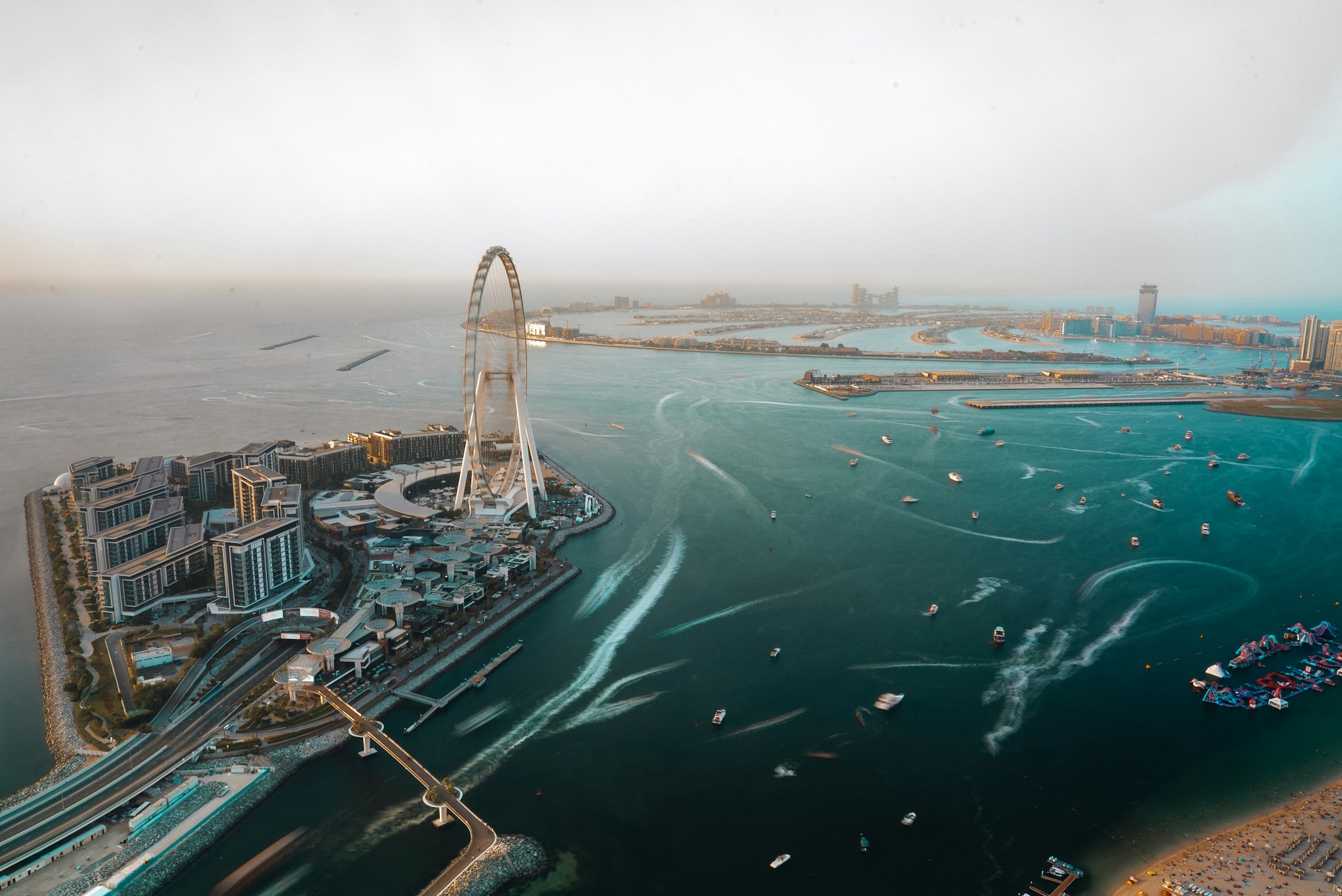
Confined to their hotel room in Dubai
Audrey and Cléo, a mother and daughter from Avignon, were confined to their hotel in the UAE for days. « I was constantly on the Le Monde app, and I’d watch the news in the evening on TV. It was the only thing we could do. » Cléo eventually stopped following the news: « There was no point worrying when we had no return ticket. And then, we were really lucky — I think we were on one of the first planes to take off.«
Sylvia Stropoli, another French national, spent a full week stranded in Dubai with her family. She didn’t hide her frustration: « They tell us to take commercial flights, but they cost between €6,000 and €10,000 depending on what’s left. » She ended up doing laundry in her hotel bathtub, waiting for the first state-chartered flight.
In Israel, the situation was equally stressful. « Very frightening, especially when we received the alarm in the middle of the night and had to hide from the bombardments, stay away from the windows. We really panicked, » reports one repatriated French national, according to Franceinfo.
French Nationals in Iran: The Most Delicate Situation
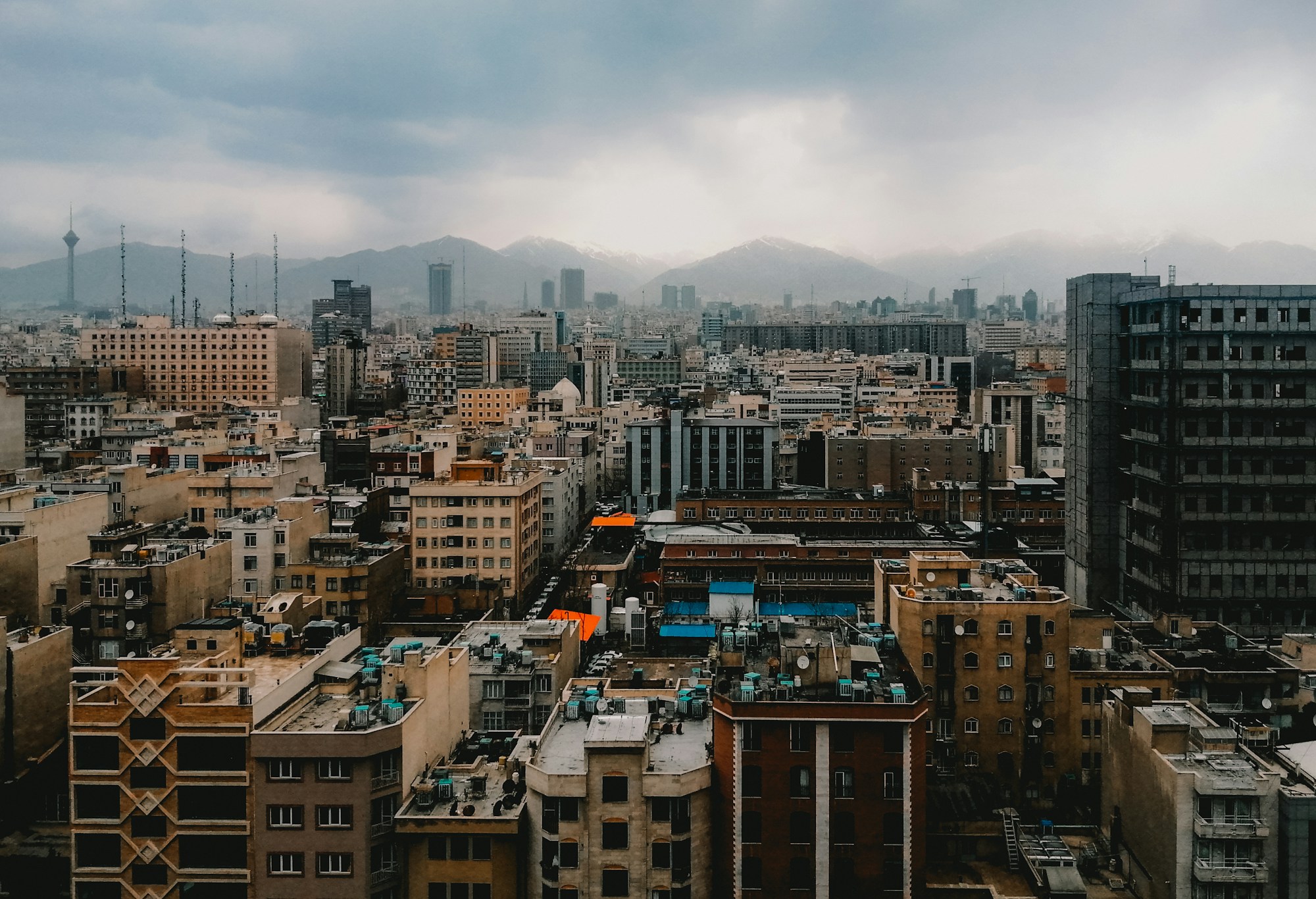
1,031 French nationals officially registered in Iran
According to the ministry, approximately 1,031 French nationals were officially registered in Iran as of March 8, 2026, primarily expatriates and a few tourists. The French Embassy in Tehran remained operational, though staffing levels were adjusted. Consular agents worked round the clock to issue emergency travel documents and organize secure convoys, according to Les Français.press. The ministry maintained its strictest recommendation: any French national in transit should leave immediately via the routes still available — including overland to Turkey or Armenia.
French Embassy Tehran: +98 (21) 64 09 40 00
Quai d’Orsay Crisis Center: +33 1 43 17 51 00
The French hostages: a diplomatic epilogue
On April 7, 2026, Emmanuel Macron announced that Cécile Kohler and Jacques Paris — two French nationals detained in Iran for nearly four years — were « free » and on their way back to French territory. Oman’s mediation played a key role in the final outcome. Their release, obtained within the context of ceasefire negotiations, illustrates both the limits and the quiet resources of French diplomacy.
The Domino Effect: 20,000 French Tourists Stranded in Asia
A little-known aspect of this crisis: its effects reached far beyond the conflict zone itself. At the Quai d’Orsay Crisis Center, the shockwave was felt well beyond the Middle East, with French tourists in Thailand, Vietnam, Sri Lanka and India unable to return to France. Around 20,000 French tourists were affected — they needed to return via hubs like Doha and Dubai, which were regularly targeted by drone and missile attacks, according to Sud Radio.
The Fil d’Ariane: The Little-Known Tool That Could Save Your Life
Before travelling abroad for pleasure or work, any French national can register their stay on the portal fildariane.diplomatie.gouv.fr. Registering allows the authorities to contact you quickly in the event of a major crisis. In early March 2026, this tool enabled the first contacts between the CDCS and French nationals in conflict zones, as explained by Français à Londres.
What the Fil d’Ariane is — and is not
- It is a tool that allows the CDCS to inform and contact you in a crisis
- It is your best reflex before any trip abroad — free, 5 minutes to register
- It is not a real-time geolocation tool
- It is not travel insurance
- It is not a guarantee of repatriation — there is no automatic right to evacuation
Travel Insurance in Conflict Zones: The Contractual Trap 8 in 10 Travelers Don’t Know About
Eight out of ten travelers believe they are covered in the event of war or armed conflict. The contractual reality is very different: the vast majority of travel insurance policies explicitly exclude this risk. The gap between what you think you’ve purchased and what the contract actually says can cost thousands of euros, as analyzed in detail by Génération Voyage.
The war clause trap
The vast majority of travel insurance policies contain an exclusion for « damages resulting directly or indirectly from civil or foreign war. » The phrase « directly or indirectly » is the most dangerous: even a purely logistical cancellation (airspace closed for security reasons) can be denied by the insurer when a conflict is underway in the region.
What European law still guarantees
EU Regulation CE 261/2004 guarantees a full ticket refund or rebooking, plus assistance (accommodation, meals) if you are stranded at the airport. However, the flat-rate compensation of €250–600 is not due, as armed conflict constitutes an « extraordinary circumstance, » according to economie.gouv.fr.
FAQ — Your Questions About Consular Evacuations
Is France legally obligated to repatriate me if I’m stranded abroad?
No. Registering on the Fil d’Ariane creates no obligation for the French state to intervene. There is no automatic right to repatriation for French citizens abroad — the state has a duty of consular assistance, but not an obligation of results. As Français à Londres explains, the state facilitates return, it does not guarantee it.
Who has priority for state-chartered repatriation flights?
Repatriation flights chartered by the Foreign Ministry are reserved as a priority for vulnerable French nationals: unaccompanied minors, pregnant women, people with chronic illnesses, and nationals without sufficient resources to purchase a commercial ticket. Around 2,000 people benefited from this scheme by March 11, 2026.
What should I do first if I find myself in a conflict zone?
According to official recommendations: 1) Register or update your details on fildariane.diplomatie.gouv.fr. 2) Contact the CDCS at +33 1 43 17 51 00. 3) Follow instructions from the local consulate. 4) Do not attempt to leave alone via unfamiliar routes — consular convoys may be organized to safe land borders.
Does my travel insurance cover me in an armed conflict?
In the vast majority of cases, no. Most standard travel insurance policies explicitly exclude war risk. Additionally, any policy purchased after hostilities began will be considered to cover an already-known risk (and will therefore be denied). Only specialized « hostile zone » policies, purchased before the conflict, provide real protection.
How much does it cost to leave during a crisis?
Testimonials collected during the March 2026 crisis reveal highly variable costs by departure country: from Lebanon: €1,500 to €3,000 (vs €400–600 in normal times). From the UAE: commercial flights still available were going for between €6,000 and €10,000. Alternative solution: the Dubai → Oman overland route, costing around €200–400, then gave access to free or very cheap chartered flights.
Is the Fil d’Ariane really useful if I never log in after registering?
Yes — the initial registration is enough to make you « visible » to the consular network in a crisis. You don’t need to log in regularly. However, it is recommended to update your contact details (local phone number, accommodation) at the start of each trip. This update is what allows consular agents to reach you precisely. Registration takes 5 minutes and is completely free.
Does the April 8 ceasefire mean the crisis is over for travelers?
Not yet. The Iran–US ceasefire has been in effect since April 8, but fighting in Lebanon continues (Israel maintains it does not apply to its operations against Hezbollah). According to Elucid.media, long-term stability remains uncertain. The Quai d’Orsay maintains maximum vigilance advisories throughout the region. Check diplomatie.gouv.fr/travel-advice daily before any travel. The French Foreign Ministry’s travel advice for Lebanon, updated on September 10, 2026, formally advises against travel across most of the country.
Sources
- Wikipedia — 2026 Iran War
- Franceinfo — US-Israel-Iran War (live)
- Journal des Français à l’étranger — CDCS operations
- Ulysse.com — Barrot’s 3-tier repatriation plan
- Les Français.press — Repatriation status report
- Français à Londres — Fil d’Ariane explained
- Génération Voyage — Travel insurance and war
- Economie.gouv.fr — Traveler rights during the crisis
- Elucid.media — Why the ceasefire is fragile
- France Diplomatie — Fil d’Ariane (official)
Explore our travel magazine
Hundreds of articles, guides and inspiration for your next trips around the world.
Discover the magazine