
The 10 best cool destinations to escape the summer heatwave in 2026 are: Lake Bohinj (Slovenia), High Tatras (Slovakia), Albanian Alps, Georgia/Svaneti, Faroe Islands, Swedish Lapland, Mongolia, Baltic States, Auvergne and the Carpathians-Fagaras (Romania). Summer temperatures range from 9 to 25 °C, compared to 35-40 °C expected across the Mediterranean. According to Copernicus, July-August 2026 are « virtually certain » to be significantly above average. Booking now is still 15-25% cheaper than in July. Budget from London: from £430 for 7 days (Baltic States, Tatras, Auvergne).
Following the record-breaking UK heatwave of summer 2025 — 1,504 heat-related deaths across England according to the UK Health Security Agency, with London and the South East bearing the brunt — the question is no longer whether it will be hot this summer, but how hot. According to Copernicus C3S, July and August 2026 are « virtually certain » to be significantly above average. The result: searches for cool destinations have surged by +74% worldwide and over 70% of active British travellers now prioritise higher-altitude destinations to escape extreme summer heat (Globetrender, April 2026).
On Pixidia, we have already published our first 2026 coolcation guide (Iceland, Scotland, Norway, Brittany, Azores). This second volume explores 10 new destinations — all different from those in the first guide — with budgets from £430 from London and temperatures between 9 and 25 °C in summer.
The early-bird window of January-March has closed. But booking in May is still 15 to 25% cheaper than a last-minute booking in July. And in Nordic or alpine destinations, quality accommodation for August is already filling up fast.
Summer 2026: why the heatwave is already in the forecasts
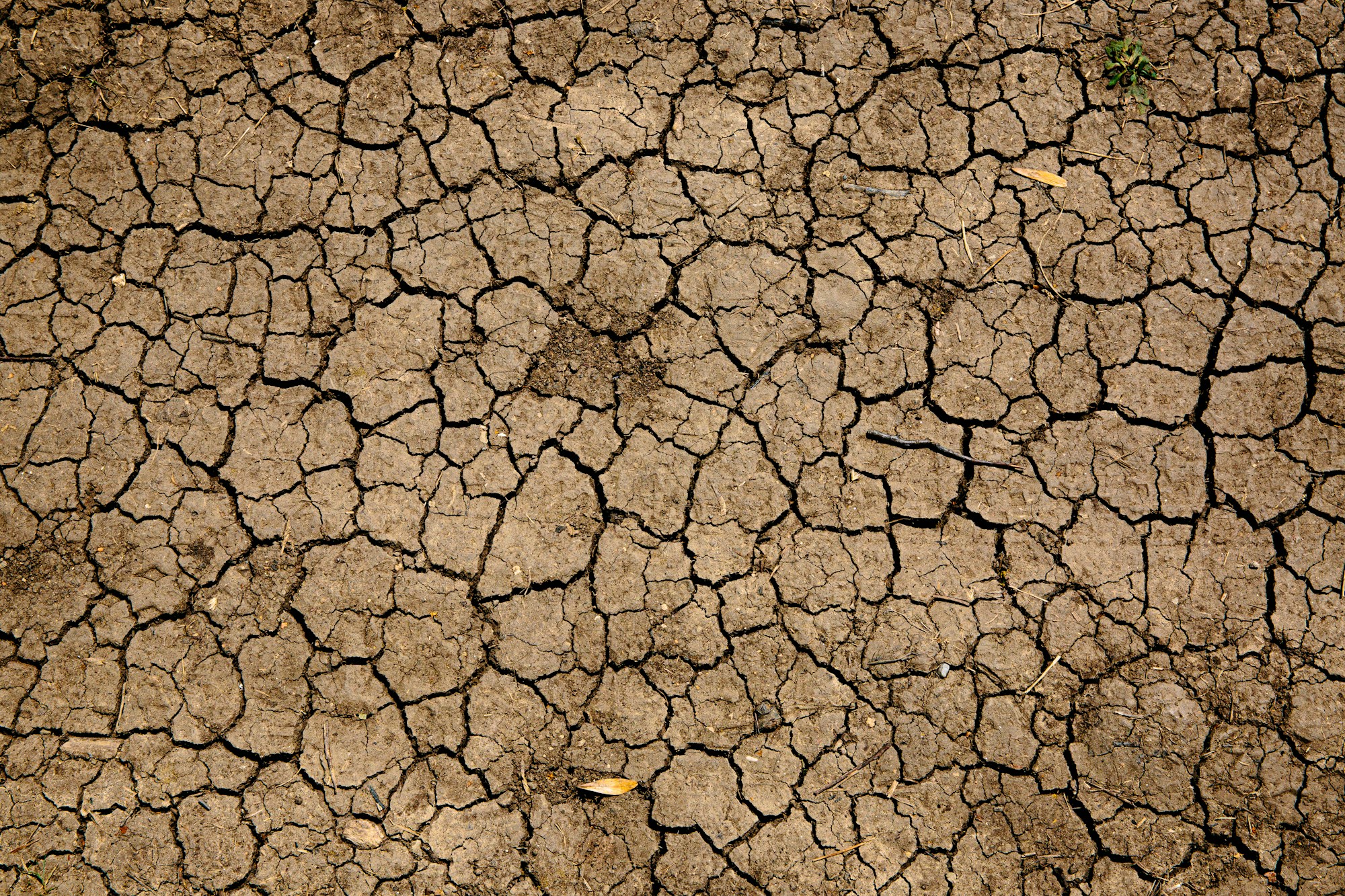
According to Copernicus Climate Change Service, which aggregates eight international climate models, July and August 2026 will be « virtually certain » to show significantly positive thermal anomalies across Europe. The American NOAA/GFS model and the European ECMWF model both point to an anomaly of +1 to +2 °C from June, with a likely peak in July.
Summer 2025 was confirmed as the warmest summer on record in the UK, with a mean temperature of 16.10 °C, surpassing the previous record set in 2018. In England alone, 1,504 heat-associated deaths were recorded during 5 heat episodes, according to the UK Health Security Agency. Climate scientists at Imperial College London attributed around 65% of London’s excess heat deaths directly to climate change.
According to the Met Office, heatwaves in the UK are now five times more likely than they were in the pre-industrial era. These data explain the surge in « coolcation » searches: 73% of travellers say they avoid destinations with extreme weather, and over half of UK travellers now say some destinations are « too hot to visit » (Globetrender, April 2026).
1. Lake Bohinj, Slovenia — the anti-Bled without the crowds
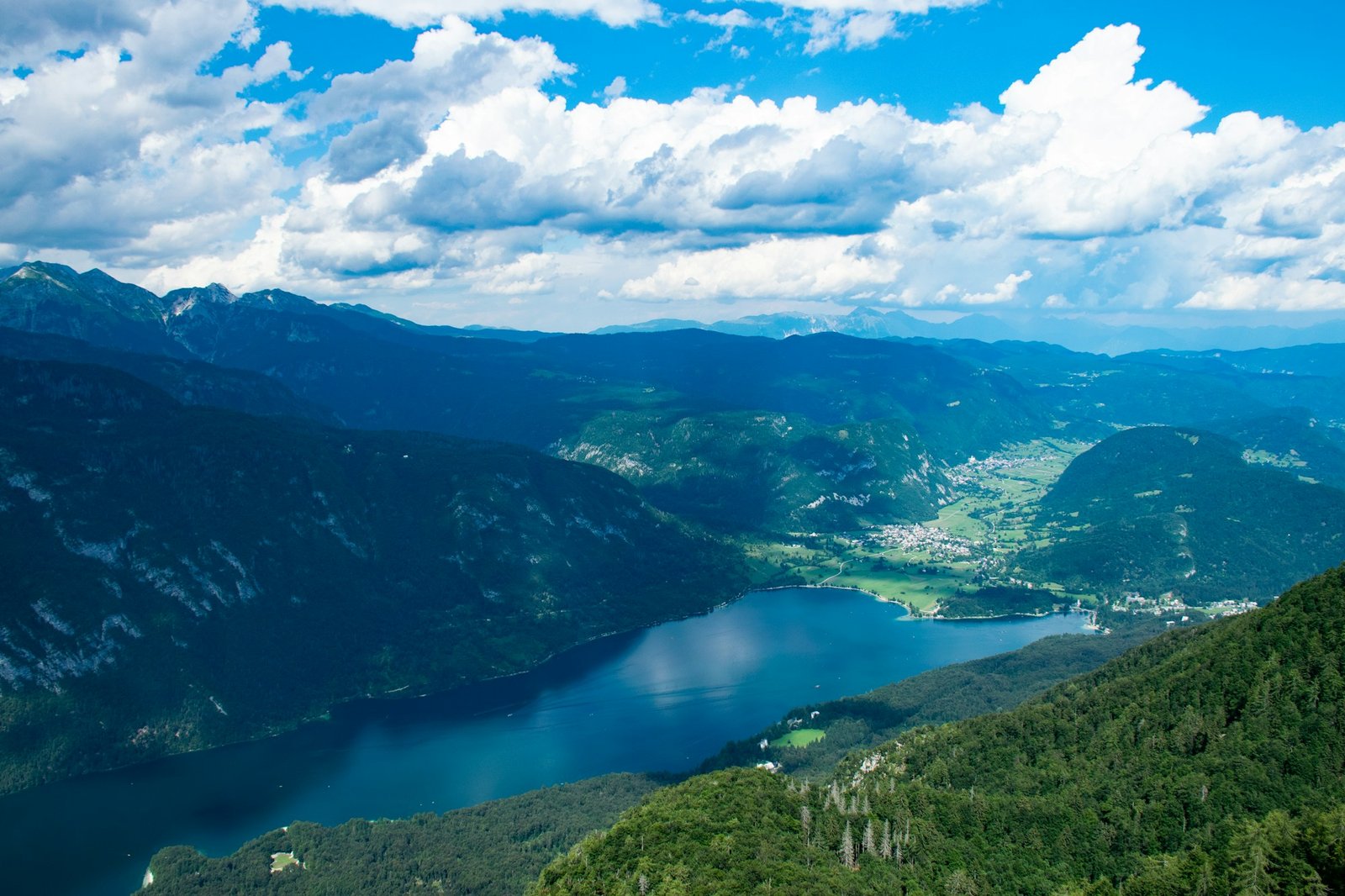
Lake Bohinj receives ten times fewer visitors than its neighbour Bled. Slovenia’s largest natural lake (4.2 km long, 45 m deep), it sits at the heart of Triglav National Park and holds the Platinum Slovenia Green eco-label. The water reaches 23-24 °C in July-August — perfect for swimming from the free shoreline. The circuit around the lake (12 km, 3-4 hours) remains do-able without booking even in peak season.
Higher up, temperatures drop to 15-20 °C: the Vogel cable car (€25 return) climbs to 1,535 m for a panorama over the Julian Alps. For alpine hiking enthusiasts, the Triglav massif (2,864 m) is accessible with a guide from Bohinj.
Highlights
- Free swimming in an alpine lake at 23 °C
- 10× fewer tourists than nearby Lake Bled
- Mostnica Gorge for just €5
- Slovenia’s most demanding ecotourism certification
Getting there: Flights from London Gatwick to Ljubljana from £44 return (easyJet, 2h20). Bus Ljubljana–Bohinj in 2 hours for €11. Motorway vignette €16/week if hiring a car.
2. High Tatras, Slovakia — the Swiss Alps at a quarter of the price
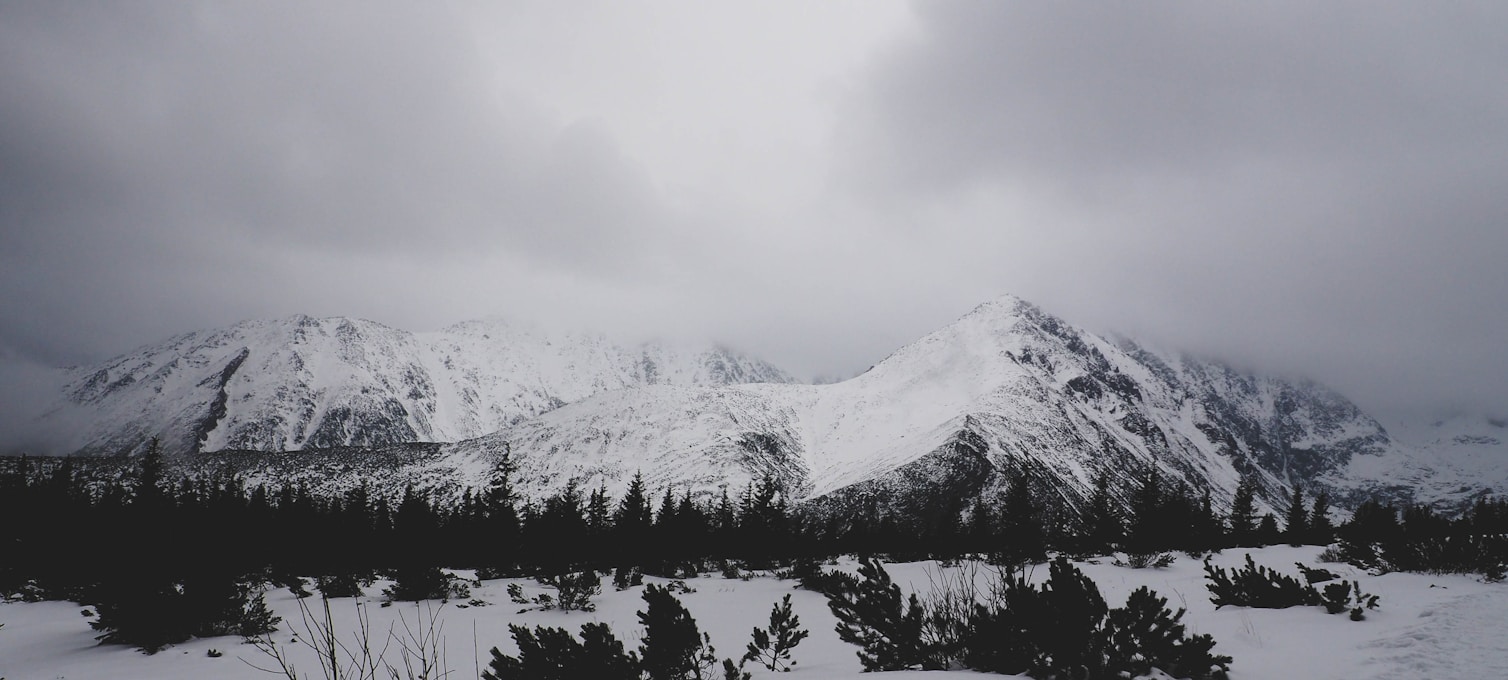
The High Tatras peak at 2,634 m (Lomnický štít, reachable by cable car) within the only natural park shared between Slovakia and Poland (TANAP). The glacial lake of Štrbské Pleso (1,346 m, turquoise blue) is the region’s signature image. At altitude, temperatures stay between 10 and 15 °C in summer — permanent cool air. In the valleys, the mercury stays below 25 °C. According to Europa Tips, hiking trails are open from mid-June to late October.
The budget is exceptionally low: flights from London Luton to Bratislava from £41 return (Ryanair, Wizz Air), then train to the Tatras in 2h30. Dormitory in a mountain hut (chata) from £9/night, 3-star hotel in Starý Smokovec from £43-69/night.
Highlights
- Some of the cheapest flights in Europe: from £41 return
- Cable car to 2,634 m with views into Poland
- Tatra Electric Railway (€3) linking all stations
- Easy access from Kraków, Poland (3 hours)
Getting there: Flights to Bratislava then bus (2h30) or train to Poprad-Tatry. Slovak motorway vignette required (€10/10 days) if hiring a car.
3. Albanian Alps — Dolomites scenery at a fifth of the price
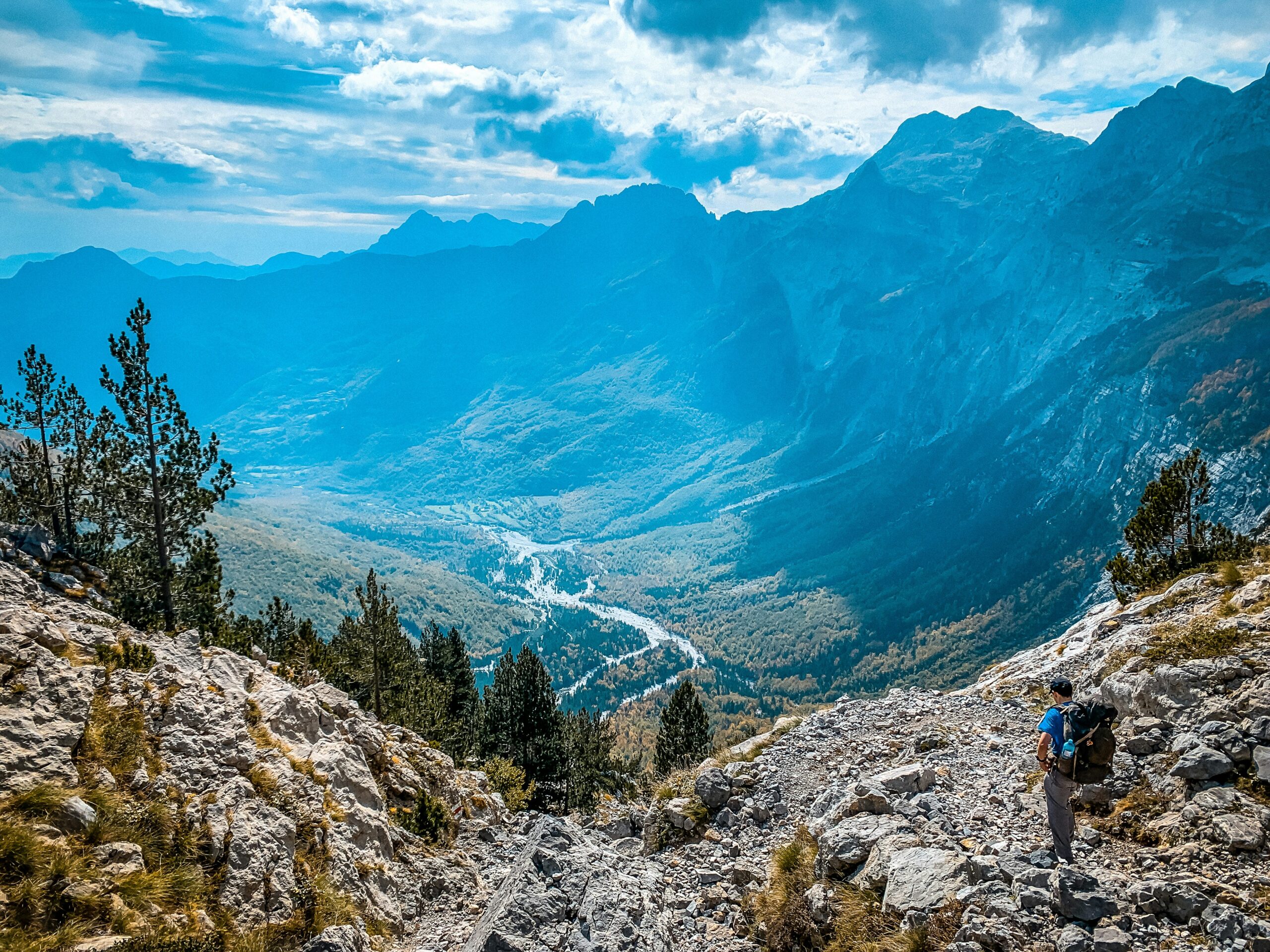
Albania was ranked the No. 1 destination for 2026 by Lonely Planet. Its northern Alps — compared to the Dolomites for their limestone peaks rising above 2,500 m — remain almost entirely free of mass tourism. The classic circuit — Lake Koman (spectacular canyon boat crossing, 3 hours) then Valbona then Theth — takes 4 to 6 days. According to North Albania Boat, mountain temperatures stay between 20 and 25 °C, with cool mornings and evenings even in July.
A unique highlight: the Blue Eye of Theth, a natural spring where water stays at 8-10 °C all year round, creating a freezing natural pool in a forest setting. On-the-ground costs are among the lowest in Europe: guesthouse with full board at €25-40/night, meals under €10.
Highlights
- Daily budget £25-43 including full board
- Valbona-Theth trek: one of the finest in the Balkans
- Blue Eye spring at 8 °C — a unique natural pool
- No visa required for British passport holders (stays up to 90 days)
Getting there: Flights from London Luton to Tirana from £21 return (Wizz Air, 3 hours). Minibus Shkodër–Theth: €10-15. No mobile signal in the valleys.
4. Georgia, Svaneti — the Caucasus at 15 °C and the medieval towers of Mestia
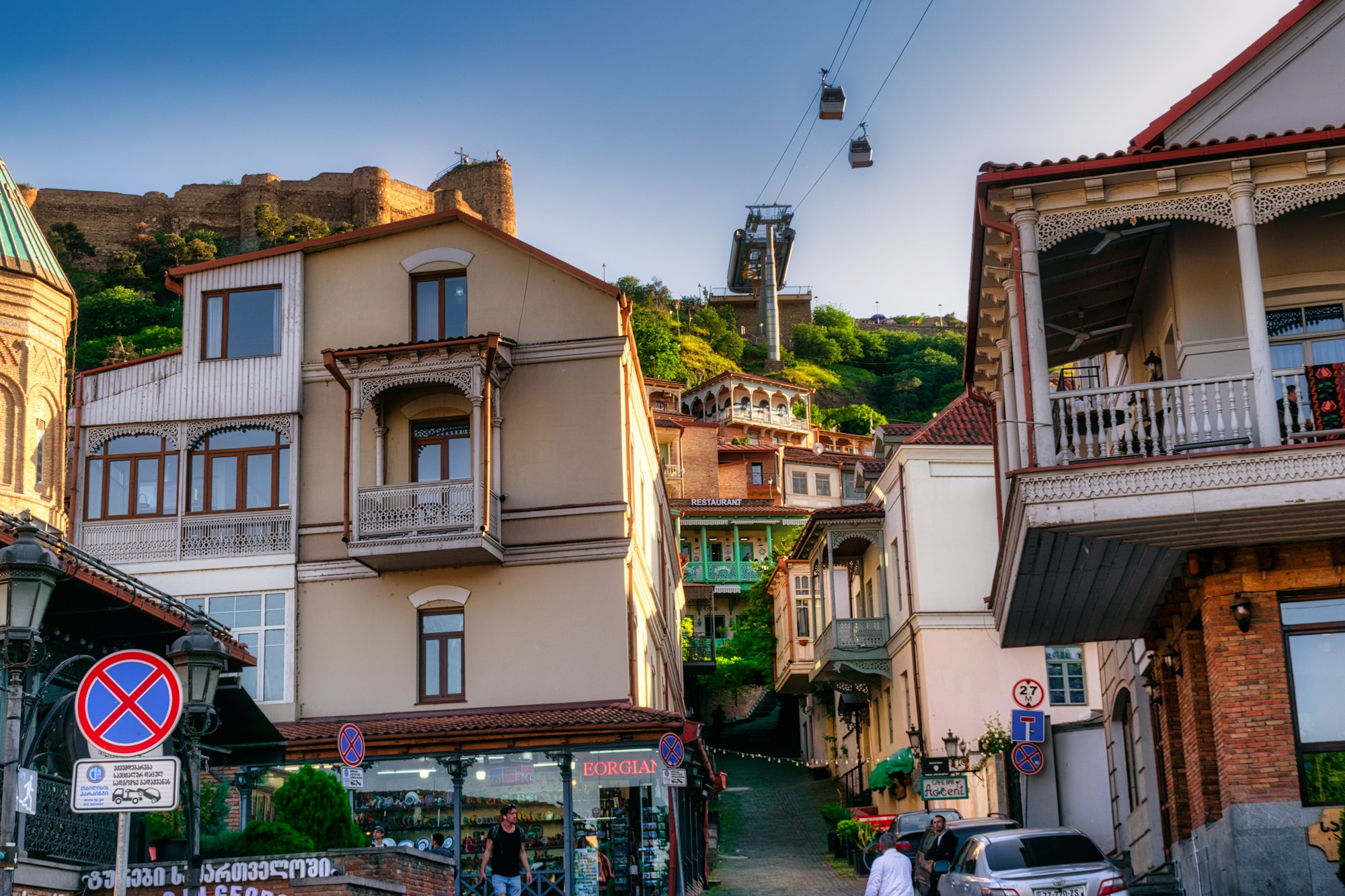
Georgia is one of the coolcation surprises of 2026. While Tbilisi can brush 40 °C in July, the Svaneti region — clinging to the Greater Caucasus at 1,500-2,200 m — delivers summer temperatures of 15-20 °C. In Mestia, the starting point of the Mestia-Ushguli trek (60 km, 3,000 m of ascent, 4 days), the medieval Svan defensive towers create a landscape unlike anywhere else on earth. Ushguli, at 2,200 m, is the highest permanently inhabited village in Europe, listed as a UNESCO World Heritage Site.
The budget is one of the most attractive in this guide: guesthouse with full board from €25-40/night, daily spend of €30-60 in the country. Flights from London to Tbilisi with a connection via Istanbul or Vienna from £260 return.
Highlights
- Mestia-Ushguli trek: one of the finest in Europe and Asia
- UNESCO village of Ushguli at 2,200 m — guaranteed cool
- Georgian cuisine among the world’s best (khachapuri from €1.50)
- Visa-free for British nationals (up to 365 days)
Getting there: Flights from London via Istanbul (Turkish Airlines), Vienna or Paris. Marshrutka (minibus) Tbilisi–Mestia from €4-8, or Georgian Airways internal flight (~€50 return).
5. Faroe Islands — 110,000 tourists, 50,000 residents, 9 °C in July
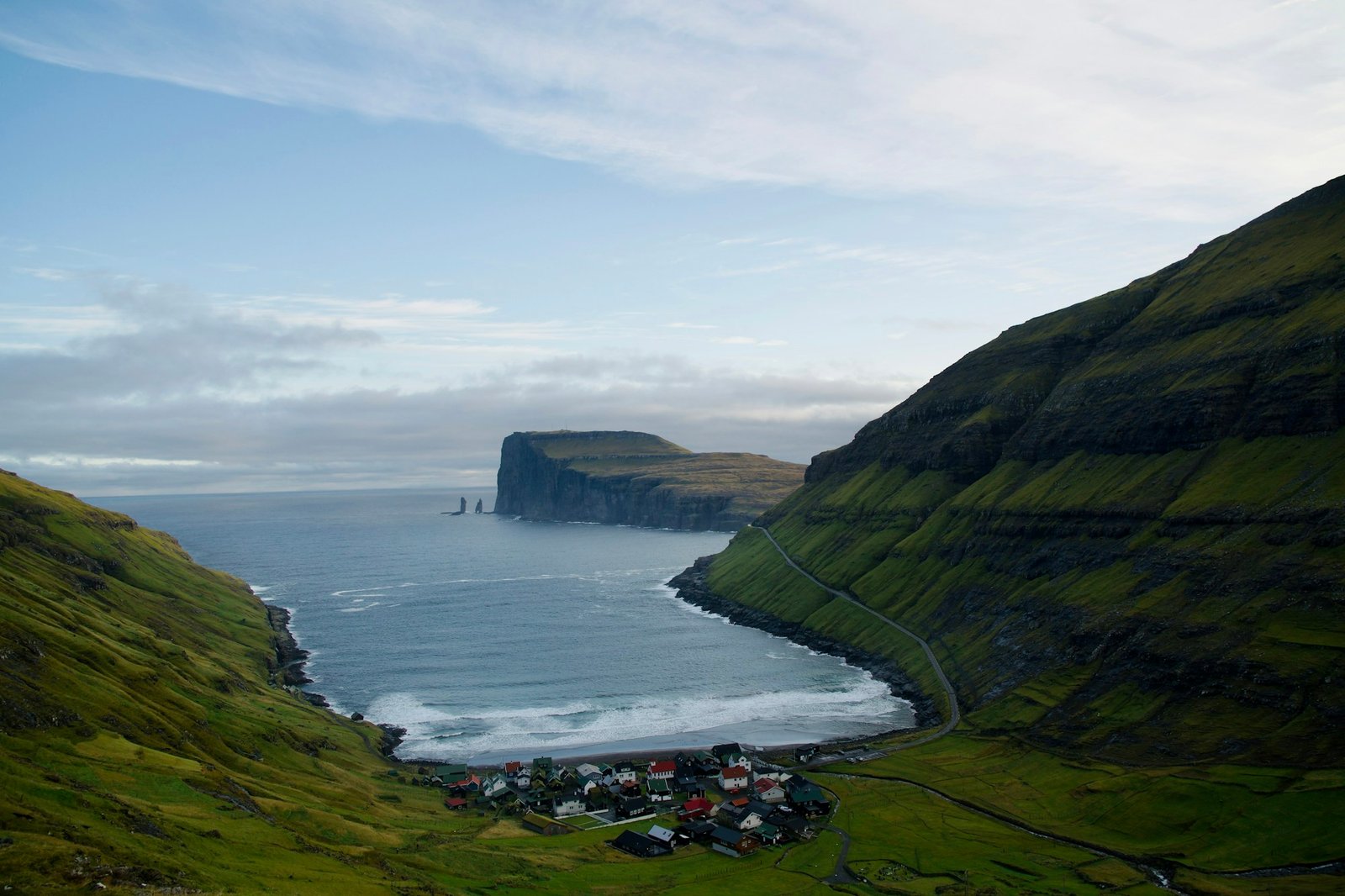
Seventeen islands lost between Iceland and Norway: this is the promise of the Faroes. With only 110,000 visitors per year for 50,000 residents, overtourism is not yet on the agenda — though the trend is rising by 10%/year. According to TourMag, the islands actively manage visitor numbers with the « Closed for Maintenance » initiative: 3 days a year, 80 volunteers maintain the trails in exchange for exclusive access.
In July, the thermometer reads 9-13 °C — never a heatwave. The main attractions are the puffins of Mykines (boat booking essential, May to August), the Múlafossur waterfall plunging directly into the Atlantic, and the village of Saksun nestled in a volcanic crater. The Faroes are a particularly popular choice for British travellers thanks to the direct Atlantic Airways connection from Edinburgh.
Highlights
- Never a heatwave (9-13 °C in July)
- World-leading active sustainable tourism model
- National festival Ólavsøka on 28-29 July in Tórshavn
- Unique wildlife: puffins, humpback whales, dolphins
Getting there: Outside the EU but within Schengen. No visa required for British passport holders. Atlantic Airways from Edinburgh (seasonal) and London Gatwick (via Copenhagen). European Health Insurance Card (EHIC/GHIC) accepted.
6. Swedish Lapland — sleeping under a sun that never sets
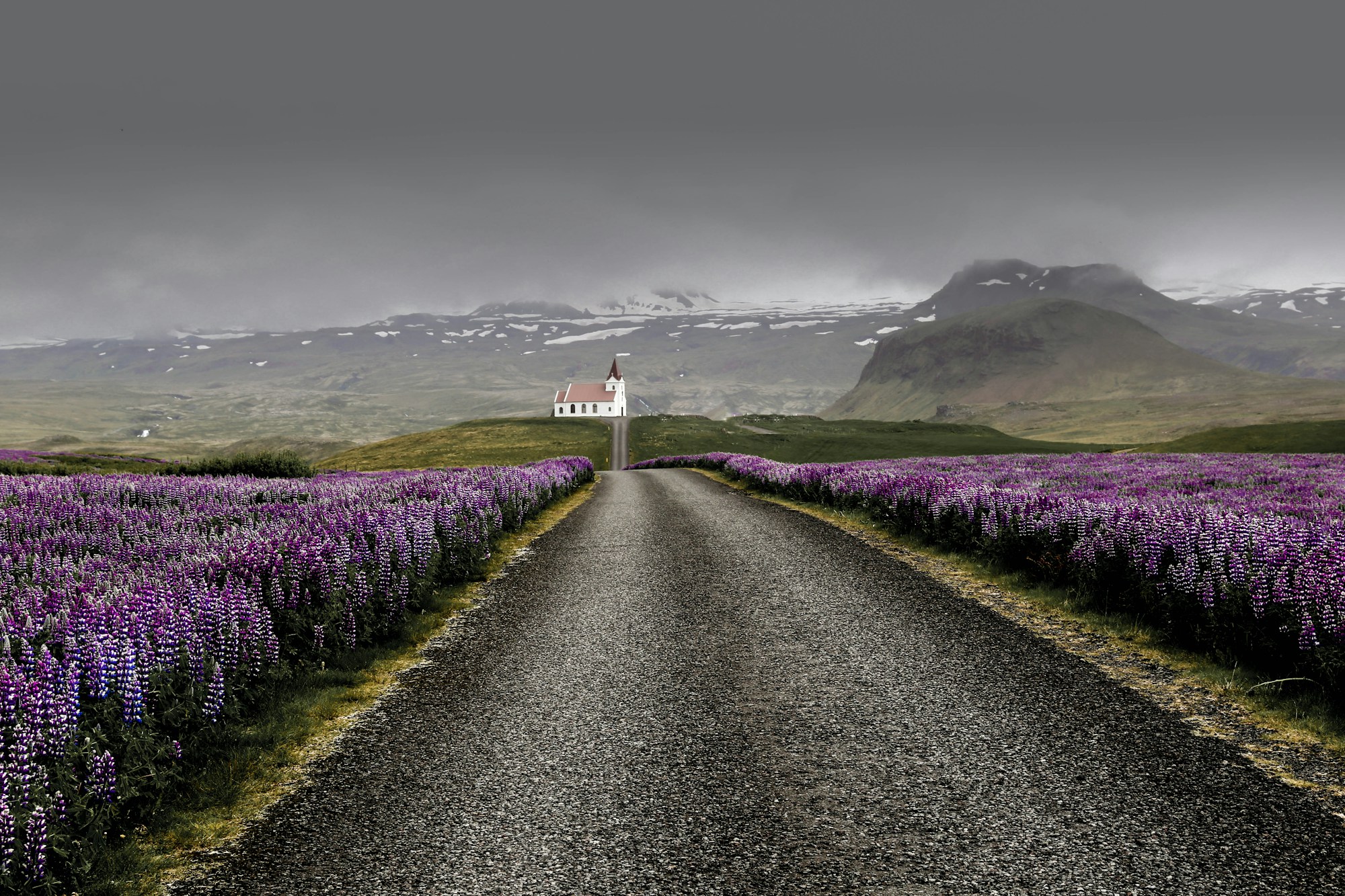
Swedish Lapland in summer is a systematically underrated destination. Everyone thinks « winter and northern lights » — but summer delivers full access to the hiking trails. According to Visit Sweden, the sun does not set in Kiruna from 1 June to 12 July. No darkness, temperatures of 16-20 °C during the day, thawed lakes for kayaking and finally snow-free hiking trails — this is Lapland’s unknown face, and it’s a particular favourite with British outdoor travellers.
The iconic hike is the Kungsleden (440 km from Abisko to Hemavan), walkable in sections of 2 to 7 days. STF mountain huts (fjällstation) cost £26-68/night. Unique across Europe: Sweden’s Allemansrätten (right to roam) allows free camping anywhere in the country, including forests and lakesides.
Highlights
- Midnight sun from 1 June to 12 July in Kiruna
- Kungsleden: one of Europe’s great long-distance trails
- Legal free wild camping anywhere (Allemansrätten)
- Scandinavian tourism up +35% in 2026
Getting there: Flights from London to Stockholm (~2h30, SAS, Norwegian) + internal connection to Kiruna or Luleå (1h). Car hire in Kiruna: £43-60/day to explore the Kungsleden as a base.
7. Mongolia and the Naadam — 22 °C, green steppes and a UNESCO festival
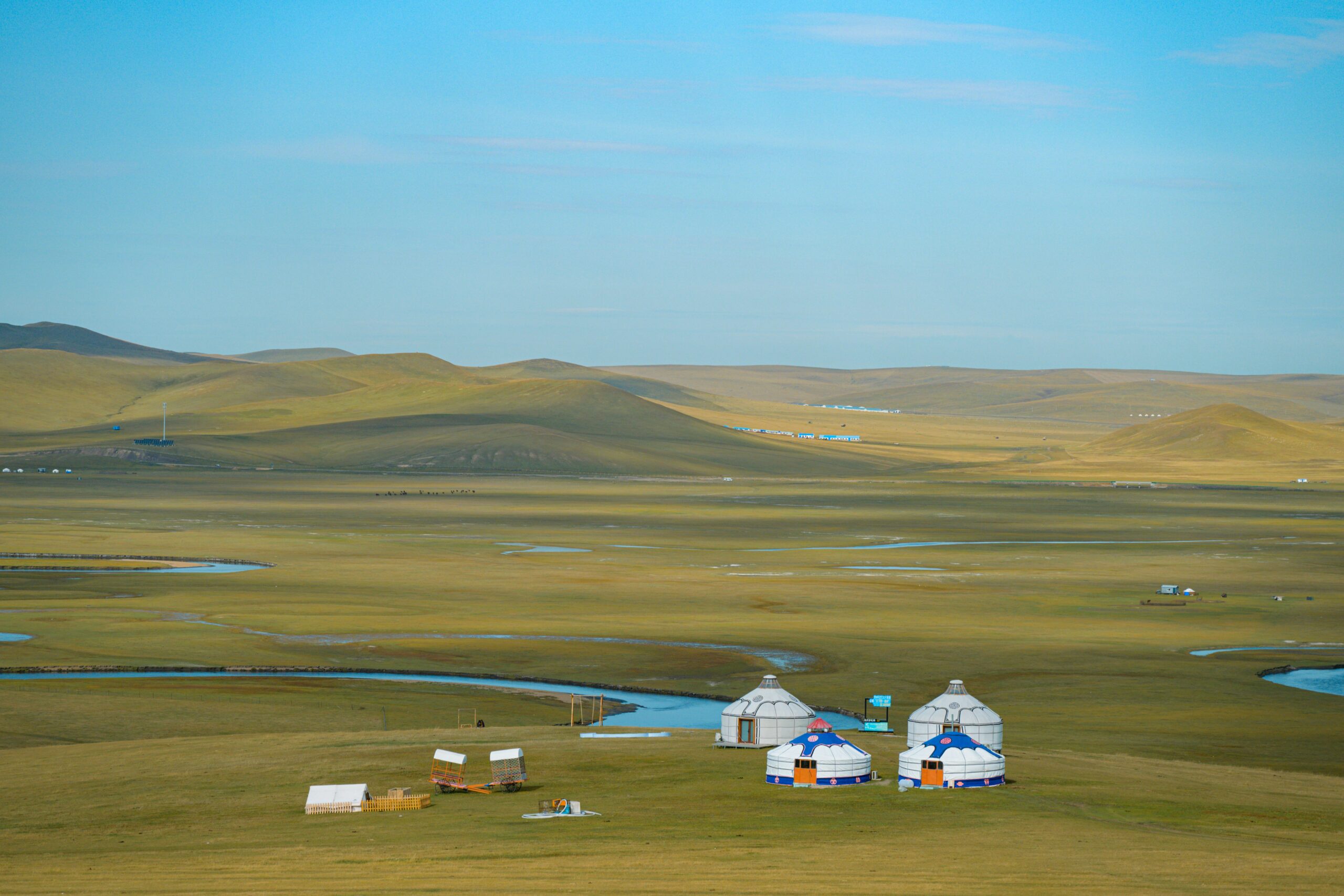
Mongolia is the most adventurous — and most authentic — choice in this guide. The Naadam (11-13 July 2026, National Stadium in Ulaanbaatar) is a festival inscribed on UNESCO’s Intangible Cultural Heritage list since 2010: traditional wrestling (bökh), archery and horse races across hundreds of kilometres of steppe. In July, the steppes around the capital sit at 20-25 °C during the day with cool nights of 8-12 °C. According to UNESCO, no other festival in the world combines ancient nomadic sports with natural scenery on this scale.
Ger camps (tourism yurts) offer full immersion: full board from €35-60/night, horse riding, yak milking, airag (fermented mare’s milk) tasting. No visa required for British nationals (30 days, free since 2024). Note: no direct flights from the UK — from £685 return via Istanbul (Turkish Airlines) or Beijing (Air China).
Highlights
- Naadam UNESCO festival — a once-in-a-lifetime experience
- Night in a ger with nomadic families from £30
- Green steppes in July, 20-25 °C by day, cool at night
- Visa-free for British nationals (30 days free since 2024)
8. Baltic States — the UNESCO trilogy from £30 return
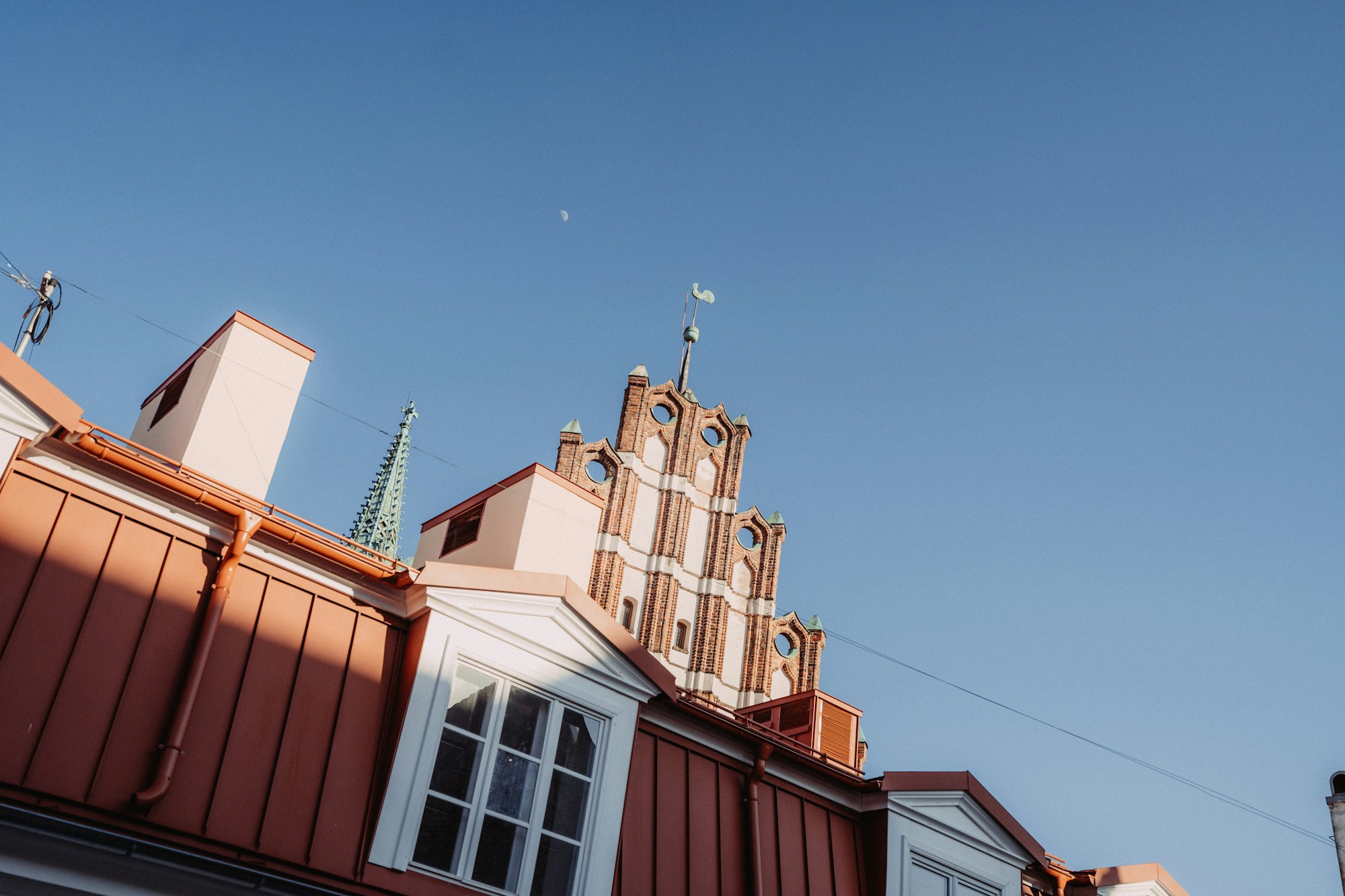
Three medieval capitals listed as UNESCO World Heritage Sites, reachable in under 3 hours from London, with summer temperatures between 15 and 22 °C — the Baltic States tick every box for an accessible coolcation. Flights from London Luton to Tallinn from £30 return (Wizz Air, Ryanair, airBaltic). According to JD Road Trip, June is the ideal month: 17 hours of daylight, fewer crowds, prices 20-30% below July-August levels.
Tallinn (Estonia) is the best-preserved medieval Old Town in the Baltics — city walls and towers intact since the 14th century. Riga (Latvia) is the Art Nouveau capital of Europe with 800 classified facades. Vilnius (Lithuania) surprises with its baroque atmosphere and the Užupis quarter, the « Republic of Artists ». The logical circuit Vilnius → Riga (bus 4h) → Tallinn (bus 4h30) can be done in 9 days.
Highlights
- 3 UNESCO capitals for the price of one Nordic destination
- Lunch menu for £7-13 in the Old Towns
- Lahemaa National Park (Estonia) and Curonian Spit (UNESCO) as day trips
- Tallinn Card 24h: €43 (museums + transport included)
9. Auvergne, France — a flight-free coolcation for Eurotunnel travellers
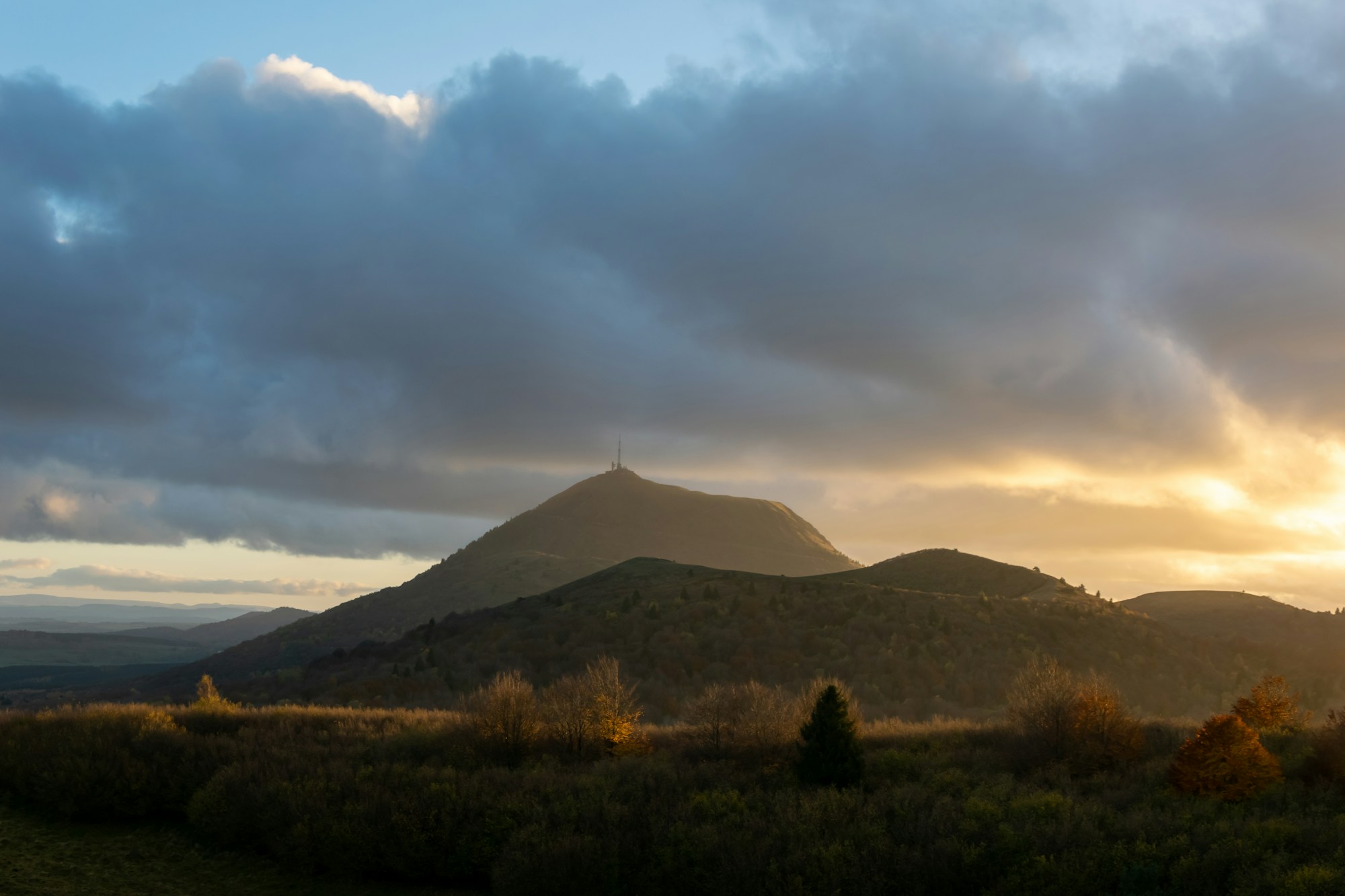
Auvergne is the most virtuous coolcation in this guide: no flight needed, carbon footprint 57 times lower than a short-haul flight according to ADEME. From London, take the Eurostar to Paris (2h15) then a TGV to Clermont-Ferrand (3h20) — the journey from St Pancras takes around 5 hours and the train drops you at the gateway to the volcanoes. At altitude (1,200-1,800 m), temperatures never exceed 22 °C in summer.
The Chaîne des Puys–Limagne Fault has been a UNESCO World Heritage Site since 2018. France’s largest regional natural park (400,000 hectares) is home to the Puy de Dôme (1,465 m, cable car or 90-minute hike), Lac Pavin (volcanic lake at 92 m depth, water crystal-clear at 10 °C), and the Puy Mary (1,787 m). The thermal spas of Vichy, La Bourboule and Le Mont-Dore complete the picture.
Highlights
- No flight — Eurostar + TGV from London in around 5 hours
- UNESCO: Chaîne des Puys + Limagne Fault
- Lowest-budget destination in this guide (gîte ~£52/night)
- Lac Pavin: 10 °C water in a volcanic crater
Perfect for: families (summer toboggan, rope courses, Vulcanology museum), slow travellers, hikers wanting a destination without jet lag. Wheelchair accessible via the Puy de Dôme cable car.
10. Carpathians-Fagaras, Romania — bears, the Transfăgărășan and hikes at 2,500 m
The Fagaras Mountains are the forgotten gem of European coolcation. Two summits exceed 2,500 m (Moldoveanu at 2,544 m, Negoiu at 2,535 m), the main ridge stretches 100 km — weeks of high-altitude hiking. In summer, temperatures at 2,000 m stay between 10 and 15 °C, permanently cool. In the valleys, the mercury peaks at 20-22 °C. According to Europa Tips, the Transfăgărășan road generally opens on 1 July — one of the most spectacular mountain roads in Europe according to the BBC, leading to the mountain lake of Bâlea Lac at 2,040 m.
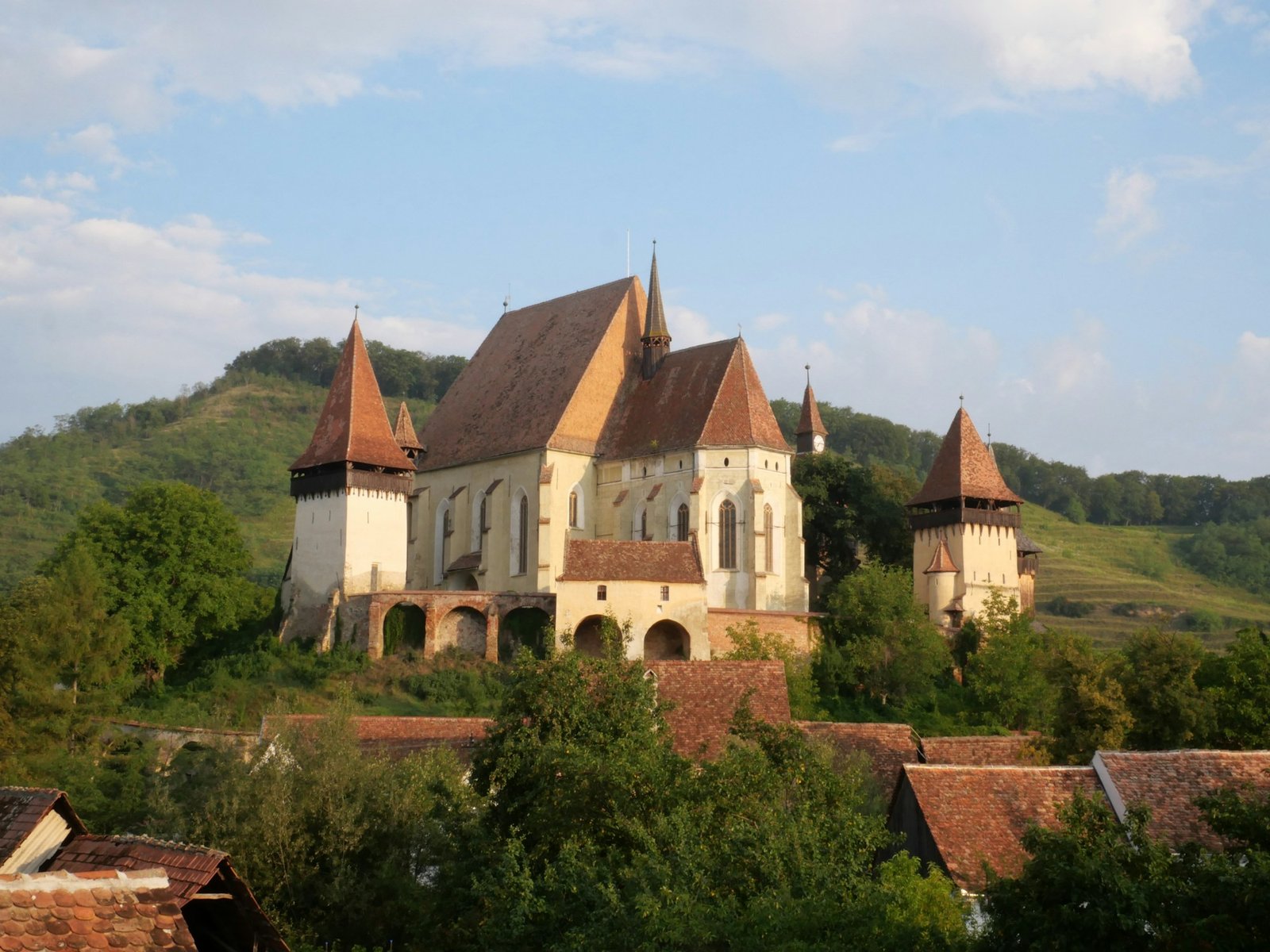
Romania is home to 3,000 brown bears (60% of the EU population) — a guided dusk wildlife-watching experience (€50-100) is uniquely memorable. Nearby, the Saxon villages of Biertan and Viscri are UNESCO-listed — the latter was famously championed by King Charles III. Daily budget €34-68, flights from London to Sibiu from £51 return (Ryanair, Wizz Air). £1 ≈ 5.9 RON.
Highlights
- Guided brown bear watching at dusk
- Transfăgărășan road: one of the world’s great mountain drives
- Budget 3× lower than Austria for equivalent scenery
- UNESCO Saxon villages: Biertan, Viscri (King Charles III’s favourite)
Getting there: Sibiu Airport (SBZ), 1 hour from the Fagaras. Car hire essential (from £26/day).
Quick comparison — all 10 destinations at a glance
| Destination | Temperature June-July | Budget 7 days from London | Return flight from London | Logistics difficulty |
|---|---|---|---|---|
| Auvergne (France) | 17-22 °C | £430-690 | Eurostar + TGV ~£70 | ⭐ Very easy |
| Baltic States | 15-22 °C | £515-770 (9 days) | From £30 | ⭐⭐ Easy |
| High Tatras (Slovakia) | 10-25 °C | £430-770 | From £41 | ⭐⭐ Easy |
| Lake Bohinj, Slovenia | 20-28 °C valley | £600-855 | From £44 | ⭐⭐ Easy |
| Romania-Fagaras | 10-22 °C | £430-645 | From £51 | ⭐⭐ Easy |
| Albanian Alps | 20-25 °C | £430-685 | From £21 | ⭐⭐⭐ Moderate |
| Georgia-Svaneti | 15-20 °C | £385-600 | From £260 | ⭐⭐⭐ Moderate |
| Swedish Lapland | 16-20 °C | £770-1,195 | £128-240 | ⭐⭐⭐ Moderate |
| Faroe Islands | 9-13 °C | £1,280-1,710 | £215-275 | ⭐⭐⭐ Moderate |
| Mongolia (Naadam) | 20-25 °C (nights 8 °C) | £1,540-2,565 | £685-940 | ⭐⭐⭐⭐⭐ Adventure |
Budget estimated per person, excluding activities. Economy class flight. Source: momondo, Skyscanner, Wizz Air, Ryanair, SAS (May 2026). GBP conversions at 1 EUR = 0.86 GBP.
Practical info — eSIM, travel insurance, flights
Covers Slovenia, Slovakia, Baltic States, Romania, Georgia and Mongolia. Plans from €4.50 (1 GB) — activate before departure, no roaming charges.
Nomad Insurance: global coverage from $56/4 weeks. Covers Georgia’s mandatory 30,000 GEL requirement, Mongolia medical repatriation and Albania. 10% off via our link.
Find the best flight combinations for Tallinn (from £30), Bratislava (from £41), Tirana (from £21) and Tbilisi. Multi-airline comparison including low-cost carriers.
Frequently asked questions
What are the cheapest destinations to escape the summer heatwave in 2026?
The most budget-friendly options are the Baltic States (London–Tallinn flights from £30 return, on-the-ground costs £52-86/day), the High Tatras in Slovakia (from £41 return, £43/day), Romania-Carpathians (from £51 return, £34-68/day) and the Albanian Alps (from £21 return, £26-43/day). For a flight-free option, Auvergne in France is the cheapest overall: Eurostar + TGV from ~£70, gîte from £52/night, daily budget £43-69. Sources: Skyscanner, momondo, Wizz Air (May 2026).
Which cool destinations can British travellers reach without flying?
Auvergne in France is the fastest: Eurostar from London St Pancras to Paris (2h15), then TGV to Clermont-Ferrand (3h20) — around 5 hours door to door from central London. Slovenia is reachable in ~9 hours (Eurostar + TGV to Milan, then train to Ljubljana). Slovakia in ~12 hours (via Vienna + train to Bratislava + Tatras). For Scandinavia, the European Sleeper overnight train Paris–Hamburg is planned from July 2026, with connections towards Stockholm and Kiruna. Sources: Eurostar, Trainline, trains-en-voyage.com.
What is the best time to attend the Naadam festival in Mongolia in 2026?
Naadam 2026 runs from 11 to 13 July. It is recommended to arrive 2 to 3 days early to secure tickets for the opening ceremony (€30-80) and choose a ger camp. British nationals do not need a visa (30 days free since 2024). Book now as the best ger camps around Ulaanbaatar fill quickly in June-July. Sources: UNESCO, ulysse.com.
Will there really be a heatwave in the UK and Europe in summer 2026?
Climate models converge on a summer 2026 significantly above average. According to Copernicus (8 combined models), July-August 2026 are « virtually certain » to show excess heat across Europe. June could already show +1 to +2 °C above normal, with a risk of an early heatwave. Summer 2025 was the hottest on record in the UK (mean 16.10 °C), with 1,504 heat-related deaths recorded in England alone by the UK Health Security Agency. The Met Office forecasts that UK heatwaves are now 5× more likely than in the pre-industrial era. Sources: Copernicus C3S, UK Health Security Agency, Met Office.
Do I need specific travel insurance to visit Georgia?
Yes, it is mandatory since 1 January 2026. The minimum coverage required is 30,000 GEL (~£8,600). Most standard travel insurance policies meet this condition — check that the certificate can be presented in English or Georgian. Cost: £13-26 for one week. Premium bank cards (Visa Infinite, Mastercard World Elite) often include cover but check the limits. The FCDO recommends also checking your policy covers all planned activities in the Caucasus. Source: FCDO — Georgia travel advice.
Which cool destination is best for a family holiday with children?
For families with children, Lake Bohinj in Slovenia is the top pick (lake water at 23-24 °C, free swimming, Mostnica Gorge for €5, Vogel cable car). The Baltic States also work well (walkable Old Towns, interactive museums, Baltic Sea beaches at Jūrmala). Auvergne is ideal for under-12s (summer toboggan, Vulcanology museum, rope courses, wheelchair-accessible cable car). Avoid Mongolia and the Albanian Alps for very young children (challenging logistics). Source: traverserlafrontiere.com.
- Copernicus Climate Change Service — Seasonal Forecasts
- UK Health Security Agency — Heat-related deaths England summer 2025
- BusinessGreen — Extreme heat caused 1,500+ deaths in England in summer 2025
- Globetrender — Over half of UK travellers say some destinations « too hot » (April 2026)
- OpenJaw — Coolcations Heat Up (+74% YoY)
- Traverser la frontière — Lake Bohinj guide 2026
- Slovenia Tourism — Lake Bohinj official guide
- Europa Tips — High Tatras Slovakia summer guide 2026
- North Albania Boat — Albanian Alps travel guide 2026
- FCDO — Georgia entry requirements and travel advice
- Ulysse — Georgia travel budget 2026
- TourMag — Faroe Islands and overtourism
- Visit Sweden — Swedish Lapland in summer
- UNESCO — Naadam, traditional Mongolian festival
- JD Road Trip — Baltic States: information and budget
- Parc naturel régional des Volcans d’Auvergne
- Europa Tips — Carpathians-Fagaras 2026
- Met Office — UK heatwave climate data
Plan your cool summer — our tools
Compare flights, get your eSIM and protect your trip with our selected partners. And discover our 5 other cool destinations for 2026 (Iceland, Scotland, Norway, Brittany, Azores) in our first coolcation guide.
Explore our itineraries