
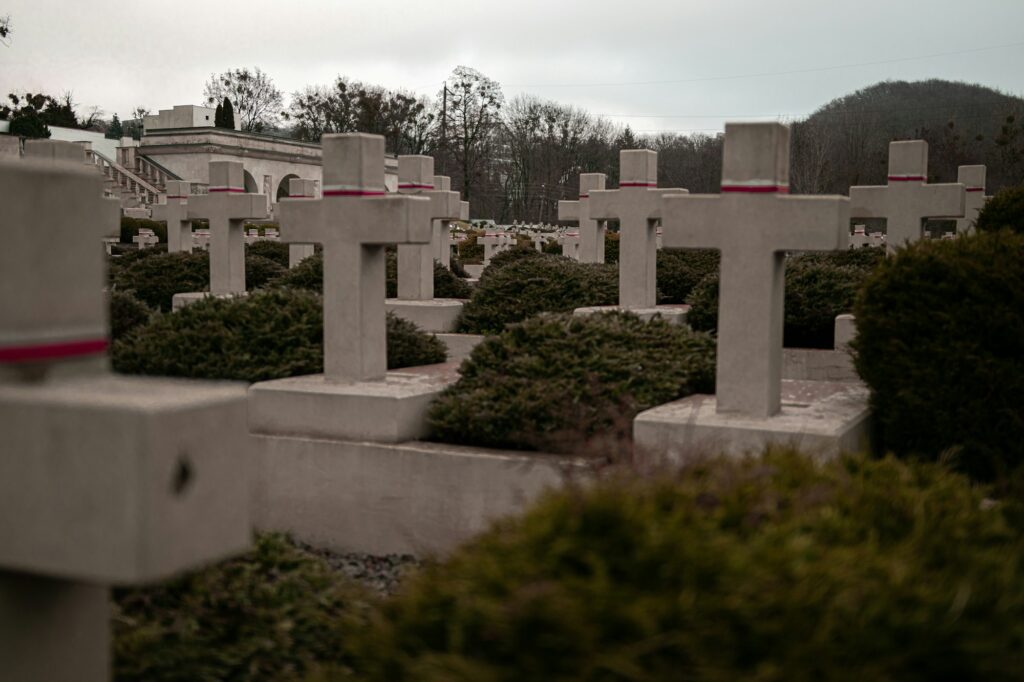
Responsible dark tourism means visiting places of tragedy — Chernobyl, Hiroshima, Auschwitz-Birkenau, Père-Lachaise — to bear witness and understand history, never for thrill-seeking. The sector is projected to reach $43.5 billion by 2031. Chernobyl’s exclusion zone has been closed since early 2025 due to the conflict in Ukraine, while Hiroshima, Auschwitz-Birkenau and Père-Lachaise still welcome millions of respectful visitors each year. Favour certified local guides, prepare with prior reading, and let silence lead your visit.
Visiting the places where humanity stared into the abyss. Walking through the frozen streets of Pripyat, paying silent tribute at Hiroshima’s Peace Memorial, contemplating the silence of Auschwitz-Birkenau on a misty morning — these journeys are unlike any other. Not a vacation. Not entertainment. A lucid confrontation with history, to better understand who we are and what humanity is capable of, at its worst and in its moments of reconciliation. Respectful dark tourism is experiencing unprecedented growth in 2026: according to a study published in the Digital Journal, this market will reach $43.5 billion by 2031. But between enlightened memorial tourism and macabre voyeurism, the line is thin. This comprehensive guide gives you the tools to take this step with awareness, respect, and depth.
Dark Tourism: Between Memory and Voyeurism, Where Is the Line?
An Ethical Compass Before You Travel
Emerging from the work of researchers John Lennon and Malcolm Foley in the late 1990s, the term dark tourism refers to the visiting of places associated with death, disaster, suffering, or collective tragedies. According to Géoconfluences (ENS Lyon), the key difference between memorial tourism and macabre tourism is a question of ethics: what is the approach of the site itself, but also that of the visitor?
A visitor who pays their respects in memory of the victims is engaging in memorial tourism. A visitor who takes smiling selfies in front of gas chambers is doing something fundamentally different. The respectful traveller’s compass is simple: it is about understanding the background, the consequences, and the impact on the victims, and honouring that, as this traveller’s testimony sums up.
What Dark Tourism Is Not
- It is not voyeurism: memorial sites are not attractions
- It is not morbid fascination: it is an act of education and resistance against forgetting
- It is not a hobby: it is often one of the most transformative experiences of a traveller’s life
1. Chernobyl & Pripyat (Ukraine) — The Nuclear Ghost Zone
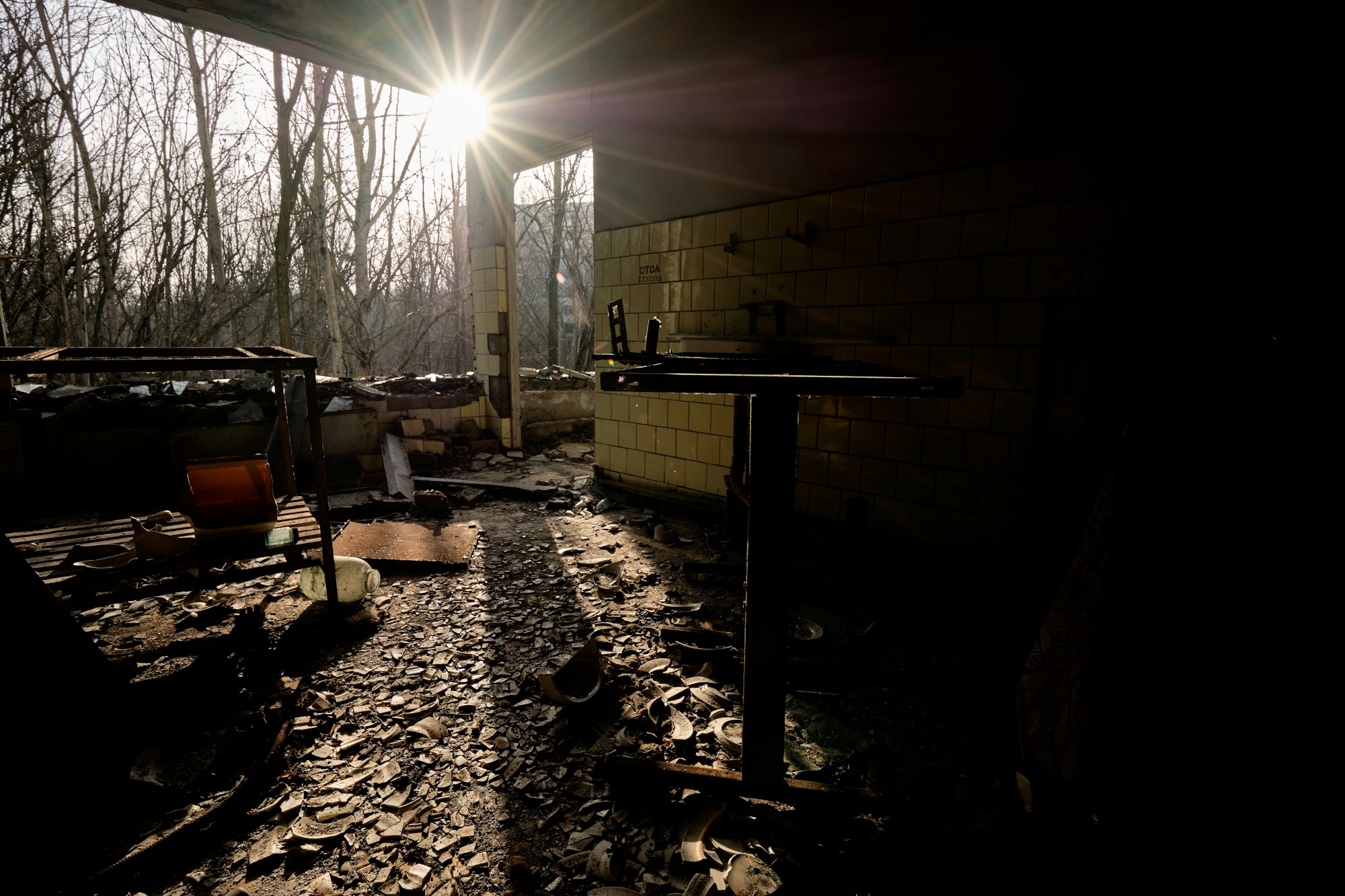
The World’s Most Famous Ghost Town
On 26 April 1986, reactor No. 4 at the Chernobyl nuclear power plant exploded, triggering the worst nuclear disaster in history. The city of Pripyat — 50,000 inhabitants evacuated in less than 36 hours — has been frozen in time ever since. Since the Ukrainian government opened the exclusion zone to tourists in 2011, tens of thousands of people visited each year, according to Chernobyl Nuclear Meltdown. The containment dome, Pripyat’s orange Ferris wheel, the abandoned gymnasium of the Duga-3 radar: these images have become icons of a suspended civilisation.
Why Chernobyl Is a Unique Memorial Site
- The exclusion zone has become, according to UNEP, a wildlife refuge: lynxes, bison, Przewalski’s horses
- Visiting Pripyat delivers a dizzying lesson on the fragility of human civilisations
- A passport and government permit are required — managed by specialist travel agencies
- Minimum age is 18 to enter the exclusion zone
Insider tip: While waiting for reopening, several Ukrainian operators offer immersive 360° virtual tours, allowing you to explore Pripyat from home while financially supporting the local teams preserving the site.
2. Hiroshima (Japan) — The Peace Memorial, From Pain to Hope
6 August 1945, 8:15 AM — A City as Universal Symbol
Since 1955, the Hiroshima Peace Memorial Museum has stood as a symbol of the city’s commitment to being a City of Peace. The East Building presents historical context, the progression of the Pacific War and the events leading to the deployment of the atomic bomb on 6 August 1945. The main building houses the most striking exhibitions: personal effects of victims, photographs documenting immediate aftermath, testimonies from survivors (hibakusha) and preserved artefacts showing the effects of the blast and heat. According to Machupicchu.org, a unique feature in 2026: some guides are second-generation survivors of the atomic bomb, or have family members directly affected by the bombing.
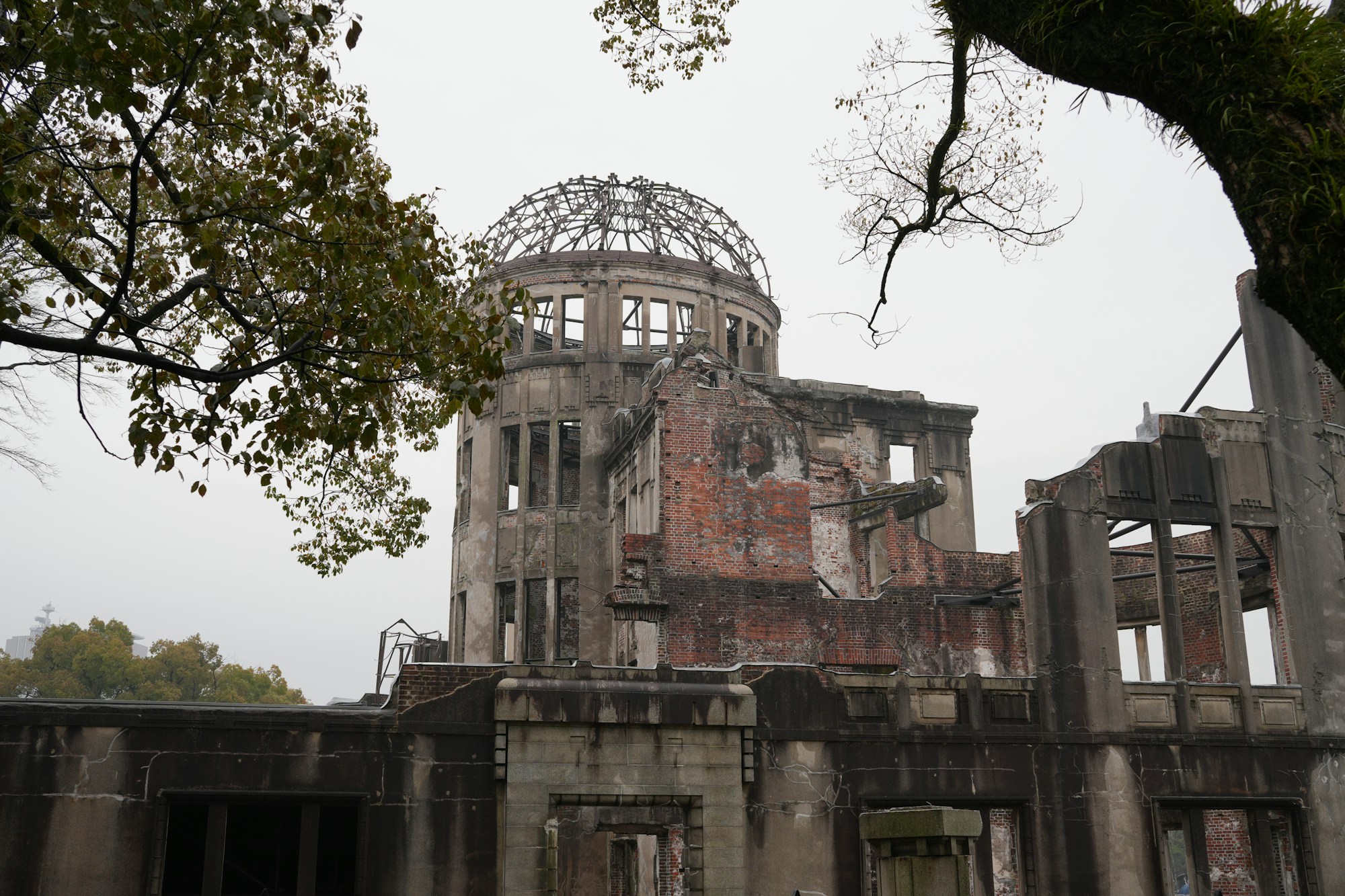
The Atomic Bomb Dome, a UNESCO World Heritage site, has stood since the explosion — one of the few buildings to have survived near the epicentre. It is a tangible link to Hiroshima’s unique past, according to Japan Guide.
The 6 August Experience — Peace Memorial Ceremony
For a unique experience, plan your visit on 6 August: the Peace Memorial Ceremony is a sober but deeply moving event, entirely free of charge. Visitors can attend the morning ceremony and the floating lantern event on the river in the evening, according to Japan Activity. It is a moment when the entire city comes together to promote world peace.
3. Père-Lachaise Cemetery (Paris) — 44 Hectares of Collective Memory
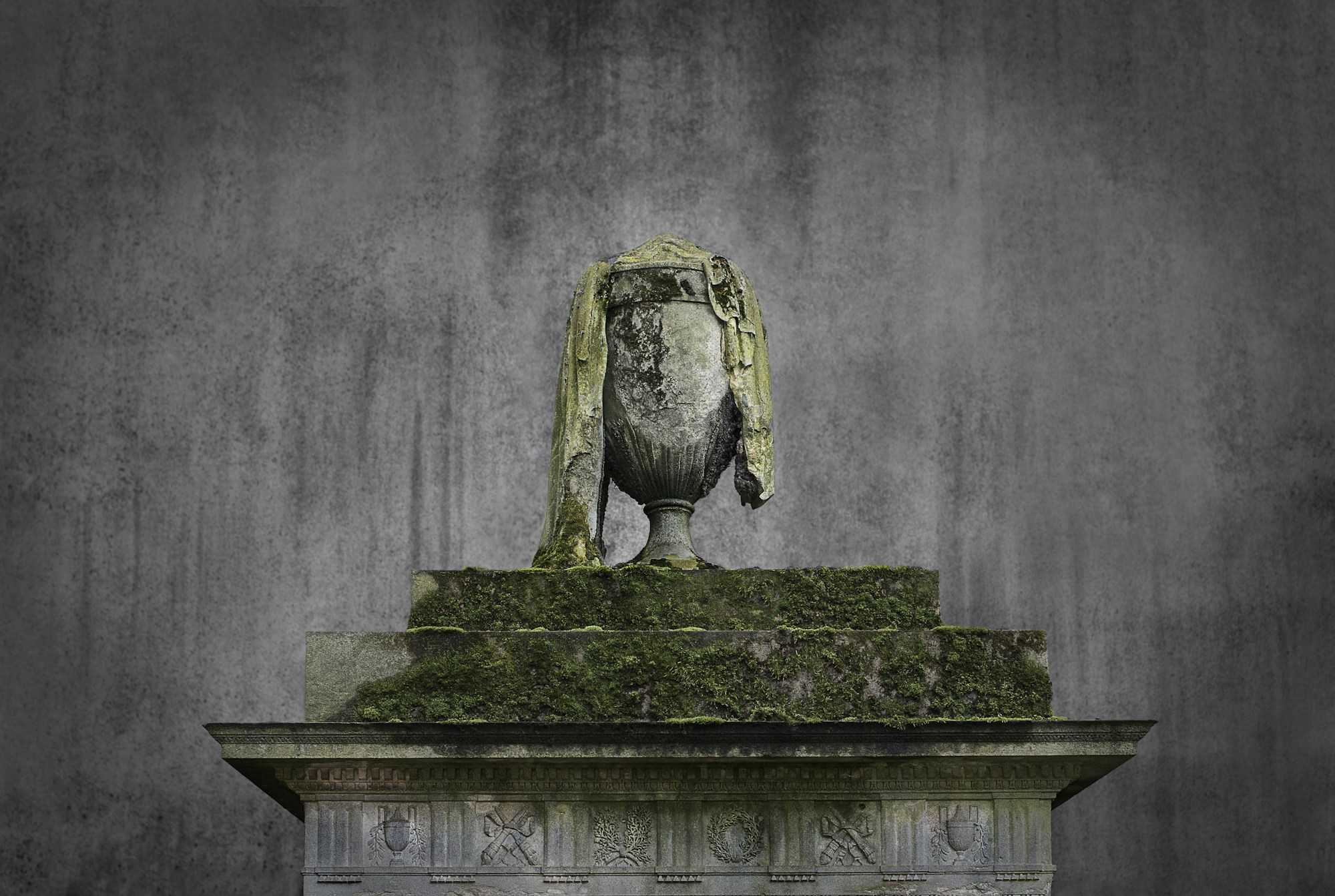
Much More Than a Celebrity Cemetery
With two centuries of history, Père-Lachaise is an active cemetery, hosting nearly 10,000 funeral ceremonies each year and nearly 3 million visitors. While it holds exceptional heritage, it is not a place to stroll like any other, as the City of Paris reminds visitors. Be mindful not to disturb the peace of the place.
But Père-Lachaise is far more than a celebrity cemetery (Oscar Wilde, Jim Morrison, Édith Piaf, Frédéric Chopin, Maria Callas…). It holds particular significance for French political memory: battles and shootings took place here in 1871, when Parisian Communards were executed within the cemetery’s walls. The Wall of the Federates, in the upper-right corner of the cemetery, serves as the memorial, according to Dark-Tourism.com.
The 6 Official Themed Routes
- Paris Commune 1871 Route — from the Wall of the Federates to the activists
- Resistance Route — memorial to WWII deportees and resistance fighters
- Artists Route — from Balzac to Proust, Molière to La Fontaine
- Music Route — Chopin, Bizet, Bellini, Morrison
4. Auschwitz-Birkenau (Poland) — The Imperative of Remembrance
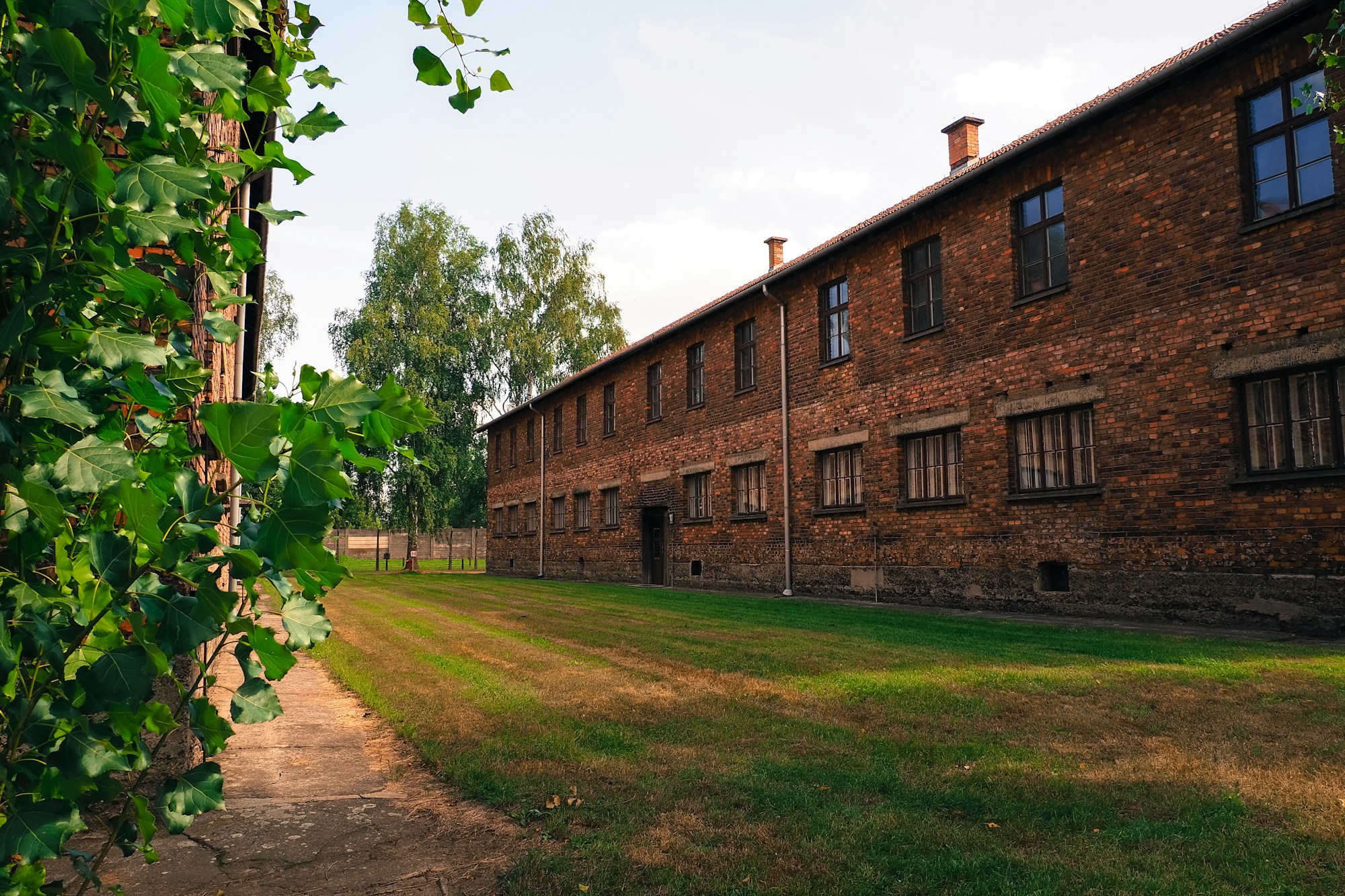
Nearly 2 Million Visitors in 2025 — But Why Go?
During the Second World War, more than 1.1 million people were murdered by the Nazis at Auschwitz-Birkenau. Now preserved as a memorial and museum, the site welcomed 1,956,544 visitors in 2025, according to the official Memorial’s attendance figures — still below the pre-pandemic record of 2.32 million set in 2019 (per Lonely Planet), but confirming a steady recovery from 1.68 million in 2023 and 1.83 million in 2024. But the ethical question is raised from the outset by historians: do all these millions of visitors have a genuine memorial purpose? The line between educational visit and pain tourism is carefully managed by the memorial itself.
It is essential to visit both parts of the camp — Auschwitz I and Auschwitz II-Birkenau — to gain a proper understanding of the site that became a symbol of the Holocaust, according to the official Auschwitz Memorial. Blocks 2 and 3 of Auschwitz I are maintained in their original state since liberation, with prisoners’ bunks, beds, and living spaces.
Staying in the region? Our 3-day Kraków itinerary covers how to pair the memorial visit with the city’s Old Town and Jewish Quarter, without turning the day into a rushed round trip.
How to Visit with Respect
- Observe silence rules in exhibition blocks and in front of display cases
- Do not take photos in areas marked as prohibited
- Dress appropriately (no very short shorts, covered shoulders)
- Use a guide-educator certified by the memorial for an in-depth visit
5. Other Essential Memorial Sites in 2026
Oradour-sur-Glane, France — The Preserved Martyr Village
On 10 June 1944, the village of Oradour-sur-Glane was destroyed by the Nazis within hours. Only 5 of the 647 people present that day survived. What sets Oradour apart from all other memorial sites is its absolutely unique state of preservation: the martyr village has been kept as it was in 1944, with its rusted sewing machines, automobile carcasses, and tram rails still in place. According to the official Memorial Centre, at a time when new conflicts are bloodying European soil, this site resonates more powerfully than ever.
2026 update: From 15 September 2025 to June 2027, the Memorial Centre is closed for renovation. But the martyr village remains accessible via a temporary welcome point, according to Destination Limoges. Guided tour: €14/person, family package €45.
Srebrenica-Potočari, Bosnia-Herzegovina — Europe’s 1995 Genocide
On 11 July 2026, the memorial community marked the 31st anniversary of the Srebrenica genocide, where more than 8,000 Bosniak men and boys were massacred in July 1995 — the worst atrocity in Europe since the Second World War. Visiting the Potočari memorial complex — the resting place of thousands of victims, located in the former Dutch battalion base — remains an experience of incomparable depth year-round. According to Meet Bosnia Tours, guides are former war veterans who share their first-hand testimony.
Kigali Genocide Memorial (Rwanda) — Reconciliation as a Horizon
The Kigali Genocide Memorial is the final resting place of 250,000 victims of the 1994 genocide against the Tutsi. Its three narrative sections trace the history of Rwanda before the genocide, the events themselves, and the country’s journey towards justice and reconciliation, according to the official memorial. The section dedicated to child victims — with their favourite food, favourite toy, last words — is devastatingly simple. What sets Kigali apart from all other memorials: its dimension of active reconciliation. Thousands of Rwandans are trained each year in peace education at the Community Centre.
Tip: Many guides are themselves survivors of the genocide. Book in advance (groups of more than 15 people). Children under 12 are not admitted.
For a wider perspective on how nations rebuild an entire tourism industry after tragedy, see our analysis of post-conflict tourism recovery lessons from Rwanda, Croatia and Sri Lanka.
Verdun (France) & the Paris Catacombs — Dark Tourism on Your Doorstep
Located 260 km east of Paris, Verdun remains one of the most intense sites of the Great War: between 300,000 and 400,000 dead in less than a year (1916). The Verdun Memorial (renovated in 2016), the Douaumont Ossuary and the preserved trenches make up a circuit of great emotional richness. Unlike Auschwitz or Hiroshima, Verdun is a site where two formerly enemy nations have built the memory together — the German cemetery at Consenvoye, a few kilometres away, forces a realisation rarely felt elsewhere. The Paris Catacombs (14th arr.) house the remains of more than 6 million Parisians: a pure confrontation with human finitude, far from any war commemoration. Budget: €15–50 depending on the guided tour option.
Memorial Sites at a Glance — 2026 Quick Comparison
| Memorial site | Country | 2026 status | Cost | Best season |
|---|---|---|---|---|
| Chernobyl & Pripyat | Ukraine | Closed (conflict) | ~$100/tour (pre-war) | Spring or autumn |
| Hiroshima Peace Memorial | Japan | Open | ¥200 (~$1.30) | Avoid August (crowds) |
| Père-Lachaise Cemetery | France | Open, free entry | Free (guided tours €15–25) | Year-round |
| Auschwitz-Birkenau | Poland | Open, free entry | Free (book ahead) | March–April or October |
| Oradour-sur-Glane | France | Village open, museum closed until June 2027 | Free / €5.80 | Year-round |
| Srebrenica-Potočari | Bosnia-Herzegovina | Open | ~€69 (tour from Sarajevo) | Spring or autumn |
| Kigali Genocide Memorial | Rwanda | Open, free entry | Free | Year-round |
| Verdun | France | Open | €11 | May–June |
| Paris Catacombs | France | Open | €15–50 | Year-round |
The Art of Reconciliation with History — Principles of Responsible Dark Tourism
7 Golden Rules for Visiting a Memorial Site with Respect
According to Ovago and memorial tourism experts, the ethical questions around dark tourism generally centre on two points: how visitors behave, and how tourism affects the site and surrounding community. Here are the core principles:
- Respect posted rules: each site has its own code of conduct, which exists for a specific reason
- Dress appropriately: no light clothing in places of mourning (unless otherwise indicated)
- Keep your voice and laughter in check: maintain a low noise level in exhibition spaces
- Check photo rules before getting your camera out: prohibited in Kigali’s reflection rooms, tolerated with discretion at Auschwitz
- Favour local operators: guides from the affected communities, funds that support the memorial directly
- Take time to prepare: read the history of the site before you go, not just on-site
- Accept the emotional weight: these visits can affect you lastingly — allow time for decompression afterwards
Practical information for your memorial trip
Stay connected from the moment you land in Tokyo, Kraków or Kigali. Instant activation, no physical SIM.
From €4.50Nomad Insurance: global coverage from $56/4 weeks. 10% off via our link. Travel with complete peace of mind.
From $56 / 4 weeksFAQ — Frequently asked questions about respectful dark tourism
Is dark tourism ethical?
Yes, provided you adopt the right approach. Dark tourism can be a powerful educational tool, enabling engagement with history and reflection on tragedy in a way that humanises events. According to Pina Travels, visiting dark tourism sites often makes tragic events more « real », which can have a lasting pedagogical effect. Ethics depend above all on the visitor’s intention and behaviour at the site.
What is the difference between dark tourism and memorial tourism?
The key difference is a question of ethics and attitude. A visitor who pays their respects in memory of the victims is engaging in memorial tourism. A visitor who takes smiling selfies in front of gas chambers is engaging in dark tourism in its pejorative sense, according to Cartelmatic. The line is not related to the site itself, but to the attitude adopted by the visitor.
Can you take photos at memorial sites?
This varies by site. In Kigali, photos and videos are not permitted inside exhibitions and reflection rooms. At Auschwitz, respectful photography is tolerated in certain areas but prohibited in front of display cases containing victims’ personal effects. At Père-Lachaise, photography is generally permitted but should remain discreet. Always check the specific rules for the site before getting your camera out.
At what age can you visit a memorial site like Auschwitz or Kigali?
Recommendations vary by site. At the Kigali Memorial, children under 12 are not admitted. At Oradour-sur-Glane, the visit is deeply harrowing and can be overwhelming even for adults — it is advised to wait until secondary school age, when children have studied the Second World War, according to Destination Limoges. For Auschwitz, the memorial recommends preparing young visitors with prior reading.
Will Chernobyl be accessible to tourists again?
Visits to the Chernobyl exclusion zone have been closed since early 2025 due to the ongoing conflict in Ukraine. Tour operators remain active and are optimistic about reopening after the conflict ends, according to The Trip Verdict. The signing of a cooperation memorandum between the plant and the city of Slavutych demonstrates the will to develop post-war memorial tourism.
Is a guide mandatory for visiting these sites?
At complex sites such as Srebrenica, Chernobyl or the Killing Fields in Cambodia, a guide is highly recommended, even mandatory. It is imperative that visitors are made aware of respect and dignity at these sites, according to CEVA France. The best guides are often direct witnesses or relatives of victims, transforming the visit into a living testimony. At Père-Lachaise or Auschwitz, self-guided visits are possible but a guided tour offers incomparable depth.
How can you avoid voyeurism on a memorial trip?
Always favour sites that focus their visits on understanding history, in respect of the victims and what happened there, according to Cartelmatic. Prepare your visit with prior reading. Ask yourself: are you coming to experience a genuine emotion and learn, or to tick a box on a list? The difference is subtle, but it determines the entire character of your presence at these sites.
Sources
- Géoconfluences ENS Lyon — Dark tourism, macabre or morbid tourism
- The Art Chemists — Dark tourism: to stop being tourists of death
- Chernobyl Nuclear Meltdown — Complete guide to Chernobyl tourism
- The Trip Verdict — Is Chernobyl Safe to Visit in 2026?
- World Nuclear News — Chernobyl looking to develop tourism post-war
- Machupicchu.org — Hiroshima Travel Guide 2026
- Japan Guide — Hiroshima Peace Memorial Park
- Japan Activity — Budget-Friendly Hiroshima Cultural Experiences
- City of Paris — Welcome to Père-Lachaise Cemetery
- Dark-Tourism.com — Père-Lachaise
- Official Auschwitz-Birkenau Memorial — Visiting
- Official Auschwitz-Birkenau Memorial — Attendance statistics (2025)
- Oradour-sur-Glane Memorial Centre
- Destination Limoges — Martyr Village of Oradour-sur-Glane
- Kigali Genocide Memorial — Visit
- Meet Bosnia Tours — Srebrenica Genocide Day Tour
- Lonely Planet — How to visit dark tourism destinations in an ethical way
- Cartelmatic — Dark Tourism: the new popular tourism
- Ovago — Top 10 Dark Tourism Destinations in 2026
- Pina Travels — What is Dark Tourism?
- CEVA France — Dark Tourism: When Horror Becomes Attraction
Ready to Travel with Conscience?
Plan your itinerary to Hiroshima, Auschwitz or Srebrenica with Pixidia and discover our personalised itineraries.
Explore our itineraries