
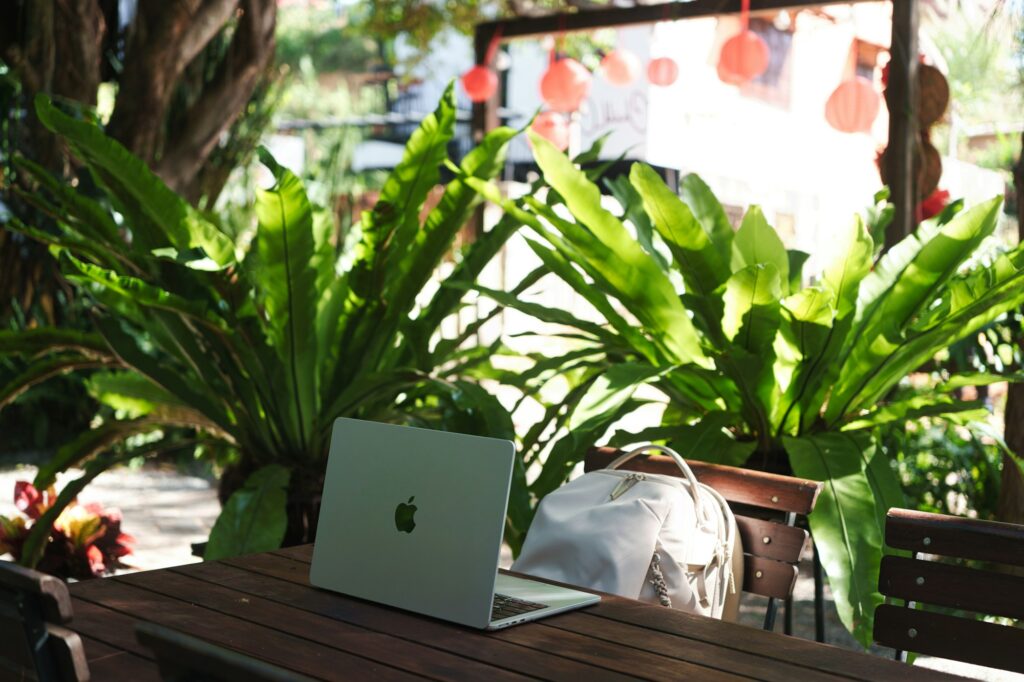
Beirut in ruins. Dubai at saturation point. And thousands of connected professionals packing their bags. Digital nomadism in 2026 is undergoing a profound geographical reshuffling. The Lebanese financial crisis, which literally wiped out the savings of an entire generation of entrepreneurs, has pushed thousands of freelancers and remote workers out of Lebanon. Dubai, long seen as the Middle East’s saving grace, now shows rents up 40% over two years and a nomad visa with a minimum income threshold of $5,000 per month. The result: a new nomad map is taking shape, spanning the Balkans, the Caucasus, Southeast Asia and Latin America. Here are the destinations capturing this movement.
Why Digital Nomads Are Leaving Beirut and Dubai in 2026
The Double Collapse of a Middle East Model
Beirut was long the intellectual and creative capital of the Middle East. But since the banking crisis of 2019, which froze deposits and destroyed the Lebanese pound, the city has become nearly unworkable for independent professionals. According to Nomads.com, visitors must carry large amounts of cash, bank cards are rarely accepted, and electricity is essentially provided by private generators with daily outages. Internet connectivity is slow and unreliable — a luxury freelancers dependent on their connection simply cannot afford.
Dubai tells a different but equally real story. According to Xiphias Immigration, Dubai’s nomad visa now requires a monthly income of $3,500 to $5,000, backed by bank statements. The city is deliberately targeting high-earning professionals, not bootstrapped freelancers. And since the geopolitical turbulence of 2025 — cancelled flights, closed airspaces, and thousands of expats fleeing — the Gulf has been sharply reminded of its risk profile. According to NoMag, geopolitics has once again become a non-negotiable variable in nomad planning.
In total, more than 40 million people worldwide now identify as digital nomads, according to Localyze. And an increasing number are looking for stable, affordable and politically safe alternatives. Here is where they are going in 2026.
1. Tbilisi, Georgia — The Budget-Friendly Crossroads
The Most Underrated Nomad Destination in Europe/Asia
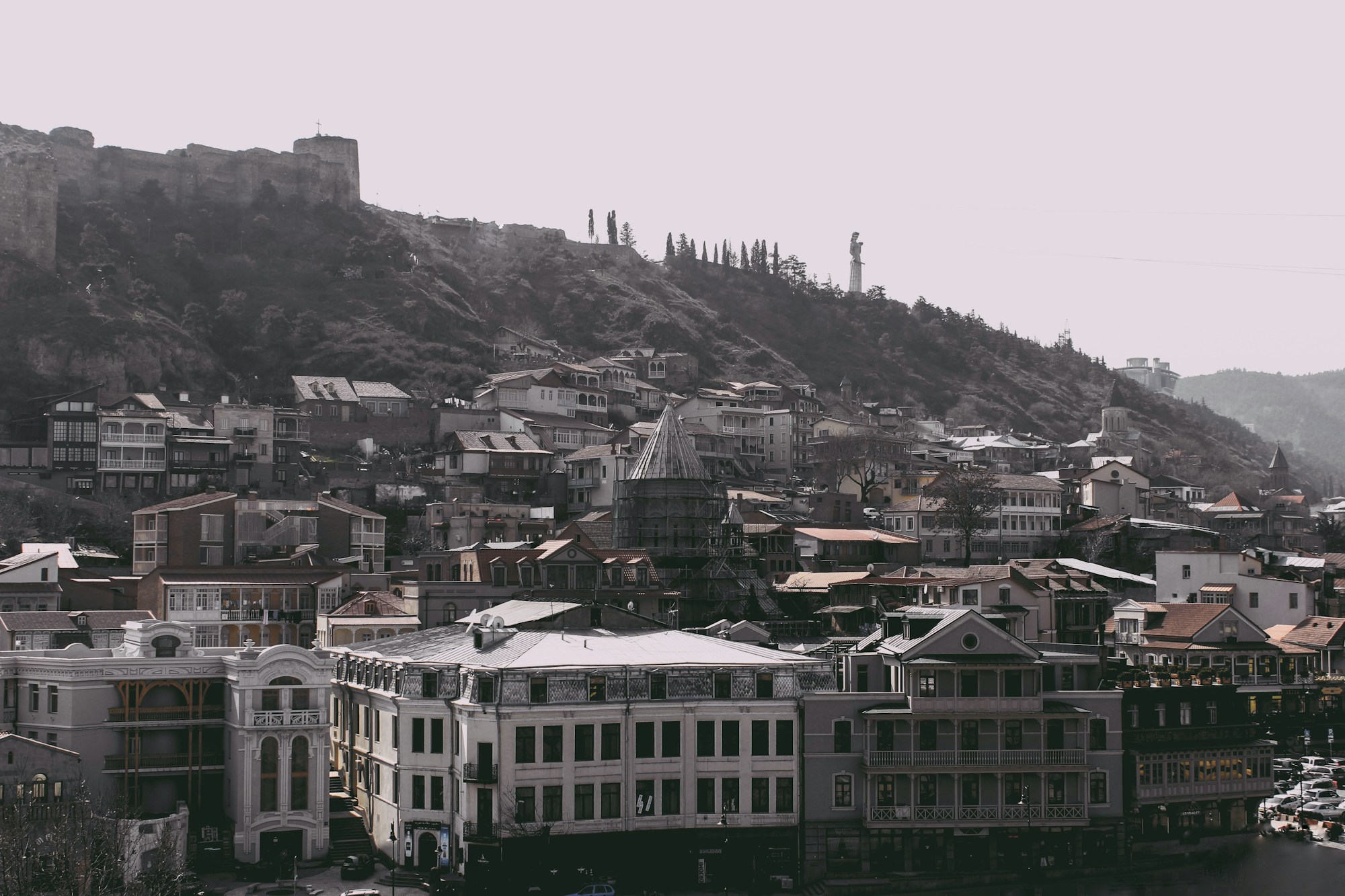
Tbilisi has quietly become the flagship destination among advanced nomad circles, and for one very simple reason: Georgia offers visa-free entry for up to one year for citizens of more than 95 countries, with no minimum income requirement, no paperwork, no bureaucratic hurdles. You arrive, settle in, and get to work. This policy is so open that it places Georgia ahead of virtually every other nomad destination on the planet, according to Nomad-Labs.
The city has invested heavily in telecom infrastructure: fiber connections of 100 to 200 Mbps are now standard, and most modern apartments are already wired. The Vera and Vake neighborhoods (most sought-after by nomads) offer furnished one-bedroom apartments for $400 to $600 per month. Add $200–350 for food, $80–150 for coworking, and you get a comfortable lifestyle for $800 to $1,200 per month.
The cherry on top: Georgia’s tax system is territorial. Foreign income (clients outside Georgia) is taxed at 0%, making it one of the rare countries where legal residency does not trigger any taxation on international freelance income, according to YourNewBase.
2. Belgrade, Serbia — The Authentic Face of Forgotten Europe

Top 4 in Europe According to Nomad List — Ahead of Barcelona and London
Belgrade does not aim for picture-postcard perfection. The pavements can be cracked, graffiti is everywhere, and some buildings still bear the scars of the 1999 bombings. But that is precisely what nomads fleeing sanitized tourist destinations appreciate about it. It is a living metropolis with a complex history worn without apology, as TaxHackers.io observes.
For independent workers, Belgrade offers a rarely mentioned advantage: the level of English among under-40s is remarkably high, often fluent. That detail transforms the whole experience — ordering a coffee, negotiating a lease, setting up a business — everything flows naturally. The cost of living runs around €800 to €1,200 per month for a high standard of living, with a unique bonus: public transport is completely free, according to Citizen Remote.
According to Nomad List, Belgrade ranks 4th in Europe for nomad quality of life, ahead of Barcelona and London — particularly for safety, freedom of expression and value for money. And from Belgrade, weekend trips to Budapest, Vienna, Athens or Istanbul are just a budget flight away.
3. Medellín, Colombia — The City of Eternal Spring
2-Year Nomad Visa — With $1,400/Month in Income
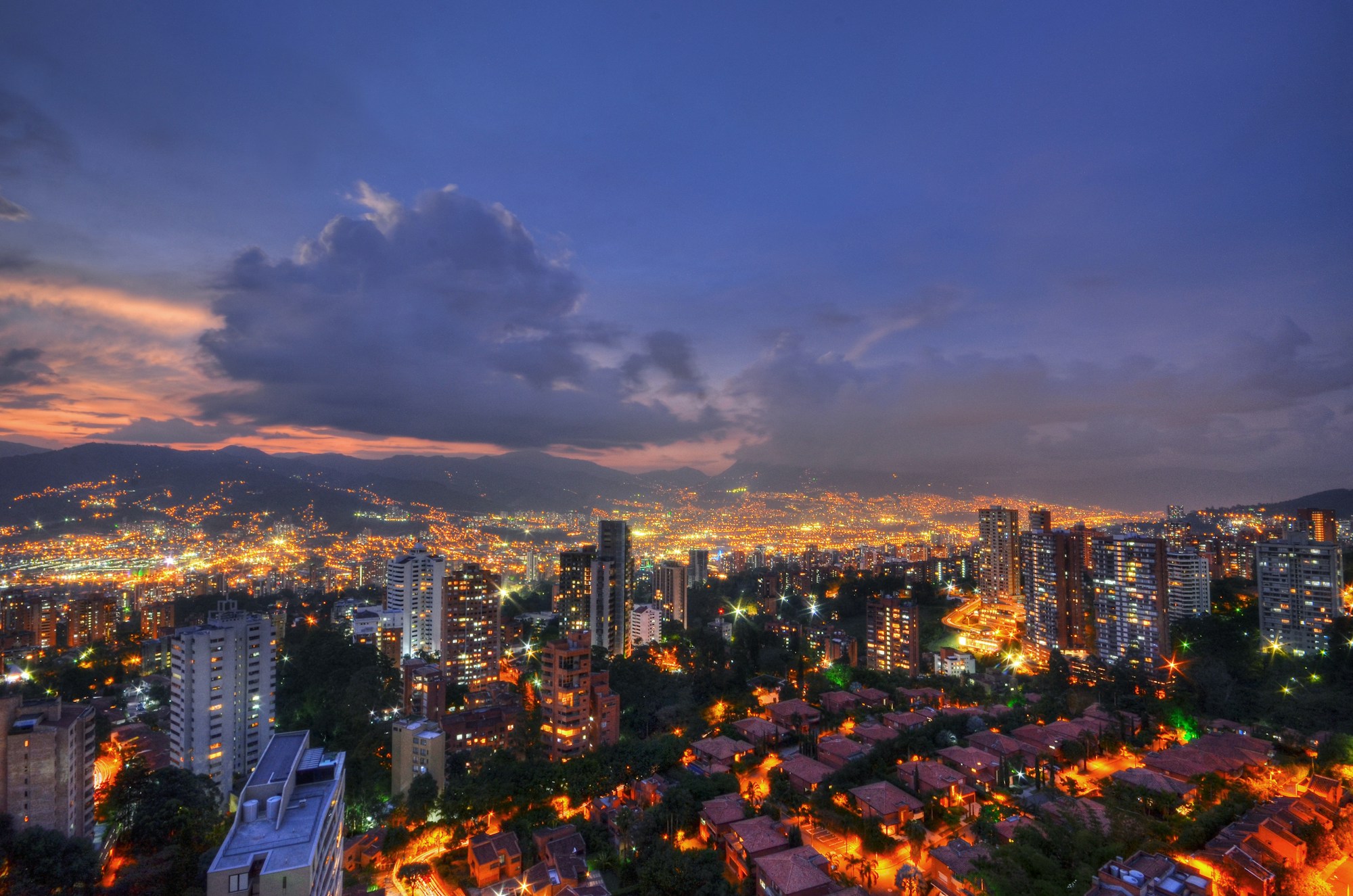
Often nicknamed the City of Eternal Spring for its average annual temperature of 22°C, Medellín has cemented its status as one of Latin America’s most popular nomad destinations. The neighborhoods of El Poblado and Laureles pack a remarkable density of cafés, coworking spaces, restaurants and bars that form the perfect backdrop for nomadic life. Fiber speeds regularly reach 200 Mbps, and latency is the best on the continent, according to Nomads.com.
The clinching argument remains the Colombian Digital Nomad Visa, one of the most accessible in the world: a minimum income of around $1,400 per month, duration of up to two years, and an entirely online application process according to Medellin Guru. For a solo budget, Numbeo estimates the average monthly cost at $938 — with rent of around $527 for a one-bedroom apartment in a decent neighborhood.
Medellín’s transformation — from one of the world’s most dangerous cities to a metropolis of innovation — is one of the great urban stories of the 21st century. The Metrocable, Parque del Poblado and the escalators of Comuna 13 (formerly the most violent area of the city, now a tourist attraction) all illustrate this metamorphosis.
4. Da Nang, Vietnam — Asia’s Fastest-Growing Hub
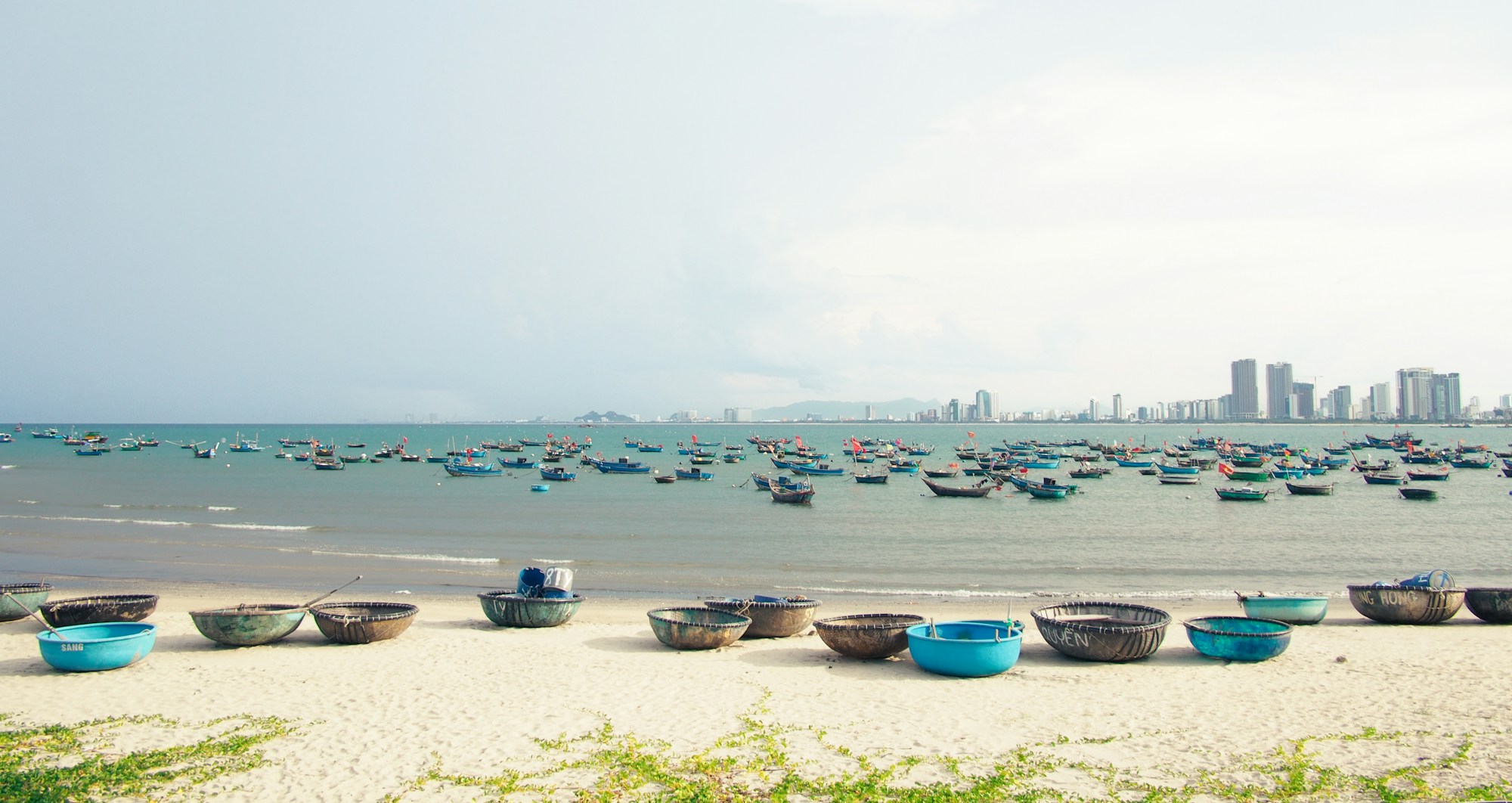
The Miami of Vietnam, #1 Fastest-Growing Hub According to Nomad List
Described by the New York Times as the Miami of Vietnam, Da Nang was ranked by Nomads.com as Southeast Asia’s fastest-growing hub in 2025. And the reputation is well-earned. The An Thuong neighborhood — a 5-minute walk from the beach — has everything a digital nomad could want: coworking spaces, dozens of wifi cafés, yoga studios, gyms and restaurants at every price point, according to The Vietnam Yield.
The telecom infrastructure delivers: 100 to 150 Mbps fiber as standard, with some buildings offering gigabit connections. Rents remain very affordable — a modern studio with pool and gym can be found for $300 to $500 per month. For food, Da Nang offers one of the best value-for-money propositions on the continent: a bowl of local mì Quảng costs under $2. The total monthly budget for a solo nomad runs around $700 to $1,200.
What sets Da Nang apart from more artificial nomad bubbles like Canggu in Bali: the city remains authentically Vietnamese. You work remotely in a real city, not in a bubble of uprooted expats. This is precisely what experienced nomads in 2026 are looking for.
5. Chiang Mai, Thailand — The Historic Capital of Nomadism
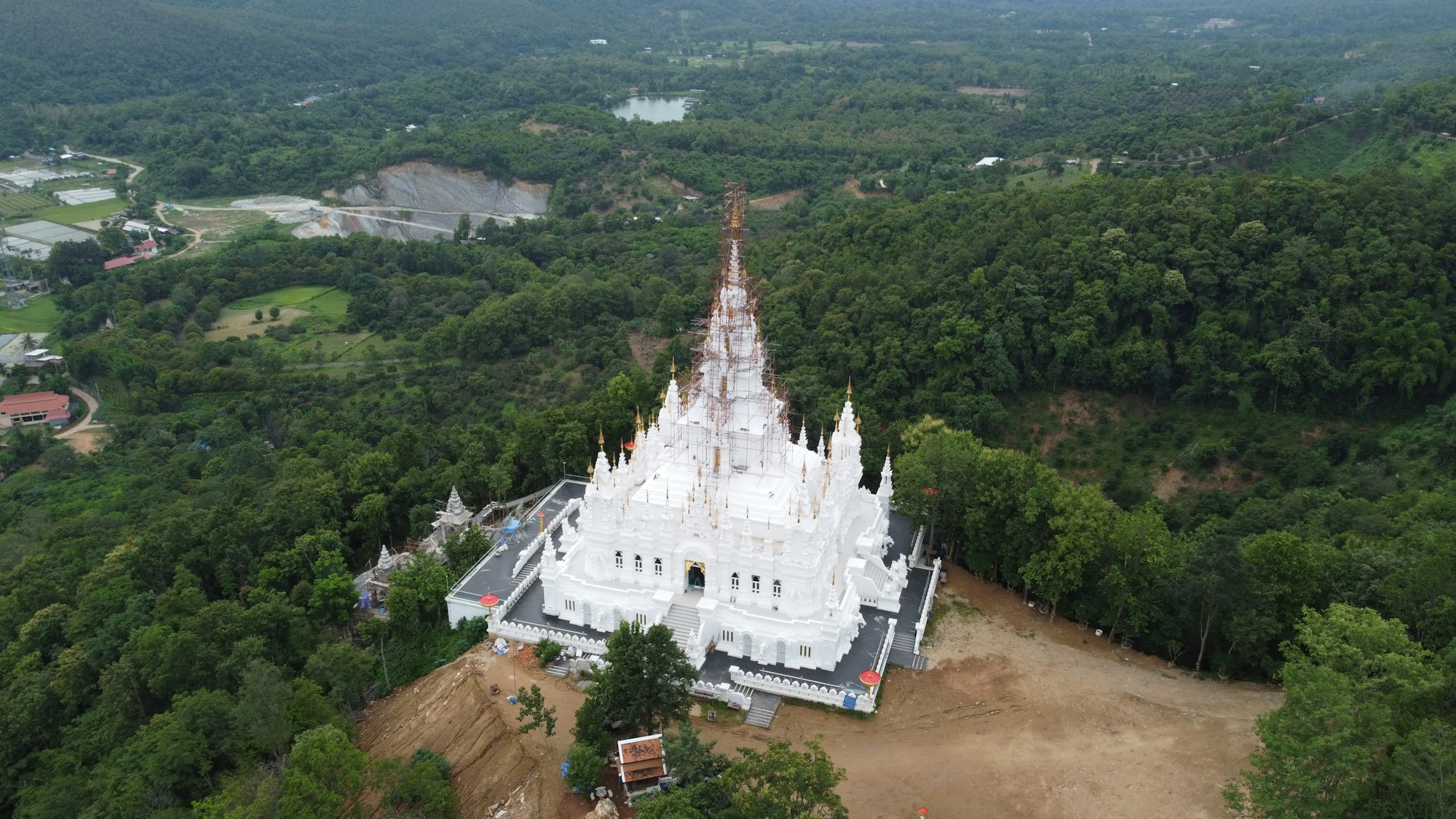
The World’s Cheapest Nomad Destination in 2026 — Under $1,000/Month
Chiang Mai has been a nomad hub since the early 2010s — and its maturity is precisely what makes it so valuable. While other destinations ride a wave of novelty, Chiang Mai offers a battle-tested infrastructure: proven coworking spaces, a well-established international community, quality medical facilities and varied accommodation options at every budget. According to a recent report cited by TravelingLifestyle, Chiang Mai is officially the world’s cheapest nomad destination in 2026 — with a high level of comfort accessible for under $1,000 per month.
This northern Thai city blends cultural heritage with modern amenities: 300 temples, a historic center preserved within its moat, and a mature digital ecosystem with dozens of wifi cafés and coworking spaces. The Nomad Summit, an iconic event created in 2015 held annually in Chiang Mai, brings together hundreds of nomads, entrepreneurs and independents for three days of talks and networking.
The one serious drawback: air pollution from February to April, caused by agricultural burning. Air quality can reach dangerous levels during those months. The ideal season remains November to January — cool, clear, and home to the best local festivals.
6. Tirana & the Albanian Coast — Europe Before the Price Spike

$700–1,100/Month to Live in Europe — Before the Secret Gets Out
Albania is rapidly becoming one of the best alternatives for nomads who can no longer afford Lisbon, Barcelona or even Porto. Tirana and the Albanian coast still feel genuinely local — costs resemble Eastern Europe a decade ago. A one-bedroom apartment in the capital costs far less than in Lisbon, and cafés and coworking spaces are catching up fast, according to WebWeq.
In late 2024, Albania launched a long-stay remote worker permit, officially legalising multi-month stays for remote workers. The total budget for a comfortable lifestyle runs around $700 to $1,100 per month. On the coast (Sarandë, Vlorë, Himara), rents remain below €400 for a one-bedroom apartment by the sea.
But Albania’s number-one selling point is its still-unspoiled Riviera. From Sarandë to Himara, the Albanian coast resembles Greece in the 1990s — before the rise of mass tourism. Secluded coves, crystal-clear waters and virtually no crowds. For nomads who have already done Bali, Lisbon and Chiang Mai, Albania offers exactly what they are looking for: a geographical and cultural surprise with decent wifi and honest rental prices.
Quick Comparison of the 6 Destinations for 2026
Budget, Visa and Internet at a Glance
| Destination | Budget/month | Nomad visa | Internet | Tax on foreign income |
|---|---|---|---|---|
| 🇬🇪 Tbilisi | $800–1,200 | 1 year free (95+ countries) | 100–200 Mbps | 0% |
| 🇷🇸 Belgrade | €800–1,200 | Freelancer visa available | 100 Mbps+ | Special regime available |
| 🇨🇴 Medellín | $938–1,500 | 2 years (min. income $1,400/month) | 200 Mbps+ | Foreign income exemption |
| 🇻🇳 Da Nang | $700–1,200 | 90-day tourist visa, renewable | 100–150 Mbps | Non-resident: 0% |
| 🇹🇭 Chiang Mai | <$1,000 | LTR Visa (10 years) or Tourist Visa | 100 Mbps+ | Thailand LTR: 0% foreign income |
| 🇦🇱 Tirana / Coast | $700–1,100 | Remote worker permit (2024) | 50–100 Mbps | To be confirmed depending on status |
Practical Info for Your Nomad Transition
Stay connected from the moment you land at your new base. Compatible in over 190 countries, instant activation.
From $4.50Global nomad coverage from $56/4 weeks. Renews automatically. Perfect for long-term base changes.
From $56 / 4 weeksFAQ — Frequently Asked Questions From Digital Nomads in 2026
Why are digital nomads really leaving Beirut in 2026?
The Lebanese banking crisis of 2019 froze deposits and destroyed the Lebanese pound, making any long-term financial planning impossible. In 2026, bank cards are rarely accepted, electricity is provided by generators with daily outages, and internet connectivity remains slow and unreliable. Freelancers and entrepreneurs who had made Beirut their base were forced to seek alternatives — notably Georgia, the Balkans and Southeast Asia, where digital infrastructure is far superior and costs far more predictable.
Is Dubai still an interesting option for digital nomads in 2026?
Yes, but for a very specific profile. Dubai deliberately targets financially stable professionals — its nomad visa requires a monthly income of $3,500 to $5,000. It is the right choice if you earn more than $5,000 per month and are looking for a tax-advantaged base with a premium lifestyle. For freelancers with variable or lower incomes, the alternatives presented in this article offer far better value for money.
What is the cheapest nomad destination in 2026?
According to a recent report cited by TravelingLifestyle, Chiang Mai (Thailand) is officially the world’s cheapest nomad destination in 2026, with a high standard of living accessible for under $1,000 per month. Tirana (Albania) and Da Nang (Vietnam) follow closely, with budgets starting from $700 per month. In Europe, Belgrade (Serbia) remains the most affordable capital, at around €800 per month for a high comfort level including free public transport.
What is « slowmading » and why is it the trend of 2026?
Slowmading means staying 2 to 6 months in one city rather than changing destination every week. In 2026, this practice has become the norm among experienced nomads for several reasons: it allows you to build a real work routine, develop a local network, negotiate long-term (cheaper) leases, and qualify for remote work visas that require a minimum stay. Fast Instagrammable travel is seen as a beginner phase — slow travel is what makes the lifestyle sustainable long-term.
Can you live tax-free as a digital nomad?
Potentially yes, but it depends on your nationality, legal structure and the length of your stays. Georgia applies a 0% tax rate on foreign income. Vietnam and Thailand do not tax income from foreign sources if you are not a tax resident there. However, some countries (notably France) tax their residents on worldwide income regardless of physical location. Always consult an international tax adviser specialising in geographic mobility before making decisions based on these generalities.
How many countries offer digital nomad visas in 2026?
According to the 2026 Immigrant Invest index, more than 50 countries offer dedicated residency visas for remote workers. In 2019, only a handful of countries had such programs. New entrants like Kenya, Slovenia, Moldova and Albania are joining the movement in 2025–2026. Income requirements vary considerably: from $1,400 per month in Colombia to over $5,000 for Dubai.
Does Middle East geopolitics really affect nomads based in the region?
Yes, and in very concrete ways. The geopolitical turbulence of 2025 led to cancelled flights, closed airspaces and rising anxiety among expats in the region. Dubai, Doha and Abu Dhabi serve as transit hubs for millions of travellers — when routes close, the impact is immediate. Nomads based in the Gulf are far more exposed to these disruptions than those settled in Europe, Southeast Asia or Latin America. Geographic diversification has become a resilience strategy, not just a lifestyle choice.
What travel insurance do you recommend for a digital nomad in 2026?
For English-speaking nomads, SafetyWing (Nomad Insurance) is the reference, offering coverage from $56 per month renewable every 28 days — ideal for stays of variable length. For nomads based in French-speaking regions, EKTA offers long-stay travel insurance tailored to multi-month trips with international medical coverage. In all cases, check that your policy covers remote work abroad and any sports activities if you practice surfing, hiking or other outdoor pursuits.
Sources
- Nomads.com — Beirut for Digital Nomads
- L’Orient Today — Lebanese digital nomads: Young, ambitious, global
- Xiphias Immigration — Dubai Digital Nomad Visa 2025-26
- NoMag — When the Sky Closes: Nomads, Expats and the Gulf War Detours
- Nomad-Labs — Tbilisi Digital Nomads: Cost of Living, Coworking & Visa Guide 2026
- YourNewBase — Tbilisi Digital Nomad Guide
- TaxHackers — Belgrade for Digital Nomads 2025
- Citizen Remote — Serbia Self‑Employment Visa for Digital Nomads
- Medellin Guru — Colombia Digital Nomad Visa 2026
- Nomads.com — Cost of Living in Medellín
- DNYUZ — Digital nomads in Southeast Asia: Da Nang is now on their radar
- The Vietnam Yield — Digital Nomad in Vietnam: Costs, Visas & Setup 2026
- TravelingLifestyle — Chiang Mai: the cheapest nomad destination in 2026
- WebWeq — Top Emerging Destinations for Digital Nomads in 2026
- The Nomad Cloud — Where the Nomad Life Is Headed Next (2026 Trends)
- Immigrant Invest — The 2026 Digital Nomad Visa Index
- Localyze — The Digital Nomad Boom: 2025 Recap & What’s coming in 2026
Ready to Plan Your Next Nomad Base?
Pixidia helps you organise your itineraries and find the best accommodation and activity options for your next destination.
Explore itineraries