
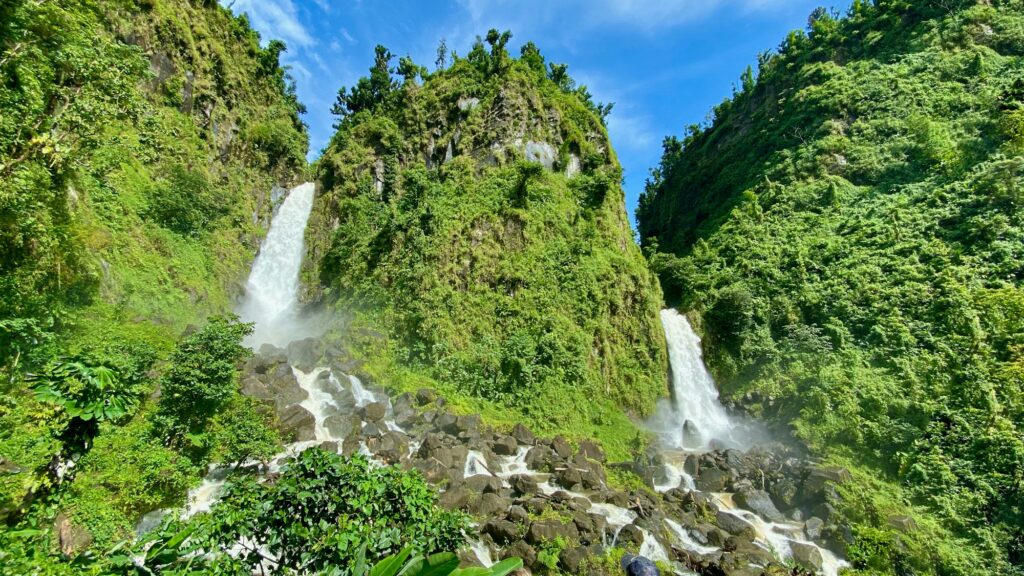
Dominica, the Caribbean’s 750 km² « Nature Island », is over 60% primary rainforest and home to roughly 300 resident sperm whales year-round. In 2027 it is due to open the world’s longest detachable cable car (6.6 km, Roseau Valley to Boiling Lake in 22 minutes) alongside a new geothermal plant, ahead of a 2027 international airport. Best visited December to April. Recommendation: book small-group rainforest, waterfall and whale-watching excursions with free cancellation before the airport opens and prices start climbing.
Dominica is experiencing its greatest tourism transformation in 2026. Nestled between Guadeloupe and Martinique, this 750 km² volcanic island remains one of the most pristine in the Caribbean, with over 60% of its surface covered by primary tropical rainforest. But 2026 marks a turning point: the world’s longest detachable cable car is being installed, a geothermal power plant just came online, and a new international airport is under construction. According to National Geographic, Dominica is among the best destinations to visit in 2026 — now is the time to go, before the crowds arrive.
1. The Giant Cable Car: 2026’s Big Attraction
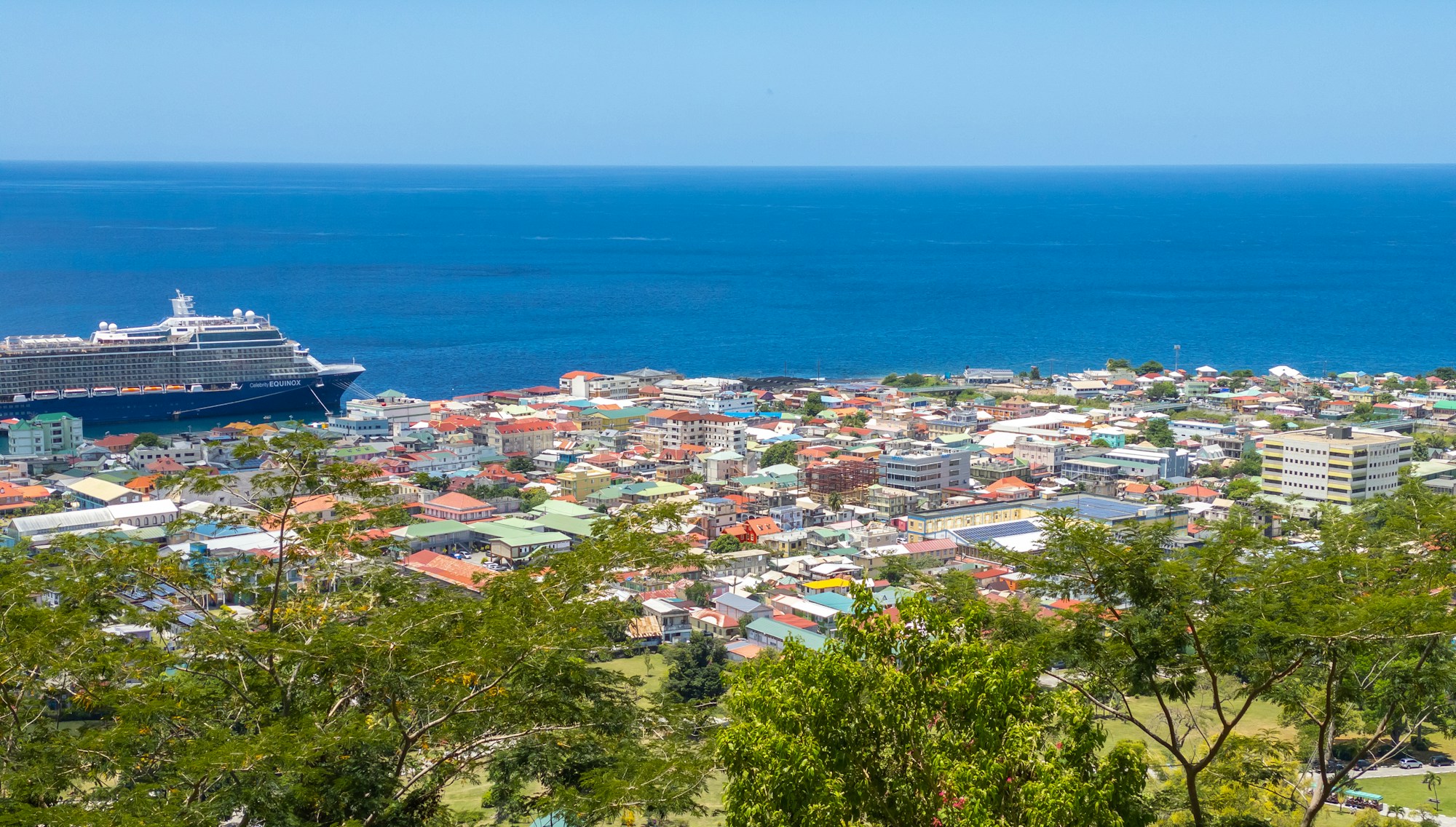
Dominica Cable Car — the project that changes everything
Dominica is set to inaugurate the world’s longest detachable cable car, measuring 6.6 kilometers, connecting the Roseau Valley to the mythical Boiling Lake in just 22 minutes. According to dominicacablecar.com, this project will transform what was previously an exhausting 6-hour hike into an accessible rainforest experience. At the mountain station, a panoramic restaurant and a 6-meter statue of the Sisserou parrot, Dominica’s national bird, await visitors at the summit.
According to Island Pressbox, the main structures (pylons, towers) are complete in 2026, with commissioning planned during the year. Partially powered by geothermal energy, this cable car embodies Dominica’s vision of becoming the world’s first climate-resilient nation by 2030.
Highlights
- World’s longest detachable cable car
- Fly over primary rainforest, gorges and waterfalls
- Accessible to all, including people with limited mobility
- Powered by renewable geothermal energy
2. Primary Rainforest, Boiling Lake & UNESCO Hiking
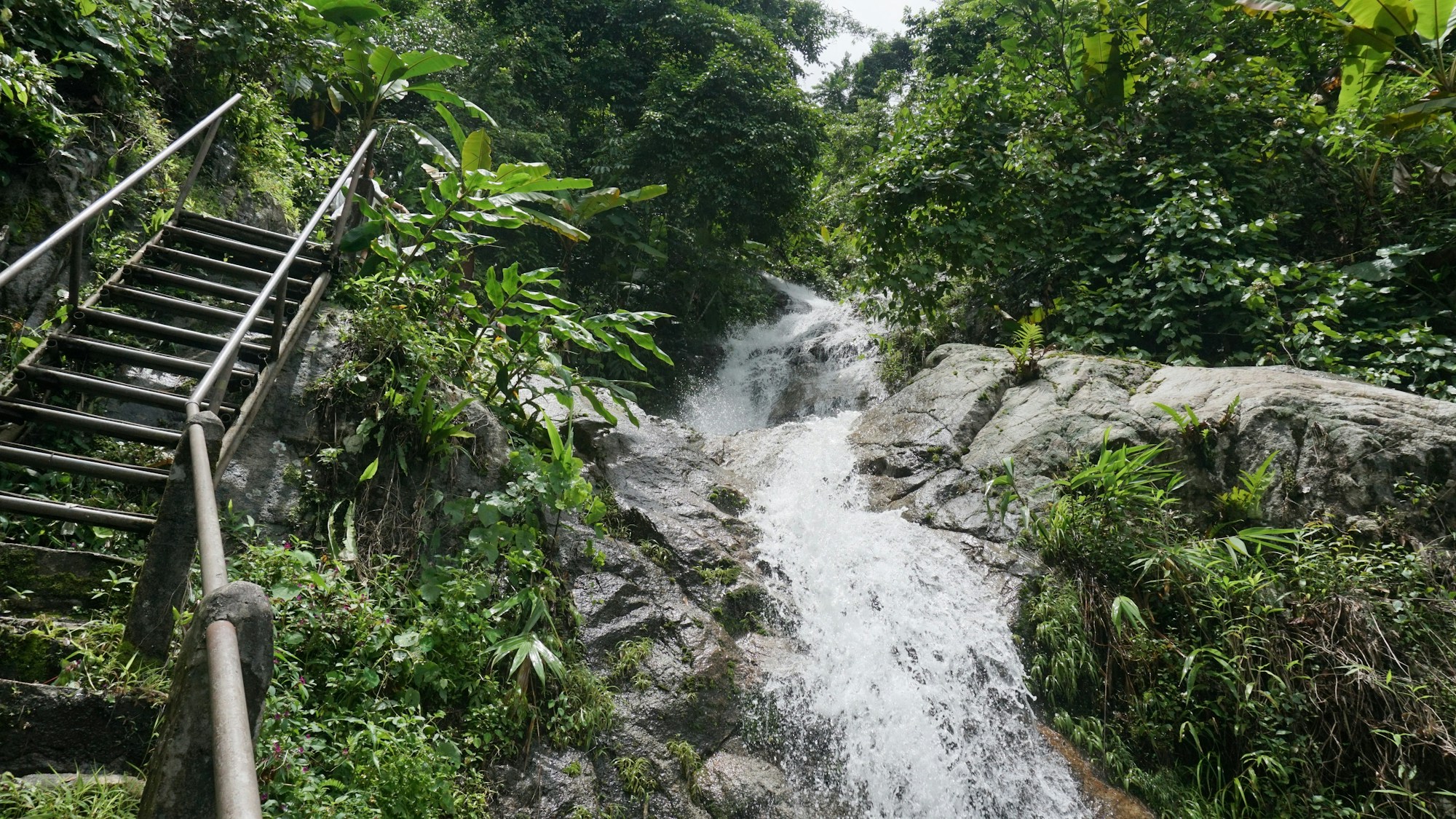
Morne Trois Pitons National Park — UNESCO World Heritage
A UNESCO World Heritage site, Morne Trois Pitons National Park harbours one of the planet’s most extraordinary natural wonders: the Boiling Lake. The second largest boiling lake in the world, it sits in a 60-metre-wide fumarole with water temperatures reaching 95°C. To reach it, you first cross the Valley of Desolation, dotted with fumaroles, grey mud pools and sulphurous springs.
For hikers, the Waitukubuli National Trail is the longest hiking trail in the Caribbean: 115 miles divided into 14 segments, crossing 32 communities from end to end. According to Caribbean & Co., this trail is still lightly visited — you often find yourself completely alone, in total communion with a canopy receiving over 7,000mm of rainfall per year.
Must-dos
- Boiling Lake: leave before 7am to avoid tour groups
- Waitukubuli Trail Segment 10 (ideal for beginners)
- Trafalgar Falls: accessible double waterfall from Roseau
- Day pass: $12 | 15-day pass: $40
3. Wotten Waven Hot Springs & Titou Gorge
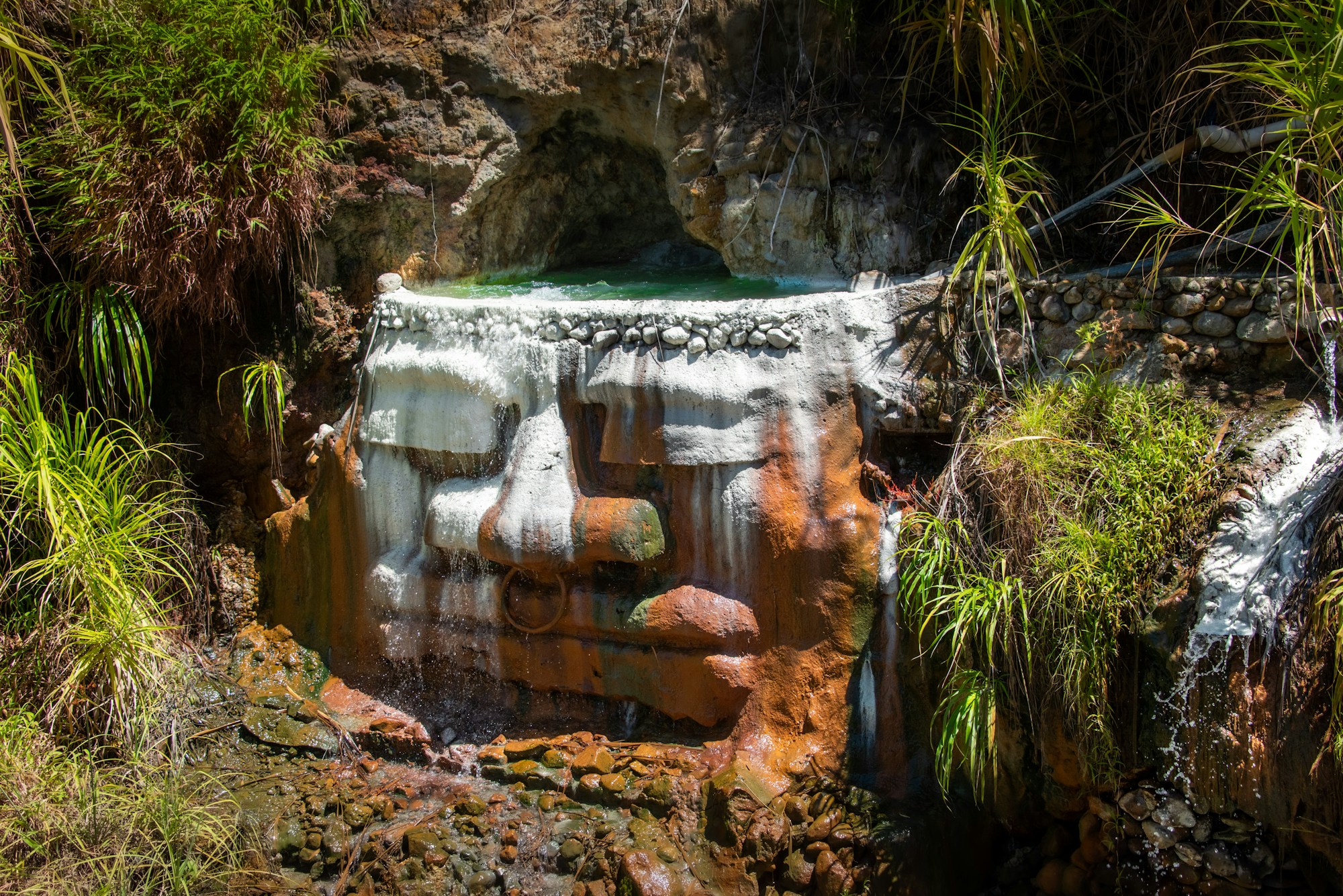
Wotten Waven — the Caribbean capital of thermal baths
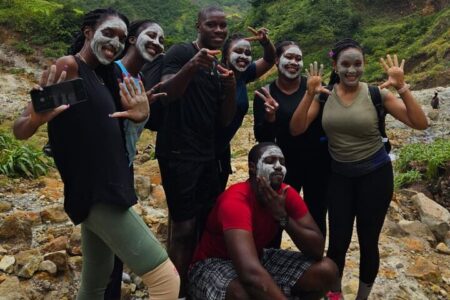
On an island with nine active volcanoes, it’s no surprise that hot springs are everywhere. The village of Wotten Waven, in the Roseau Valley, is the Caribbean capital of thermal bathing. A dozen artisanal spas (Ti Kwen Glo Cho, Screw’s Sulphur Spa…) offer sulphur, magnesium and calcium-rich baths with scientifically recognized health benefits. According to Dominica Weekly, entry fees range from $10 to $15 per person.
A few kilometres away, Titou Gorge — famous as a filming location for Pirates of the Caribbean 2 — is a volcanic rock fissure where you literally swim through the bowels of a canyon to a hidden waterfall. A Day Pass at $20 gives access to Titou Gorge, Trafalgar Falls and Screw’s Sulphur Spa.
What to know
- Dark swimwear required (sulphur can stain light fabrics)
- Remove all jewellery before entering (sulphur tarnishes gold and silver)
- Life jacket rental at Titou Gorge: $3 (required)
- Best timing: Titou Gorge early morning, springs in the evening
4. Champagne Reef — swimming in volcanic bubbles
Champagne Reef, in the Soufrière Scott’s Head Marine Reserve, is a one-of-a-kind experience. Volcanic vents continuously release warm bubbles from the seafloor, creating the effect of swimming inside a giant glass of sparkling wine. According to Dive O’Clock, the site also hosts bright yellow tube sponges, parrotfish, hawksbill turtles, seahorses and rays.
Further south, at Scott’s Head, experienced divers can descend a unique double wall: Caribbean Sea on one side, Atlantic Ocean on the other. Dominica hosted the Freediving World Championships in Soufrière Bay in November 2024.
Practical diving info
- Marine reserve entry: $2/person
- Snorkelling gear rental: $10–15
- Guided dive (2 dives): $80–120
- Go before 9am to avoid cruise ship groups
5. Whale Watching — resident sperm whales & humpbacks
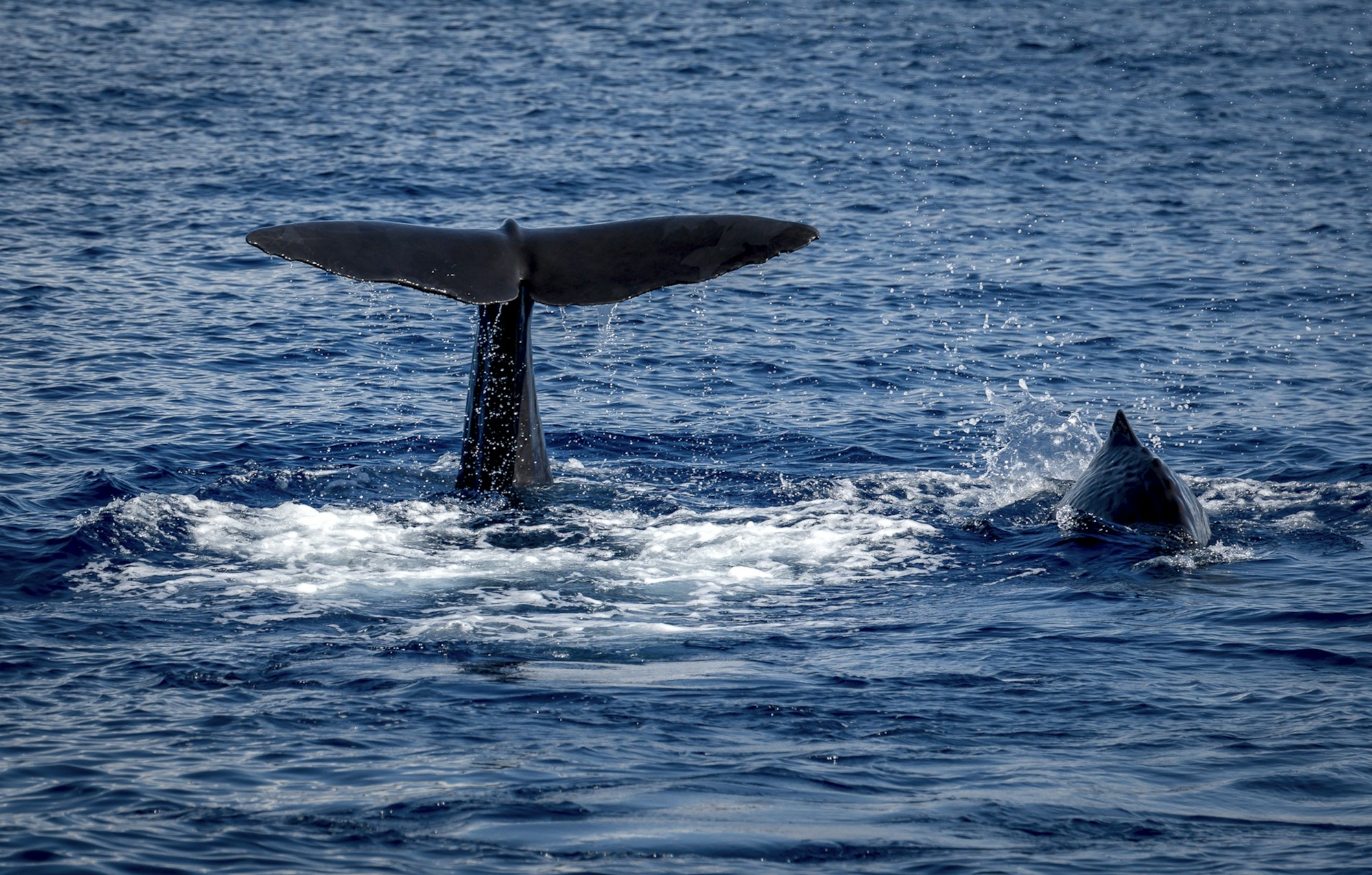
Dominica — world capital of sperm whale watching
Dominica is the only place on Earth where family pods of sperm whales reside year-round close to shore. According to the IWC Whale Watching Handbook, over 20 cetacean species have been observed around the island. The resident sperm whale population — around 300 individuals — consists of matrilineal units: family groups led by females who can remain in the same waters for decades.
Marine biologist Shane Gero confirms it: « Dominica is the best place in the world to see sperm whales. » Humpback whales are also present from November to April, and several dolphin species can be seen year-round according to Wanderlust Chloe.
Watching options
- Boat whale-watching tour (3h): ~$69/person
- Swimming with sperm whales (strict permit, 7 days): from $7,995
- Best period: December to March (humpbacks + sperm whales)
- Recommended operators: Dive Dominica, Anchorage Dive Centre
6. The Kalinago Territory — the last Amerindians of the Caribbean
On Dominica’s north-east Atlantic coast lies a place unique in the Caribbean: the Kalinago Territory. Its 3,000 inhabitants are direct descendants of the Kalinago people, the original inhabitants of the region. This 3,700-acre reserve, governed by an elected chief, is home to the only living Amerindian community in the Lesser Antilles. According to Paradise Dominica, the Kalinago people have maintained their language, crafts and traditions despite the centuries.
The Kalinago Barana Autê site offers total immersion: thatched roof houses, larouma basket-weaving demonstrations, dugout canoe building and indigenous dance performances. According to National Geographic, visiting this territory in 2026 with a local guide for Kalinago rituals and hikes along the Asulukati River is a transformative experience.
Practical info
- Kalinago Barana Autê entry: $10/person
- Local guide recommended: $20–30
- Ideal duration: half-day to full day
- Best time: October (World Creole Music Festival)
7. Getting to Dominica & Overall Budget
Getting there from Europe (2026)
Dominica doesn’t yet have an international airport (planned for 2027). In 2026, the best transit options from Paris are:
- Air Caraïbes via Pointe-à-Pitre (Guadeloupe) — €700–1,200 return
- American Airlines via Miami — €800–1,400 return
- Ferry from Martinique or Guadeloupe (3h) — budget option
Estimated daily budget 2026
| Traveller profile | Budget/day |
|---|---|
| 🎒 Backpacker (guesthouse, local food) | $60–90 |
| 🌿 Eco-adventure traveller (lodge, activities) | $150–250 |
| 🏡 Eco-luxury (Secret Bay, Rosalie Bay) | $350–600 |
The local currency is the Eastern Caribbean Dollar (XCD), with 1 USD ≈ 2.70 XCD. Credit cards are accepted in Roseau and hotels. EU citizens are visa-exempt.
Frequently asked questions about Dominica in 2026
Is Dominica the same as the Dominican Republic?
No, these are two completely different countries. Dominica (Commonwealth of Dominica) is a 750 km² volcanic island in the Lesser Antilles, English-speaking, between Guadeloupe and Martinique. The Dominican Republic is a Spanish-speaking nation sharing the island of Hispaniola with Haiti. They share neither language, culture nor geography.
Is the giant cable car open in 2026?
In 2026, the main cable car structures (pylons, towers) are complete and commissioning is planned during the year, according to the latest official updates. The exact opening date has not yet been confirmed — check dominicacablecar.com before your trip. Delays have occurred several times, so flexibility in your itinerary is advisable.
What is the best time to visit Dominica?
The best period is December to April (dry season). During these months the climate is most pleasant, marine visibility is at its peak, and you can observe both resident sperm whales and migratory humpback whales. The rainy and hurricane season runs from June to November — to be avoided for outdoor activities.
Can you swim with sperm whales in Dominica?
Yes, but it’s strictly regulated. Any in-water activity with sperm whales requires a 10-day permit issued by Dominica’s Ministry of Fisheries, costing $4,000 per permit — a deliberate strategy to limit impact. These permits are granted to only a handful of licensed operators and are often booked months in advance. Minimum budget: approximately $7,995 for a 7-day expedition.
Are there beaches in Dominica?
Dominica is not a white sand beach island — it’s an island of forests, volcanoes and rivers. Its few beaches are of volcanic black sand, like Batibou Beach and Mero Beach, wild and rarely crowded. If you’re looking for blonde sand and turquoise waters, neighbouring Guadeloupe or Martinique are better options. Dominica is aimed primarily at nature lovers, hikers, divers and seekers of authenticity.
Which Dominica excursions are worth booking in advance?
Book the Boiling Lake hike, a rainforest and waterfall day from Roseau and a whale-watching outing a few weeks ahead in high season (December to April), as guided groups are small. Prefer options with free cancellation and instant confirmation, and compare small-group and private formats: a shared tour is usually much cheaper per person for solo travellers and couples.
Sources
- Dominica Cable Car (official website) — Giant cable car information
- National Geographic — Best of the World 2026: Dominica
- CBIU (Dominica Government) — Airport & Cable Car
- IWC Whale Watching Handbook — Dominica cetaceans
- Caribbean & Co. — Waitukubuli National Trail
- Dominica Weekly — Wotten Waven hot springs guide
- Wanderlust Chloe — Whale Watching Dominica 2026
- Paradise Dominica — Kalinago Territory
- World Bank — Forests and climate resilience in Dominica (2024)
Research conducted on 24 March 2026. Data on the cable car and airport are subject to updates — check discoverdominica.com for real-time information.
Ready to explore Dominica?
Discover our customisable itineraries to plan your adventure in the Caribbean’s primary rainforest, before the international airport opens and the crowds follow.
Explore Caribbean itineraries