

Petra visitors down 61% in 2024, then up 27% in 2025. NEOM reduced to a mirage. Gaza in total ecocide. Lebanon searching for rebirth. The Middle East experienced an unprecedented tourist and environmental fracture in 2024–2026. On one side, Saudi Arabia’s Vision 2030 megaprojects — NEOM, AlUla, AMAALA — displayed dizzying ecotourism ambitions. On the other, the conflict sparked on October 7, 2023 was destroying the economic, heritage and ecological fabric of entire countries. Who is really paying the price? This comprehensive overview analyses, destination by destination, the reality of 2026.
NEOM (Saudi Arabia) — The pharaonic eco-utopia on hold
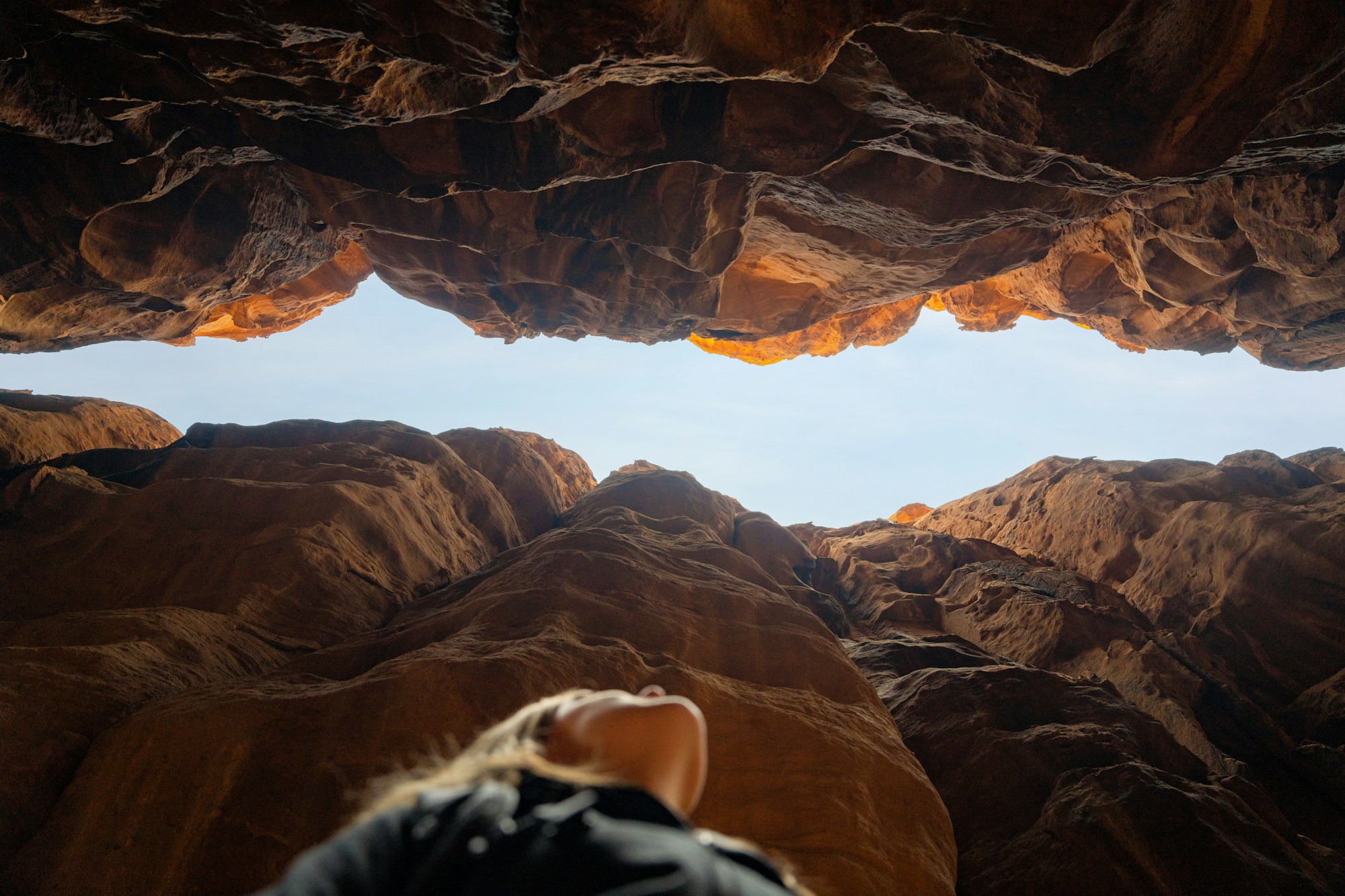
NEOM, Tabuk province — The symbol of a slowed-down Vision 2030
NEOM is arguably the most ambitious — and most controversial — tourism project of the 21st century. This $500 billion megaproject, the flagship of Crown Prince Mohammed bin Salman’s Vision 2030, was meant to embody a futuristic city-state 170 km long, car-free and 100% renewable-energy powered. The reality of 2025–2026 is far darker.
In 2024, an internal audit revealed « evidence of deliberate manipulation » by project managers. New contracts all but ceased in 2025, and NEOM no longer appears in the Saudi budget proposal for 2026. According to Le Devoir, Saudi Arabia’s Finance Minister himself acknowledged that « shocks, » including the Gaza war, pushed Vision 2030 officials to « reassess » certain aspects.
The inaugural island of Sindalah held a grand opening ceremony in October 2024… but was still not open to visitors in March 2025. Only the eco-tourism wing Leyja — a valley preserved 95% as natural space with three 40-room boutique hotels — maintains a credible sustainability promise.
| Indicator | 2025–2026 data |
|---|---|
| Budget tier | Ultra-luxury only (Sindalah: $500–2,000/night) |
| Best season | October–April (pleasant sea, <30°C) |
| Current status | Very partially operational / by invitation |
| Leyja | 3 boutique hotels (40 rooms each), 95% preserved nature |
| Trojena (ski) | Will host 2029 Asian Winter Games (1,500–2,600 m) |
Insider tip: Trojena, NEOM’s future ski resort in the Sarawat Mountains, is the Gulf’s first outdoor ski area. It regularly snows in winter at 1,500–2,600 metres altitude. A unique attraction that will outlast geopolitical upheavals — one to watch for 2027–2029.
AlUla (Saudi Arabia) — The luxury ecotourism that holds its ground
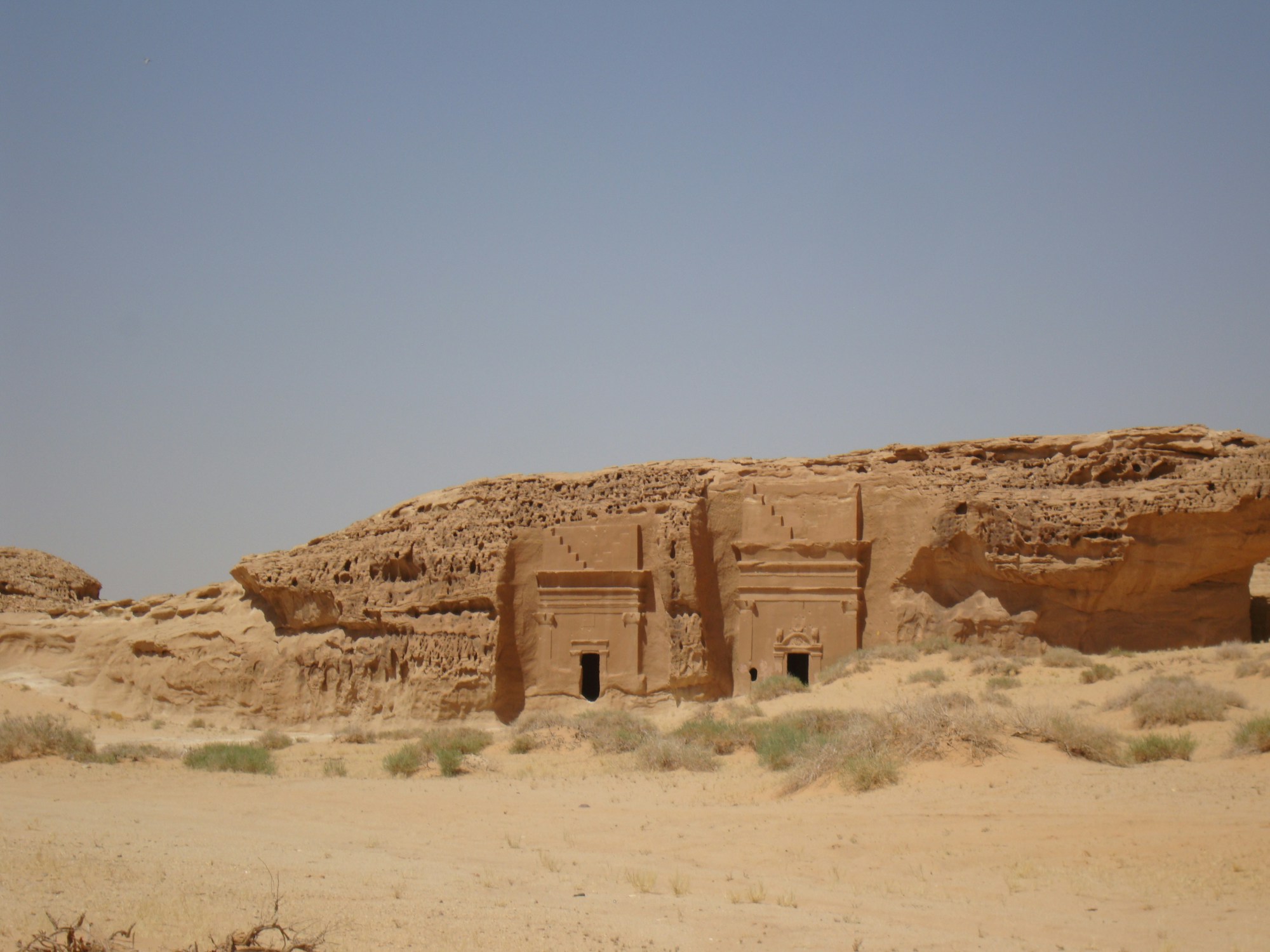
AlUla, Medina province — The « Saudi Petra » in full bloom
Unlike NEOM, AlUla is already operational and is establishing itself as the engine of Saudi ecotourism. Located in northwestern Saudi Arabia, it spans nearly 23,000 km² and is home to Hegra, Saudi Arabia’s first UNESCO World Heritage Site. Its Nabataean tombs carved in pink sandstone rival the beauty of Petra’s.
The ecotourism offering is high-end yet authentic. Caravan by Habitas sits in an oasis along ancient Bedouin paths, offering luxury Airstreams combining comfort with harmony with nature. The little-known Sharaan Nature Reserve allows visitors to discover endemic species in a protected desert ecosystem.
Despite the difficult regional context — Saudi Arabia recorded a 4.5% decline in tourist arrivals in 2025 — AlUla stays the course. The future Centre Pompidou museum dedicated to Arab world artists, expected for 2027–2028, illustrates a cultural ambition that transcends regional turbulence.
AMAALA & The Red Sea Project — Regenerative tourism or pharaonic greenwashing?
On the northwestern coast of Saudi Arabia, between Umluj and Al Wajh, AMAALA presents itself as the antithesis of conventional luxury destinations. According to Business Wire, the official opening of the first phase took place in November 2025 with SLS, Edition and InterContinental hotels. By 2040, AMAALA plans to achieve a net conservation benefit of 30% for local ecosystems — the island will be entirely powered by renewable energy, with a 1,000 MWh battery storage installation.
The Red Sea Project, meanwhile, spans more than 28,000 km² and is surrounded by the world’s fourth largest barrier reef system. Red Sea Global aims to become the global reference for regenerative tourism. 90 untouched islands, exceptional marine biodiversity… and the promise to build on only 1% of the total area.
The fundamental contradiction: can building 30 hotels and 1,200 villas in one of the last pristine areas of the Red Sea be truly « regenerative »? The regional conflict paradoxically delayed some openings, giving ecosystems more time to breathe. For the travellers of tomorrow, AMAALA will represent either the future model of sustainable tourism, or the ultimate example of luxury greenwashing — the verdict will play out over the next five years.
Petra (Jordan) — The wonder of the world facing tourist collapse
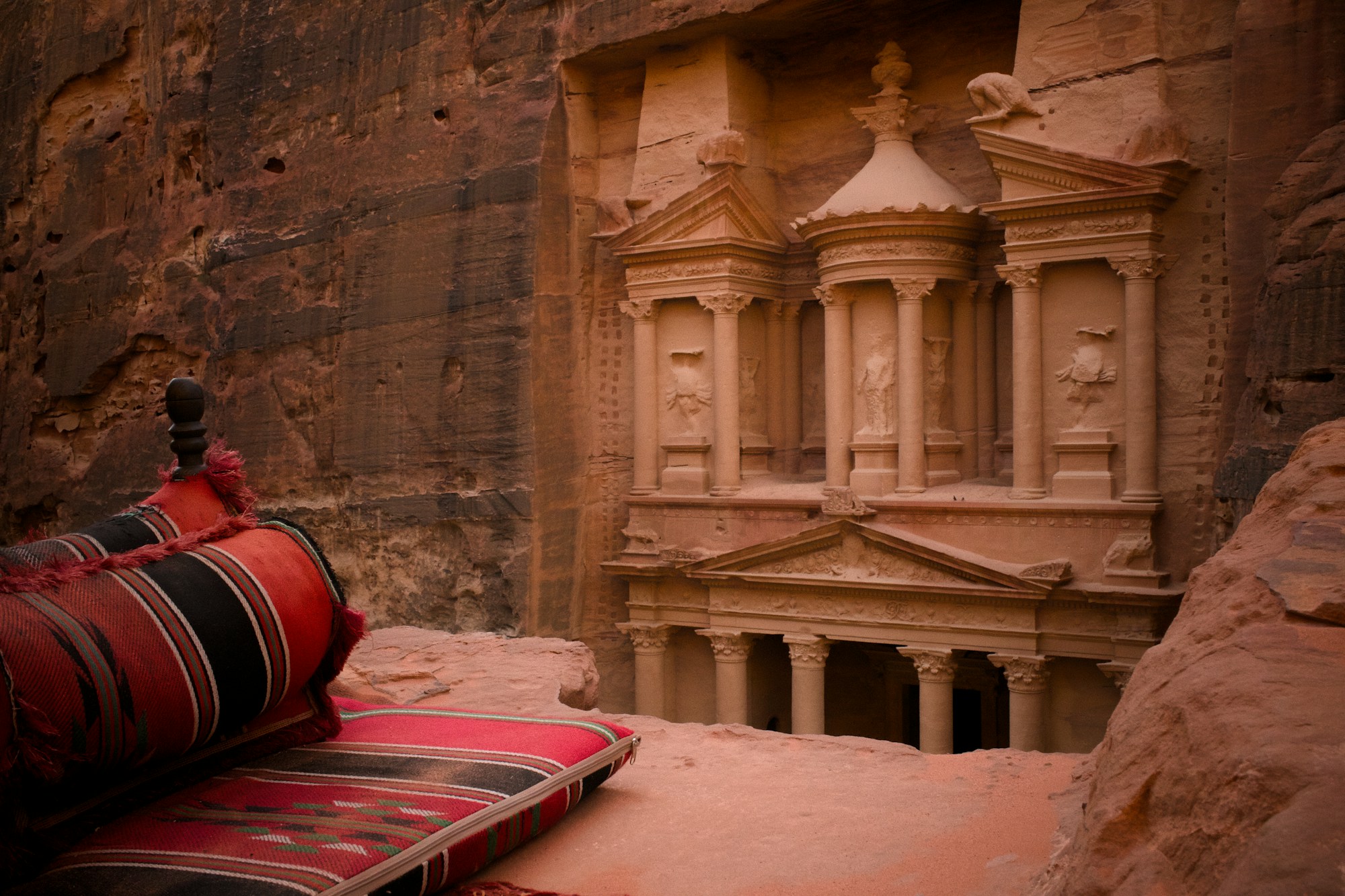
Petra, Ma’an governorate — From 1.17 million to 457,000 visitors in one year
The story of Petra in 2024 is one of a tourist collapse of brutal ferocity, caused not by conflict on its own soil, but by the simple emotional geography of fear. According to the Petra Development and Tourism Region Authority, the site went from 1.17 million visitors in 2023 to only 457,000 in 2024 — a 61% fall in one year.
Jordan shares no border with Gaza and remains a recognised hub of stability. But as Hussam Battat, a guide at Petra for 16 years, put it: « People in Europe don’t really understand what’s happening here, so they’re afraid to come to the Middle East in general. » 28 classified hotels closed in the region, representing 1,975 rooms (56% of local hotel capacity). Occupancy fell below 6%, compared with 60–70% in normal times.
First signs of recovery are emerging in 2026: Petra recorded peaks of nearly 4,000 visitors per day in early 2026, and Jordan’s tourism revenues grew 7% in the first eleven months of 2025, reaching $7.2 billion. Since January 2026, the arrival visa has been extended from 30 to 90 days — a strong signal.
Wadi Rum & Dana Reserve (Jordan) — Community-based ecotourism rewarded
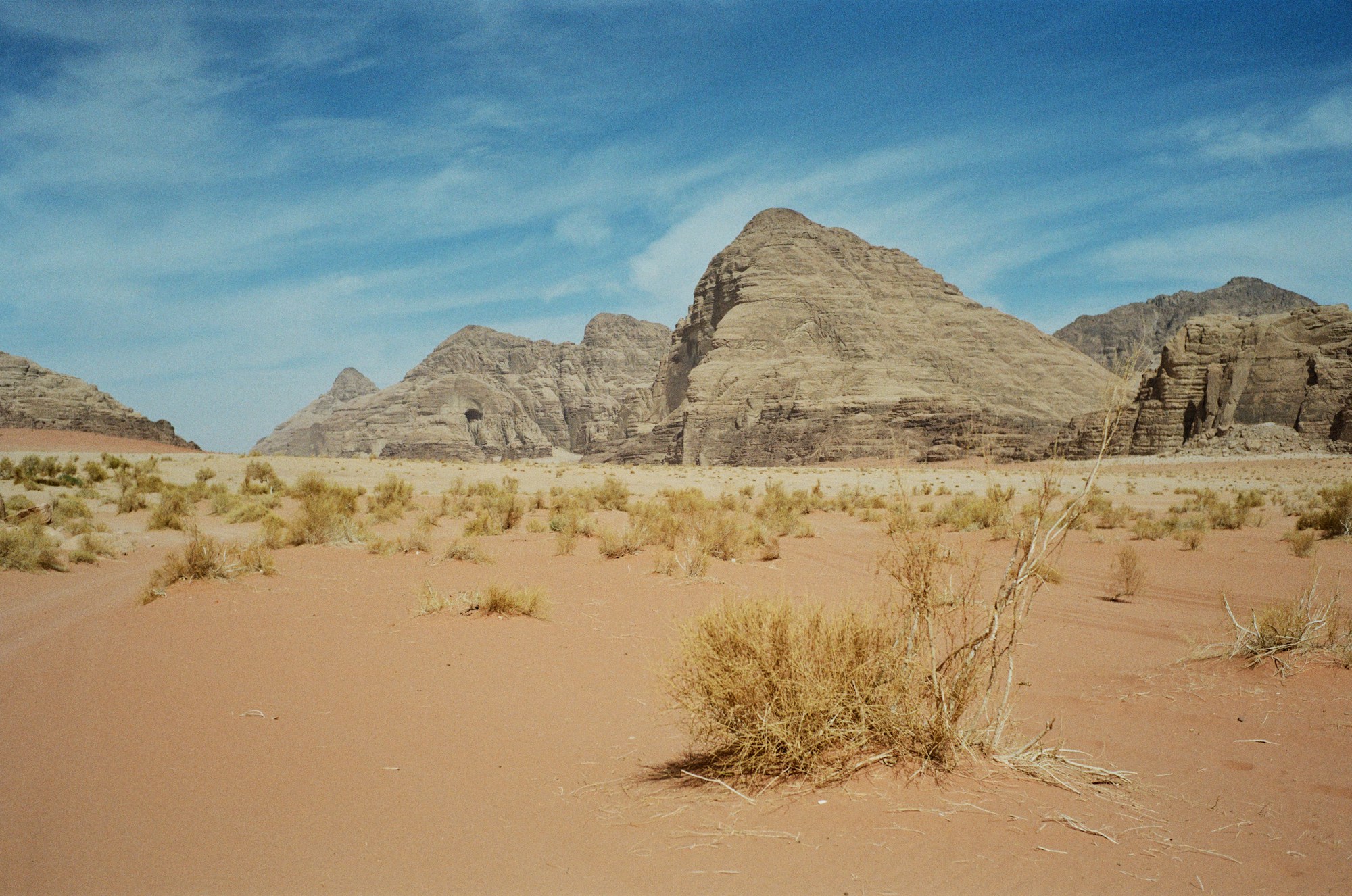
Wadi Rum, southern Jordan — Sustainable Destination of the Year 2025
Also known as the Valley of the Moon, Wadi Rum is Jordan’s second most visited destination, listed as a UNESCO World Heritage Site since 2011. Its unique terrain, both earthly and lunar, served as the backdrop for Lawrence of Arabia, The Martian and Rogue One. The tourism crisis opens a unique window for eco-conscious travellers.
Jordan was named « Sustainable Destination of the Year 2025 » at Virtuoso Travel Week — an award honouring destinations demonstrating a concrete commitment to sustainable development and local community support. According to Tour Hebdo, this recognition particularly salutes the work of the RSCN (Royal Society for the Conservation of Nature) through its Wild Jordan programme: 100% of nature reserve employees come from local communities.
The Dana Biosphere Reserve in the southwest of the country is home to the legendary Feynan Ecolodge — entirely solar-powered and a world reference for sustainable tourism. The little-known rainbow valley of Dana allows a breathtaking hike through multicoloured rocks, almost alone in 2025–2026.
- Bedouin camps — Luxury tents powered by solar panels, traditional meals included, stargazing in the open desert (€40–100/night)
- Feynan Ecolodge (Dana) — €80–150/night, 100% solar, local guides exclusively
- Bedouin 4×4 jeep — 5-hour jeep tours with free sunset in the gorges, from €96
Egypt — The paradoxical resilience: record visitors despite the conflict
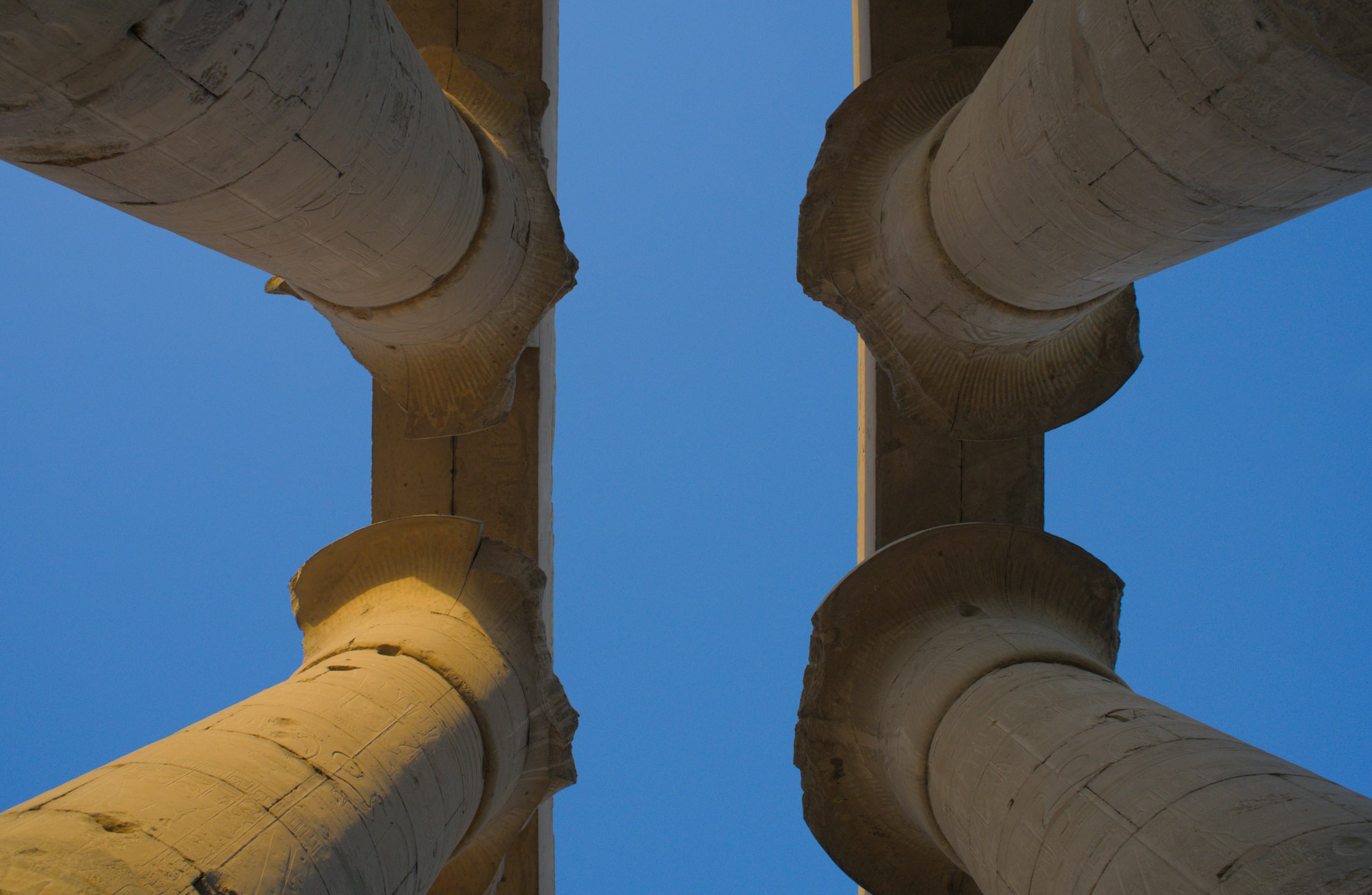
Luxor, Aswan, Red Sea — The region’s positive exception
Egypt is the great positive exception in this otherwise bleak regional picture. According to the French economic data service, the tourism sector reached 15.3 million tourists in 2024 — a new national record (+5% on 2023). Egypt’s tourism minister stated: « Without the wars in Gaza and Ukraine, the figure would have exceeded 18 million. »
The reason for this resilience is geographical and perceptual: the Giza pyramids, Luxor, Aswan, Sharm el-Sheikh and Hurghada are located far from conflict zones. By the end of June 2025, the country had generated $8.05 billion in tourism revenues, exceeding Morocco by more than $2 billion.
Egypt does however suffer a significant indirect impact: Suez Canal revenues plunged 60% between 2023 and 2024, an estimated loss of $7 billion.
Lesser-known destinations to explore
- Dahab (South Sinai) — Small Bedouin diving resort, kitesurfing in lagoons, the polar opposite of Hurghada’s mass tourism
- Abydos and Dendera (Upper Egypt) — Two of the best-preserved temples in the country, nearly tourist-free, 30 min from Luxor
- Siwa (Western Desert) — Berber oasis 500 km from the Mediterranean coast, hot springs, salt architecture
Lebanon — The wounded Phoenix: cultural tourism under the rubble
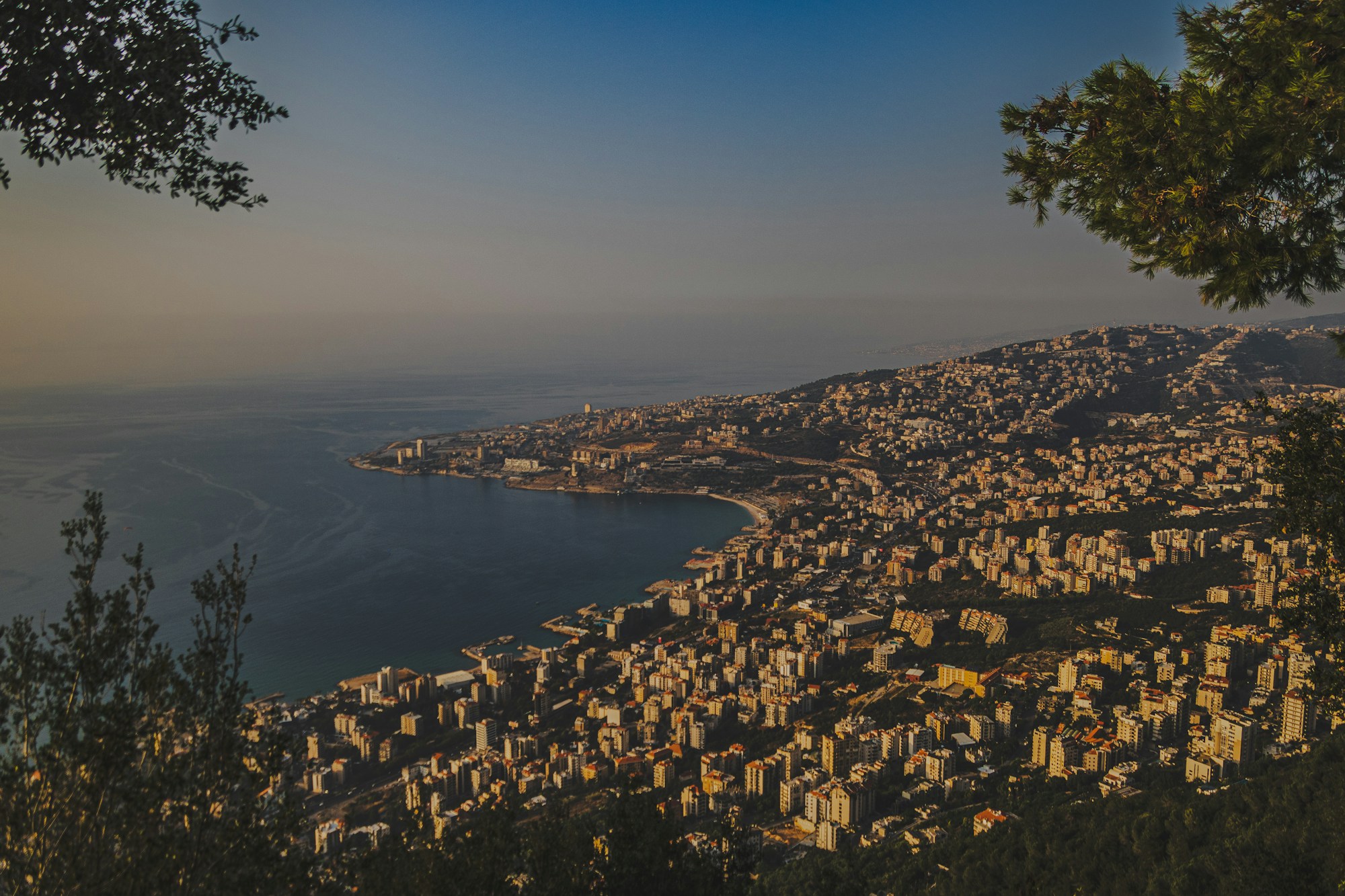
Beirut, Byblos, Kadisha Valley — Awaiting renaissance
Lebanon embodies the region’s most complex tourist tragedy. At its peak in 2019, tourism injected $8.6 billion into the economy, representing 20% of GDP. The war between Israel and Hezbollah (October 2023 – ceasefire November 2024) destroyed this fabric within months: the trade/industry/tourism sector recorded $3.4 billion in losses, causing a 7.1% decline in real GDP in 2024.
UNESCO placed 34 Lebanese cultural sites under enhanced protection, including six World Heritage sites, threatened by bombardments. Strikes fell near the ancient necropolis of al-Bass in Tyre — the ruins were not hit, but « the area’s future museum suffered damage. »
Rays of hope: Kuwait and the UAE lifted their travel bans on Lebanon in May 2025. Jan Aboud of the Tourism Offices Syndicate estimates one month of calm would be enough to restart the sector. If the peace holds, Beirut can once again become a must-visit destination.
What can be visited with caution (2026)
- Beirut (outside southern suburbs) — Gemmayzeh, Mar Mikhael, Achrafieh neighbourhoods: unique atmosphere, street art, Mediterranean gastronomy
- Byblos — One of the world’s oldest continuously inhabited cities, in the north, spared by the conflict
- Kadisha Valley (north) — UNESCO-listed monastic gorges, far from tension zones
Palestine — Heritage under the rubble: ecocide and cultural resistance
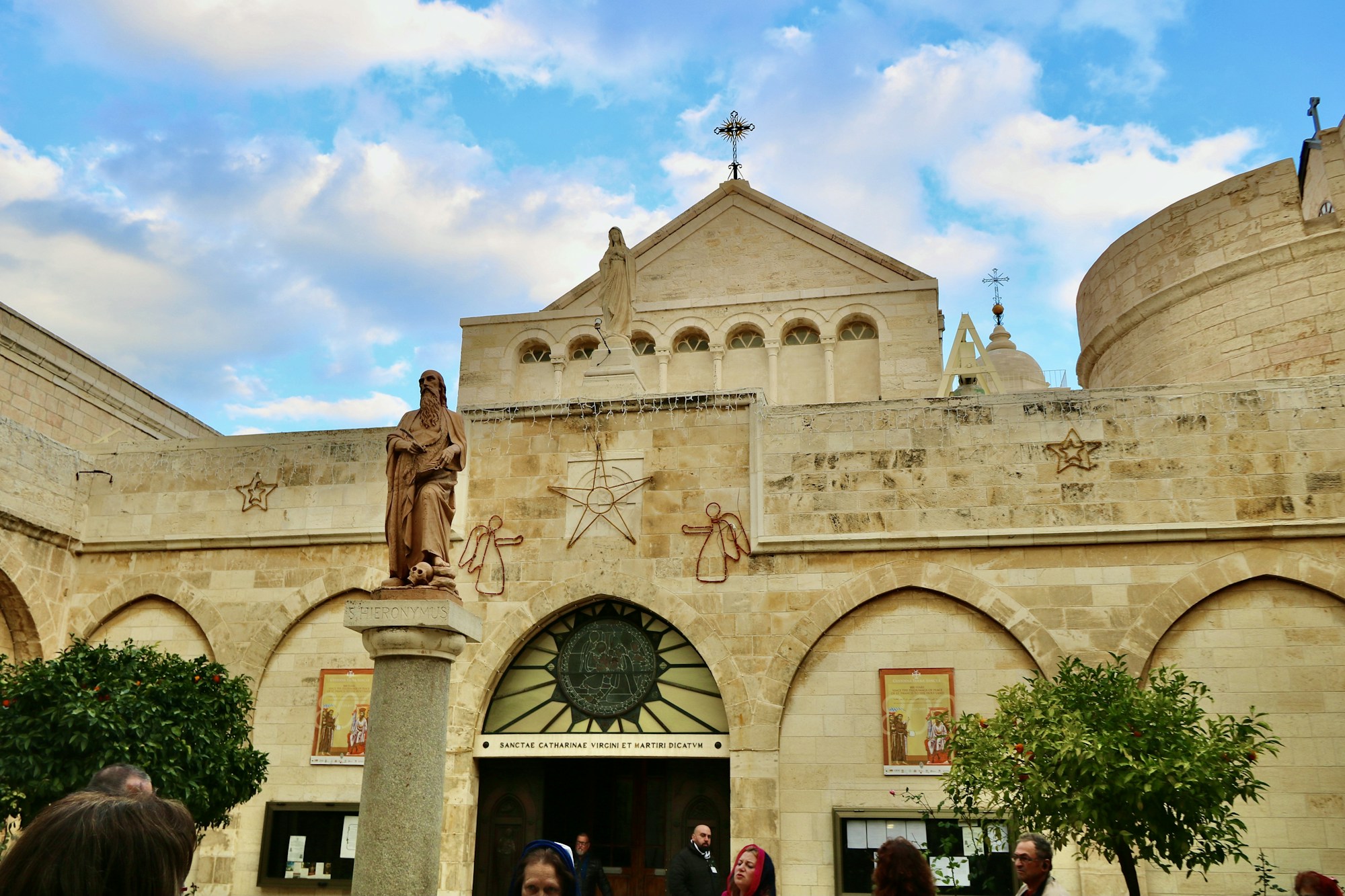
Gaza, West Bank — The most heartbreaking dimension of the conflict
The tourism and heritage situation in Palestine is the most heartbreaking dimension of this report. By 19 February 2026, UNESCO had verified damage to 157 sites since 7 October 2023 — 14 religious sites, 122 buildings of historical interest, 3 cultural stores, 9 monuments, 1 museum and 8 archaeological sites.
The environmental ecocide goes beyond the built heritage. According to Greenpeace, 57% of Gaza’s cultivated land has been damaged since May 2024. Israel is reported to have destroyed 70% of Gaza’s fishing fleet. Around 60,000 m³ of untreated sewage flows daily into the Mediterranean. The UN Environment Programme estimates it will take more than 15 years to clean up the debris alone.
In the West Bank, accessible from Jordan via the Allenby Bridge, Bethlehem, Jericho and Ramallah remain accessible with caution. The Palestinian Authority maintains civil control in Zone A. A visit is a direct act of economic support to communities under pressure.
Gaza’s heritage: 5,000 years of history at risk
The Gaza Strip contains archaeological sites spanning more than 5,000 years of history. The Monastery of Saint Hilarion (4th century) was listed on the World Heritage in Danger list on 26 July 2024. « Treasures Saved from Gaza » exhibitions are being organised across Europe to preserve the memory of what can no longer be visited.
World heritage at risk: the Middle East concentrates 40% of threatened sites
Of the 56 properties on the UNESCO World Heritage in Danger list, UNESCO states that « half are there due to the direct consequences of conflicts » — the Middle East accounting for more than 40% of these endangered sites.
The conflict involves nearly 18 countries, home to approximately 125 World Heritage Sites and 325 others awaiting designation. UNESCO’s « Blue Shield » scheme, which marks protected sites, has not prevented numerous destructions.
Latest development: after nearly three weeks of war, Iran’s Ministry of Cultural Heritage reported damage to at least 56 museums and historical sites, including four of Iran’s 29 UNESCO World Heritage Sites.
| Destination | 2024–2025 trend | Main factor |
|---|---|---|
| Saudi Arabia (GCC) | ↘ −4.5% arrivals, −6.5% receipts | Perceived instability, Vision 2030 revision |
| Jordan (non-GCC) | ↘ −61% in 2024, ↗ +27% in 2025 at Petra | Fear spillover effect post-Gaza |
| Egypt | ↗ +5% (record 15.3M) | Geographic distance from conflict zones |
| Lebanon | ↘↘↘ (sector collapsed) | Direct Hezbollah–Israel war |
| Palestine (Gaza) | ✕ Tourism non-existent | Total conflict, environmental ecocide |
| Palestine (West Bank) | ↘ Permanent tension | Occupation and checkpoints |
The answer to the central question is brutal in its clarity: it is local communities who pay the price of a conflict in which they have no part. A Bedouin guide in Wadi Rum, a craftsman in Wadi Musa, a restaurateur in East Beirut — all are suffering significant losses as a result of geopolitical decisions that are beyond their control.
According to the World Bank, during the first nine months of 2024, Middle Eastern countries outside the GCC welcomed 2.3 million fewer European visitors, while North Africa attracted 2.75 million more — a massive substitution effect towards Morocco, Tunisia and Egypt.
Practical tips for travelling in the region
Stay connected from the moment you land in Jordan, Egypt, Saudi Arabia or Lebanon. Instant activation, no physical SIM card.
From €4.50Nomad Insurance: global coverage from $56/4 weeks — essential for the Middle East region in 2026. 10% off via our link.
From $56 / 4 weeksFAQ — Frequently asked questions about ecotourism in the Middle East
Is Jordan safe to visit in 2026?
Yes. Jordan positions itself as a neutral country and its population maintains a policy of keeping the conflict beyond its borders. The country is not under threat and is characterised by its open-mindedness. Although the ripple effects of regional instability have significantly impacted its tourism sector (−61% at Petra in 2024), Jordan remains one of the most welcoming destinations in the Middle East. Check your country’s official travel advisories before departure.
Why does Egypt fare better than Jordan amid the regional conflict?
Geographical and perceptual distance plays a decisive role. Egypt’s iconic sites — Giza pyramids, Luxor, Aswan, Sharm el-Sheikh — are far from conflict zones. European travellers perceive them as geographically and security-wise distinct from Gaza or Lebanon. Egypt also benefits from a substitution effect: tourists who would have chosen Jordan or Lebanon partly redirect to Egypt.
Will NEOM actually materialise despite the delays?
A version of NEOM will come to fruition, but considerably scaled back and on a heavily delayed timeline. In 2025, the Wall Street Journal reported an internal audit revealing evidence of deliberate manipulation by managers. NEOM no longer appears in the 2026 Saudi budget. The 170-km city (The Line) has been abandoned in its original concept. Trojena (ski) remains on track for the 2029 Asian Winter Games. AMAALA opened its phase 1 in November 2025. AlUla is operational today.
Is Saudi ecotourism genuinely sustainable or just greenwashing?
The question is legitimate and the answer nuanced. On one hand, The Red Sea Project will be 100% powered by renewable energy (1,000 MWh battery storage) and targets a net conservation benefit of 30% for ecosystems by 2040. On the other hand, building dozens of luxury hotels in the last pristine ecosystems of the Red Sea represents a fundamental contradiction with true ecotourism principles. AlUla, with its softer approaches, appears more authentically sustainable than the coastal megaprojects.
Can you visit the West Bank (Bethlehem, Jericho) in 2026?
Yes, with precautions. Bethlehem, Jericho and Ramallah remain accessible, primarily from Jordan via the Allenby Bridge. The Palestinian Authority maintains civil control in Zone A. Avoid tension zones and Israeli military checkpoints, stay informed of official travel advisories and prefer travelling with a local guide who knows the real-time situation. A visit directly contributes to the residents’ economy.
What is the best time to visit Jordan, Egypt and AlUla in 2026?
March–May is the ideal window for Jordan (Petra, Wadi Rum) and Egypt (Luxor, Aswan). For AlUla in Saudi Arabia, the best period is November–March (15–25°C). Avoid the sweltering summer (June–August) in these three destinations, unless you are looking for low prices and near-empty sites. Lebanon requires constant security monitoring. Book ecolodges and Bedouin camps well in advance for high season (March–May and September–November).
Is visiting Petra in 2026 an ethical act or a guilty one?
Absolutely ethical — and even urgent. For local communities who depend on tourism for 80–90% of their income, every visitor counts. 28 hotels have closed, occupancy has fallen below 6%. The director of Jordan’s national tourism board declared: « We feel the repercussions of the aggression against Gaza every day, particularly for tourism service providers. » A stop at Petra and Wadi Rum does not fund the conflict — it supports families who are its victims.
What is the environmental impact of the conflict in Gaza?
The impact is catastrophic and lasting. Since May 2024, 57% of Gaza’s cultivated land has been damaged. 70% of the fishing fleet has been destroyed. Around 60,000 m³ of untreated sewage flows daily into the Mediterranean. The drinking water network, already failing before the war (90–95% of groundwater undrinkable), is in an even more critical state. UNEP estimates it will take more than 15 years to clean up the debris from strikes alone.
Sources
- World Bank — Effects of the conflict on MENA tourism
- Ulysse.com — Petra, Jordan: tourism crisis 2026
- Tour Hebdo — Jordan, Sustainable Destination of the Year 2025
- Wikipedia — NEOM (updated 2025–2026)
- Le Devoir — The shadow of war over the Saudi economy
- Business Wire — AMAALA Triple Bay opening (Nov. 2025)
- Red Sea Global — The Red Sea Project
- French Treasury — Egypt economic indicators 2024
- L’Orient-Le Jour — Suez Canal, conflict impact
- Libnanews — Lebanon: tourism and renaissance
- RTS — UNESCO protects cultural sites in Lebanon and Gaza
- UNESCO — Gaza: heritage damage assessment (Feb. 2026)
- Greenpeace — Gaza: human and environmental tragedy
- GRIP — Environmental impacts of the conflict in Gaza
- RTS — 56 Iranian historical sites damaged (2026)
- France Info — UNESCO, world heritage in danger
- Travel & Tour World — Middle East tourism decline 2025 (9 months)
Plan your trip with confidence
Jordan, Egypt and AlUla offer unforgettable experiences despite the regional context. Pixidia helps you build your personalised itinerary with advice from experienced travellers.
Explore itineraries