
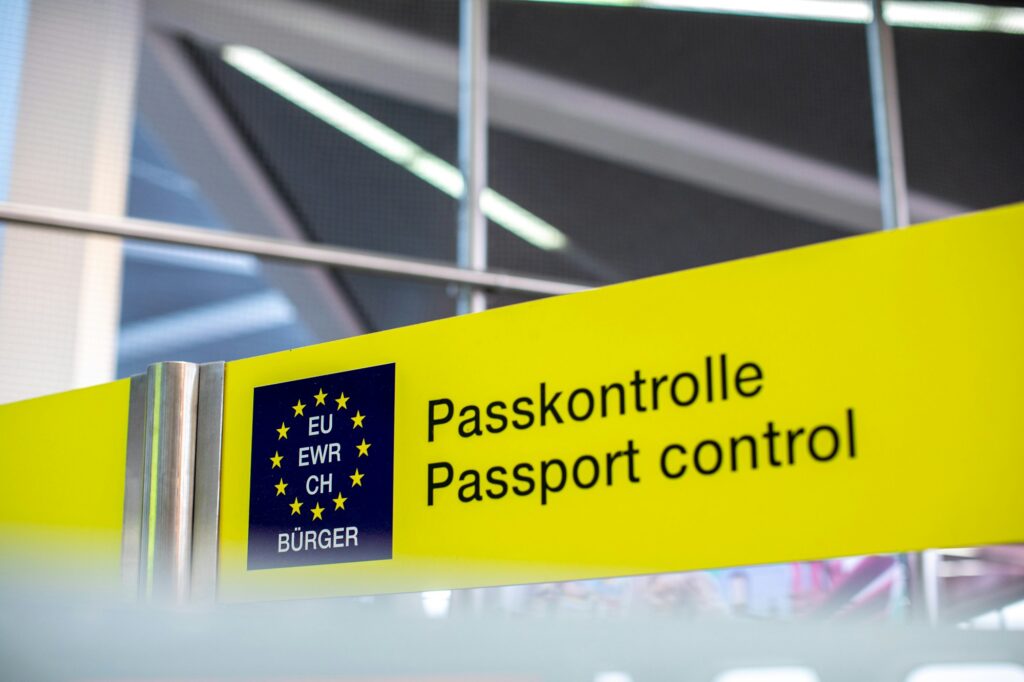
The EES has been fully operational at Schengen borders since April 10, 2026. It replaces passport stamps with biometric recording: fingerprints and a facial image. This guide covers which travellers are affected, the airports and land borders most exposed, and answers to the questions travellers ask most often.
On April 10, 2026, Europe ends the era of passport stamps. The EES (Entry/Exit System) goes live across all external borders of the Schengen Area, replacing ink stamps with biometric registration: a facial photograph and four fingerprints. For the 400 million non-European travelers entering the Schengen Area each year, the change is dramatic. And the timing couldn’t be worse: the 2026 Easter holidays (April 3-20) fall right during the switchover. Here’s everything you need to know to avoid missing your flight — or your ferry.
1. EES 2026: The End of Passport Stamps, the Rise of Biometrics
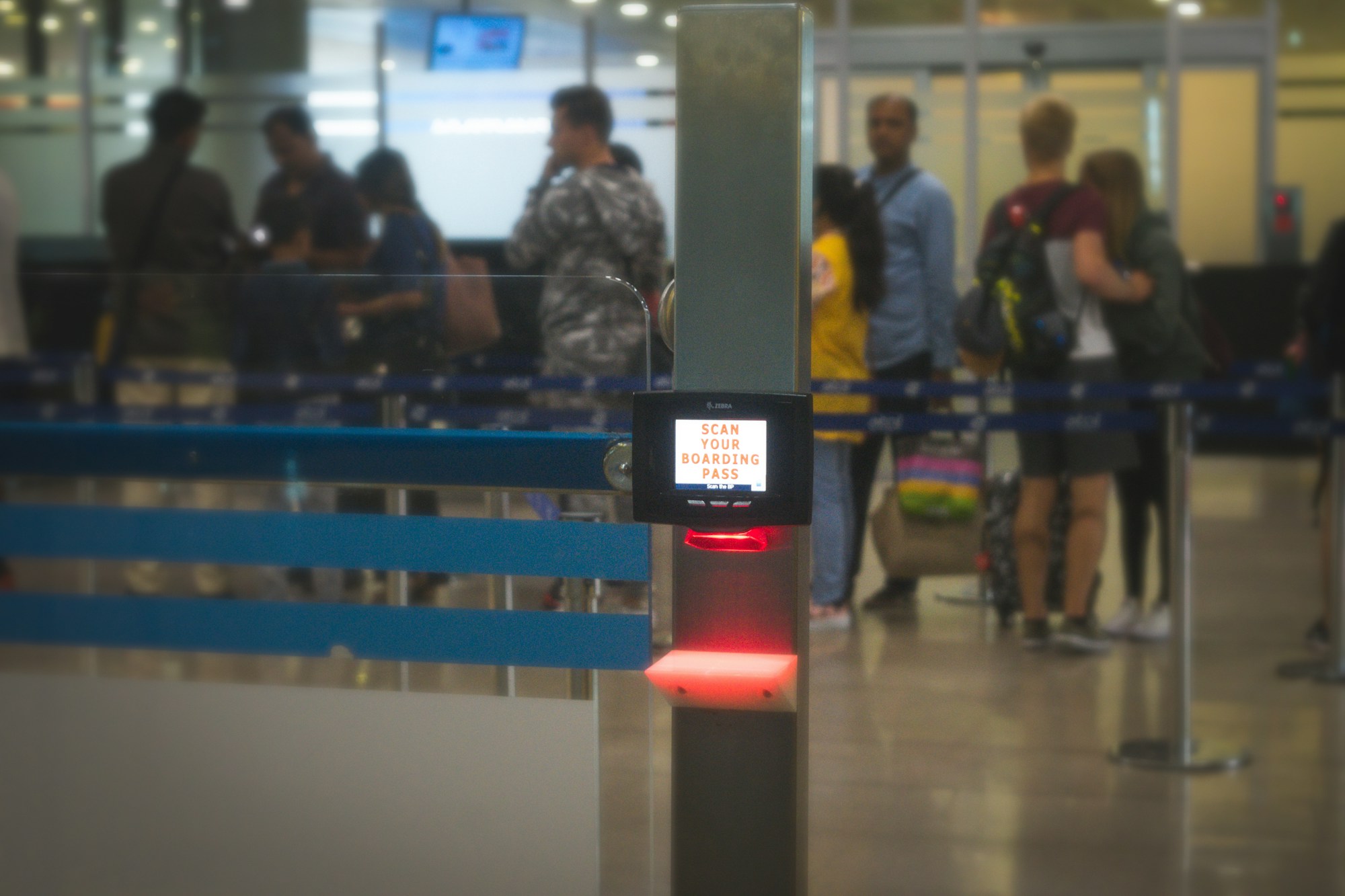
A digital file instead of ink
The EES is a centralized digital infrastructure managed by the European agency eu-LISA. In practice, it digitally records entries, exits, and refusals of entry for non-EU nationals on short stays in the Schengen Area — 25 EU member states (excluding Cyprus and Ireland), plus Iceland, Norway, Switzerland, and Liechtenstein, according to Jobbatical.
The process works in two stages. On first entry, the traveler must present themselves to an officer for fingerprint and facial photo capture. This digital record is stored for three years, as detailed by Concur.fr. On subsequent visits, the process is faster since the system recognizes the previously registered biometric data. Upon exit, the system automatically calculates the length of stay and flags any violations of the 90/180-day rule.
To streamline traffic, several tools are being deployed: automated pre-registration kiosks, and most notably the « Travel to Europe » app developed by Frontex, available on iOS and Android, which allows travelers to pre-register their passport and facial photo up to 72 hours before arrival, according to Ulysse.
2. Who Is Affected by the EES 2026? (And Who Isn’t)
The EES applies to all third-country nationals entering the Schengen Area for a short stay (up to 90 days within a 180-day period), whether they require a visa or not, according to the French Directorate General for Enterprise.
Travelers subject to the EES
- British nationals (since Brexit)
- US, Canadian, and Australian citizens
- All non-EU travelers exempt from visa requirements
- Travelers with a short-stay Schengen visa
- Dual nationals traveling on a non-European passport
Exempt travelers
- EU, EEA (Iceland, Norway, Liechtenstein), and Swiss citizens
- Residents of Andorra, San Marino, Monaco, and Vatican City
- Children under 12 (photo required, but no fingerprints)
- Diplomats, crew members, seafarers, and cross-border workers
3. EES 2026 Timeline: A Phased Rollout Since October 2025
The EES rollout has followed a phased timeline since October 2025, with full 100% implementation scheduled for April 10, 2026, according to Ulysse:
However, facing record-breaking queues since the launch, the European Commission has granted flexibilities to member states: they can partially suspend EES checks for up to 90 days after the end of the rollout, with a possible 60-day extension, reports ETIAS.com.
In practice, even though the system is officially in place on April 10, some airports could benefit from a hybrid mode (stamps + EES) until September 2026 depending on congestion levels, according to Euronews.
4. Most Impacted Airports: The Worst Wait Times Under EES 2026
Up to 7 hours of waiting at Lisbon
The most exposed hubs are Amsterdam Schiphol, Frankfurt, Paris CDG, Faro, Palma de Mallorca, Milan Malpensa, and Heraklion, according to Ulysse. The figures are alarming: an ACI Europe report reveals that border processing times have increased by 70% at affected airports. Lisbon Airport actually had to suspend the system for three months in December 2025 following « serious deficiencies, » reports Ulysse.
Focus on Paris CDG and Orly
France’s two largest airports have formally asked the European Commission to postpone the final activation until after the peak summer season. Despite 300 registration kiosks already installed (with another 120 on order), the system is creating two- to three-hour queues at airports where it has been deployed more aggressively, according to VisaHQ.
An additional problem at Paris: the Parafe e-gates based on facial recognition still do not accept British and American passports, reports Biometric Update. Non-EU travelers must therefore join the manual « All Passports » queue.
5. Land Borders: Dover, Eurostar, and Eurotunnel Under EES 2026
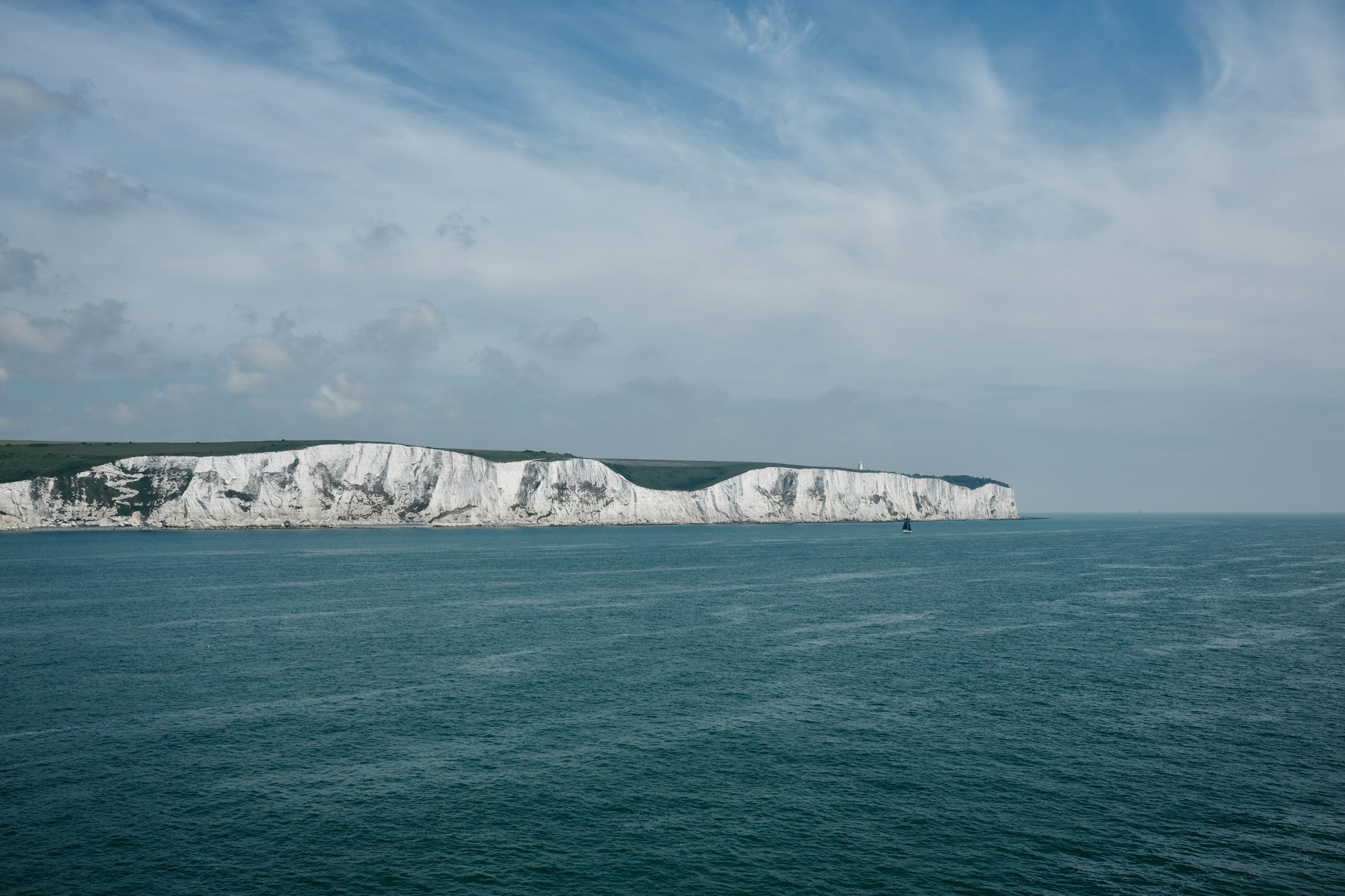
The English Channel: the world’s most complex border
The cross-Channel border is one of the most complex in the world due to the Treaty of Le Touquet (2003), which requires juxtaposed border controls: travelers are checked by both French and British authorities before departure, with no controls upon arrival, according to The Local.
Port of Dover
The British port fears that processing time per vehicle could jump from 60 seconds to nearly six minutes during peak periods, according to Economie Matin. More than 13,000 profiles have already been created since October, with Dover accounting for 30% of all EES registrations carried out by French maritime ports.
Eurotunnel (Folkestone-Calais)
Eurotunnel CEO Yann Leriche estimates that journey times will increase by approximately two minutes per person. Over 220 machines have been installed at Folkestone to process up to 700 vehicles per hour, reports Connexion France.
Eurostar (St Pancras – Paris/Brussels)
49 EES kiosks have been installed at St Pancras, more than double what the EU recommends. Facing the limited capacity of the historic station, Eurostar now allows passengers to board 30 minutes earlier than before, according to Euronews.
6. Ferries and Cruises: Maritime Borders Also Affected by EES 2026
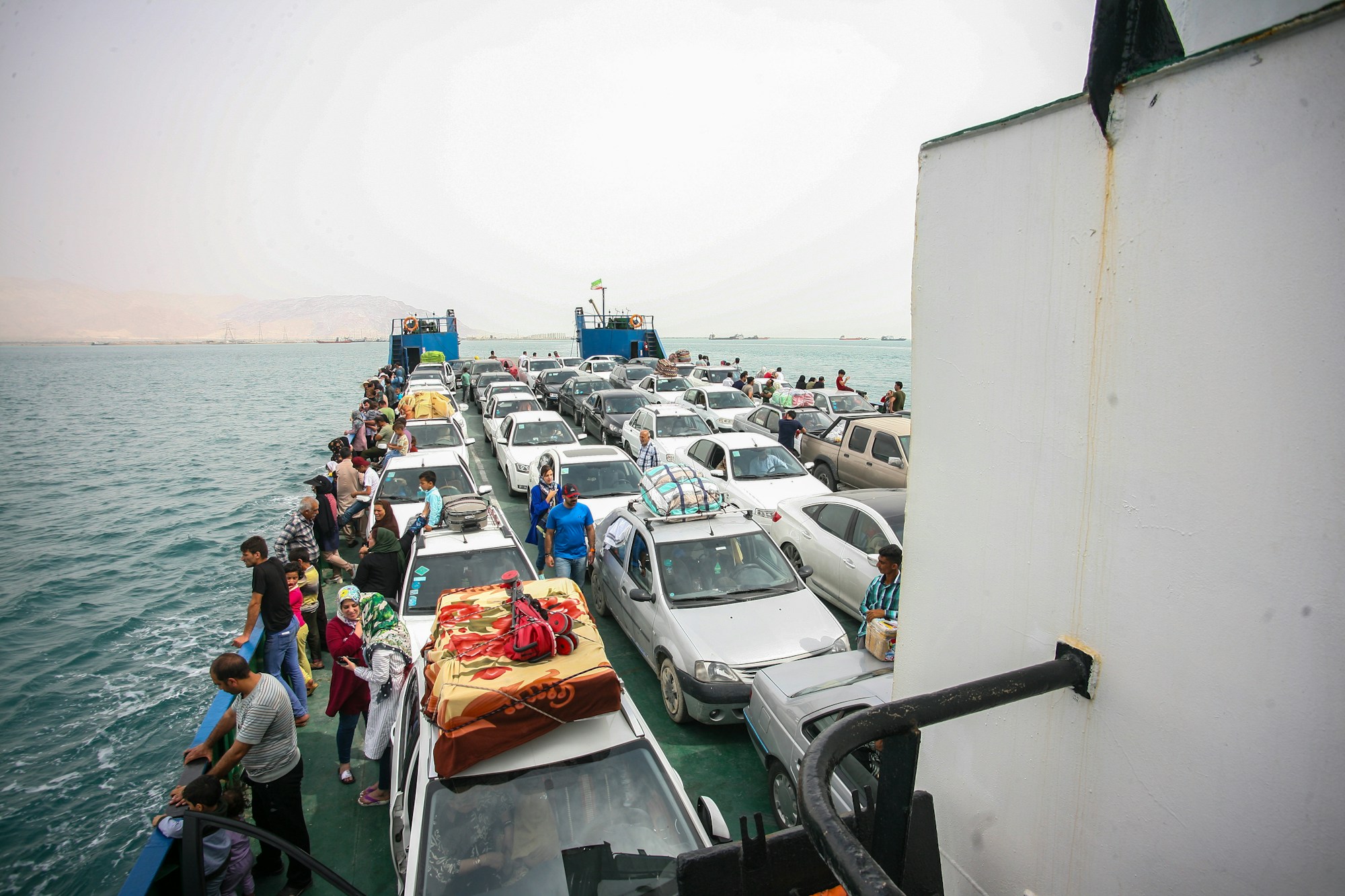
Ferries, cruises: all terminals are affected
The EES applies to all ferry terminals with Schengen entry points, reports TravelTourister. Ferry and bus companies will need to confirm whether short-stay visa holders have already used their permitted number of entries — this responsibility begins in April 2026, according to ETIAS.com.
Special case: cruises
Cruise passengers whose voyage begins and ends outside the Schengen Area are generally exempt, unless they disembark and continue their journey within Schengen. An American cruise passenger boarding in Southampton would only need to register with the EES upon their first disembarkation in the Schengen zone (for example, in Barcelona), according to Sidmouth Herald.
7. EES vs ETIAS: Two Systems You Should Not Confuse
Many travelers confuse the two systems. Here’s what sets them apart, according to Jobbatical and Concur.fr:
The EES takes effect at the moment of border crossing: it records biometric data (fingerprints + photo) and automatically calculates the length of stay. ETIAS, scheduled to launch in late 2026, is a pre-travel authorization (to be applied for online before departure), comparable to the US ESTA system.
Both systems share data to strengthen security, but they do not collect the same information: the EES captures biometrics, while ETIAS checks travelers’ backgrounds (employment, past travel), according to Francais du monde.
The ETIAS fee was recently raised from EUR 7 to EUR 20. Travelers under 18 and over 70 are exempt from this fee, as are family members of EU citizens, reports Euronews.
For a side-by-side look at ETIAS, EES and the UK ETA, read our complete ETIAS vs EES vs ETA guide.
8. EES 2026: What Changes Based on Your Nationality
British nationals: the most impacted
Since Brexit, British nationals are subject to Schengen rules and must provide a photo and fingerprints on each first crossing, according to Economie Matin. Note: the CDG Parafe e-gates do not yet process British passports — head directly to the manual queue.
Americans, Canadians, Australians
Since October 2025, the EES requires every American, British, Canadian, and Australian traveler to register their biometric data. Observed queues can reach 7 hours in Lisbon, 5 to 6 hours in Geneva, and 3 hours at Paris CDG, Madrid, and Barcelona, reports TravelTourister.
EU citizens: the collateral effect
EU citizens are not directly subject to the EES, but they suffer the consequences. According to ADP (Aeroports de Paris), each registration adds 45 to 60 seconds per non-EU passenger. CDG handles over 200,000 passengers per day in summer — the domino effect is inevitable, warns Ulysse.
Organizations A4E, ACI Europe, and IATA raised the alarm in a joint letter: they cite a risk of a domino effect across the Schengen air network, with missed connections at Parisian hubs, reports Observ’Algerie.
9. 8 Practical Tips for Your Easter 2026 Vacation Under EES
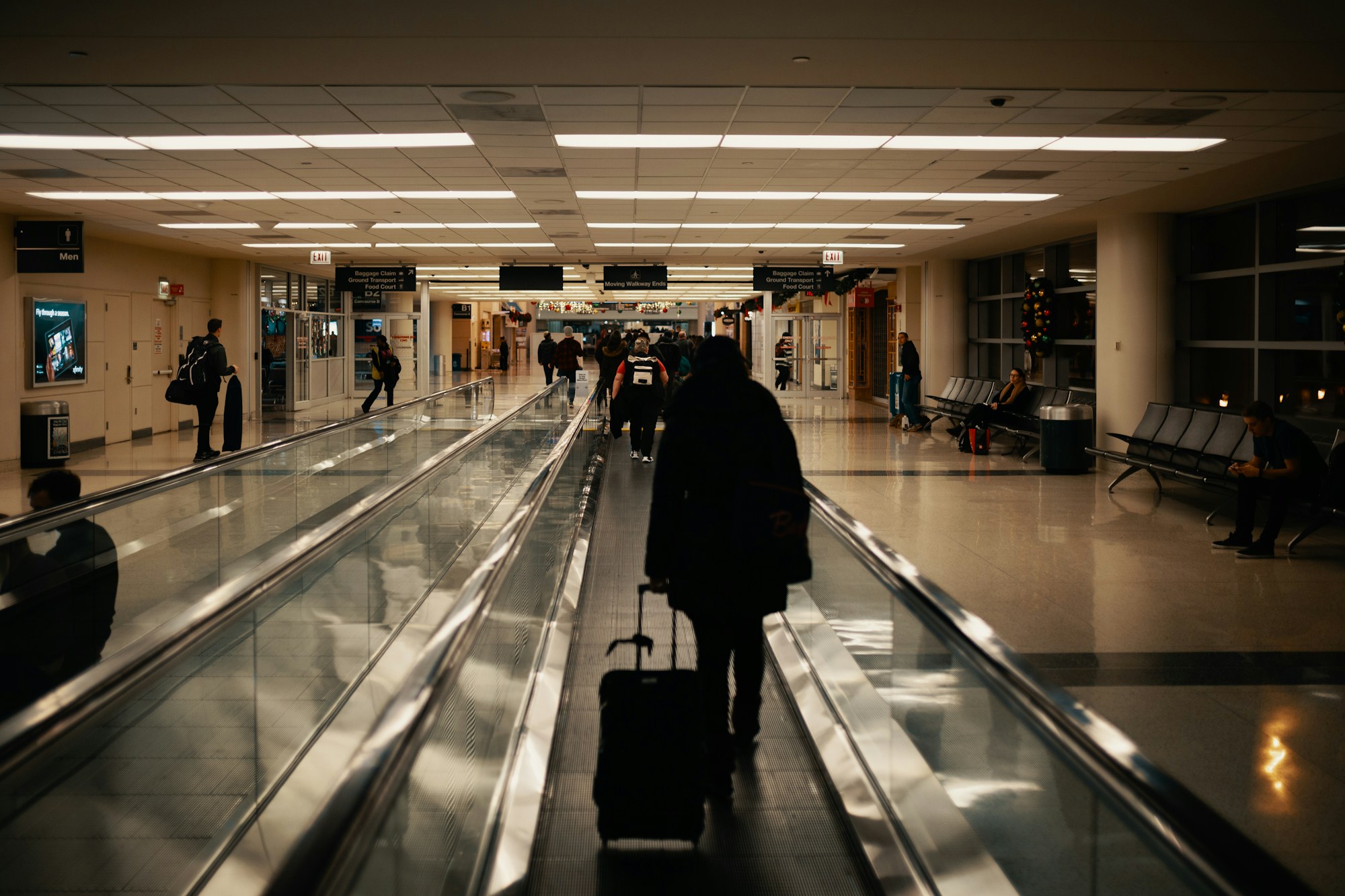
Plan ahead to avoid unpleasant surprises
- Arrive very early: allow 60 to 90 extra minutes at passport control. During peak hours at CDG, Geneva, or Madrid, plan for an additional 2 to 3 hours, according to TravelTourister.
- Travel midweek: early morning flights and Tuesday/Wednesday departures face shorter lines. Avoid Friday/Sunday peaks.
- Pre-register via the app: download « Travel to Europe » (Frontex) to pre-register your passport and facial photo up to 72 hours before arrival, according to Ulysse.
- Use the kiosks: since January 2026, optional, free pre-registration kiosks allow you to record your biometric data before reaching the border control booth.
- Choose the right queue: non-EU travelers must use the « All Passports » line. Never use the EU line, even if a stressed officer directs you there.
- Eurostar — board early: travelers can now board 30 minutes earlier than the departure time to reduce congestion at the gates.
- Prefer regional airports: Nice, Lyon, and Marseille will be less impacted than CDG and Orly, according to Ulysse.
- Check your passport: it must be valid for at least 3 months beyond your planned EU exit date and must have been issued within the last 10 years, according to Euronews.
10. Your Biometric Data: What Happens to It Under EES 2026?
The European Union assures that the EES is fully compliant with the GDPR. Biometric data is centralized by the eu-LISA agency and stored for three years, then automatically deleted (five years in case of entry refusal), according to Francais du monde.
The EES plays a crucial role in detecting identity fraud and flagging unauthorized entries. By storing biometric data, it enables authorities to verify identities with far greater accuracy than manual checks, reports ETIAS.com.
Europe is not alone in this trend: Australia, Japan, and Canada have already adopted similar systems. The United States has been collecting fingerprints and photos from all foreign travelers for years, according to L’Economiste Maghrebin.
Frequently Asked Questions About EES 2026
Do I need to do anything before leaving for vacation?
The EES activates automatically at borders — no pre-registration is required. However, to save time, download the « Travel to Europe » app (Frontex) to pre-register your passport and facial photo up to 72 hours before arrival. If you’re traveling to the UK, remember that the British ETA has been mandatory for EU citizens since April 2, 2025, according to the European Commission.
Does the EES apply to EU citizens?
No, EU citizens and long-term EU residents are not subject to the EES. However, shared queues at border posts will indirectly affect everyone. Allow extra time, especially at major hubs like Paris CDG, Amsterdam Schiphol, or Frankfurt, according to Carnets de Voyages.
What happens if I refuse to provide my fingerprints?
Biometric data collection is mandatory. According to the French Ministry of the Interior, « if the traveler refuses to comply, they will be denied entry to the Schengen territory. » There is no alternative for non-EU travelers, according to Ulysse.
Does my child also need to register in the EES?
Children under 12 must provide a facial photo but are exempt from fingerprint collection. Children aged 12 and over are subject to the full procedure, identical to that for adults, according to Ulysse.
How long does the first EES registration take?
The first registration is estimated at 7-10 minutes per person (compared to 3-5 minutes for subsequent crossings). This includes capturing 4 fingerprints, the facial photo, and passport verification by an officer, according to EU Border Authority.
Are my biometrics stored? Do I have to re-register every trip?
Your EES registration is valid for three years. On subsequent trips within that period, you only need to provide a fingerprint or photo at entry and exit — the process is then significantly faster, according to Sidmouth Herald.
Does the EES replace ETIAS? Do I need both?
No, the two systems are independent and complementary. The EES monitors entries and exits in real time at borders. ETIAS (planned for late 2026) will be a pre-travel authorization to be applied for online before departure. Ultimately, non-EU travelers exempt from visa requirements will need both, according to Concur.fr.
Will there still be passport stamps after April 2026?
Starting April 10, 2026, passport stamping will be officially replaced by electronic records. However, some airports may revert to manual stamping during peak periods — a « hybrid model » that the European Commission explicitly permits until September 2026, according to VisaHQ.
Sources
- European Commission — Official EES Website — Official portal for the Entry/Exit System
- Ulysse — EES biometric border control in Europe: 2026 dates and impact
- ETIAS.com — EU Entry/Exit System Full Implementation Still April 9
- Euronews Travel — Will the EES cause travel chaos over the peak summer period?
- The Local France — Rollout of Eurostar, Eurotunnel and Dover EES border checks
- VisaHQ — Paris-area airports ask EU to postpone full EES rollout
- Concur.fr — Complete 2026 guide: the new EES system
- DGE France — Information on the EES system deployment
- Francais du monde — New biometric system at European borders
- Connexion France — EES Eurotunnel: two minutes extra for UK-France travel
- Economie Matin — New rules at European borders
- TravelTourister — 7-Hour Queues: EU EES Biometric Border Chaos
- Observ’Algerie — French airports: the new EES system raises chaos fears
- Biometric Update — EU countries allowed temporary suspension of EES
- L’Economiste Maghrebin — Passports without stamps: Europe enters the biometric era
- AXA Schengen — Traveling in Europe in 2026: key changes
Research conducted on March 2, 2026
Plan Your Easter 2026 Vacation with Peace of Mind
Despite the EES, Europe remains the dream destination for Easter. Anticipate the border checks, prepare your documents, and travel stress-free with Pixidia itineraries.
Explore all itineraries