

Since February 28, 2026, the map of international student mobility has been redrawn. The armed conflict between the United States, Israel, and Iran has led to the closure of eight airspaces across the Middle East, the suspension of dozens of Erasmus+ and YFU programs, and the emergency repatriation of hundreds of students. For the roughly 400,000 young Europeans preparing their 2026-2027 mobility, the question is no longer where to go, but where is it still possible to go. This guide scrutinizes each destination, from those that are suspended to those emerging as credible alternatives, with budget, safety, and first-hand accounts to back it up.
1. Suspended Destinations: Lebanon, Israel, Jordan, Cyprus
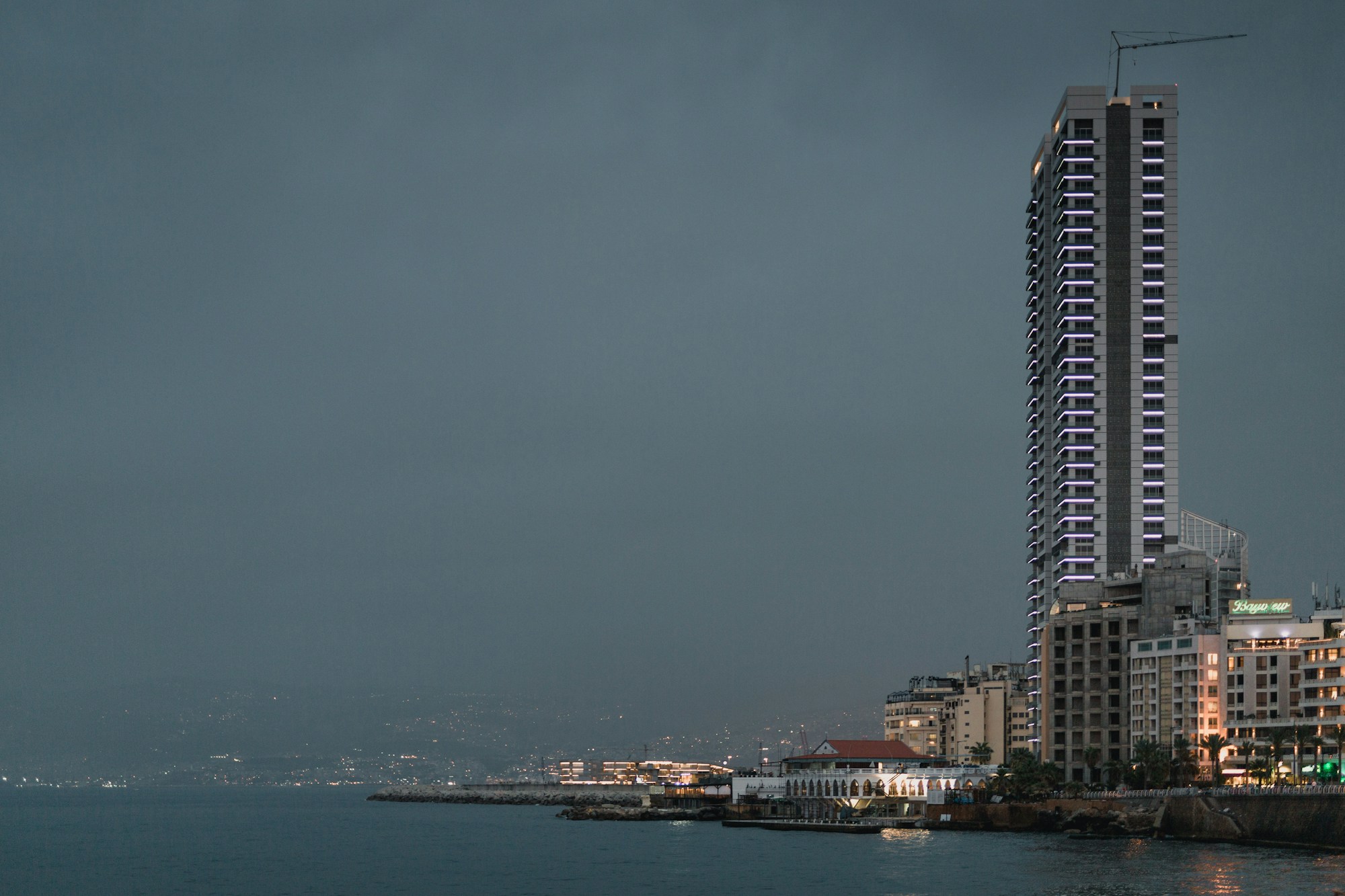
Academic life in the Middle East grinds to a halt
The war in Iran, triggered on February 28, 2026 by approximately 900 American-Israeli strikes, caused a cascade of closures across regional higher education. According to ICEF Monitor, institutions across the region had to urgently reassess their transnational education partnerships.
Lebanon
Sciences Po Paris had active partnerships with the American University of Beirut (AUB), Université Saint-Joseph (USJ), and ESA Beirut. All are suspended until further notice. Lebanon, already weakened by its economic crisis, is bearing the full brunt of the conflict with Hezbollah rocket fire toward Israel and Israeli retaliatory strikes on Lebanese territory. The French Ministry of Foreign Affairs formally advises against all travel.
Israel
Exchange programs with Israeli universities (Hebrew University, Technion, Tel Aviv University) are frozen. Israeli airspace remains closed to commercial flights since the first Iranian retaliatory strikes. Students who were present have been repatriated via special flights organized by European consulates.
Jordan
According to the Brown Daily Herald, Brown University students on exchange in Amman were relocated to Morocco. Middlebury College did the same for its 7 students, transferring them from Jordan to Morocco. Jordanian airspace is closed.
Cyprus
Although Cyprus is an EU member state, the island was hit by an Iranian drone on the British base at Akrotiri on March 1. According to the Pittsburgh Post-Gazette, Penn State suspended travel to 17 countries, including Cyprus, Egypt, Qatar, and the United Arab Emirates. Most Erasmus+ programs to Cyprus remain active but under heightened surveillance.
- Register with your country’s consular tracking system, even if you haven’t departed yet
- Contact your international relations office to learn about available alternatives
- French crisis center for emergencies: +33 1 43 17 51 00
- The Erasmus+ 2026 guide includes force majeure clauses allowing scholarship transfer to another destination
2. Turkey: The Erasmus Hub Under Pressure
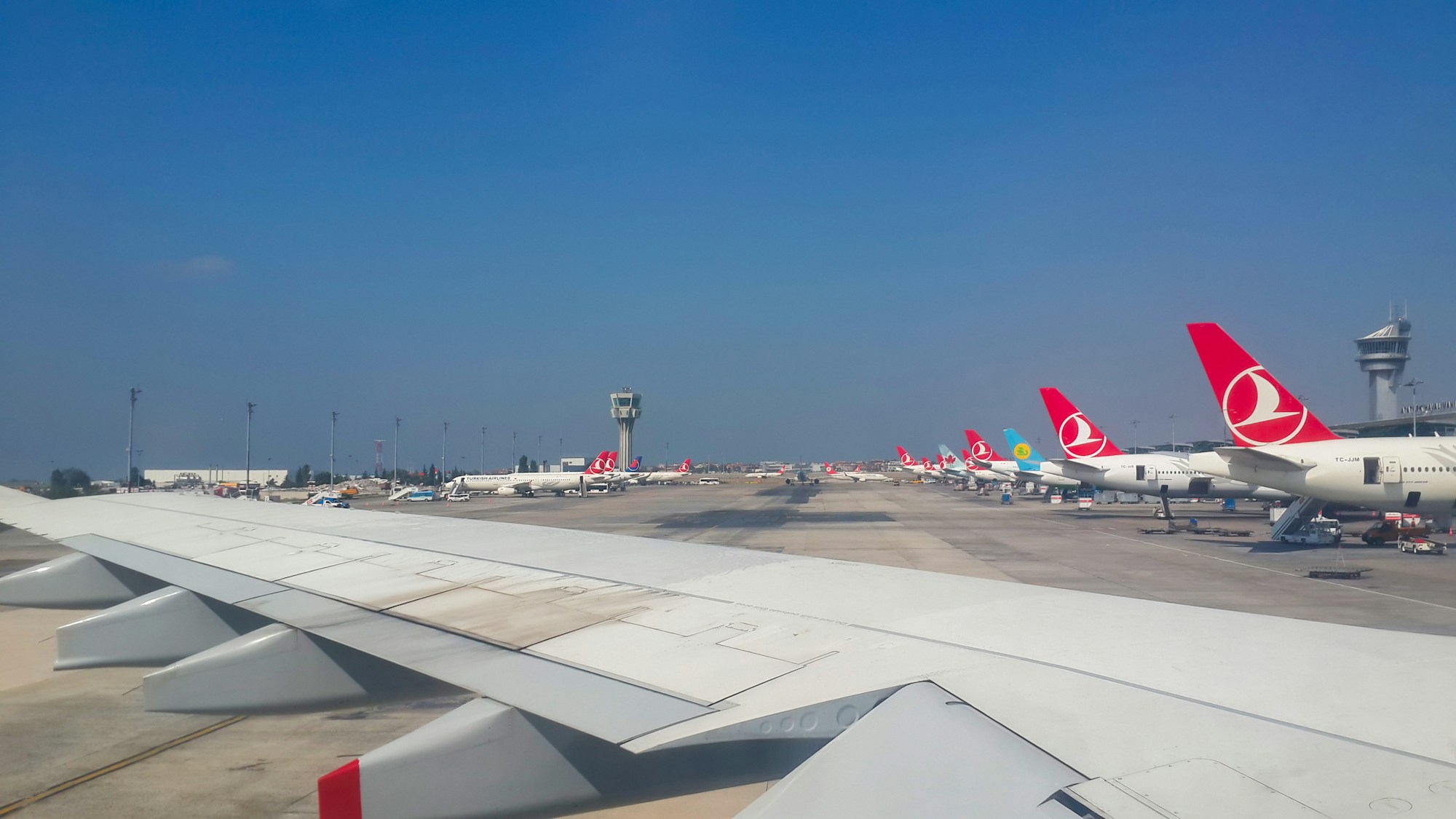
Still accessible, but caution is essential
Turkey remains the top Erasmus+ host country outside the EU, with over 200 partner universities. According to the Erasmus+ 2026 program guide, Turkey still features among the countries eligible for program funding. Istanbul, Ankara, and Izmir continue to welcome thousands of European students every semester.
However, its geographical proximity to the conflict zone demands heightened vigilance. The French Ministry of Foreign Affairs maintains an enhanced vigilance advisory for border areas with Iran, Iraq, and Syria. Universities in Istanbul and along the Aegean coast remain, however, in areas considered safe.
Turkey’s strengths for students
- Among the lowest cost of living in Europe: $550 to $1,000 per month all-inclusive
- World-class universities: Bogazici, METU, Koç, Sabanci
- Enhanced Erasmus+ grant: up to €700/month for partner countries
- Exceptional cultural richness at the crossroads of Europe and Asia
Points of caution
- Absolutely avoid the eastern border provinces (Hakkari, Sirnak, Van, Kars)
- The Strait of Hormuz closure impacts Turkish fuel prices and therefore local cost of living
- Some connecting flights via Istanbul to the Middle East are canceled
3. Poland: The Safe Bet Revelation

Krakow, Warsaw, Gdańsk: the winning trio
Poland is establishing itself as one of the most promising emerging destinations for students in 2026. A member of the EU, NATO, and the Schengen Area, the country offers a triple guarantee of legal, military, and freedom-of-movement security that few alternative destinations can match.
With a monthly budget of €600 to €900 all-inclusive (housing, food, transport, entertainment), Poland is two to three times cheaper than Western Europe. Polish universities have invested heavily in welcoming international students: courses in English, renovated student residences, and mentoring programs.
Why Poland in 2026
- Krakow: Jagiellonian University (founded in 1364), vibrant cultural scene, direct flights from major European cities from €30
- Warsaw: University of Warsaw, booming tech ecosystem, dynamic nightlife
- Gdańsk: Gdansk University of Technology, exceptional seaside setting, even lower cost of living
- European Health Insurance Card (EHIC) valid for healthcare
- Erasmus+ grant: €600/month (group 2) according to the 2026 guide
4. Portugal: The Southern European Safe Haven

Porto, Coimbra, Braga: sunshine without the risk
Portugal has always been an Erasmus+ classic. In 2026, it becomes an even more strategic choice for students who were seeking the Mediterranean climate and cultural openness of Lebanon or Jordan. According to Hodea, Portugal ranks in the top 5 most sought-after Erasmus destinations, with a notable surge in applications since March 2026.
The cost of living, while higher than Poland, remains reasonable outside Lisbon. Porto, Coimbra, and Braga offer an exceptional student lifestyle for €800 to €1,300 per month. The linguistic proximity to Romance languages eases integration, and nearly all programs are offered in English or Portuguese.
Top universities
- Universidade do Porto: ranked in the top 300 worldwide, strong in engineering and sciences
- Universidade de Coimbra: UNESCO heritage, legendary student atmosphere, affordable residences
- Universidade do Minho (Braga): modern campus, cost of living 20% lower than Porto
- Erasmus+ grant: €600/month (group 2) — covers a significant portion of expenses
5. Balkans and Caucasus: Off-the-Beaten-Path Alternatives
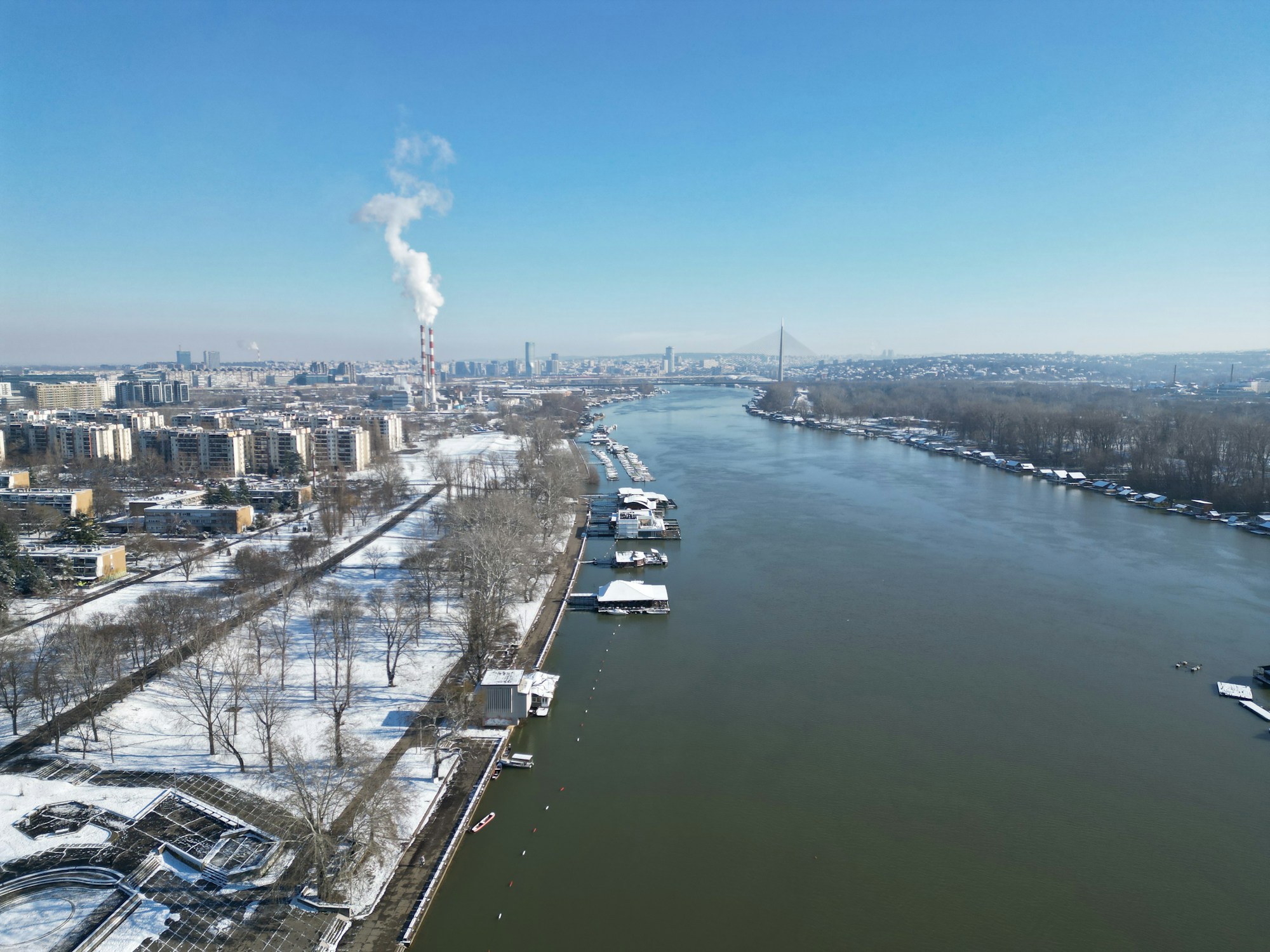
Serbia, North Macedonia, Armenia: the winning bet
The Western Balkans and Caucasus are still under-the-radar Erasmus+ destinations, yet fully eligible. According to the official Erasmus+ 2026 guide, Serbia, North Macedonia, and Armenia are among the partner countries benefiting from enhanced funding. According to Au Futur, these destinations rank among the most promising for students seeking an authentic experience off the beaten path.
Serbia — Belgrade
Belgrade is one of the most dynamic cities in Southeast Europe. The University of Belgrade, founded in 1808, offers English-taught programs across many disciplines. Monthly budget: €400 to €650. The nightlife on the splavovi (Danube river barges) is legendary. Direct flights from major European cities start at €50.
North Macedonia — Skopje
Skopje, the capital, offers a fascinating mix of Ottoman architecture and contemporary urban projects. Ss. Cyril and Methodius University welcomes a growing number of Erasmus students. Budget: €400 to €550 per month, among the lowest in Europe.
Armenia — Yerevan
For students who were targeting the Middle East for its cultural richness, Armenia offers a fascinating alternative. A millennia-old Christian country at the gateway to Asia, Yerevan boasts a cultural scene in full revival. The American University of Armenia and Yerevan State University are Erasmus+ eligible. Budget: €400 to €600 per month.
- Less competition for Erasmus places = greater chances of acceptance
- Enhanced Erasmus+ grant for partner countries (up to €700/month)
- Unique intercultural experience, far from mass tourism
- Learning rare languages = a standout asset on your CV
6. Morocco: The Mediterranean Gateway Alternative
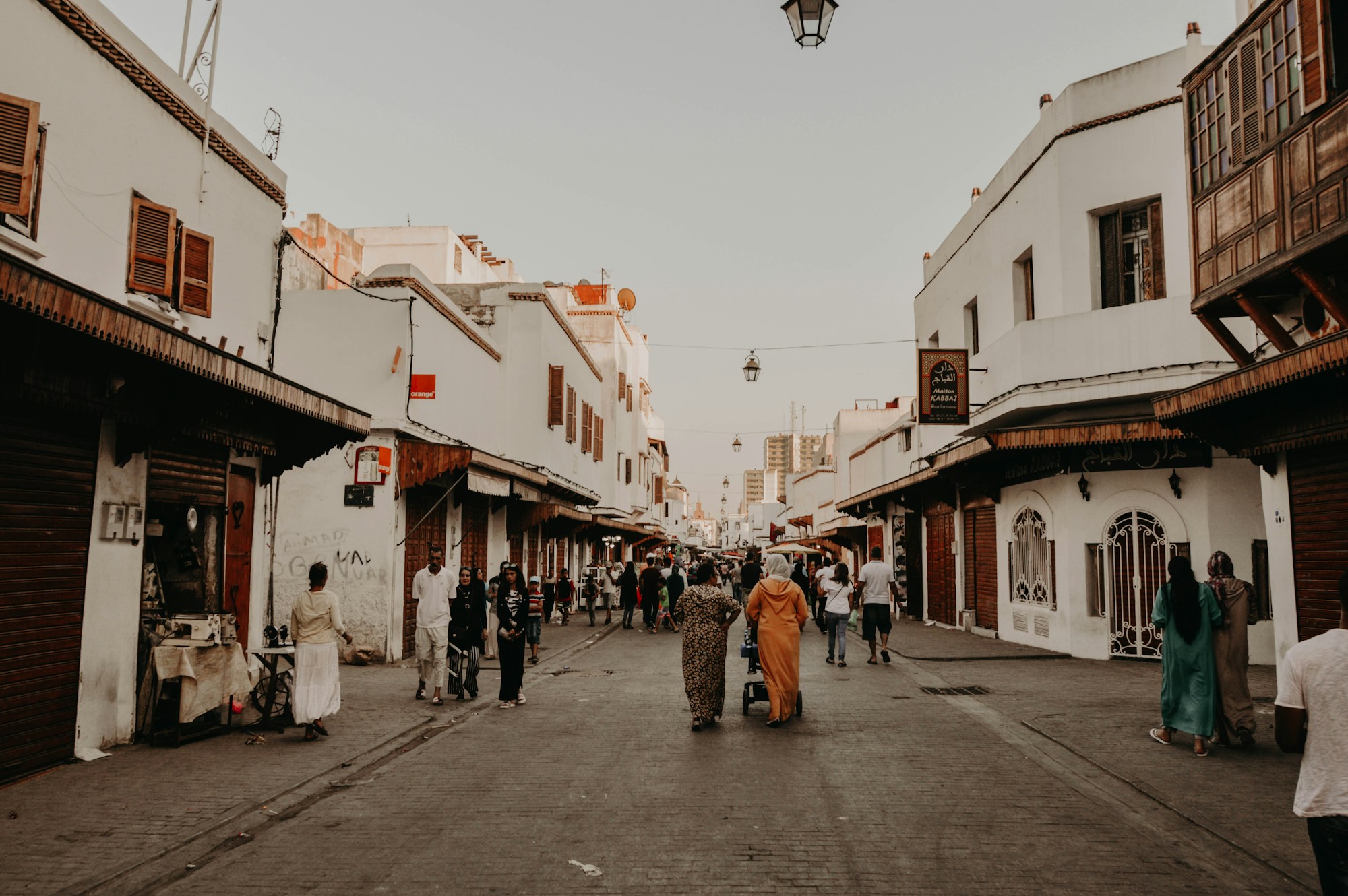
When American universities lead the way
Morocco is fast becoming the go-to fallback destination for students who were targeting the Middle East. According to the Brown Daily Herald, Brown University students on exchange in Amman were relocated to Rabat. Middlebury College followed suit for its students in Jordan, according to ICEF Monitor.
This is no coincidence. Morocco combines cultural proximity to the Arab world (which these students were seeking), French-language immersion (an asset for francophone students), controlled cost of living, and relative political stability. The country is not involved in the US-Iran conflict, and its airspace remains fully open.
Recommended universities and programs
- Mohammed V University (Rabat): Morocco’s largest university, strong in law and political science
- Al Akhawayn University (Ifrane): American-style campus, English-taught courses, mountain setting
- UM6P (Benguerir): ultra-modern campus, cutting-edge research, funded by OCP
- Eligible for Erasmus+ International Dimension grants (KA171)
- Direct flights Paris-Rabat from €40 (Ryanair, Transavia)
7. YFU Beyond Europe: Japan, Argentina, South Korea
Intercontinental alternatives for an extraordinary year
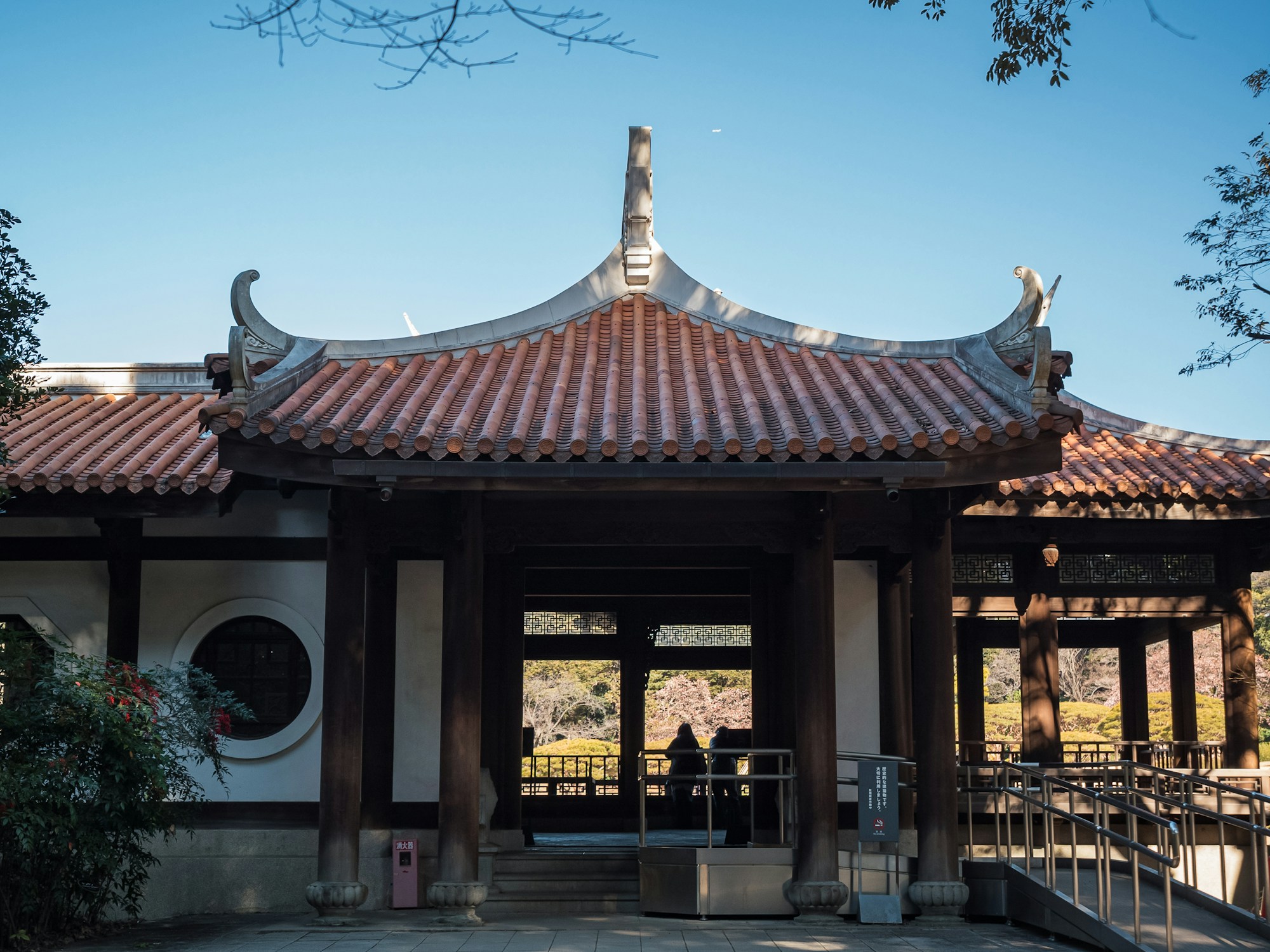
For high school and young university students who were considering a YFU exchange program in the Middle East, the intercontinental alternatives are many and exciting. According to YFU France, programs in Asia and Latin America remain fully operational and offer equally deep cultural immersion.
Japan — The flagship YFU program
The YFU Japan program is one of the most sought-after in the world. Stay with a host family, immerse yourself in a Japanese high school, and discover Japanese culture daily. The summer program (4 weeks) costs around €5,900 all-inclusive (flight, accommodation, insurance). The annual program offers a full academic year in Japan.
South Korea — The rising star
Driven by the Korean cultural wave (K-pop, cinema, cuisine), South Korea is attracting a growing number of young Europeans. Seoul offers a top-tier university ecosystem (Seoul National University, KAIST, Yonsei). Monthly budget: €900 to €1,400, offset by the quality of infrastructure and the country’s exemplary safety.
Argentina — The South American adventure
Buenos Aires is the quintessential student city. The YFU annual program in Argentina (€10,000 to €14,000 for the year) includes host family stay, schooling, and insurance. Immersion in Argentine Spanish is total, and the local cost of living remains very affordable.
- Japan, South Korea, and Argentina: zero impact from the US-Iran conflict
- Host family immersion = far superior language acquisition compared to a traditional university exchange
- YFU programs include pre-departure preparation, a local coordinator, and comprehensive insurance
- Possible to combine a YFU scholarship with a regional or departmental grant
8. Air Transport: Concrete Disruptions for Students
32,000 flights canceled and air routes redrawn
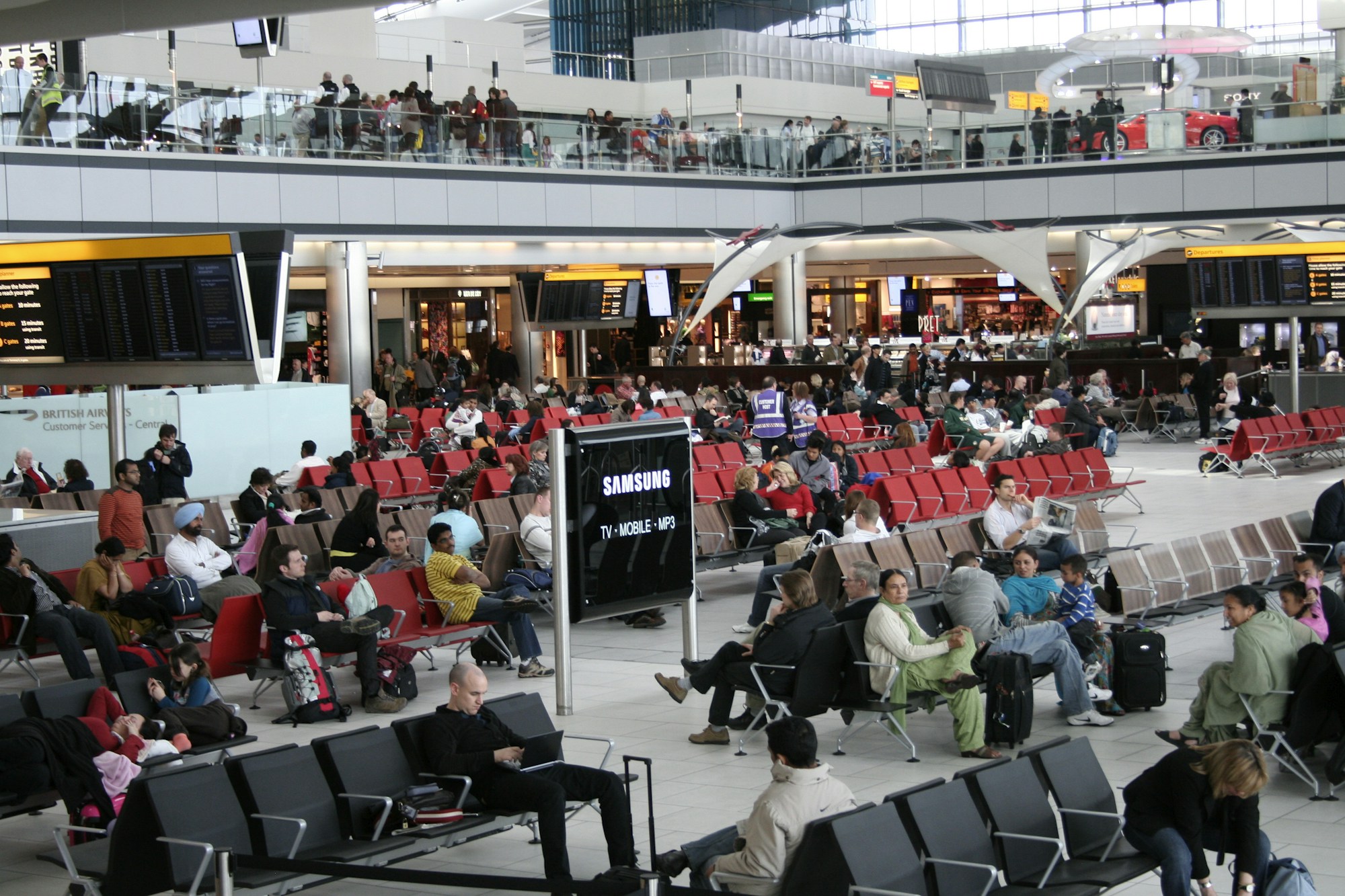
According to Ulysse, the Middle East air crisis is having a massive domino effect on travelers. Eight airspaces are closed (Iran, Israel, Iraq, Lebanon, Jordan, Qatar, Bahrain, Kuwait), forcing airlines to massively reroute their flights to Asia and Oceania. Bookings to the Middle East have plummeted by 65%.
What this means concretely for students
Longer flights to Asia: Paris-Tokyo, Paris-Seoul, or Paris-Singapore flights that used to fly over Iran must now detour around the conflict zone via the north (Russia) or south (East Africa). Expect 2 to 4 additional hours of flight time and surcharges of €100 to €300 on tickets.
Gulf flights suspended: Services to Doha, Dubai, and Abu Dhabi — the usual connecting hubs — are severely reduced. Emirates, Qatar Airways, and Etihad have canceled thousands of flights. If your Erasmus+ mobility routes through a Gulf hub, plan an alternative route via Istanbul or Cairo.
Your rights in case of cancellation
- EU Regulation 261/2004 protects you for flights departing from the EU, even during wartime
- Right to a full refund OR rerouting to your destination
- Note: war is an « extraordinary circumstance » — no flat-rate compensation (€250-600), only refund or rerouting
- Keep all documentation: tickets, airline emails, emergency accommodation receipts
Travel insurance: what policies do (and don’t) cover
Most standard travel insurance policies exclude damage related to armed conflict. Always check the « geopolitical risks » or « acts of war » clause in your policy. Some specialized insurers like SafetyWing or Chapka offer extended coverage including crisis-zone repatriation.
9. Alternative Destination Comparison
Choose your destination at a glance
This table summarizes the main alternatives to help you weigh budget, safety, and experience quality.
| Destination | Budget/month | Safety status | Program | Language |
|---|---|---|---|---|
| Poland (Krakow) | €600-900 | Green | Erasmus+ | English / Polish |
| Portugal (Porto) | €800-1,300 | Green | Erasmus+ | English / Portuguese |
| Serbia (Belgrade) | €400-650 | Green | Erasmus+ KA171 | English / Serbian |
| North Macedonia (Skopje) | €400-550 | Green | Erasmus+ KA171 | English / Macedonian |
| Armenia (Yerevan) | €400-600 | Caution | Erasmus+ KA171 | English / Armenian |
| Morocco (Rabat) | €600-900 | Green | Erasmus+ KA171 | French / Arabic |
| Turkey (Istanbul) | €500-900 | Caution | Erasmus+ | English / Turkish |
| Japan (YFU) | ~€5,900 (4 wks) | Green | YFU | Japanese |
| South Korea | €900-1,400 | Green | Erasmus+ / YFU | English / Korean |
| Argentina (YFU) | €10,000-14,000/yr | Green | YFU | Spanish |
Practical Info for Your Mobility
Stay connected in your exchange country from the moment you land. Unlimited data, instant activation.
From $4.50Comprehensive coverage including repatriation and crisis zone assistance. 10% off via our link.
From $56 / 4 weeksFrequently Asked Questions
My Erasmus+ in Lebanon or Jordan has been canceled: what should I do?
Contact your international relations office immediately. The Erasmus+ 2026 guide includes force majeure clauses that allow transferring your grant to an alternative destination without losing funding. Morocco, Portugal, and Poland are the most common replacement destinations. You can also request a postponement to the following semester.
Are Erasmus+ grants maintained despite the conflict?
Yes. The 2026 Erasmus+ budget stands at €5.2 billion, and grants are maintained. If your initial destination is suspended, the grant can be transferred to your new destination. The amount may vary depending on the country group (€600/month for group 2, up to €700/month for partner countries). No student should give up mobility for financial reasons related to the conflict.
Is Turkey still safe for Erasmus in 2026?
Major university cities (Istanbul, Ankara, Izmir, Antalya) remain safe and Erasmus+ programs there are maintained. However, the eastern border provinces (near Iran and Iraq) must be absolutely avoided. The French Ministry of Foreign Affairs maintains an enhanced vigilance advisory. Verify that your host university has an evacuation plan for international students.
My flight to my Erasmus destination was canceled due to the conflict. Am I entitled to compensation?
EU Regulation 261/2004 guarantees your right to a full refund or rerouting to your destination. However, armed conflict is considered an « extraordinary circumstance »: you are not entitled to flat-rate compensation (€250 to €600), only a refund or rerouting. Keep all supporting documents and contact your airline as a priority.
How can I fund a YFU program in Japan or Argentina?
According to YFU France, several funding sources exist: YFU internal scholarships, departmental and regional grants (some regional councils fund up to 50% of the cost), Zellidja scholarships for ages 16-20, and YFU-supervised crowdfunding. The Japan summer program (4 weeks) costs around €5,900, while the Argentina annual program costs between €10,000 and €14,000.
Does my travel insurance cover conflict zones?
Most standard travel insurance policies exclude damage related to armed conflict. Always check the « geopolitical risks » or « acts of war » clause in your policy. Specialized insurers like SafetyWing or Chapka offer extended coverage including crisis-zone repatriation. For Erasmus+, the European Health Insurance Card (EHIC) works in EU countries but not beyond.
What steps should an Iranian student stranded in Europe take?
According to La Presse, many universities have implemented emergency measures: exam deferrals, temporary tuition fee suspensions, and psychological support. Contact your university’s student services and the local immigration office to extend your residence permit. The University of Victoria in Canada also offered specific support to Iranian students — a model that European universities are beginning to follow.
When will mobility to the Middle East resume?
It is impossible to give a precise date. As of April 12, 2026, the Islamabad peace talks have failed and a naval blockade of the Strait of Hormuz has been declared. The resumption of mobility will depend on the reopening of airspaces, security stabilization, and the lifting of negative travel advisories. According to analysts, a return to normal is not foreseeable for several months at minimum. Plan an alternative now.
Sources
- Wikipedia — 2026 Iran War — Conflict timeline and key data
- ICEF Monitor — Impact on transnational education in the Middle East
- Pittsburgh Post-Gazette — Penn State suspends travel to 17 countries
- Brown Daily Herald — Students relocated from Jordan to Morocco
- La Presse (Canada) — Emergency measures for international students
- European Commission — Erasmus+ 2026 — Eligible countries and program budget
- Erasmus+ 2026 Guide (PDF) — Grant amounts and force majeure clauses
- Hodea — Erasmus+ 2026 guide: grants and destinations
- Au Futur — Emerging destinations for studying abroad
- Ulysse — Middle East air crisis: domino effects for travelers
- YFU France — Japan Program — Program details and rates
- YFU France — Financial Aid — Available scholarships and funding
- French Ministry of Foreign Affairs — Travel Advice — Country-by-country safety advisories
- France Info — Iran Conflict — Coverage and safety guidelines
- NPR — Iran war updates: ceasefire and negotiations
- Fil d’Ariane — French Ministry of Foreign Affairs — Consular registration for French nationals abroad
- Lonely Planet — Destination guides and practical advice
- CNews — Impact on tourism and flights to the Middle East
- Euronews Travel — Visiting Cyprus during the conflict
- EU Regulation 261/2004 — Passenger rights in case of flight cancellation
Research conducted on April 12, 2026. Information is subject to rapid change due to the geopolitical situation.
Prepare Your Mobility With Peace of Mind
Whether you’re heading to Erasmus+ in Krakow, YFU in Tokyo, or an internship in Rabat, Pixidia helps you organize your stay with custom itineraries and practical advice.
Explore student itineraries