
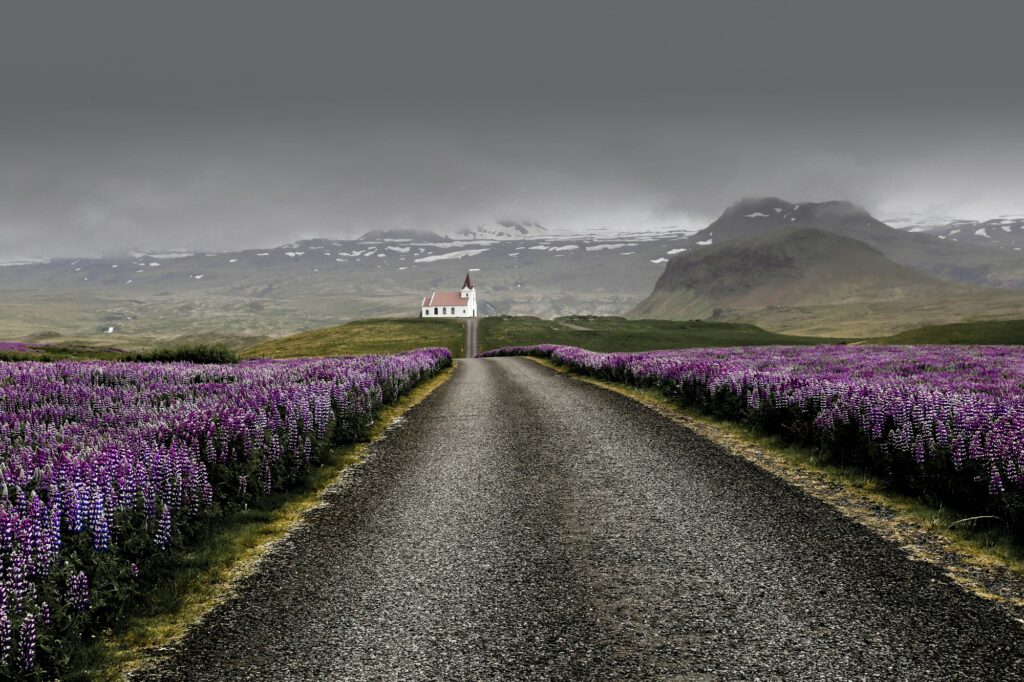
To escape the heat in June 2026, the 5 best cool-weather destinations in Europe are Iceland (9-13C), Scotland (14-17C), Norway (15-20C), the Azores (20-23C) and Brittany (14-22C, no flight needed). As early as 19 June 2026, France’s Meteo-France recorded 41.3C in Nimes — a heatwave officially deemed « exceptional for its duration so early in summer ». The El Nino phenomenon is active with an 82% probability for the season. Book June before peak-season prices surge.
The thermometer hit 41.3C in Nimes, 40.2C in Narbonne: on 19 June 2026, France plunged into a heatwave that Meteo-France already calls « exceptional for its duration so early in summer ». And this is only the start. According to Copernicus, 70% of Earth’s surface is classified « dark red » for the whole summer of 2026, with a thermal anomaly of +1 to +2C above seasonal norms. El Nino is back with an 82% probability (WMO), and some models project a « super El Nino » that could break every record on file.
Faced with this climate reality, the coolcation trend — a contraction of cool and vacation, holidays chosen specifically for their freshness — is exploding. Bookings to Norway are up +131%, Iceland +128%, Denmark +117% according to Euronews (March 2026). 60% of European travellers now actively avoid Mediterranean destinations because of the heat. June 2026 is the perfect window: prices are still 20-30% below July-August, crowds remain manageable, and you stay ahead of the total saturation that the 12 August solar eclipse will trigger in Iceland. Here are the 5 destinations where summer is finally bearable — even delightful.
1. A summer 2026 already on record by mid-June

Why 2026 has meteorologists so worried
According to Meteo-France, the heatwave that began on 19 June 2026 is « exceptional for its duration so early in summer »: 30 daily maximum temperature records for June have fallen since 1950. Narbonne hit 40.2C, Nimes 41.3C. For comparison, summer 2025 was already the 3rd hottest since 1900 with a +1.9C anomaly — and 2026 is shaping up to be even more severe. Futura-Sciences reports that the Copernicus C3S map places 70% of the planet’s surface in « dark red » for JJA 2026, with a confidence level « close to 100% ».
The engine behind this overheating: the return of El Nino with an 82% probability according to the World Meteorological Organization for May-July 2026. Some models even project a « super El Nino » with a +2.2C anomaly in the equatorial Pacific by September — a threshold never crossed since modern measurements began. Met Office models confirm the trend.
The comparison table that says it all
| Destination | Avg June temp | Max June temp | Daylight |
|---|---|---|---|
| Reykjavik (Iceland) | 9.6C | 11-13C | 24h (midnight sun) |
| Bergen (Norway) | 11.3C | 15C | 17-20h |
| Edinburgh (Scotland) | 14C | 17C | 17h30 |
| Brest (Brittany) | 16C | 21C | 14h30 |
| Azores (Ponta Delgada) | 20C | 22C | 14h |
| London | 17C | 21C | 16h30 |
| Barcelona | 24C | 27C | 15h |
| Rome | 25C | 28C | 15h30 |
2. Iceland — The coolcation queen at 9-13C
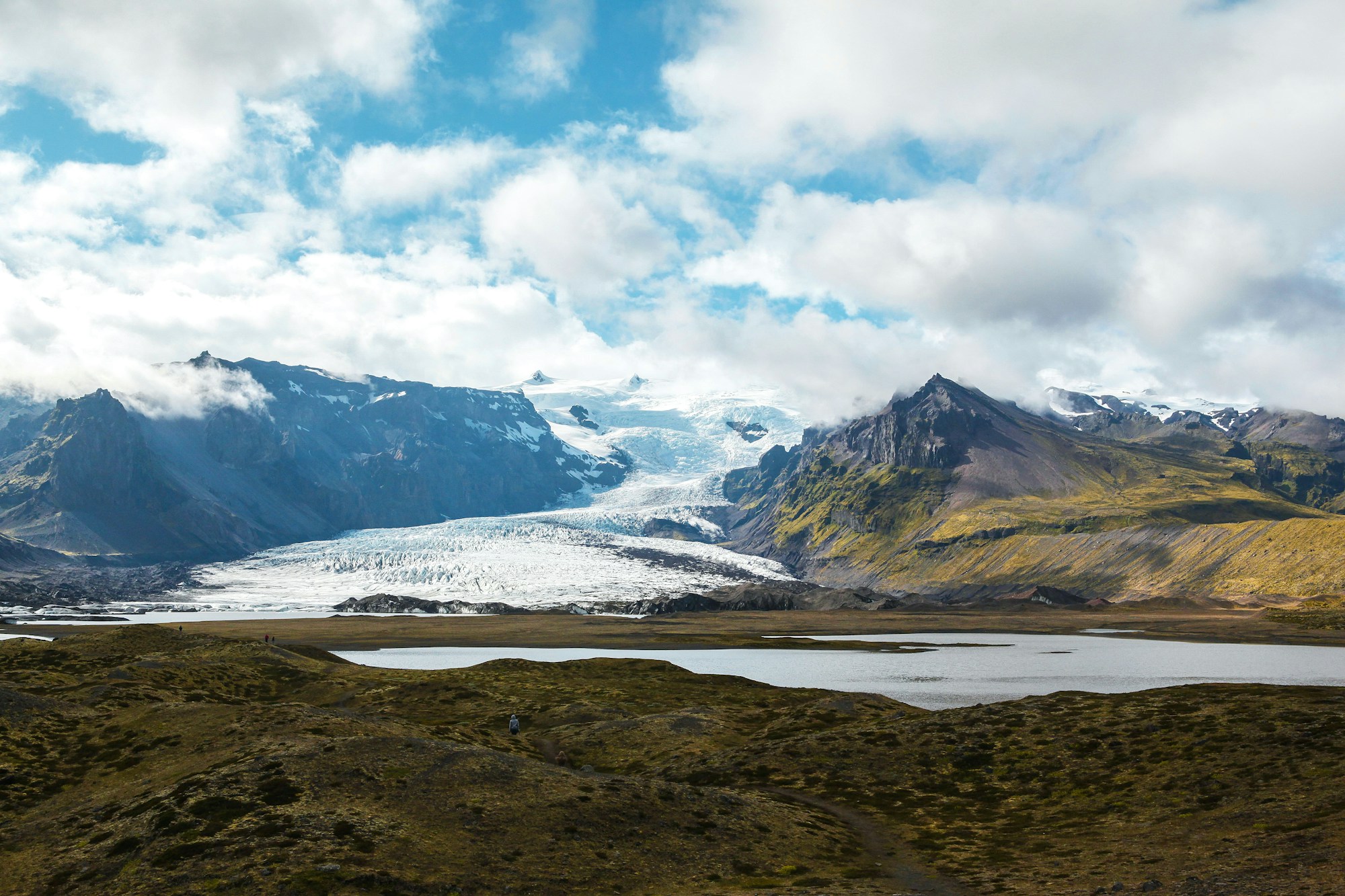
Iceland: 9-13C, midnight sun, zero heatwave
With an average June temperature of 9.6C in Reykjavik, Iceland is the coolest destination in Western Europe — and by far the most spectacular. June is also the driest month of the year (45 mm rainfall on average), with minimal wind and purple lupins in full bloom across the landscape. According to Guide to Iceland, June offers « very long days, decent weather, prices still affordable, before the July-August rush ». Every hiking trail is open — Laugavegur, Fimmvorduhals — in ideal conditions: no snow at altitude, landscapes a vivid green.
The decisive 2026 angle: book June instead of August. On 12 August 2026, Iceland will experience its first total solar eclipse in over 70 years — accommodation in the Westfjords and Snaefellsnes is already nearly sold out for August, and prices have rocketed. According to industry estimates, June rates remain 20-30% lower than August. The midnight sun, meanwhile, is fully active from the 21 June solstice.
Another 2026 change: Iceland has introduced a per-kilometre road tax of 6.95 ISK/km (~£0.04/km). For the Golden Circle (3-4 days, ~600 km), this works out to roughly £24 — good news because petrol prices have dropped 30% to compensate. Rental agencies also offer flat packages from about £8/day.
Highlights
- 20 to 24 hours of daylight from the solstice (21 June)
- Purple lupins in bloom, puffins on the cliffs — June is the best month
- London-Reykjavik flights from £180-250 return, no visa (passport only)
- Book before August: the 12 August solar eclipse = total saturation and tripled prices
3. Scotland & the Highlands — Coolness from £40 return
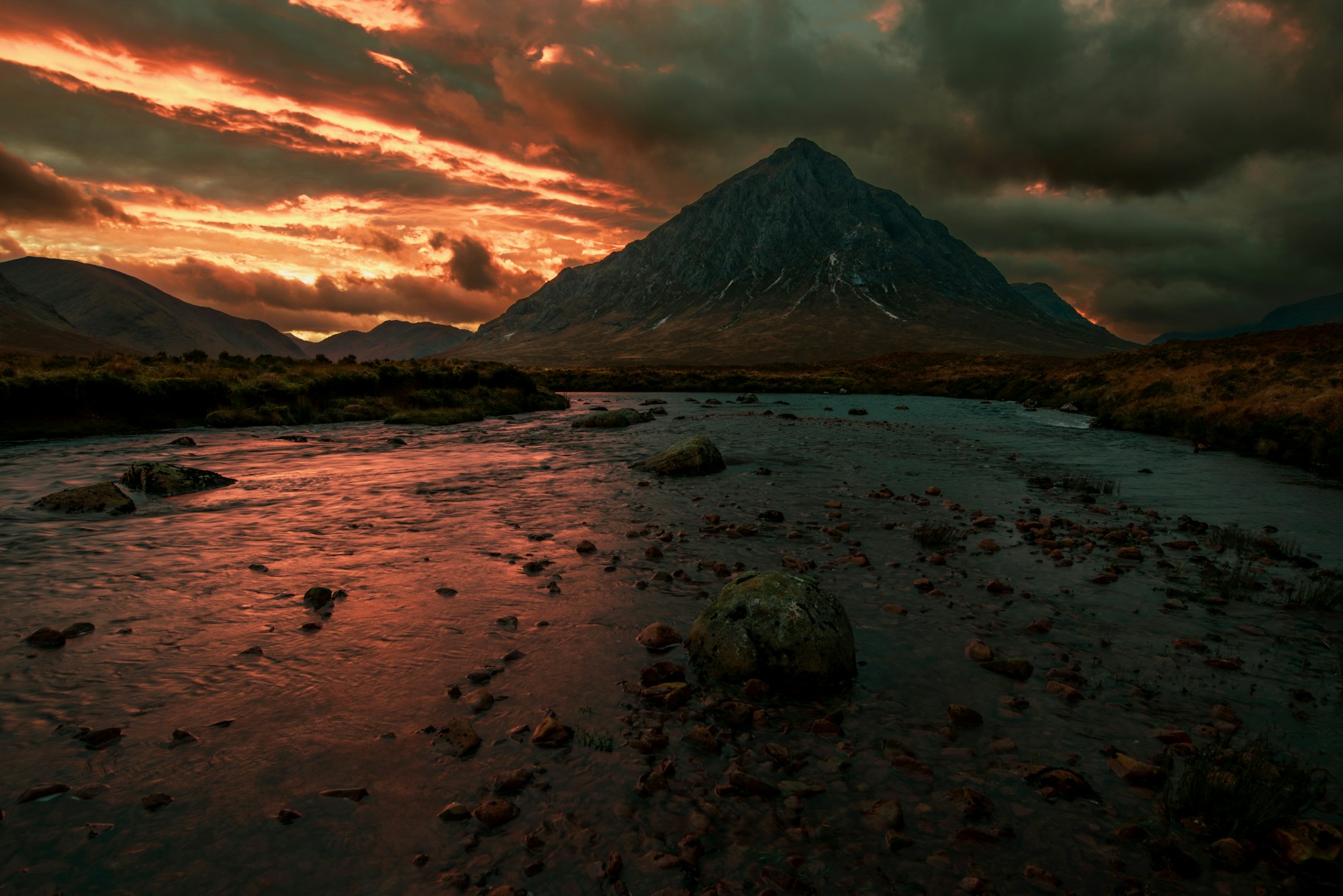
Scotland: 14-17C, Highlands, Loch Ness and 17h30 of daylight
Scotland is the most accessible cool destination for UK travellers — it’s a short domestic hop, no passport hassle, and arguably the most scenic part of Britain. June fares from London to Edinburgh start as low as £40 return on LNER or EasyJet, with average prices around £80-120. For a 7-day all-inclusive break, budget £600-1,000 — half the cost of Iceland for almost comparable freshness. Travellers from continental Europe can also reach Scotland via the DFDS ferry (Newcastle to Amsterdam, then onward) or the Caledonian Sleeper from London in 7-8 hours overnight.
June in the Highlands means 17h30 of daily daylight, a nature freshly washed by spring rain in vivid green tones, and accommodation prices still reasonable before peak season hits. VisitScotland programmes the Royal Highland Show in Edinburgh on 18-21 June 2026 (Scotland’s largest agricultural show) and Pride Edinburgh on 20 June. Do bring a waterproof jacket: Scotland is still Scotland, with humidity sitting at 87%.
The classic itinerary: Edinburgh (2 nights) for the castle and the Royal Mile, then the Highlands (Loch Ness, Glencoe, Ben Nevis) by hire car or guided excursion, and if budget allows, the Isle of Skye — book ahead because it fills up from July-August.
Highlights
- London-Edinburgh flights from £40 return — the cheapest cool destination
- Dramatic landscapes: Glencoe, Loch Ness, Eilean Donan Castle
- No passport needed for UK residents — easy domestic travel
- Alternative: Caledonian Sleeper from London Euston (overnight train, zero flights)
4. Norway — Fjords, midnight sun and pure wonder
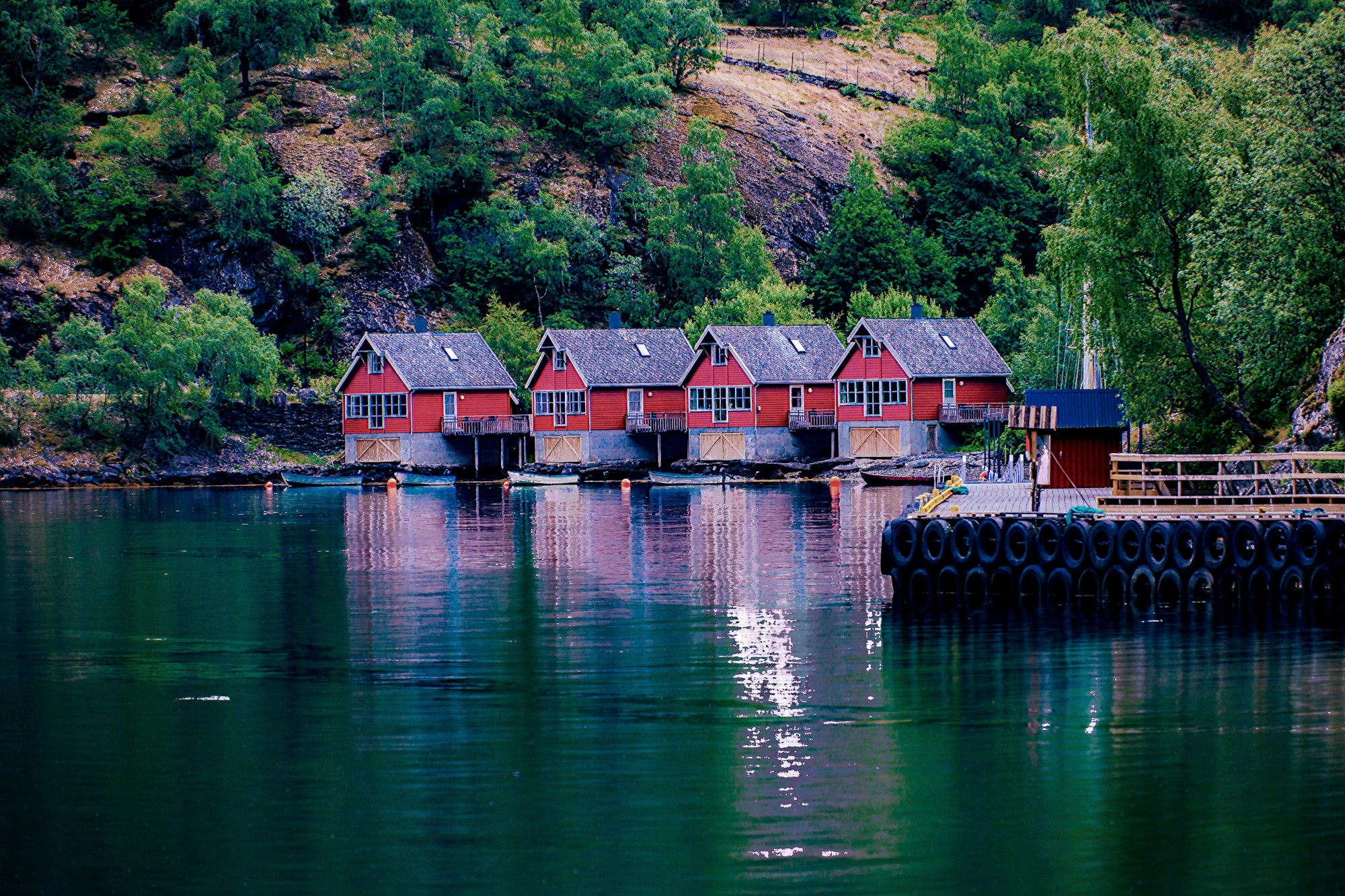
Norway: 15-20C on the coast, waterfalls at maximum flow
Norway isn’t just the destination posting the steepest booking growth in 2026 (+131% according to Euronews) — it’s also a destination that delivers moderate freshness and world-class landscapes. In June, the coast from Bergen to Geiranger sits at 15-20C, snowmelt waterfalls are at peak flow (a guaranteed spectacle), and the midnight sun begins above the Arctic Circle. In Tromso (69 north), it shines without interruption from 20 May to 22 July.
London Heathrow to Bergen (BGO) takes 1h55 with SAS or Norwegian, for £150-220 return in June. For local transport, the Bergen-Flam railway (Flamsbana) is one of the world’s most beautiful train journeys; the Interrail one-country pass for Norway includes ferries and discounts. The signature itinerary: Bergen-Flam-Sognefjord-Geiranger-the Lofoten Islands, reachable by domestic flight or coastal ferry.
Norway generates 89% of its electricity from hydroelectric power — its trains rank among the cleanest in Europe. For carbon-conscious travellers, choosing the train over a domestic flight cuts emissions by 86% according to Our World in Data.
Highlights
- World-class fjords: Sognefjord, Geiranger, Naeroyfjord (UNESCO)
- Flamsbana train — one of Europe’s most spectacular rail journeys
- Midnight sun above the Arctic Circle (Tromso, Lofoten Islands)
- Passport required (post-Brexit) but no visa for stays under 90 days
5. Brittany — The coolcation without a flight, from £300
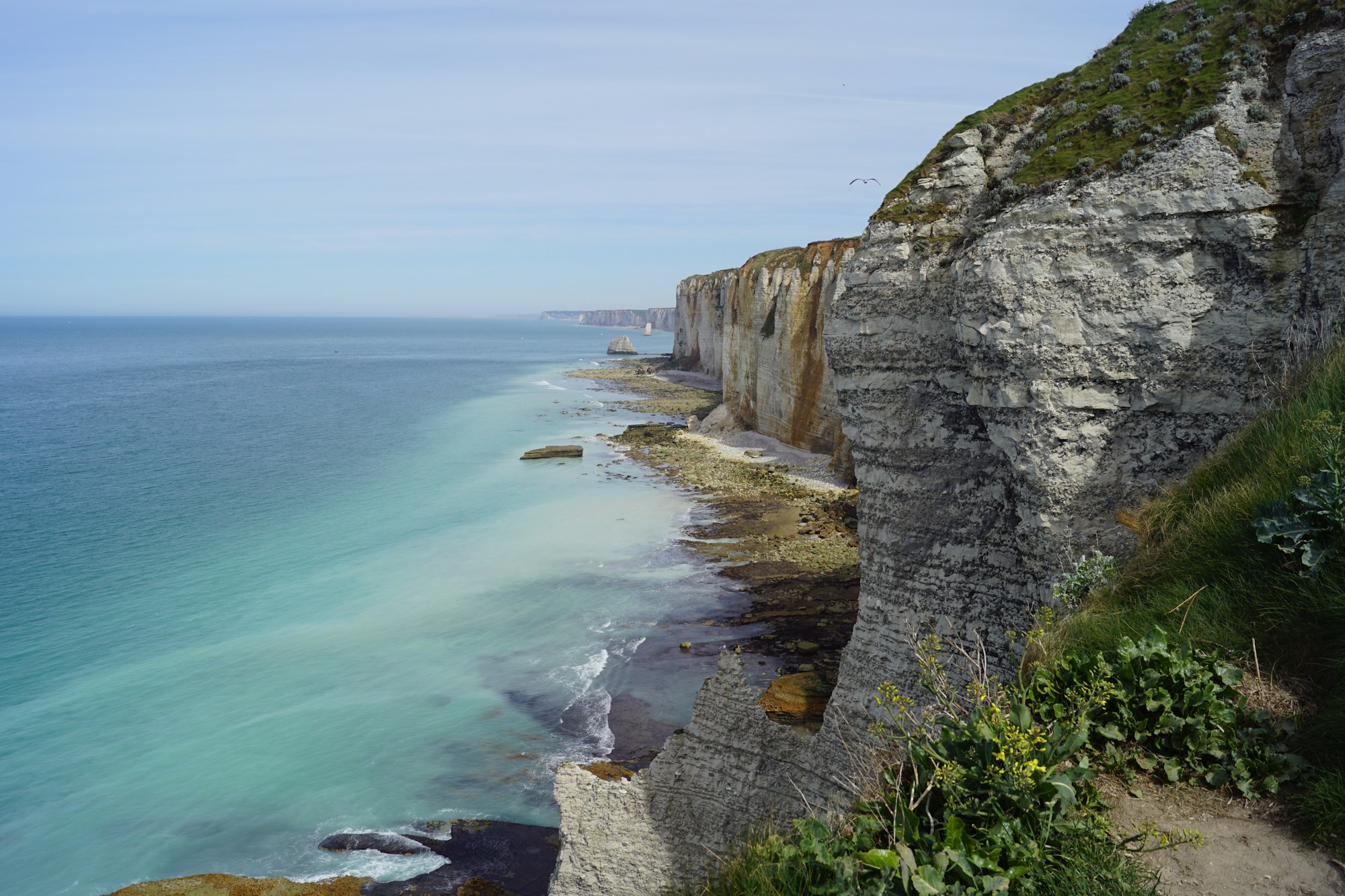
Brittany: 14-22C, no heatwave ever, affordable shoulder season
Brittany is the low-carbon answer to coolcation for UK travellers: a short hop via Eurostar to Paris (2h15) then TGV to Rennes or Brest (2h-3h30), or direct ferry from Portsmouth to Saint-Malo with Brittany Ferries (10-11 hours overnight, take the car). Temperatures hold steady at 14-22C in June with maximums rarely above 25C on the coast, and prices are well below July-August levels. Data from Tourisme Bretagne confirms the trend: in 2025, Finistere recorded +334,000 extra overnight stays in campsites, partly thanks to « coolcationers » from the South and East fleeing heatwaves. June 2025 saw nights up +12.9%.
Northern Finistere (Crozon, Pointe du Raz, Crozon Peninsula) is the coolest region thanks to the north Atlantic wind, with sea temperatures at 15-17C — perfect for coastal hiking but bracing for swimming. The Morbihan (Gulf of Morbihan, Belle-Ile) sits slightly warmer (13-22C) and is ideal for kayaking and sailing. The customs-officers’ path (GR34) on Brittany’s 2,000 km coast is one of France’s most beautiful long-distance trails, free of crowds and silly prices in June.
Highlights
- Zero flight: Brittany Ferries Portsmouth-Saint-Malo overnight, or Eurostar + TGV
- Temperatures guaranteed under 25C on the north coast — heatwave-proof
- GR34 — 2,000 km of dramatic coastal trail, almost deserted in June
- Camping £9-17/night, gite £45-80/night — -30 to -50% vs peak season
6. Azores — 20C, volcanoes and whales 4 hours from London
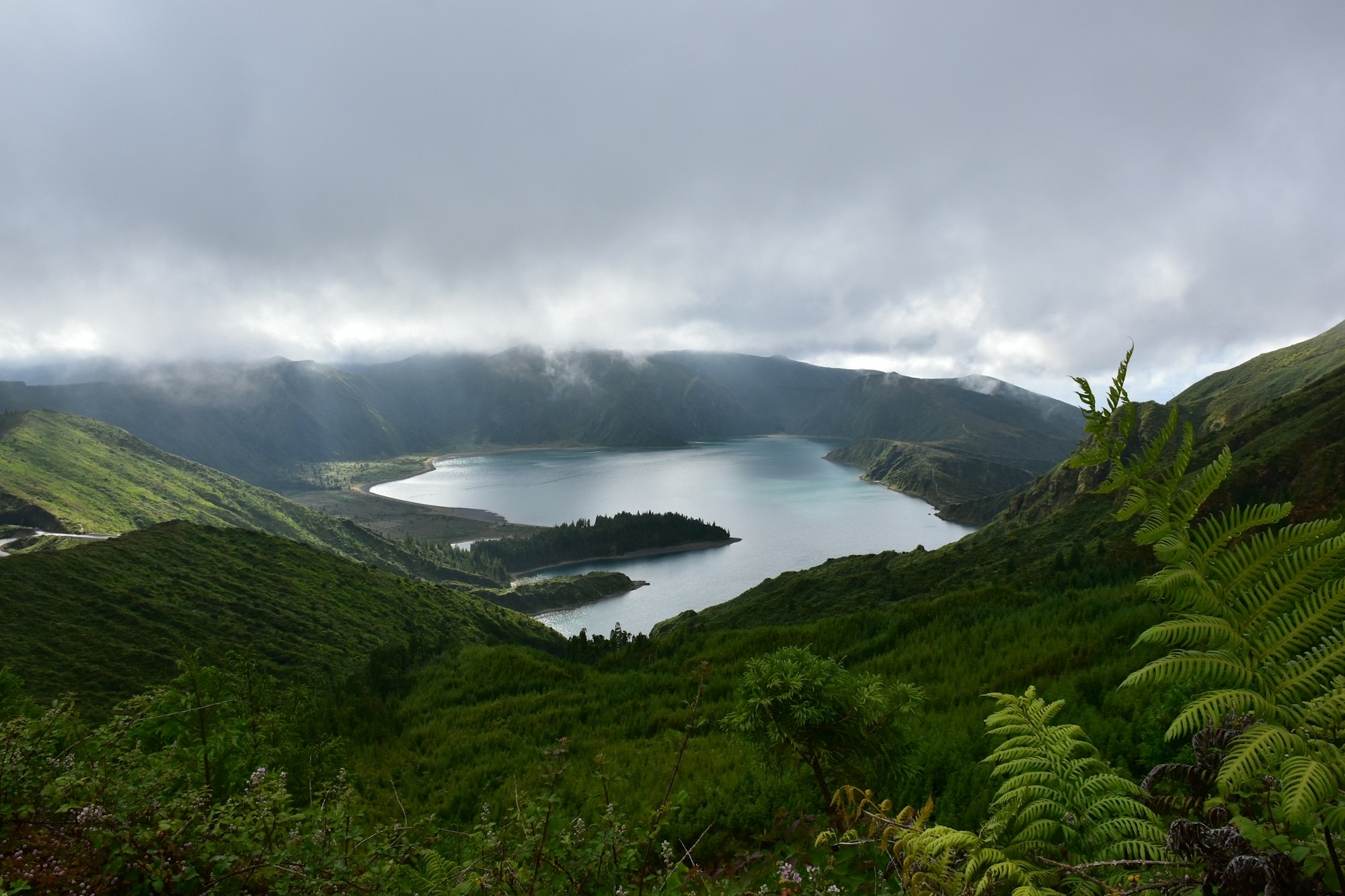
Azores: 20C of Atlantic, migrating whales, no heatwave
The Azores aren’t the coolest of the five destinations, but they’re the best option for travellers who want sunshine without the 35-40C of southern France or the Iberian Peninsula. 20C on average, a constant Atlantic breeze, and the marine migration season — June marks the optimal window to spot sperm whales, orcas and blue whales (29 species recorded around the islands, 33% of the world’s total). The archipelago is Portuguese territory and therefore EU: passport only for UK travellers, payment in euros.
Direct flights London Stansted to Ponta Delgada (PDL) take roughly 4 hours with Ryanair, for £220-440 return — book early, the market is narrow. June is one of the driest months in the Azores, ideal for volcanic hikes (the five calderas of Sao Miguel) and diving in still mild waters. The daily budget (£60-90/day excluding flights) makes it significantly more affordable than Iceland or Norway.
Highlights
- June whale watching: sperm whales, orcas, blue whales (29 species)
- UNESCO-classed volcanic landscape, caldera lakes, natural lava pools
- EU zone, euros, passport only — no visa hassle for UK travellers
- June is one of the driest months: hiking and outdoor activities guaranteed
Practical info for your coolcation
Stay connected in Iceland, Norway, Scotland and the Azores without swapping your SIM. The Eurolink plan covers 42 countries (Iceland and Norway included) from $4.50 for 1 GB. Online activation in 5 minutes, works on any eSIM-compatible smartphone.
From $4.50 / 1 GBNomad Insurance covers medical, evacuation and trip interruption for Iceland, Norway, Scotland and the Azores. SafetyWing also covers mountain and high-altitude hiking — ideal for Icelandic or Norwegian treks. Global coverage from $56 / 4 weeks, 10% off via our Ambassador link.
From $56 / 4 weeksFrequently asked questions
Which is the coolest destination in Europe in June 2026?
The coolest destination in Europe in June 2026 is Iceland, with 9-13C in Reykjavik — and it’s also the driest month of the year on the island. Next come Norway (11-15C in Bergen) and Scotland (14-17C in Edinburgh). These three destinations are seeing spectacular booking growth: +128% for Iceland, +131% for Norway according to Euronews (March 2026).
Where can I escape the heat in June without flying?
For UK travellers, the best flight-free options are the Scottish Highlands (LNER London-Edinburgh in 4h20, then onward by train or hire car) and Brittany via Brittany Ferries Portsmouth-Saint-Malo overnight (10-11 hours, take your car). Coastal Brittany holds 14-22C with maximums rarely above 25C even during heat episodes. Other rail-friendly options: the Lake District (cool valleys at 12-20C), North Wales (Snowdonia, 13-19C), and Cornwall for Atlantic breezes. The GR34 trail in Brittany offers 2,000 km of coast almost deserted in June.
How much does an Iceland trip cost in June 2026?
A 7-day Iceland trip in June 2026 costs around £1,400-1,750 for two in standard comfort (flights, mid-range hotel, car hire, attractions). In backpacker mode (hostels, self-catering), it drops to £1,050-1,300. London-Reykjavik flights (KEF) are £180-250 return in June. New for 2026: a per-kilometre road tax of ~£0.04/km applies to hire cars — count on ~£24 for the Golden Circle (600 km), ~£100 for the full Ring Road tour (2,500 km). On the upside, petrol prices have dropped 30% to compensate. Booking June rather than August saves 20-30% on accommodation.
Brittany or Norway: which should I pick to escape the heat in June?
The choice depends on your budget and appetite for adventure. Brittany (£300-550/week) is ideal if you want a low-carbon getaway, affordable and quick to reach from the UK via ferry, with temperatures guaranteed under 25C on the north coast. Norway (£780-1,750/week) offers spectacular fjord landscapes and the midnight sun, but requires more budget and planning. If you’ve rarely travelled and are unsure, start with Brittany — if you have £1,300+ and a craving for wildness, Norway will mark you for life.
Is Scandinavia really expensive in June?
Scandinavia’s reputation for high prices is partly justified but overblown if you adopt the right habits. In Norway, an organised backpacker can manage £28-38/day excluding flights (hostels, Rema 1000 or Coop supermarkets, Interrail). Mid-range: £85-115/day. Restaurants are pricey — cook your own meals. In Scotland, the cost of living is broadly in line with the south of England, with hostels from £18-28/night. June remains 20-30% cheaper than July-August across the region, because you’re ahead of peak season.
Has the 2026 heatwave really started this early in June?
Yes. A heatwave began on 19 June 2026 in France, with 41.3C in Nimes and 40.2C in Narbonne — 30 daily maximum records for June fallen since 1950. Meteo-France calls it « exceptional for its duration so early in summer ». It’s the clearest signal that summer 2026 will be tough — especially since Copernicus forecasts +1 to +2C anomalies for the whole season, and the UK Met Office three-month outlook also points to above-average temperatures. Planning your cool-weather break now is the smart strategy.
Sources
- Meteo-France — Heatwave exceptional for its duration so early in summer (June 2026)
- Futura-Sciences — Copernicus dark-red map for summer 2026 (70% of the planet)
- WMO — Global Seasonal Climate Update MJJ 2026
- UK Met Office — Seasonal forecasts and outlook (summer 2026)
- Meteo-France — Summer 2025 ranks 3rd hottest on record
- Euronews — Coolcations: booking boom to Norway, Finland, Iceland (March 2026)
- BBC Weather — UK summer 2026 outlook
- Guide to Iceland — Iceland in June (official guide)
- Interrail.eu — Norway Pass 2026 (fares)
- Tourisme Bretagne — Tourism season report 2025
- VisitScotland — June 2026 events
- Our World in Data — Travel carbon footprint
- Brittany Ferries — Portsmouth to Saint-Malo route
Research conducted on 17 May 2026. Temperatures and prices indicative, verify before booking.
Ready to plan your June 2026 coolcation?
Discover our complete itineraries for Iceland, Norway, Scotland and Brittany — personalised suggestions based on your budget and travel style.
Explore my cool-weather itineraries