

59 nationalities. 30 European countries. One single authorization. Starting in the fall of 2026, ETIAS (European Travel Information and Authorisation System) becomes mandatory for entering the Schengen area without a visa. Similar to the US ESTA, this new online travel authorization system will cost EUR 20 and will affect millions of travelers — Americans, Canadians, Brits, Australians, Japanese, and many more. Combined with the biometric EES system already in place since October 2025, the entire experience of traveling to Europe is being transformed. Here is everything you need to know to prepare for your next trip.
What is ETIAS and why was it created?

A travel authorization, not a visa
ETIAS (European Travel Information and Authorisation System) is an electronic travel authorization system created by the European Union. Its purpose: to carry out a security check before departure for visa-exempt travelers wishing to enter the Schengen area for a short stay (90 days maximum within a 180-day period). According to the European Commission, ETIAS will automatically cross-reference traveler data against multiple security databases (Interpol, Europol, SIS, VIS).
The key point: ETIAS is not a visa. It is intended only for nationals of countries that are already exempt from a Schengen visa. The process is entirely online, with no consular appointment needed, and the vast majority of applications will be processed within minutes. It is the European equivalent of the US ESTA or Canada’s eTA.
When does ETIAS take effect?

A two-phase timeline: EES then ETIAS
ETIAS and EES are two complementary but distinct systems. According to the European Commission’s revised timeline, ETIAS can only launch after the full implementation of EES.
Detailed timeline
- October 12, 2025: operational launch of EES (Entry/Exit System), the biometric border system
- April 2026: target for full EES deployment across all 29 participating countries
- Q4 2026 (October-December): official launch of ETIAS
- 6 months after launch: end of the transition period (ETIAS becomes strictly mandatory)
According to the official ETIAS page, a 6-month grace period will follow the launch. During this transitional phase, travelers will be strongly encouraged to obtain their authorization but will not be systematically denied entry if they do not have one.
The 59 countries whose nationals will need ETIAS

Who needs to apply for ETIAS?
ETIAS applies to nationals of 59 countries currently exempt from a Schengen visa. These are travelers who, today, enter the Schengen area freely with just a valid passport. According to the European Commission, here is the full list by geographic region:
Americas
United States, Canada, Mexico, Argentina, Brazil, Chile, Colombia, Costa Rica, Uruguay, Paraguay, Peru, Venezuela, El Salvador, Guatemala, Honduras, Nicaragua, Panama, Antigua and Barbuda, Bahamas, Barbados, Dominica, Grenada, Saint Kitts and Nevis, Saint Lucia, Saint Vincent and the Grenadines, Trinidad and Tobago.
Asia-Pacific
Australia, New Zealand, Japan, South Korea, Singapore, Malaysia, Brunei, Taiwan, Hong Kong (SAR), Macao (SAR), Timor-Leste, Kiribati, Marshall Islands, Micronesia, Palau, Samoa, Solomon Islands, Tonga, Tuvalu.
Europe (non-EU/Schengen)
United Kingdom, Albania, Bosnia and Herzegovina, Georgia, Kosovo, Moldova, Montenegro, North Macedonia, Serbia, Ukraine.
Middle East and Africa
Israel, United Arab Emirates, Mauritius, Seychelles.
How to apply for ETIAS online

A simple process, but plan ahead
According to the official summary of the ETIAS legislation, the application process will be entirely digital:
Application steps
- Step 1: go to the official ETIAS website or mobile app
- Step 2: enter your personal details, passport information, and answer security questions
- Step 3: pay the EUR 20 fee by credit or debit card (free for those under 18 and over 70)
- Step 4: receive your authorization by email (within minutes in 95% of cases)
Processing times
According to the European External Action Service (EEAS), processing times vary by situation:
| Situation | Timeframe |
|---|---|
| Automated processing (majority of cases) | A few minutes |
| Manual review required | Up to 4 days |
| Additional information requested | Up to 14 days |
| Interview required | Up to 30 days |
The 30 European countries covered by ETIAS

29 EES countries + Cyprus = 30 ETIAS destinations
According to the EEAS, the 29 countries using the EES system are:
Austria, Belgium, Bulgaria, Croatia, Czech Republic, Denmark, Estonia, Finland, France, Germany, Greece, Hungary, Iceland, Italy, Latvia, Liechtenstein, Lithuania, Luxembourg, Malta, Netherlands, Norway, Poland, Portugal, Romania, Slovakia, Slovenia, Spain, Sweden, Switzerland.
ETIAS covers these 29 countries plus Cyprus, for a total of 30 destinations. Cyprus is a special case: an EU member state but not yet fully integrated into the Schengen area, it will nevertheless require ETIAS. Time spent in Cyprus will be counted separately from the 90/180-day rule applicable to the other countries.
European countries NOT covered by ETIAS
- Ireland: has its own immigration system (Common Travel Area with the United Kingdom)
- United Kingdom: left the EU (Brexit), has its own entry rules (UK ETA)
- Western Balkans (non-EU): Turkey and some Balkan countries have their own entry rules
What actually changes for travelers in 2026

EES + ETIAS: a dual transformation
In 2026, two major changes will affect the experience of non-European travelers:
1. EES at the border (already in place)
The EES system, operational since October 12, 2025, replaces manual passport stamps with biometric registration (facial photo + fingerprints). According to the European Commission, this system is free for travelers but involves increased processing times, especially during the first entry.
According to The Guardian, the travel industry fears significant disruptions during the summer of 2026, with wait times potentially reaching an extra 30 to 90 minutes at the busiest airports.
2. ETIAS before departure (coming soon)
ETIAS adds a pre-travel planning step: a EUR 20 online application, valid for 3 years, to be completed before the trip. It is a modest cost, but a new preparation requirement for travelers who are used to entering freely.
ETIAS vs Schengen Visa: what are the differences?
Two documents, two different systems
The confusion is common: ETIAS is not a visa. Here is a comprehensive comparison based on official EU legislation:
| Criteria | ETIAS | Schengen Visa (type C) |
|---|---|---|
| Who is it for? | Visa-exempt nationalities (59 countries) | Nationalities that require a visa |
| Cost | EUR 20 | EUR 90 (adults) / EUR 45 (ages 6-12) |
| Process | 100% online | Consular appointment required |
| Processing time | Minutes to 30 days max | Several weeks to months |
| Validity | 3 years (multiple entries) | Variable (90 days to 5 years) |
| Maximum stay | 90 days within 180 days | 90 days within 180 days |
| Required documents | Valid passport only | Passport, supporting documents, insurance, etc. |
As a reminder, according to the European Commission, the Schengen visa fee was increased to EUR 90 (adults) as of June 11, 2024. At EUR 20, ETIAS remains significantly more affordable.
Practical tips for travelers in 2026
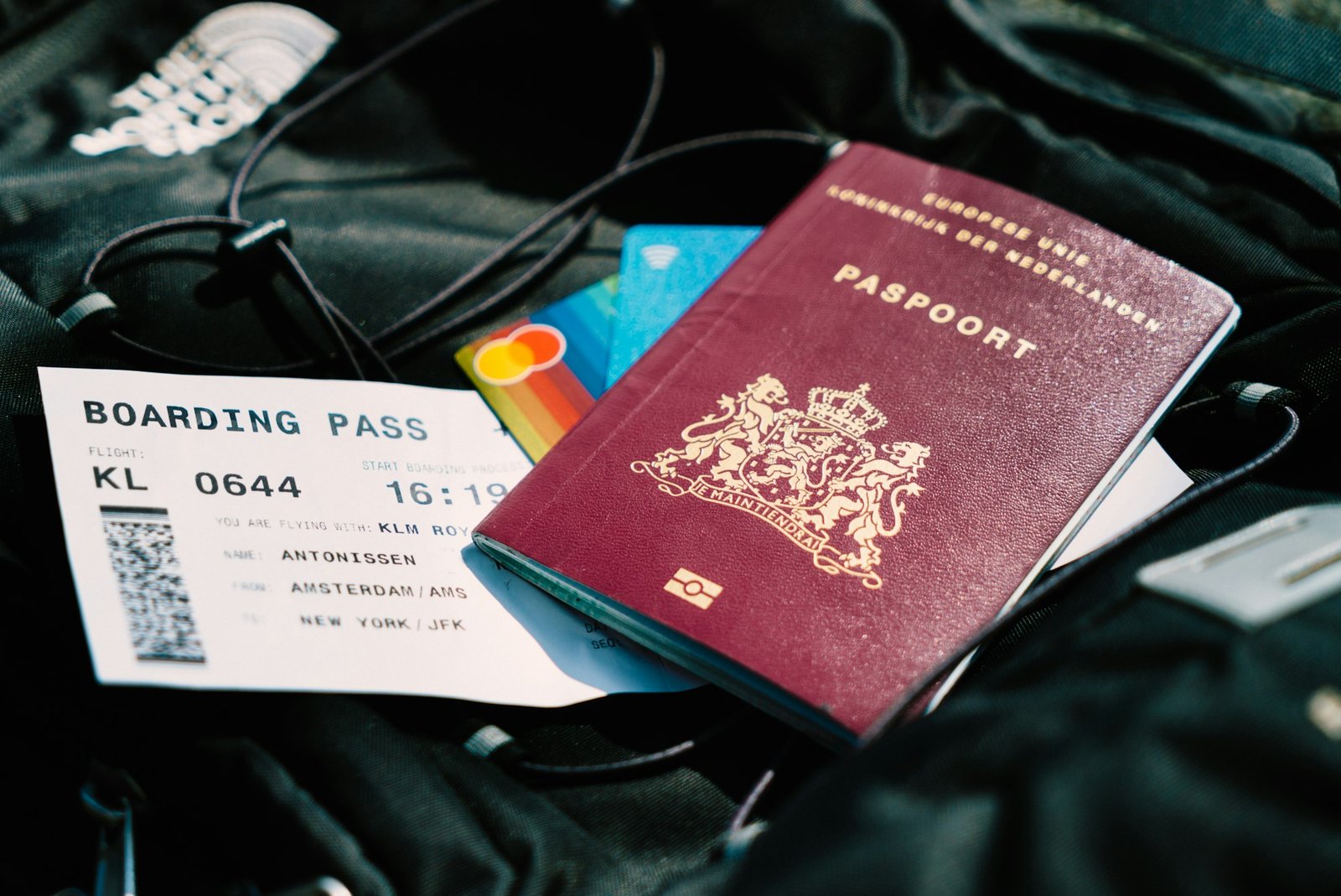
7 tips for stress-free travel
- Get your ETIAS before booking: obtain your authorization before purchasing flights or non-refundable services. ETIAS is valid for 3 years, so apply as soon as the system opens.
- Favor shoulder season: May-June and September-October offer smoother border crossings, lower prices, and a more authentic experience.
- Choose secondary entry points: major hubs (Paris-CDG, Amsterdam-Schiphol, Frankfurt) will be more congested. Consider regional airports or land border crossings.
- Build in extra time: if you have a connection in Europe, add at least 2 hours of buffer for EES checks, especially during peak season.
- Keep your documents available offline: ETIAS confirmation, accommodation booking, return ticket — everything should be accessible without Wi-Fi in case of a thorough inspection.
- Check your passport validity: ETIAS is linked to your passport. If your passport expires, your ETIAS expires too. Make sure you have at least 3 months of validity beyond your planned departure date from the Schengen area.
- Save your application number: write down your ETIAS confirmation number. It may be requested by your airline or at the border.
Frequently Asked Questions about ETIAS 2026
When exactly will ETIAS become mandatory?
According to the European Commission, ETIAS is scheduled to launch in the last quarter of 2026 (October-December). A 6-month transition period will follow, during which ETIAS will be strongly recommended but not yet strictly mandatory. Full enforcement is therefore expected by spring 2027.
How much does ETIAS cost? Is it EUR 7 or EUR 20?
The fee has been revised upward. According to the official European Commission announcement from July 2025, ETIAS will cost EUR 20 per application (instead of the originally planned EUR 7). The application is free for those under 18 and over 70.
Is ETIAS a visa?
No. ETIAS is a travel authorization, not a visa. It only applies to travelers from nationalities that are already exempt from a Schengen visa. The process is entirely online, with no consular appointment, and costs much less than a visa (EUR 20 compared to EUR 90 for a Schengen visa). The Schengen visa remains necessary for nationalities that are subject to the visa requirement.
Do British citizens need ETIAS after Brexit?
Yes. Since Brexit, the United Kingdom is considered a visa-exempt third country. British citizens will therefore need to obtain an ETIAS authorization to enter the Schengen area, just like US, Canadian, or Australian citizens.
Can I apply for ETIAS right now (February 2026)?
No. As of February 2026, ETIAS is not yet operational and no applications are being collected. Applications will only be possible once the system officially opens, which is expected in the last quarter of 2026. Be wary of any website claiming to accept ETIAS applications now — it is likely a scam or an unofficial intermediary.
Does ETIAS guarantee entry into Europe?
No. According to the EEAS, ETIAS is a pre-authorization. The final entry decision always rests with the border guards, who will check whether you meet the Schengen area entry conditions (valid passport, sufficient funds, proof of accommodation, return ticket, etc.).
What is the difference between EES and ETIAS?
They are two complementary systems. EES (Entry/Exit System) is a biometric check performed at the border (photo + fingerprints) that replaces passport stamps. It has been operational since October 2025. ETIAS is an authorization obtained before the trip, online. EES applies to all non-European travelers on short stays; ETIAS only applies to the 59 visa-exempt nationalities.
What should I do if my ETIAS application is denied?
If your application is denied, you will receive a notification stating the reasons. You will have the right to appeal to the member state that made the decision. You can also submit a new application if your circumstances have changed. Alternatively, you can always apply for a standard Schengen visa (EUR 90) through the traditional consular route.
Sources and References
- European Commission — Official ETIAS page
- European Commission — Official EES (Entry/Exit System) page
- European Commission — ETIAS will cost EUR 20 (July 2025)
- European Commission — Revised EES and ETIAS timeline (March 2025)
- EUR-Lex — Summary of ETIAS legislation
- EEAS — Traveling to Europe from a visa-exempt country
- European Commission — Schengen visa fee increase (June 2024)
- The Guardian — Fears of summer disruption at European borders (February 2026)
- European Commission — Smart Borders (overview)
Research conducted on February 6, 2026, with 58 sources analyzed.
Plan your next trip to Europe
ETIAS is a game changer, but Europe remains an extraordinary destination. Whether you dream of Norwegian fjords, Greek beaches, or Tuscan vineyards, the best strategy remains the same: plan ahead, organize well, and travel with peace of mind.