
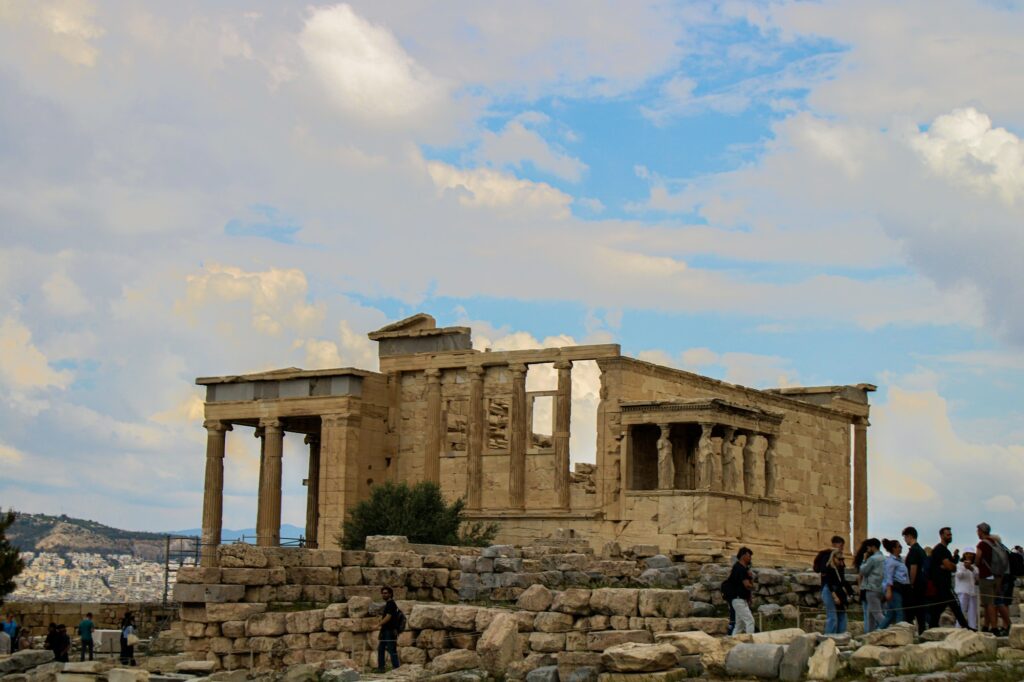
In 2026, around a dozen European sites now require advance booking to tackle overtourism. Pompeii caps visitors at 20,000 per day via Vivaticket since March 2026; the Alhambra sells out 30 days ahead; Calanque de Sugiton admits just 400 people daily on free pre-registration. Venice charges a €5–€10 day-tripper fee on 60 targeted dates. To visit these must-see sites this summer without any nasty surprises, book at least four to eight weeks before you travel.
Summer 2026 marks a turning point in how to plan a trip across Europe. For the first time, a dozen countries are simultaneously enforcing binding measures — daily quotas, named tickets, entry fees, mandatory shuttle buses — that have rendered the idea of spontaneous travel to the continent’s most visited sites a thing of the past. According to the UN Tourism Organisation, Europe welcomed 793 million international arrivals in 2025, up 4% on 2024 and 6% above pre-pandemic levels. The redistribution of flows from the Middle East, which shed tens of millions of visitors due to geopolitical tensions, is piling further pressure on the Mediterranean basin. Here’s the definitive guide to navigating this new reality, site by site.
1. Pompeii: Italy’s strictest daily quota
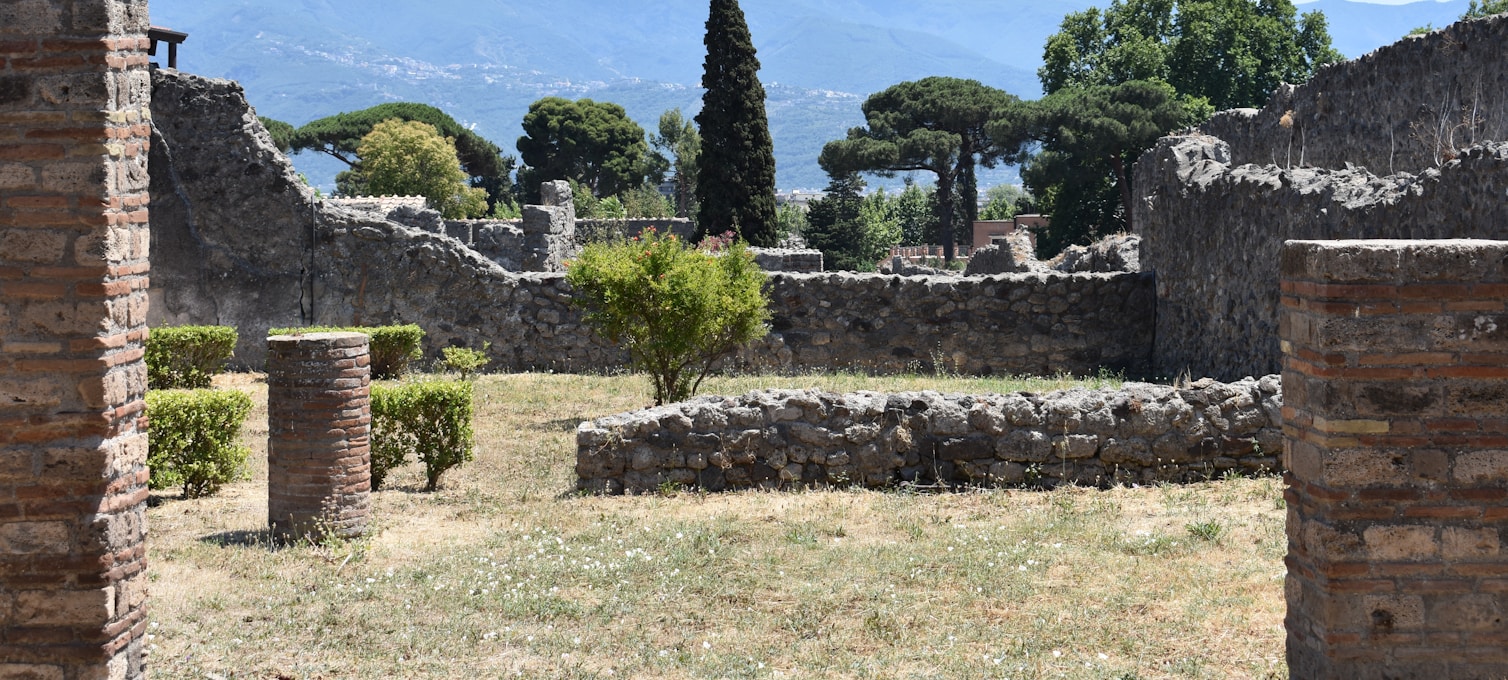
The Pompeii Archaeological Park has required advance booking via Vivaticket (formerly TicketOne) since March 2026. According to PompeiiSites.org, the daily quota stands at 20,000 visitors: 15,000 morning slots (9am–1pm) and 5,000 afternoon slots (1pm–5:30pm). Tickets are issued in your name — your first and last name are printed on the QR code — and ID checks are carried out at the Porta Marina, Piazza Anfiteatro and Piazza Esedra entrances. In July and August, Saturday slots sell out within 10 days of going on sale.
Highlights
- The Pompeii Plus ticket includes the Villa of the Mysteries, with its extraordinary frescoes
- First Sunday of the month: free entry (time slot still required)
- Herculaneum (30 min from Naples): an equivalent site with no quota and far smaller queues
2. Acropolis of Athens: the timed-entry system explained
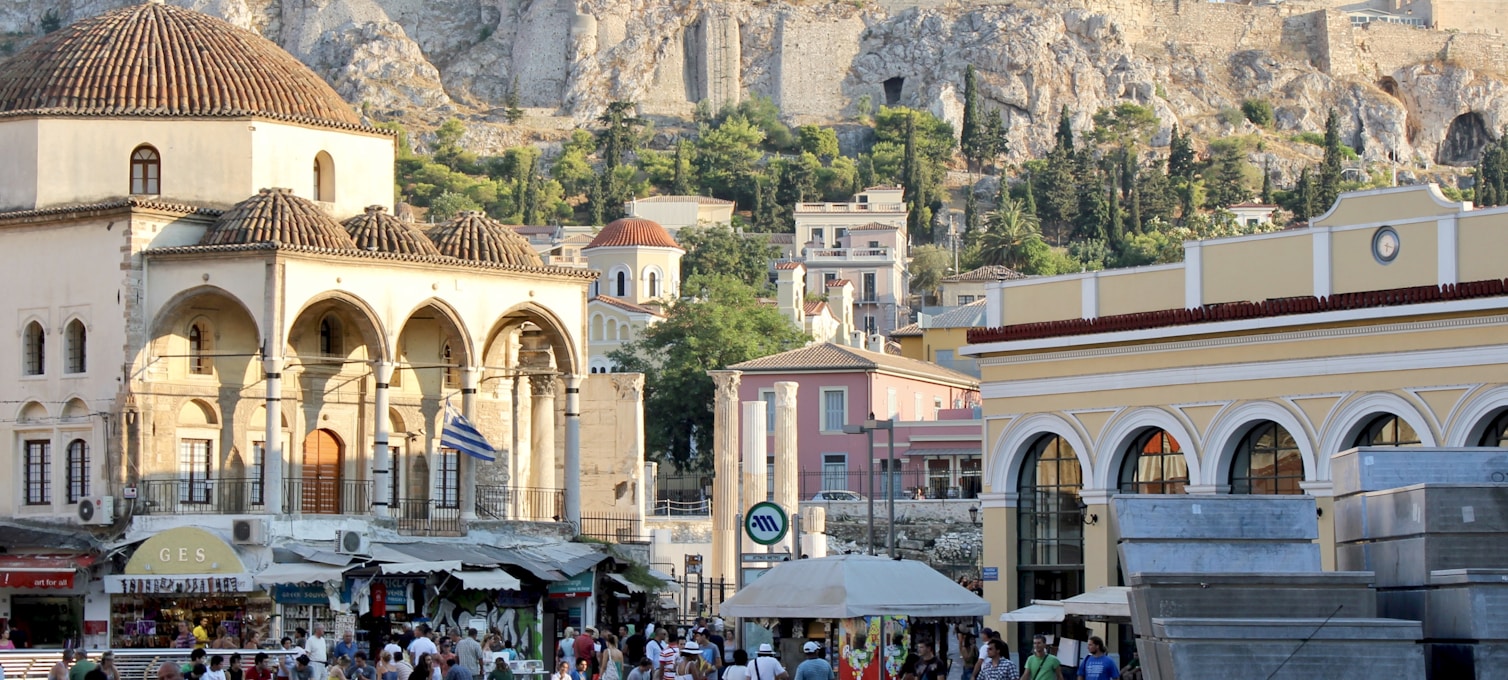
The Greek Ministry of Culture has operated a 20,000-visitor daily cap with timed entry slots since 2023. According to hhticket.gr (the official ticketing platform), each ticket allows entry within a window of 15 minutes before to 60 minutes after your chosen time. Online booking is strongly recommended from May to September; queues at the ticket booth regularly exceed an hour during peak season. One detail not to overlook: since summer 2025, the site automatically shuts between noon and 5pm whenever forecasts predict temperatures above 40°C. Tickets bought for slots cancelled due to extreme heat are fully refundable.
Highlights
- Arrive at 8am opening: best light on the Parthenon and noticeably smaller crowds
- The combined 7-site pass covers the Ancient Agora, Olympieion and Kerameikos
- EU residents under 25: free entry
3. Calanques near Marseille: France’s free booking system
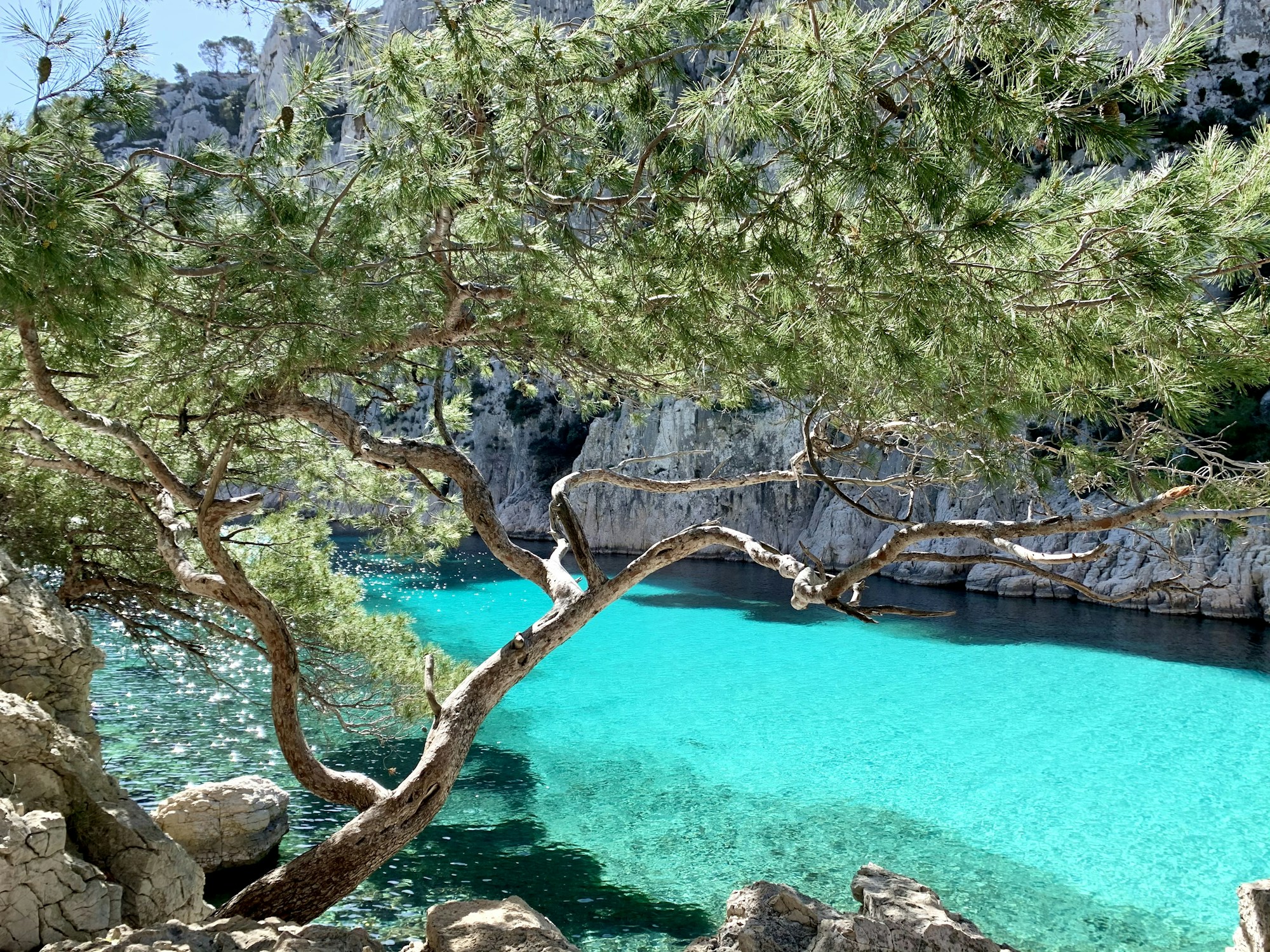
Only Calanque de Sugiton and the Pierres Tombées are subject to quotas. According to the Calanques National Park, 400 people per day are permitted at this site from 27 June to 30 August 2026, as well as on certain June and September weekends. Booking is free and mandatory via troov.com: slots open three days before your visit at 9am and close the evening before at 6pm (same-day booking is not possible). Before the quota system was introduced, Sugiton was receiving up to 3,000 visitors a day; since the restrictions began in 2022, footfall has dropped by seven times, with visible regeneration of the local pine forest. From the UK, the easiest route is Eurostar to Paris Saint-Pancras then a direct TGV to Marseille Saint-Charles (around 3 hours), with the trailhead roughly 20 minutes from the city centre by bus.
Highlights
- Cassis calanques (En-Vau, Port-Miou, Port-Pin) remain freely accessible with no quota
- Maximum 5 people per booking; maximum 8 bookings per person for the entire season
- Local Marseille residents have a separate non-capped allocation
4. Cinque Terre: the Cinque Terre Card and Via dell’Amore
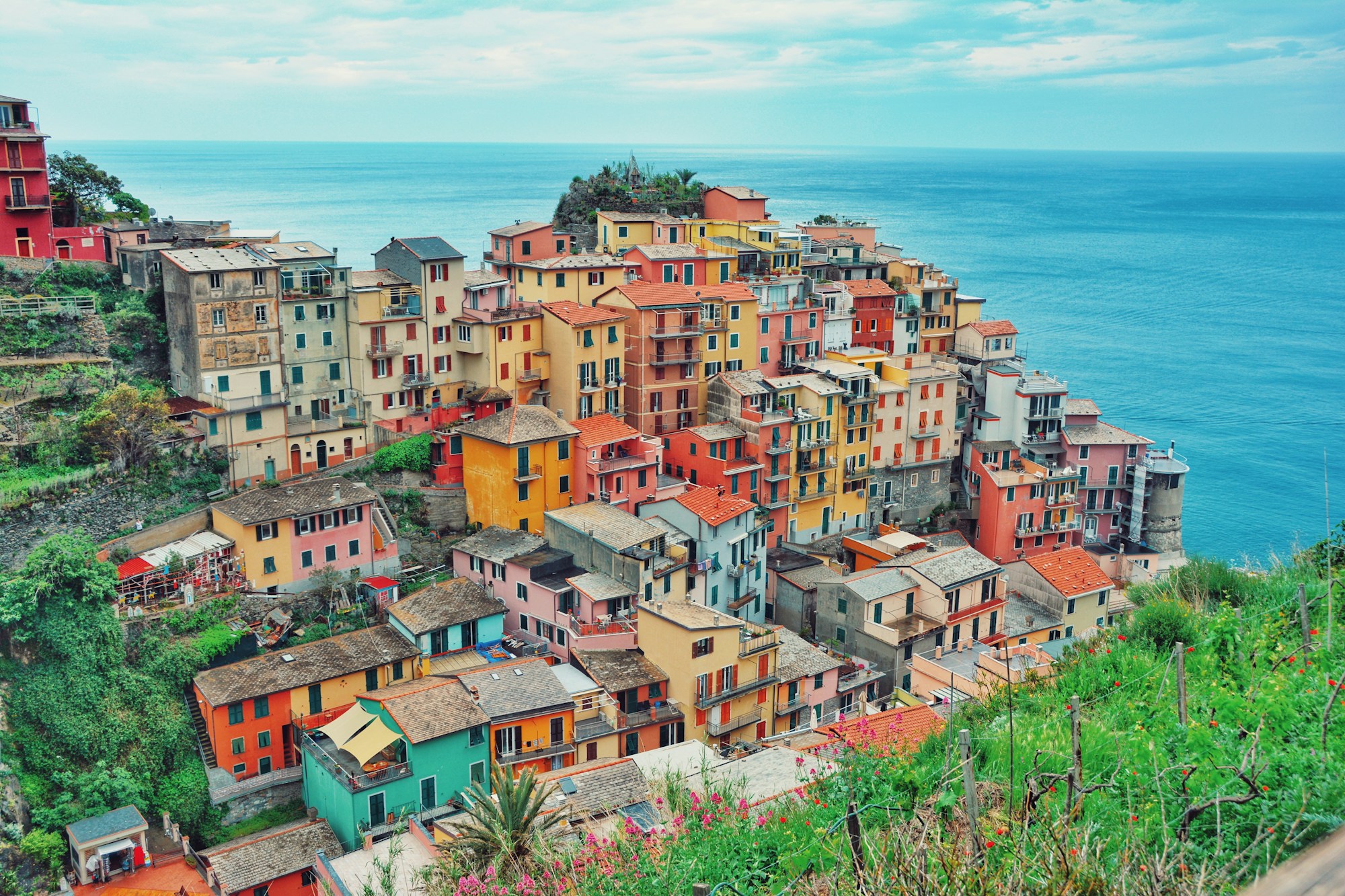
The Cinque Terre Card is compulsory to access the Sentiero Azzurro (Blue Path). According to the Cinque Terre National Park, pricing operates on a dynamic three-tier system based on forecast demand: green days at €7.50/day, yellow days at around €10/day, and red days (weekends and bank holidays in July–August) at €15/day. The Via dell’Amore — closed for twelve years and reopened in 2024 — is now included in the standard card (the former €10 supplement was scrapped in March 2026), but a timed entry slot is still required, with one-way access only (enter at Riomaggiore, exit at Manarola). Note: the Manarola–Corniglia section of the Sentiero Azzurro remains closed and is not expected to reopen before 2029.
Highlights
- The REL sanctuary trails are completely free and often far wilder than the Blue Path
- Off-season (3 November–14 March): no card required, no crowds whatsoever
- Nearby alternatives: Portofino, Tellaro, Framura — identical scenery without the restrictions
5. Venice: the day-tripper fee — €5 or €10
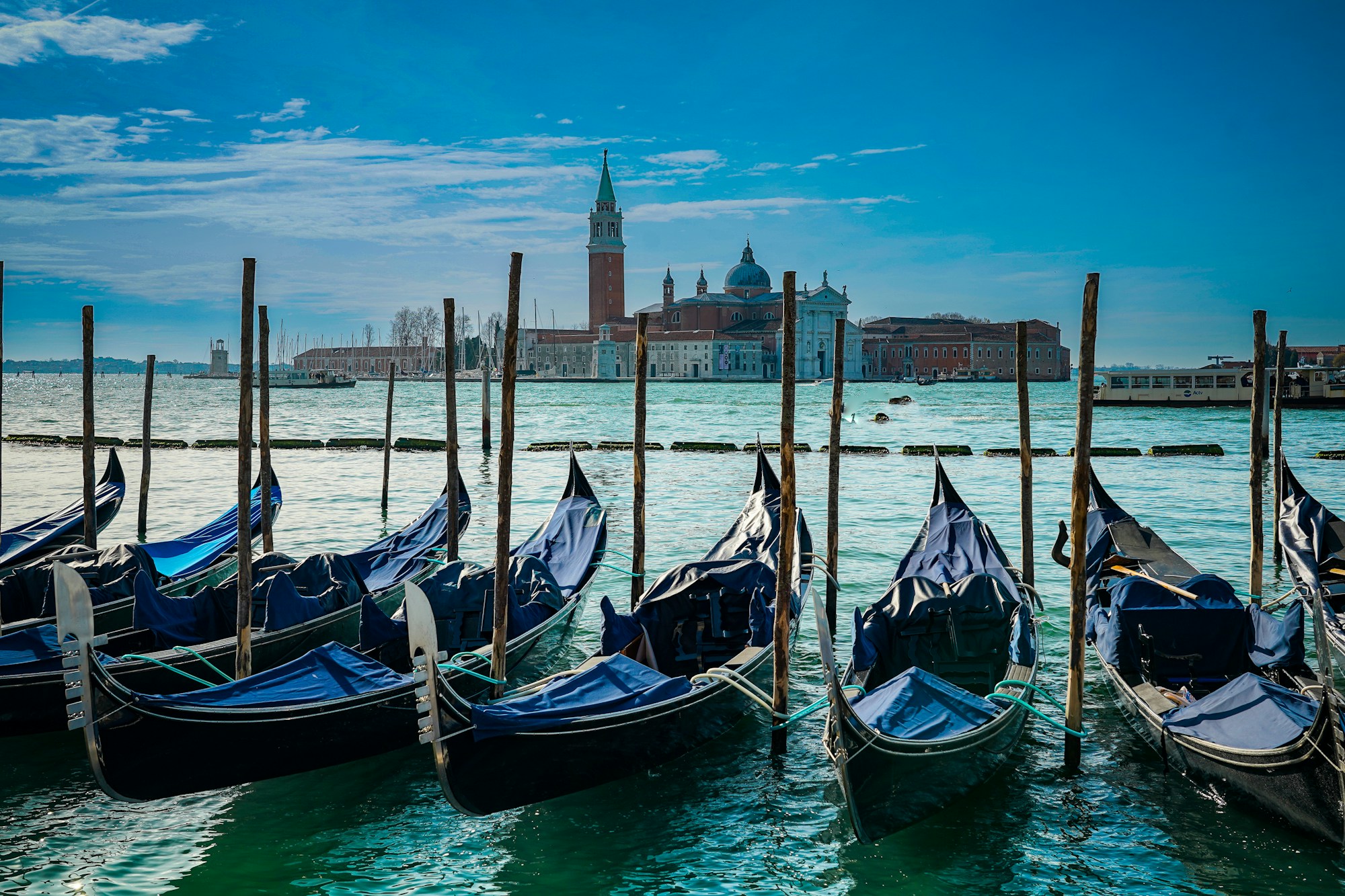
The Contributo di Accesso applies to visitors entering the historic city between 8:30am and 4pm on 60 specific dates between 3 April and 26 July 2026. According to cda.ve.it (the official portal), the fee is €5 if you register at least four days in advance, and €10 within the four-day window. Children under 15, tourists staying in accommodation within the historic centre, residents and enrolled students are exempt from payment but must still generate a free QR code. The tax does not apply to the lagoon islands (Murano, Burano, Torcello). The 2025 figures: €14 million collected from 2.8 million registered visitors, though overall footfall did not actually fall.
Highlights
- Register your QR code at Santa Lucia station or online at cda.ve.it
- Days not subject to the fee (the vast majority of the year) remain completely free
- Alternative: Burano and Torcello by vaporetto — no fee and far fewer tourists
6. Rome: Trevi Fountain at €2 and the Colosseum’s 30-day rule
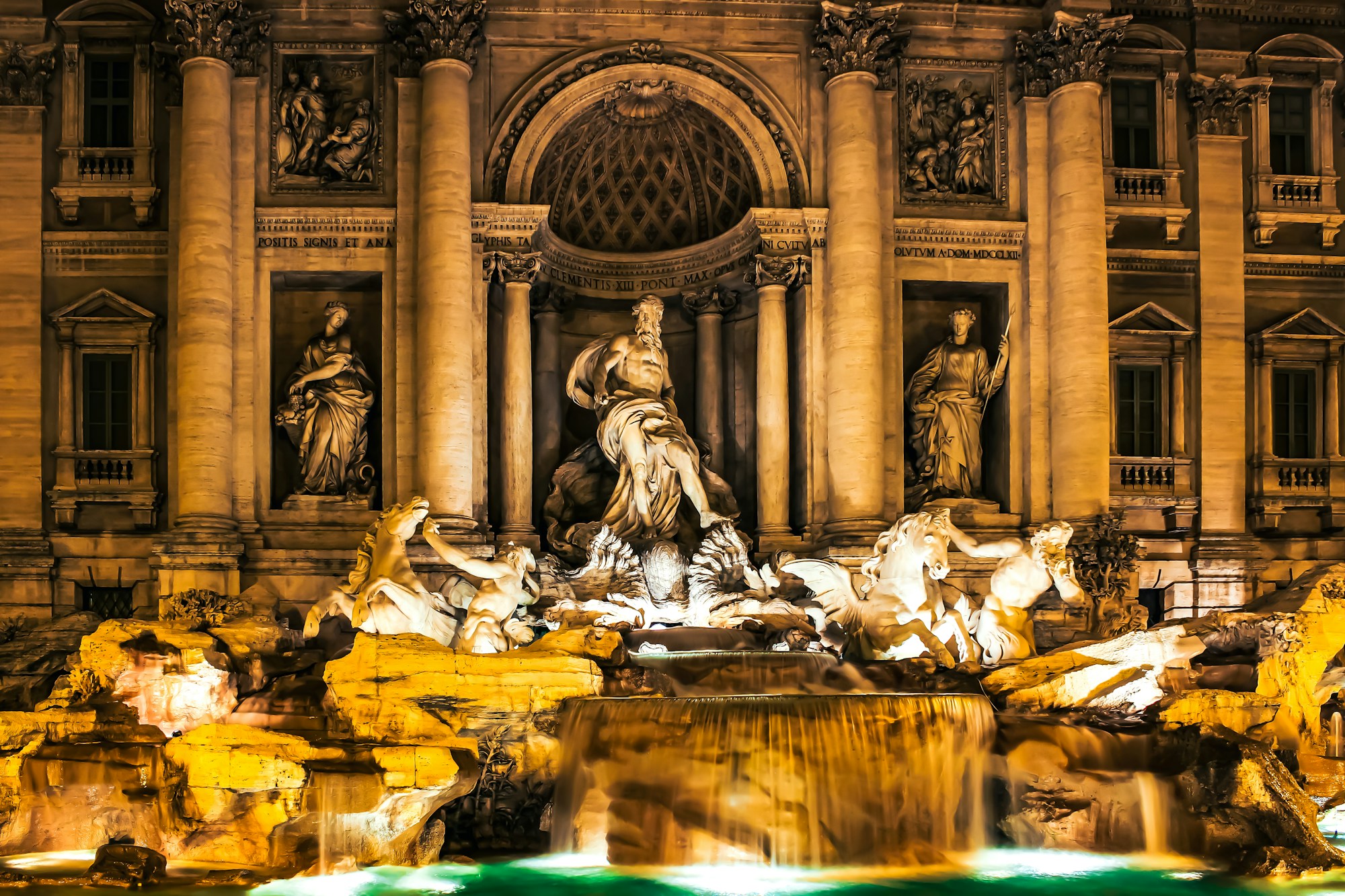
The Trevi Fountain became ticketed on 2 February 2026: €2 per person between 9am and 10pm, with a cap of 400 people simultaneously around the basin. It’s a world first for a Roman public space. According to fontanaditrevi.roma.it, the ticket (no fixed slot — valid for the whole day) can be bought on site or in advance online. The square and its surroundings remain freely accessible; only the immediate perimeter around the basin requires a ticket.
For the Colosseum, the rules are stricter: according to colosseo.it, tickets go on sale exactly 30 days before your visit date at midnight Rome time. The standard ticket (€18, including the Roman Forum and Palatine Hill) sells out within hours for July and August Saturdays. The full-experience options — Arena or Attic access at €22, Underground + Arena at €24 — tend to have slightly more availability.
Highlights
- Trevi Fountain: avoid Mondays and Fridays at 11:30am — the basin is drained for maintenance
- Colosseum: mark the exact date 30 days before in your diary so you’re ready to book at midnight Rome time
- First Sunday of the month: Colosseum is free but a timed slot is still required
7. Spain: Alhambra 30 days out, Sagrada Família 6–8 weeks ahead
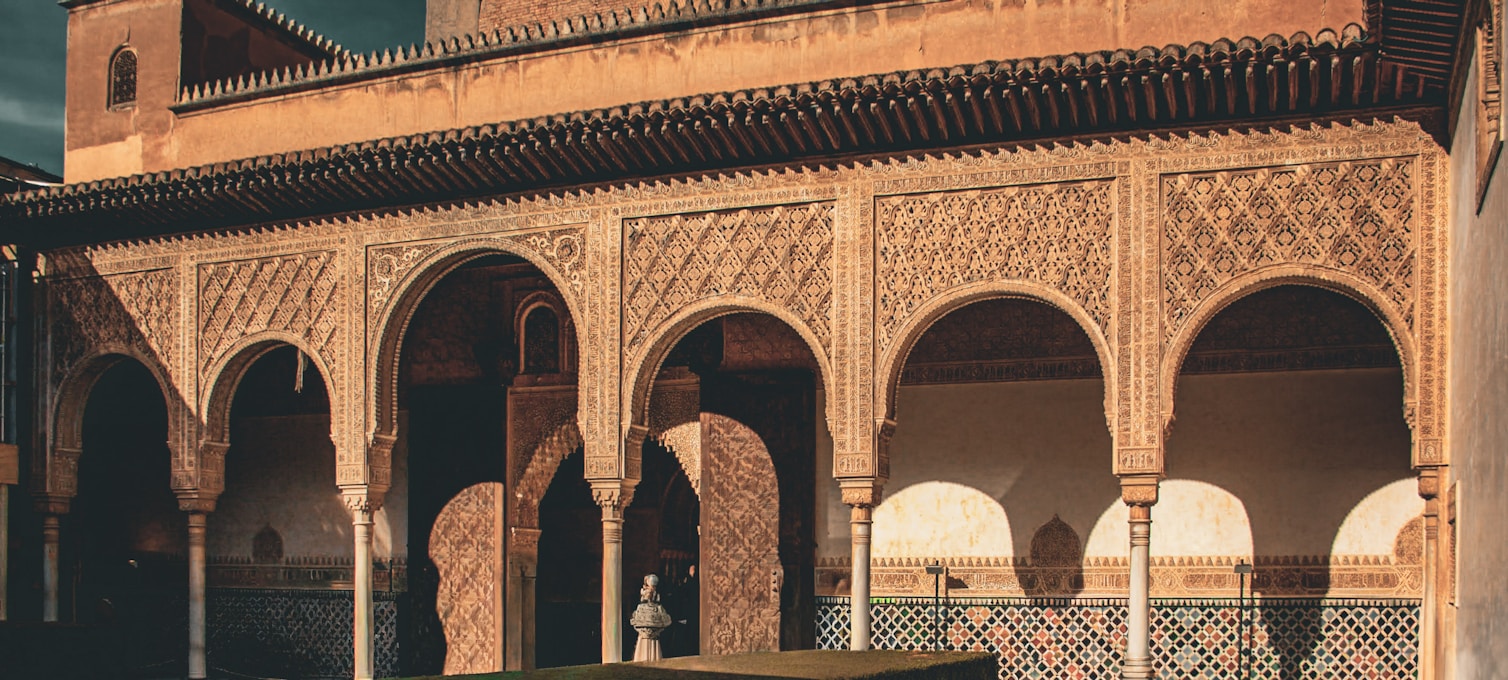
The Alhambra in Granada is arguably the hardest ticket to secure in Europe. According to alhambra-patronato.es, the daily cap is 7,700 visitors in summer, with 95% of slots snapped up weeks in advance. Booking is mandatory on alhambra-patronato.es at least 30 days ahead — ideally 60 days for July and August. Tickets specify an exact entry time for the Nasrid Palaces with no flexibility whatsoever.
The Sagrada Família is having a special year in 2026: the centenary of Gaudí’s death coincides with the inauguration of the Tower of Jesus Christ (near completion). The result, according to sagradafamilia.org, is that tickets for May to July 2026 are selling out six to eight weeks in advance. There is no on-the-door sales: online booking is the only option.
Highlights
- Alhambra: agencies such as Tiqets and GetYourGuide hold separate allocations — worth checking if the official site shows sold out
- Sagrada Família centenary 2026: the Tower of Christ offers a perspective never seen from the inside before
- Other regulated Spanish sites: Gaztelugatxe (Basque Country), Cap Formentor (Majorca, restricted May–Oct), Teide
8. The Dolomites: mandatory shuttles and traffic restrictions
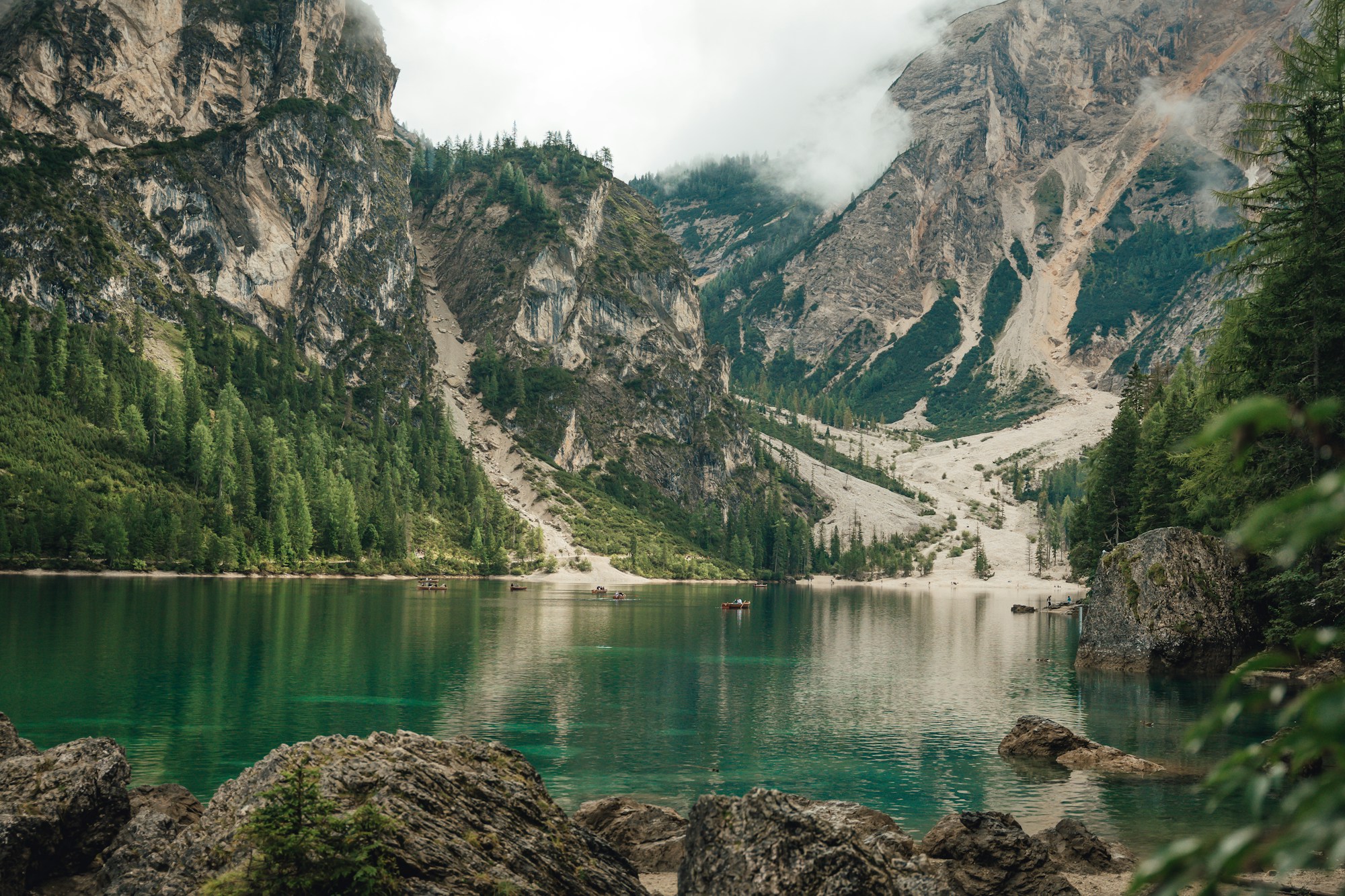
The Dolomites have rolled out a string of unprecedented measures in 2026. At Lago di Braies, from 1 July to 15 September, cars cannot reach the lake between 9am and 4pm without a reservation: according to sud-tyrol.com, a combined €44 ticket covers the transit permit, parking and includes a €22 voucher. Shuttle buses 439 and 442 from Welsberg/Monguelfo and Toblach/Dobbiaco are the alternative. For the Tre Cime di Lavaredo, a traffic restriction caps access at 150 cars per day (€40 for 12 hours). At Seceda in Val Gardena, a €5-per-person pedestrian toll has been introduced on the main ridge trail.
Highlights
- Restrictions only apply to certain sites: vast swathes of the Dolomites remain freely accessible
- June before mid-July and September: reduced restrictions, optimal hiking conditions
- Alternatives: the Slovenian Alps (Triglav), Grossglockner in Austria — similar feel with no quotas
9. Dubrovnik, Greek islands and French island retreats
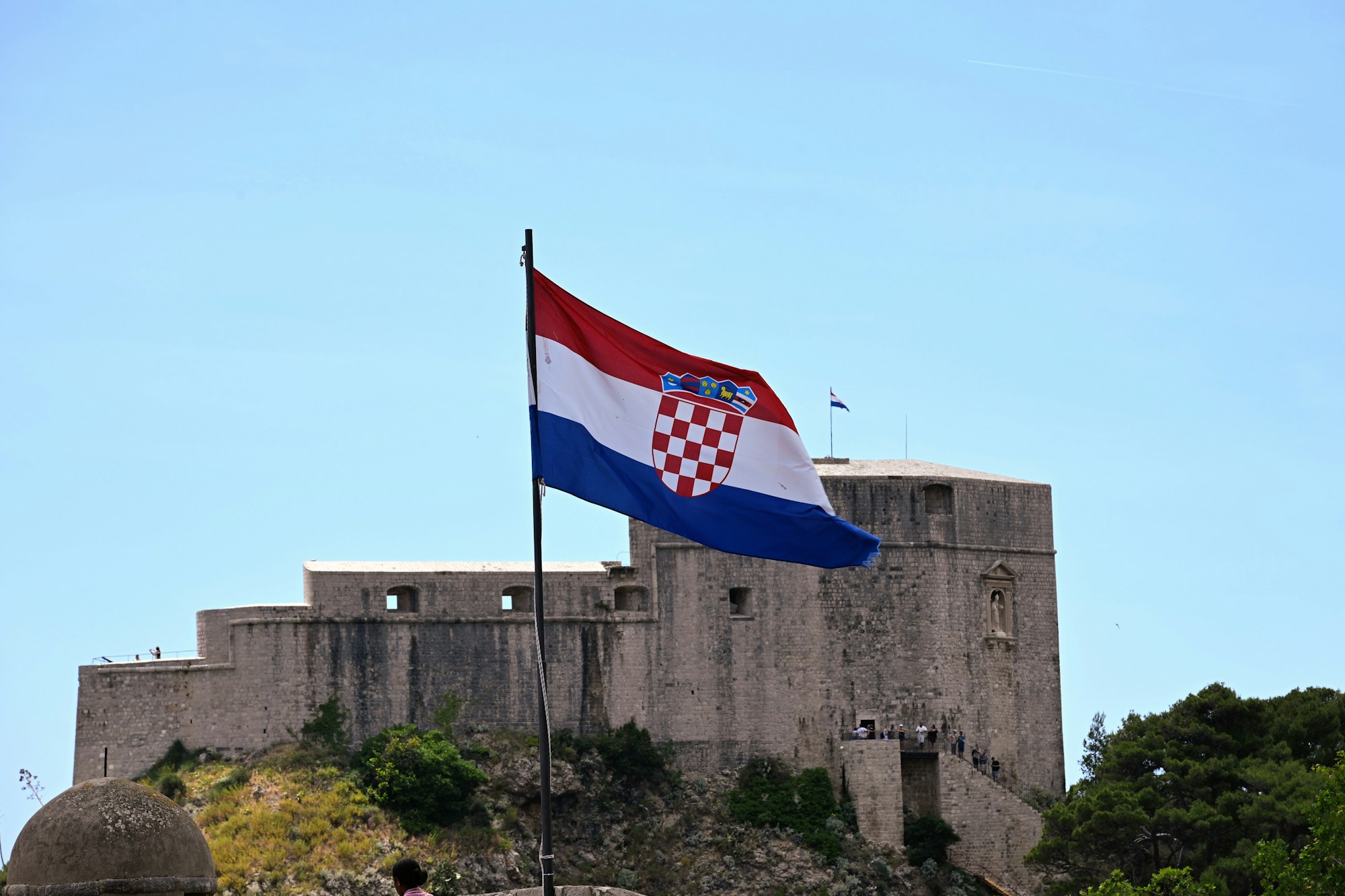
In Dubrovnik, the old town is capped at 11,200 simultaneous visitors and cruise ships are limited to two per day. According to The Dubrovnik Times, a mandatory timed-entry booking system for the city walls is being introduced for the 2026 season: check citywallsdubrovnik.hr before you travel. For the Greek islands, cruise passengers disembarking at Mykonos or Santorini pay a €20 levy from June to September 2026 (€12 out of season). France is also in the mix: Île de Porquerolles is capped at 6,000 visitors per day (ferry booking on tvm-ferries.fr is strongly recommended in July–August), and Île de Bréhat at 4,700 visitors per day from 28 July to 22 August 2026. The GR20 in Corsica requires mandatory shelter and bivouac reservations via pnr-resa.corsica (from €12/night).
Highlights
- Dubrovnik: Kotor (Montenegro) and Mostar (Bosnia) offer a comparable medieval atmosphere without any restrictions
- Mykonos/Santorini: the cruise levy doesn’t affect travellers arriving by plane or independent ferry
- GR20 Corsica: modifications accepted up to 2 days before on pnr-resa.corsica, subject to availability
Plan your visit to Europe’s regulated sites
Covering Italy, Greece, Spain and France in one trip? Activate a Europe eSIM valid across 36 countries. No swapping physical SIM cards — activate in minutes from the app.
From €5 / 7 daysAcropolis heatwave closure, wildfire cancellation at the Calanques — a policy covering trip cancellation and non-refundable tickets is essential on these unpredictable bucket-list sites. Nomad Insurance covers you globally from $56 / 4 weeks.
From $56 / 4 weeksFrequently asked questions
Is booking at Pompeii really compulsory in 2026?
Yes — since 2 March 2026, advance booking via Vivaticket has been mandatory. The daily cap is 20,000 visitors (15,000 in the morning, 5,000 in the afternoon). Without a ticket, entry is refused. In July and August, Saturday slots sell out 7–10 days after going on sale: book at least six weeks ahead.
Does Venice’s entry fee apply all year round?
No. The Contributo di Accesso only applies on 60 specific dates between 3 April and 26 July 2026, from 8:30am to 4pm (Fridays, weekends, public holidays and bridge days). All other days — and every night — are completely free. Check the full calendar at cda.ve.it.
How do I book Calanque de Sugiton for free?
Via troov.com/parc-national-des-calanques. Booking is entirely free. Slots open three days before your visit at 9am and close the evening before at 6pm. Same-day booking is not possible. Maximum 5 people per booking. Warning: all bookings are automatically cancelled if a fire-risk prefecture closure is declared.
When should I book the Alhambra for summer 2026?
At least 30 days ahead — ideally 60 days for July and August. According to the official site alhambra-patronato.es, 95% of slots go weeks in advance during peak season. If the official site is sold out, resellers such as Tiqets or GetYourGuide sometimes hold separate allocations. Your ticket specifies an exact entry time for the Nasrid Palaces.
Could the Acropolis be closed on the day of my visit?
Yes. Since summer 2025, an automatic closure from noon to 5pm kicks in whenever forecasts predict temperatures above 40°C. Tickets bought for cancelled slots are fully refundable. Check the forecast the evening before and favour the 8am–10am or 5pm–7pm window in summer. Book on hhticket.gr.
What’s the best time to visit these sites without the must-book hassle?
April–May and September–October offer the best conditions: available slots, lower prices and pleasant temperatures. November to March for Pompeii (low season, barely any crowds, cooler weather) and Cinque Terre (no card required from 3 November to 14 March 2026). Venice has far fewer fee days in spring and autumn. For the Dolomites, June before mid-July or September are the optimal windows.
- PompeiiSites.org: official opening hours, tickets and quotas for the Pompeii Archaeological Park (2026)
- ticket.pompeiisites.org: official Vivaticket booking platform for Pompeii
- hhticket.gr: official ticketing platform of the Greek Ministry of Culture (Acropolis)
- calanques-parcnational.fr: dates and rules for the Sugiton booking system 2026
- troov.com: official free booking platform for Sugiton
- parconazionale5terre.it: Cinque Terre Card — prices and official purchase
- cda.ve.it: official portal for Venice’s Contributo di Accesso
- fontanaditrevi.roma.it: official ticketing and access information for the Trevi Fountain (2026)
- colosseo.it: official Colosseum tickets and timed slots
- alhambra-patronato.es: official Alhambra booking platform, Granada
- sagradafamilia.org: official Sagrada Família ticketing (centenary 2026)
- sud-tyrol.com: access rules and restrictions at Lago di Braies 2026
- prags.bz: official shuttle and car park booking for Lago di Braies
- citywallsdubrovnik.hr: Dubrovnik City Walls — tickets and 2026 booking
- pnr-resa.corsica: mandatory shelter and bivouac bookings for the GR20, Corsica
- europarl.europa.eu: European Parliament resolution on tourism management (March 2026)
- untourism.int: UN Tourism World Tourism Barometer 2026
- evaneos.fr: Overtourism Index — Evaneos × Roland Berger (2025)
Research carried out on 22 June 2026. Prices and conditions may change: always verify on each site’s official website before your visit.