
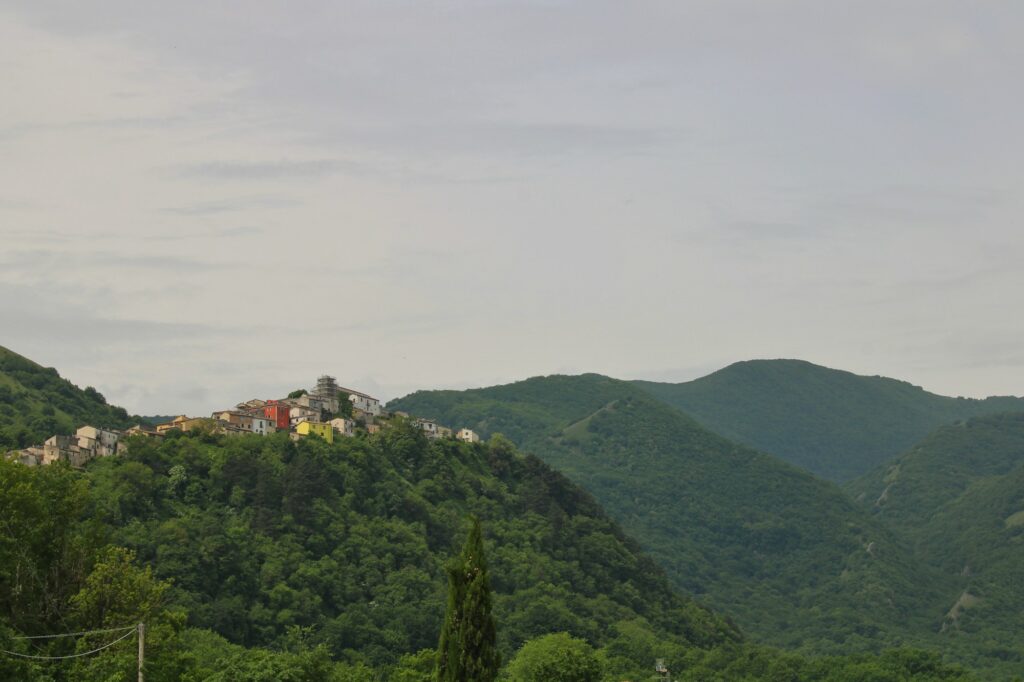
Overtourism keeps gaining ground across Europe. In 2026, Dubrovnik caps its visitors at 10,000 at any one time, Venice enforces its entry ticket, and Barcelona tightens restrictions further still. Yet just a few hours’ flight away, equally fascinating destinations remain miraculously spared by the crowds. From European Capitals of Culture to forgotten Adriatic islands, here are ten alternatives that prove you can still travel through Europe with authenticity, without queuing or breaking the bank.
1. Oulu, Finland — European Capital of Culture 2026
Oulu, Finland
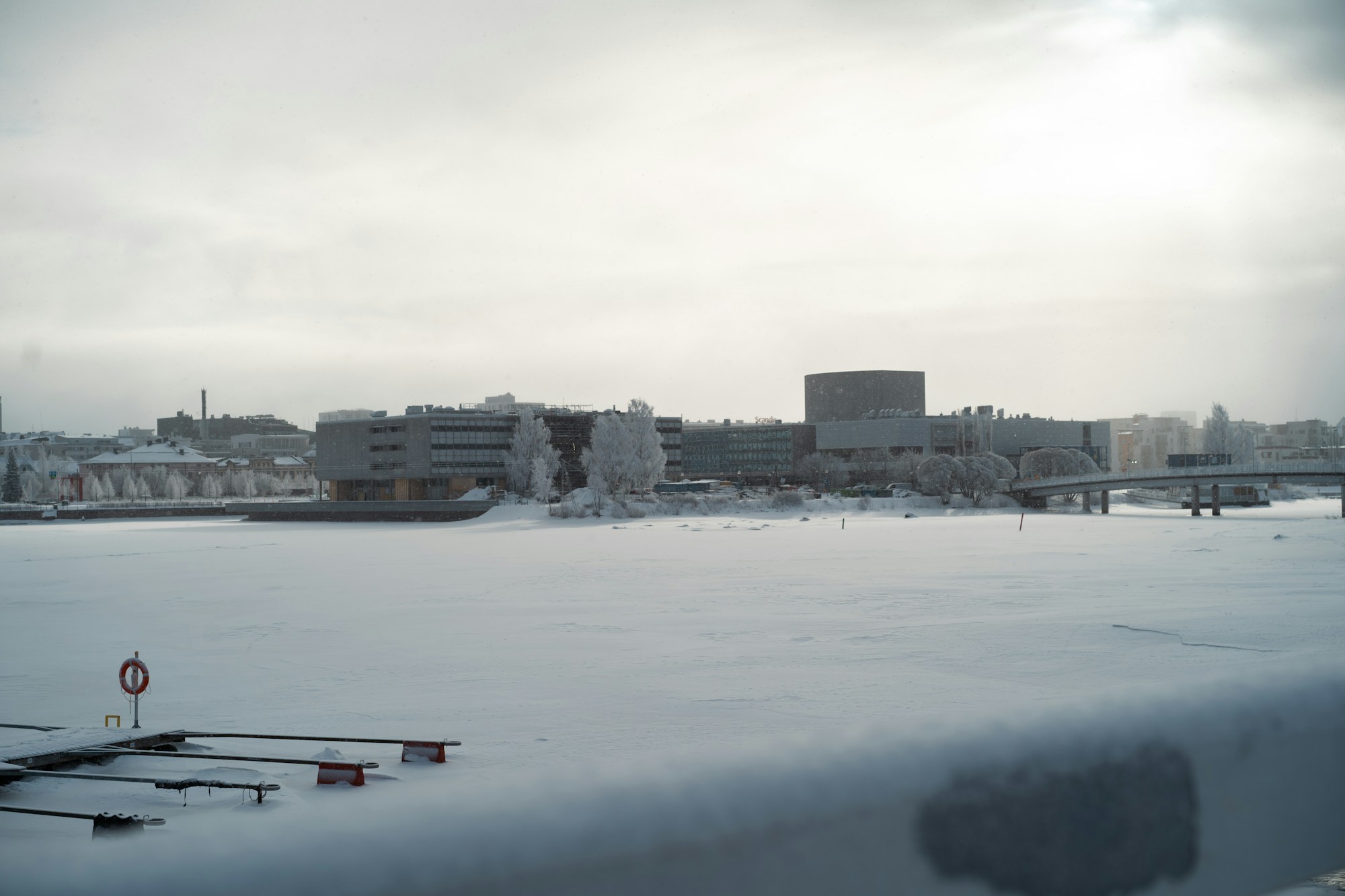
Named European Capital of Culture 2026, Oulu is transforming under the theme of « Cultural Climate Change. » Over 1,000 events will punctuate the year, blending technological innovation, indigenous Sami heritage, and Nordic charm. CNN has included Oulu in its list of the 20 best destinations for 2026.
The programme revolves around three pillars — Brave Hinterland, Cool Contrasts, and Wild City — with flagship events like the Summer Night Dinner on August 22: a one-kilometre communal table in the heart of the city centre. In winter, the northern lights illuminate the Arctic sky while floating raft saunas invite you to plunge into an ice hole.
Highlights
- Over 1,000 cultural events throughout 2026
- Northern lights in winter, midnight sun in summer
- Arctic Food Lab: authentic Nordic gastronomy
- Floating saunas and Finnish bathing culture
2. Via Transilvanica, Romania — The « Camino of the East »
Via Transilvanica, Romania
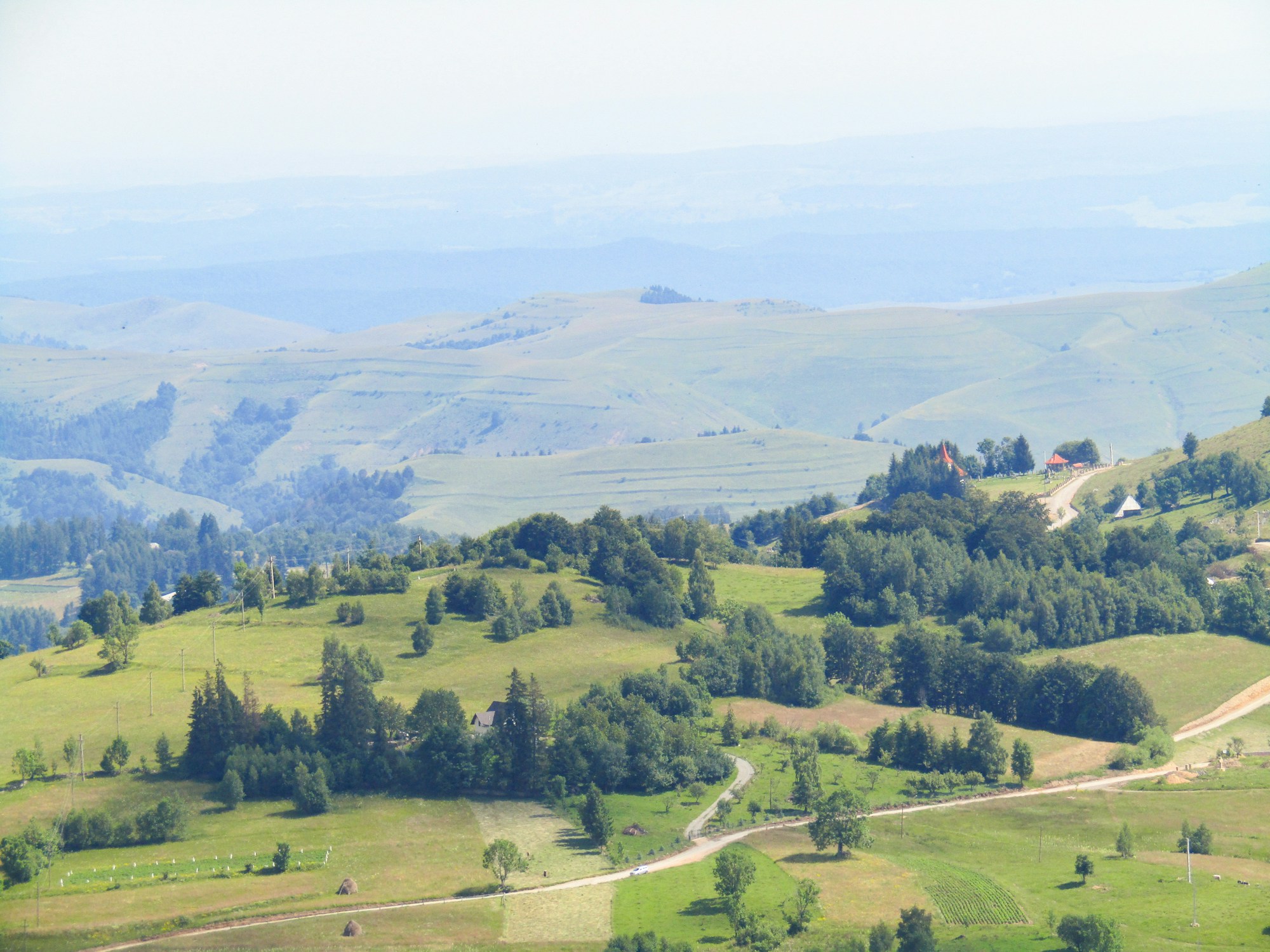
Nicknamed the « Camino of the East, » this 1,400 km hike crosses Romania diagonally from Putna to Drobeta-Turnu Severin. National Geographic describes it as a gateway to rural Romania, its bucolic and wild landscape. The Sunday Times included it among its « Best New Trips for 2026. »
The trail winds through ancient forests, rustic villages, and 12 UNESCO World Heritage sites. Romanian hospitality turns every stop into a cultural immersion: farm-to-table meals, homestay accommodation, and encounters with local artisans. Most hikers choose sections of 7 to 14 days.
Highlights
- 12 UNESCO sites along the route
- Homestay accommodation for 8–16 EUR per night
- Medieval Saxon towns and painted monasteries
- Among the lowest budgets in Europe
3. Mikulov, Czech Republic — The Antidote to Overtourism
Mikulov, Czech Republic
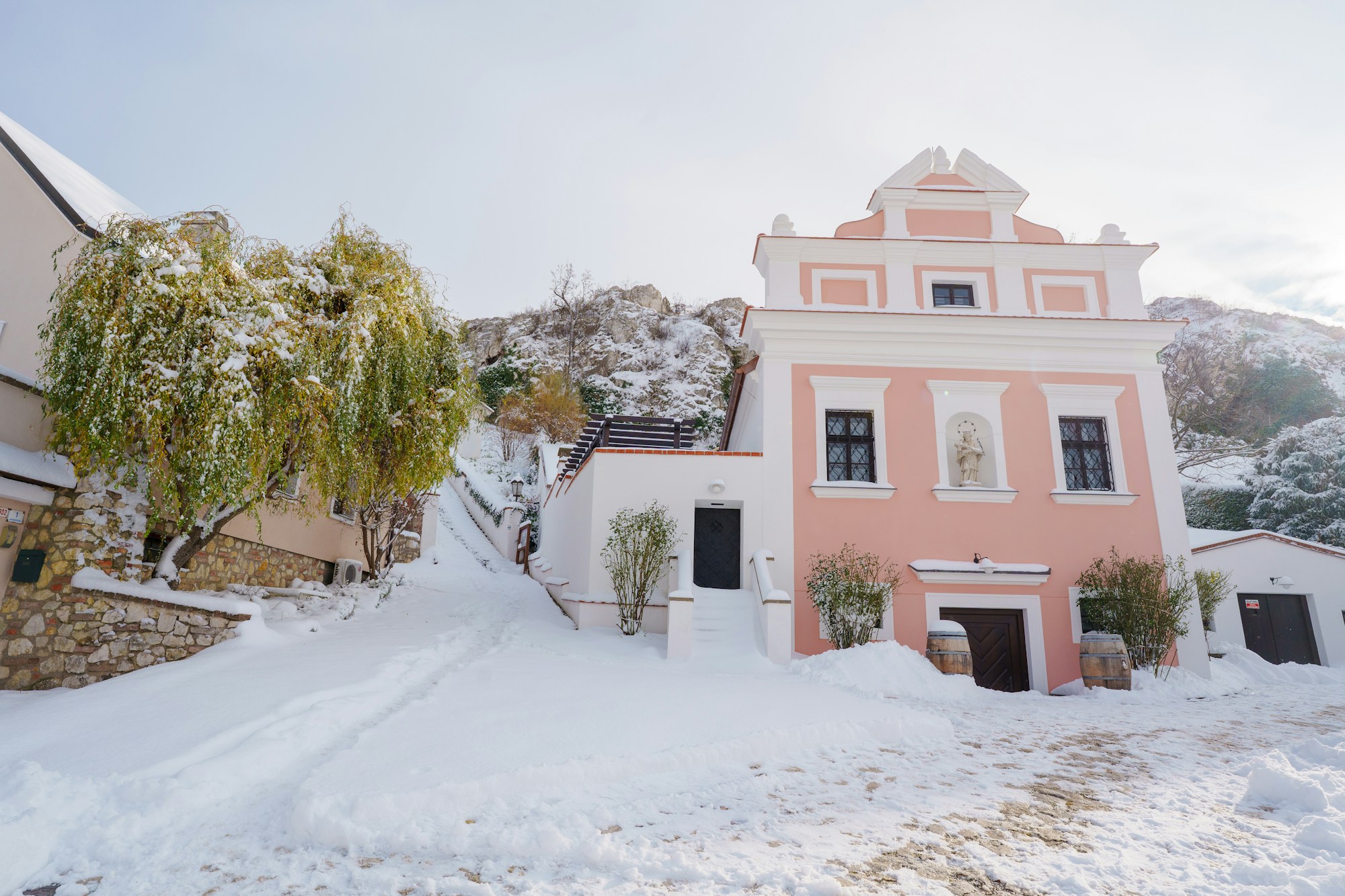
Cameron Hewitt, from the renowned Rick Steves guide, considers Mikulov the standard-bearer of under-the-radar European destinations. Nestled at the foot of a mighty castle, this small Moravian town offers « almost Tuscan » panoramas with its limestone hills striped with vineyards, cosy enotecas, and affordable gourmet restaurants.
The town also boasts a rich Jewish heritage with a beautifully restored 16th-century synagogue. A 15-minute drive away, the Valtice and Lednice castles form a UNESCO World Heritage-listed ensemble. Valtice Castle houses the Czech National Wine Salon — a cellar where you can taste your pick from among the finest Moravian vintages.
Highlights
- Moravian vineyards and affordable wine tastings
- Valtice-Lednice Castles (UNESCO)
- Full meal with local wine for 15–20 EUR
- Cycling route through vineyards and castles
4. Vis Island, Croatia — The Adriatic’s Slow-Travel Paradise
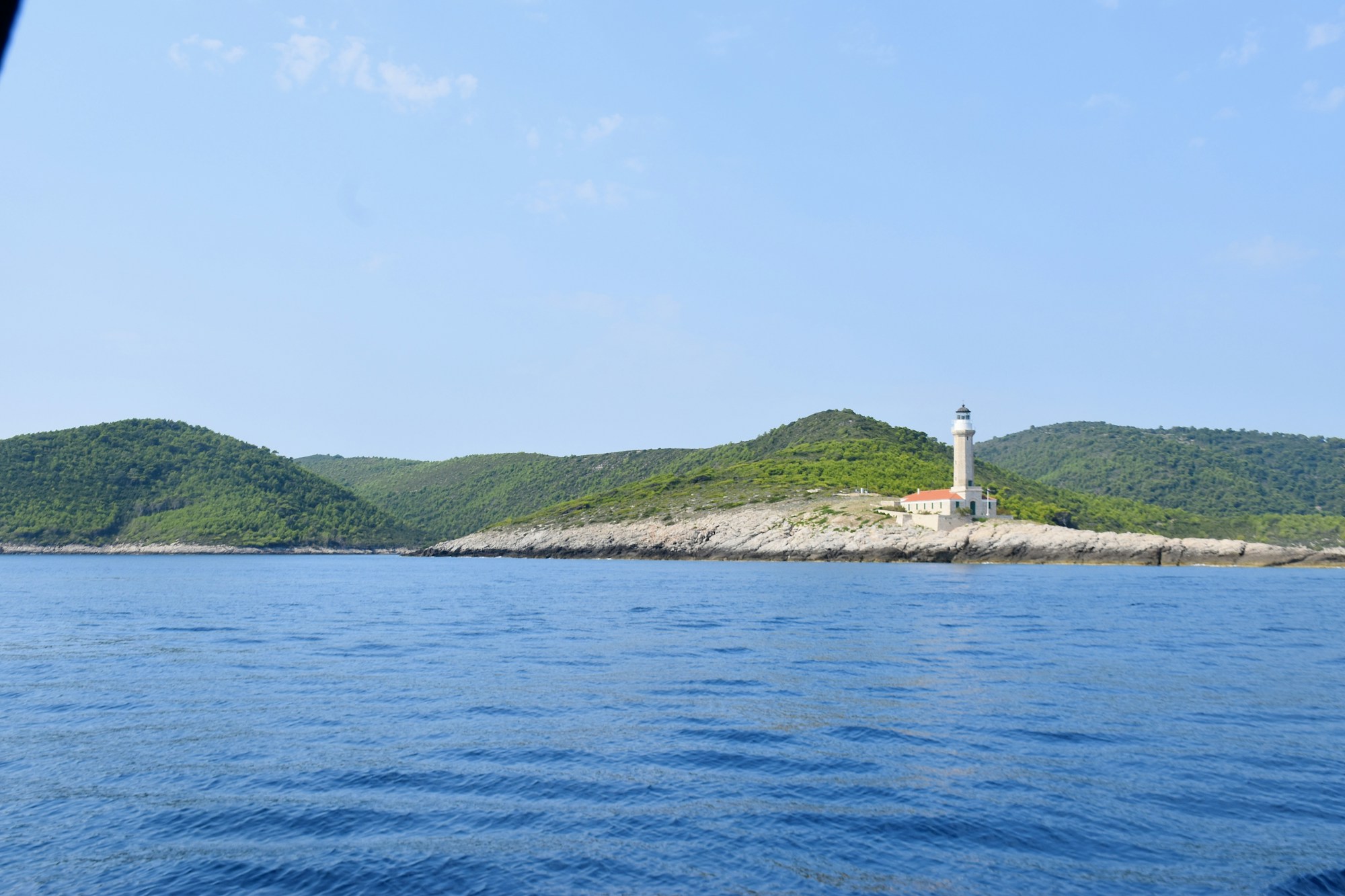
Vis Island, Croatia
A former Yugoslav military base closed to visitors until 1989, Vis Island is the quintessential slow-travel alternative in the Adriatic Sea. No cruise ship port, no airport: that is precisely what makes it so appealing. In 2026, new cycling and hiking trails complement the outdoor activities on offer.
As Duje Dropuljic from Intrepid Travel puts it: « While some see the remoteness of Vis as a disadvantage, it is exactly what makes Vis so special. » Stiniva Cove, voted Europe’s most beautiful beach, is earned via a steep descent. The Blue Cave and wreck snorkelling complete the picture of a pristinely preserved island.
Highlights
- No cruise ship port — a natural barrier against mass tourism
- Stiniva Cove, voted Europe’s most beautiful beach
- Wreck diving and Blue Cave exploration
- Konobas (traditional taverns) with fresh fish for 15–25 EUR
5. Jerez de la Frontera, Spain — Gastronomy Capital 2026
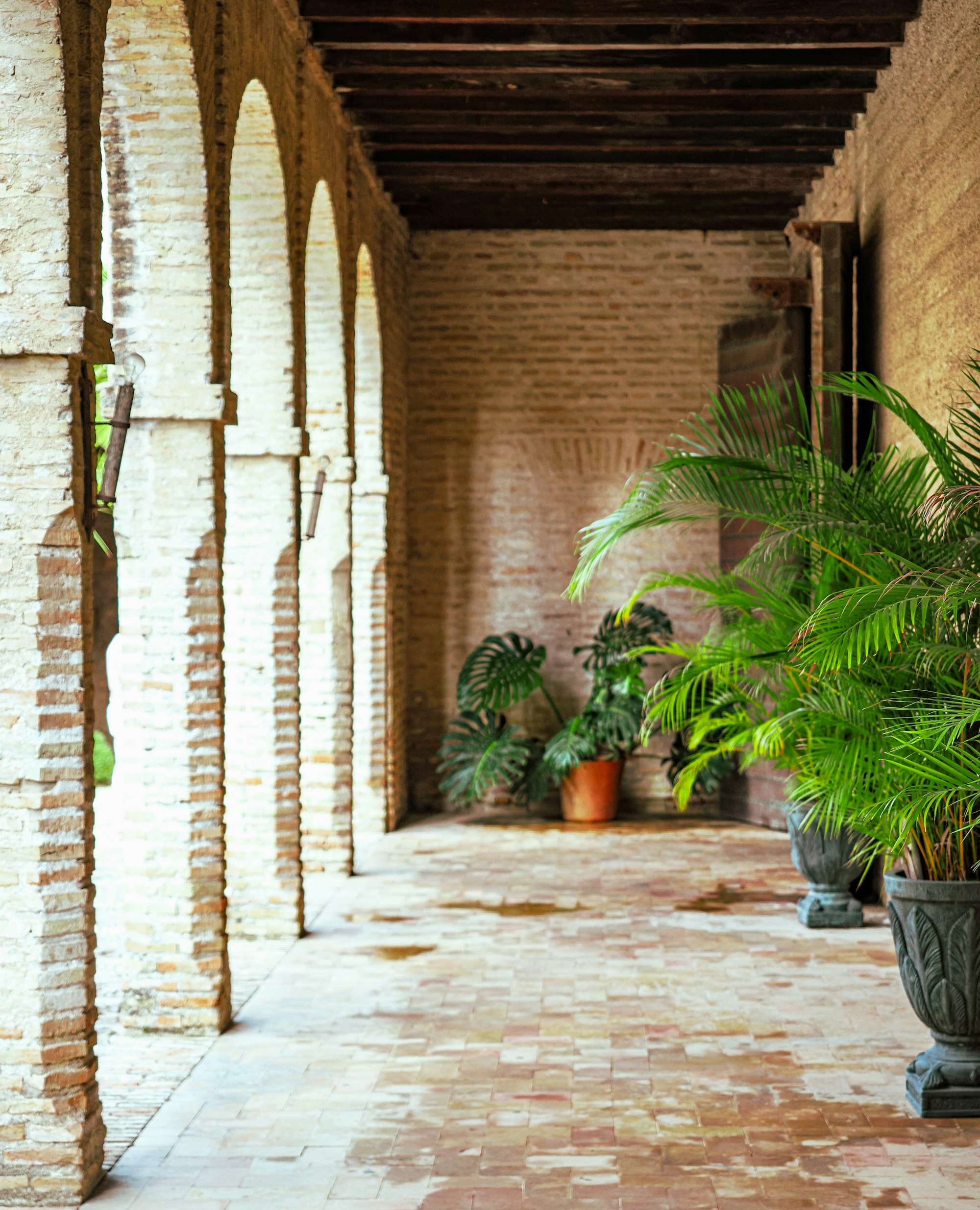
Jerez de la Frontera, Spain
Under the slogan « Eat, Drink, Love Jerez, » the city has been awarded the title of Spain’s Gastronomy Capital for 2026. On the programme: 54 activities throughout the year, from tapas tours to food festivals and tastings in centuries-old sherry bodegas.
It is the only place in the world where you can watch a flamenco show inside a sherry bodega. Jerez’s candidacy highlighted its local produce, traditional cuisine, avant-garde haute cuisine, its Gypsy cuisine, and the pairing of flamenco with gastronomy. The city boasts two Michelin-starred restaurants.
Highlights
- 54 gastronomic events scheduled for 2026
- Live flamenco in centuries-old sherry bodegas
- Historic tabancos with tapas and wines at low prices
- Feria del Caballo in spring — a uniquely Andalusian spectacle
6. Trencin, Slovakia — The Other Capital of Culture 2026
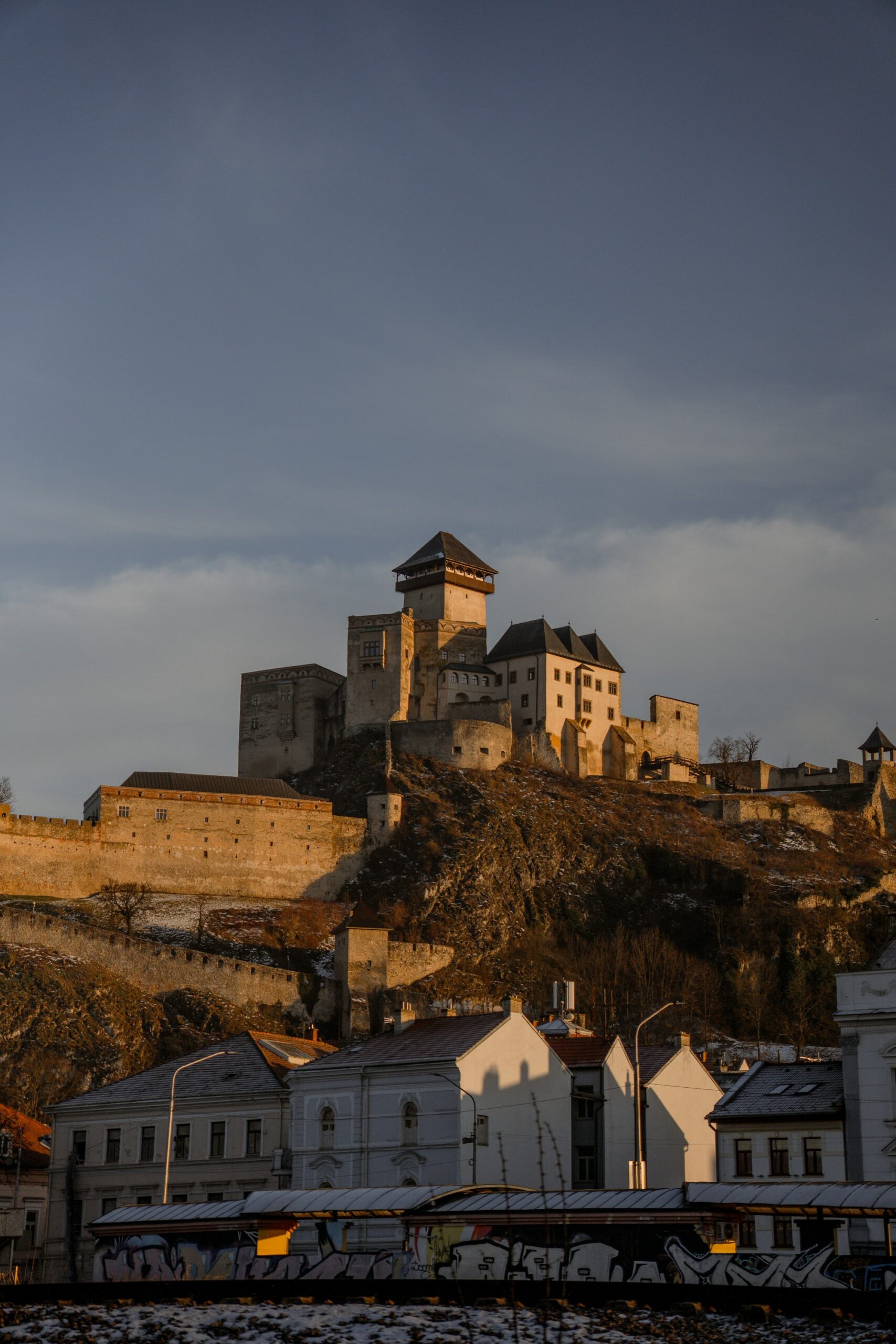
Trencin, Slovakia
With its 55,000 inhabitants, Trencin is the kind of unspoilt small European town that seems frozen in a romantic era. Its old town, a labyrinth of cobblestone alleys lined with colourful houses, is dominated by an imposing medieval castle with sturdy towers, courtyards, and secret passages.
In 2026, Trencin becomes a European Capital of Culture, with festivals, exhibitions, concerts, and street performances throughout the year. Unlike Oulu, which draws international attention, Trencin remains in the shadows — a considerable advantage for travellers seeking authenticity. The city features a 2nd-century Roman inscription, the northernmost trace of the Roman Legion in Central Europe.
Highlights
- Spectacular medieval castle with secret passages
- One of the lowest budgets in the eurozone
- Unique 2nd-century Roman inscription in Central Europe
- Rich and varied 2026 cultural programme
7. Padua, Italy — Venice’s Dazzling Neighbour

Padua (Padova), Italy
As Cameron Hewitt from Rick Steves notes, Italy has a « remarkably deep bench. » Padua is the perfect example: just 15 minutes by express train from Venice, this university city founded in 1222 is home to Giotto’s Scrovegni Chapel — which rivals the Sistine Chapel in artistic significance, without the interminable queues.
Famous for its rebellious spirit (birthplace of the Risorgimento), Padua also charms with its thriving food scene and what is perhaps Italy’s largest covered market hall. Accommodation costs 40 to 60% less than in neighbouring La Serenissima, and a coffee does not cost twice as much.
Highlights
- Giotto’s Scrovegni Chapel — a masterpiece of world art
- 40 to 60% cheaper than Venice
- Historic university (1222) where Galileo taught
- Market hall among the largest in Italy
8. Plovdiv, Bulgaria — The Balkans’ Best-Kept Secret
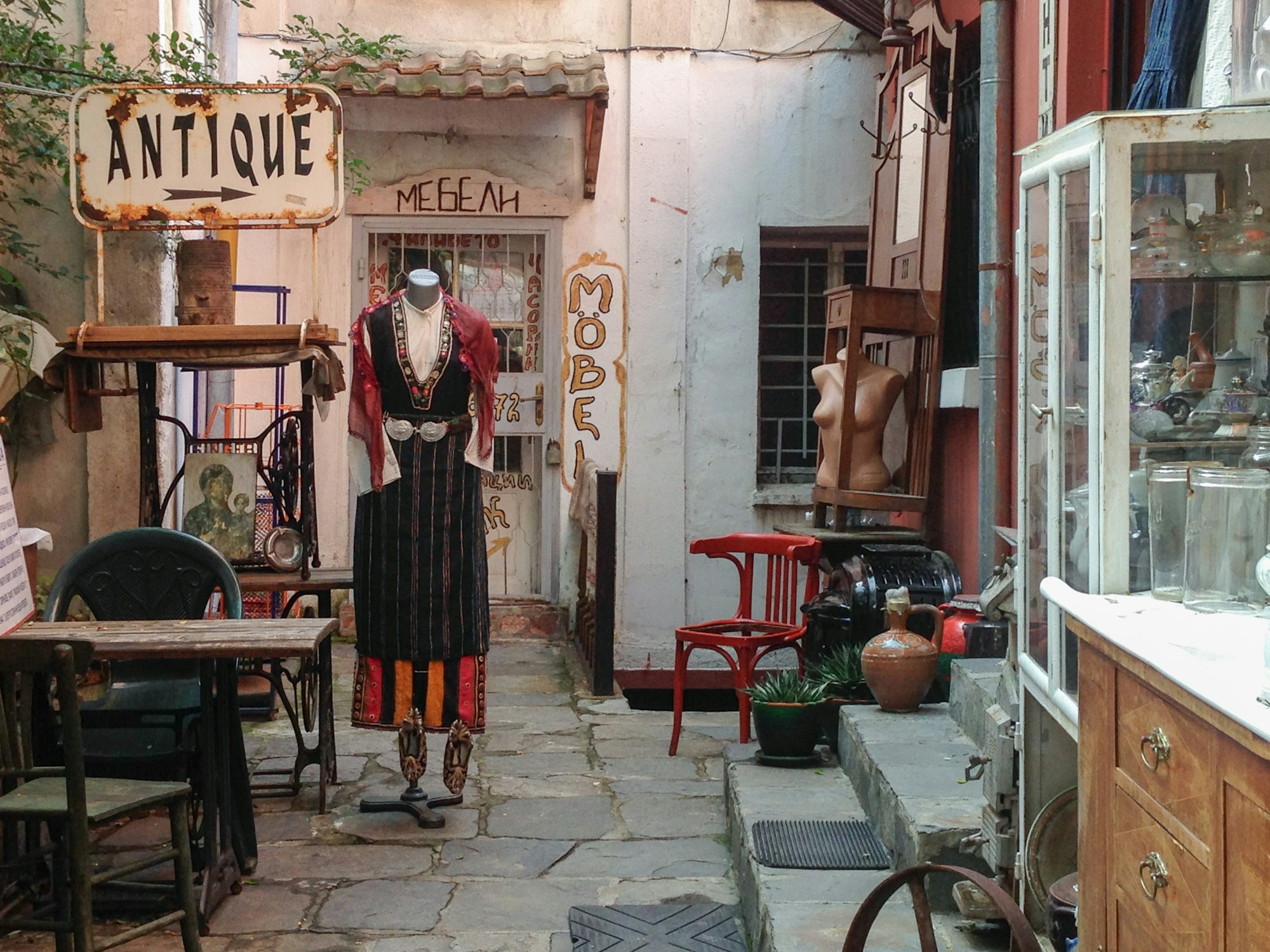
Plovdiv, Bulgaria
According to Time Out, Plovdiv is « undeniably charming » but « still doesn’t seem to get the recognition it deserves. » With 7,000 years of history, it is one of Europe’s oldest continuously inhabited cities, featuring a 2,000-year-old Roman theatre still used for live concerts in summer.
The old town, perched on three of the city’s seven hills, is an open-air museum of Bulgarian National Revival architecture. The Kapana quarter (« The Trap ») has transformed into a labyrinth of art galleries, craft bars, and creative restaurants — the Brooklyn of the Balkans. A glass of Bulgarian wine at sunset costs barely 2 EUR.
Highlights
- Ancient Roman theatre still active for concerts
- One of the best value-for-money destinations in Europe
- Kapana quarter — galleries, bars, and creative restaurants
- 7,000 years of history across seven hills
9. Evora, Portugal — The Treasure of the Alentejo
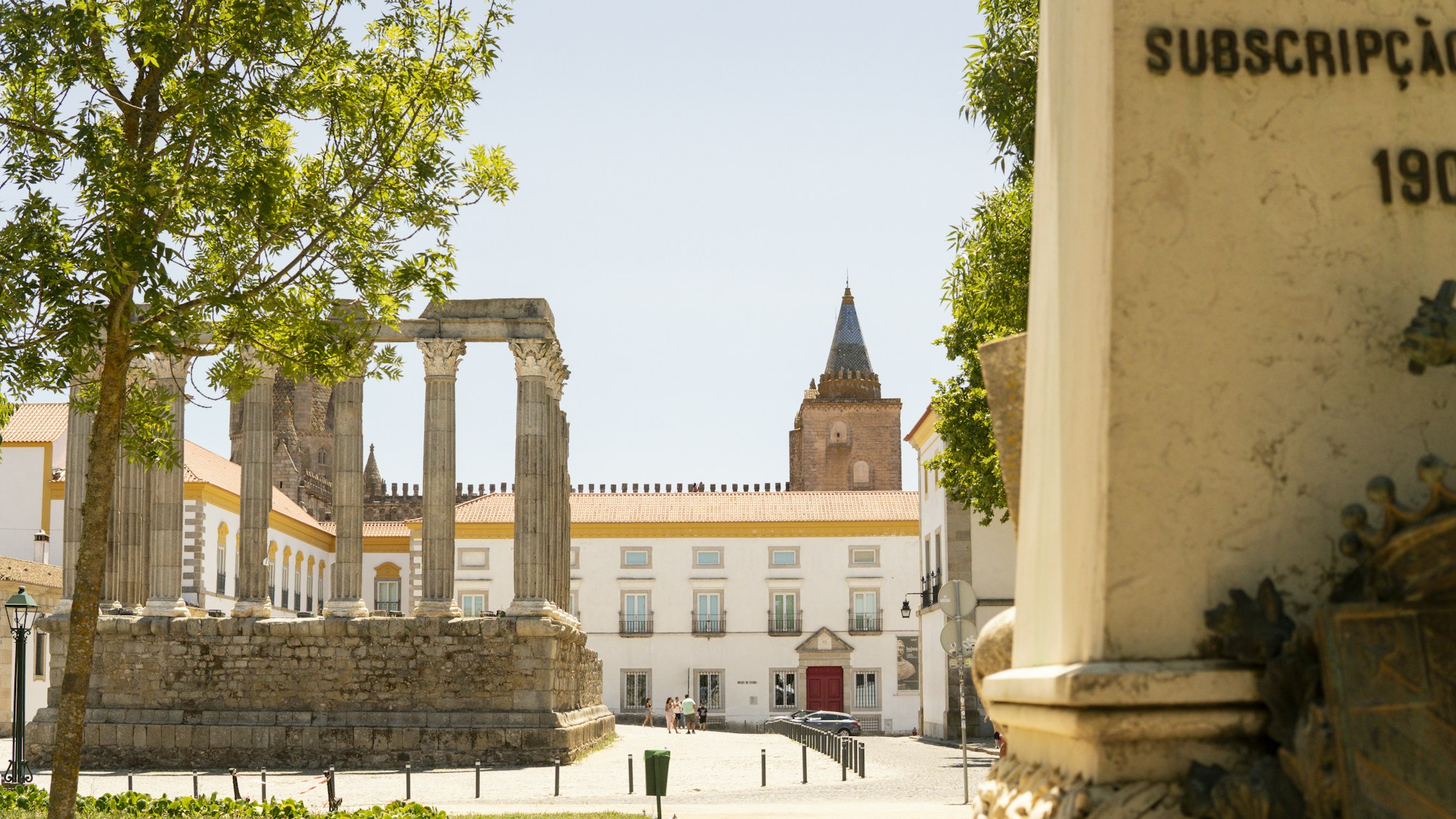
Evora, Portugal
Beloved by the Portuguese but often overlooked in favour of Lisbon or Porto, Evora is, according to Which? Travel, a city that « will charm you from day one. » With its olive groves, sun-drenched vineyards, and UNESCO-listed medieval architecture, it offers a glimpse of Portugal beyond the cliches.
The Alentejo is often described as « Portugal from 30 years ago »: golden plains dotted with cork oaks, sleepy whitewashed villages, and earthy gastronomy (migas, acordas, porco preto). Evora is its beating heart, with its Roman temple, Gothic cathedral, and famous Chapel of Bones. The region’s winemaking tradition now rivals the Douro.
Highlights
- Entire city listed as a UNESCO World Heritage Site
- Authentic Alentejo gastronomy at affordable prices
- Roman temple, Gothic cathedral, and Chapel of Bones
- Alentejo wine route with warm hospitality
10. South Styria, Austria — Tuscany Without the Crowds
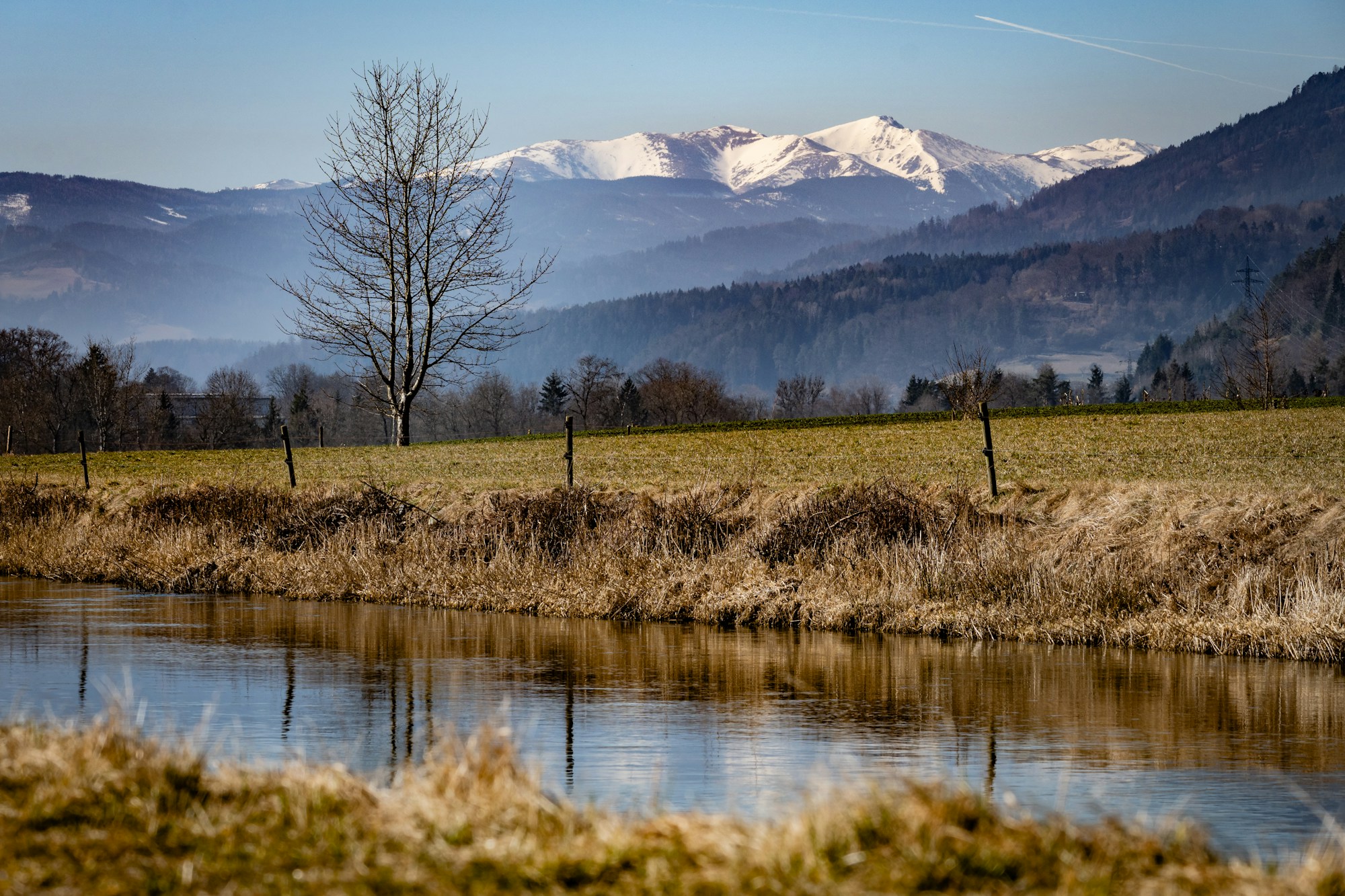
South Styria, Austria
As Janna Graber from Go World Travel Magazine notes: « There is something magical about destinations where the locals outnumber the tourists and the culture feels authentic and intact. » South Styria perfectly embodies this philosophy.
The Sudsteirische Weinstrasse (South Styrian Wine Road) is one of the most beautiful wine routes in the world, yet it remains virtually unknown outside Austria. The winemakers here produce extraordinary Sauvignon Blanc and Gelber Muskateller, tasted directly at the estate with local cured meats and cheeses. The Buschenschanken (wine taverns) serve platters of farm produce and wine for 15–25 EUR.
Highlights
- Spectacular wine road — among the most beautiful in the world
- Family-run wineries with on-site tastings
- Buschenschanken — quintessentially Austrian wine taverns
- Can be combined with Maribor in Slovenia (30 min)
Comparison Table of the 10 Destinations
| Destination | Country | Budget per day | Best time | Crowd level |
|---|---|---|---|---|
| Oulu | Finland | 80–130 EUR | Year-round | Low |
| Via Transilvanica | Romania | 30–50 EUR | May–October | Very low |
| Mikulov | Czech Republic | 40–70 EUR | May–October | Very low |
| Vis Island | Croatia | 70–110 EUR | June / September | Low |
| Jerez de la Frontera | Spain | 50–80 EUR | Mar–Jun / Sep–Nov | Low |
| Trencin | Slovakia | 35–60 EUR | May–September | Very low |
| Padua | Italy | 60–100 EUR | Mar–Jun / Sep–Nov | Low |
| Plovdiv | Bulgaria | 30–50 EUR | May–October | Very low |
| Evora | Portugal | 50–75 EUR | Apr–Jun / Sep–Nov | Very low |
| South Styria | Austria | 70–110 EUR | May–October | Very low |
Frequently Asked Questions
Are these destinations easy to reach from Western Europe?
Yes, all of these destinations are accessible within one or two flights from major European hubs. Oulu is connected via Helsinki (Finnair), Padua via Venice (15-minute train ride), Evora via Lisbon (1h30 drive), and Plovdiv via Sofia (2-hour bus). Low-cost carriers like Ryanair and Wizz Air serve most of these regions, with reasonable accommodation costs and locals genuinely delighted to welcome visitors.
What budget should I plan for a trip to these destinations?
The budget varies considerably depending on the destination. The most affordable options are Romania (Via Transilvanica, 30–50 EUR/day) and Bulgaria (Plovdiv, 30–50 EUR/day). Mid-range destinations like Mikulov, Trencin, and Evora range between 35 and 75 EUR/day. The priciest — Oulu, Vis, and South Styria — remain under 130 EUR/day, which is well below neighbouring tourist capitals.
Do I need a car to explore these destinations?
It depends on the destination. Padua, Plovdiv, Oulu, and Trencin are perfectly explorable by public transport. On the other hand, Via Transilvanica (hiking), Mikulov (vineyards), Evora (Alentejo), and South Styria (wine road) lend themselves ideally to car hire for complete freedom. Vis Island is easily covered by scooter or bicycle.
When is the best time to visit these destinations?
The shoulder seasons (May–June and September–October) are the ideal window for nearly all of these destinations. You will enjoy pleasant weather, fewer crowds, and lower prices. Notable exception: Oulu is also worth visiting in winter for the northern lights, and Jerez should be avoided in July–August due to the intense heat.
Will these destinations remain « hidden gems » for long?
The window is narrow. As Albania demonstrated, with hotel prices rising 14% in a single year following media exposure, a hidden gem can quickly become a hotspot. 2026 offers the ideal opportunity to travel while these destinations are in their « sweet spot » — developed enough to be comfortable, not well-known enough to be crowded.
Is it safe to travel to these lesser-known destinations?
Absolutely. All of these destinations are located in European Union member states (or candidate countries). Romania, Bulgaria, and Slovakia, sometimes wrongly perceived as « risky, » have safety standards comparable to the rest of Europe. Small towns and rural areas are generally very safe — simply use the usual common sense.
How can I contribute positively as a traveller?
Favour family-run accommodation and local restaurants over international chains. Buy directly from producers, travel during the shoulder seasons, and embrace slow travel — fewer destinations, more depth. These practices guarantee a more authentic experience while preserving the cultural and environmental integrity of these places.
What major events are planned for 2026 in these destinations?
Three destinations benefit from official designations in 2026: Oulu and Trencin are European Capitals of Culture (over 1,000 events each), and Jerez de la Frontera is Spain’s Gastronomy Capital (54 scheduled events). These labels ensure infrastructure investment and exceptional cultural programming throughout the year.
Sources
- Euronews Travel — Alternative destinations in Europe for 2026
- Rick Steves Europe — 10 European Discoveries for 2026
- National Geographic — Via Transilvanica, Romania
- Spain.info — Jerez, Gastronomy Capital 2026
- Travel Off Path — Underrated European cities 2026
- Time Out — Underrated European destinations
- Which? Travel — Expert-recommended lesser-known European cities
- Go World Travel Magazine — 10 under-the-radar European destinations for 2026
- Oulu 2026 — Official European Capital of Culture website
- Yle News — CNN ranks Oulu among top destinations for 2026
- Romania Insider — Via Transilvanica in the Sunday Times
- The Olive Press — Jerez, culinary capital 2026
- Wendy Perrin — Secret spots and strategies for Europe in 2026
- Via Transilvanica — Official trail guide
- Travel and Tour World — Sustainable travel in Europe 2026
Research conducted in February 2026 from sources published between September 2024 and February 2026.
Ready to Plan Your Trip?
Discover our complete travel itineraries and plan your next off-the-beaten-path European adventure.
Explore all itineraries