
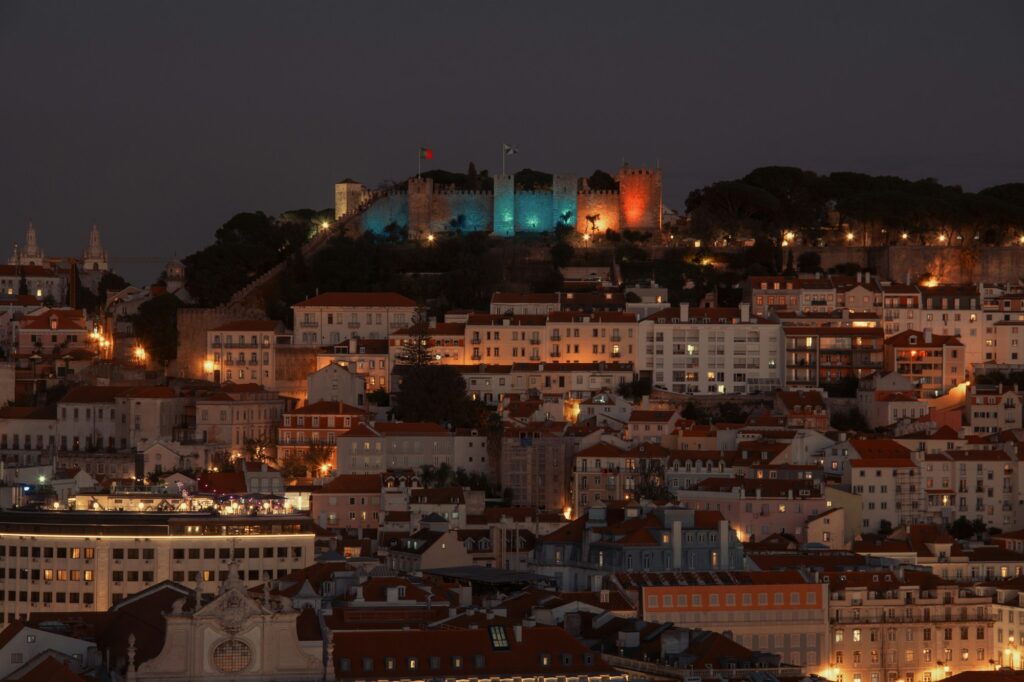
Festa de São Pedro 2026 in Lisbon falls on the night of 28–29 June 2026, closing the Festas de Lisboa season (29 May–28 June). Several arraiais (street party venues) remain open through 28–29 June: Arraial da Misericórdia at Miradouro São Pedro de Alcântara, Arraiais da Bica, and Arraial de São Miguel in Alfama. Entry is free for virtually all events. Sardines are at their flavour peak this time of year. Key neighbourhoods: Alfama, Madragoa, Santos.
In Lisbon, June isn’t simply the start of summer — it’s a month-long popular festival that turns the entire city into one vast open-air party. For thirty days, the cobbled alleys of Alfama are strung with colourful paper garlands, the scent of charcoal-grilled sardines drifts through Bairro Alto, and residents of Madragoa drag their chairs out onto the pavement to dance together, just as their grandparents did before them.
The Festas dos Santos Populares honours three Catholic saints across June: Santo António (12–13 June), Lisbon’s patron, who draws the biggest crowds; São João (23–24 June), celebrated most fervently in Porto; and São Pedro (28–29 June), the fisherman apostle who closes out the festive month and carries particular meaning for Lisbon’s maritime neighbourhoods. The 2026 edition runs under the official theme « Somos Lisboa, Somos Europa » — a tribute to 40 years of Portugal’s EU membership.
While the night of 12 June delivers the fireworks and the famous Marchas Populares parade down Avenida da Liberdade, Festa de São Pedro offers something the Santo António crowds simply can’t — a calmer, more neighbourly Lisbon, where the remaining arraiais welcome mostly residents and travellers who’ve chosen to linger a little longer. The sardines are at their very best, fado echoes through the tascas of Alfama, and the June nights stay pleasantly warm.
1. Official Festas de Lisboa 2026 Programme: What’s On for 28–29 June
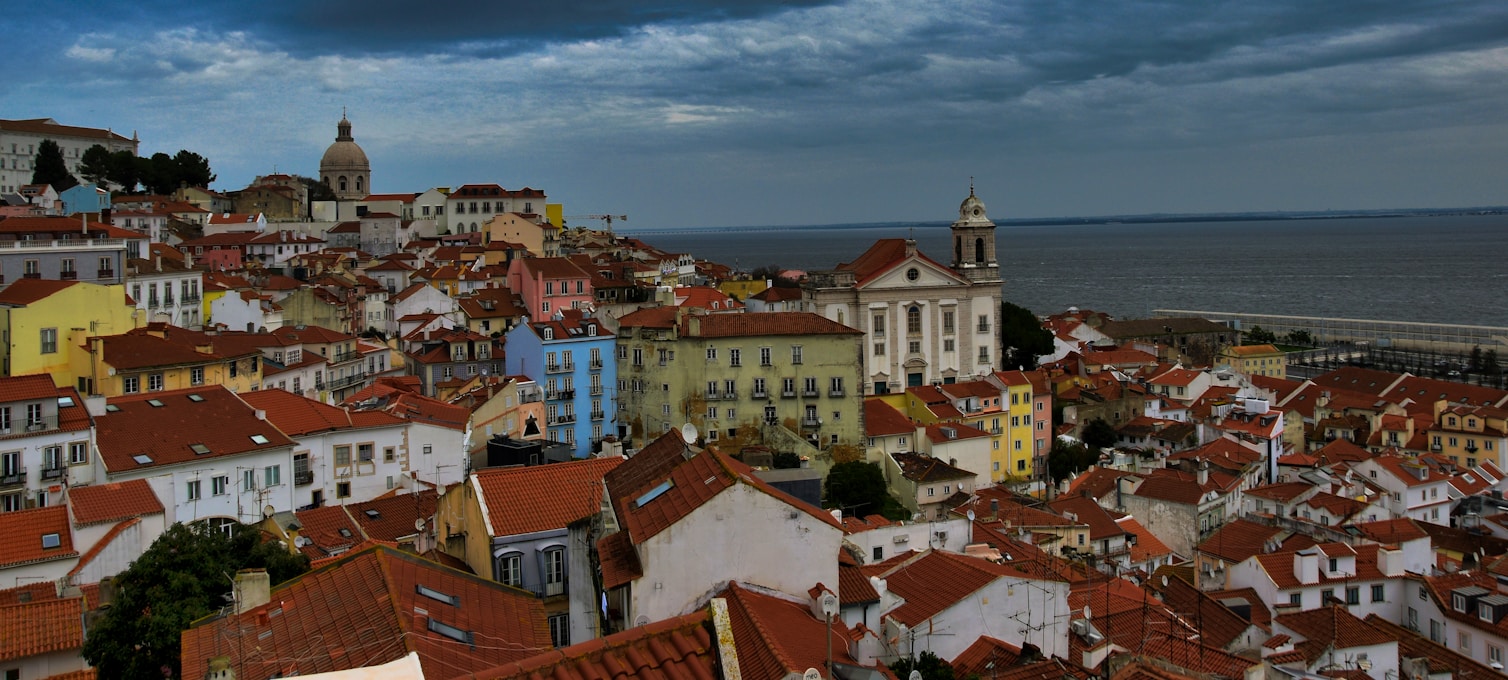
The Santos Populares Season and São Pedro’s Place in It
According to EGEAC — Lisboa Cultura, the official organiser, Festas de Lisboa 2026 features over 40 cultural and popular events, 26 confirmed arraiais (15 official, across 8 parishes), and a programme that is almost entirely free to attend. The official closing concert — Matias Damásio at Torre de Belém gardens on 26 June — has already taken place, but several arraiais stay open through 28–29 June for São Pedro.
Arraiais still running during Festa de São Pedro:
- Arraial da Misericórdia (Miradouro São Pedro de Alcântara, Bairro Alto) — open until 28 June, panoramic city views, concerts, fado, sardines. Note: 28 June also coincides with International Pride.
- Arraiais da Bica (Largo Santo Antoninho / Calçada da Bica) — open until 28 June, authentic historic-alley atmosphere.
- Arraial de São Miguel (Largo da Palmeira, Alfama) — open until 28–29 June, the largest arraial in Alfama according to Timeout Portugal.
- Santos em Santos (Terrapleno de Santos) — a mega-arraial created especially for 2026, running until 19 July and combining Santos Populares with the 2026 FIFA World Cup via giant screens for Portugal matches.
- Arraial Carnide (Rua Neves Costa) — open until 28 June.
2. São Pedro in Lisbon: The Fisherman Apostle and the Maritime Neighbourhoods
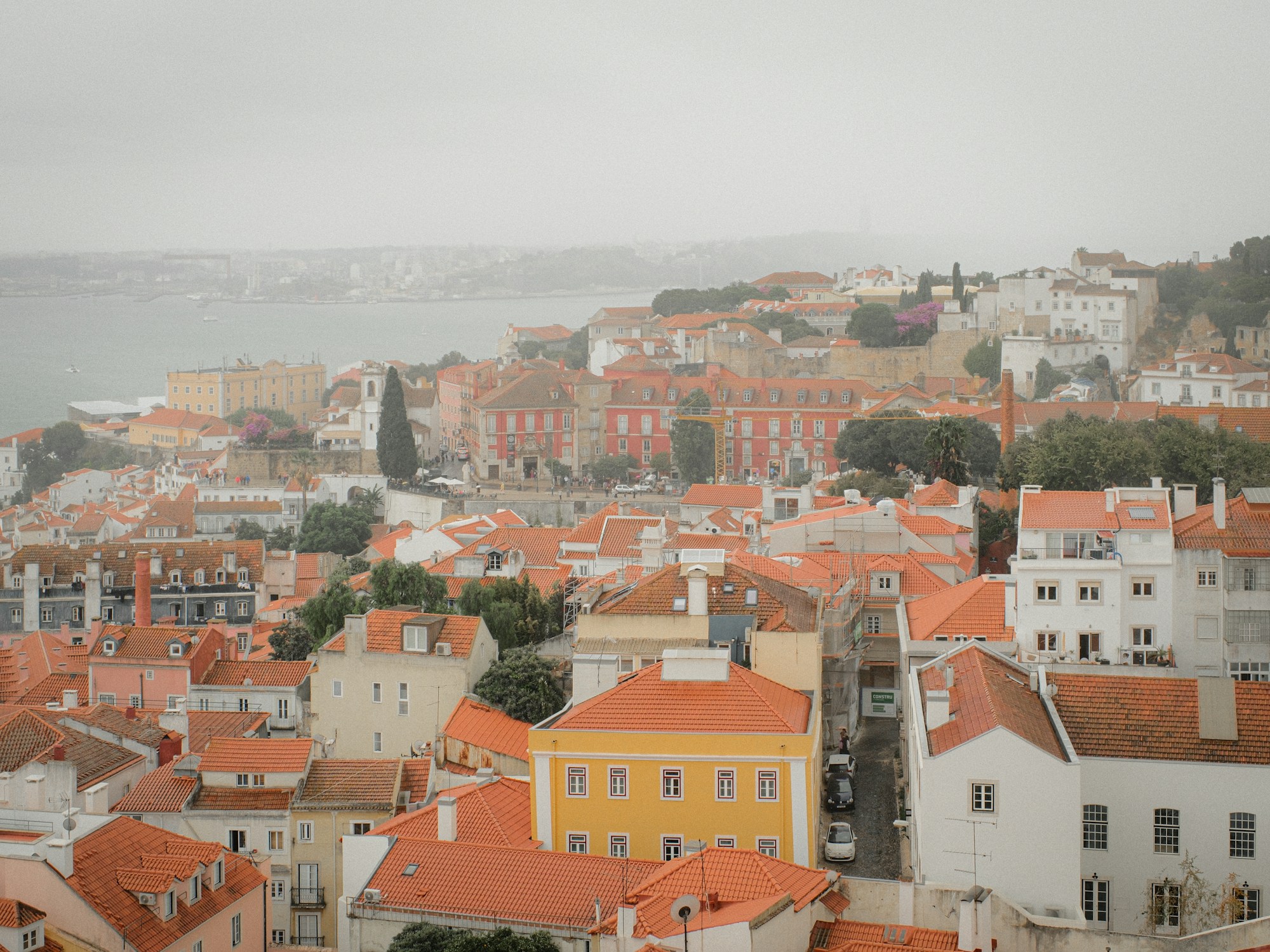
The Maritime Symbolism of São Pedro in Lisbon
São Pedro — one of the twelve apostles and the first Pope — is the patron saint of fishermen throughout the Catholic world. His feast day coincides with the height of the Atlantic sardine fishing season, making it a celebration deeply rooted in Lisbon’s maritime communities. According to Portugal.com, São Pedro carries a distinct identity from the other popular saints: where Santo António is the patron of Lisbon and of marriages, São Pedro honours the sea, fishermen, and working-class neighbourhoods.
The district of Madragoa is the heartland of this maritime memory. According to HistoricQuarters.com, the neighbourhood was home from the 18th century onwards to migrant fishermen from the Aveiro region (Ílhavo, Ovar, Murtosa), who came after the silting of the Ria. Their wives — the varinas — sold fish each morning in the streets with a distinctive sung cry, a tradition that shaped the very sound of working-class Lisbon. Madragoa still keeps its façade azulejos, its tascas on Rua da Esperança, and a village-within-a-city feel that’s especially vivid during Santos Populares.
The Best Neighbourhoods for São Pedro
- Madragoa / Santos: the most local and family-oriented atmosphere. Fewer tourists, home-cooked sardines, and neighbours who’ve been dancing together for decades.
- Alfama: the most iconic neighbourhood — more touristy but essential. Largo de São Miguel and Escadinhas de São Miguel buzz well into the night of 28–29 June.
- Bairro Alto / Misericórdia: Miradouro São Pedro de Alcântara bears the saint’s name and offers the finest views of Lisbon alongside grilled sardines and live concerts.
- Mouraria: an authentic alternative — less touristy than Alfama, with a unique multicultural atmosphere where fado mingles with music from around the world.
3. Grilled Sardines and Arraial Food: The Festival-Goer’s Guide
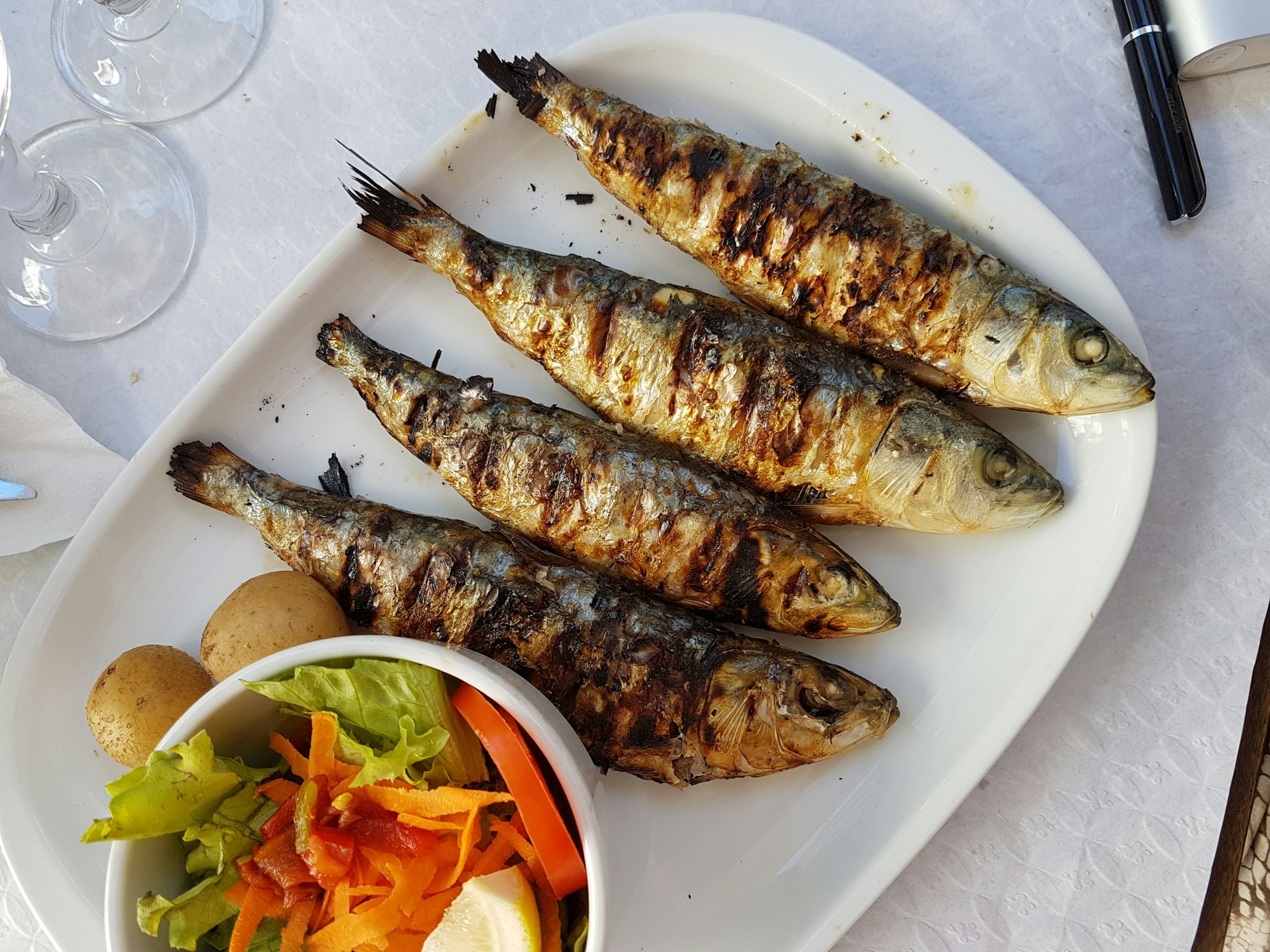
The Sardine — Queen of São Pedro
According to The Portugal Post, the 2026 sardine fishing season opened on 4 May with a quota of 33,446 tonnes — slightly lower than 2025 but more than enough to keep the arraiais supplied all summer. Atlantic sardines reach their peak fat content between late May and early July, making the São Pedro period the prime time to eat them.
Sardinhas assadas (grilled sardines) are prepared with almost religious simplicity: whole, with nothing but fleur de sel, over a charcoal grill. They’re served on a slice of broa (cornbread) that soaks up the cooking juices. Portugal consumes around 13 kg of sardines per person per year — the highest in Europe — and in June alone, Lisbon gets through the equivalent of 13 sardines per second, according to 196 Flavors.
The Rest of the Arraial Menu
- Chouriço assado: smoked chilli sausage, grilled in a clay dish flambéed with port. The perfect sardine companion.
- Bifana: marinated pork sandwich in white wine and garlic, served in a papo-seco roll. €3–5 — essential late-night fuel.
- Ginjinha: sour-cherry liqueur served as a shot or in a chocolate cup. The defining drink of Santos Populares.
- Vinho verde: lightly sparkling white wine, low in alcohol and perfect for warm June evenings.
- Super Bock draught: Portugal’s national beer, €1.50–3, inseparable from the arraial atmosphere.
4. Marchas Populares, Fado and Pimba: The Culture of the Festas
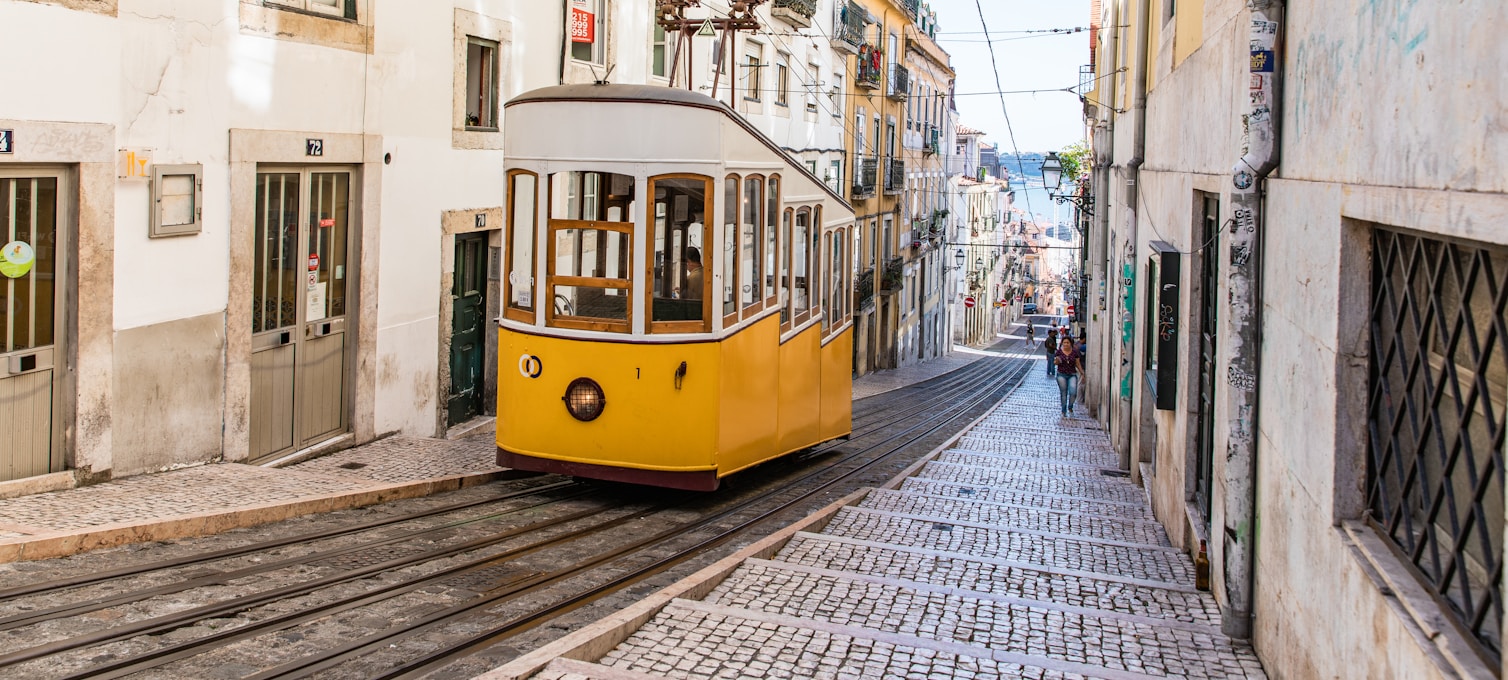
Marchas Populares 2026: « Somos Lisboa, Somos Europa »
The Marchas Populares of Lisbon — whose first official competition dates to 1932 — are the cultural highlight of the Festas. In 2026, according to Olhares de Lisboa, the official theme « Somos Lisboa, Somos Europa » celebrates 40 years of Portugal’s EU membership. The 23 groups (20 competitive, 3 guest) will parade down Avenida da Liberdade from 9 pm on 12 June. The winning marcha will be invited to perform at Rock in Rio Lisboa 2026.
Fado — inscribed on UNESCO’s Intangible Cultural Heritage list since 2011 — weaves through the Festas in two ways. First, free concerts at Castelo de São Jorge (Pedro Moutinho, Gisela João, Sofia Hoffmann on 5–6 June). Then, the intimate tascas of Alfama — A Baiuca, Mesa de Frades, Parreirinha de Alfama — offer close-up performances that must be booked well in advance during Santos Populares. According to UNESCO, fado was born in the smoky tascas of Alfama and Mouraria sailors and dockers in the 19th century.
But the real soundtrack of the street arraiais is pimba: this popular genre born in the 1990s (Quim Barreiros, Toy, Rosinha) is often mocked by urban elites but forms the authentic sonic heart of the festivals. Once the night wears on and the sardines are gone from the grills, pimba is what gets Alfama dancing.
5. Budget, Flights and Logistics for Lisbon in June 2026
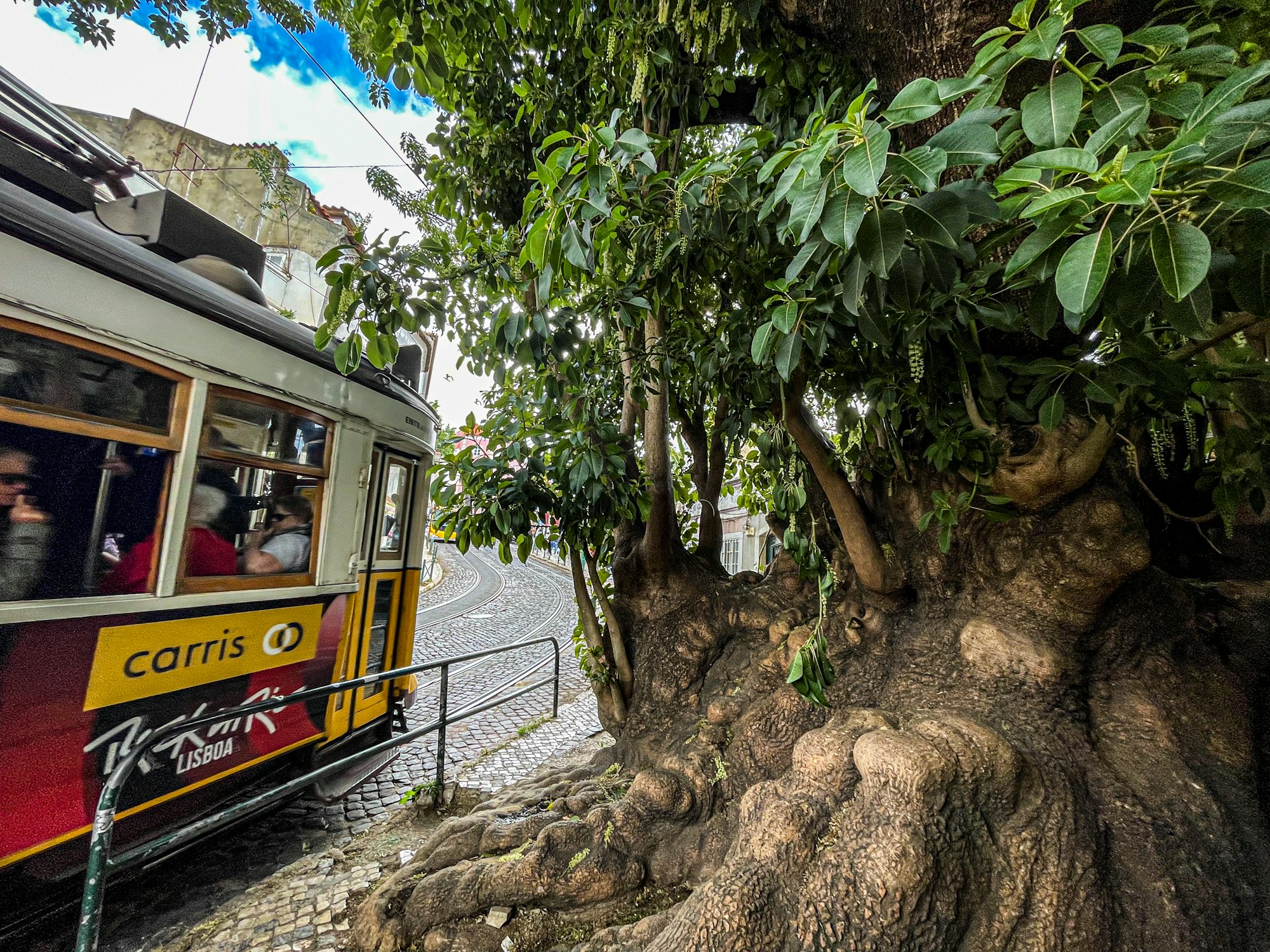
What Lisbon Costs in June
Lisbon remains accessible despite its tourism boom (8.52 million visitors in 2024, up 5.1% according to RoadGenius / INE). From the UK, Ryanair offers flights from around £28 one-way (from Stansted, Bristol or Edinburgh), easyJet from London Gatwick and Luton, and TAP Air Portugal with more connections. Budget 2–3 months ahead for the week of 12 June (peak demand) and 6–8 weeks for late June (more availability).
On the ground, Lisbon’s transport network is remarkably good value: a single metro/bus/tram ticket costs €1.90, a 24-hour pass €7.25. The Lisboa Card (€31 / 24h adult, €21 child) includes unlimited metro and tram travel plus free or discounted access to over 50 museums and attractions — including Torre de Belém (€15), Mosteiro dos Jerónimos (€18), Castelo de São Jorge (€15) and the Fado Museum (€10).
| Expense | Approximate cost |
|---|---|
| Arraial sardines (2 sardines + bread) | €2–5 |
| Super Bock draught beer | €1.50–3 |
| Bifana (pork sandwich) | €3–5 |
| Meal at a local restaurant | €12–15 |
| Fado dinner-show | €40–80 |
| Guided food tour (Viator) | €60–90 |
| Lisboa Card 24h (adult) | €31 |
| Average daily spend (excl. accommodation) | €80–120 |
Weather and What to Pack
- Daytime temperatures: 20–27°C (June average 22°C). Cooler evenings: 15–18°C.
- Around 3 rainy days on average in June — brief showers, rarely prolonged.
- Comfortable walking shoes are essential: Alfama’s cobbled, steep alleys are unforgiving even in dry weather.
- Light jacket for evenings + sunscreen for daytime sightseeing.
Practical Info for Lisbon in June 2026
Stay connected from the moment you land in Lisbon — no SIM swap needed. Networks: NOS, Vodafone, MEO — full national coverage. Activate before you travel.
From $4 USDNomad Insurance: global medical and travel coverage from $56 / 4 weeks. 10% off via our link. No long-term commitment required.
From $56 / 4 weeksFrequently Asked Questions about Festa de São Pedro 2026 in Lisbon
When is Festa de São Pedro 2026 in Lisbon?
Festa de São Pedro 2026 in Lisbon falls on the night of 28–29 June 2026, the religious feast day of the apostle. Festivities begin on the evening of 28 June across the historic neighbourhoods. Arraial da Misericórdia (Miradouro São Pedro de Alcântara) and the Arraiais da Bica are open until 28 June; Arraial de São Miguel (Alfama) and Santos em Santos continue beyond that. According to EGEAC, São Pedro closes the official Festas de Lisboa 2026 cycle (29 May–28 June).
Is it better to visit Lisbon for 12–13 June (Santo António) or 28–29 June (São Pedro)?
Both periods are complementary. 12–13 June delivers peak intensity: the Marchas Populares on Avenida da Liberdade, mass weddings at the Sé Patriarcal, and all 26 arraiais in full swing. The trade-off is shoulder-to-shoulder crowds in Alfama by 10 pm and the Metro closing at 8 pm. 28–29 June (São Pedro) offers a more local, intimate atmosphere: the remaining arraiais are mostly attended by residents, transport runs normally, and the sardines are at their best. Perfect for anyone who wants the festival experience without the Santo António tourist surge.
Are the São Pedro festivities in Lisbon free?
Yes — virtually all street events at the Festas de Lisboa are free to attend, including for São Pedro. You only pay for food and drinks: sardines €1.50–5 depending on the neighbourhood, beers €1.50–3, bifana €3–5. Some concerts in hotels or enclosed venues charge admission, but these are the exception. According to Público, the vast majority of the 40 events in the official EGEAC 2026 programme are free. Budget €20–30 in cash for a full evening of sardines and drinks.
Can you eat grilled sardines during Festa de São Pedro 2026?
Yes — and it’s the unmissable experience. Late June is the peak season for Atlantic sardines, which reach their highest fat content between May and July. The arraiais still open at this date (Arraiais da Bica, Santos em Santos at Terrapleno de Santos, Arraial de São Miguel in Alfama) all serve fresh sardinhas assadas on charcoal. According to The Portugal Post, the 2026 season opened on 4 May with a quota of 33,446 tonnes. Expect to pay €2–5 for 2 sardines with a slice of broa (cornbread).
Is 29 June a public holiday in Lisbon?
No — 29 June is not a municipal holiday in Lisbon. The city’s public holiday is 13 June (Santo António, Lisbon’s patron saint). São Pedro (29 June) is a public holiday in other Portuguese cities such as Sintra, Póvoa de Varzim, Évora and Montijo, but not in the capital. This doesn’t prevent the night-time festivities in Alfama, Madragoa and Bairro Alto from going ahead.
What are manjericos and what role do they play during Santos Populares?
Manjericos are small pots of aromatic basil sold in terracotta pots decorated with a paper flag bearing a short romantic or humorous poem (quadra). Symbols of luck and love, they’re especially associated with Santo António and found on every market and arraial in June. There’s an unusual tradition attached: you shouldn’t sniff the basil directly — instead, rub a leaf with your finger and smell your finger. Basil as a midsummer plant has roots going back to the Greeks and Romans, a pre-Christian tradition that the Santos Populares absorbed and Christianised over time.
Sources
- EGEAC — Lisboa Cultura — Official Festas de Lisboa 2026 programme
- Público — 40 events, arraiais and 2026 programme
- Olhares de Lisboa — Marchas Populares 2026, theme and participants
- Timeout Portugal — Full guide to arraiais 2026
- Sapo — Santos em Santos 2026 (52 days)
- The Portugal Post — 2026 sardine season, quota 33,446 tonnes
- HistoricQuarters.com — History of Madragoa and the varinas
- Portugal.com — History and symbolism of the Santos Populares
- UNESCO — Fado, intangible cultural heritage of humanity
- RoadGenius / INE — Lisbon tourism statistics 2024
- InsideLisbon — Transport and fares 2026
- LisboaCard.com — Lisboa Card 2026 prices and benefits
- Observador — Arraial da Misericórdia programme and artists 2026
- 196 Flavors — The sardinhas assadas tradition in Portugal
Research conducted in June 2026. Verify times and prices directly with organisers before you travel.
Ready to experience the Festas de Lisboa?
Lisbon in June is one of Europe’s most authentic popular celebrations. Plan your trip around São Pedro for an intimate, local version of the festivities — grilled sardines, fado in Alfama’s tascas, and the maritime soul of Madragoa.
Explore Portugal on Pixidia