

Over 500 million passengers, 8,000 destinations across 40 countries, and tickets starting at €2.99: FlixBus has established itself in just a decade as the green giant of long-distance transport in Europe. But in 2026, the Munich-based company is no longer content with simply being cheap. Between rapeseed biofuel on the Brest–Grenoble route, scientific validation of its climate targets by the SBTi, and a rail offensive with 65 high-speed trains ordered from Talgo and Siemens, FlixBus is reinventing its model. Night buses that save you a hotel night, little-known Balkan destinations reachable without changing buses, fares that neither trains nor planes can match: here is the complete, fully sourced guide to smart coach travel in 2026.
1. The green giant in numbers
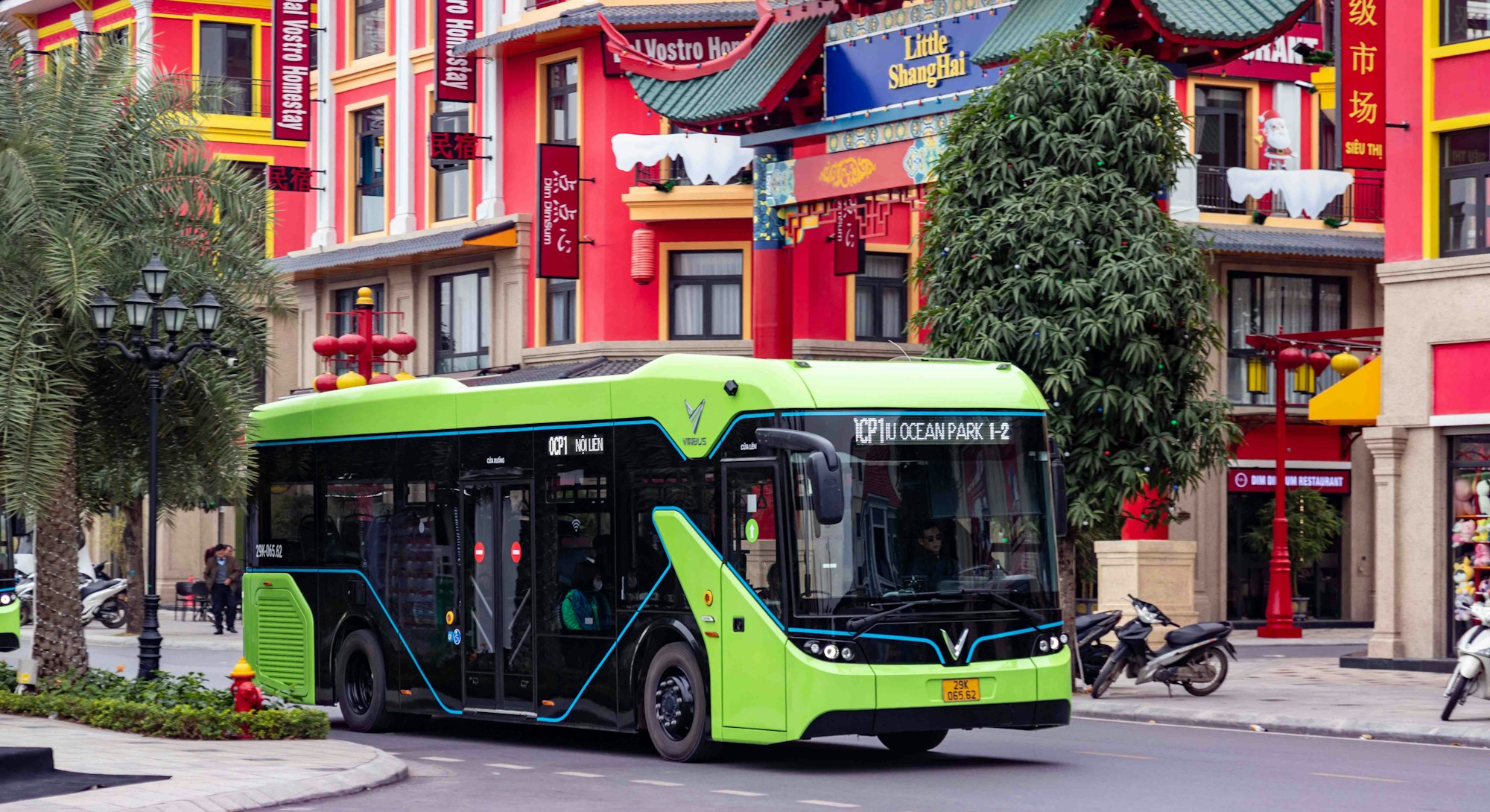
A decade of disruption, from Munich to the rest of the world
The story began in 2013 in Munich, when three German entrepreneurs bet on the liberalization of the long-distance coach market. In France, it was the Macron Law of 2015 that opened the floodgates. Ten years later, the results are staggering: FlixBus, now rebranded as Flix, is a leading global travel-tech company that has carried more than 500 million passengers across over 40 countries through its FlixBus, FlixTrain, Greyhound, and Kamil Koç brands, according to official company data.
In France, the company has carried more than 65 million passengers since its arrival and serves over 300 cities, including ski resorts like Chamonix and Val Thorens as well as the major Parisian airports. What sets the FlixBus model apart from the competition? Its technology franchise structure: the platform manages the network, pricing, and marketing, while local SMEs — often family-run businesses built on generations of expertise — operate the iconic green coaches. This model explains the network’s agility and its ability to serve cities that neither trains nor planes reach.
| Indicator | 2025–2026 Data |
|---|---|
| Worldwide destinations | 8,000+ |
| Countries served | 40+ |
| Daily connections | 400,000+ |
| Total passengers carried | 500+ million |
| CO₂ avoided in 2024 | 1.5 million tonnes |
| Average emissions (Europe) | 27.8 g CO₂/passenger/km |
| Tickets starting from | €2.99 |
2. The green strategy: rapeseed, biogas, and electric

A carbon footprint that changes the game — and its limitations
Let’s start with a figure few people know: at 27.8 g of CO₂ per passenger-kilometer, traveling by FlixBus in Europe emits five times less than a private car and ten times less than a plane, with performance close to intercity trains, according to the FlixBus sustainability report. In 2024, Flix passengers collectively avoided the emission of approximately 1.5 million tonnes of CO₂.
Rapeseed biofuel: the quiet revolution
With long-distance electric buses still a major technical challenge — barely 200 long-distance electric buses registered in Europe in 2023 versus over 6,000 urban electric buses — FlixBus has found a concrete, specifically French alternative: Oleo100 biofuel, made entirely from rapeseed grown in France. Launched in 2022, this fuel reduces CO₂ emissions by at least 60% and fine particles by up to 80%, according to FlixBus.
The Brest–Grenoble route has become the symbol of this approach: coach operator Voyages Morio runs this service daily, covering 830,000 km and 200,000 liters of biofuel per year over 1,150 km with two Volvo double-decker buses, guaranteeing 70% fewer greenhouse gas emissions, according to Oleo100.
The 2026–2040 roadmap
- 2032 target: two-thirds of the French fleet no longer running on conventional diesel
- Energy mix: biofuels (HVO, rapeseed), battery electric, hydrogen fuel cell, natural gas
- SBTi validation (April 2024): climate targets recognized as aligned with the Paris Agreement
- Net Zero: 2040 for Europe, 2050 worldwide
- UK electric bus: first 100% electric long-distance service launched in the United Kingdom
Let’s be honest: the road to a fully electric long-distance bus is still long. As TOM Travel points out, technical constraints — limited range, charging times, insufficient infrastructure — have dampened the initial enthusiasm. FlixBus had launched a Paris–Amiens trial as early as 2018, but the vehicle’s too-frequent downtime slowed deployment. The current strategy therefore relies on a pragmatic energy mix rather than full electrification in the short term.
3. The night bus: a hotel on wheels
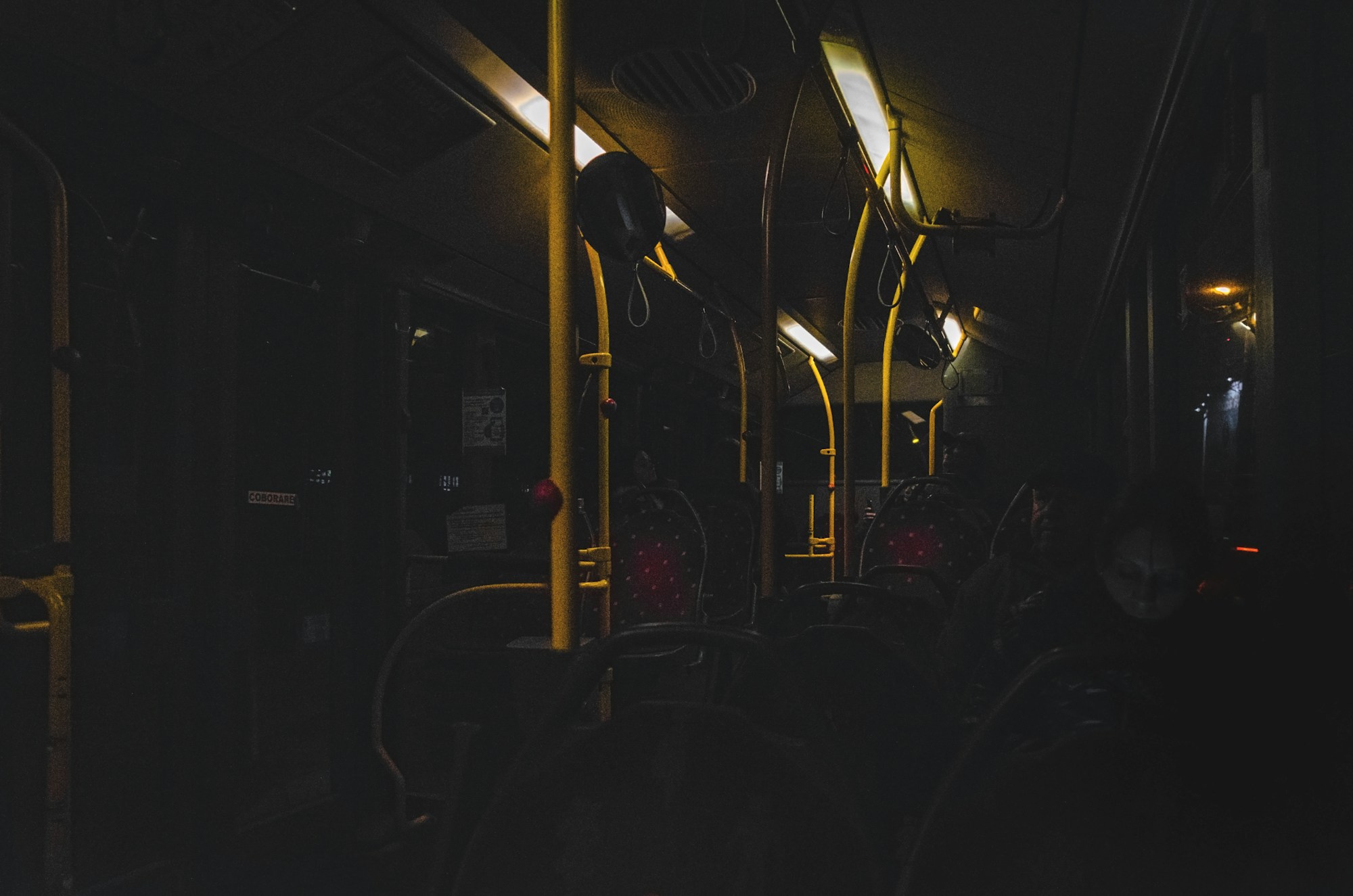
Travel by night, save time, and skip the hotel bill
The night bus is the savvy traveler’s secret weapon. The concept is bulletproof: you board in the evening, sleep during the journey, and wake up in a new city — without paying for a hotel night. As confirmed by Tictactrip, night journeys are generally cheaper, and you effectively save the cost of accommodation.
Iconic overnight routes departing from Paris
| Route | Duration | Price from | Hotel savings |
|---|---|---|---|
| Paris – Amsterdam | ~7h20 | €19 | €60–120 |
| Paris – Berlin | ~13h | €29 | €50–100 |
| Paris – Barcelona | ~14h | €29.99 | €40–90 |
| Brest – Grenoble | ~15h | €35 | €50–80 |
On the safety front, FlixBus requires a minimum of two drivers on every overnight journey, who take turns throughout the trip. While one drives, the other rests. The risk of driver fatigue is therefore greatly reduced.
In terms of comfort, let’s be realistic: the seats recline at a good angle for dozing, with a footrest and headrest. But it’s still a bus — no flat seats or blackout curtains. As noted by Une Case en Plus in their hands-on review, legroom is reasonable and WiFi works well on most routes.
Night bus highlights
- Real savings: €9–49 fare = €40–120 less on accommodation
- Time optimized: you travel while you sleep
- Safety: two drivers, systematic relay
- Amenities: WiFi, power outlets, air conditioning
4. Why the coach is once again the smartest choice
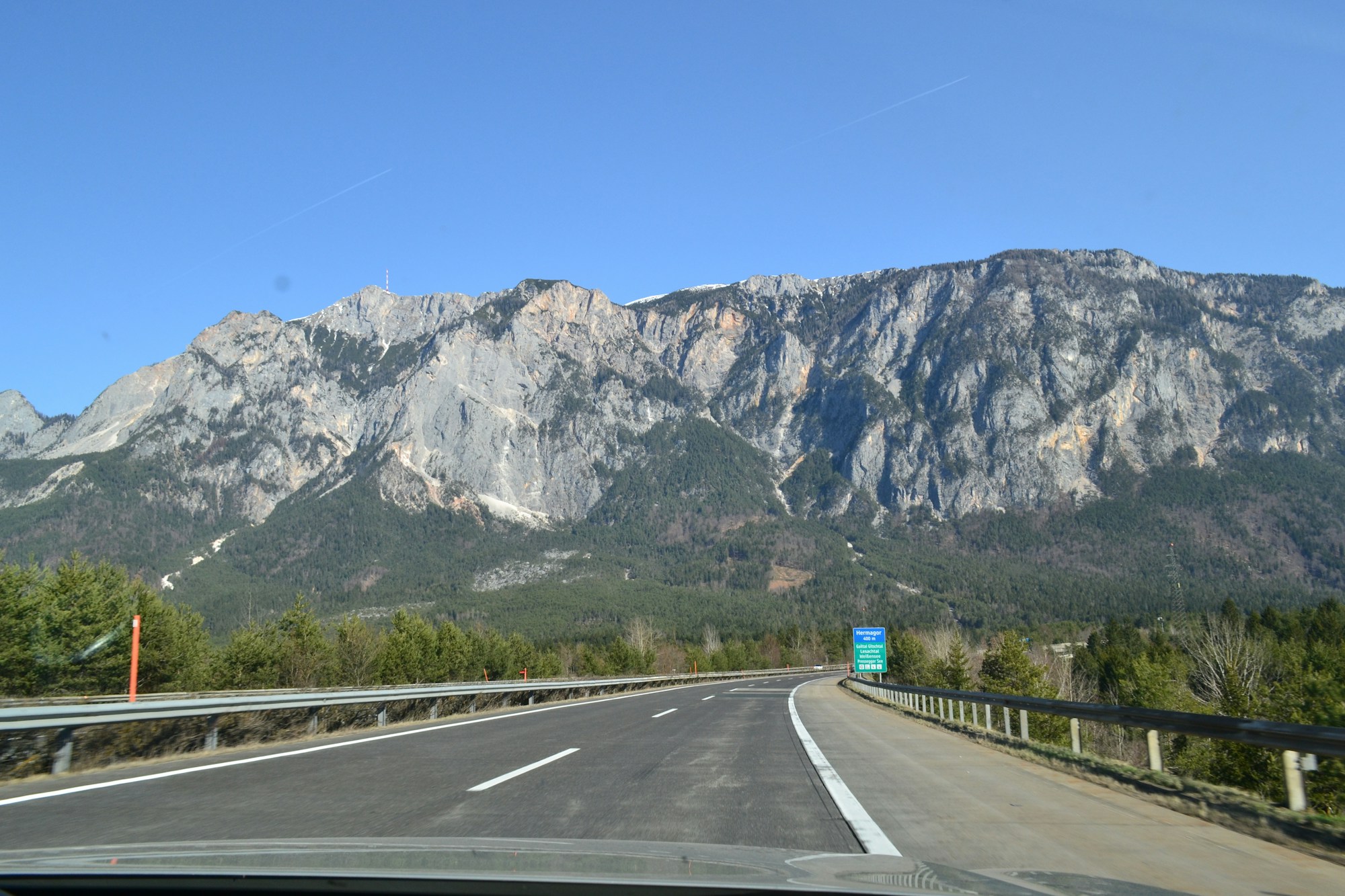
The unbeatable trifecta: price, carbon footprint, flexibility
By choosing FlixBus, it is possible to save 60 to 80% compared to other modes of transport, as documented by Octopus Diver. For example: a Paris–Marseille bus journey costs around €35 for 10 hours of travel, compared to a minimum of €50 for 3h30 by TGV — and often much more when booking last minute, according to Accio.
Price comparison on major routes
| Route | FlixBus | Train | Savings |
|---|---|---|---|
| Paris – Lyon | €9.99 | €30–80 | 67–87% |
| Paris – Marseille | ~€35 | €50–120 | 30–71% |
| Paris – Barcelona | €29.99 | €69–150 | 57–80% |
| Paris – Amsterdam | ~€19 | €40–100 | 52–81% |
The real advantage that few guides mention: the FlixBus network serves cities that trains don’t reach. Over 8,000 destinations according to FlixBus, including towns without a train station or airport, according to Accio. This is where the coach creates unique value, particularly for Central and Eastern European destinations.
As highlighted by the Une Case en Plus comparison, what people appreciate about FlixBus is the flexibility: departures at all hours, direct routes, unbeatable prices when booked in advance, and the ability to reach cities without changing connections three times.
The ultimate price hack
- Best days: Tuesday, Wednesday, or Thursday — the cheapest according to user data
- Advance booking: reserve 2 weeks ahead for the best fares
- Dynamic pricing: prices rise as the bus fills up, just like airlines
- Off-peak hours: very early morning or late evening departures are often the cheapest
5. Three hidden destinations accessible by FlixBus
FlixBus does more than connect capitals. Its network of over 8,000 destinations opens the doors to cities that mainstream travel guides overlook — European gems accessible without a plane, without a rental car, and often for under €70 in transport from France. Here are three favorites for 2026.
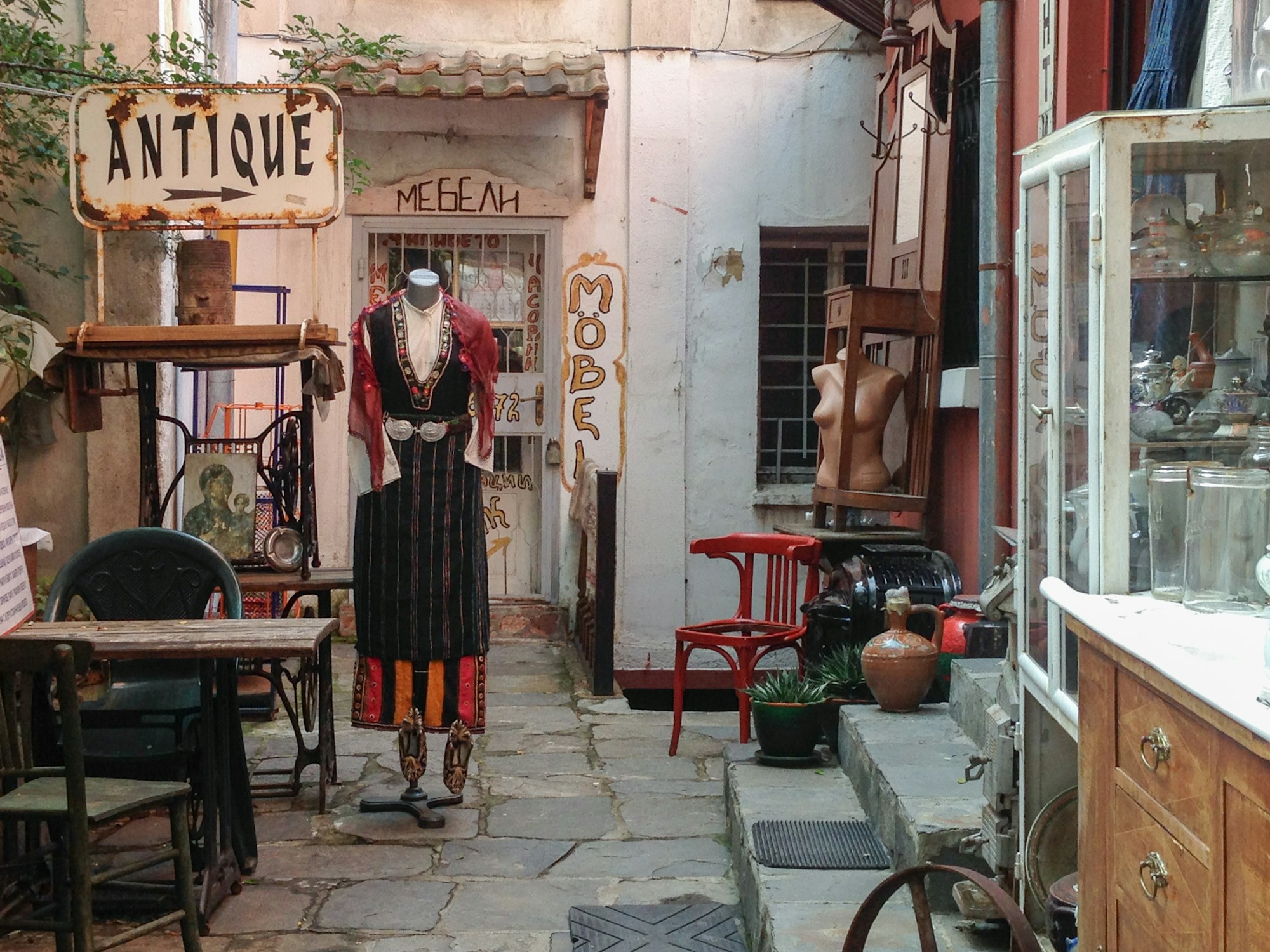
Plovdiv, Bulgaria — 6,000 years of history with no queues
Plovdiv is one of the greatest revelations of 2020s Europe. European Capital of Culture in 2019, it remains surprisingly under the radar among international travelers. Bulgaria’s second city and one of the oldest in Europe, its architectural monuments span the Thracian, Greek, Roman, Byzantine, and Ottoman periods, according to FlixBus.
The old town is a labyrinth of cobblestone streets and Bulgarian Renaissance houses perched on hills. The Kapana district — literally « the trap » — is the city’s contemporary art hub: narrow alleys, hidden passages, restaurants serving traditional Bulgarian cuisine. And as a backdrop, one of the best-preserved Roman theaters in the world, built nearly 2,000 years ago.
Why Plovdiv?
- Unbeatable budget: €25 to €40 per day all-inclusive
- Roman theater, Kapana arts district, Renaissance old town
- 45 FlixBus destinations from Plovdiv, including Istanbul, Sofia, and Munich
- Prague–Plovdiv from €69.98 by bus

Split, Croatia — Europe’s only continuously inhabited ancient palace
Split suffers from a reputation as a crowded summer destination — but the secret few people know is that outside July–August, the city is absolutely magical, accessible, and authentic. The beating heart of Dalmatia, Split is renowned for Diocletian’s Palace, the imposing Roman fortress that now occupies the city center. People have literally been living there since the 5th century: it is the only ancient palace continuously inhabited in Europe, according to FlixBus.
Budget-conscious travelers can enjoy affordable accommodation and savor succulent Dalmatian dishes at traditional tavernas without breaking the bank. It is in May, June, and September that the city is at its finest: the summer tourist hordes are nowhere in sight, and prices drop by half compared to peak season.
Why Split?
- Diocletian’s Palace: 1,700 years of living history
- €40 to €70 per day in June/September, versus €80–120 in peak summer
- FlixBus from Zagreb, Sarajevo, Vienna, and Munich
- Gateway to the islands of Hvar and Brač by ferry
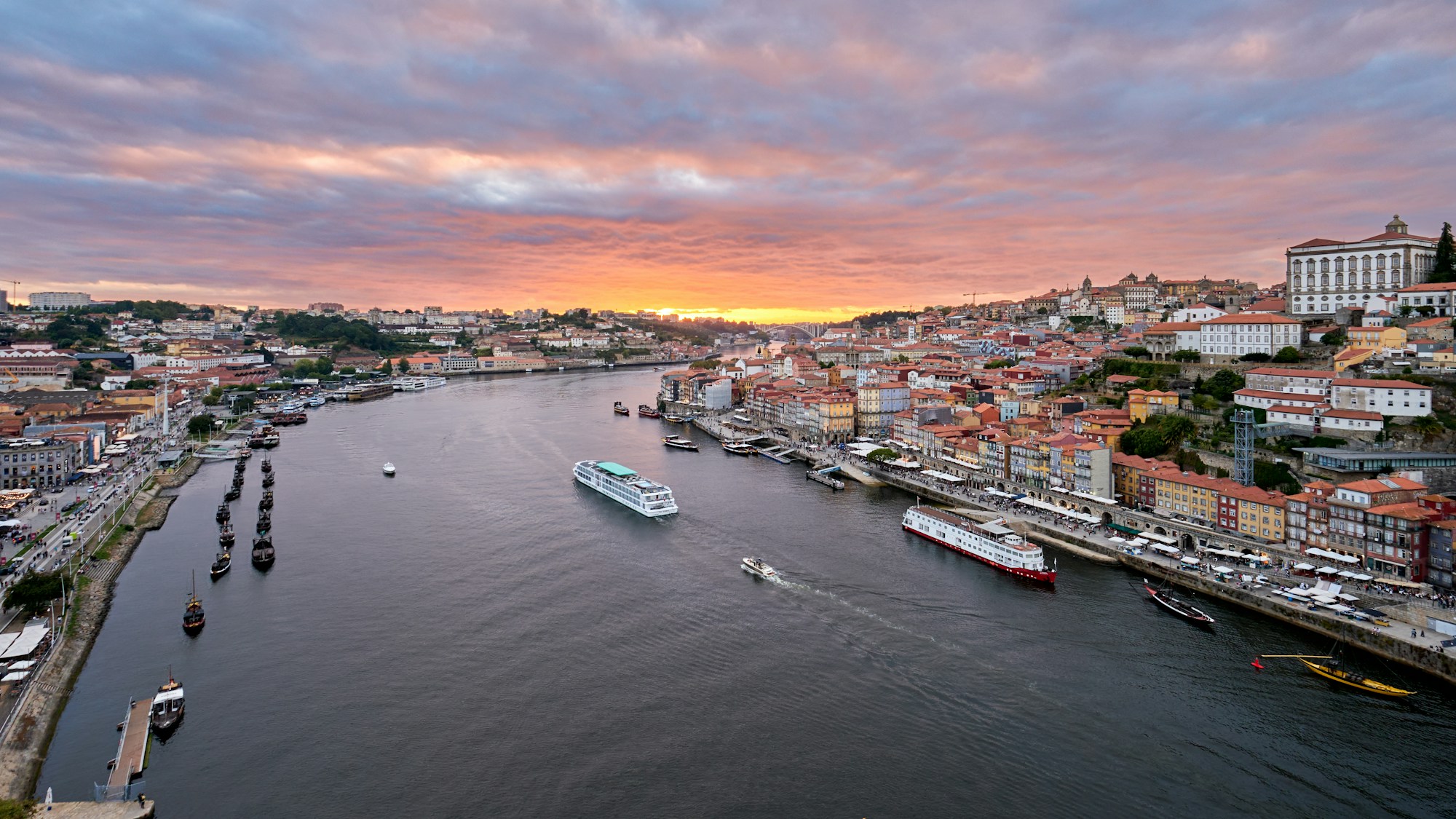
Porto, Portugal — The city that gave its name to the wine
Porto is more accessible by FlixBus than you might think — and far less saturated than Lisbon. Portugal’s second city, Porto blends tradition and innovation with a picturesque historic center listed as a UNESCO World Heritage Site: cobblestone streets winding between colorful buildings, centuries-old wine cellars, and legendary bookshops, according to FlixBus.
The Douro Valley, an hour’s drive away, offers one of the most spectacular wine-growing landscapes in Europe. Port wine tastings in the cellars of Vila Nova de Gaia start at just €2 to €3 — an unthinkable luxury in any other major wine region on the continent. And with a daily budget of €45 to €70, Porto remains 20 to 30% cheaper than Lisbon for accommodation.
To reach Porto, FlixBus has strengthened its international routes to the Iberian Peninsula, according to Milesopedia. And as suggested by Milesopedia, you could stop for a few days in San Sebastián on the way out, then in Bilbao on the way back — for less than €65 total transport from Paris.
Why Porto?
- UNESCO Historic Center, Douro Valley, Vila Nova de Gaia cellars
- €45–70/day, 20–30% cheaper than Lisbon
- Enhanced FlixBus service to the Iberian Peninsula: San Sebastián and Bilbao en route
- The Paris–Porto bus journey passes through Touraine, Bordeaux, the Basque Country, and Galicia
Practical info for your trip
Stay connected across Europe with an Airalo eSIM. Activate it before departure so you have a network as soon as you step off the bus.
Cover medical emergencies, trip interruptions, and lost luggage with SafetyWing. Essential for long bus journeys across Europe.
Frequently asked questions about FlixBus in 2026
Is FlixBus really eco-friendly or is it greenwashing?
The answer is nuanced. On substance, the data is real: FlixBus coaches emit five times less CO₂ than private cars and ten times less than planes, according to official data. The SBTi validation from April 2024 confirms that the climate targets are aligned with the Paris Agreement. However, the « zero emissions » promise is progressing more slowly than the company’s communications suggest: the network still largely depends on diesel, even though Euro emission standards are met. The « green tickets » offered to passengers are individual carbon offsets — paid, and often lacking transparency, as highlighted by Une Case en Plus.
How can I get the lowest prices on FlixBus?
FlixBus uses a dynamic pricing model similar to the airline industry: prices increase as the bus fills up. Early booking is therefore crucial — fares can be up to 70% cheaper than the train for an equivalent journey, according to Accio. Travel midweek (Tuesday, Wednesday, and Thursday are the cheapest days), book 2 weeks in advance, and favor very early morning or late evening departures.
Can you travel across Europe for under €30 by bus?
Yes, many routes departing from Paris are available for under €30, including to capitals like Amsterdam, Brussels, or even Barcelona, according to Milesopedia. By combining a night bus (saving on a hotel) and an Eastern European capital like Plovdiv or Bucharest (where the daily budget is around €25–40), a 5-day trip for €150–200 all-inclusive is entirely realistic, according to the Backpacker Index 2025.
Are FlixBus night buses safe?
Yes. FlixBus requires a minimum of two drivers on every overnight journey, who take turns throughout the trip to eliminate fatigue risks, as confirmed by Jumbo Roger. The buses are equipped with modern monitoring systems, and stops are scheduled at regular intervals for mandatory rest breaks. Keep your valuables on you and preferably choose an aisle seat if you need to get off at an intermediate stop during the night.
Can you bring a bicycle on a FlixBus?
Yes, bicycle transport is available on the majority of FlixBus routes for a small surcharge of a few euros, according to FlixBus. Solutions also exist for strollers and musical instruments. Always check availability when booking, as bicycle space is limited and may be full on popular routes. The bicycle must be placed in a suitable transport bag.
Will FlixBus achieve net zero emissions by 2040?
That is the stated goal: Net Zero in Europe by 2040, worldwide by 2050. The SBTi validation from April 2024 confirms that the trajectory is scientifically credible. However, as reported by TOM Travel, electrification of long-distance fleets is struggling to scale: the barriers are economic, technological, and institutional. The current strategy relies on an energy mix — biofuels, hydrogen, electric — rather than a single solution. The intermediate target of two-thirds decarbonized fleet in France by 2032 will be a key indicator of this ambition’s credibility.
Sources and references
- FlixBus — Sustainability
- Flix — About us (official data)
- FlixBus — Rapeseed biofuel Brest–Grenoble
- Oleo100 — Inauguration of the longest biofuel bus route
- TOM Travel — Long-distance electric buses: FlixBus forced to slow down
- Sustainable Bus — First 100% electric long-distance bus UK
- Milesopedia — FlixBus summer 2025 updates
- Milesopedia — 12 cheap FlixBus destinations
- FlixBus — Bus to Plovdiv
- FlixBus — Budget European destinations
- Octopus Diver — FlixBus travel: how much does it cost?
- Accio — Cheap FlixBus destinations
- Une Case en Plus — FlixBus France–Europe review and test
- Une Case en Plus — FlixBus 2025 investigation
- Tictactrip — Night buses: the complete guide
- Jumbo Roger — FlixBus at night
- Vonews — FlixBus Europe: expansion and rail ambitions
- Europe Infos — FlixBus, a major player in long-distance transport
- Kit Voyage — Europe by FlixBus for under €30
Research conducted on March 16, 2026
Ready to Plan Your Trip?
Explore our European travel itineraries and work the bus into your next adventure. From Plovdiv to Porto, from Split to Amsterdam: the coach has never been greener, smarter, or more accessible. Plan your next itinerary on Pixidia.
Explore all itineraries