

62% of travelers now seek multisensory culinary experiences. Food tourism is no longer a side dish to the journey — it is the journey. According to Business Research Insights, the global food tourism market surpassed $967 billion in 2025, driven by « foodcations » — trips where the plate dictates the destination. The Michelin Guide confirms the 2026 trends: wood-fire cooking, fermented flavors, mushrooms taking center stage, and the return of umami. From Italy’s Food Valley to Tokyo’s sushi counters, from Lima’s ceviche to Basque pintxos, here are 10 destinations where you travel to eat first — with the addresses, budgets, and secrets that guidebooks don’t tell you.
1. Italy — Emilia-Romagna, the Food Valley
The birthplace of Italian gastronomy
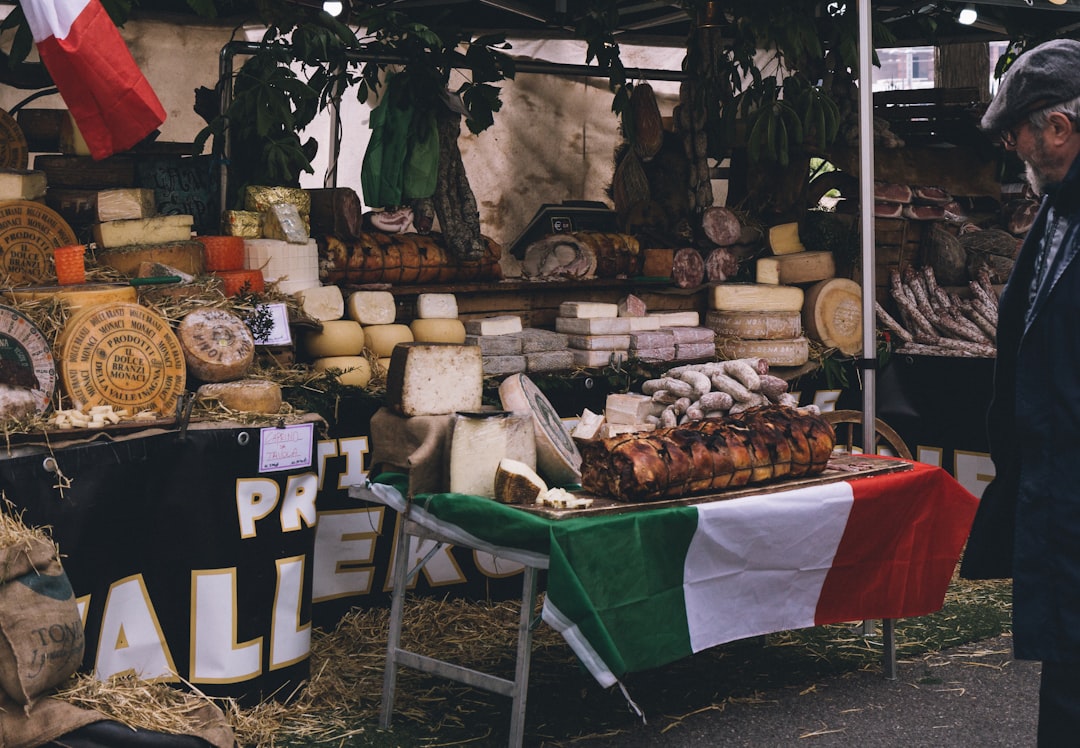
Emilia-Romagna isn’t just a gastronomic region — it’s a living culinary ecosystem. According to Emilia Romagna Turismo, the « Food Valley » is home to 44 PDO and PGI products — from 36-month aged Parmigiano Reggiano to hand-sliced Prosciutto di Parma and traditional balsamic vinegar of Modena aged in oak barrels. Bologna, nicknamed la Grassa (the fat one), is the birthplace of tortellini — small egg pasta parcels stuffed with meat, prosciutto crudo, mortadella, and Parmigiano, served in a golden broth.
In 2026, Italy’s Michelin scene shines brighter than ever: according to the Michelin Guide Italy 2026, La Rei Natura by Michelangelo Mammoliti in Serralunga d’Alba earned its third star. In Modena, Osteria Francescana by Massimo Bottura remains a world-class institution. The ultimate experience? Visiting a caseificio (cheese dairy) at dawn to watch Parmigiano being made, then following up with a balsamic vinegar tasting at a century-old acetaia.
- Tortellini-making class with the sfogline of Bologna
- Explore the covered Mercato di Mezzo market beneath the porticoes
- Sparkling Lambrusco tasting in the hills of Parma
- Traditional balsamic vinegar trail in Modena
2. Japan — Tokyo and Osaka, the World Michelin Record
The city with 160 stars
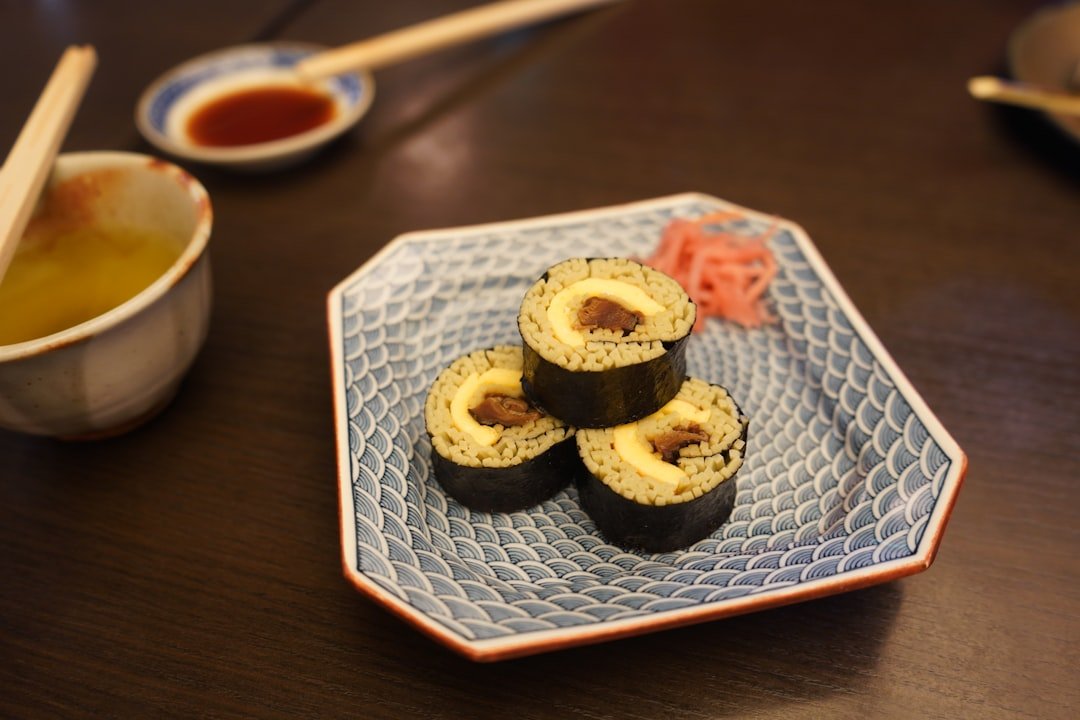
Tokyo holds the absolute world record: according to the Michelin Guide Tokyo 2026, the Japanese capital boasts 160 starred restaurants — including 12 three-star, 26 two-star, and 122 one-star establishments. The global city ranking by stars places Tokyo (160) ahead of Paris (132), Kyoto (92), and Osaka (79). In 2026, Myojaku, a kaiseki restaurant in the Nishi-Azabu district led by chef Hidetoshi Nakamura, was elevated from two to three stars for its dishes crafted with undersea spring water.
But Japan’s culinary scene goes far beyond fine dining. Osaka is the capital of kuidaore — literally « eat until you drop. » Dotonbori Street overflows with takoyaki (octopus balls), okonomiyaki (savory Japanese pancakes), and kushikatsu (breaded skewers). In Tokyo, the alleyways of Shinjuku Omoide Yokocho serve charcoal-grilled yakitori for under €5. And the underground food halls of train stations — the depachika — are veritable gastronomic temples with hundreds of stalls.
- Counter sushi at Tsukiji Outer Market (5 AM)
- Ramen in a Shinjuku yokocho (long line = quality guarantee)
- Multi-course kaiseki dinner at a ryokan in Kyoto
- Late-night street food on Dotonbori Street in Osaka
3. Peru — Lima, the Gastronomic Capital of South America
Maido, best restaurant in the world 2025
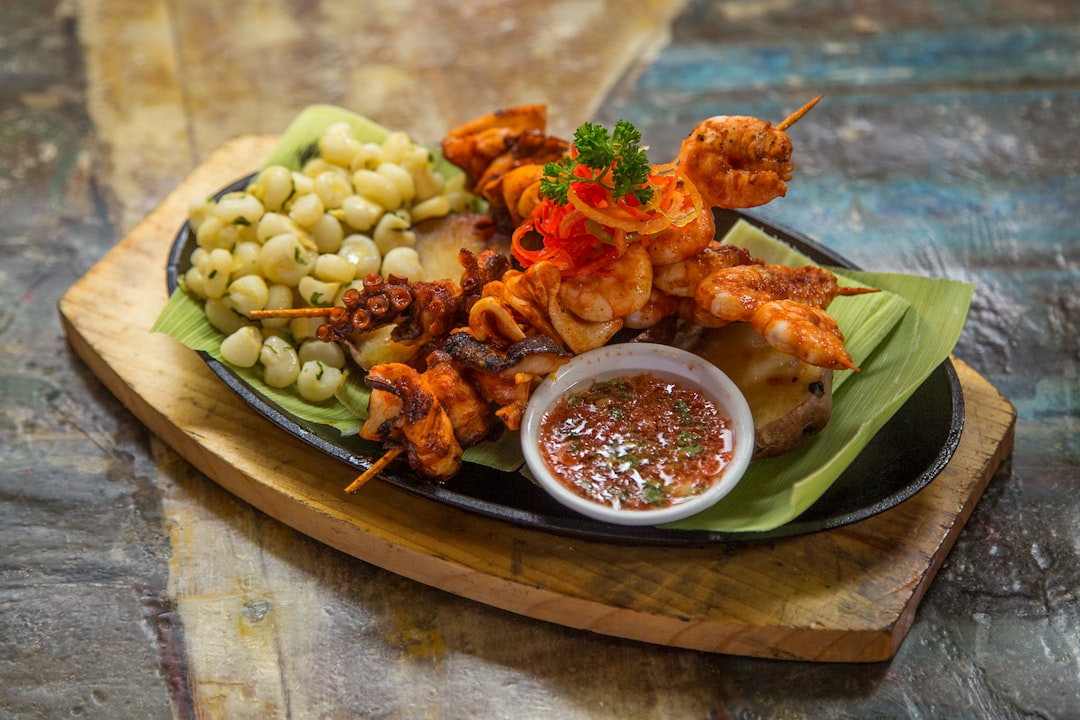
Lima has conquered the summit: according to The World’s 50 Best Restaurants 2025, Maido by chef Mitsuharu « Micha » Tsumura was crowned the best restaurant in the world. His Nikkei cuisine — a fusion of Japanese techniques and Peruvian ingredients — showcases Lima’s incredible richness, where eight restaurants feature in Latin America’s top 50: Central, Kjolle, Mayta, Mérito, Astrid & Gastón, Rafael, Isolina, and La Mar.
But Peru’s culinary scene extends far beyond fine dining. Ceviche — raw fish marinated in lime juice with red onion, aji pepper, and sweet potato — is a national art form. The cevicherias in the Barranco neighborhood serve this dish starting at 11 AM (never in the evening — tradition demands it). Markets like Surquillo burst with exotic fruits unknown in Europe: lucuma, cherimoya, aguaymanto. And lomo saltado, a beef stir-fry infused with Chinese influences, proves that Lima has always been a city of culinary crossroads.
- Ceviche at Surquillo Market (€5 for a generous serving)
- Nikkei tasting menu at Maido (book 2 months ahead)
- Pisco sour tasting in the bars of Barranco
- Discover Andean superfoods at San Pedro Market in Cusco
4. Spain — San Sebastian and the Basque Country, the Highest Star Density in the World
18 Michelin stars for 190,000 residents
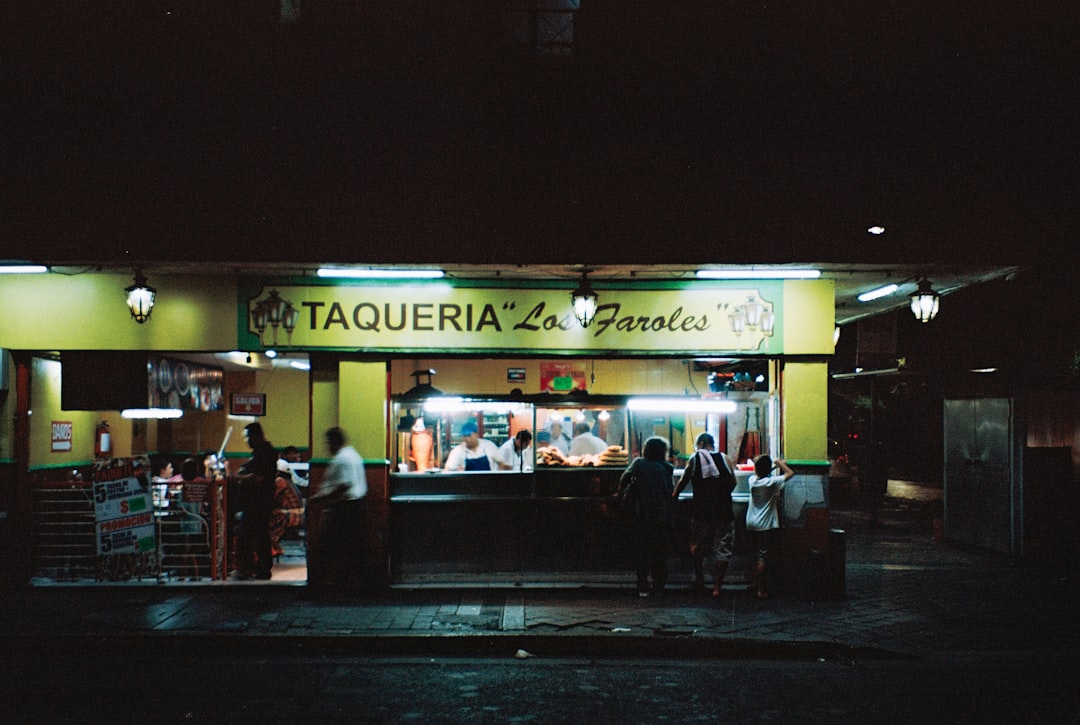
With 18 Michelin stars for a city of 190,000 people, San Sebastian holds the highest concentration of starred restaurants per capita in the world, according to the San Sebastian Tourism Office. Three restaurants wear the supreme crown of three stars: Arzak (the pioneer of New Basque Cuisine since 1989), Akelarre (panoramic cuisine overlooking the Atlantic by chef Pedro Subijana), and Martin Berasategui (12 Michelin stars accumulated worldwide). The Basque Country as a whole boasts nearly 40 starred restaurants.
But San Sebastian’s culinary soul lives in its pintxos. According to The World’s 50 Best, Etxebarri — nestled in the mountain village of Axpe — is ranked #2 in the world for its mastery of fire and grill. But a pintxos crawl through the Parte Vieja (Old Town) of San Sebastian is equally unforgettable: hopping from bar to bar, you sample miniature creations — marinated anchovies, caramelized foie gras, braised pork cheeks — paired with txakoli, the local sparkling white wine.
- Pintxos crawl through the Parte Vieja (5-8 bars, €2-3 per pintxo)
- Txuleta (dry-aged beef rib) charcoal-grilled at Elkano
- Oceanfront dinner at Akelarre on Mount Igueldo
- Visit a traditional cider house (sagardotegi) in spring
5. Thailand — Bangkok, Michelin-Starred Street Food
468 restaurants in the 2026 Michelin Guide
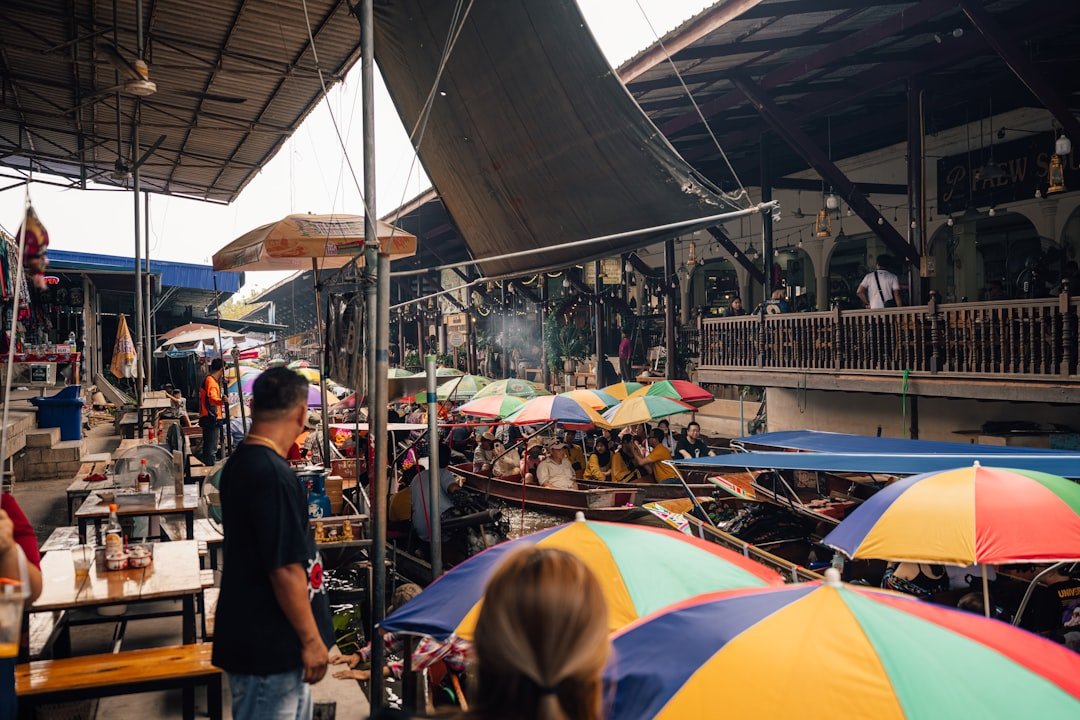
Thailand made a big splash in 2026. According to the Michelin Guide Thailand 2026, the country now counts 468 recognized restaurants — including 2 three-star, 8 two-star, 33 one-star, 137 Bib Gourmand, and 288 selected — spanning 16 different cuisine types. Ten new stars were awarded this year. Bangkok continues to attract international chefs: according to The Nation, Duet by David Toutain and Sartoria by Paulo Airaudo were among the standout openings.
The ultimate icon remains Jay Fai — Supinya Junsuta, the first street food vendor to earn a Michelin star. Her golden crab omelet and shrimp sauteed in yellow curry draw lines that stretch for hours. But the real culinary Bangkok lives on the sidewalk: in the sois (alleyways), cooks prepare pad kra pao (holy basil, chili, minced pork) over a blazing wok for €1.50. The night markets of Yaowarat (Chinatown) are an open-air feast.
- Crab omelet at Jay Fai (arrive at 2 PM to skip the wait)
- Pad thai at the Yaowarat night market (Chinatown)
- Som tam (pounded green papaya salad) from a street stall in Silom
- Thai cooking class with a visit to Khlong Toei Market
6. Vietnam — Hanoi, the Cathedral of Street Food
Pho at dawn, banh mi around the clock
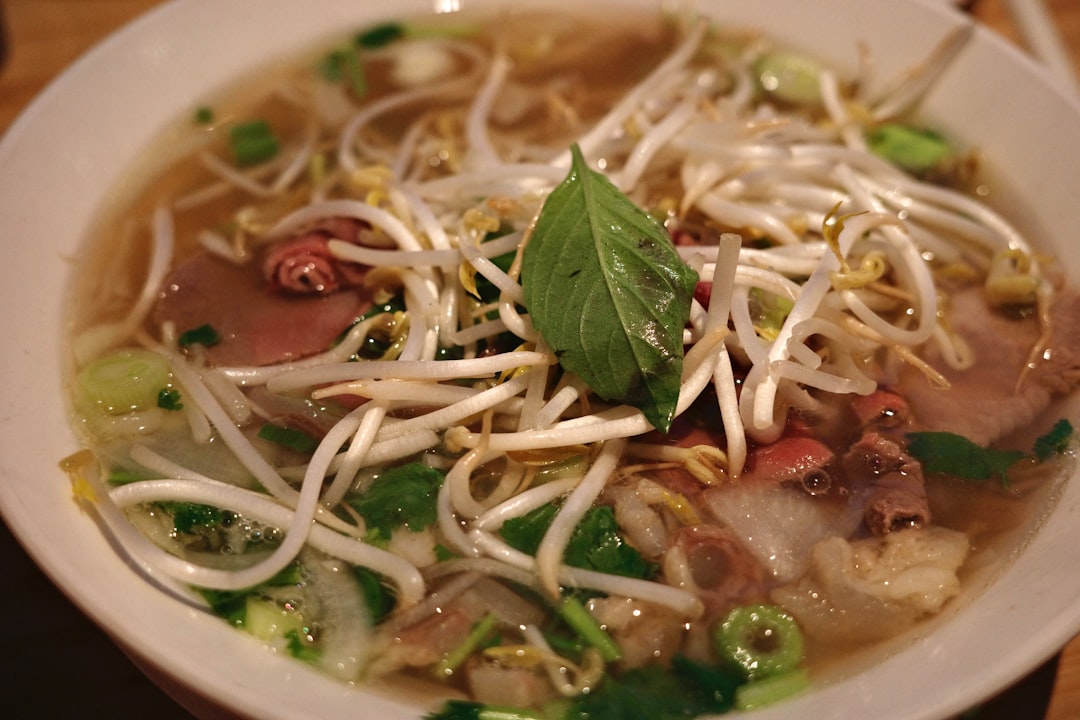
Vietnam is a street food paradise at pocket-friendly prices. According to Culinary Vietnam, the country is banking on culinary tourism as a major economic driver in 2026, with circuits combining tastings and cultural demonstrations. In Hanoi, the day begins at 5 in the morning with a bowl of pho bo — beef broth simmered for 12 hours, rice noodles, fresh herbs, lime — while perched on a plastic stool at the edge of the sidewalk. Bun cha, the very dish Obama shared with Anthony Bourdain in 2016, remains the lunch of choice for Hanoians.
In 2026, Vietnam’s culinary scene is reinventing itself. Chefs are offering creative fusions: pho consomme with French truffles, Mediterranean-style banh mi, and egg coffee reimagined as a gourmet dessert. Hue, the former imperial capital, could become what UNESCO calls a « living museum » of food traditions. And Hoi An, a UNESCO World Heritage site, is drawing more and more culinary travelers with its cooking classes on the banks of the Thu Bon River and its cao lau — thick noodles with braised pork found nowhere else in the world.
- Pho bo at dawn in Hanoi’s Old Quarter (€1.50 per bowl)
- Banh mi from a street corner — the world’s best sandwich for €1
- Bun cha at a local spot (steer clear of Bun Cha Huong Lien, which has become too touristy)
- Cooking class with a market visit in Hoi An
7. Mexico — Oaxaca, the 7 Moles and Artisanal Mezcal
A cuisine listed as UNESCO World Heritage
Oaxaca is to Mexico what Lyon is to France: the undisputed gastronomic capital. According to National Geographic, coastal Oaxaca features in the « Best of the World 2026. » Traditional Mexican cuisine is inscribed on the UNESCO Intangible Cultural Heritage list, and Oaxaca is its beating heart. The 7 moles of Oaxaca — families of complex sauces requiring days of preparation, blending chilies, chocolate, spices, and dried fruits — are a culinary art form in their own right.
In 2026, according to the Mexican government, the country unveiled its strategy to position gastronomy as a tourism driver, with 181 recognized restaurants in the Michelin Guide Mexico. Oaxaca’s airport saw traffic increase by 4.9% compared to 2024. The Food & Wine Festival runs from February 25 to March 1, 2026. And artisanal mezcal — distilled from agave cooked underground — is experiencing a global boom: the palenques (artisanal distilleries) of the Tlacolula Valley now welcome guided tours.
- Tasting of the 7 moles at Mercado 20 de Noviembre
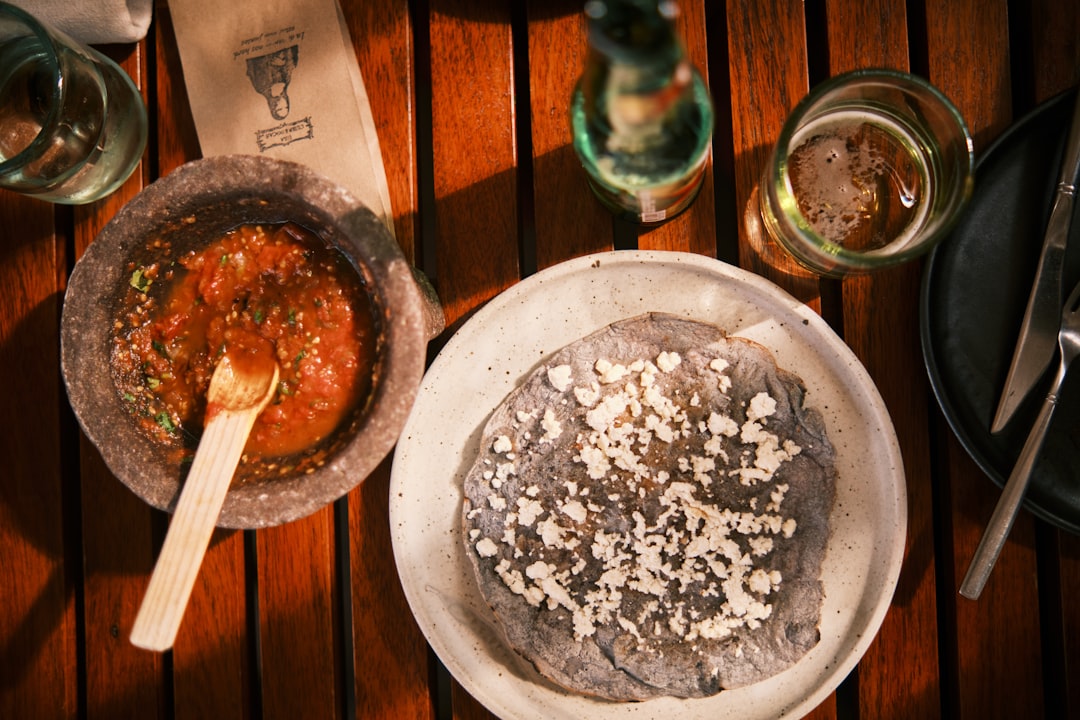
- Tlayuda (« Oaxacan pizza ») charcoal-grilled at the market
- Visit an artisanal mezcal palenque in Santiago Matatlan
- Chapulines (toasted grasshoppers) — the quintessential local snack
8. Morocco — Marrakech and Fez, Spices and Age-Old Traditions
Djemaa el-Fna, the world’s largest open-air restaurant
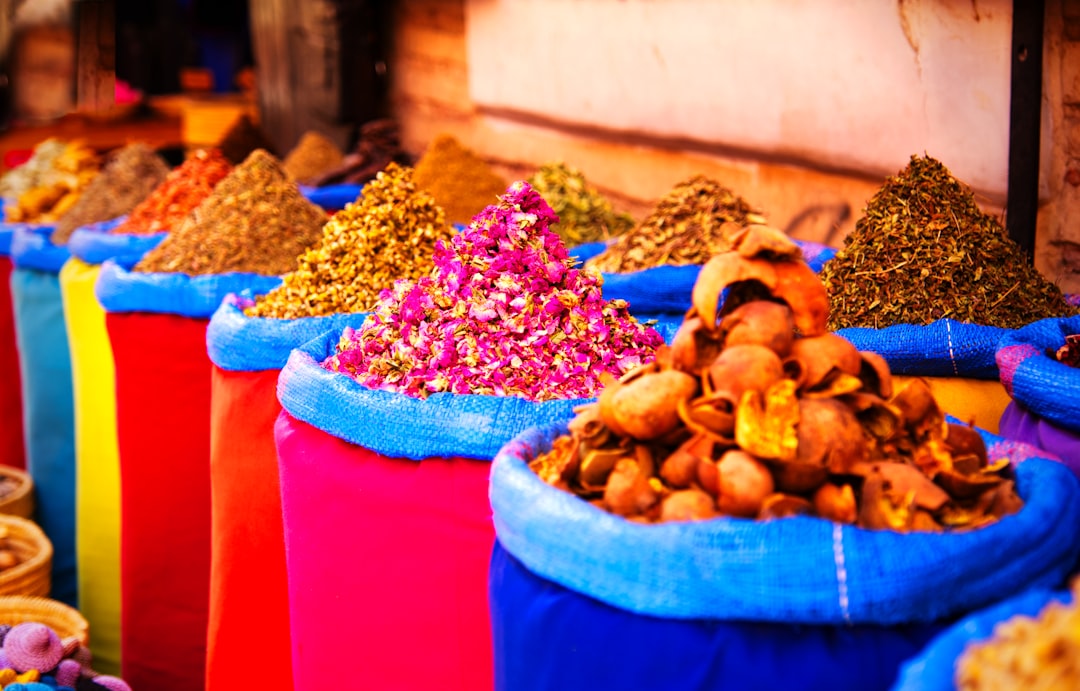
Every evening, Marrakech’s Djemaa el-Fna square transforms into the world’s largest open-air restaurant. According to specialized guides, dozens of stalls serve msemmen (layered flatbreads), harira (lentil and tomato soup), babouche (snail soup), and smoking grilled meats. The adjoining souks overflow with spices — cumin, saffron, ras el hanout — dried fruits, and marinated olives. It’s a total sensory immersion: the aromas, the colors, the clang of hammered copper, the smoke from the grills.
Morocco’s most enriching culinary experience remains its cooking classes. In Marrakech, La Maison Arabe offers workshops with dadas — traditional Moroccan women chefs who pass their knowledge down from generation to generation. In Fez, Cafe Clock runs comprehensive classes that include selecting ingredients at the market, preparing tagine (a stew slow-cooked in a conical clay pot), pastilla (a sweet-and-savory flaky pie with pigeon), and rfissa (a festive dish of chicken and lentils).
- Dinner at Djemaa el-Fna square at stall #14 (the locals’ secret)
- Cooking class with a dada at La Maison Arabe
- Explore the spice souk and haggle for ras el hanout
- Mint tea on a riad terrace with views of the Atlas Mountains
9. India — Kerala, the Ancient Spice Route
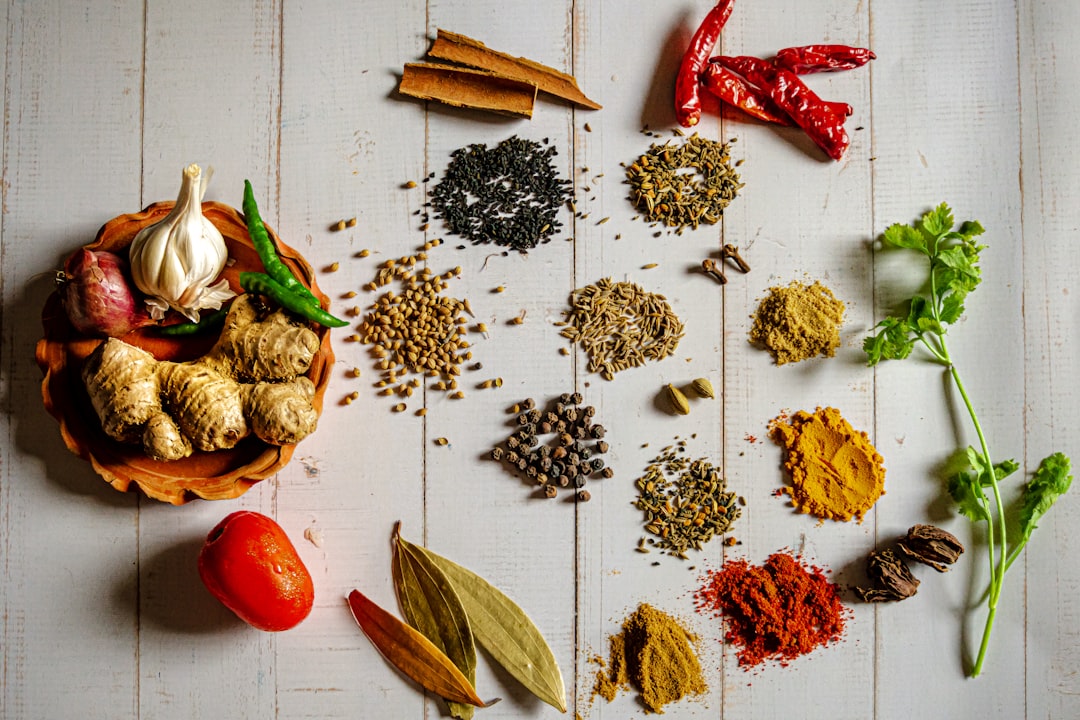
Lonely Planet: among the 25 best experiences of 2026
Southern India is a culinary continent all on its own. According to Travel and Tour World, Lonely Planet ranked Kerala’s culinary culture among the « 25 Best Experiences in 2026 » — the only Indian entry on this prestigious list. Kerala, « God’s Own Country, » is historically tied to the spice route: the black pepper, cardamom, cloves, and cinnamon that drove Portuguese, Arab, and Chinese navigators to cross the oceans all came from here.
In 2026, the « Spice Journeys » program offers 33 trails spread across 8 regional clusters, allowing travelers to visit highland spice plantations, cook alongside local families, and understand the impact these spices had on world history. According to Future Market Insights, Southern India accounts for 38% of India’s culinary tourism revenue, with Kerala, Tamil Nadu, and Karnataka leading the way. Fort Kochi, the historic spice port with its colonial architecture, is the ideal starting point.
- Sadya: vegetarian feast served on a banana leaf (28 dishes)
- Visit a spice plantation in Munnar or Thekkady
- Appam and fish stew at a toddy shop along the backwaters
- Fort Kochi spice market — pepper, cardamom, and vanilla straight from the source
10. Saudi Arabia — the Emerging Destination That Surprises
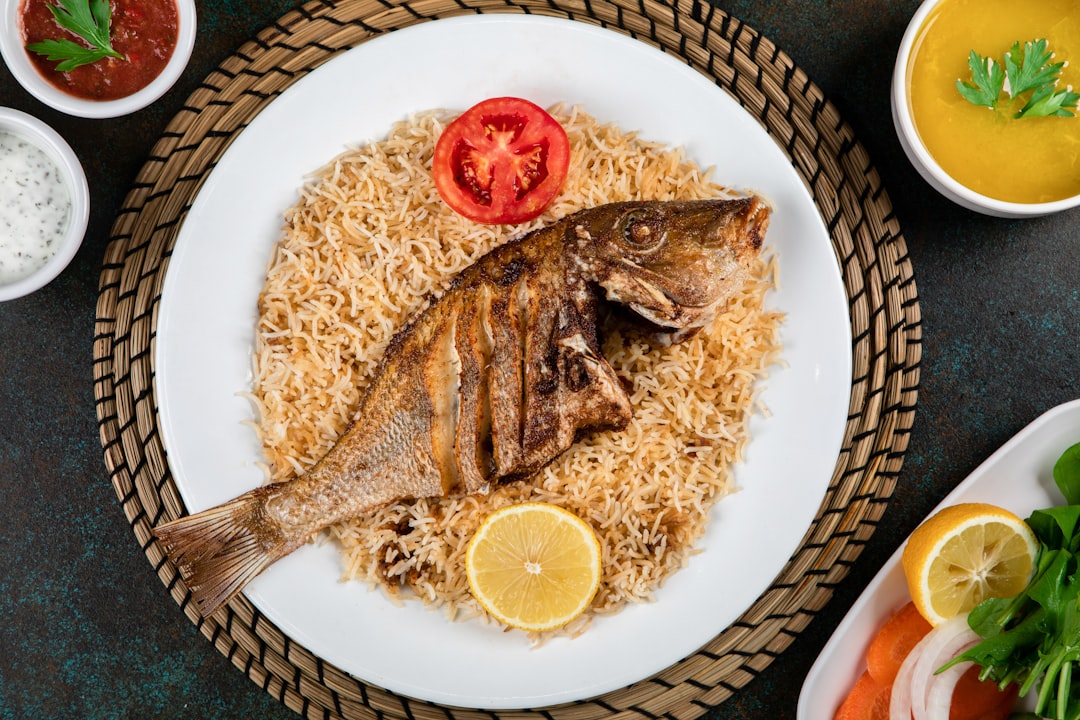
Vision 2030: fine dining as an economic pillar
This is the surprise of 2026. According to the Michelin Guide, Saudi Arabia is the « most surprising destination for 2026 » with the launch of its own Michelin Guide. As part of Vision 2030, the Kingdom has made fine dining a pillar of its economic transformation. According to Arab News, a dedicated regulatory framework for luxury restaurants was established in July 2025, with 7 major openings in the first half of the year. The Culinary Incubator has already trained 4,500 Saudis in restaurant professions.
Saudi Arabia’s foodservice market is booming: according to industry analysts, it will grow from $30.12 billion in 2025 to $44.67 billion by 2030 (CAGR of 8.2%). The Culinary Arts Commission is actively promoting the Kingdom’s culinary heritage. Saudi cuisine remains underappreciated internationally but is brimming with treasures: mandi (fragrant rice with chicken or lamb cooked in an underground pit), kabsa (spiced rice with meat), Ajwa dates from Medina, and Arabic coffee (qahwa) infused with cardamom, served in tiny cups as a gesture of hospitality.
- Lamb mandi slow-cooked in an underground pit in Riyadh
- Dinner under the stars amid the rock formations of AlUla
- Cardamom-infused Arabic coffee in a traditional sitting room (majlis)
- Medina date market — taste the Ajwa and Sukkari varieties
Frequently Asked Questions About Food Tourism
What exactly is food tourism?
Food tourism (also known as culinary tourism) refers to travel where the primary motivation is discovering local cuisine. It goes far beyond simply dining out: market visits, cooking classes, meetings with producers, wine trails, street food tastings, and immersion in culinary traditions all fall under its umbrella. According to the World Tourism Organization, it is one of the fastest-growing tourism segments.
What is the best food destination in the world in 2026?
There’s no single answer — it depends on your tastes. For fine dining, Tokyo (160 Michelin stars) and San Sebastian (highest density per capita) lead the pack. For street food, Bangkok and Hanoi are unbeatable. For traditional cuisine, Emilia-Romagna (Italy) and Oaxaca (Mexico) are benchmarks. And for the element of surprise, Saudi Arabia and Lima are the most exciting newcomers in 2026.
How much does a food-focused trip cost?
Budgets vary enormously by destination. In Southeast Asia (Vietnam, Thailand), expect €20 to €80/day all-inclusive, street food included. In Europe (Italy, Spain), plan for €100 to €200/day. In Japan, fine dining can push budgets to €300/day and beyond. The most affordable destinations for a foodcation are Vietnam, India (Kerala), and Mexico (Oaxaca), where an outstanding meal often costs less than €5.
Is street food safe to eat?
In the vast majority of cases, yes — as long as you follow a few simple rules. Choose stalls where food is prepared in front of you and where there are plenty of local customers (high turnover means fresh ingredients). Avoid raw foods in tropical countries, stick to bottled water, and only eat fruits you can peel yourself. Street food is often safer than a hotel buffet where dishes have been sitting out for hours.
How do you find the best local restaurants while traveling?
Forget TripAdvisor for truly local spots. The best methods: ask your accommodation staff (not the concierge, but the housekeeper or receptionist). Watch where taxi drivers eat. Check the Bib Gourmand selections from the Michelin Guide (excellent value for money). Use Google Maps and search in the local language. And on Instagram, search the city’s hashtag + « food » to spot the places buzzing with locals.
Which food destinations are accessible on a tight budget?
Vietnam is the undisputed champion: a bowl of pho costs €1.50, a banh mi €1, and a full meal at a quan com (local canteen) runs €2-3. India (Kerala) offers generous vegetarian thalis for €1-2, and Mexico (Oaxaca) has tlayudas and tacos for under €3. Thailand remains very affordable with street food dishes at €1-2. In all four countries, a budget of €20-40/day lets you eat like royalty.
Do you need to book Michelin-starred restaurants far in advance?
For three-star restaurants (Arzak, Osteria Francescana, Maido), you need to book 2 to 4 months ahead, sometimes more. Two-star restaurants typically require 3 to 6 weeks’ notice. One-star and Bib Gourmand establishments are often available with 1 to 2 weeks’ notice. Pro tip: some restaurants release canceled tables the day before — don’t hesitate to call directly. In Japan, many restaurants only accept bookings through the hotel or a Japanese-speaking concierge.
Is food tourism sustainable?
It can be — and it’s actually one of the most virtuous forms of tourism when practiced responsibly. Eating at local restaurants rather than international chains supports the local economy. Visiting producers and markets promotes short supply chains. The Michelin Guide now awards green stars to restaurants committed to sustainability. The main risk is « culinary overtourism » (massive queues at Jay Fai, gentrification of neighborhoods like Oaxaca). For a positive impact, seek out local spots off the beaten path.
Sources
- Michelin Guide — 16 Culinary Destinations for 2026
- Michelin Guide — 7 Food Trends for 2026
- Business Research Insights — Global Food Tourism Market
- The World’s 50 Best Restaurants — Maido #1 Worldwide 2025
- Savor Japan — Michelin Guide Tokyo 2026
- San Sebastian Turismo — Michelin Stars
- Michelin Guide Thailand 2026
- Emilia Romagna Turismo — Food Valley
- National Geographic — Oaxaca Best of the World 2026
- Lonely Planet — Kerala Among the 25 Best Experiences 2026
- Arab News — Fine Dining and Vision 2030 in Saudi Arabia
- Culinary Vietnam — Culinary Tourism Vietnam 2026
Research conducted on February 6, 2026. Prices, rankings, and conditions are subject to change.
Ready to travel with your taste buds?
Create your custom gourmet itinerary with Pixidia. Our personalized routes combine the best culinary addresses, local markets, and authentic experiences — all planned for you.
Discover all our gourmet itineraries