
Yes — anyone in reasonably good physical shape can pick grapes for France’s 2026 harvest, no prior experience required. Over 300,000 seasonal workers are hired each autumn across 750,000 hectares, at €11–13 gross/hour (2026 SMIC: €12.02/h). Champagne starts as early as 20 August 2026, Burgundy around 10 September, Bordeaux mid-September to early October — staggered dates that let you chain regions within the one-month legal limit. Apply from June via Vitijob, Vitabourgogne or Champagne.fr, and book cheap housing (from €8/night in Burgundy) before July.
What if the world’s most celebrated vineyards became your playground — and your source of income? Every autumn, more than 300,000 people join the French harvest to pick grapes across 750,000 hectares of vines. According to Vinoways, estates in Burgundy, Champagne and Bordeaux recruit heavily every year: goodwill and physical fitness are all you need. This complete guide covers which regions are hiring for the 2026 harvest, working conditions, pay and how to turn this stay into a genuine wine-country adventure.
1. Burgundy — Harvest Grand Cru Vineyards at €11–12/h
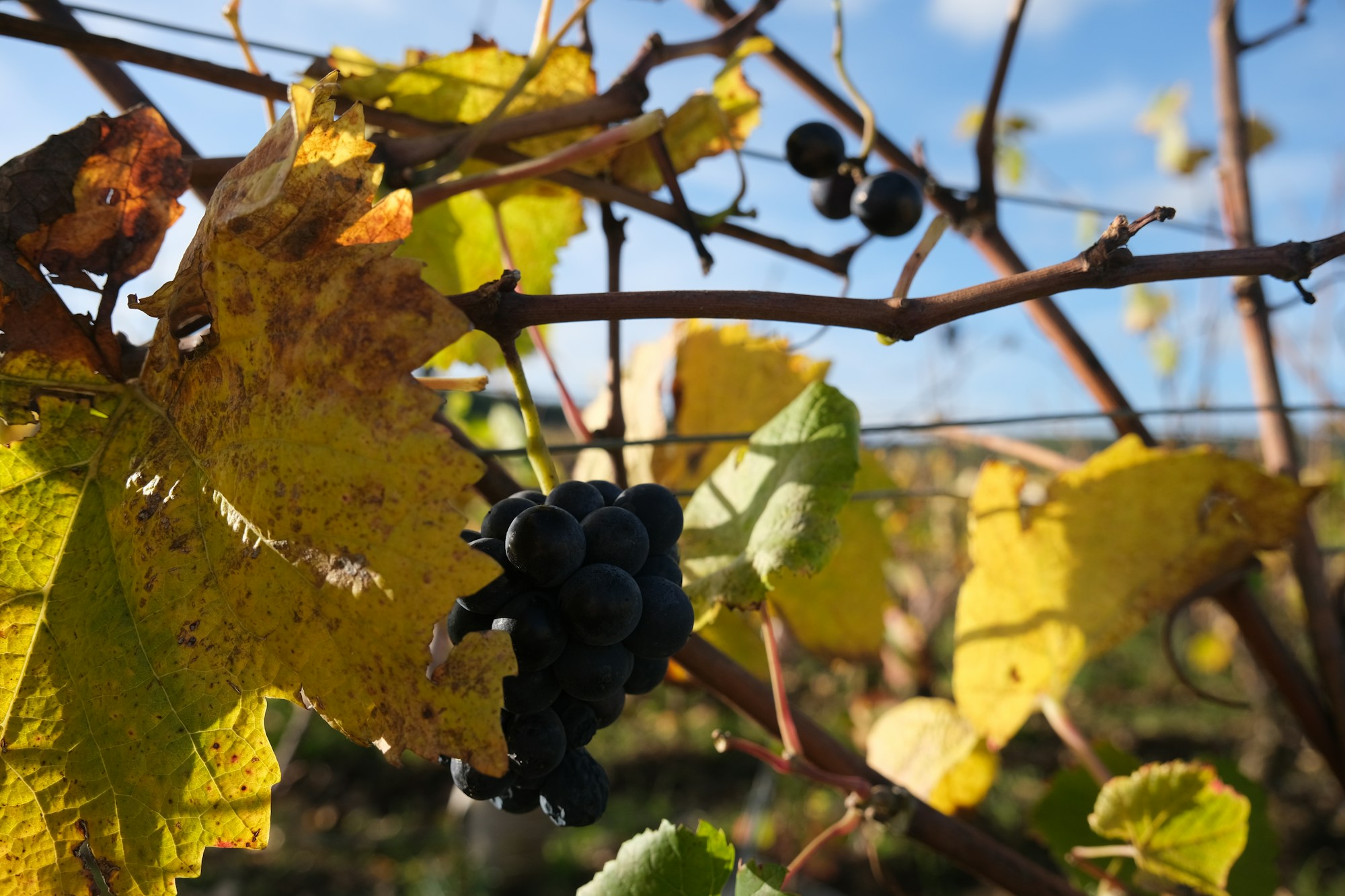
Côte de Nuits and Côte de Beaune, Côte-d’Or (21)
Burgundy is the ideal paradox for the working traveller: a world-famous wine region that struggles to recruit. According to VigneEtVin, 46,000 seasonal workers are needed every year for the Burgundy harvest alone. The reason? Low local unemployment. As a result, estates often offer wages above the French minimum wage, with loyalty bonuses on top. Burgundy wines are harvested exclusively by hand — a quality requirement that gives every gesture its nobility.
Estates hiring in 2026
- Domaine du Château de Marsannay — Marsannay-la-Côte (via vitabourgogne.com)
- Domaine du Château de Meursault — Meursault (Côte de Beaune)
- Maison Louis Jadot — Beaune, Chassagne, Brochon
- Family estates in Gevrey-Chambertin, Chambolle-Musigny, Vosne-Romanée
A picker completing the full harvest (10 days) typically earns between €750 and €900 gross. The « Mobiviti » shuttle service handles transport from Beaune, Auxonne and Dijon-Fontaine d’Ouche to the estates, through a partnership with the University of Burgundy and Institut Agro Dijon.
The Harvesters’ Village of Morey-Saint-Denis
One of the most original seasonal housing solutions in France. Supported by the French State and the Confederation of Burgundy Appellations (CAVB), this pop-up campsite hosts 70 to 150 seasonal workers at €8/night — compared to €25–30 in regular accommodation. According to France 3 Bourgogne, nearly half of winegrowers could no longer house their seasonal workers due to outdated facilities. This village solves the problem.
2. Champagne — 120,000 Workers for the World’s Most Famous Wine
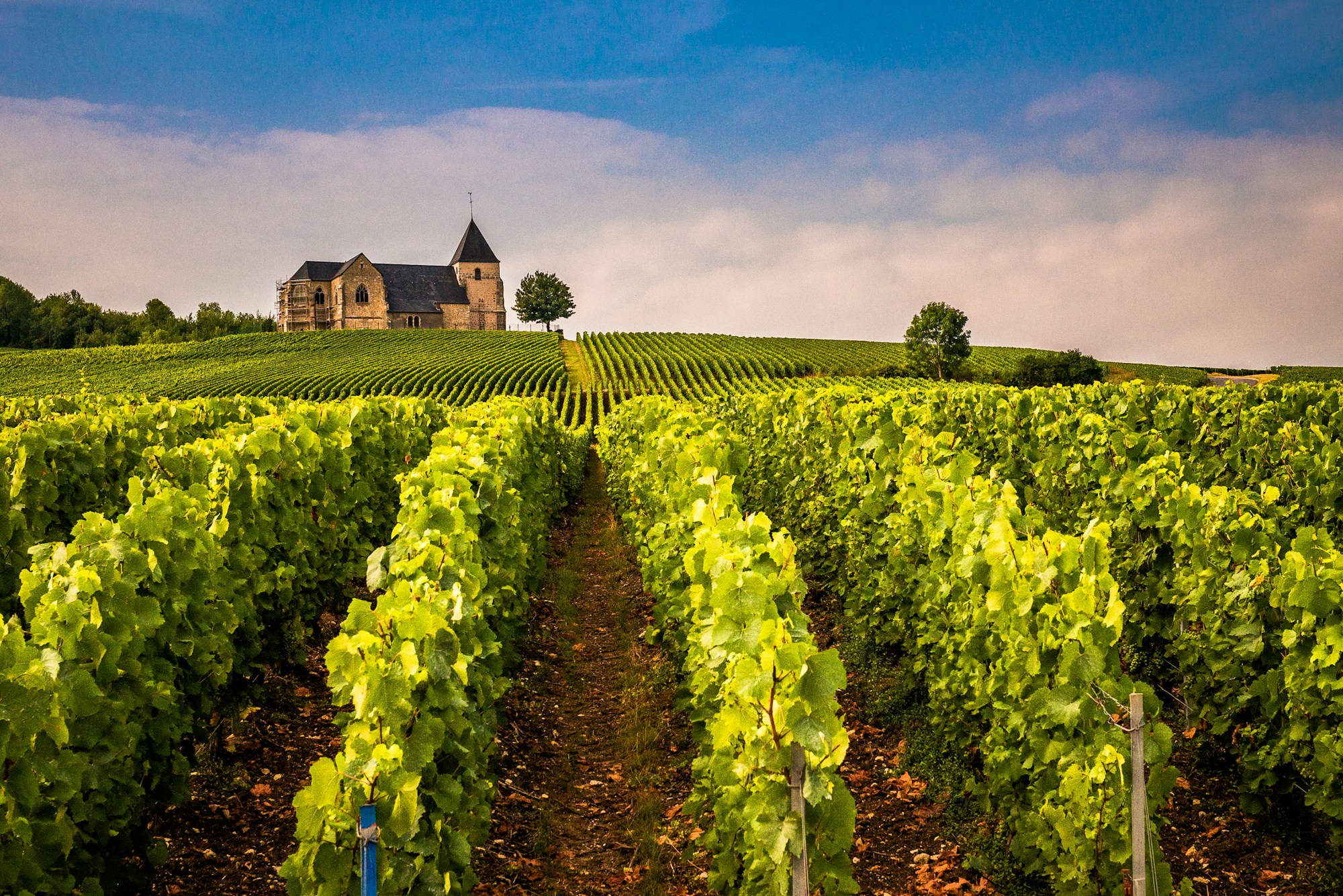
Épernay, Reims, Marne Valley (51) and Aisne (02)
The Marne is the most active department for Champagne recruitment: up to €13/h for pickers, according to VigneEtVin. The Champagne harvest is 100% hand-picked — required under the AOC Champagne rules — generating enormous demand for workers. In 2026, with earlier dates expected (first cuts as early as 20 August), the urgency to recruit is even greater.
Available job types
- Picker/Cutter — harvesting bunches, working in rows
- Carrier/Handler — transporting crates and bins
- Press operator — running the press, receiving grapes
- Cellar assistant — monitoring early fermentation
Billecart-Salmon (Mareuil-sur-Ay) — with 100 hectares of estate vineyard — recruits cellar assistants for the 2026 harvest. Local temp agencies (Triangle Intérim Épernay, Adecco, Synergie) also post many positions. The industry launched « Housing Summits » to improve working conditions — more and more Champagne houses now offer shuttle services from nearby cities.
3. Bordeaux — Legendary Châteaux and Grand Cuvée Atmosphere
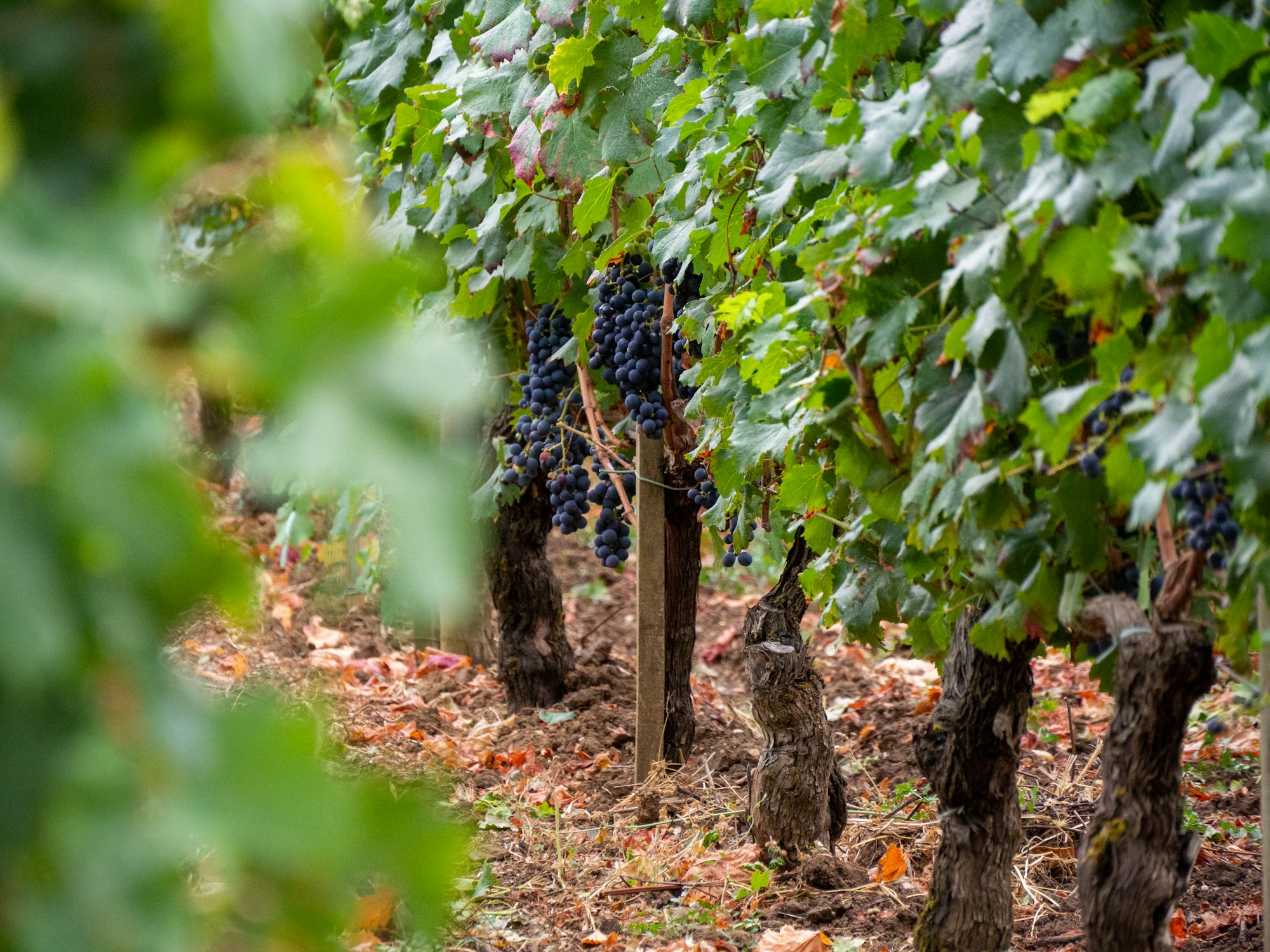
Médoc, Saint-Émilion, Libournais — Gironde (33)
Bordeaux is the most last-minute-friendly region for seasonal workers. According to VigneEtVin, the abundance of estates makes for flexible hiring, even at short notice. In the Médoc, applications open early in the year: Château La Lagune (3rd Grand Cru Classé, Ludon-Médoc) recruits pickers from September at €12 gross/h + attendance bonus. A hot lunch is provided daily. Château sur Margaux recruits 60 workers (sorters-cutters-carriers), with breakfast and lunch on site.
Médoc: online applications and shuttles
Baron Philippe de Rothschild (Mouton Rothschild) has a dedicated harvester portal at bpdr.com — applications open early in the year. A direct bus departs from Bordeaux (Place des Quinconces) to selected Médoc châteaux, allowing you to stay in the city and avoid rural accommodation costs.
Saint-Émilion: culture and harvest in the sun
Saint-Émilion, a UNESCO World Heritage Site, celebrates its harvest with unique ceremony: the Ban des Vendanges, proclaimed by the Jurade in front of the Collegiate Church. Château Cheval Blanc (Premier Grand Cru Classé A) recruits agronomy/oenology interns. The GEA de Léognan advertises over 200 positions from 25 August. Château Chauvin also offers participatory workshops with guided tastings — ideal if you prefer the experience without employment status.
- Baron Philippe de Rothschild — online recruitment (bpdr.com)
- Château La Lagune — €12/h, lunch provided
- Château Canon (Premier Grand Cru Classé) — Saint-Émilion
- GEA Léognan — over 200 positions from late August
4. The 2026 Harvest Contract: Rights, Pay and Benefits
A Highly Advantageous Special-Status Contract
The harvest contract (contrat vendanges) is not a standard fixed-term contract. Under Article L718-4 of the Rural Code, it benefits from a special derogatory regime specifically for harvest work. Its key feature: it can be held simultaneously with multiple employers, provided the total duration does not exceed one calendar month over twelve consecutive months. This opens the door to the famous « harvest circuit » — 15 days in Champagne, then 15 days in Burgundy.
Pay and benefits
- Minimum wage 2026: €12.02/h gross — equivalent to €50–65 per working day
- Some estates exceed the minimum wage: up to €13/h in Champagne
- Attendance bonuses (equivalent to one extra day + a bottle of first wine in the Médoc)
- Social security cover: workplace accidents, illness
- Agricultural housing aid: up to €600 (rental, gîte, campsite, host family)
- Stackable with RSA welfare in certain departments (Côte-d’Or notably)
- Employees on paid leave or civil servants: harvest work is allowed alongside
Where to apply in 2026?
Jobs appear across several channels. Serious recruitment begins from June — don’t apply too late for prestigious estates:
- Vitijob (vitijob.com) — specialist viticulture jobs board
- Vita Bourgogne (vitabourgogne.com) — official Burgundy platform
- France Travail (francetravail.fr) — general seasonal jobs
- Champagne.fr — official Champagne Committee recruitment
- BPDR.com — Baron Philippe de Rothschild harvester portal
- Direct applications — showing up at the estate is often the most effective method
Practical information for your harvest in France
Travel worry-free for your harvest. International medical cover, accidents and liability, starting from your departure date.
From $1.50/dayFor international harvesters: instant connectivity on arrival in France, no roaming charges.
From €4.50Frequently asked questions about the 2026 harvest
Do you need previous experience to work the harvest?
No. The vast majority of employers require no prior viticulture experience. According to Vinoways, goodwill, punctuality and physical stamina are more than enough. The basic techniques are learned within a few hours in the rows.
How much do harvest workers earn in 2026?
From 1 January 2026, the French minimum hourly wage (SMIC) is €12.02 gross, equivalent to €50–65 per working day. According to VigneEtVin, some regions exceed this floor: Champagne can offer up to €13/h, Burgundy up to €12/h with loyalty bonuses. Over 10 full days, a picker earns between €750 and €900 gross.
When does the 2026 harvest start by region?
Dates vary with the vintage and climate change. In 2026, the first cuts are expected from late August in Languedoc-Roussillon and Champagne. Burgundy typically starts around 10 September, Bordeaux between mid-September and early October. Alsace and the Jura stretch through to mid-October, or even November for Jura Savagnin.
Is accommodation always provided for harvest workers?
Not at all. According to Info-Jeunes, some family estates still offer a « board and lodging » contract with a deduction of around €18/day. In Burgundy, the Morey-Saint-Denis Harvesters’ Village offers €8/night camping. In Bordeaux and Champagne, workers generally need to arrange their own accommodation (campsite, flat-share). Agricultural housing aid of up to €600 is available from Action Logement.
Can harvest earnings be combined with other benefits?
Yes, under certain conditions. In Côte-d’Or in particular, RSA welfare recipients can fully combine their allowance with harvest pay. Employees on paid leave and civil servants may also participate. The harvest contract is a special-status regime: it can be accumulated across multiple employers within the limit of one calendar month over twelve consecutive months.
Can you harvest in several regions in a row?
Yes, this is the famous « harvest circuit. » According to Vendangeur.com, a seasonal worker can spend 15 days in Champagne in September and another 15 days in Burgundy in October — a total of one month, the legal limit. The staggered dates between regions make this naturally possible: Languedoc late August, Champagne mid-August, Bordeaux mid-September, Burgundy September–October.
What is the minimum age to work the harvest?
The legal minimum age is 16. In practice, most estates prefer adult candidates who are in good physical condition and ideally have their own transport. Below 16, participation is formally prohibited. Participatory tourist activities (such as « harvester for a day » in Alsace) are open to all ages.
Is the harvest experience really worth it?
Absolutely yes. Beyond the pay, the human experience — working as a team in exceptional vineyards, sharing meals, discovering terroirs from the inside — is irreplaceable. According to Vinoways, some estates invite their most motivated pickers to take part in cellar sorting or even tastings of the new wine — a privilege reserved for those who got their hands in the harvest.
Can I try the grape harvest without signing a work contract?
Yes. Small-group and half-day wine tours in Champagne and around Bordeaux let visitors walk the rows, taste at the château and learn the harvest process without the commitment of a harvest contract or a fixed schedule. It is a good middle ground if you want a taste of the vendanges atmosphere while still travelling on your own terms.
Is it too late to join the 2026 grape harvest in October?
Mostly, yes. Champagne and Burgundy pickers finish in September, and Bordeaux wraps up its last red grapes in early October, though some late-ripening estates still look for extra hands. If you missed 2026, start your applications in June 2027, or book a vineyard tasting tour for a taste of the vendanges without a work contract.
Sources
- VigneEtVin — Seasonal harvest jobs 2026
- Vinoways — Joining the harvest at a wine estate
- France 3 Bourgogne — The Harvesters’ Village returns to service
- Dijon Beaune Mag — Morey-Saint-Denis Harvesters’ Village
- France 3 Grand Est — Champagne industry improves worker housing
- Champagne.fr — Official Champagne Committee recruitment
- Vendangeur.com — Harvest contract 2026: duration, rights, conditions
- Info-Jeunes — Working the harvest: practical guide
- JobSeason — Complete seasonal harvester guide
- Lost in Bordeaux — Harvest season in Saint-Émilion
- Hellowork — 2025 harvest: the most active recruiting regions
- IJ Hauts-de-France — Harvest: recruitment kicks off
- Vita Bourgogne — Harvest job listings
- Baron Philippe de Rothschild — Online harvester portal
- Vinoways — Participatory harvest experiences in France
Ready to live the harvest adventure?
Explore Pixidia itineraries around France’s wine regions to plan your harvest stay — accommodation, restaurants and local activities selected by our community of travellers.
Explore France itineraries