
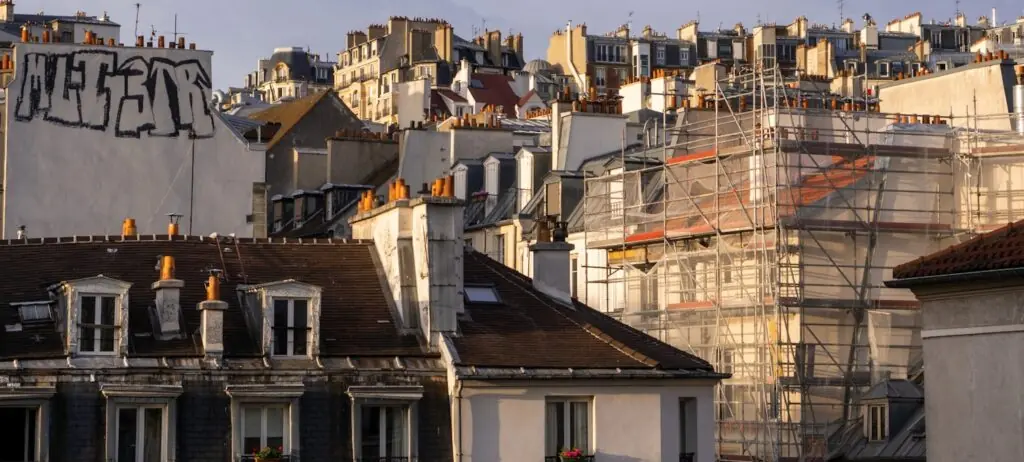
29 September 2026 is a confirmed strike day for France’s public sector and firefighters — not a general strike of trains or planes. Seven unions (CGT, CFDT, UNSA, FSU, Solidaires, CFE-CGC, FA-FP), joined by FO, are calling for industrial action over the 2027 budget, the day before it’s due in the National Assembly. As of publication, no strike notice has been identified for SNCF mainline trains or for aviation on this specific date. If your train or flight is disrupted anyway, full SNCF refunds and EU Regulation 261/2004 still apply — check traffic 24-48 hours before you travel.
Got a train or a flight booked for Tuesday 29 September 2026, and wondering if you’ll actually get there? Good news, partly: as of publication, no confirmed national strike notice specifically targets SNCF mainline trains or air travel on that day. What is very real is a nationwide mobilisation of public-sector workers and firefighters, with a risk of knock-on disruption — schools, government counters, and possibly the Paris RATP network. This guide covers what’s confirmed, what isn’t yet, and above all your concrete rights if your journey is disrupted, on this date or any other.
1. Transport on 29 September 2026: what we actually know
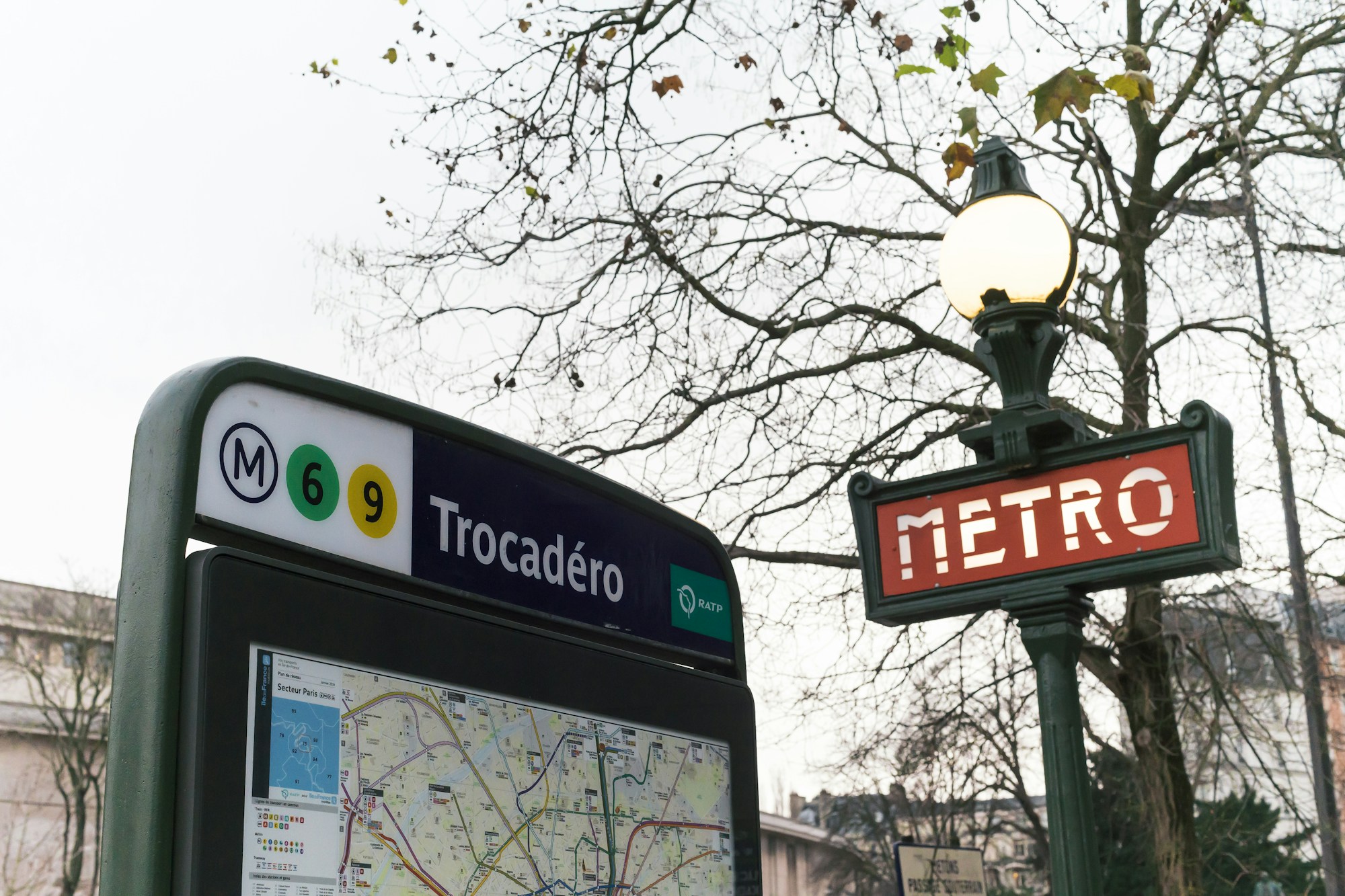
No confirmed nationwide strike of trains or planes on this date
Despite what the headlines suggest, 29 September 2026 isn’t shaping up as a general transport strike. No national notice has been identified at SNCF for mainline trains (TGV, Intercités) on this exact date: rail unions CGT, SUD-Rail and CFDT are instead calling for an all-services strike day on 26 September, three days earlier, over company-specific issues (SNCF’s subsidiary restructuring, Fret SNCF, rail staff status). On the aviation side, no notice has been filed with air traffic control or the major airlines for 29 September either, according to tracking by Connexion France and The Local France.
The one real grey area is the RATP (Paris metro, RER, buses). One source mentions notices filed by five unions for three dates, including 29 September, against the austerity measures in the 2027 budget. This hasn’t been independently confirmed by the reference sites consulted for this research: treat it as unconfirmed, and keep an eye on the traffic forecast published by RATP and Île-de-France Mobilités the day before.
What’s confirmed for this date
- A nationwide mobilisation of public-sector workers (state, local government, hospitals), called by seven unions joined by FO
- A national firefighters’ demonstration in Paris, backed by a strike notice running from 8 September to 20 October 2026
- Possible school closures and slower service at government counters (prefectures, town halls, tax offices)
- Confirmed mobilisation beyond Paris, including in Lyon and Bordeaux
If traffic does end up disrupted, the simplest workaround is to enjoy your day without depending on public transport: a walking tour crosses a strike day without ever being exposed to it.
2. Who’s calling the strike, and why 29 September specifically
The call is a joint one: CGT, CFDT, UNSA, FSU, Solidaires, CFE-CGC and FA-FP, later joined by FO, after the 8 July 2026 pay talks in Bercy collapsed — eight representative unions walked out that day, judging the Lecornu government’s offer insufficient, according to naudrh.com. On 1 September 2026, CGT general secretary Sophie Binet formally called for a « big strike » against the 2027 budget, a headline figure reported by CNEWS: around 862,000 public employees would still be earning below minimum wage according to the unions, despite government proposals.
There are two demands: a general pay rise and revaluation of the civil-service pay index, tied to inflation (frozen for most of 2010-2022, and only raised by a cumulative 6.3% between 2016 and 2023 against roughly 25-28% inflation over the same span); and the reinstatement of the GIPA (individual purchasing-power guarantee), full pay during sick leave, and equal pay between women and men. The date isn’t a coincidence: it falls just before the 2027 Finance Bill is due in the National Assembly, expected around 30 September (the legal deadline is 6 October), and is explicitly designed to weigh on autumn budget decisions — the review runs until a formal vote scheduled for 17 November 2026, according to journaldunet.com.
3. What’s likely to close or slow down on 29 September
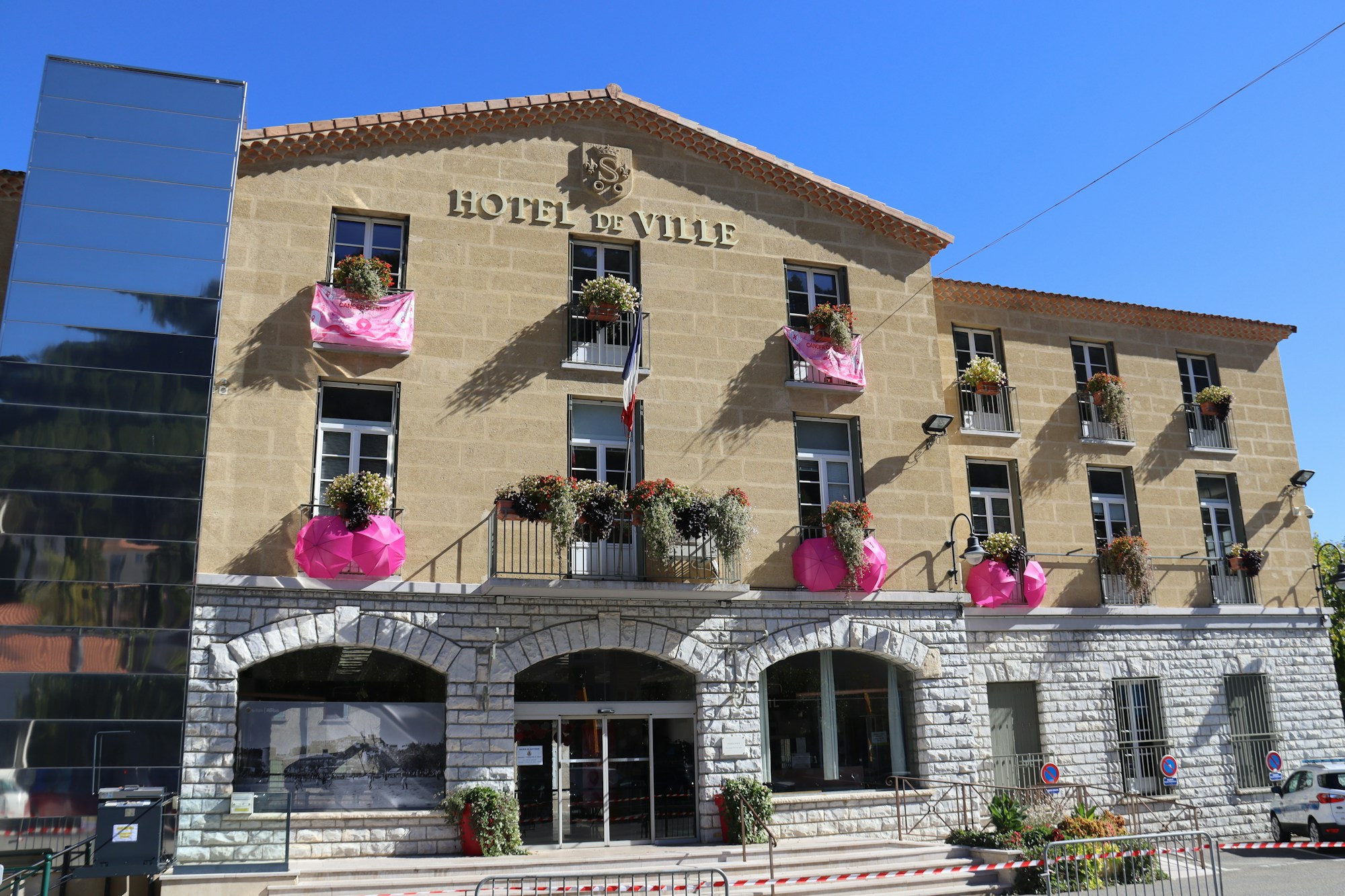
Government offices, schools, hospitals: disruption will vary by location
The expected closures and slowdowns concern public services above all, not transport: schools (possible closures, with strike participation varying widely from one school to the next — check directly with your children’s school the day before), prefectures, town halls, tax offices and education authorities running slower or closed, and public hospitals keeping emergency care running while routine appointments may be postponed. Public nurseries, swimming pools and libraries may also be affected.
France’s firefighters are running a separate but concurrent campaign: static gatherings at Place de la République in Paris on 26, 27 and 28 September, followed by a national march on the 29th, under a strike notice running from 8 September to 20 October 2026 (over recruitment, working conditions and pensions). The mobilisation is confirmed beyond Paris too, notably in Lyon and Bordeaux.
Key takeaways
- Check directly with the school or office you need — situations vary hugely from one place to the next
- Hospital emergency departments stay open; only non-urgent care may be postponed
- Build in extra time if you have an administrative appointment (prefecture, town hall) booked that day
4. Your rights if your train is disrupted (SNCF)
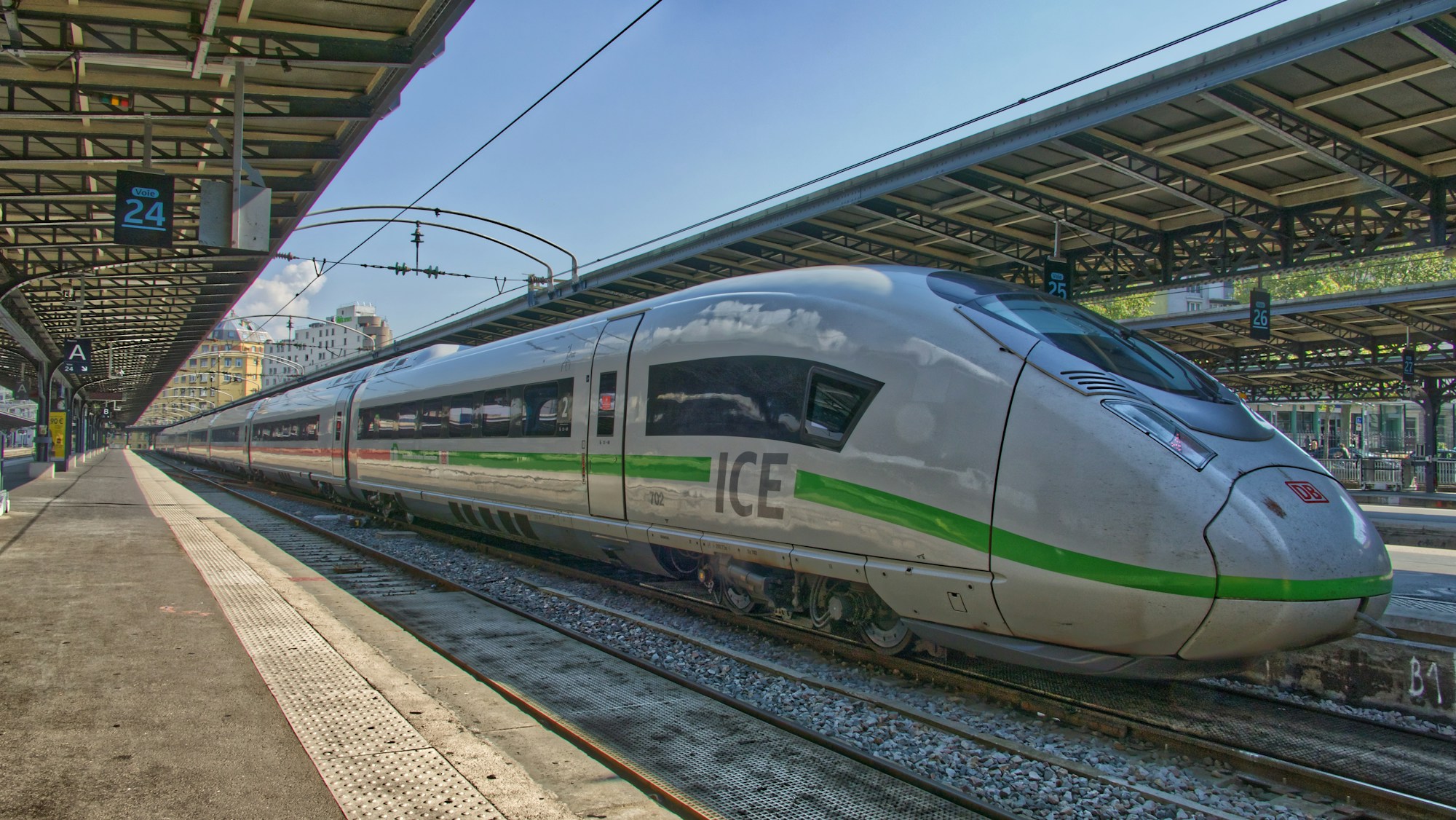
Full refund, but it isn’t automatic
If your train is cancelled because of a strike notice, SNCF guarantees a full refund, whatever type of ticket you hold, including tickets that are normally non-exchangeable or non-refundable, according to SNCF Connect. It isn’t automatic though: you need to cancel your ticket before departure, via the SNCF Connect app (claims/refund section), at a travel agency, or directly at a station ticket office — handy if you paid in cash or holiday vouchers. Processing takes up to a month after your request.
You can also exchange your ticket free of charge for another train on the same route, including on a linked return leg. On OuiGo, the terms are more relaxed, but the refund comes as a credit voucher rather than cash.
The G30 guarantee, strike or no strike
Separately from any strike, the G30 guarantee kicks in from 30 minutes’ delay on arrival for TGV INOUI, Intercités and Lyria: 25% of the ticket price refunded for a 30-minute-to-2-hour delay, 50% for 2-3 hours, and 75% beyond that. You have 90 days after travel to claim. OuiGo has its own scale, starting from a one-hour delay.
- Extra costs are refundable on production of receipts during a strike: parking, a hotel night, meals bought at the station
- For unresolved disputes, the transport ombudsman is a free avenue of recourse
5. Your rights if your flight is disrupted (EU Regulation 261/2004)
Your own airline’s strike vs. an external strike: a crucial distinction
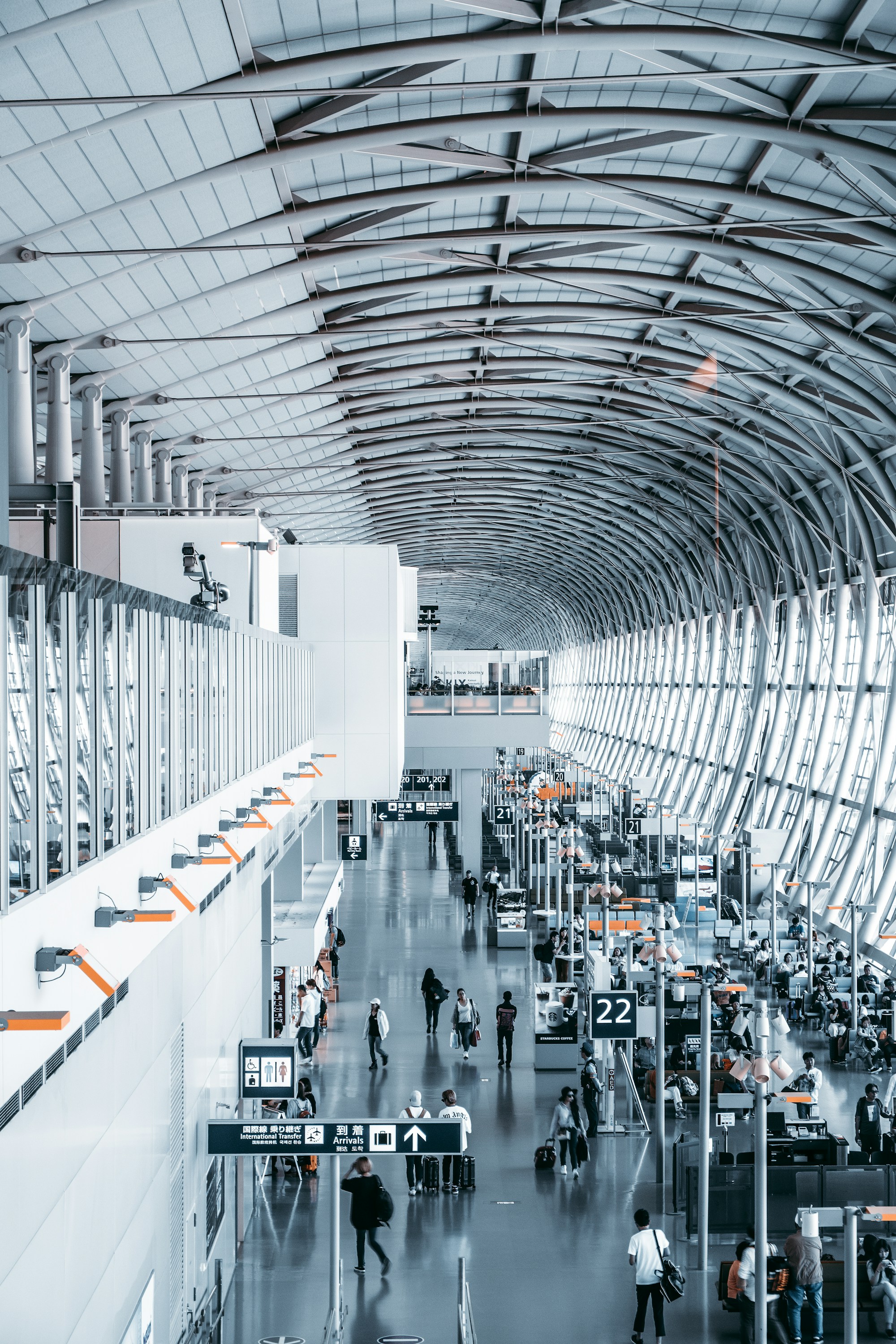
EU Regulation (EC) No. 261/2004 covers air passenger rights on any flight departing the European Union. Everything hinges on where the strike originates:
- A strike by your own airline’s staff (pilots, cabin crew): NOT an « extraordinary circumstance ». The airline must compensate you €250-600 depending on distance, for a cancellation or a delay of over 3 hours.
- An external strike (air traffic control, airport security): classed as an « extraordinary circumstance ». The airline is exempt from the fixed compensation.
Even in an extraordinary circumstance, some rights still apply: a full refund of your ticket within 7 days, or re-routing on comparable terms; immediate assistance (meals, accommodation if an overnight stay is needed, airport-hotel transfers, two phone calls or emails); and an obligation for the carrier to keep you informed without delay, according to airinfo.org. Keep every receipt for extra expenses so you can claim them back, even without the fixed compensation.
To track strike notices filed across the aviation sector all year round, our air strike calendar and your rights stays up to date as announcements come in.
6. Travel insurance: what it covers (and doesn’t) during a strike
Standard travel insurance generally doesn’t cover a cancellation by the carrier itself due to a strike: it’s a common exclusion in standard policies, according to reassurez-moi.fr. There are two separate types of cover to know: « cancellation », which covers non-refundable costs paid before you left because of a strike already announced, and « interruption », which covers a trip cut short or disrupted by a strike that happens while you’re travelling.
The key catch: if a strike has already been announced (a notice already filed) by the time you take out your insurance, the policy won’t cover that specific event. Which is exactly why it pays to buy cover early, before any notice is announced, if you actually want to be protected. For broader protection, « cancel for any reason » policies exist — pricier, but far more flexible. You’ll find a selection in the practical section below.
7. Alternatives: carpooling, coaches and the last mile
If your journey is disrupted after all, a few options limit the damage. Carpooling demand rises 30-50% during rail disruption, according to BlaBlaCar itself, which has historically offered free rides via Blablalines for commuting trips on strike days (up to two rides a day per driver). Watch out for platform commission though, which can climb up to 22% per ride during demand spikes. As a rough non-strike benchmark: a Paris-Lyon carpool runs around €25, Paris-Bordeaux around €30, and BlaBlaBus runs Paris-Lille from €5.
To reach a Paris airport without relying on public transport, taxis charge a regulated flat fare (around €56 between CDG and Paris’s right bank), unaffected by traffic. Private transfers aren’t hit by public transport strikes either, and plenty of distances between Paris tourist sights are genuinely under 10 minutes on foot — a good excuse to explore neighbourhoods like Belleville, street art and rooftop views, without waiting for the next metro. Our guide to the Ascension long weekend without flying also covers tried-and-tested alternatives to the TGV and domestic flights, useful well beyond this particular date.
One tip that comes up in every practical guide: avoid peak hours (8:30-9:30am and 5:30-6:30pm) on disrupted days, since these slots see the heaviest traffic even on a reduced service.
8. What past mobilisations show (and two dates not to confuse)
To add some real texture without straying into guesswork, a few precisely dated reference points. On 18 September 2025, a public-sector mobilisation drew up to 505,000 protesters according to the Interior Ministry (over a million according to the CGT), with RATP traffic heavily disrupted that day. The following mobilisation, on 2 October 2025, showed a clear drop-off: 195,000 protesters according to the ministry, and strike participation in the public sector falling below 5% — a classic pattern of momentum fading after an initial peak. On 10 June 2026, a documented SNCF industrial dispute kept an average of two out of three TGVs running.
A real, recent example of what an external strike can do to air traffic: our article on the May 2026 Ascension air traffic controllers’ strike, which cancelled up to 75% of flights at Orly, shows exactly how the EU 261/2004 rules covered above play out in practice.
Two clarifications to avoid confusion: 29 September has been a mobilisation date in France before, notably in 2010 (against pension reform) and in 2022 (air traffic control notices and SNCF/RATP figures from that period, reported at the time by tourmag.com). Neither of those has any connection to the 2026 mobilisation — the traffic figures attached to them apply to neither this year nor this date in its current context.
Practical info for your trip
Stay connected to track live traffic on SNCF Connect or the RATP/IDFM app, without hunting for station wifi.
From €4.50For the mishaps that fall outside a strike already announced: trip disruption, medical emergencies, lost luggage.
From $56 / 4 weeksFrequently Asked Questions
Is there really a strike of trains and planes on 29 September 2026?
As of publication, no confirmed national strike notice has been identified for SNCF mainline trains or aviation on this specific date. What is confirmed is a nationwide mobilisation affecting the public sector and firefighters. An RATP element is mentioned by one source but remains unconfirmed: check the traffic forecast published the day before on cestlagreve.fr.
If my train is cancelled because of a strike, do I get a refund?
Yes, in full, even on tickets that are normally non-refundable. It isn’t automatic though: you need to cancel your ticket before departure, via SNCF Connect, a travel agency, or a station ticket office.
What if my flight is cancelled because of an air traffic controllers’ strike?
You’re entitled to a full refund within 7 days or re-routing, plus assistance (meals, accommodation), but not the fixed compensation of €250-600: an air traffic control strike is classed as an « extraordinary circumstance » under EU Regulation (EC) 261/2004. If the strike involves your own airline’s staff, the fixed compensation still applies.
Does my travel insurance cover cancellation due to a strike?
Rarely, in standard policies — and never if the notice was already known when you took out the policy. Only « cancel for any reason » policies offer real cover.
How will I know if my train or flight is cancelled on 29 September?
Operators only publish their adjusted timetables once a strike notice is actually filed, usually the day before, because staff have to individually declare their intent to strike 48 hours ahead (Law No. 2007-1224). Check SNCF Connect, the RATP/IDFM app, or your airline’s website 24-48 hours before you travel.
Why is this strike happening on 29 September specifically?
The date falls just before the 2027 Finance Bill is due in the National Assembly, expected around 30 September. It’s a deliberate calendar choice by the unions, aimed at influencing this autumn’s budget decisions.
Sources
- CGT — Public-sector strike call for 29 September
- naudrh.com — 29 September 2026 strike: why the social crisis is entrenched
- Connexion France — List of strike action expected in France in September 2026
- The Local France — The strikes planned in France in September 2026
- CGT Cheminots — Call for 26 September
- Orange Actu — Firefighters’ mobilisation on 29 September
- Légifrance — Law No. 2007-1224 of 21 August 2007 on social dialogue and public service continuity
- SNCF Connect — Exchange, cancellation and refund conditions
- EUR-Lex — Regulation (EC) No. 261/2004 on air passenger rights
- airinfo.org — Compensation during air traffic controller strikes in 2026
- reassurez-moi.fr — Travel cancellation insurance: reasons, prices and comparison
- JournalDuNet — CGT calls for a big strike on 29 September 2026 against the 2027 budget
Research conducted on 3 September 2026, 26 days before the date covered by this article. The situation may still change, particularly for SNCF and aviation — we recommend checking the sources above closer to 29 September.

Plan your trip with Pixidia
Pixidia learns how you travel and helps you build a trip that truly fits you and everyone coming along.
Open the planner