
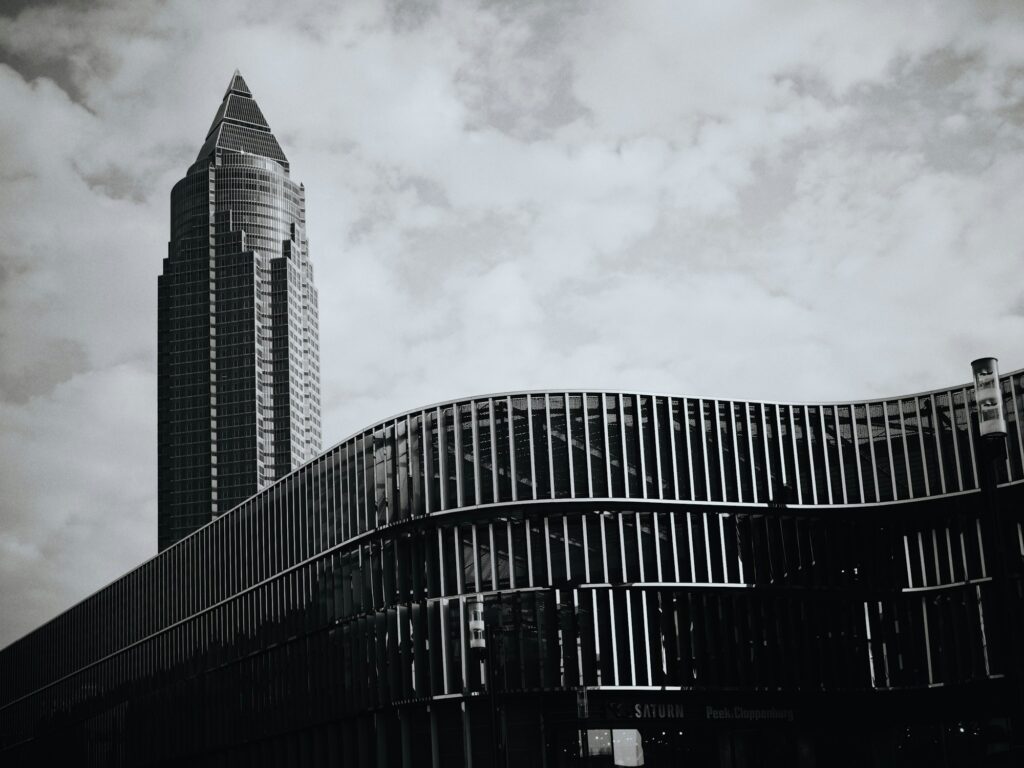
On April 23, 2026, Europe’s largest privately funded infrastructure project opens its doors. After over a decade of construction and a 4-billion-euro investment, Frankfurt Airport’s Terminal 3 welcomes its first passengers. Designed by Frankfurt-born architect Christoph Mäckler around the poetic concept of the « growing beetle, » this glass-and-steel giant adds 19 million passengers of annual capacity to the German hub. For international travelers, the impact is tangible: 57 airlines are relocating from Terminal 2, connections are changing, and a new automated train links everything in 8 minutes. Here is everything you need to know to plan ahead, navigate, and make the most of this airport revolution.
1. Architecture: Christoph Mäckler’s « Growing Beetle »
A modular architecture on an urban scale
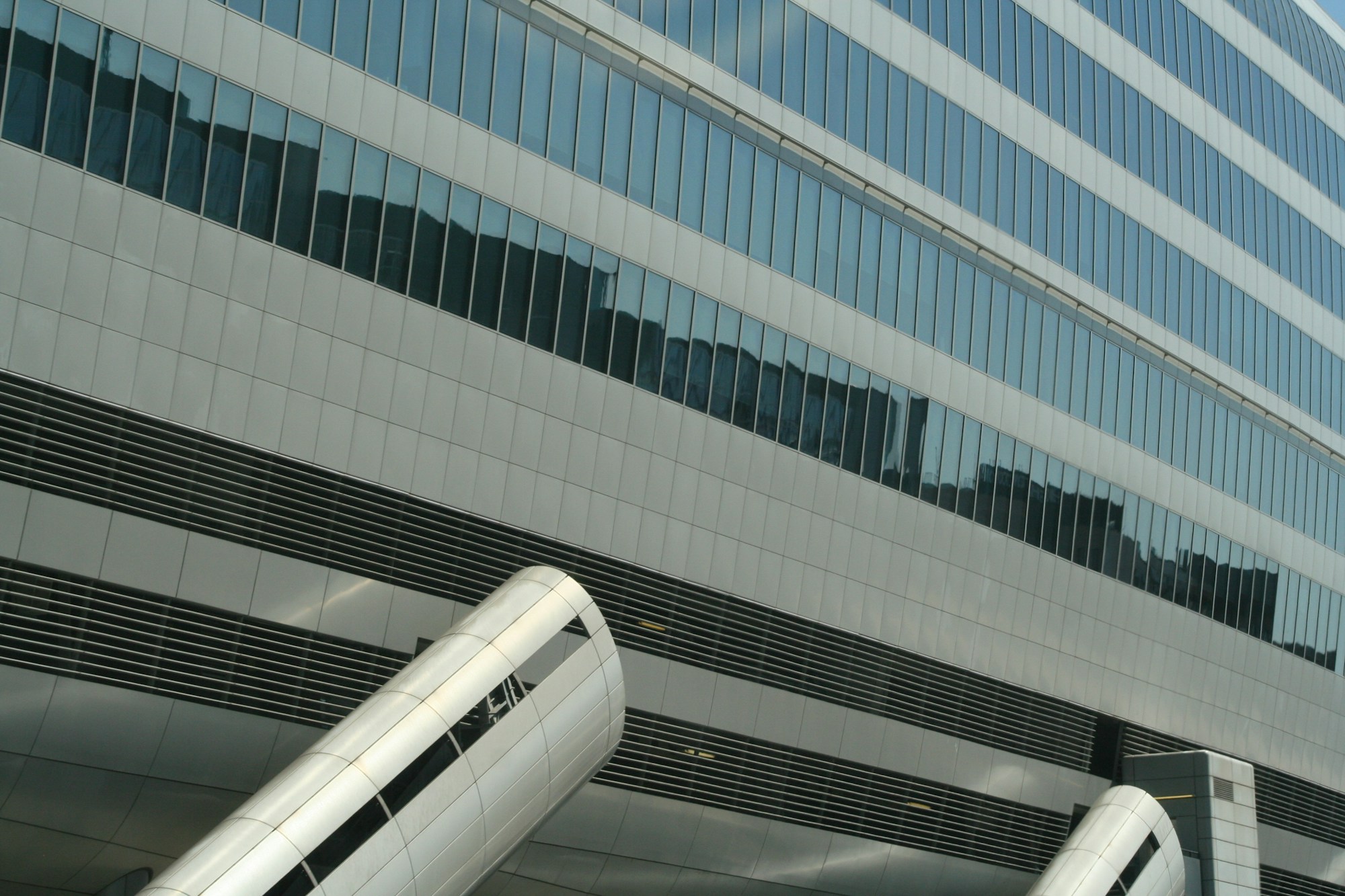
Terminal 3 is not just a building — it is a piece of city. Designed by Christoph Mäckler Architekten, a Frankfurt native, the project is built around a concept called the « growing beetle » (wachsender Käfer). According to Hessenschau, this metaphor captures the terminal’s ability to expand progressively, module by module, without disrupting existing operations.
The most striking element is its 18-meter-high glass facade, which floods the halls with natural light. As described by Glas Trösch, this facade features a distinctive « fold » — a deliberate inclination that addresses a technical constraint: compatibility with the airport’s radar systems. Far from being a flaw, this fold has become the building’s visual signature, giving it a silhouette recognizable from kilometers away.
Inside, the Marktplatz (marketplace) forms the social heart of the terminal. This 6,000 m² zone, located beyond security, is crowned by a spectacular ceiling sculpture designed by the studio LAVA (Laboratory for Visionary Architecture). Three kinetic artworks by artist Julius von Bismarck, titled « The First, the Last, Eternity, » animate the space with perpetually moving torus shapes.
Key architectural highlights
- Modular design: the terminal can be expanded without disrupting traffic
- Minimal heating thanks to insulation and natural light
- Over 50% of construction contracts awarded to companies within a 150 km radius
- Built on the former American Rhein-Main Air Base (1945–2005)
2. Terminal 3 by the numbers: a colossal infrastructure
19 million passengers, expandable to 25 million
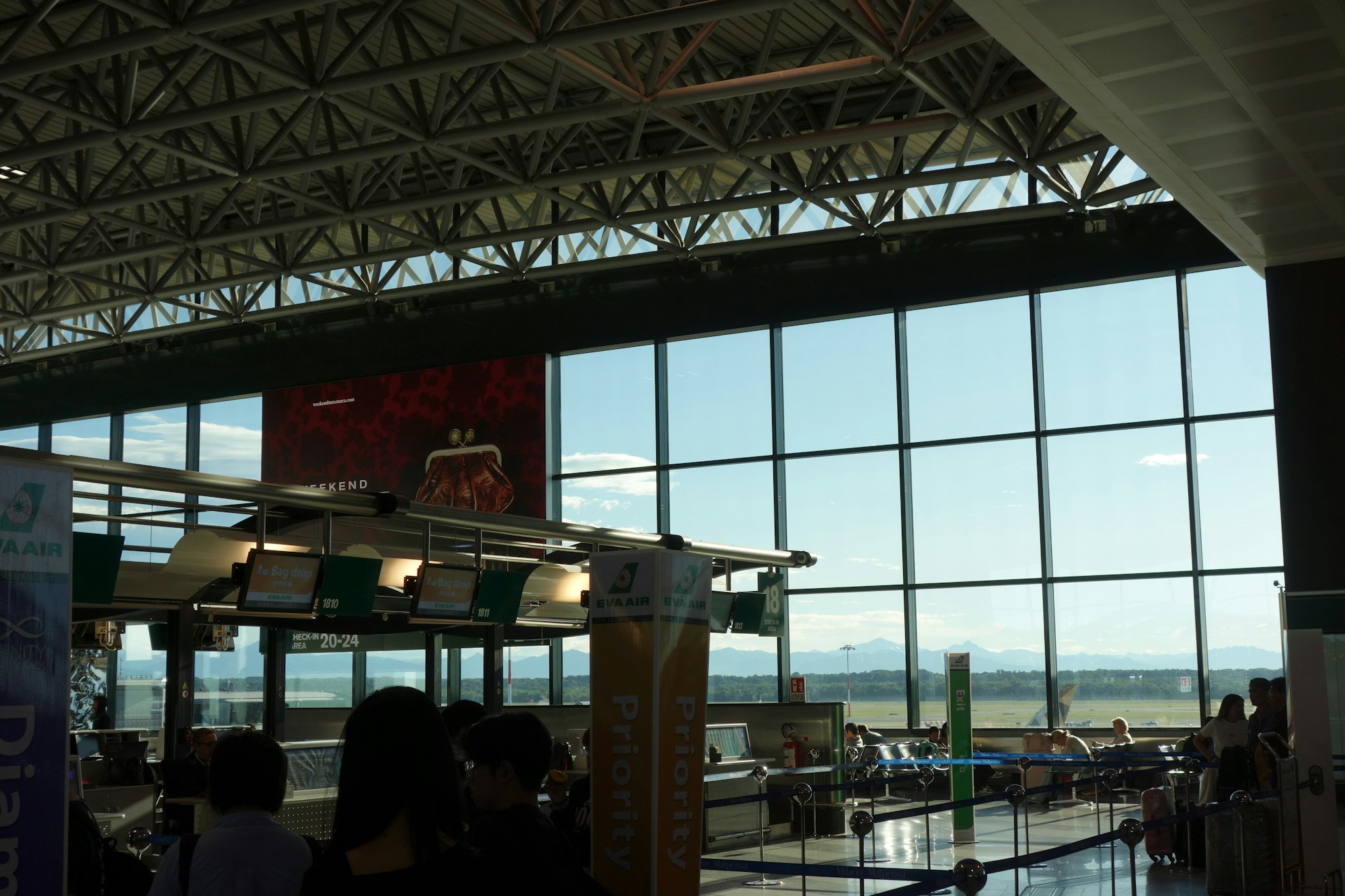
Terminal 3 represents Europe’s largest privately funded infrastructure project. Fraport AG, the airport operator, invested nearly 4 billion euros without any public subsidies, according to its official press kit.
| Feature | Data |
|---|---|
| Annual capacity | 19 million passengers (expandable to 25M) |
| Total area | 403,000 m² |
| Footprint | 176,000 m² |
| Investment | ~4 billion euros (100% private) |
| Check-in counters | 112 |
| Baggage carousels | 15 carousels |
| Security lanes | 21 next-generation CT scanners |
| Parking spaces | 8,500 (with EV charging stations) |
| Lounges | ~5,000 m² (including 550 m² SkyTeam Lounge) |
| Inauguration / First flight | April 22 / April 23, 2026 |
The 21 CT (computed tomography) scanners represent a major improvement for the passenger experience. According to One Mile at a Time, these next-generation devices allow passengers to keep laptops and tablets inside their carry-on bags, significantly speeding up the security process.
3. 57 airlines relocating: who flies from Terminal 3?
oneworld, SkyTeam and independents — but not Lufthansa
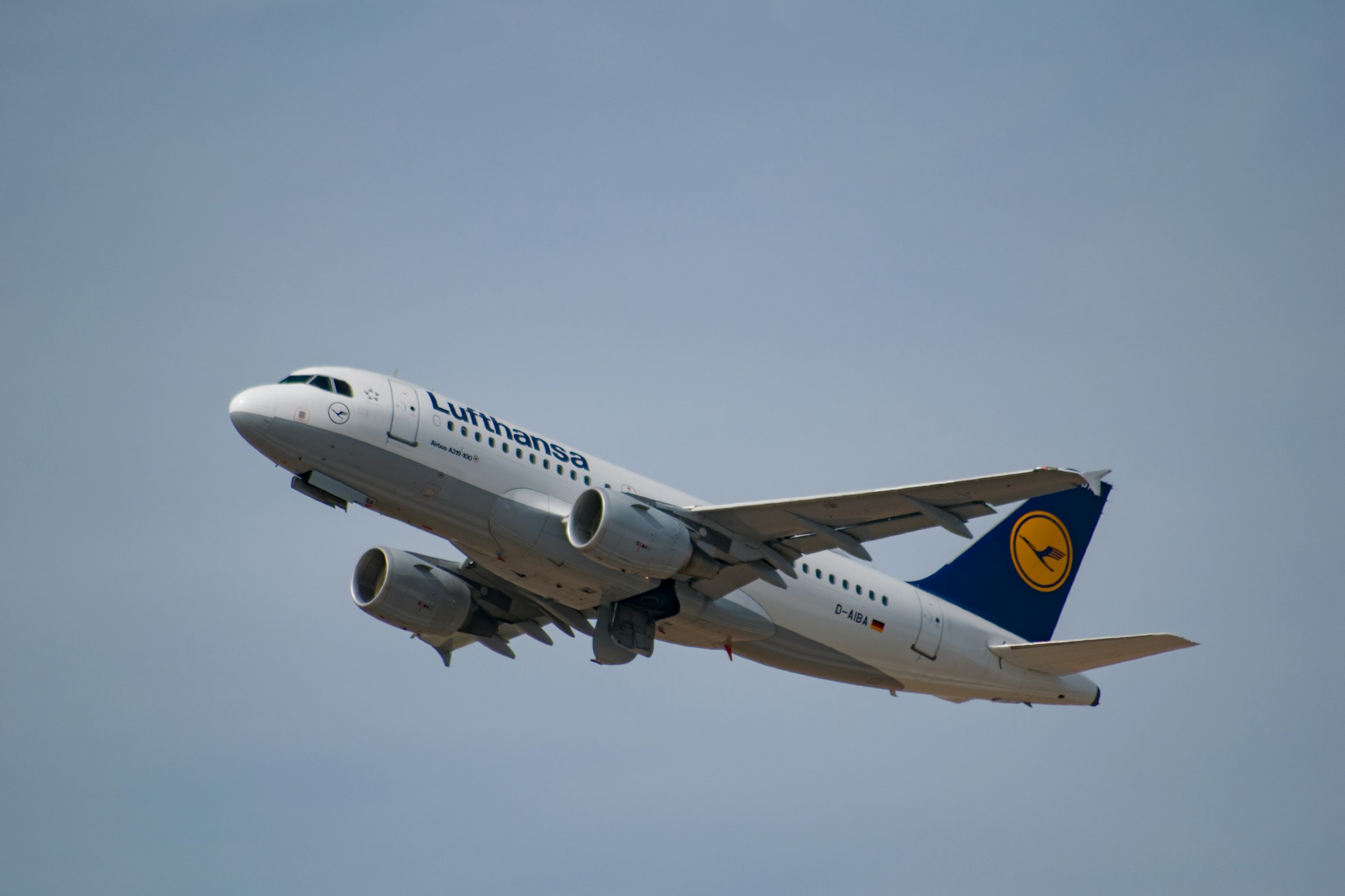
Terminal 3 will host 57 airlines that previously operated from Terminal 2. According to Frankfurt Airport, these are primarily members of the oneworld alliance (British Airways, Iberia, Qatar Airways, Cathay Pacific, American Airlines…) and the SkyTeam alliance (Air France, KLM, Delta, Korean Air, China Eastern…), along with numerous independent carriers.
Key point for travelers: Lufthansa and its Star Alliance partners remain at Terminal 1. If you are transiting through Frankfurt on a Lufthansa flight with a connection to Air France or British Airways, you will need to change terminals via the Sky Line.
Relocation schedule
The airline transfer will take place in several phases to minimize disruptions, according to Fraport:
- April 23, 2026: first flights from Terminal 3
- April–June 2026: gradual transfer of all 57 airlines from T2
- June 9, 2026: last airline transferred, Terminal 2 emptied
- Summer 2027: Condor also moves to T3
- After June 2026: T2 closes for a full 5-year renovation
A SkyTeam Lounge of 550 m² is confirmed at Terminal 3, with nearly 5,000 m² of lounge spaces in total, according to LoyaltyLobby.
4. Sky Line: the automated train connecting the terminals
5.6 km in 8 minutes, every 2 minutes
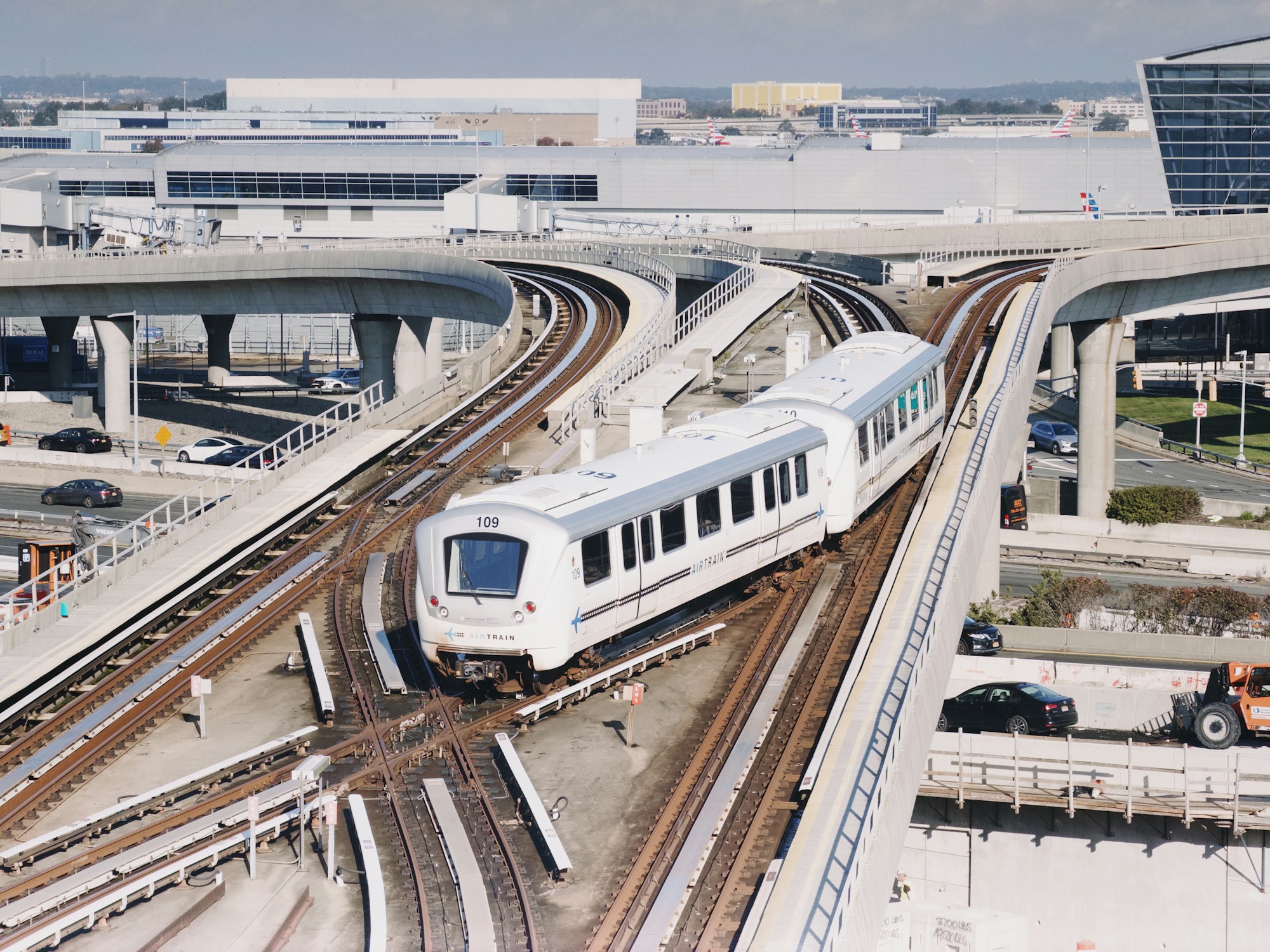
The Sky Line is the lifeline connecting Terminal 3 to the rest of the airport. This driverless automated rail system covers 5.6 km and links T3 to T1 in approximately 8 minutes. According to Fraport, trains run every 2 minutes during peak hours, with a capacity of over 4,000 passengers per hour.
The journey includes an intermediate stop at Terminal 2 (as long as it remains in service, before its closure for renovation). The Sky Line is free and accessible to all passengers, whether connecting or departing.
How the Sky Line works
- T3 → T1 journey: approximately 8 minutes with intermediate stop
- Frequency: every 2 minutes during peak hours
- Capacity: over 4,000 passengers per hour in each direction
- Cost: free for all passengers
- Accessibility: fully adapted for passengers with reduced mobility
5. Getting to Terminal 3 from Frankfurt and its surroundings
S-Bahn, car, and shuttles: all your options
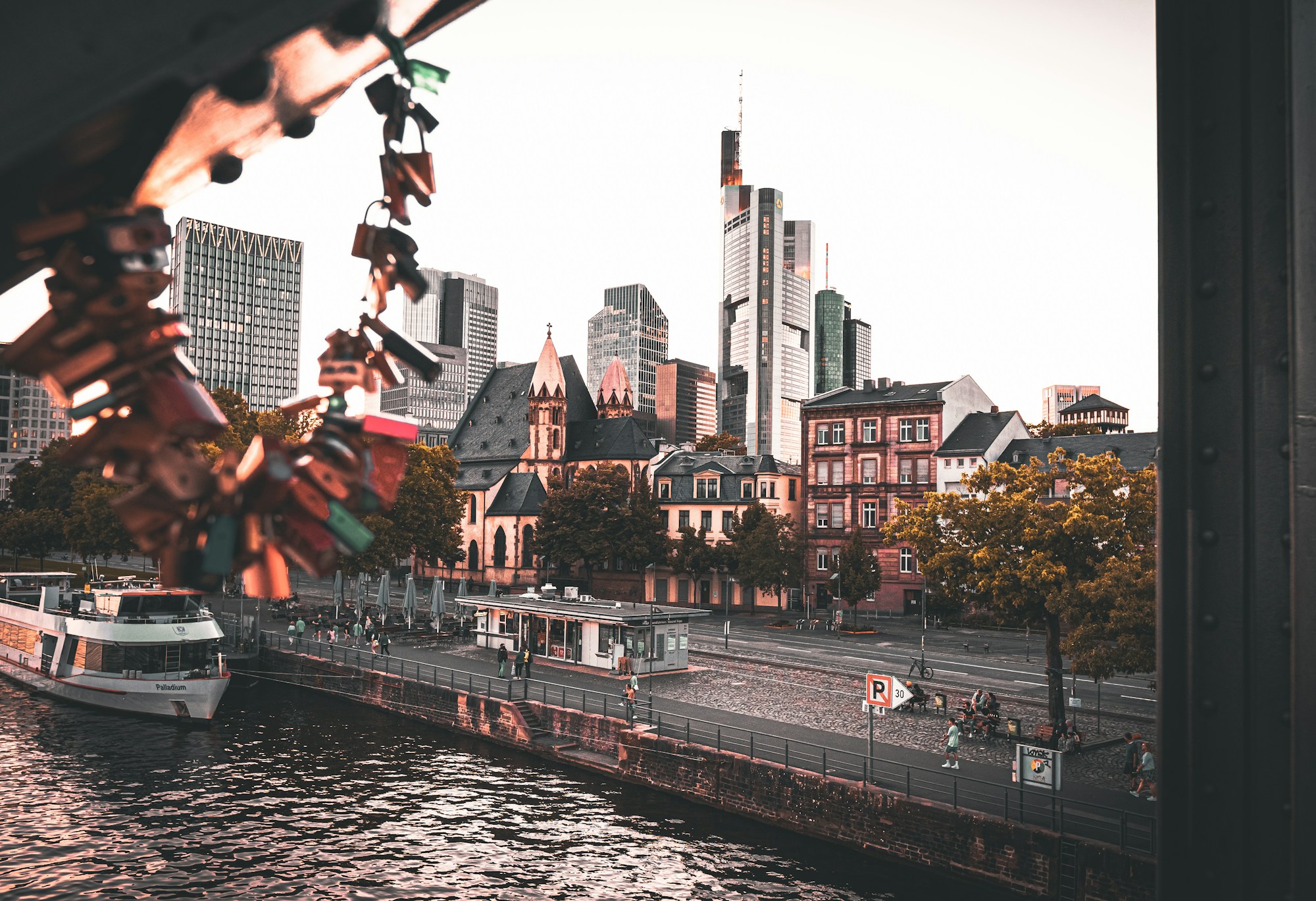
Terminal 3 is not directly served by the rail network. To reach it by public transport, you need to go through Terminal 1 first, then take the Sky Line. The S-Bahn lines S8 and S9 connect Frankfurt Central Station (Frankfurt Hauptbahnhof) to the airport station at T1 in approximately 12 minutes, for a fare of around €6.30, according to AeroGreet.
| Transport mode | Total duration | Approximate cost | Details |
|---|---|---|---|
| S-Bahn + Sky Line | ~25 min | ~€6.30 | S8 or S9 to T1, then Sky Line (8 min) |
| Taxi / Rideshare | 20–40 min | €35–55 | Direct road access to T3 |
| Personal car | 15–30 min | Variable + parking | 8,500 spaces with EV chargers |
| Private transfer | 20–35 min | From €45 | Online booking, meet-and-greet on arrival |
For drivers, Terminal 3 has its own 8,500-space parking facility, equipped with EV charging stations powered by solar panels, according to the official T3 website.
6. Practical tips for your Terminal 3 experience
Preparing your connection and your visit
Whether you are transiting through Frankfurt or departing from there, here are the essential recommendations for navigating the new Terminal 3:
Before your trip
- Check your terminal on your airline’s website or on frankfurt-airport.com — especially during the transition phase (April–June 2026)
- Inter-terminal connections: allow 60 to 90 minutes minimum between T1 (Lufthansa/Star Alliance) and T3 (Air France/SkyTeam, British Airways/oneworld)
- Online check-in: do it the day before to save time at the 112 counters
At the airport
- Enjoy the Marktplatz: 6,000 m² of restaurants, shops, and relaxation areas beyond security — it is the heart of the terminal
- Admire the artwork: the three kinetic sculptures « The First, the Last, Eternity » by Julius von Bismarck are worth seeing
- CT scanners: you can leave laptops and tablets in your bag, but liquids still follow the 100 ml rule
- Lounges: the SkyTeam Lounge (550 m²) is accessible to SkyTeam Elite/Elite Plus members and Priority Pass cardholders
For families
- The terminal is fully accessible for strollers and wheelchairs
- Children’s play areas are available in the Marktplatz zone
- The Sky Line is spacious and accommodates bulky luggage
Practical info for your trip
Frequently Asked Questions about Frankfurt Terminal 3
When exactly does Frankfurt Terminal 3 open?
The official inauguration of Terminal 3 takes place on April 22, 2026. The first commercial flight departs on April 23, 2026. The full transfer of 57 airlines from Terminal 2 will be staggered through June 9, 2026. Source: Fraport.
Does Lufthansa operate from Terminal 3?
No. Lufthansa and its Star Alliance partners remain at Terminal 1. Terminal 3 hosts airlines from the oneworld alliance (British Airways, Qatar Airways, American Airlines…) and SkyTeam alliance (Air France, KLM, Delta…), as well as independent carriers. Source: The Flight Club.
How do you get from Terminal 1 to Terminal 3?
The Sky Line, a free automated train, connects T1 to T3 in approximately 8 minutes. It runs every 2 minutes during peak hours and can carry over 4,000 passengers per hour. The ride includes an intermediate stop at T2. Source: Fraport Terminal 3.
How much time should I allow for a connection between Terminal 1 and Terminal 3?
Allow a minimum of 60 to 90 minutes for an inter-terminal connection. The Sky Line ride takes 8 minutes, but you need to add walking time to the station, possible waiting, and depending on your route, an additional security screening.
Can you keep your laptop in your bag at security?
Yes. Terminal 3 is equipped with 21 next-generation CT scanners that allow passengers to leave laptops and tablets inside their carry-on bags. However, European liquid regulations (containers of 100 ml maximum) remain in effect. Source: One Mile at a Time.
How much did Terminal 3 cost to build?
Terminal 3 cost approximately 4 billion euros, entirely funded by Fraport AG without public subsidies. It is Europe’s largest privately funded infrastructure project. The terminal covers 403,000 m² and can handle 19 million passengers per year, expandable to 25 million. Source: Fraport Press Kit.
What happens to Frankfurt’s Terminal 2?
Once all airlines have been transferred to Terminal 3 (expected by June 2026), Terminal 2 will close for a complete 5-year renovation. It will reopen fully modernized, further increasing Frankfurt Airport’s overall capacity. Source: AvioRadar.
How do you reach Terminal 3 by public transport?
Terminal 3 does not have its own train station. Take the S-Bahn (lines S8 or S9) to the airport station at Terminal 1 (~12 min from Frankfurt Hauptbahnhof, ~€6.30), then ride the free Sky Line (~8 min) to T3. Total time from Frankfurt city center: approximately 25 minutes. Source: AeroGreet.
Sources
- Fraport — Official Terminal 3 Frankfurt website
- Fraport Press Kit — Terminal 3 press kit
- Fraport — Terminal 3 inauguration press release
- Frankfurt Airport — Terminal 3 passenger guide
- Hessenschau — Terminal 3 architecture: « Cool, but not cold »
- Glas Trösch — Terminal 3: urban-scale architecture
- One Mile at a Time — Frankfurt Airport Terminal 3: everything you need to know
- The Flight Club — What changes for passengers
- LAVA — Frankfurt Terminal 3 Marketplace (design and sculpture)
- LoyaltyLobby — Terminal 3 ready for operations
- AvioRadar — Frankfurt Terminal 3 opening April 2026
- AeroGreet — Frankfurt Airport Terminal Guide 2026
- Zonebourse — Frankfurt Terminal 3 to open in April 2026
Research conducted on March 16, 2026
Plan your layover or trip to Frankfurt
Whether Terminal 3 is your starting point or just a connection, explore our itineraries in Germany and across Europe to make the most of your trip.
Explore all itineraries